
A beautiful home rarely starts with a shopping list. It usually starts with a feeling: the calm of a quiet bedroom, the warmth of a Sunday dining table, the ease of a living room where everyone naturally gathers. That feeling is where design inspiration becomes useful. It helps you move from scattered ideas to clear choices about color, furniture, lighting, texture, layout, and small details that make a home feel finished.
The best homes do not look copied. They look collected, lived in, and honest. A picture may spark the idea, but your daily habits should shape the result. This guide will help you turn inspiration into practical decisions for every room, whether you are refreshing one corner or planning a full home update.
What Design Inspiration Really Means in Home Decor
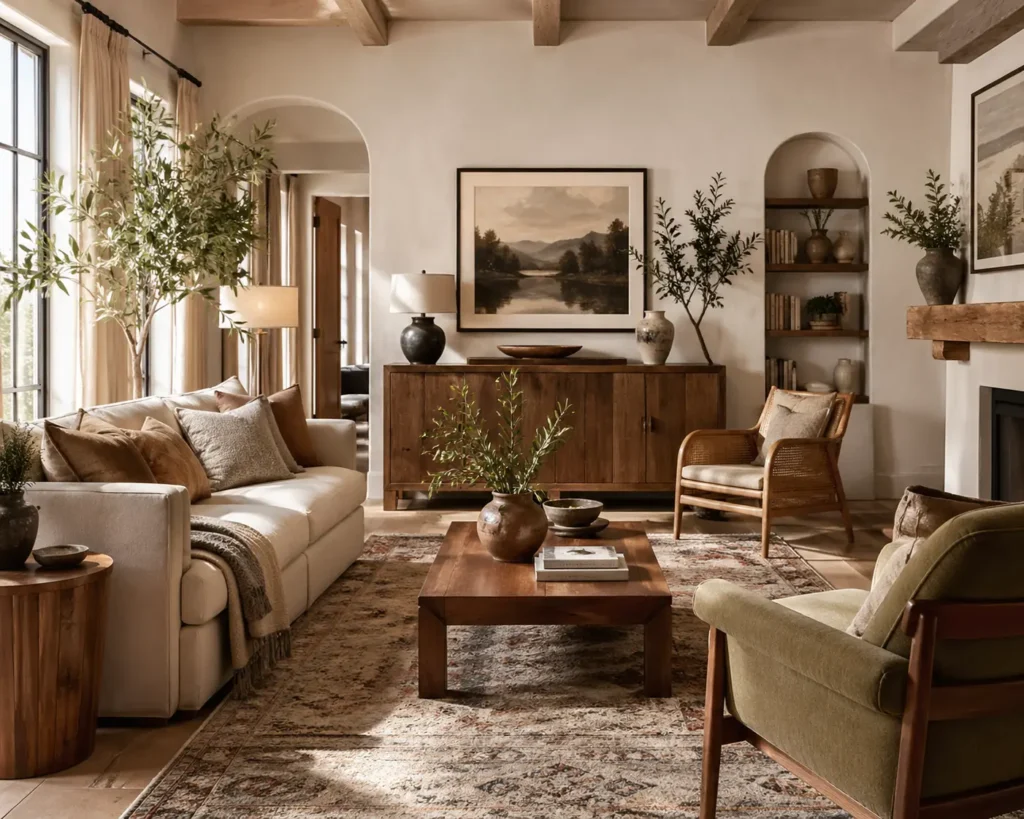
Design Inspiration is not about copying a room exactly as you see it. It is about noticing what attracts you and understanding why it works. Maybe you love a living room because it has soft linen curtains, warm wood, and quiet lighting. Maybe a kitchen feels welcoming because the cabinetry has color, the hardware is simple, and the island leaves enough space for movement.
Once you understand the reason behind your taste, decorating becomes easier. You stop buying random items because they are pretty in isolation. Instead, you choose pieces that support a mood, a purpose, and a visual rhythm. This is how a home starts to feel consistent without becoming stiff or too perfect.
How to Use Design Inspiration Without Copying a Room
The smartest way to use Design Inspiration is to break each idea into parts. Look at color, shape, texture, lighting, layout, storage, and personality. A photo may show a high-end sofa, but the real idea might be the curved shape, the low profile, or the way it softens a room with straight lines.
Start with three words that describe how you want the room to feel. Examples include calm, warm, refined, relaxed, earthy, cheerful, airy, dramatic, or family-friendly. These words become your filter. Before buying a rug, lamp, chair, or wall color, ask if it supports those words. This simple habit saves money and prevents a room from feeling confused.
Create a Small Idea Board First
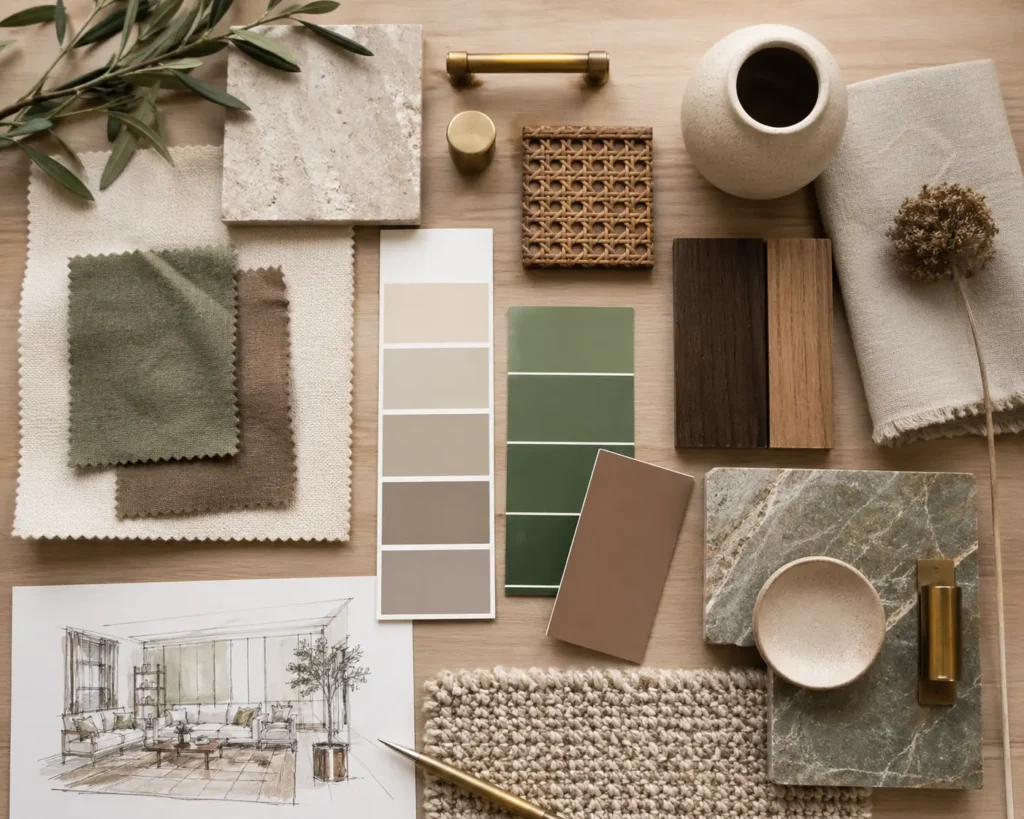
Before changing a room, collect 10 to 15 images that truly speak to you. Do not collect hundreds, because too many choices can make decisions harder. Place your favorite images side by side and look for repeated patterns. You may see the same wood tone, the same wall color family, the same sofa shape, or the same kind of artwork appearing again and again.
Those repeats are clues. They show your real taste, not a passing mood. Write them down in plain language. For example: “warm white walls, aged brass, dark wood, striped fabric, layered rugs, and soft lamps.” This list becomes more useful than the images themselves.
Let Your Lifestyle Lead the Design
A home should support real life. A white boucle chair may look beautiful, but it may not be ideal beside a toddler’s snack table. A glass coffee table can look light and elegant, but it may not suit a busy family room. Good decorating starts by respecting how the room is used.
Think about traffic flow, cleaning habits, pets, children, storage needs, natural light, and the time you actually spend in the space. A room can still look beautiful when it is practical. In fact, the most successful rooms usually feel better because the function has been solved first.
Room-by-Room Design Inspiration for a Better Home
Each room has its own job. The living room may need comfort and conversation. The bedroom needs rest. The kitchen needs movement, storage, and durability. When you gather Design Inspiration, study rooms according to their purpose, not only their style. This helps you create spaces that look good and work well.
A useful approach is to identify the “main moment” in each room. In a living room, it may be the seating area. In a bedroom, it may be the bed wall. In a dining room, it may be the table and lighting. Once the main moment is strong, the rest of the room becomes easier to complete.
Living Room Design Inspiration That Feels Warm and Welcoming
A living room should invite people to sit, talk, read, watch, and rest. Start with the seating plan before choosing accessories. Sofas and chairs should face each other enough for conversation, not only point toward a screen. If the room is large, create zones with rugs, side tables, and floor lamps.
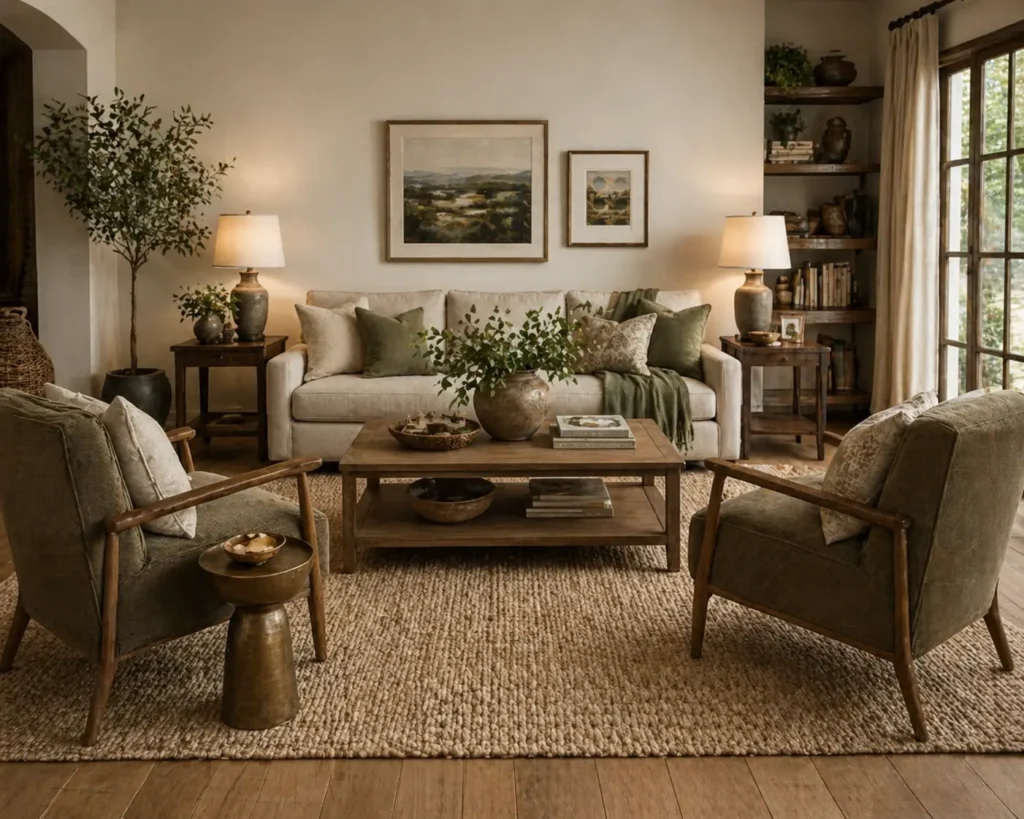
Layering makes a living room feel finished. Use a mix of soft textiles, natural wood, ceramic pieces, books, framed art, and warm lighting. Avoid relying on one ceiling light. A combination of table lamps, floor lamps, and wall lights gives the room more depth. For color, warm neutrals, muted greens, deep blues, terracotta, chocolate brown, and soft cream all work well with many furniture styles.
Bedroom Design Inspiration for Restful Comfort
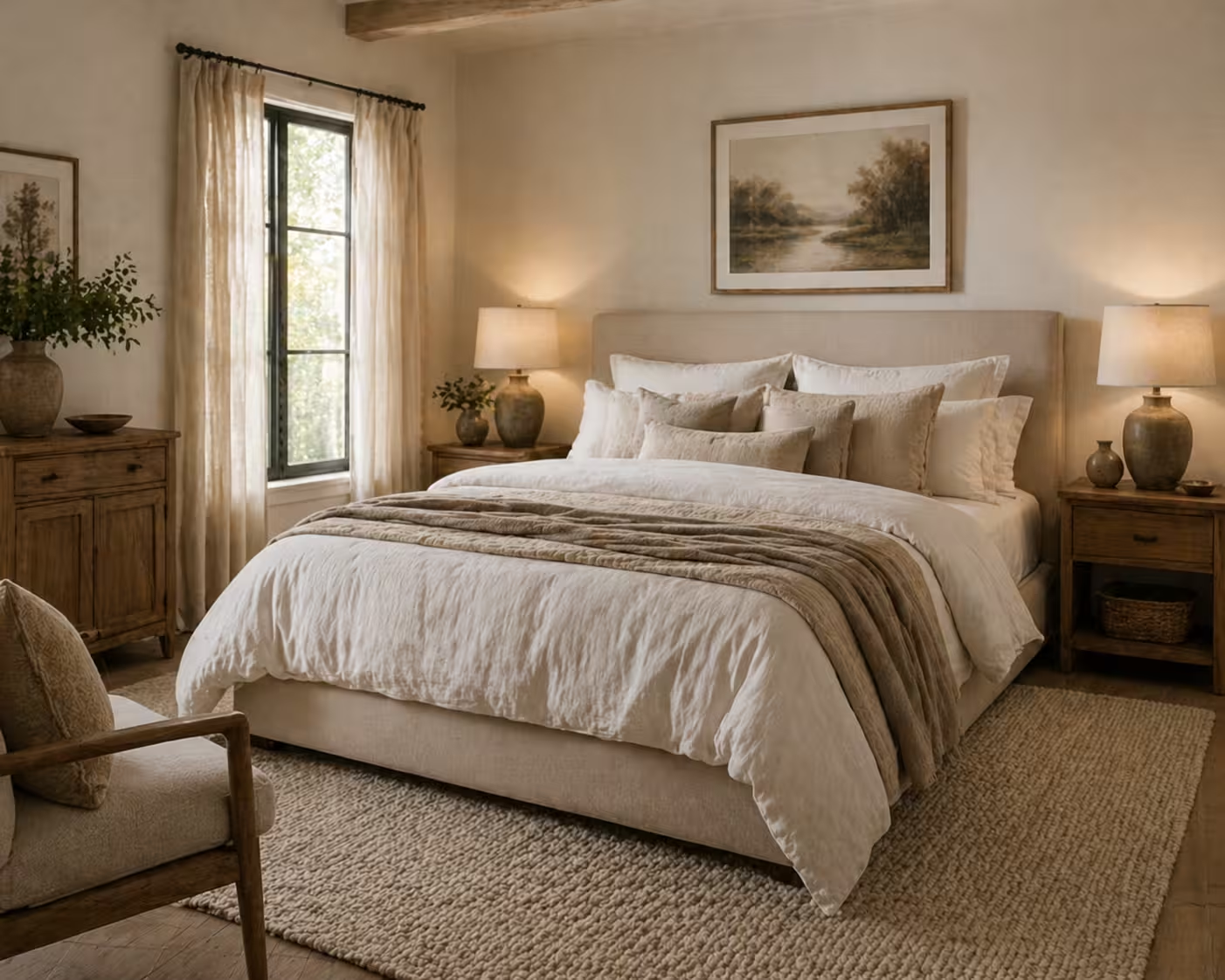
The bedroom should feel quieter than the rest of the home. Begin with the bed, because it is the visual anchor. A simple upholstered headboard, layered bedding, and balanced nightstands can make even a modest room feel thoughtful. Choose bedding that feels good against the skin, not only fabric that photographs well.
Soft lighting is important. Use lamps with warm bulbs, shaded sconces, or dimmers to avoid a harsh evening mood. If the room feels plain, add interest through texture: a woven bench, linen curtains, a wool rug, or a limewash-style wall finish. Keep surfaces clear enough for rest, but add one or two personal details, such as a framed photo, a small vase, or a favorite book.
Kitchen Design Inspiration That Balances Beauty and Daily Use
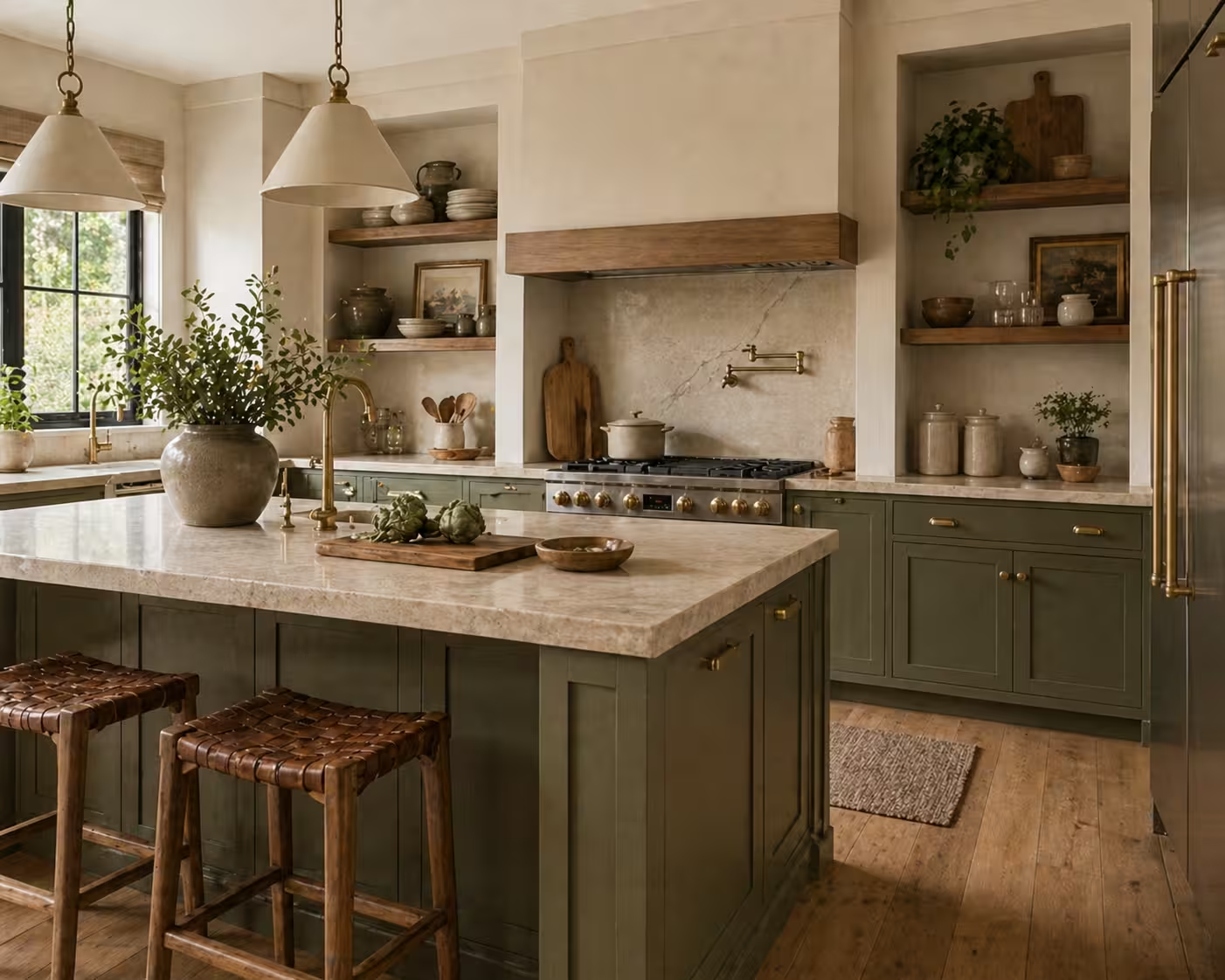
The kitchen has to handle heat, water, movement, storage, and constant cleaning. That means every decorative choice should also respect durability. Painted cabinetry, natural stone, warm wood, checkerboard flooring, and subtle metal finishes can all create character while staying practical.
In 2026, home design trend reports continue to point toward warm wood accents, green cabinetry, checkerboard details, slab-front cabinets, and natural stone with soft drama. These ideas work because they add personality without making the kitchen feel overly themed. If you want a safer update, change hardware, lighting, stools, or backsplash material before replacing all cabinetry. Small changes can shift the mood of a kitchen quickly.
Dining Room Ideas With Character
A dining room does not need to be formal to feel special. It needs a clear focal point and a comfortable setting. Start with the table size. People should have enough room to pull out chairs and move around without feeling squeezed. Then add lighting that hangs low enough to define the table, but not so low that it blocks faces.
For personality, consider art, a textured wall, a vintage sideboard, patterned curtains, or a rug with enough size to hold all chairs even when pulled back. Mixed chairs can work if they share one common element, such as color, material, or shape. The goal is a room that encourages longer meals and better conversation.
Bathroom Design Inspiration for Calm, Clean Style
Bathrooms benefit from simple materials and thoughtful contrast. A small bathroom can feel more finished with one strong tile choice, a beautiful mirror, warm lighting, and coordinated metal finishes. Instead of adding many decorative items, focus on the pieces that are already needed: towel hooks, storage baskets, soap dispensers, shelving, and lighting.
Natural materials soften hard surfaces. Wood vanities, stone counters, woven storage, and warm paint colors help balance tile and glass. If the bathroom is small, choose a larger mirror, clear shower glass, and wall-mounted storage where possible. These choices keep the room open while adding comfort.
Entryway Design Inspiration for a Strong First Impression
The entryway sets the tone for the whole home. It also handles shoes, bags, keys, coats, and everyday clutter. A good entry needs both style and control. Use a console, bench, wall hooks, closed baskets, or a slim cabinet depending on the available space.
A mirror helps reflect light and gives you a final check before leaving. A runner adds softness and protects the floor. If the entry is narrow, use vertical space with art, sconces, or hooks. One striking detail, such as a painted door, antique mirror, or sculptural lamp, can make the area memorable without crowding it.
Design Inspiration Through Color, Texture, and Materials
Color creates mood faster than almost any other design choice. Warm whites, creams, khakis, browns, muted greens, and smoky blues can make a room feel grounded. Brighter colors, such as coral, yellow, cobalt, or red, create energy when used with care. The safest way to use bold color is through one main feature, such as cabinets, a painted ceiling, a rug, or a piece of art.
For 2026, Sherwin-Williams named Universal Khaki SW 6150 its Color of the Year, describing it as a warm neutral with livability and longevity. Benjamin Moore chose Silhouette AF-655, a deep burnt umber with charcoal notes, as part of its Color Trends palette. These choices reflect a larger move toward warm, grounded rooms that feel calm but not flat.
Texture is just as important as color. A room with only smooth surfaces can feel cold, even when the palette is beautiful. Mix linen, wood, stone, wool, clay, rattan, leather, glass, and metal. The contrast between rough and smooth, matte and glossy, soft and structured gives the room depth. Good texture makes a neutral room feel alive.
Popular Style Directions You Can Adapt at Home
A clear style direction helps, but it should never trap you. Most real homes are a blend of several influences. You might like modern furniture, traditional millwork, vintage art, and natural materials in the same room. That mix can work if the palette and proportions feel connected.
|
Style Direction |
Key Elements |
Best For |
|---|---|---|
|
Modern Organic |
Warm wood, stone, curved furniture, soft neutrals |
Calm family homes and open layouts |
|
Transitional |
Classic shapes, clean lines, balanced colors |
Homes that need both comfort and polish |
|
Cottage Inspired |
Floral prints, painted furniture, collected pieces |
Cozy rooms with charm and softness |
|
Minimal Warm |
Simple forms, hidden storage, natural texture |
Small homes and clutter-sensitive spaces |
|
Eclectic Collected |
Vintage finds, art, layered patterns |
Personal homes with strong character |
|
Neo Deco |
Geometry, brass, marble, rich color |
Dining rooms, powder rooms, and statement corners |
Current Home Decor Ideas Worth Noticing
Some trends fade quickly, while others become part of long-term home design. The more useful ideas are usually connected to comfort, function, and personal expression. In 2026, several widely discussed directions include lived-in interiors, expressive stone, warm color palettes, defined spaces, sculptural furniture, and layered texture.
These ideas are popular because many people want homes that feel less staged and more human. A lived-in room may include books, art, family pieces, vintage furniture, and imperfect finishes. Defined spaces are also returning because one huge open room does not always support work, rest, cooking, and conversation at the same time.
You do not need to follow every trend. Choose the ideas that solve a problem in your home. If your living area feels cold, add texture and warmer color. If your open layout feels noisy, use rugs, screens, bookcases, or furniture placement to create smaller zones. If your kitchen feels plain, try new hardware, pendant lights, or a richer cabinet color.
Practical Ideas for Small Spaces
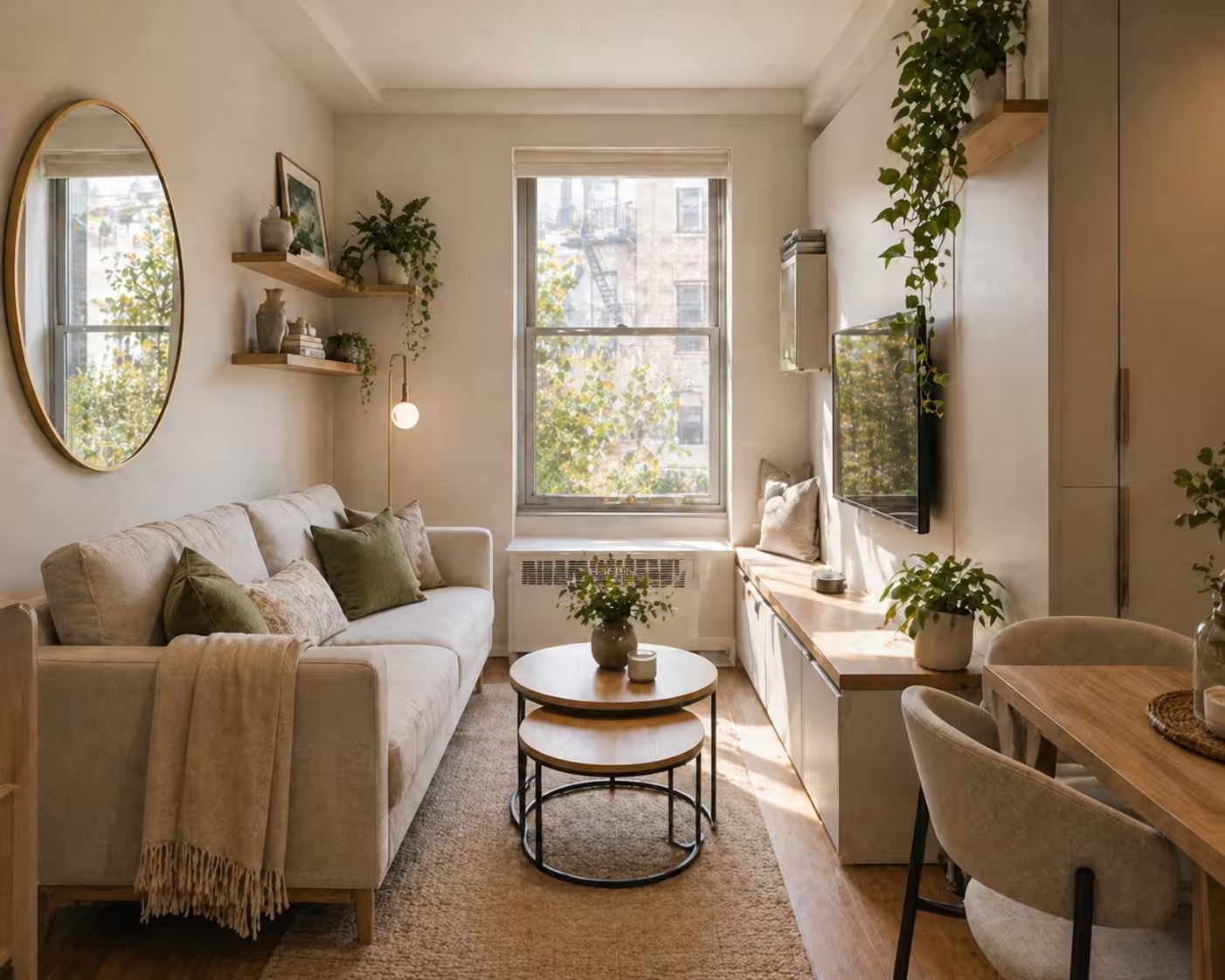
Small spaces need strong editing, not small personality. A compact room can still have color, art, pattern, and comfort. The main rule is to make every piece earn its place. Choose furniture with legs to show more floor, use mirrors to reflect light, and select storage that hides visual clutter.
Scale matters. One larger rug usually looks better than several small rugs. One strong piece of art can feel cleaner than many tiny frames. A small sofa with slim arms can provide more seating than bulky chairs. Use wall-mounted shelves, nesting tables, and storage ottomans when floor space is limited.
Affordable Ideas That Still Look Thoughtful
A beautiful home does not require replacing everything. Often, the best updates come from improving what you already own. Move furniture away from walls. Swap lampshades. Change cabinet hardware. Add a large secondhand mirror. Frame family photos in matching frames. Replace thin curtains with fuller panels.
Paint is one of the most affordable ways to change a room. You can paint walls, trim, doors, furniture, or even the ceiling. A painted ceiling in a soft tone can make a bedroom feel cozy. A deeper door color can make an entryway feel more finished. Painted trim can highlight architecture that was previously ignored.
Secondhand shopping is also useful. Vintage wood furniture, ceramic lamps, framed art, and solid side tables often bring more character than new mass-produced items. Mix old and new carefully, and your home will feel collected rather than decorated all at once.
Common Mistakes to Avoid
One common mistake is buying too many small accessories before solving the big pieces. Rugs, lighting, seating, and storage shape the room more than small objects. If those larger decisions are weak, accessories cannot fully fix the space.
Another mistake is ignoring scale. A tiny rug under a large sofa can make a living room feel unfinished. Curtains hung too low can make windows look smaller. Art that is too high can feel disconnected from the furniture below it. Measure before buying, and use painter’s tape to mark furniture sizes on the floor.
A third mistake is using only one texture. A room with a matching sofa, matching tables, matching lamps, and matching art can feel flat. Mix materials and shapes. Add contrast through wood, fabric, metal, stone, glass, and handmade pieces. This gives the room a more natural rhythm.
How to Build a Home That Feels Like You
The most lasting home ideas come from your own life. A home becomes more meaningful when it includes travel finds, inherited pieces, children’s art, books you actually read, colors you enjoy wearing, and objects connected to real memories. These details make a room feel personal without needing to explain itself.
Start slowly. Finish one area before moving to the next. Live with samples before choosing paint. Test fabric in natural light. Sit in chairs before buying them. Notice how your home feels in the morning, afternoon, and evening. Good decorating is not only about appearance. It is about comfort, movement, mood, and daily ease.
When a home reflects both beauty and use, it becomes easier to maintain. You are not protecting a showroom. You are living in a space that supports you.
Conclusion
Inspiration works best when it helps you understand your own taste, not when it pressures you to copy someone else’s home. The strongest rooms begin with a clear feeling, a practical layout, and materials that suit real life. From a warm living room to a restful bedroom, every space can improve through better color, texture, lighting, scale, and personal detail.
Use inspiration as a guide, not a rulebook. Choose what fits your lifestyle, your budget, and your home’s natural character. A thoughtful room does not need to be perfect. It needs to feel welcoming, useful, and connected to the people who live there.
Frequently Asked Questions
What is the best way to find Design Inspiration for my home?
The best way is to collect a small group of rooms you genuinely like, then look for repeated details. Notice colors, furniture shapes, materials, lighting, and mood. Once you see patterns, turn them into a simple list. That list will guide your decisions better than copying one complete room.
How can I use Design Inspiration on a small budget?
Start with changes that have a strong effect but low cost. Rearrange furniture, paint one wall or door, update hardware, add fuller curtains, change lampshades, and bring in secondhand art or mirrors. Focus on lighting, scale, and texture before buying many decorative objects.
How do I choose a color palette for my home?
Begin with the fixed elements, such as flooring, countertops, tile, and large furniture. Choose colors that work with those pieces instead of fighting them. A simple palette can include one main neutral, one wood tone, one metal finish, and two accent colors.
What is the difference between a trend and a timeless idea?
A trend is a style direction that becomes popular for a period of time. A timeless idea continues to feel useful because it supports comfort, proportion, quality, or function. Warm lighting, natural materials, good storage, balanced scale, and personal details tend to last longer than very specific decorative themes.
Can I mix different interior styles in one home?
Yes, but keep a few elements consistent. Repeat similar colors, wood tones, metal finishes, or shapes from room to room. This creates flow even when the furniture styles vary. Mixing works best when it feels intentional, not random.
How often should I refresh my home decor?
You do not need to refresh your home every season. Update when a room no longer supports your needs or when certain pieces feel worn, uncomfortable, or out of place. Small seasonal changes, such as textiles, flowers, table decor, or artwork swaps, can be enough.
What is the easiest room to start with?
Start with the room you use most or the room that bothers you most. For many homes, that is the living room, bedroom, or entryway. A small success in one visible area can give you confidence and make the rest of the home easier to plan.