Stylish 21 Bedroom Curtain Ideas to Transform Your Space with Style and Comfort

Curtains do much more than cover windows. They soften hard lines, control natural light, improve privacy, and help define the overall mood of a bedroom. The right fabric, color, and hanging style can make a compact room feel larger, create a cozy retreat, or add timeless elegance without requiring a complete renovation. Whether you are decorating a brand-new home or refreshing an existing space, thoughtful window treatments can completely change how the room looks and feels.
These bedroom curtain ideas combine practical advice with timeless design inspiration. Instead of focusing only on trends, this guide explores materials, colors, layering techniques, and styling choices that continue to work across different decorating styles. From light-filtering linen panels to luxurious velvet drapes, every option serves a purpose while helping create a bedroom that feels welcoming throughout the year.
Why Bedroom Curtains Matter More Than You Think
Many homeowners choose curtains based solely on color, but several factors contribute to their performance. Fabric weight influences light control, insulation, and the way curtains drape. Length affects visual height, while hardware and installation determine whether windows become a subtle feature or a striking focal point.
Good curtains also contribute to everyday comfort. They help reduce glare during the day, provide privacy after sunset, and can even improve energy efficiency by limiting heat gain during summer and reducing drafts during colder months. When chosen carefully, bedroom curtain ideas become both decorative and practical investments.
1. Floor-to-Ceiling Linen Curtains for a Relaxed Look
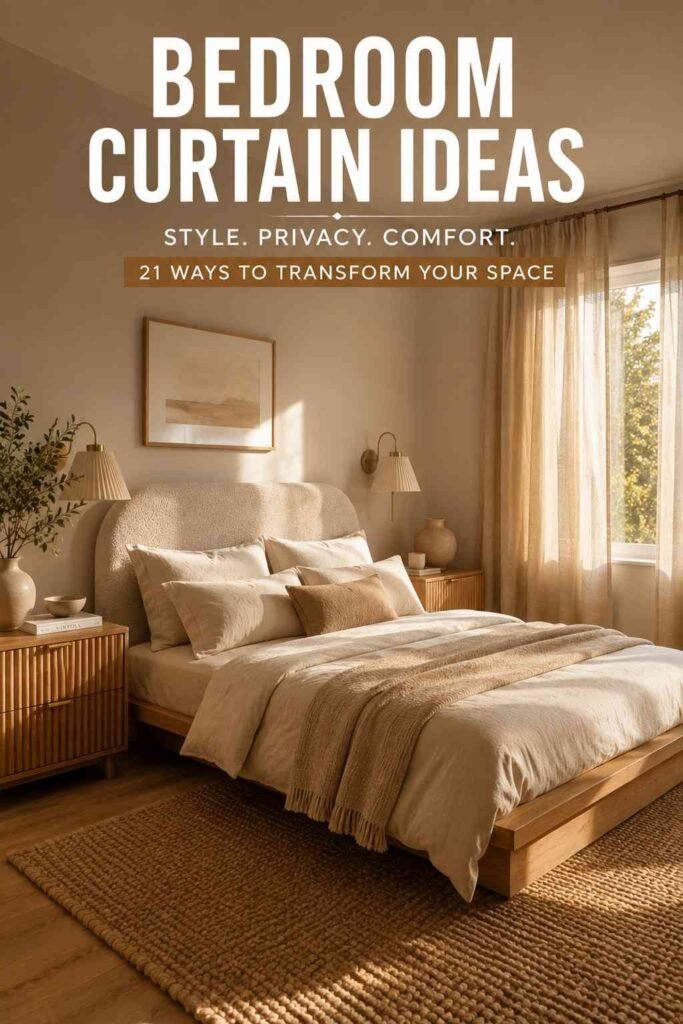
Nothing creates an airy atmosphere quite like full-length linen curtains. Their naturally textured weave softens sunlight while allowing a gentle glow to fill the room. Hanging the curtain rod several inches above the window frame creates the illusion of taller ceilings, making even modest bedrooms appear more spacious.
Neutral shades such as ivory, oatmeal, soft beige, or warm white pair beautifully with wood furniture, woven rugs, and natural textiles. Linen also ages gracefully, developing a lived-in character that complements both modern and traditional interiors.
2. Blackout Curtains for Better Sleep
Quality sleep often depends on controlling light. Blackout curtains block most outside brightness, making them an excellent choice for shift workers, nurseries, and bedrooms exposed to early morning sun.
Modern blackout options are available in attractive textures and colors, so functionality no longer means sacrificing style. Pairing blackout panels with decorative sheers provides flexibility throughout the day while keeping the overall design balanced. Among today’s most practical bedroom curtain ideas, this option delivers comfort year-round.
3. Layer Sheer and Heavy Curtains Together
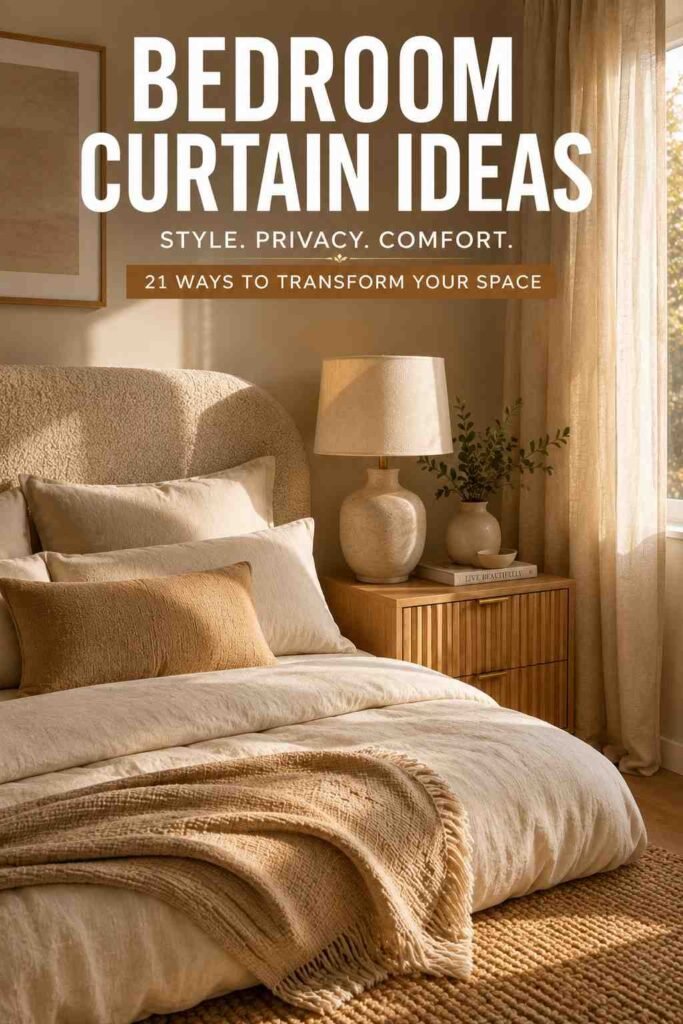
Layering creates depth while giving homeowners greater control over natural light. During the day, sheer panels allow sunlight to enter while maintaining privacy. At night, heavier drapes provide insulation and complete darkness.
This layered approach works especially well in master bedrooms where versatility is important. Soft linen sheers combined with velvet or woven cotton drapes create a sophisticated hotel-inspired appearance without overwhelming the room.
4. Soft Neutral Curtains That Never Go Out of Style
Design trends change frequently, but neutral palettes remain timeless. Shades like sand, cream, stone, taupe, and warm gray blend effortlessly with changing furniture, bedding, and seasonal décor.
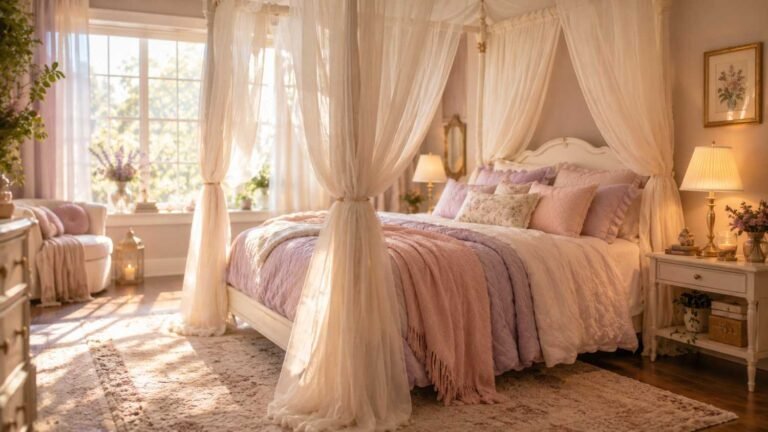
Neutral curtains allow statement pieces—such as artwork, textured bedding, or upholstered headboards—to become the room’s focal points. If you enjoy updating accessories regularly, this is one of the most adaptable bedroom curtain ideas available.
5. Velvet Curtains for Warmth and Luxury
Velvet instantly adds richness through its soft texture and elegant drape. It works particularly well in bedrooms with high ceilings or larger windows where substantial fabrics help balance the scale of the space.
Deep emerald, navy, charcoal, burgundy, and chocolate brown create dramatic interiors, while lighter velvet shades offer a more subtle sense of luxury. Besides visual appeal, velvet provides impressive insulation and helps absorb sound, creating a quieter sleeping environment.
6. Patterned Curtains That Add Personality
Not every bedroom needs solid-colored curtains. Delicate botanical prints, subtle stripes, geometric motifs, or watercolor-inspired patterns introduce visual interest without dominating the room.
The key is balance. If bedding features bold prints, choose understated curtain patterns. Conversely, simple bedding allows patterned curtains to become an elegant focal point. Coordinating colors rather than matching them exactly creates a more collected and natural appearance.
7. Roman Shades with Side Panels
Roman shades combine clean lines with softness, making them ideal for transitional and contemporary homes. Adding decorative curtain panels on each side creates a layered custom look while framing the window beautifully.
This combination works especially well in smaller bedrooms where bulky drapery might feel overwhelming. Fabric Roman shades also contribute texture without sacrificing valuable wall space.
8. Natural Cotton Curtains for Everyday Living
Cotton remains one of the most versatile curtain fabrics available. It is durable, breathable, easy to maintain, and available in countless colors and textures.
Lightweight cotton suits bright bedrooms, while thicker cotton blends offer improved privacy and insulation. Families often appreciate cotton because it balances affordability with lasting performance. These practical bedroom curtain ideas prove that beautiful interiors do not always require premium materials.
9. Hang Curtains Wider Than the Window
One professional design trick involves extending curtain rods beyond the window frame. This allows curtains to stack mostly outside the glass when opened, maximizing daylight and making windows appear significantly wider.
The technique also creates a sense of architectural scale, particularly in smaller bedrooms. Combined with floor-length panels, wider curtain placement enhances the room without requiring structural changes.
10. Earth-Tone Curtains for a Calming Atmosphere
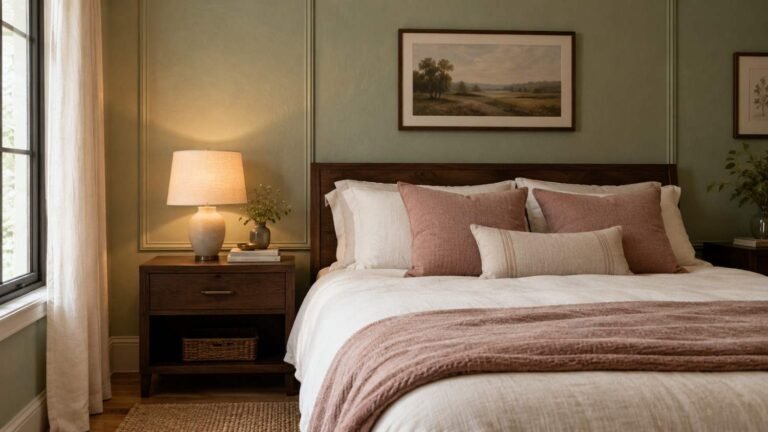
Nature-inspired colors continue to create peaceful interiors because they feel warm, grounded, and inviting. Olive green, terracotta, clay, muted sage, warm caramel, and soft brown connect indoor spaces with natural surroundings.
Earth-toned curtains pair beautifully with oak furniture, woven baskets, linen bedding, ceramic décor, and indoor plants. Rather than following short-lived trends, these shades create timeless comfort that feels welcoming throughout every season.
11. Double Curtain Rods for Maximum Flexibility
Double rods allow homeowners to combine sheer panels with heavier drapes without requiring complicated hardware. During daylight hours, the sheer layer filters harsh sunlight while preserving brightness. After dark, the outer curtain adds privacy and warmth.
This setup works particularly well in bedrooms facing busy streets or neighboring homes. Beyond functionality, the layered appearance creates a polished, professionally designed finish that complements both classic and modern interiors.
12. Coastal-Inspired White Curtains
If your goal is to create a fresh, airy retreat, crisp white curtains are a dependable choice. They reflect natural light, making bedrooms feel brighter and more spacious. Lightweight fabrics such as linen blends or textured cotton enhance the relaxed atmosphere while maintaining softness.
White curtains pair effortlessly with pale wood furniture, woven accents, soft blue accessories, and sandy neutral tones. This timeless combination evokes a calm, vacation-like feeling without relying on themed décor. It’s an ideal option for anyone who wants a bedroom that feels light, peaceful, and easy to update with seasonal accents.
13. Add Contrast with Dark Curtains
Dark curtains can make a bedroom feel grounded and sophisticated. Colors such as charcoal, deep navy, forest green, or espresso brown create visual depth, especially when paired with light-colored walls and bedding. Instead of making a room feel smaller, dark drapes often frame the windows beautifully and draw attention to architectural features.
To keep the space balanced, repeat the curtain color in smaller accents like throw pillows, artwork, or a bench at the foot of the bed. This creates a cohesive design without overwhelming the room. Among modern bedroom curtain ideas, darker fabrics offer an elegant alternative to traditional neutral palettes. Visit outinteriors for more practical home décor inspiration, expert design guides, and room-by-room decorating ideas to help you create a beautiful and functional home.
14. Try Two-Tone Curtains for Added Dimension
Two-tone curtains combine complementary colors or textures within a single panel, adding visual interest without relying on bold patterns. Popular combinations include cream with taupe, white with gray, or beige paired with soft olive.
This style works particularly well in contemporary bedrooms because it introduces contrast while maintaining a clean, uncluttered appearance. Coordinating the curtain colors with bedding or area rugs helps tie the entire room together and creates a thoughtfully layered design.
15. Choose Textured Fabrics for Subtle Character
Texture can be just as impactful as color. Woven cotton, linen blends, jacquard, and lightly embroidered fabrics introduce depth while keeping the overall palette simple. As sunlight moves across textured curtains throughout the day, the fabric gains dimension and warmth.
This approach is especially effective in neutral bedrooms where multiple materials—such as wood, wool, stone, and linen—work together to create a cozy atmosphere. Textured window treatments feel refined without appearing overly formal.
16. Install Ceiling-Mounted Curtain Tracks
Instead of traditional rods, ceiling-mounted tracks create a seamless look that emphasizes height. Because the curtains extend from the ceiling to the floor, windows appear taller, and the room feels more expansive.
This technique is commonly used in modern homes, luxury apartments, and boutique hotels. It works particularly well with lightweight fabrics that glide smoothly across hidden tracks, creating a clean and minimalist finish.
17. Embrace Soft Pastel Curtains
Pastel shades such as blush, dusty blue, pale sage, lavender, and muted peach introduce gentle color without overpowering the bedroom. These calming hues reflect natural light beautifully and pair well with white furniture, oak finishes, and soft textiles.
Pastel curtains are versatile enough to suit Scandinavian, cottage, coastal, and contemporary interiors. They provide a subtle refresh while maintaining a peaceful environment that encourages relaxation.
18. Frame Large Windows with Extra-Wide Panels
Large windows deserve curtains that complement their scale. Extra-wide panels create generous folds, giving the fabric a luxurious appearance whether open or closed. Thin or undersized curtains can make expansive windows feel unfinished.
Selecting wider panels also improves light control and insulation. This is one of the most practical bedroom curtain ideas for homes with oversized windows, French doors, or picture windows.
19. Add Decorative Curtain Hardware
Curtain rods and finials are often overlooked, yet they play an important role in the finished design. Matte black hardware complements modern interiors, brushed brass adds warmth, while antique bronze works beautifully in traditional homes. If you’re updating your sleeping space, explore our bedroom headboard ideas to find stylish designs that complement your new window treatments and complete the room.
Choose hardware that reflects the room’s existing finishes rather than introducing an unrelated metal. Coordinating curtain rods with lighting fixtures or cabinet handles helps create a cohesive look throughout the space.
20. Use Seasonal Curtain Layers
Changing curtains seasonally is an easy way to improve comfort throughout the year. Lightweight linen or cotton panels keep bedrooms bright and breezy during warmer months, while heavier fabrics like velvet or lined drapes provide extra insulation in winter.
Seasonal layering also offers an opportunity to introduce subtle color changes without replacing major furniture pieces. Swapping curtain fabrics is a simple update that refreshes the room while remaining practical.
21. Custom Curtains for a Perfect Fit
Ready-made curtains work well for many homes, but custom-made panels provide a tailored appearance when windows have unusual dimensions or unique architectural details. Custom options allow you to select exact fabric weights, lining types, pleat styles, and lengths. Pair these curtain recommendations with our cozy neutral bedroom ideas for a warm, relaxing retreat that feels timeless throughout every season.
Although they require a larger investment, well-made custom curtains often last for many years and contribute to a polished, finished bedroom. For homeowners seeking long-term value, this is one of the most rewarding bedroom curtain ideas to consider.
How to Choose the Right Bedroom Curtains
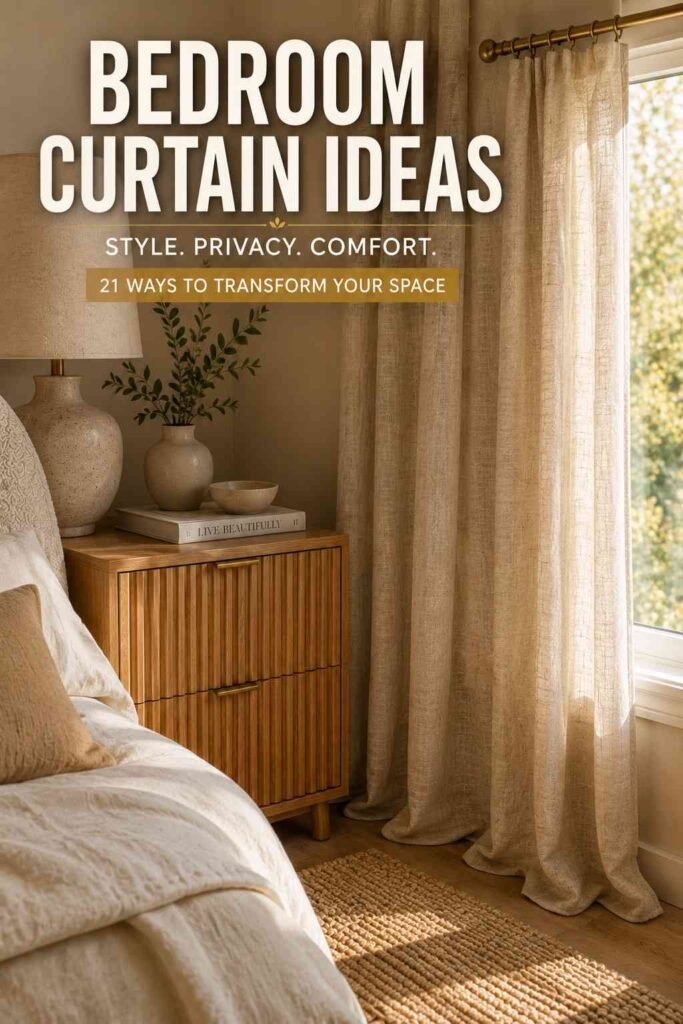
Choosing curtains begins with understanding how the room is used. Bedrooms that receive intense morning sunlight benefit from blackout or lined fabrics, while shaded rooms often feel brighter with light-filtering materials. The curtain length should generally extend to the floor for a more elegant appearance, and the rod should be installed higher than the window frame to create the illusion of additional height.
Color also plays an important role. Neutral shades remain the most versatile because they adapt easily to changing décor, while bold colors and patterns can become statement features. Consider existing flooring, furniture finishes, bedding, and wall color before making a final decision.
Common Bedroom Curtain Mistakes to Avoid
Even beautiful curtains can fall short if they are installed incorrectly. One of the most common mistakes is choosing panels that are too short. Floor-length curtains almost always create a more refined appearance than those ending above the floor.
Another frequent error is selecting curtains that are too narrow. Fullness gives curtains a luxurious drape, even when they remain open most of the time. Finally, avoid hanging rods directly above the window frame whenever possible. Mounting hardware closer to the ceiling visually enlarges the room and allows more natural light to enter when the curtains are open.
Caring for Bedroom Curtains
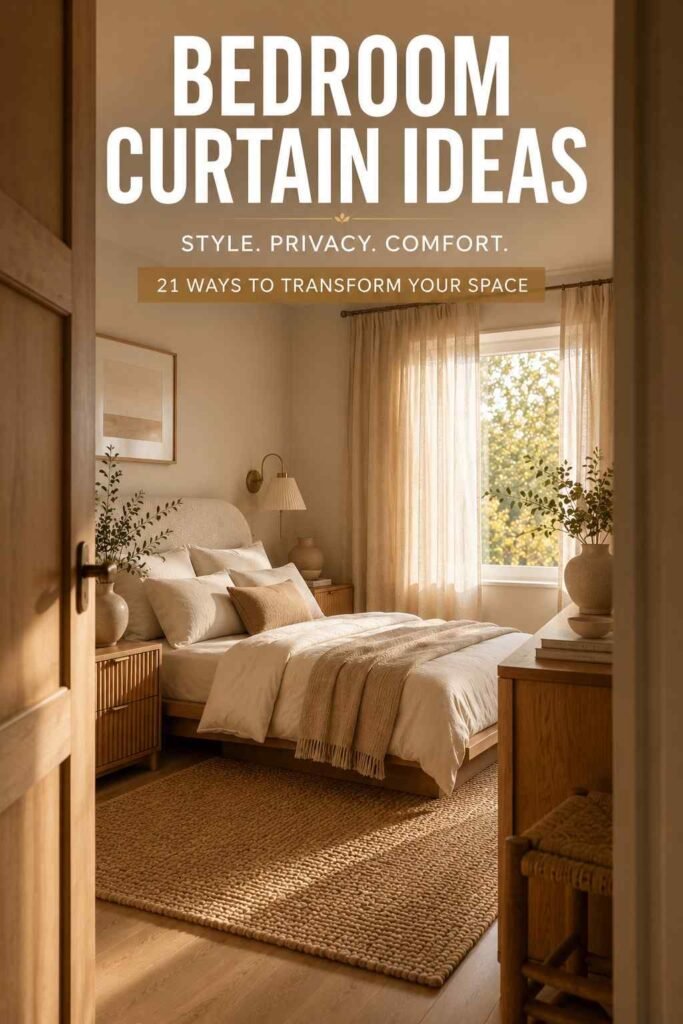
Proper maintenance helps curtains retain their appearance and extends their lifespan. Vacuuming with a soft brush attachment every few weeks removes dust before it settles into the fibers. Always check the care label before washing, as some fabrics can be machine washed while others require professional cleaning.
Rotating curtain panels occasionally helps ensure even exposure to sunlight, reducing uneven fading over time. Simple maintenance preserves both the fabric and the overall look of your bedroom.
Conclusion
The right curtains have the power to transform a bedroom into a space that feels comfortable, stylish, and functional. From airy linen panels and layered sheers to luxurious velvet drapes and custom-made designs, every choice influences the atmosphere of the room. The best solution depends on your lifestyle, lighting needs, privacy preferences, and decorating style.
These bedroom curtain ideas demonstrate that thoughtful window treatments are about more than appearance. By choosing suitable fabrics, hanging curtains correctly, and coordinating them with the rest of the room, you can create a bedroom that remains inviting for years to come. Whether your style leans toward modern minimalism, timeless elegance, or cozy comfort, the right curtains complete the space beautifully.
Frequently Asked Questions
1. What is the best fabric for bedroom curtains?
Linen, cotton, velvet, and polyester blends are all excellent choices. Linen creates a relaxed look, cotton is durable, velvet offers insulation and luxury, while polyester blends are easy to maintain.
2. Should bedroom curtains touch the floor?
Yes. Floor-length curtains generally create a cleaner and more elegant appearance. They also make windows seem taller and contribute to a professionally finished design.
3. Are blackout curtains worth it?
Blackout curtains are an excellent investment for anyone who wants better sleep, increased privacy, and improved temperature control. They are especially helpful in bedrooms that receive strong morning sunlight.
4. What curtain color makes a bedroom feel larger?
Light shades such as white, ivory, cream, soft gray, and beige reflect more light, making a room feel brighter and more spacious.
5. How high should curtain rods be installed?
For the best visual effect, install curtain rods 6–12 inches above the window frame or closer to the ceiling when possible. This creates the illusion of greater ceiling height.
6. Can sheer curtains provide privacy?
During daylight hours, sheer curtains offer moderate privacy while allowing natural light to filter into the room. For complete nighttime privacy, pair them with heavier drapes or blackout panels.