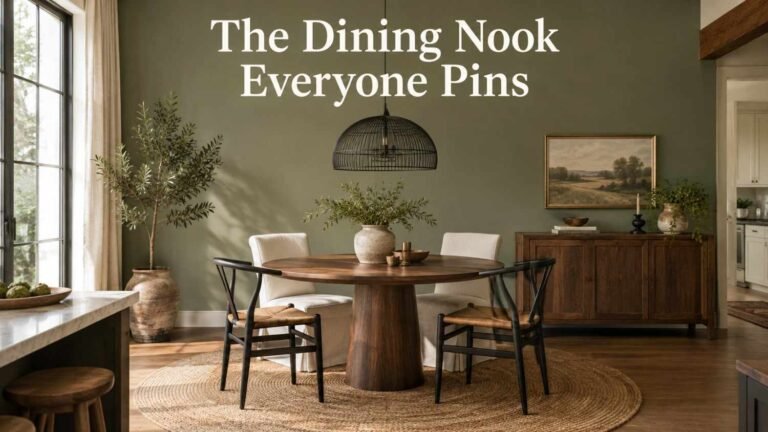
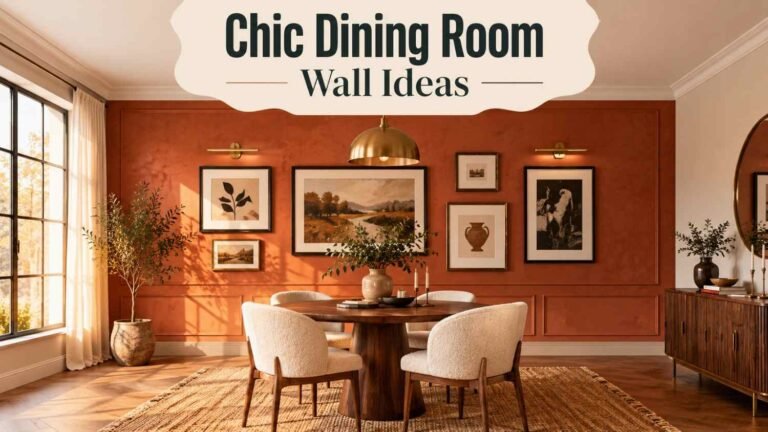
Dining Room Interior Design Ideas to Transform Your Space in 2026
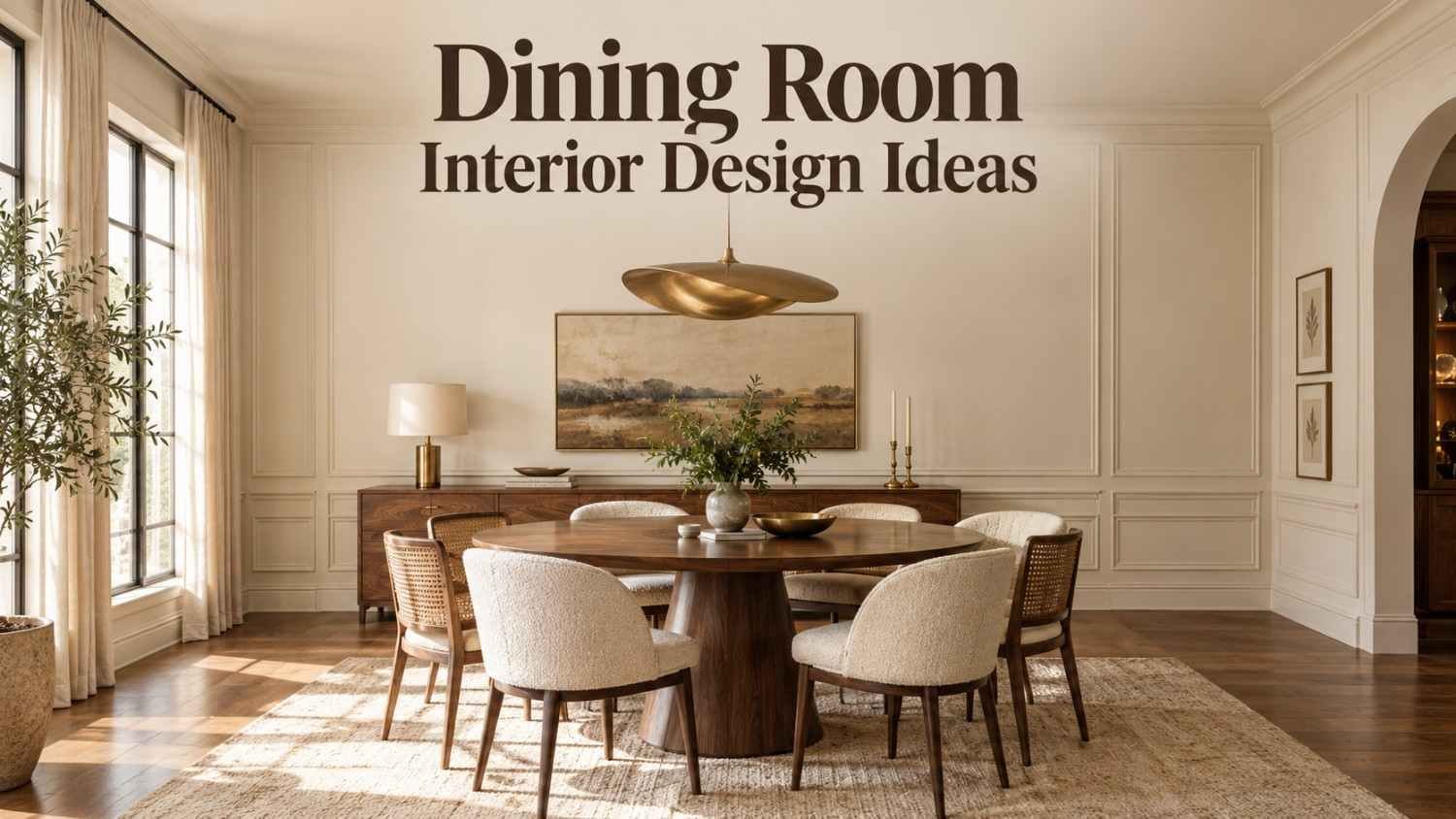
Your dining room is more than a place to eat. It is where birthdays get louder, homework gets finished, and Sunday mornings stretch a little longer over coffee. Yet many homeowners still treat this room as an afterthought, filled with mismatched furniture and forgotten lighting. Good dining room interior design changes that story completely. It turns a plain rectangle of space into the emotional center of a home.
This guide walks through 25 practical dining room interior design ideas, drawn from current design shifts and real homeowner needs. Whether you have a formal dining room, a small apartment nook, or an open-concept layout, you will find ideas here that fit your space, your budget, and your style.
Why Dining Room Interior Design Deserves More Attention in 2026
For years, open-concept homes pushed the dining room into the background. That trend is reversing. Homeowners now want defined spaces with paneled walls, plaster finishes, and warm, layered lighting that feel intentional rather than incidental. Thoughtful dining room interior design is no longer about formality alone; it is about comfort, storage, flexibility, and personality working together in one room.
Timeless and Classic Dining Room Interior Design Ideas
These foundational ideas never go out of style, making them a safe starting point for any dining room interior design project.
1. Rich Walnut and Wood-Toned Furniture
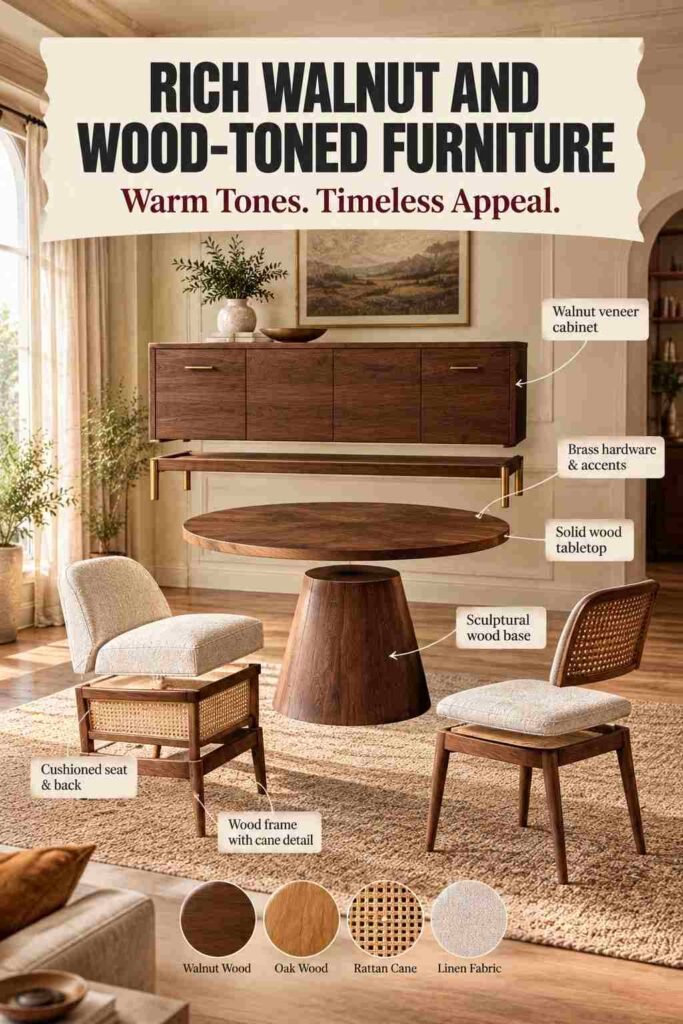
Warm wood finishes, especially walnut and teak, add instant depth to a dining room. Satin finishes soften how light hits the surface, while visible grain keeps the piece feeling natural rather than manufactured.
2. Paneled or Wainscoted Walls
Wall paneling brings texture and architectural interest without a full renovation. It works especially well in older homes but adapts easily to modern builds when painted in a single, cohesive tone.
3. Pedestal or Round Dining Tables
Round and pedestal tables improve traffic flow and remove sharp corners, which matters in tighter rooms. They also offer more legroom than four-legged rectangular tables of a similar size.
4. A Statement Chandelier as the Focal Point
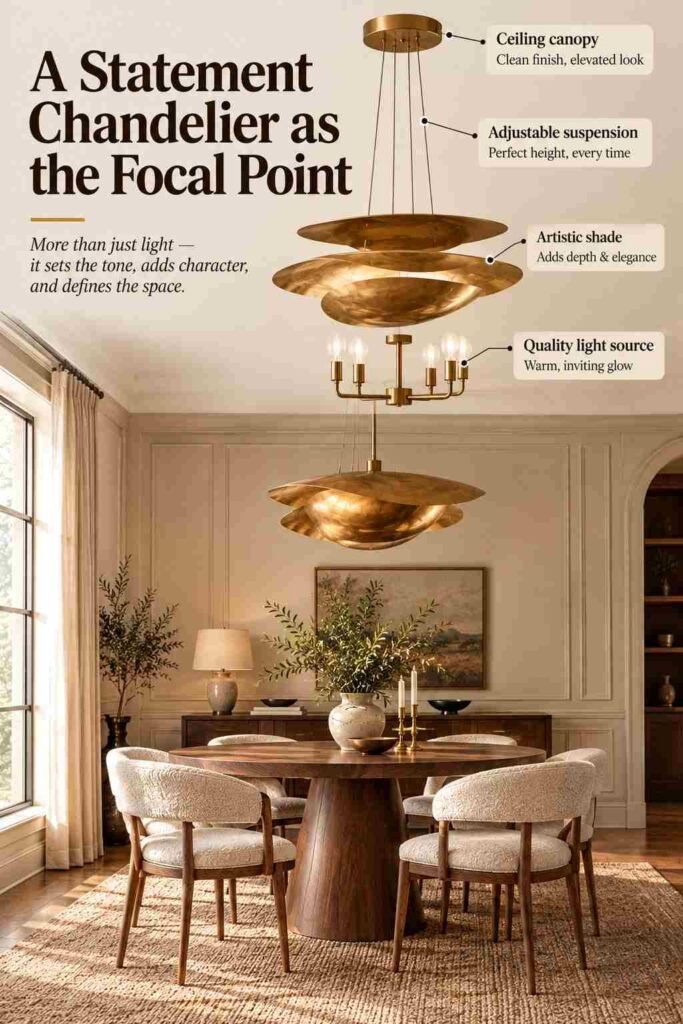
A sculptural chandelier or oversized pendant instantly elevates a room. Hang it roughly 30 to 34 inches above the table surface so it anchors the space without blocking sightlines.
5. Symmetrical Furniture Arrangement
Balanced, mirrored arrangements around the table create a calm, formal energy. This works particularly well in dining rooms used for entertaining, where guests notice the room’s flow before anything else.
Warm and Nature-Inspired Dining Room Interior Design Ideas
Cool minimalism is giving way to grounded, nature-driven choices. These ideas bring warmth without feeling dated.
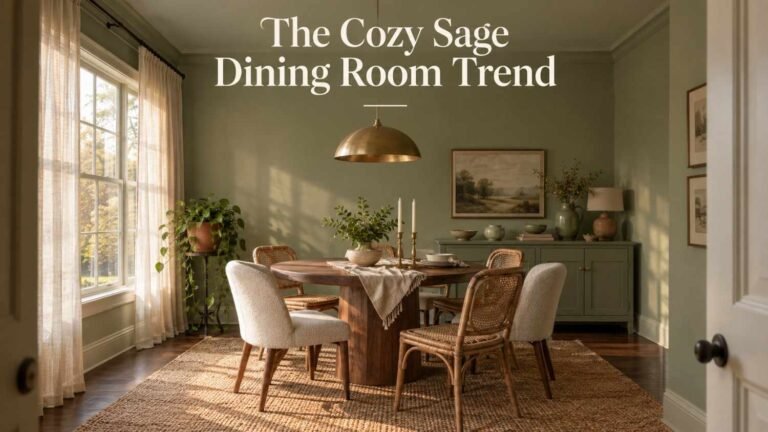
6. Sage Green Color Palettes
Soft greens continue to define dining spaces that feel calm but not sterile. If you are drawn to this direction, our Sage Green Dining Room Ideas guide breaks down how to pair the shade with wood tones and brass fixtures for a balanced look.
7. Earthy Neutrals and Clay Tones
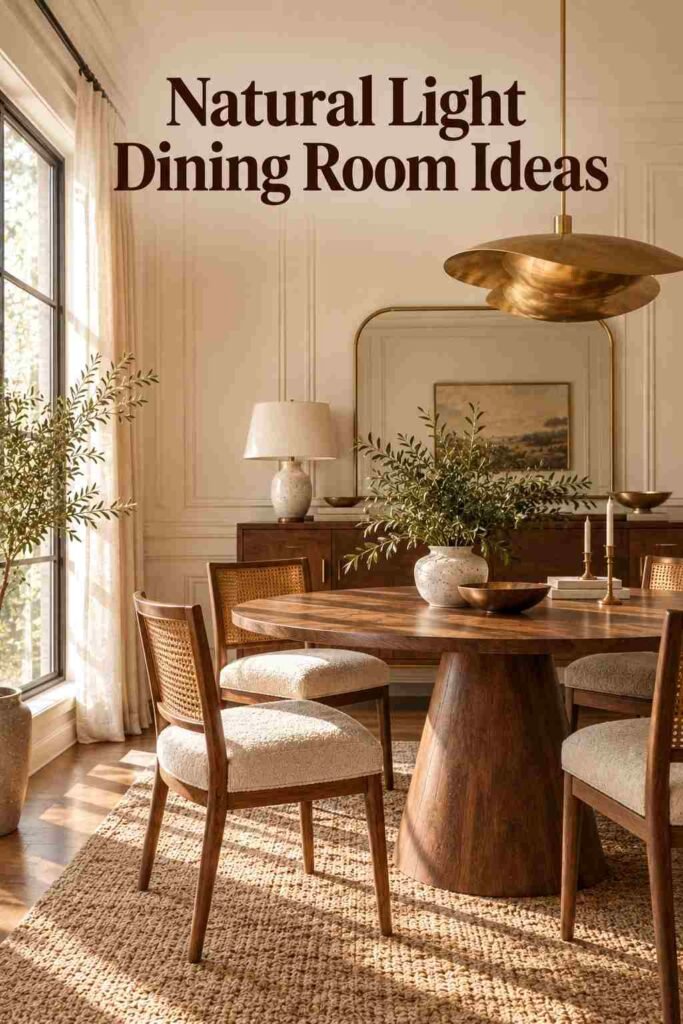
Deeper browns, terracotta, and muted clay shades replace all-beige palettes. These colors make a dining room feel cozy and personal rather than showroom-perfect.
8. Curved and Organic Furniture Silhouettes
Softer, rounded furniture shapes are replacing sharp rectangular forms. Curved benches and oval tables create a relaxed feel and add visual interest against otherwise straight-lined rooms.
9. Textured Plaster or Limewash Walls
Limewash and plaster finishes add subtle depth to plain walls. This trend favors quiet luxury: a room that feels carefully considered without looking overdesigned.
10. Natural Fiber Rugs
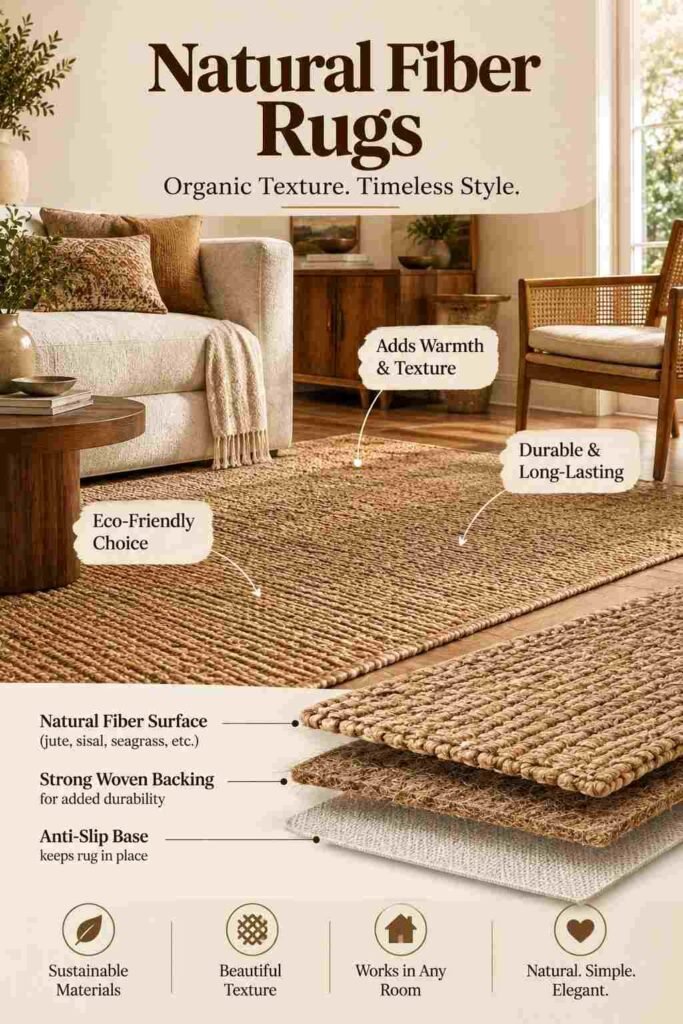
A jute or sisal rug grounds the dining area and adds texture underfoot. Choose a size that extends at least 24 inches beyond the table edge so chairs stay on the rug when pulled out.
Small Space and Dining Nook Interior Design Ideas
Not every home has room for a formal dining set. These ideas make the most of limited square footage.
11. Built-In Dining Nooks
A dining nook tucked into a kitchen corner maximizes seating without eating into floor space. For inspiration on layout and seating combinations, these dining nook ideas show how a well-planned corner can outperform a full-sized dining set.
12. Banquette Seating
Banquettes offer generous seating in a compact footprint and often include hidden storage underneath, which is ideal for smaller homes or apartments.
13. Extendable or Drop-Leaf Tables
Flexible tables adapt to everyday meals and larger gatherings alike. A drop-leaf design can shrink by half when not needed, freeing up walking space.
14. Strategic Mirror Placement
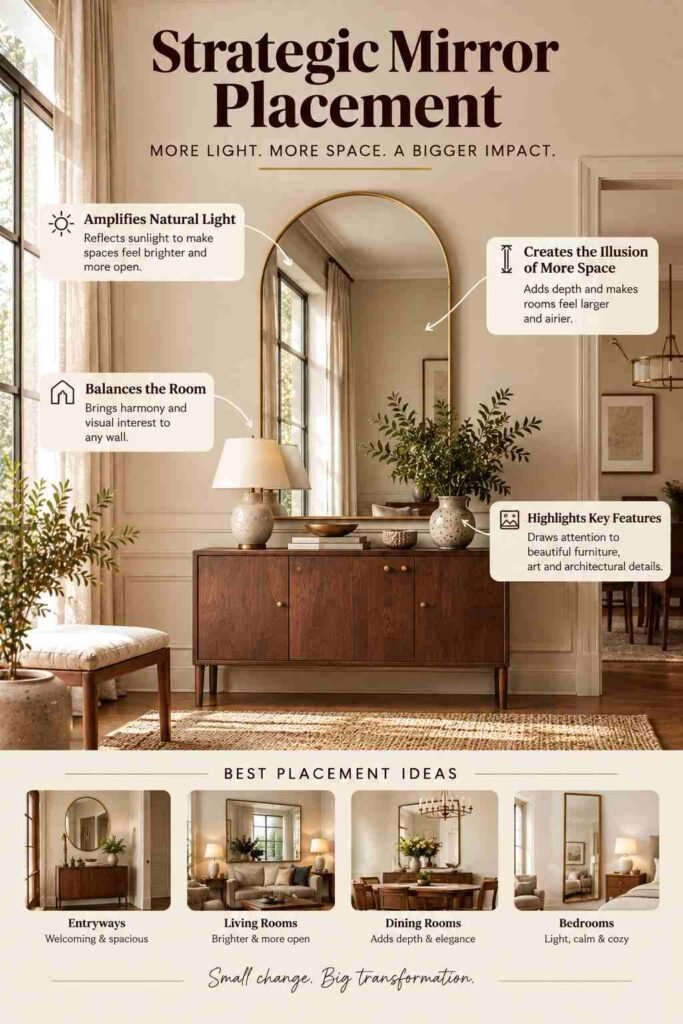
A well-placed mirror reflects light and visually doubles a small room. Position it opposite a window or light source for the strongest effect.
15. Built-In Corner Shelving
Floating or built-in shelves near the dining area add storage and display space without consuming floor area, which matters most in compact rooms.
Lighting, Color, and Statement Wall Ideas
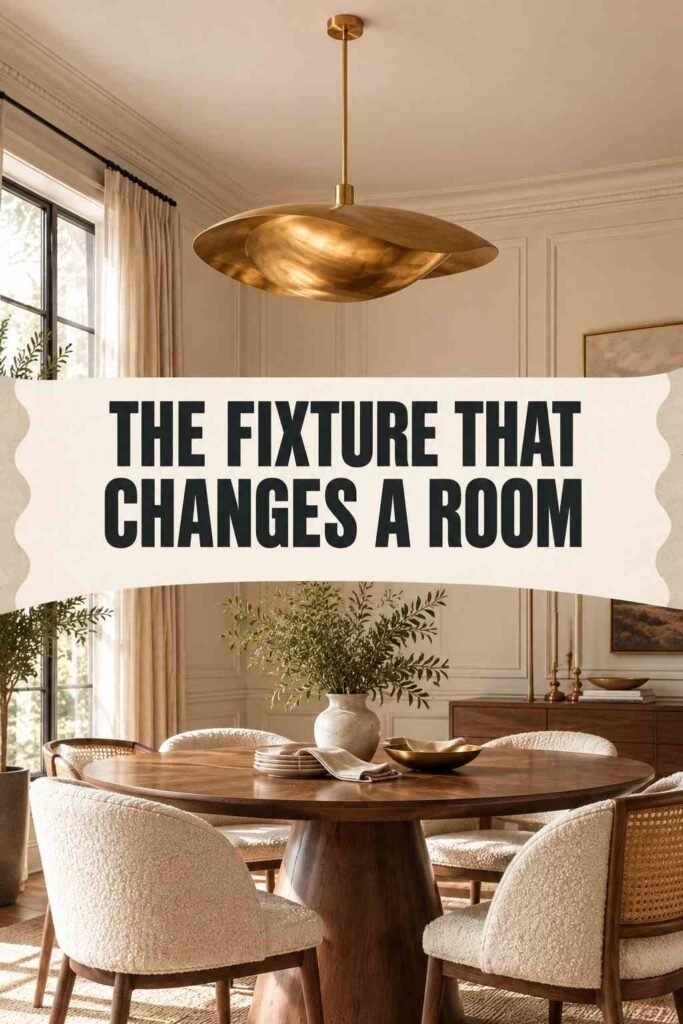
Lighting and color choices often make the biggest visible difference in a dining room interior design refresh.
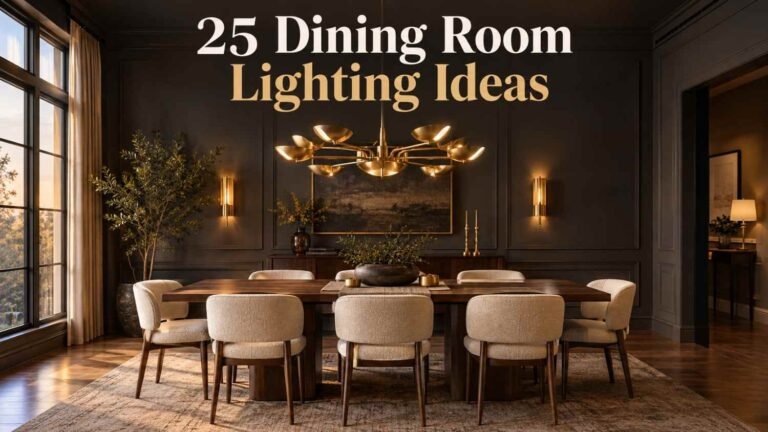
16. Sculptural Pendant Lighting
An oversized or sculptural pendant does more visual work than almost any other single change. It becomes the room’s signature piece.
17. Layered Lighting Design
Combine ambient overhead light, task lighting near sideboards, and accent lighting like sconces or candles. Layered lighting creates warmth that a single overhead fixture cannot achieve alone.
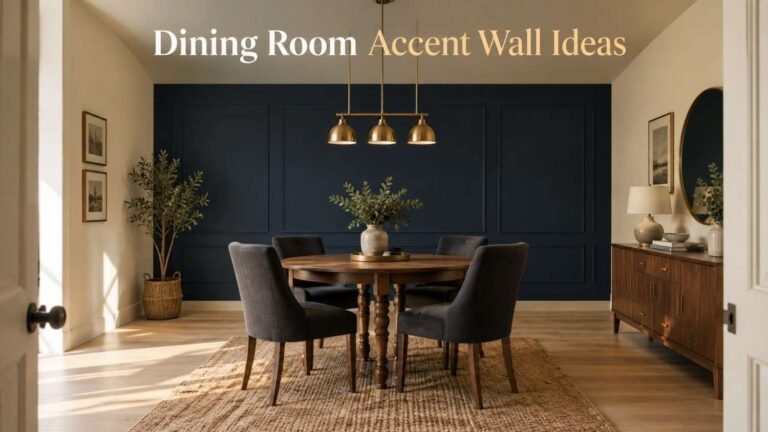
18. Bold Accent Walls
A rich accent color behind the table, in tones like burgundy, chocolate brown, or olive, creates a focal point for relatively little cost compared to a full renovation.
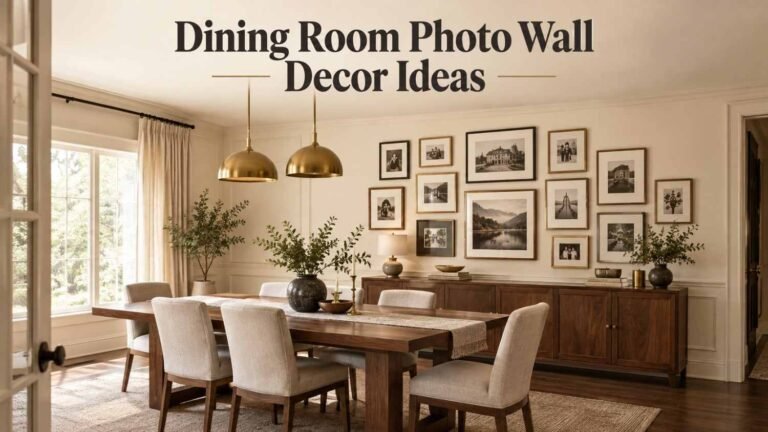
19. Gallery Walls and Oversized Art
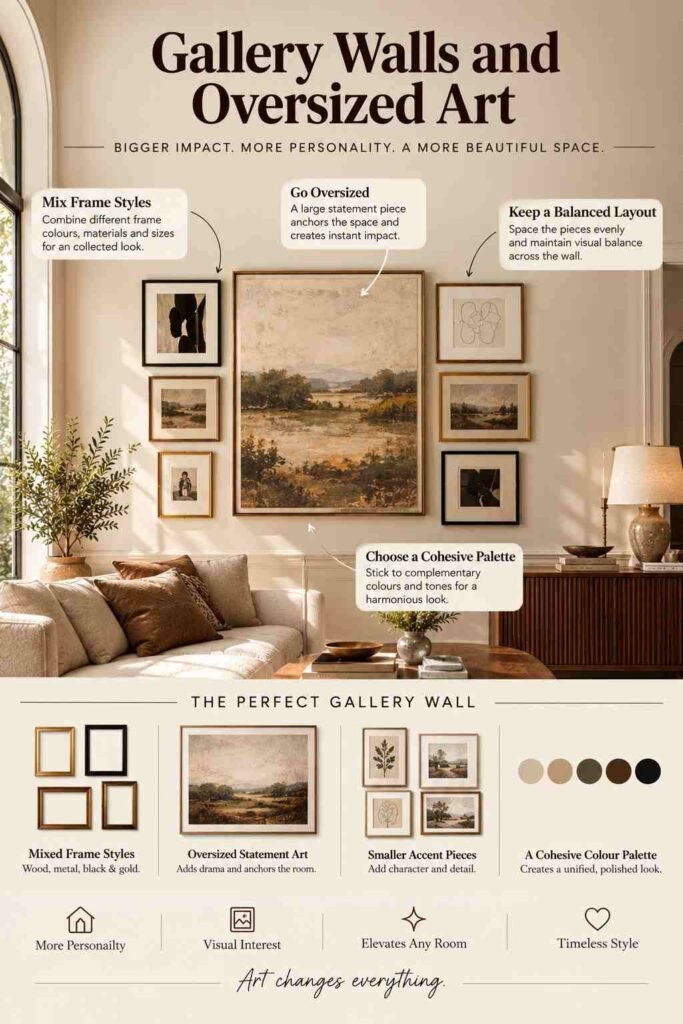
Large-scale art or a curated gallery wall fills space and adds personality. One well-placed piece often works better than several small, scattered frames.
20. Mixed Metal Fixtures
Combining brass, matte black, and brushed nickel across light fixtures and hardware adds dimension. This works best when one metal clearly dominates, and the others act as accents.
Furniture, Layout, and Functional Dining Room Interior Design Ideas
The final category focuses on how a dining room actually functions day to day.
21. Mix-and-Match Dining Chairs
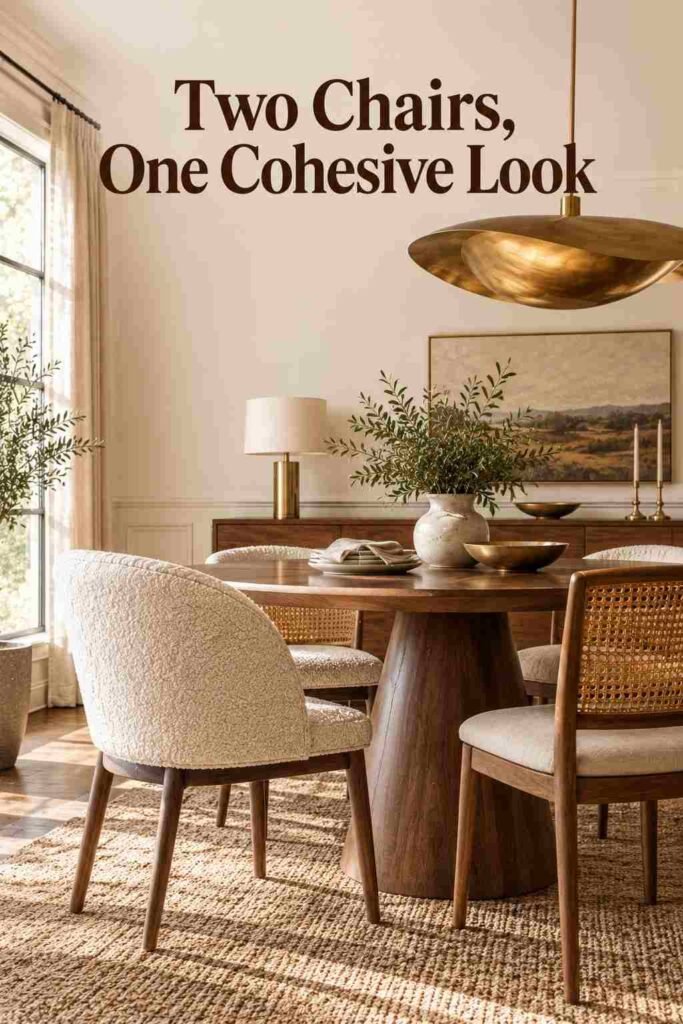
Pairing different chair styles around one table adds character. Keep the look cohesive with a shared color palette, similar seat heights, or matching materials.
22. Multi-Functional Layouts
Modern dining rooms often double as homework stations or craft spaces. Choose furniture with drawers or shelving so daily clutter can disappear quickly before guests arrive.
23. Sideboards and Buffets for Storage
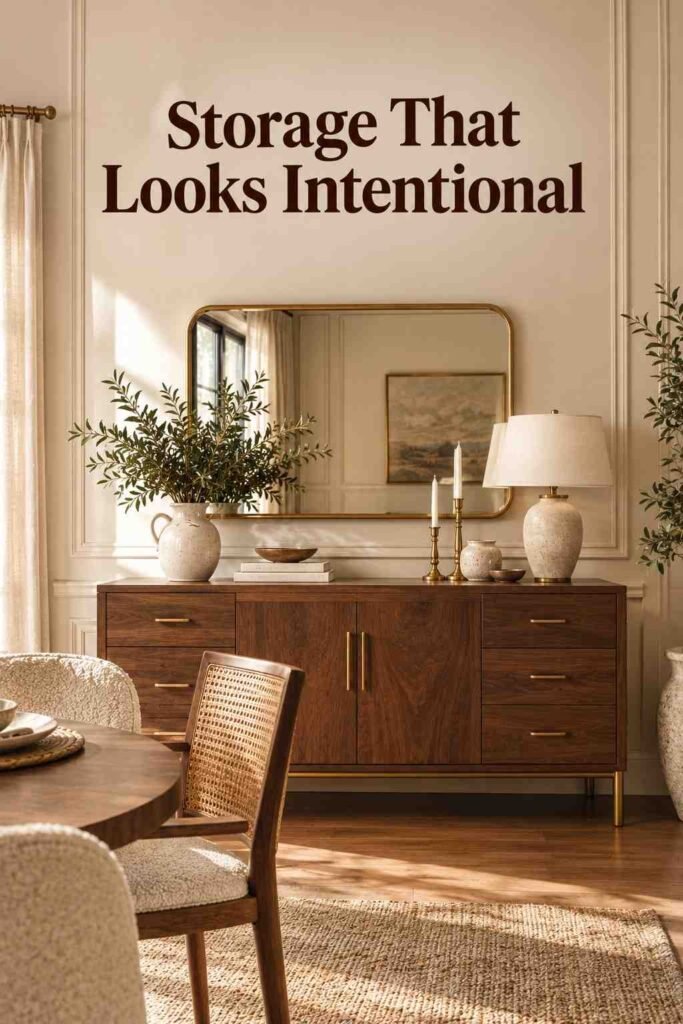
A sideboard adds both storage and serving space during meals. It also gives you a surface for layered decor, like ceramics, trays, or seasonal centerpieces.
24. Proper Table-to-Wall Clearance
Leave 42 to 48 inches between the table edge and surrounding walls or furniture. This spacing allows diners to sit down and stand up comfortably without bumping into anything.
25. Design for Entertaining
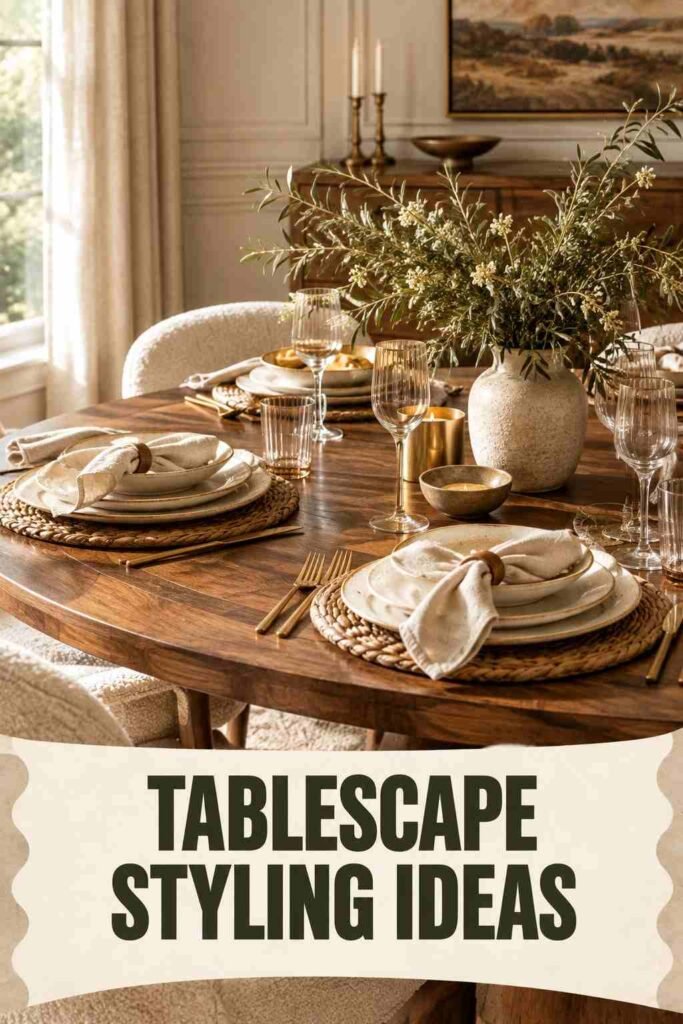
Arrange seating to encourage conversation rather than a strict, formal line-up. A slightly relaxed layout, paired with a proper tablescape, creates a more transportive experience for guests.
Bringing It All Together
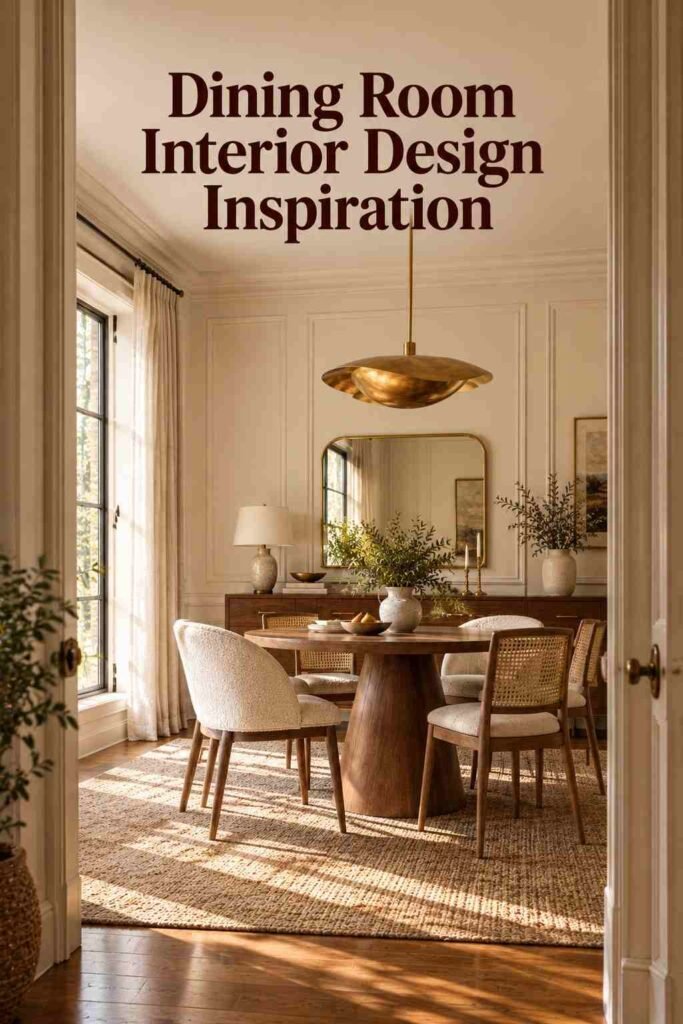
Great dining room interior design rarely comes from one dramatic change. It comes from layering a few of these ideas: a warmer color palette, better lighting, smarter storage, and furniture that fits how your family actually uses the room. Start with the changes that solve your biggest frustration first, whether that is a cramped layout or a room that feels cold and unused, and build from there. For more curated, room-by-room inspiration, Outinteriors has become a dependable resource for homeowners planning their next refresh.
A dining room does not need to be large or expensive to feel meaningful. It needs to reflect how you actually live, eat, and gather. With the right combination of these 25 ideas, your dining room can become the room your household naturally gravitates toward, not just on holidays, but every ordinary evening in between.
Frequently Asked Questions
1. What is the most important element of dining room interior design?
Lighting is typically the highest-impact element. A well-placed chandelier or pendant, combined with layered ambient and accent lighting, changes how the entire room feels more than any single furniture piece.
2. How much space should I leave around a dining table?
Leave 42 to 48 inches between the table edge and the nearest wall or furniture piece so chairs can be pulled out and people can walk behind seated guests comfortably.
3. What color works best for a small dining room?
Soft, warm neutrals or muted greens tend to work best in small dining rooms. They add character without making the walls feel like they are closing in, unlike very dark, saturated colors in tight spaces.
4. Can a dining nook replace a full dining room?
Yes. A well-designed dining nook with banquette seating can comfortably seat four to six people while taking up far less floor space than a traditional dining set, making it ideal for apartments and open-concept kitchens.
5. Is it okay to mix different dining chair styles?
Yes, mixing chairs is a widely used approach as long as you anchor the look with a consistent color palette, material, or seat height so the combination feels intentional rather than accidental.
6. How do I choose the right size rug for my dining table?
Choose a rug that extends at least 24 inches beyond each edge of the table, so all four chair legs stay on the rug even when pulled out during a meal.
7. What is a budget-friendly way to update a dining room?
Swapping the light fixture, adding a natural fiber rug, or painting a single accent wall are among the lowest-cost changes that still create a noticeably different room.