Bathroom Bench Ideas for Every Style, Space, and Budget (2026 Guide)
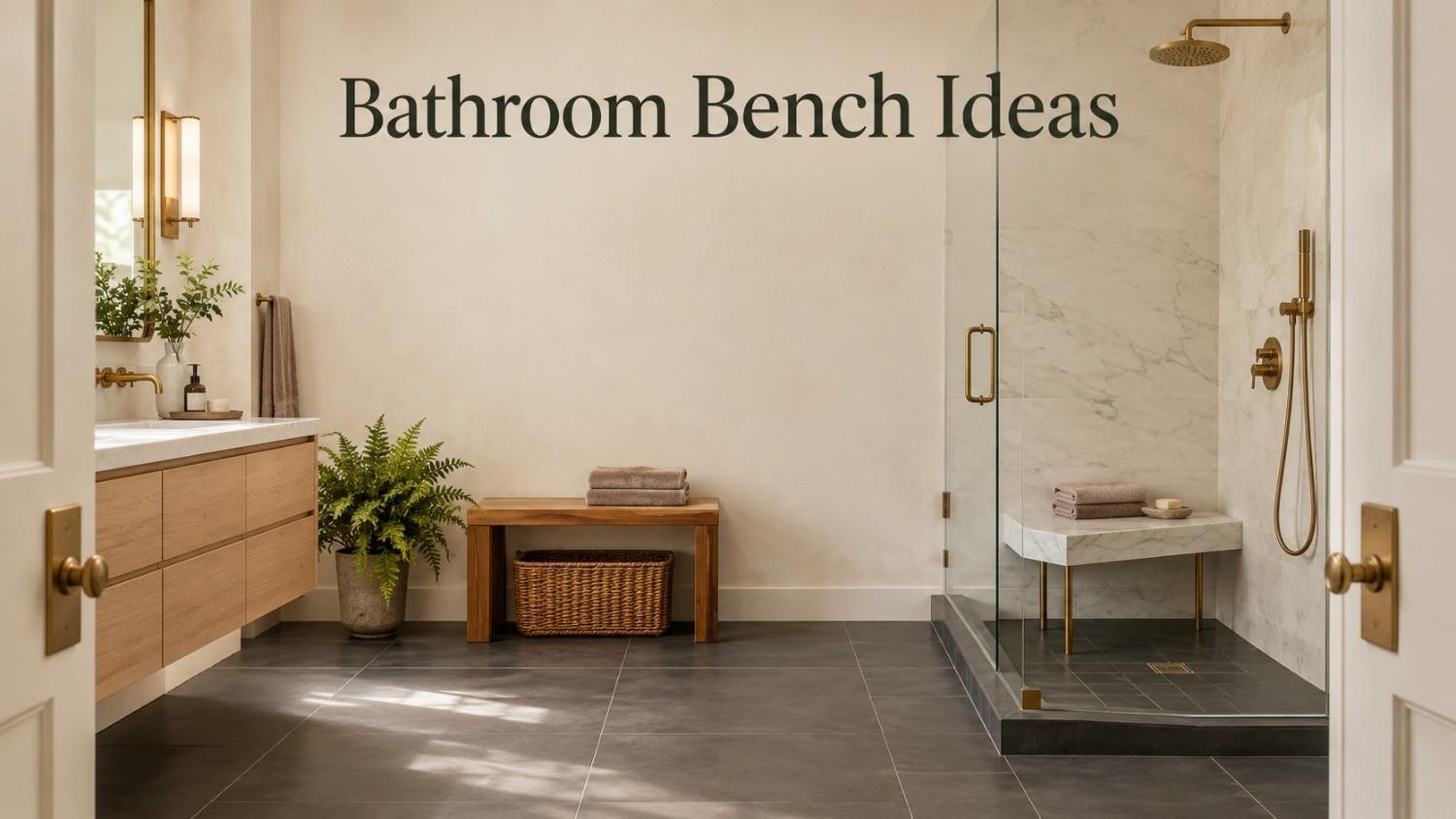
Walk into almost any newly remodeled bathroom in the U.S. today, and you’ll likely spot one detail that used to be an afterthought: a bench. What used to be a plain plastic stool shoved into a shower corner has become one of the most requested features in modern bathroom design. A well-placed bathroom bench does more than give you somewhere to sit — it adds storage, softens hard tile surfaces, and turns an ordinary routine into something closer to a spa visit.
Whether you’re renovating a small guest bath or planning a full master suite, this guide breaks down 25 bathroom bench ideas, the materials worth your money, and the safety details most articles skip entirely. By the end, you’ll know exactly which bench fits your space, your budget, and the people who use it every day.
Why a Bathroom Bench Belongs in Your Home
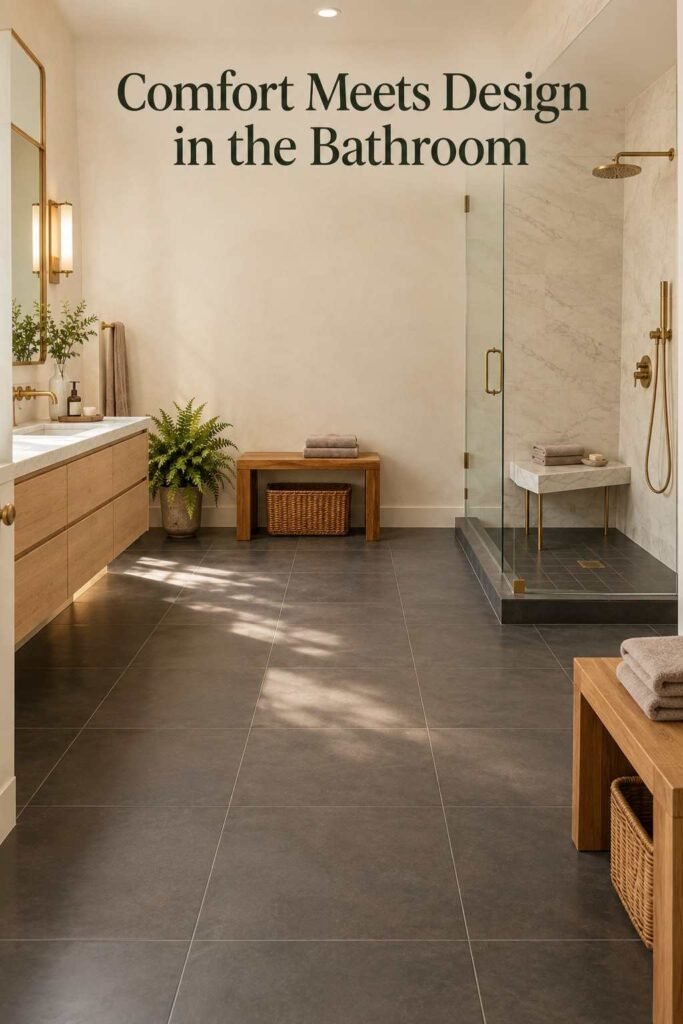
A bathroom bench solves three problems at once: comfort, storage, and safety. It gives you a place to sit while drying off, shaving, or getting dressed. It offers a landing spot for towels or a laundry basket. And for older adults or anyone recovering from surgery, it reduces the risk of slipping — bathroom falls remain one of the most common causes of injury at home, especially among adults over 65.
Interior designers across the country now treat the bathroom bench as a standard line item in remodel plans, not a luxury add-on. It’s a small piece of furniture that changes how a room feels, functions, and photographs.
Types of Bathroom Benches to Consider
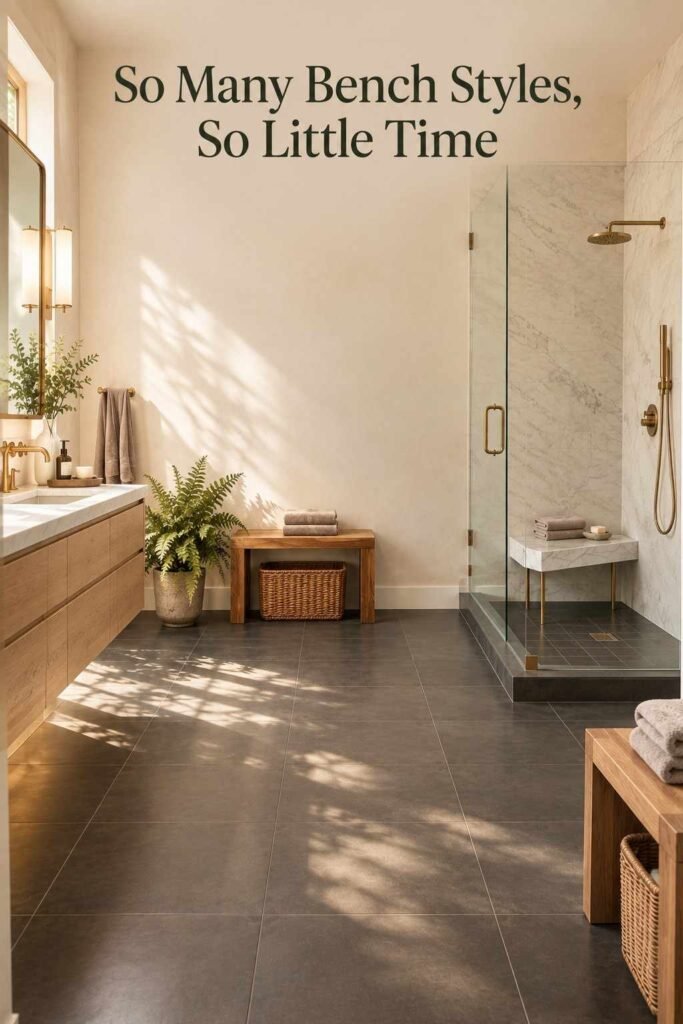
Before picking a style, decide how the bench needs to function. Built-in benches suit permanent showers and full remodels. Freestanding pieces work in bathrooms of any layout and can move with you. Storage benches earn their keep in smaller homes where every surface has to multitask. The 25 bathroom bench ideas below are grouped by category so you can jump straight to what fits your space.
Built-In and Structural Bathroom Bench Ideas
1. Tiled corner bench
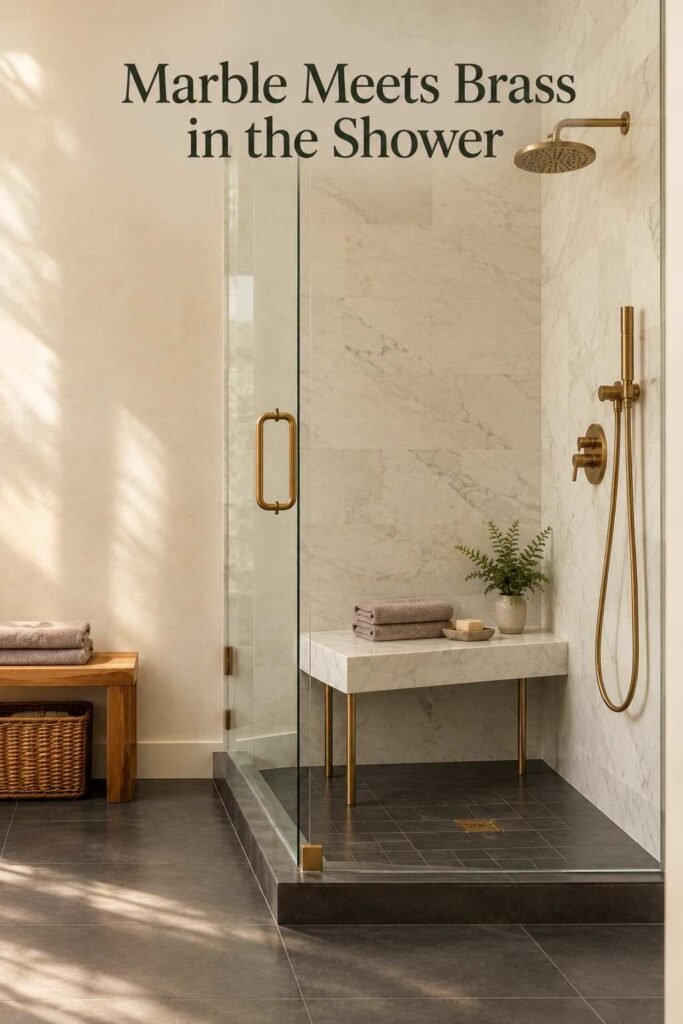
A triangular tiled seat fitted into an unused shower corner is one of the most space-efficient built-in options, especially in walk-in showers under 40 square feet.
2. Curbless bench with a grab bar. Paired with a curbless shower entry, this design combines a flush seating ledge with a discreet grab bar for stability — a favorite among aging-in-place remodels.
3. Recessed niche bench. Built directly into the shower wall, a recessed bench keeps the floor plan open and avoids protruding edges, which matters most in tight layouts.
4. Teak slatted built-in
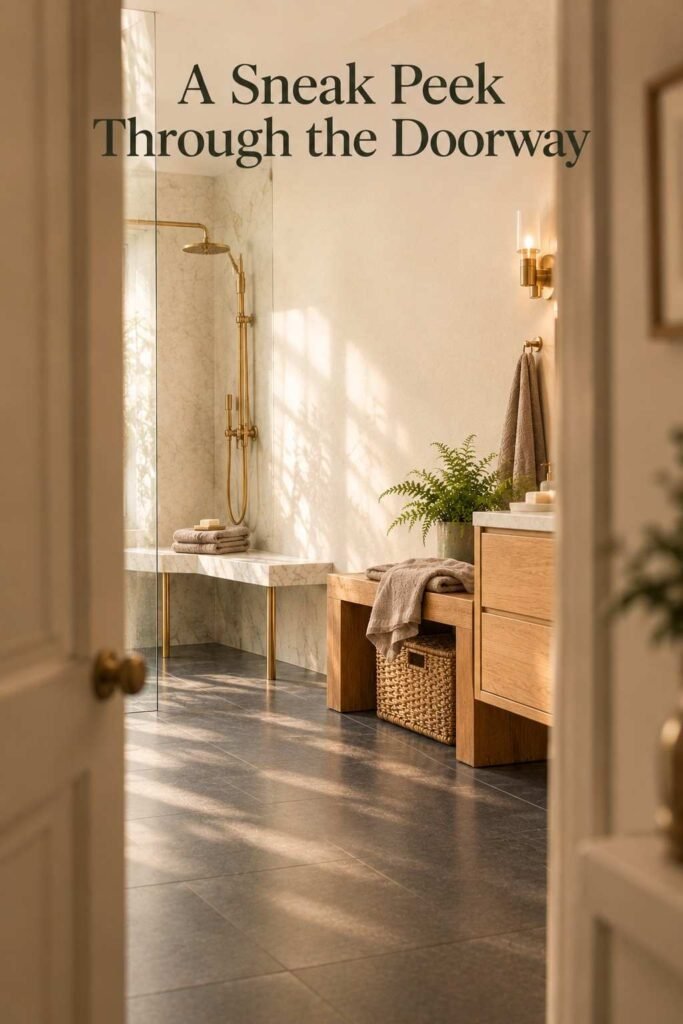
A teak slat seat set on a tiled base brings warmth to an otherwise cool, all-stone shower while allowing water to drain freely beneath it.
5. Bench-plus-shelf combo. Combining a seat with an integrated niche shelf above it keeps shampoo and soap within reach without adding a separate caddy.
Freestanding and Portable Bathroom Bench Ideas
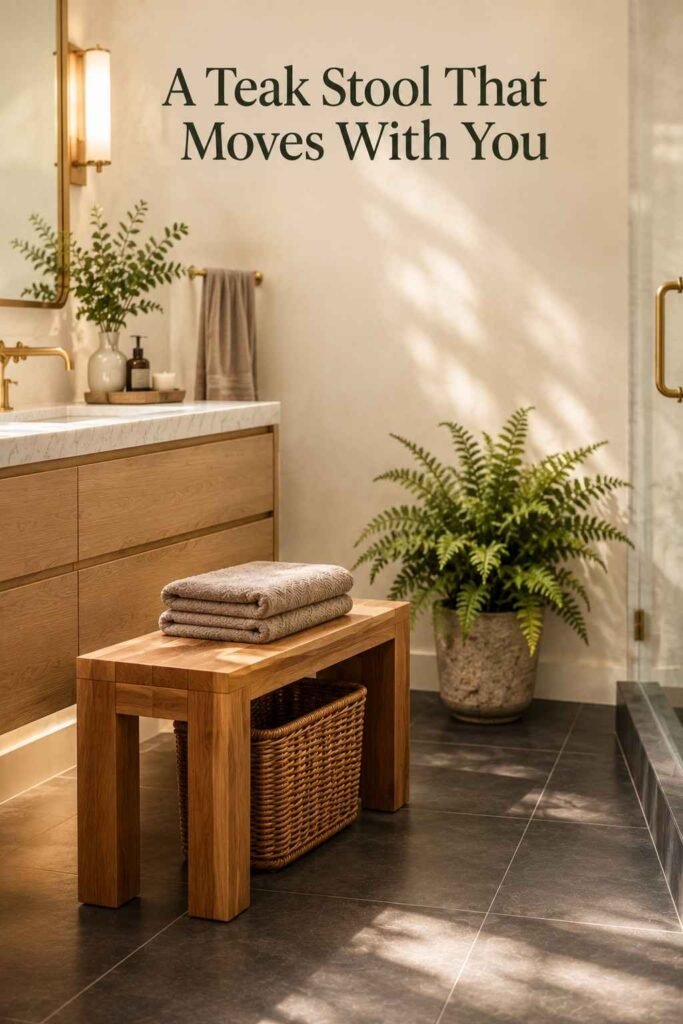
6. Solid teak stool bench
Naturally water-resistant and rot-resistant, teak is the most common freestanding wood choice for wet bathroom environments.
7. Folding wall-mount bench. These fold flat against the wall when not in use, making them ideal for rental units or small bathrooms where floor space is limited.
8. Rolling storage bench on casters. A bench with locking wheels can double as a rolling cart, useful for moving towels or supplies between the bathroom and laundry room.
9. Stone-look composite bench. Engineered stone composites mimic the look of marble or granite at a lower price point and resist staining better than natural stone.
10. Woven rattan bench. A natural rattan or bamboo bench adds texture and a relaxed, coastal feel, though it needs a sealed finish to hold up to humidity.
Storage-Focused Bathroom Bench Ideas
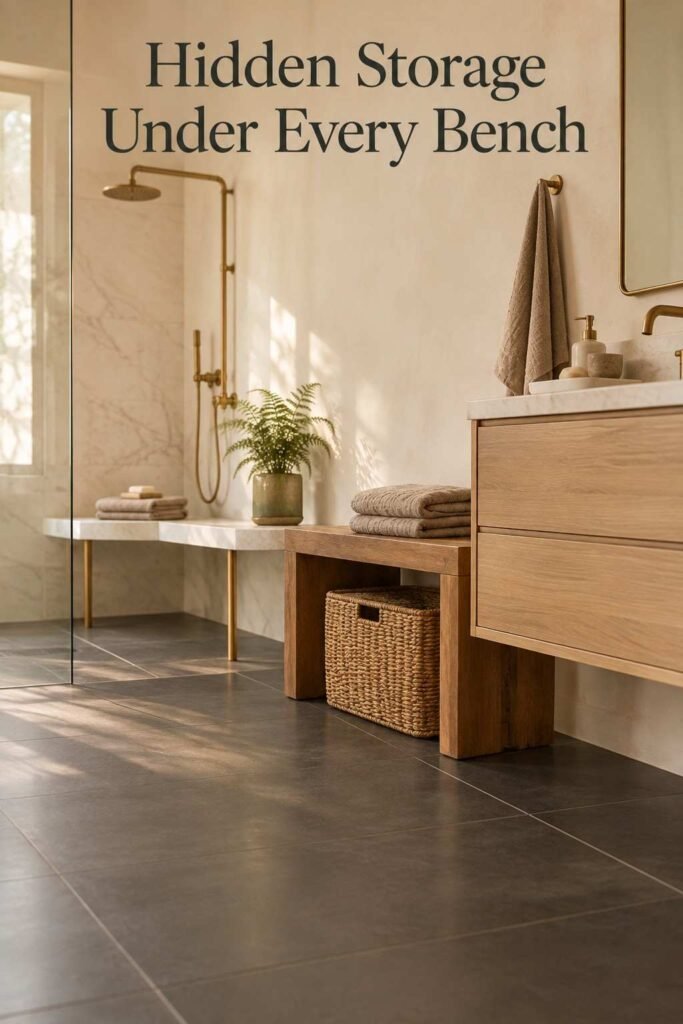
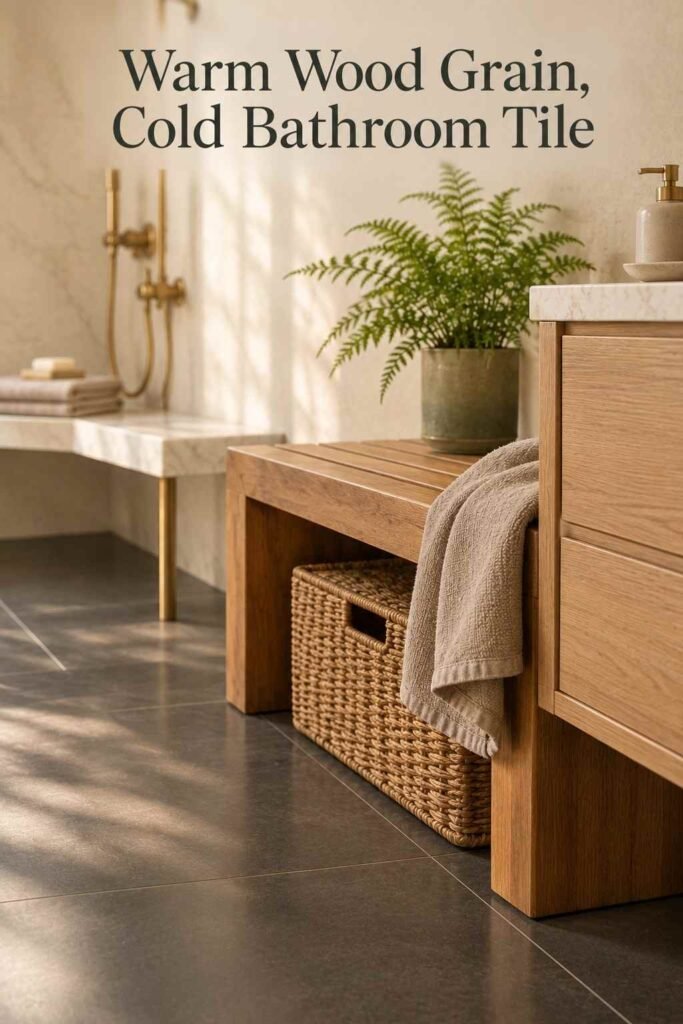
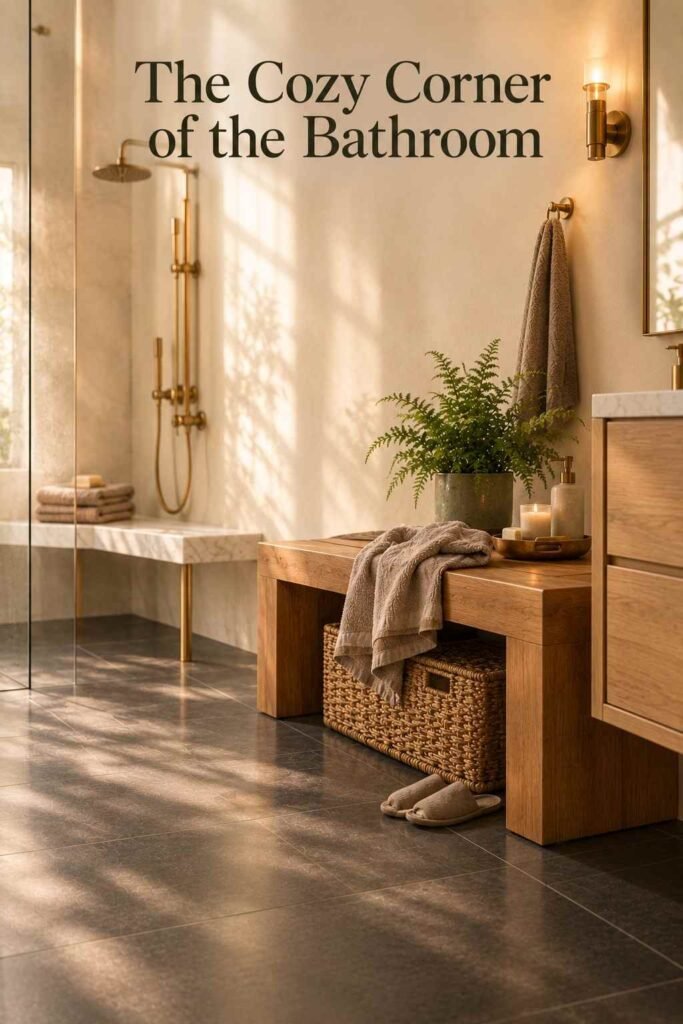
11. Bench with woven baskets underneath
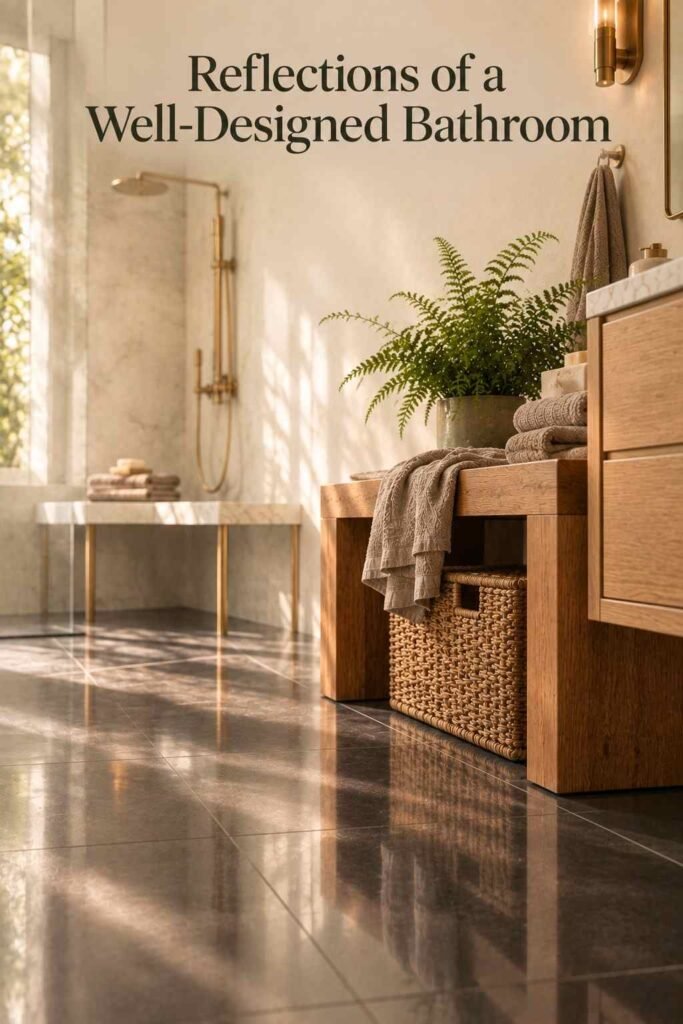
Sliding baskets beneath an open-frame bench hide extra towels, toilet paper, or hair tools while keeping them accessible.
12. Bench with a hidden hamper. A lift-top bench with a fabric-lined interior doubles as a discreet laundry hamper — particularly useful in shared family bathrooms.
13. Bench with a soft-close drawer. A drawer built into the base keeps smaller items like razors or cotton pads out of sight without sacrificing seating.
14. Bench-vanity combo
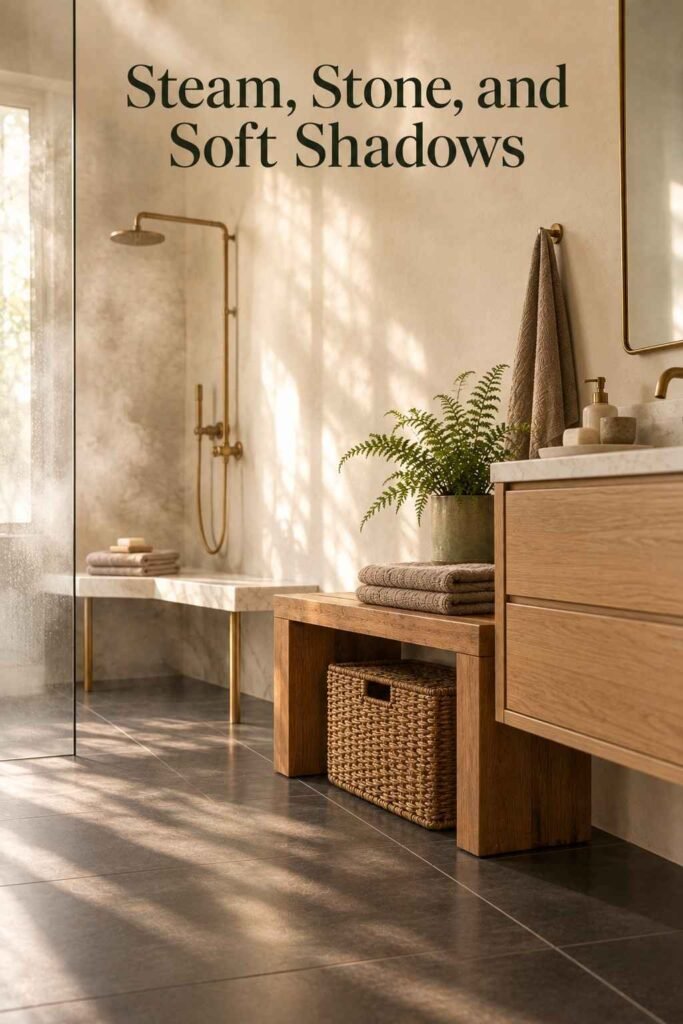
Pairing a low bench with an open vanity creates a seated grooming station; when styled together with warm bathroom vanity lighting, it becomes the room’s focal point.
15. Towel-ladder bench combo. A bench with a built-in towel ladder on one end keeps fresh towels within arm’s reach of the shower.
Style and Material Bathroom Bench Ideas
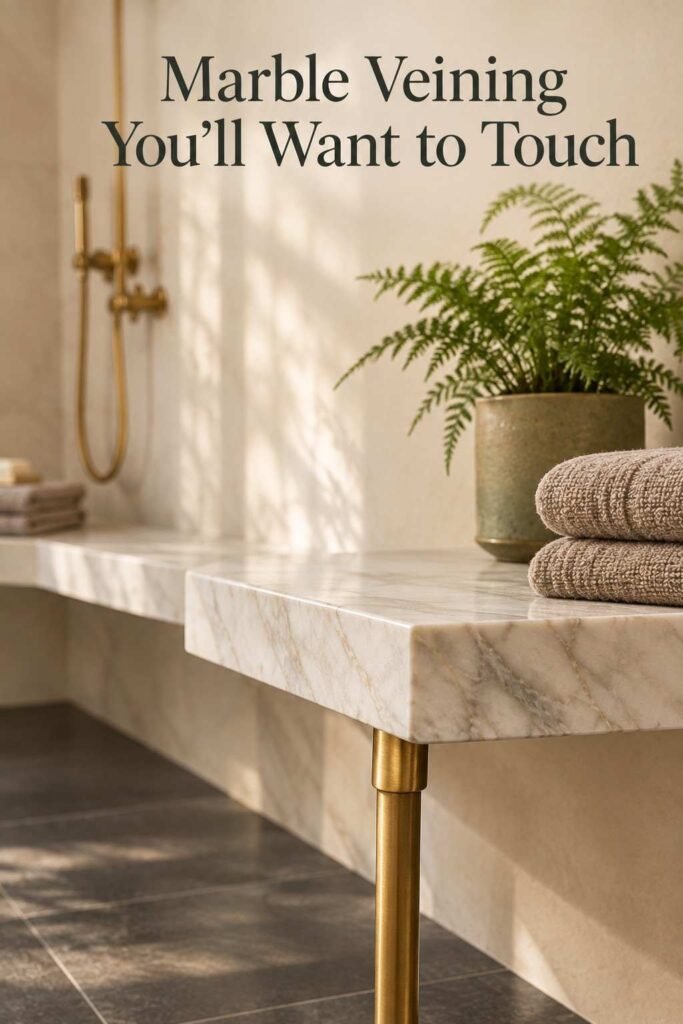
16. Marble or quartz bench
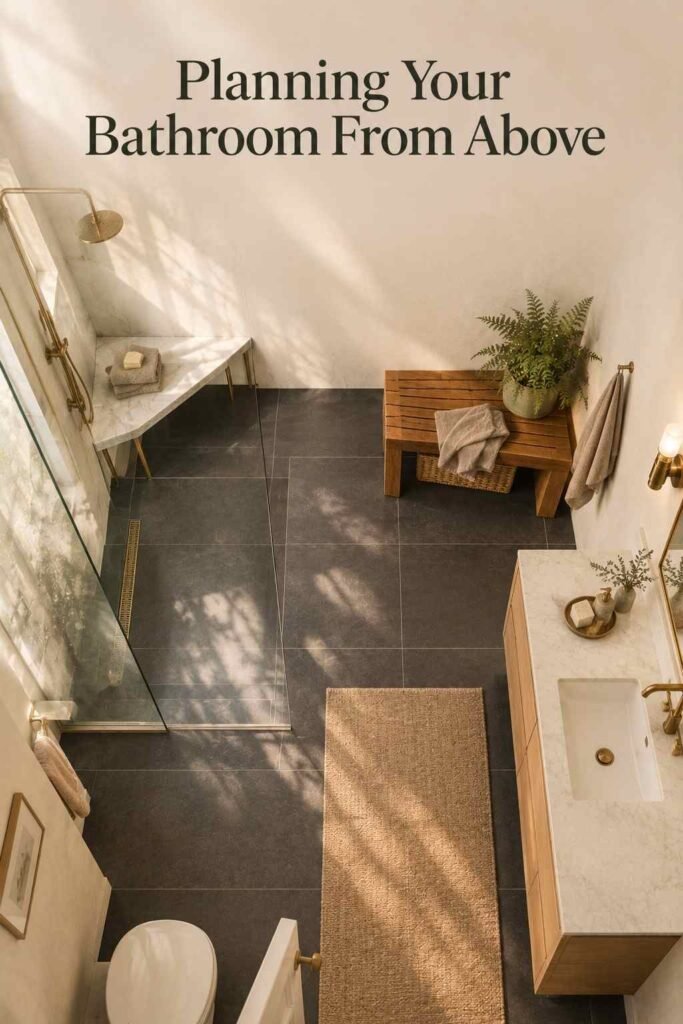
Natural marble delivers a genuinely luxurious look, though it requires periodic sealing to resist etching from soaps and acidic cleaners.
17. Upholstered bench with washable fabric. A cushioned bench with a performance or outdoor-grade fabric brings softness to the room without sacrificing durability.
18. Industrial metal-and-wood bench
Blackened steel legs paired with a reclaimed wood top suit modern, loft-style bathrooms with exposed fixtures.
19. Scandinavian minimalist bench. Light oak, rounded edges, and no ornamentation — this style pairs well with pale tile and brass hardware.
20. Vintage or antique-style bench
A repurposed wooden bench with a waterproof sealant applied can add character to a bathroom without looking mass-produced.
Small Bathroom Bench Ideas That Save Space
Small bathrooms present a different challenge: every inch has to earn its place. These five ideas were built specifically for compact layouts.
21. Fold-down wall bench. Mounted at hip height, it tucks flat when not needed and unfolds for seating or as a temporary shelf.
22. Narrow bench for powder rooms. A slim 12-to-16-inch-deep bench fits against a wall without blocking foot traffic in half-baths.
23. ADA-height bench with a grab bar. Set between 17 and 19 inches high with a nearby grab bar, this configuration meets common accessibility guidelines for barrier-free bathrooms.
24. Slim floating bench. Wall-mounted with no visible legs, a floating bench makes the floor appear larger and simplifies cleaning underneath.
25. Kid-safe rounded bench. Rounded corners, a low profile, and a non-slip surface make this option practical for family bathrooms with young children.
Choosing the Right Material for a Bathroom Bench
Material choice affects both longevity and maintenance. Teak and cedar resist moisture naturally and need only occasional oiling. Tile and stone benches last decades but require sealing and can feel cold underfoot without a mat or cushion. Engineered composites offer a middle ground — water-resistant, budget-friendly, and available in stone-like finishes. Upholstered benches are the least water-tolerant option and work best in dry areas near the vanity rather than inside a wet shower zone.
A quick rule of thumb: if the bench sits inside the shower or wet zone, choose teak, tile, stone, or a sealed composite. If it sits outside the shower, near the vanity or entry, fabric and wood options open up considerably.
Safety and Accessibility Considerations
A bathroom bench isn’t only a design feature — it’s frequently part of home safety planning. Weight capacity matters: most quality benches are rated between 250 and 400 pounds, so check the manufacturer’s specifications before buying. Non-slip rubber feet or a bonded base prevent sliding on wet tile. For households with older adults, pairing the bench with a nearby grab bar reduces fall risk significantly. Occupational therapists often recommend a seat height close to standard chair height, roughly 17 to 19 inches, so users can sit and stand without strain.
Styling Tips to Make Your Bathroom Bench Feel Intentional
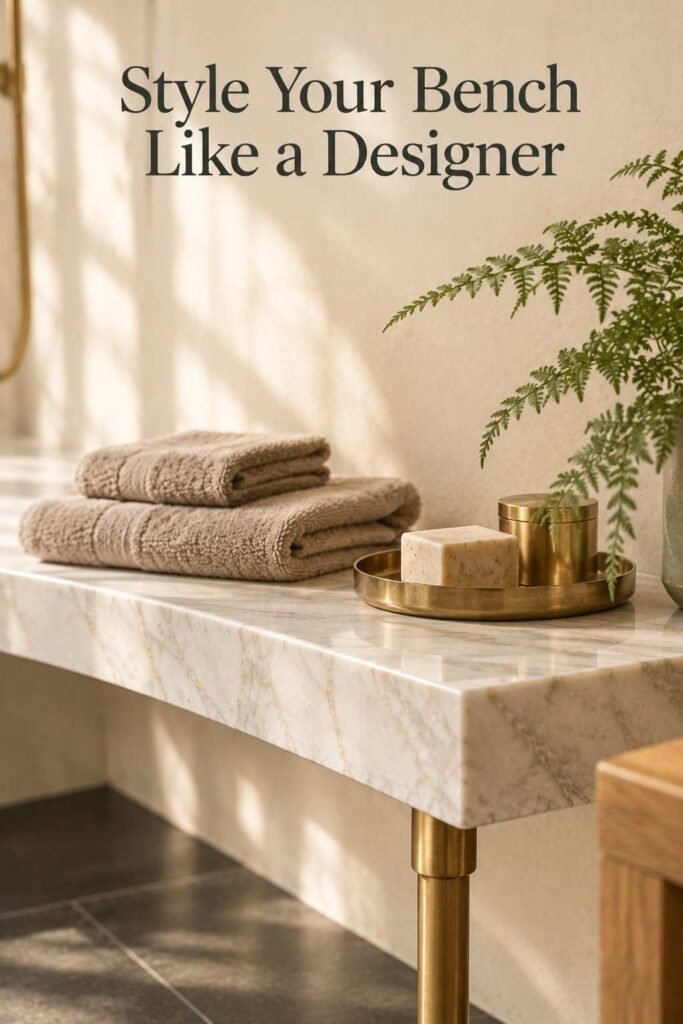
A bench looks purposeful when it’s styled, not just placed. A folded waffle-weave towel, a small plant, or a woven tray can turn a plain seat into a designed moment. Lighting plays a bigger role than most people expect — soft, layered bathroom vanity lighting above or beside the bench keeps the seating area from looking like an afterthought. If you’re still gathering ideas before committing to a layout, browsing curated aesthetic bathroom inspo boards can help you settle on a color palette and material combination before you shop. And if you want the full room pulled together — bench, vanity, and lighting as one cohesive plan — a design-focused resource like OutInteriors can help translate loose ideas into a finished layout.
What to Look For Before You Buy
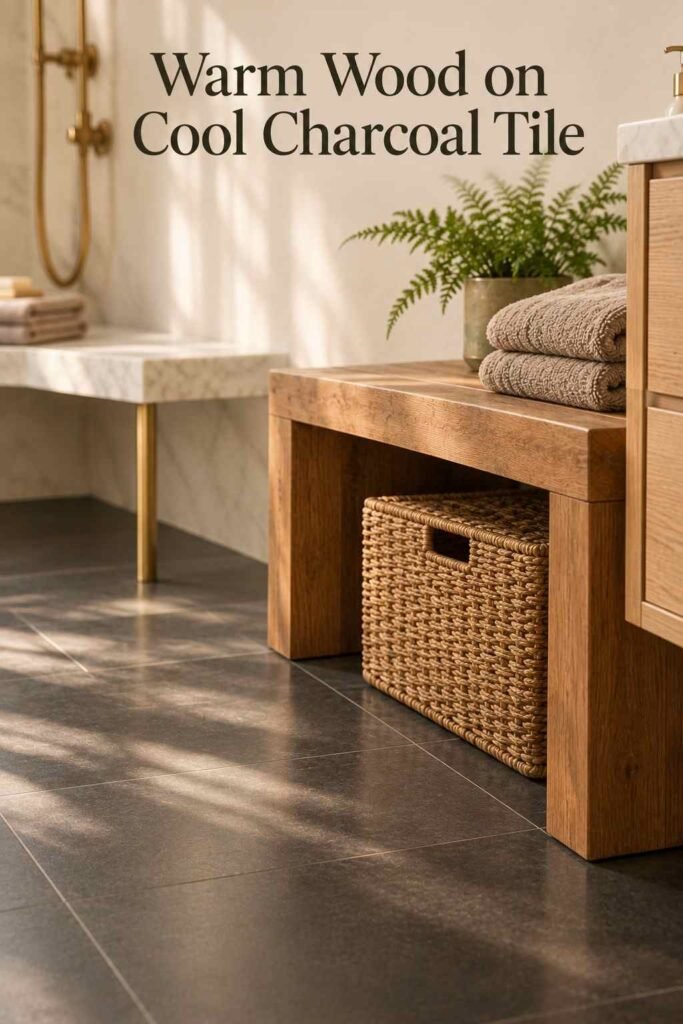
Before purchasing, measure the available floor or wall space, confirm the bench’s water resistance rating if it will sit in a wet zone, and check the weight capacity against your household’s needs. Consider whether storage is a priority — baskets, drawers, and hampers add function without requiring extra furniture elsewhere in the room. Finally, match the finish to your existing hardware; a warm wood bench pairs naturally with brass or matte black fixtures, while a stone or composite bench suits chrome and brushed nickel.
Conclusion
A bathroom bench is one of the few upgrades that improves comfort, storage, and safety at the same time. Whether you choose a built-in tiled seat for a spa-style shower, a folding wall-mount piece for a small guest bath, or a storage bench that hides laundry and towels, the right choice comes down to your space, your material tolerance for moisture, and who uses the bathroom daily. With 25 options to choose from, there’s a practical starting point for nearly every home and budget.
Frequently Asked Questions
1. What is the standard height for a bathroom bench?
Most benches sit between 17 and 19 inches high, matching standard chair height and meeting common accessibility recommendations.
2. Can a wooden bathroom bench go inside the shower?
Yes, if it’s made from a naturally water-resistant wood like teak or cedar and sealed properly; other wood types will warp over time.
3. How much weight can a bathroom bench typically hold?
Weight capacity varies by design and material, but most quality benches are rated to hold between 250 and 400 pounds.
4. Are built-in or freestanding bathroom benches better for small bathrooms?
Freestanding, folding, or floating benches generally work better in small bathrooms since they don’t require permanent construction and can be moved or folded away.
5. What’s the best material for a bathroom bench in a humid climate?
Teak, tile, natural stone, and sealed engineered composites hold up best in consistently humid environments compared to upholstered or untreated wood options.
6. Do bathroom benches need to match the vanity?
They don’t have to match exactly, but coordinating finishes — wood tones, metal hardware, or color palette — creates a more cohesive, finished look.
7. Is a bathroom bench worth it in a small guest bathroom?
Yes; even a narrow or fold-down bench adds functional seating and storage without significantly reducing usable floor space.