Scandinavian Interior Design Ideas to Transform Your Home in 2026
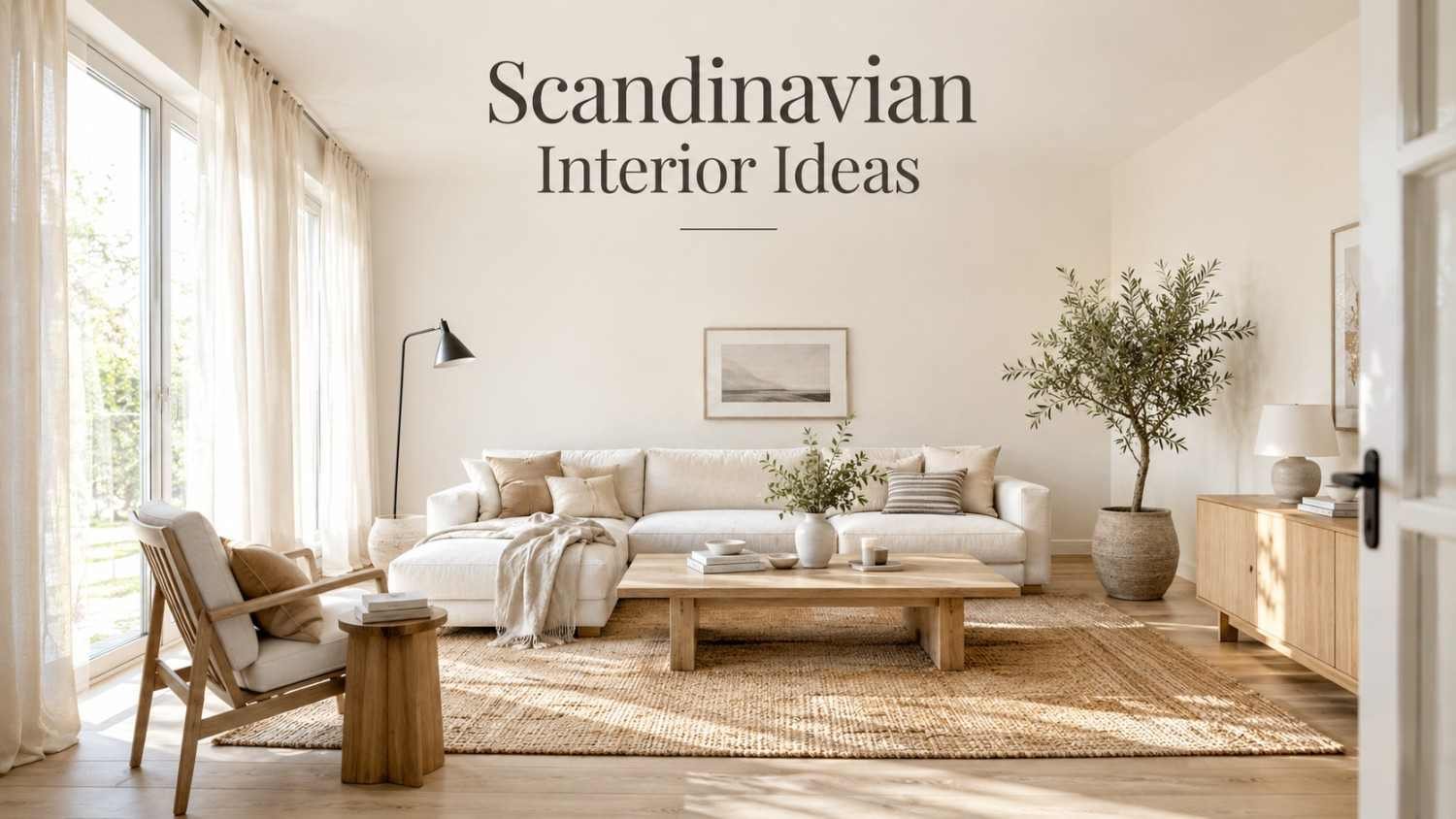
Walk into a room done right in this style, and you feel it before you can explain it — the light, the calm, the sense that nothing is fighting for your attention. That’s the quiet power of Scandinavian interior design, a philosophy born in the Nordic countries that has quietly outlasted almost every design trend that came after it.
This guide goes further than most roundups you’ll find online. Instead of just listing pretty rooms, it breaks down 25 practical Scandinavian interior ideas by room, flags the mistakes that make a “Scandi” room feel cold instead of cozy, and covers the budget and sustainability questions most articles skip entirely. Whether you’re furnishing a first apartment or refreshing a family home, these ideas are built to actually work in an American house, not just a Copenhagen showroom.
What Makes Scandinavian Interior Design Timeless?
The style traces back to Denmark, Sweden, Norway, Finland, and Iceland in the 1950s, when designers responded to long, dark winters with homes built around light, warmth, and simplicity. It reached American audiences in a big way through Design in Scandinavia, a traveling exhibition that toured dozens of U.S. and Canadian cities starting in 1954, introducing Nordic furniture and craftsmanship to a new market.
A true Scandinavian interior rests on four pillars: natural light, functional furniture, honest materials like wood and wool, and hygge — the Danish concept of deliberate coziness. It isn’t about owning less for the sake of it; it’s about keeping only what earns its place in the room.
Living Room Scandinavian Interior Ideas
The living room is where this style is easiest to spot and easiest to get wrong. These five ideas keep the space open without feeling empty.
1. Layer a neutral base with one warm wood piece.

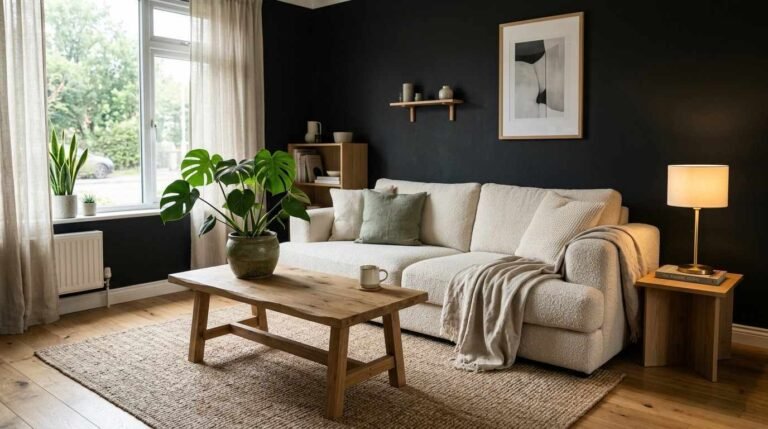
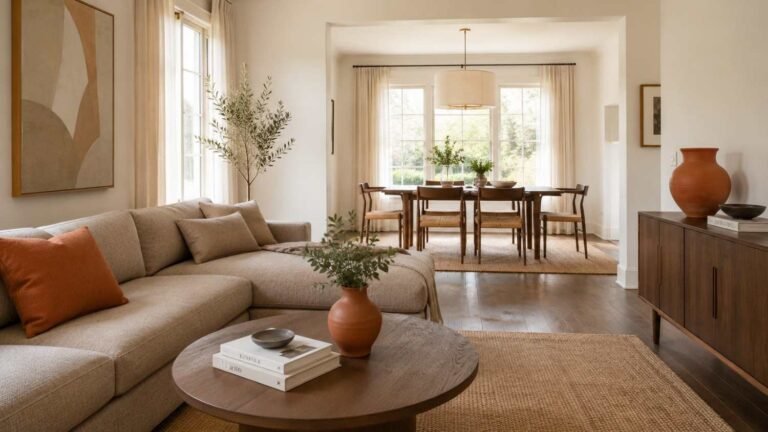
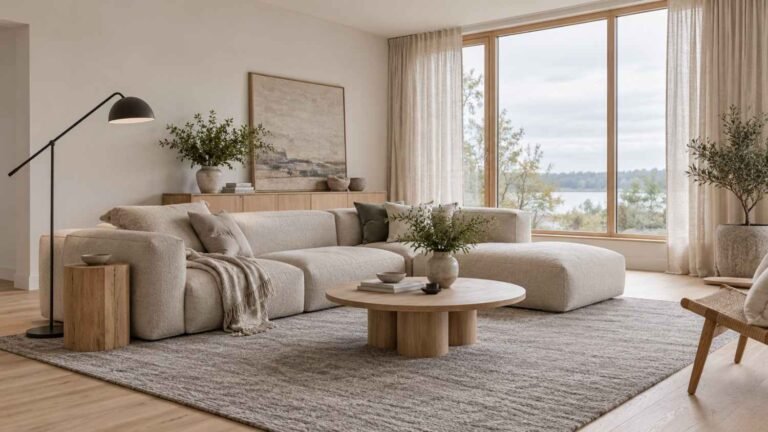
Start with off-white or soft grey walls, then anchor the room with a light oak or birch coffee table. The wood grain does the visual work, so nothing else has to shout.
2. Choose a low-profile sofa in wool or bouclé

Scandinavian seating sits close to the ground and favors natural fabrics over synthetic ones, which keeps the room feeling grounded and touchable.
3. Add a sheepskin or wool throw over one chair

This single texture cue signals warmth instantly and is the fastest fix for a room that feels too sparse.
4. Hang art in odd-numbered groupings

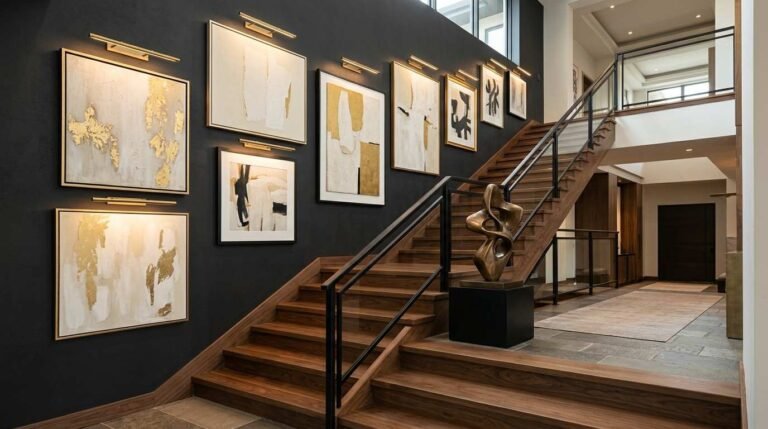
A gallery wall of three or five simple black-and-white prints, unevenly spaced, feels more intentional than a single large statement piece.
5. Bring in a sage green or dusty pink accent. These two shades have become the defining accent colors of the current Nordic palette, used sparingly on a cushion, vase, or single wall.
Bedroom Scandinavian Interior Ideas
Bedrooms benefit the most from this style’s restraint — fewer decisions at night means better sleep.
6. Dress the bed in pure linen sheets. Linen wrinkles on purpose and softens with every wash, which is exactly the lived-in look this style celebrates.
7. Use a pendant light instead of a bedside lamp

It frees up nightstand space and mirrors the layered lighting approach Nordic homes rely on to fight dark winters.
8. Choose a bed frame with visible wooden legs. Furniture that “floats” slightly off the floor makes a small bedroom read as larger and airier.
9. Add blackout curtains in a natural linen weave. Function matters as much as looks here — the fabric should filter light beautifully by day and block it completely at night.
10. Keep the nightstand to three objects, maximum. A lamp, a book, a small dish. This single rule does more for a calm bedroom than any color choice.
Kitchen Scandinavian Interior Ideas
Kitchens are where this style’s function-first thinking really earns its reputation.
11. Swap upper cabinets for open shelving. Displaying stoneware and glass jars instead of hiding them behind doors is a hallmark of Nordic kitchens, and it keeps everyday items within reach.
12. Style your countertops with restraint

Thoughtful kitchen counter decor — a wooden cutting board leaned against the backsplash, one ceramic jug of utensils, a small potted herb — does more than a cluttered counter ever will.
13. Choose matte black or brass hardware, not both. Picking one metal finish and repeating it throughout the kitchen creates the cohesion this style depends on.
14. Add a pendant light cluster over the island. Three small pendants at varying heights replace one bulky fixture and soften the whole room.
15. Use woven baskets for pantry storage. Rattan and seagrass baskets hide clutter while keeping the material palette warm instead of sterile.
Bathroom Scandinavian Interior Ideas
Bathrooms need the least renovation to get this look — most of it comes down to texture and edit.
16. Replace plastic bottles with glass or ceramic dispensers. It’s a small swap that instantly makes a bathroom counter look considered rather than accidental.
17. Add a teak bath mat or stool

Teak resists moisture naturally and brings the same warm-wood grounding that works everywhere else in the home.
18. Hang a single round mirror with a thin black frame. One dark accent against white tile is often all a Scandinavian bathroom needs to feel finished.
Home Office and Small-Space Scandinavian Interior Ideas
Small apartments and home offices are where this style genuinely outperforms more maximalist trends, since every piece has to earn its footprint.
19. Pick a desk with a wood top and slim metal legs. It reads lighter in a small room than a solid wood or laminate desk ever will.
20. Consider one of the classic chrome chair ideas for your desk seating

A mid-century-inspired chair with a chrome frame and leather or wool seat pairs the industrial and organic sides of this style in one piece.
21. Use vertical wall storage instead of floor cabinets. Freeing up floor space is the single biggest trick for making a studio apartment feel larger.
22. Choose a daybed instead of a full guest bed. It works as seating by day and sleeping space by night — practical, dual-purpose furniture is a Nordic design signature.
Outdoor and Balcony Scandinavian Interior Ideas
Even a small balcony can borrow this philosophy.
23. Add a weatherproof wool or acrylic outdoor rug. It grounds the space the same way an indoor rug would, without the maintenance headache.
24. Use string lights with warm, not white, bulbs. Nordic outdoor spaces prioritize warmth over brightness after dark.
25. Keep planters in unglazed terracotta or concrete. Matte, earthy containers hold up outdoors and match the natural material palette used indoors.
Mistakes to Avoid in Scandinavian Interior Design
Most guides skip this, but it’s often more useful than the ideas themselves. The biggest mistake is treating an all-white room as automatically Scandinavian — without wood, texture, and at least one layer of warmth, it just reads clinical. The second is relying on a single overhead light; Nordic homes typically use four to six light sources per room to compensate for shorter daylight hours. The third is buying furniture that only looks like light oak but is actually a printed laminate — it photographs fine but wears poorly and undercuts the honest-materials principle this whole style is built on.
Budget-Friendly Scandinavian Interior Design Tips
You don’t need a full furniture budget to get this look right. Start with paint, since a soft white or warm grey wall does more visual heavy lifting than any single purchase. Thrift or vintage-shop wooden furniture instead of buying new — a worn oak side table often looks more authentic than a brand-new one. Retailers like IKEA, Article, and West Elm all carry Scandinavian-influenced pieces at different price points, so it’s worth comparing before committing to higher-end Danish or Swedish originals. Finally, spend on textiles last but well: one genuinely good wool throw or linen duvet will outlast several cheaper versions and look better doing it.
Sustainable Materials in Scandinavian Interior Design
Sustainability isn’t a side note in this tradition — it’s part of the original philosophy. Nordic designers have long favored materials that age well instead of ones that need replacing: solid wood over particleboard, wool over synthetic blends, and pieces built to be repaired rather than discarded. When shopping today, look for FSC-certified wood, natural dyes, and manufacturers who publish where their materials are sourced. Choosing fewer, better-made pieces isn’t just a design choice here — it’s the same democratic, long-lasting-design principle the whole movement started with in the 1950s.
Bringing It All Together

A Scandinavian interior isn’t a finished look you buy in one trip — it’s a set of habits: choosing wood over veneer, light over clutter, and function over decoration for its own sake. Start small. Pick one room, apply three or four ideas from this list, and let the rest follow over time. For more room-specific inspiration, browsing curated Outinteriors style boards can help you see how these principles translate across different home sizes and budgets before you commit to a full room refresh.
Frequently Asked Questions
1. What defines a Scandinavian interior, exactly?
It’s a design approach built on natural light, functional furniture, honest materials like wood and wool, and hygge, the Danish idea of deliberate coziness, all originating in the Nordic countries during the 1950s.
2. Is Scandinavian interior design the same as minimalism?
Not quite. Minimalism focuses on owning less; a Scandinavian interior focuses on choosing well. A room can have plenty of objects and still feel Scandinavian if everything serves a purpose and shares a warm, natural palette.
3. What colors work best in this style?
Soft whites and warm greys form the base, with sage green, dusty pink, terracotta, and warm brown used as accent colors. Bright, saturated, or neon tones are avoided almost entirely.
4. Can a small apartment pull off this look?
Yes — arguably better than a large home can. The style’s emphasis on multi-purpose furniture, vertical storage, and light colors was originally shaped by compact Nordic homes, so it scales down naturally.
5. What’s the most common mistake people make?
Going all-white without adding wood, texture, or layered lighting. Without those elements, the room reads sterile rather than cozy.
6. Do I need to buy Scandinavian brands to get this look?
No. The aesthetic depends more on material choices, color palette, and restraint than on brand names. Vintage furniture and mid-range retailers can achieve the same effect as higher-end Danish originals.
7. How many light sources does a Scandinavian room typically need?
Most rooms use four to six light sources — a mix of overhead, floor, table, and pendant lighting — to compensate for the shorter daylight hours the style was originally designed around.