Seating Ideas for Small Living Room: Smart Ways to Add Comfort Without Crowding Your Space
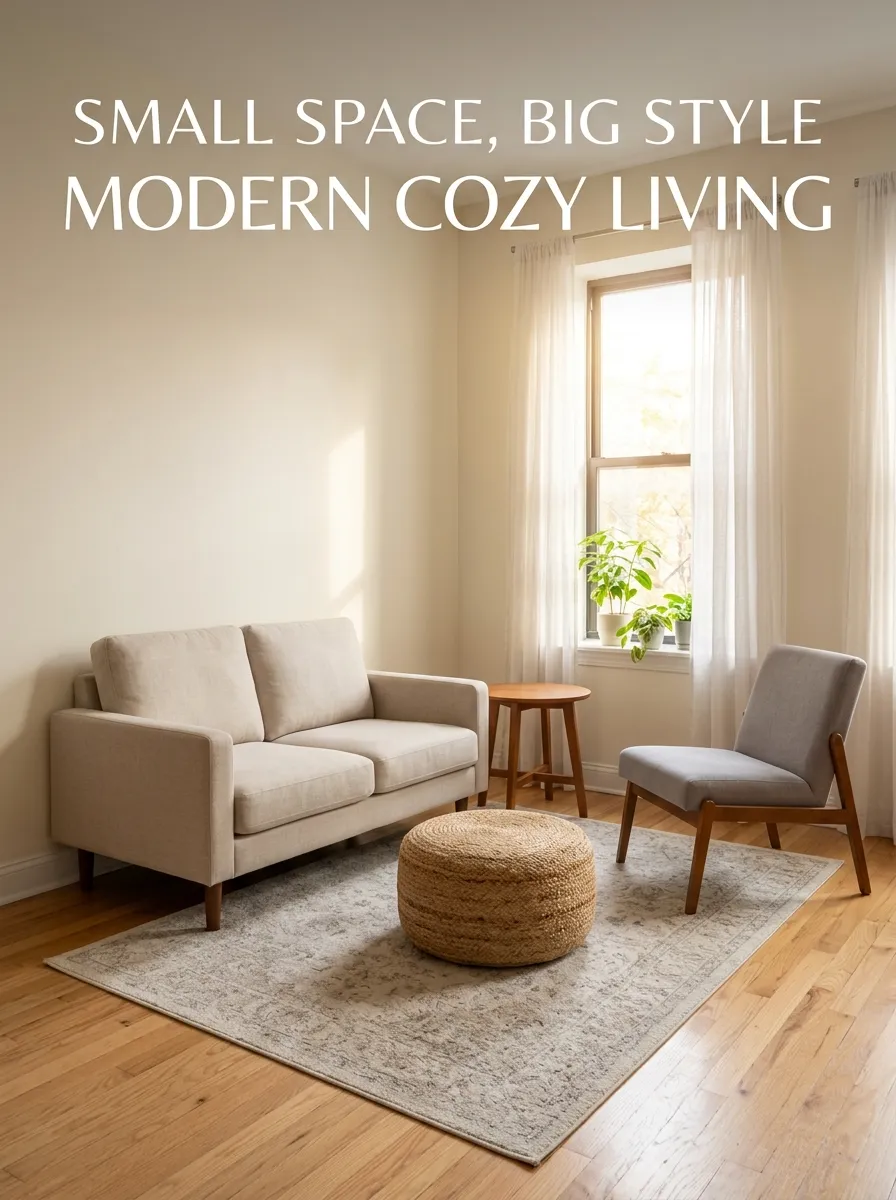
A small living room can be one of the warmest places in a home. It feels close, personal, and easy to enjoy. The challenge starts when you need enough seats for daily life without making the room feel packed. One sofa that is too deep, one chair in the wrong corner, or one oversized coffee table can interrupt the whole flow.
The best seating ideas for small living room layouts begin with real life. A family may need soft seating, storage, and space for kids to move. A couple in an apartment may need a loveseat, a pouf, and one flexible chair. A design-focused homeowner may prefer two sculptural chairs instead of a standard sofa. When the seating matches the way you live, the room feels bigger, calmer, and easier to use.
Start With the Function Before the Furniture
Before buying anything, ask how the room works on a normal day. Do you watch TV every night? Do you host friends? Do kids use the floor for play? Do you need a seat for reading, working, or morning coffee? A small room cannot waste space on furniture that only looks nice in photos.
Strong seating ideas for small living room spaces are based on habits first. If guests visit often, you may need moveable stools or a bench. If comfort matters most, a better sofa may be smarter than several small chairs. If the room is part of a studio apartment, a sofa bed or storage ottoman can help one area serve many purposes.
Measure the room before choosing a layout. Mark doors, windows, outlets, radiators, TV walls, and walking paths. Then use painter’s tape to outline the sofa, chairs, ottoman, and tables on the floor. This simple step shows whether people can still walk, sit, open drawers, and reach surfaces comfortably.
Use Spacing Rules That Keep the Room Comfortable
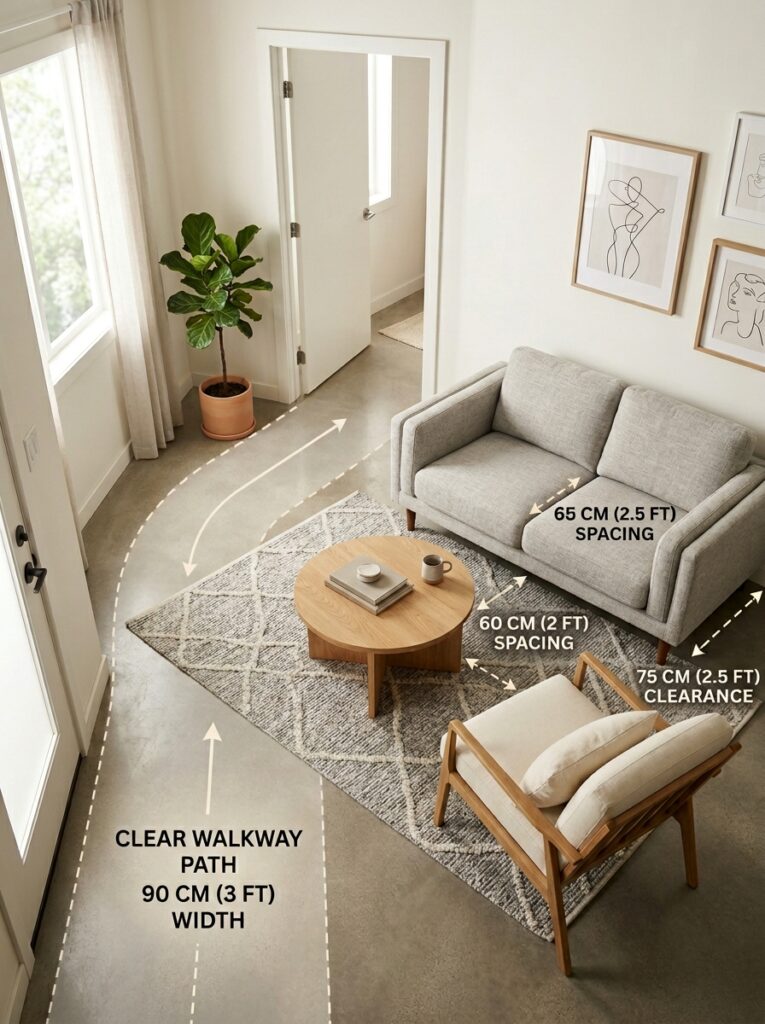
Small rooms need breathing room. Try to leave 14–18 inches between a sofa and a coffee table when possible. This keeps drinks, books, and remotes within reach while leaving legroom. Main walkways feel easier around 30–36 inches, although very compact rooms may need tighter clearances in less-used areas.
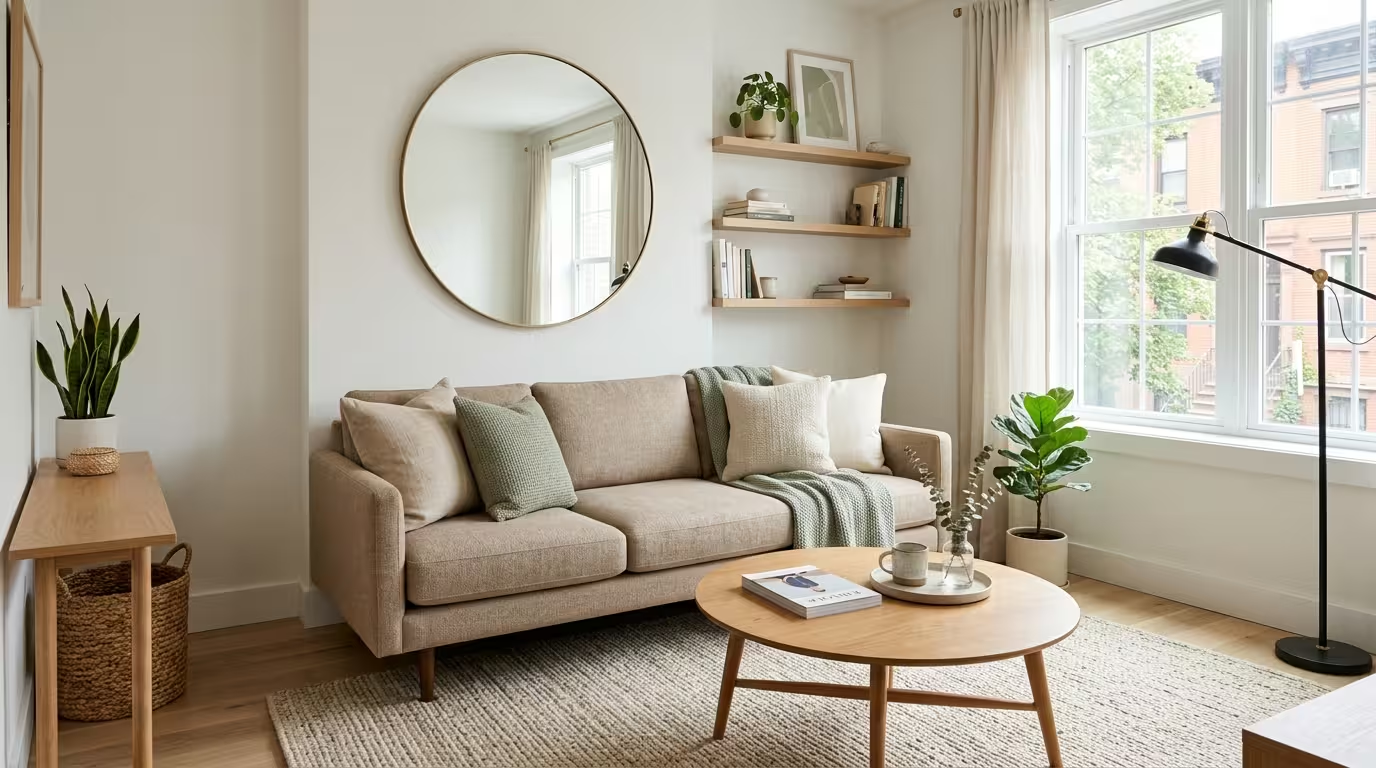
Good seating ideas for small living room plans also protect sightlines. Raised legs, slim arms, low backs, curved edges, and open frames help furniture look lighter. You do not always need tiny furniture. In many rooms, one right-sized sofa looks cleaner than several small pieces fighting for attention.
Think in layers. The main seat anchors the room. Secondary seating adds comfort. Poufs, stools, and benches create overflow seats. Tables, lamps, and rugs support the layout. When every piece has a clear job, the room feels planned instead of crowded.
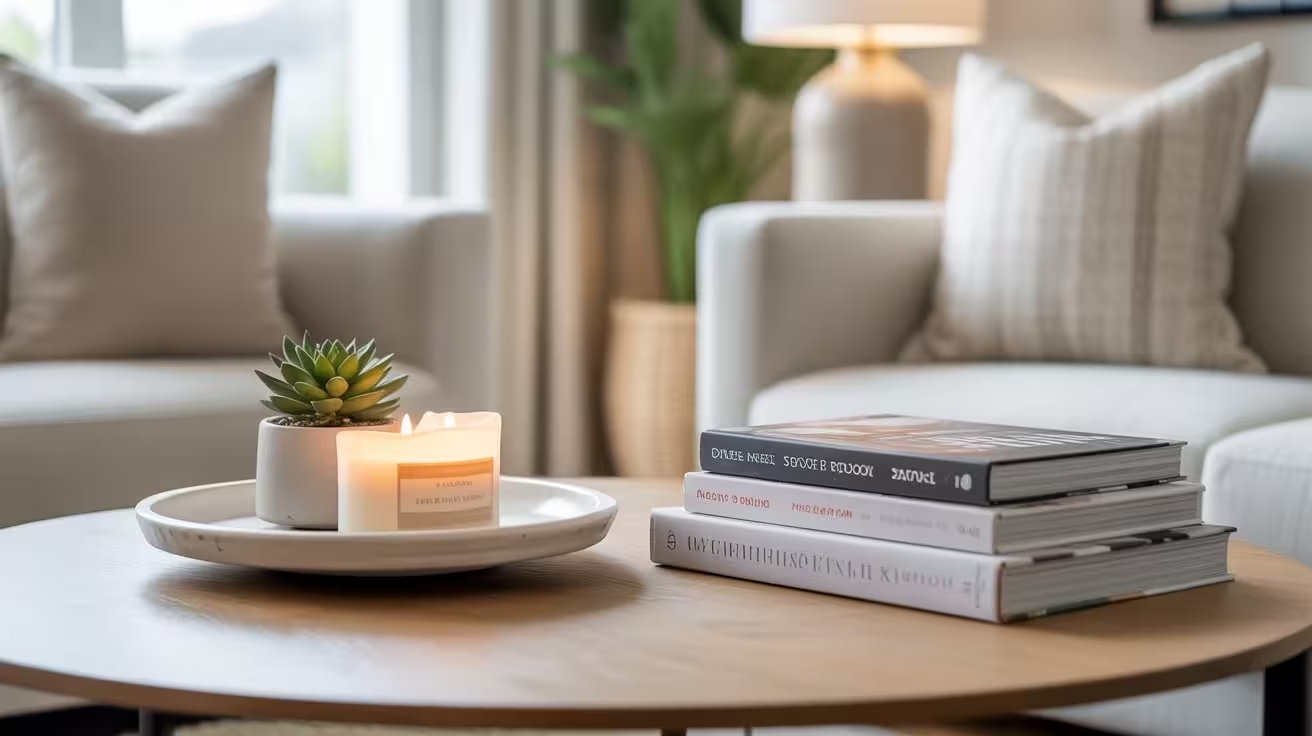
Once your seating plan is set, use these coffee table decor ideas to style the center of the room without blocking movement.
Pick One Anchor Seat First
The anchor seat is the piece you use most. It may be a sofa, loveseat, pair of chairs, chaise, or compact sectional. Choose this first, then add the rest around it. This keeps the layout focused and prevents the common mistake of collecting random chairs.
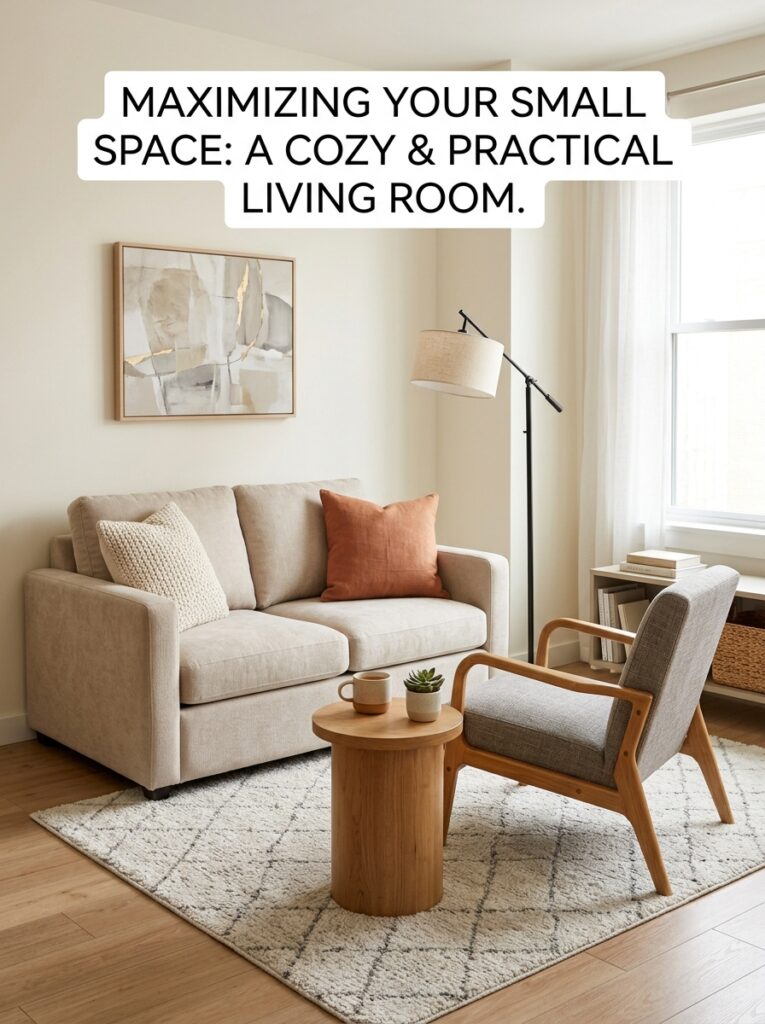
One of the safest seating ideas for small living room layouts is a loveseat with one accent chair. It gives everyday comfort without taking over the floor. Add a round side table, slim lamp, and small pouf for extra flexibility. This works well in apartments, narrow rooms, and homes where the TV wall limits furniture placement.
If you choose a full sofa, look for a tight back, slim arms, and a seat depth that fits the room. Sofas with visible legs often feel lighter than blocky designs. A calm fabric color can also help the largest piece blend into the space instead of dominating it.
Use a Compact Sectional When It Saves Space
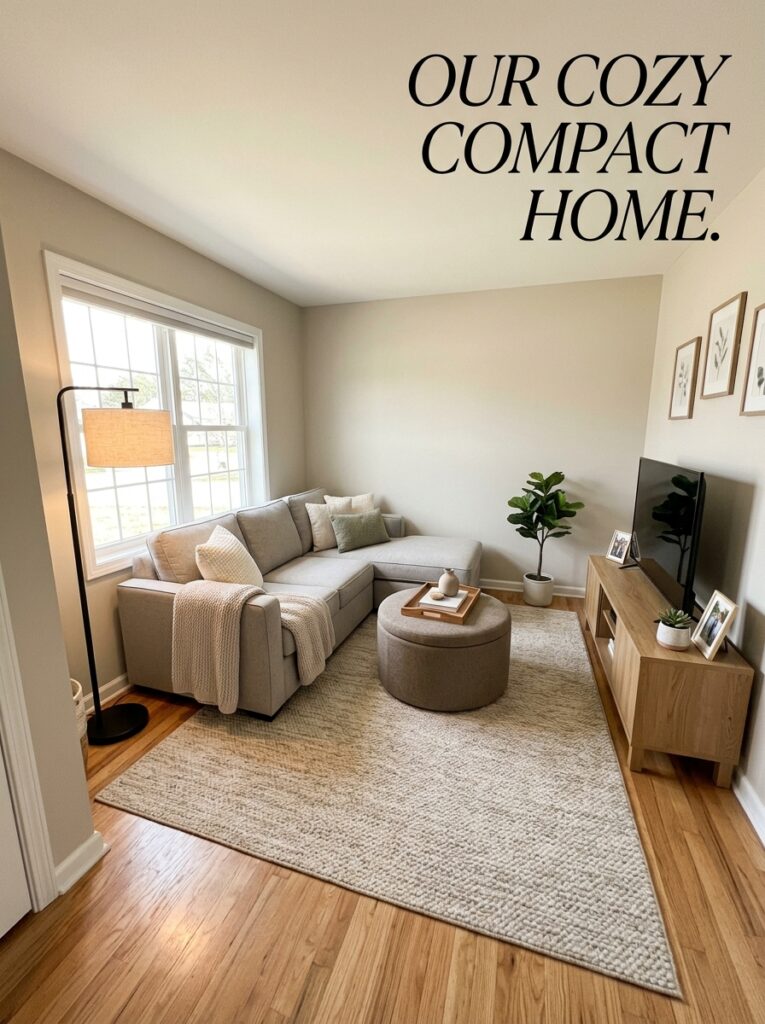
A sectional can work in a small living room when the shape is right. A compact L-shaped sectional can replace a sofa, chaise, and extra chair in one clean footprint. It is especially useful for families, movie nights, and corner layouts where people like to stretch out.
The key is scale. Choose a sectional with narrow arms, a shorter chaise, and a low or simple back. Avoid bulky rolled arms, extra-deep seats, and oversized cushions unless the room can truly handle them. Leave enough room around the sectional so it does not block doors, windows, or walkways.
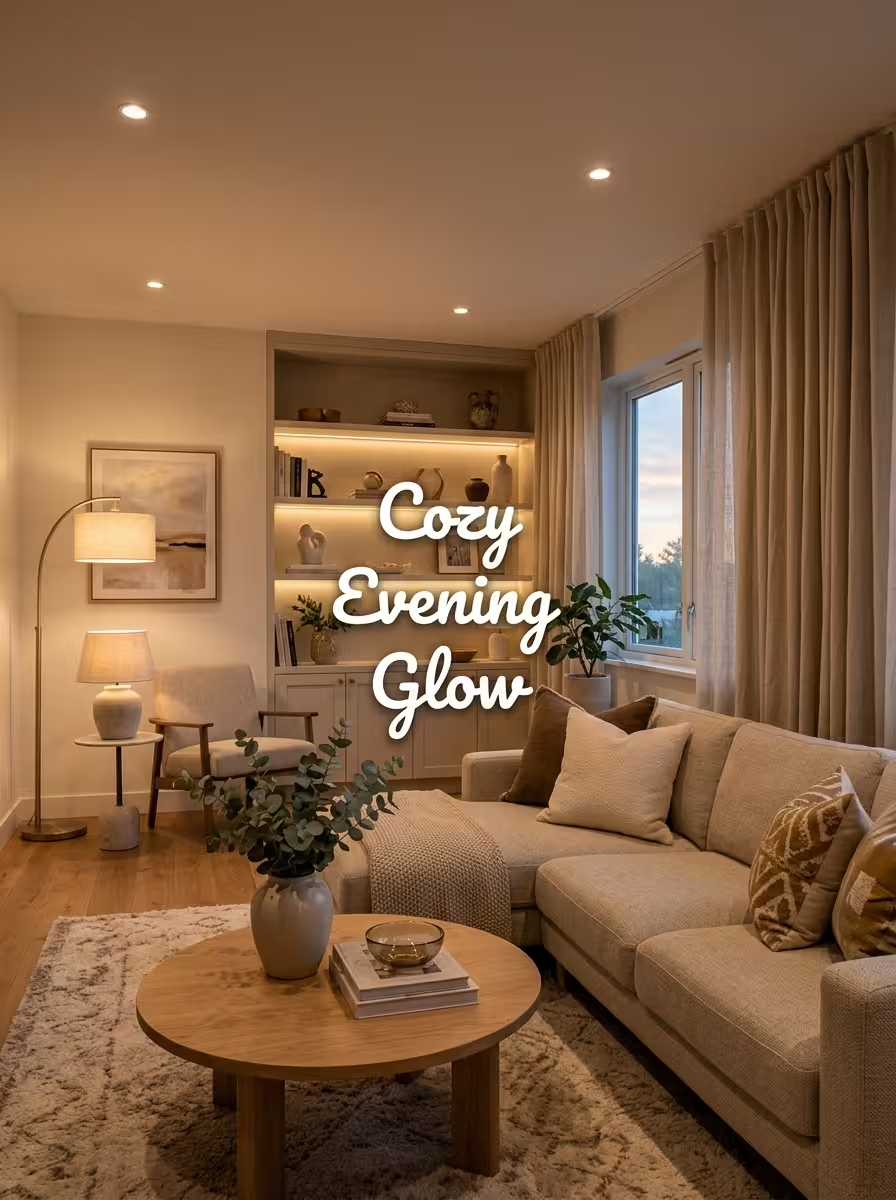
This is one of the most practical seating ideas for small living room setups for households that need comfort first. Pair it with a round ottoman or nesting tables instead of a heavy coffee table. The softer shape keeps movement easier and makes the sectional feel less boxed in.
Try Two Accent Chairs Instead of a Sofa
A sofa is not required in every living room. In very small spaces, two accent chairs can feel more open and easier to arrange. This setup is ideal for reading, conversation, morning coffee, or a small sitting room where TV watching is not the main purpose.
Choose chairs with slim arms, open sides, or swivel bases. Swivel chairs are especially useful because they can turn toward the TV, window, fireplace, or another person without moving the layout. Barrel chairs soften sharp corners, while armless chairs save valuable width.
This is one of the smartest seating ideas for small living room layouts when doors, windows, or traffic paths make a sofa difficult. Add a shared table between the chairs and place a rug underneath to make the arrangement feel intentional. The result can feel calm, grown-up, and surprisingly spacious.
Before choosing new furniture, review these tacky small living room decor mistakes designer advice, so your layout feels polished instead of crowded.
Add Poufs, Stools, and Ottomans for Flexible Seating
Flexible seating helps a small room handle guests without staying crowded every day. Poufs, stools, and ottomans can work as seats, footrests, side tables, or hidden storage. You can move them during gatherings and tuck them away afterward.
For a family home, a storage ottoman with a soft top is very useful. It can hold blankets, toys, remotes, or games. For a small apartment, two stools under a console table can become guest seats when needed. For a relaxed room, a pouf beside the sofa can be moved into the center during movie night.
These seating ideas for small living room designs work because they add capacity without permanent bulk. Instead of filling the room with chairs all the time, you keep the floor open and bring in extra seating only when needed.
Turn Corners and Windows Into Useful Seats
Corners often become wasted space, but they can hold helpful seating. A small chair, an angled loveseat, a corner bench, or a reading nook can make an awkward area useful. This works well when the center of the room needs to stay open.
Place a compact chair in a corner with a slim floor lamp and a small drink table. If the room has a window, a storage bench can create a bright reading spot. In a bay window, a built-in seat or freestanding bench can add comfort without taking up much floor space.
These seating ideas for small living room spaces feel custom because they use areas that are already there. Renters can copy the look with a low bench, cushions, and baskets. Homeowners can consider built-ins with drawers or lift-up storage for a cleaner long-term solution.
Choose Furniture With Light Visual Weight
Visual weight is how heavy a piece looks, not how heavy it actually is. A dark, blocky chair can feel larger than a light chair with open legs. A skirted sofa hides the floor and may make a room feel full. A raised sofa shows more floor, which helps the space breathe.
Look for tapered legs, narrow arms, rounded backs, cane details, low profiles, and simple upholstery. Glass, acrylic, metal, and light wood can also keep the room feeling open. You can still use rich colors, but balance them with lighter shapes and fewer bulky pieces.
The strongest seating ideas for small living room interiors usually combine comfort with airiness. A cozy sofa can work if the side chairs are slim. A dark accent chair can work if the rug, walls, and curtains feel light. Balance matters more than strict rules.
Use Curves to Improve Movement
Curved furniture can make a small room easier to move through. Round ottomans, oval tables, barrel chairs, and curved sofas reduce sharp corners in tight paths. They also soften rooms with many straight walls, doors, and windows.
A round ottoman is often easier to walk around than a square coffee table. A curved chair can fit into a corner without looking stiff. Even a small round stool can make a layout feel more relaxed. Curves are also helpful in family rooms because there are fewer hard corners to bump into.
This approach belongs in many seating ideas for small living room plans because it improves both comfort and flow. You do not need every piece to be curved. One or two rounded shapes can make the whole room feel softer and more welcoming.
Plan for Conversation and TV Viewing
Many small living rooms are arranged only around the TV. That can work, but the room may feel flat if no seat faces another person. Try to create at least one conversational angle. A chair beside or across from the sofa can make the room feel more social.
If the TV is the main focal point, use a swivel chair so people can turn toward the screen or the sofa. If the room has a fireplace, place the main seat toward it and angle one chair toward both the fireplace and TV. If the best feature is a window, keep seating low enough to protect the light.
This is one of the most overlooked seating ideas for small living room layouts. You do not need a large U-shape. A sofa, one chair, and one pouf can create a welcoming conversation area when each piece is angled with purpose.
Use a Bench Where a Chair Feels Too Heavy
A bench adds seating without blocking views. Because it has no back, it keeps the room visually open. It can sit under a window, behind a floating sofa, along a wall, or beside an entry. During gatherings, it becomes extra seating. On quiet days, it can hold books, throws, or a tray.
A narrow upholstered bench works well in open-plan spaces where the living area connects to dining or kitchen zones. A wood bench adds warmth and texture. A storage bench can hide shoes, blankets, pet supplies, or toys.
A bench is also a smart buy because it can be moved later. If the living room changes, it can work in a bedroom, hallway, dining nook, or entryway. That makes it useful for renters and homeowners who want flexible pieces.
For more practical home styling guides, visit outinteriors and explore simple ways to make every room feel more comfortable.
Match the Layout to the Room Shape
A narrow living room usually works best with a slim sofa along one long wall and a small chair angled across from it. Use a narrow table, nesting tables, or an ottoman to keep the walkway open. Avoid placing bulky chairs on both sides.
A square room can often handle a compact sectional, two chairs, or a sofa with poufs. Keep the main pieces connected with a rug so the seating area feels grounded. A rectangular room may need zones, such as a main TV area plus a reading chair near the window.
Open-plan rooms need soft borders. A rug, sofa back, console table, or low bench can define the living area without closing it off. In a studio, choose pieces that do more than one job, such as a sofa bed, storage ottoman, or bench that also supports dining.
Choose Fabrics That Fit Real Life
Small rooms show wear quickly because every seat gets used often. Choose fabric based on your household, not just appearance. If you have kids, pets, or frequent guests, consider performance fabric, washable covers, textured weaves, or medium-tone upholstery that hides daily marks better.
Light colors can make a large sofa feel softer, but they are not the only option. Warm neutrals, soft gray, olive, camel, navy, and muted patterns can all work. Use bold fabric on smaller pieces if you want personality without making the room feel heavy.
Comfort matters too. Check seat depth, cushion firmness, back support, and arm height when possible. A beautiful chair that nobody uses does not solve the seating problem. In a small living room, every piece should earn its place.
Avoid the Mistakes That Make Small Rooms Feel Smaller
The biggest mistake is buying before measuring. A sofa may technically fit against a wall but still block a doorway, heater, curtain, or walking path. Measure the room and the delivery route, including stairs, halls, elevators, and tight turns.
The second mistake is using too many tiny pieces. A tiny chair, a tiny table, a tiny stool, and a tiny shelf can make a room look busy. Often, one right-sized sofa and one flexible accent piece feel better than several undersized items.
The third mistake is ignoring storage. Clutter makes seating feel less comfortable. Choose at least one piece that hides daily items, such as a storage ottoman, lidded bench, or side table with a shelf. A cleaner room always feels easier to sit in.
Best Seating Combinations to Try
For a narrow room, try a slim sofa, one swivel chair, and a round ottoman. This gives you several seating options while protecting the main walkway. Place the chair near a window or across from the sofa, depending on the focal point.
For a family room, try a compact sectional, a storage ottoman, and one small stool. This supports lounging, movie nights, and extra guests. For a studio, try a sofa bed, two nesting stools, and a bench that can move between dining and living areas.
For a formal sitting room, try four small chairs around a round table. This creates a conversation-focused layout and avoids the weight of a sofa. It works best when TV watching is not the room’s main function.
Conclusion:
Small living rooms are no less useful than large ones; they simply need clearer decisions. These seating ideas for small living room spaces are meant to help you choose comfort without losing floor space. Start with how you live, measure carefully, and choose one anchor seat before adding anything else. Then use flexible pieces, lighter shapes, curved edges, storage, and smart spacing to keep the room open.
The best seating ideas for small living room designs do not force more furniture into less space. They help every seat do a clear job. Whether you choose a loveseat, sectional, pair of chairs, bench, ottoman, or built-in nook, the goal is the same: a room where people can sit comfortably, move easily, and enjoy being together.
Frequently Asked Questions About Seating Ideas for Small Living Room Spaces
What is the best seating for a very small living room?
The best seating is usually a compact loveseat, two slim chairs, or a small sofa with a pouf. Choose narrow arms, raised legs, and simple shapes. Avoid oversized pieces unless they still leave clear space to walk.
Is a sectional good for a small living room?
Yes, if the size and shape fit the room. A compact L-shaped sectional can replace several separate pieces. Choose slim arms, a shorter chaise, and a clean profile so the room does not feel blocked.
How do I add more seating without crowding the room?
Use flexible pieces such as poufs, stools, benches, and storage ottomans. These can move when guests arrive and be tucked away later. A window bench or dining bench can also work as extra seating.
Should furniture touch the walls in a small living room?
Not always. Pulling furniture a few inches from the wall can create depth. In very tight rooms, keep the main sofa near the wall but use a rug, lamp, or angled chair to make the layout feel less flat.
What colors make seating feel lighter?
Warm neutrals, soft gray, beige, ivory, pale green, camel, and light brown can make large seating feel softer. Use deeper colors on smaller pieces, pillows, or poufs for contrast.
How much space should be between a sofa and a coffee table?
A comfortable distance is usually 14–18 inches. This keeps the table close enough to reach while leaving legroom. In very tight rooms, a round ottoman or side table may work better than a standard coffee table.
What seating works best for guests?
Movable seating works best for guests. Try poufs, stools, lightweight chairs, benches, or a storage ottoman. Keep everyday seating simple, then bring in extra pieces only when people visit.