
Cozy Fireplaces: Design Ideas, Safety Tips, and Warm Ways to Style Your Home
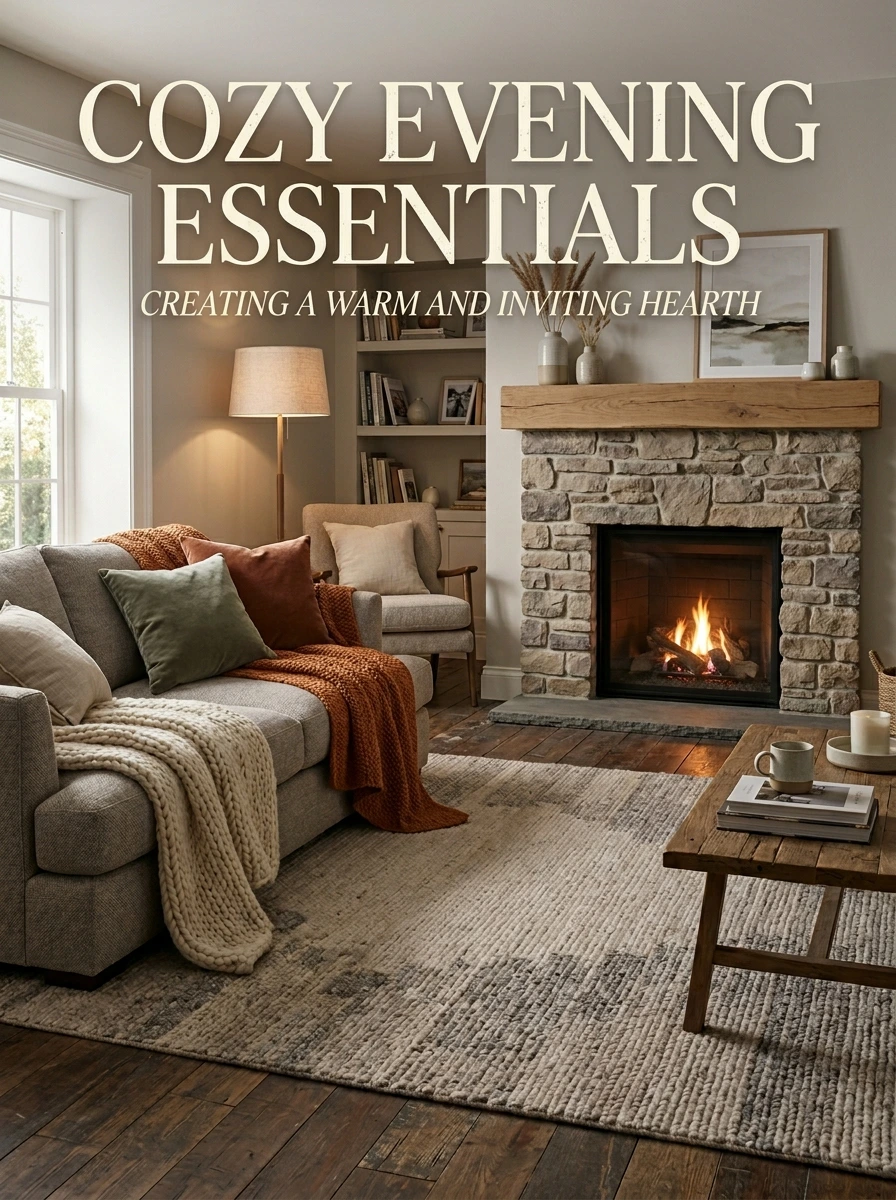
A fireplace changes how a room feels before anyone even sits down. It gives the eye a place to rest, invites people to gather, and turns ordinary evenings into slower, warmer moments. That is why cozy fireplaces remain one of the most loved features in American homes, from small apartments with electric inserts to family rooms with stone surrounds and classic mantels.
Why Cozy Fireplaces Still Feel Timeless
Cozy fireplaces have stayed popular because they serve both practical and emotional needs. They create a visual center, add warmth, and make a home feel lived in. Even when the fire is not lit, the mantel, hearth, surround, and nearby seating can shape the entire room. This makes the fireplace more than a seasonal feature, especially in homes where comfort and character matter.
Start With the Type of Fireplace You Have
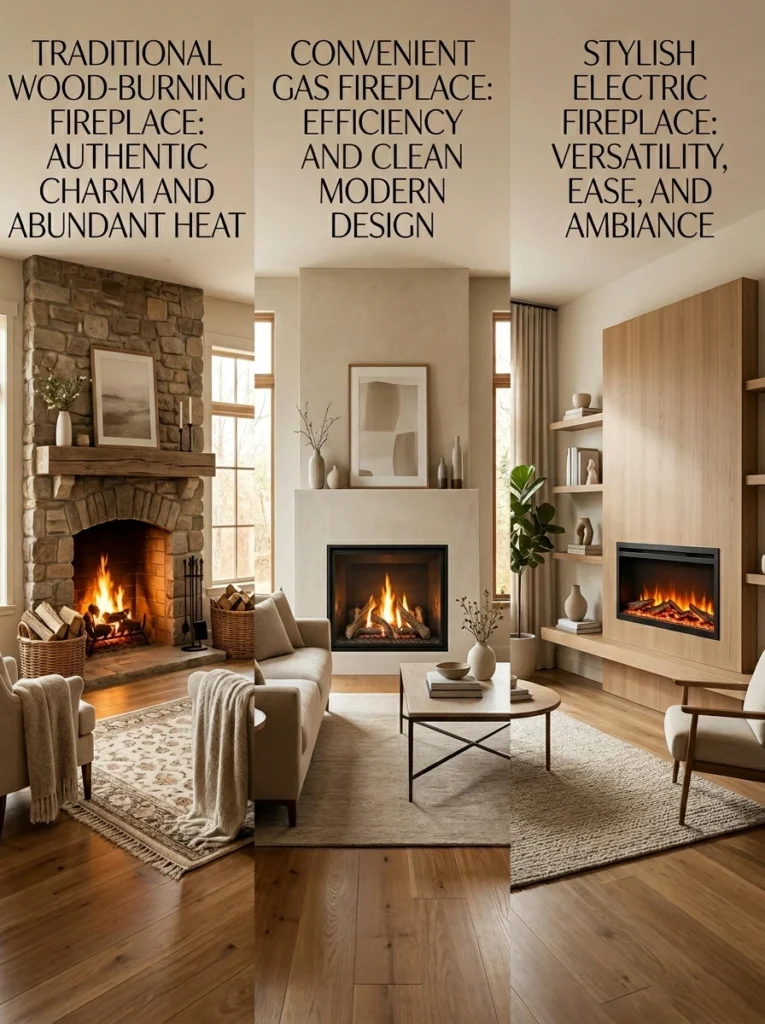
Before choosing decor or furniture, look closely at the kind of fireplace you are working with. Wood-burning, gas, electric, and decorative fireplaces each need a different approach. Cozy fireplaces should match how you live, not just how a photo looks. A busy family may value low maintenance. A cabin owner may want real wood heat. A renter may need a removable electric solution.
Wood-Burning Fireplaces
Wood-burning fireplaces bring crackle, scent, and tradition. They work beautifully in rustic homes, cabins, cottages, and older houses with real masonry. Their charm is hard to copy because the fire feels alive. They also require the most care. Chimneys need professional attention, ashes must be handled safely, and only suitable firewood should be burned.
If you use wood, choose seasoned hardwood when possible. It burns cleaner than wet or green wood and helps reduce smoke. Avoid burning painted, treated, or glued wood because it can release unsafe fumes. The goal is not only to enjoy the fire but to protect your indoor air, your chimney, and the people relaxing nearby.
Gas Fireplaces
Gas fireplaces are popular because they offer warmth and atmosphere with less daily cleanup. Many turn on with a switch or remote, making them helpful for busy homes. They can suit traditional rooms with log sets or modern rooms with linear flames and glass media. The design range is wide, which makes gas a flexible choice.
These fireplaces still need professional installation and routine service. Venting, gas lines, glass panels, and pilot systems should be checked according to the manufacturer’s guidance. For households that want a steady flame without storing wood, gas can be a comfortable middle ground between charm and convenience.
Electric Fireplaces
Electric models are one of the easiest ways to add a hearth feeling where a real chimney is not possible. They are common in apartments, condos, basements, bedrooms, home offices, and media rooms. Many offer flame effects without heat, which makes them useful beyond winter and helpful for a year-round atmosphere.
The key is to treat an electric fireplace like part of the architecture. Place it inside a mantel, frame it with tile, pair it with built-ins, or create a clean wall feature. Avoid making it look like a loose appliance. A simple surround, balanced decor, and warm lighting can make it feel intentional and inviting.
Cozy Fireplaces by Room
A fireplace should match the room’s purpose. A living room hearth needs conversation-friendly seating. A bedroom fireplace should feel calm and uncluttered. A dining room fireplace can add elegance without taking over the space. Cozy fireplaces work best when they support the way each room is used and make daily routines feel easier.
In family spaces, leave enough room for walking, playing, and storage. In adult-focused sitting rooms, bring chairs closer to the fire for a more intimate mood. In open-plan homes, use rugs and furniture placement to create a clear fireplace zone. The goal is simple: make the hearth feel like a place people naturally want to be.
Living Room Fireplace Ideas
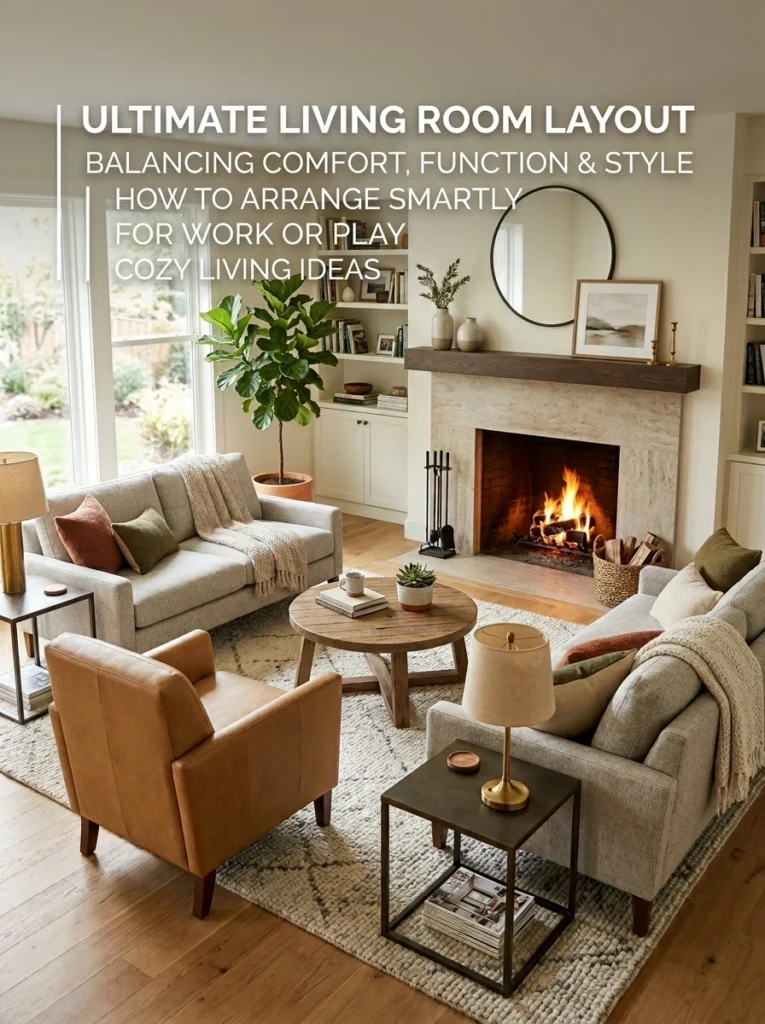
The living room is the most common place for a fireplace because it is where people gather. Start with the seating layout. A sofa facing the fireplace works well in narrow rooms. Two sofas facing each other with the fireplace on one side can feel balanced in larger rooms. Armchairs angled toward the hearth make conversation easier.
A rug helps anchor the area and adds softness underfoot. Choose a rug large enough for at least the front legs of the main furniture to sit on it. Add a coffee table, side tables, and lamps so the space feels complete. Fireplace seating looks more natural when the whole area feels connected, not pushed against the walls.
Bedroom Fireplace Ideas
A bedroom fireplace should feel restful rather than busy. Keep the mantel simple with one mirror, one piece of art, or a small set of meaningful objects. Soft bedding, warm lamps, and calm colors help the fireplace support sleep and relaxation. Electric or gas fireplaces often work well in bedrooms because they are easier to control.
Avoid placing too many items near the hearth. A bedroom already has many soft materials, including blankets, curtains, pillows, and rugs. Keeping the area clear supports both comfort and safety. If the fireplace is decorative, use flameless candles or neatly stacked logs for a mood without making the room feel crowded.
Dining Room Fireplace Ideas
In a dining room, a fireplace can make meals feel more relaxed and memorable. It works especially well when the mantel is styled with art, candleholders, or a low floral arrangement. Keep decor low enough that it does not compete with conversation at the table. A dining room hearth should feel elegant, not distracting.
For smaller dining areas, avoid heavy surrounds that make the room feel tight. Painted brick, slim tile, or a clean mantel can add character without taking up much visual space. Warm wall sconces or picture lights can make the fireplace glow even before dinner begins.
How to Make Cozy Fireplaces Feel Built-In
The most convincing cozy fireplaces look like they belong in the room. Built-ins are one of the best ways to achieve this. Shelves on both sides of the hearth can hold books, baskets, ceramics, family photos, and everyday storage. Cabinets below the shelves hide games, remotes, blankets, and extra cords.
If full built-ins are not possible, use smaller tricks. Add a mantel shelf, paint the wall around the fireplace, or frame the area with matching sconces. A pair of bookcases placed on either side can create a semi-custom look. The idea is to make the fireplace wall feel planned, even on a modest budget.
Choose Materials That Add Warmth for Cozy Fireplaces
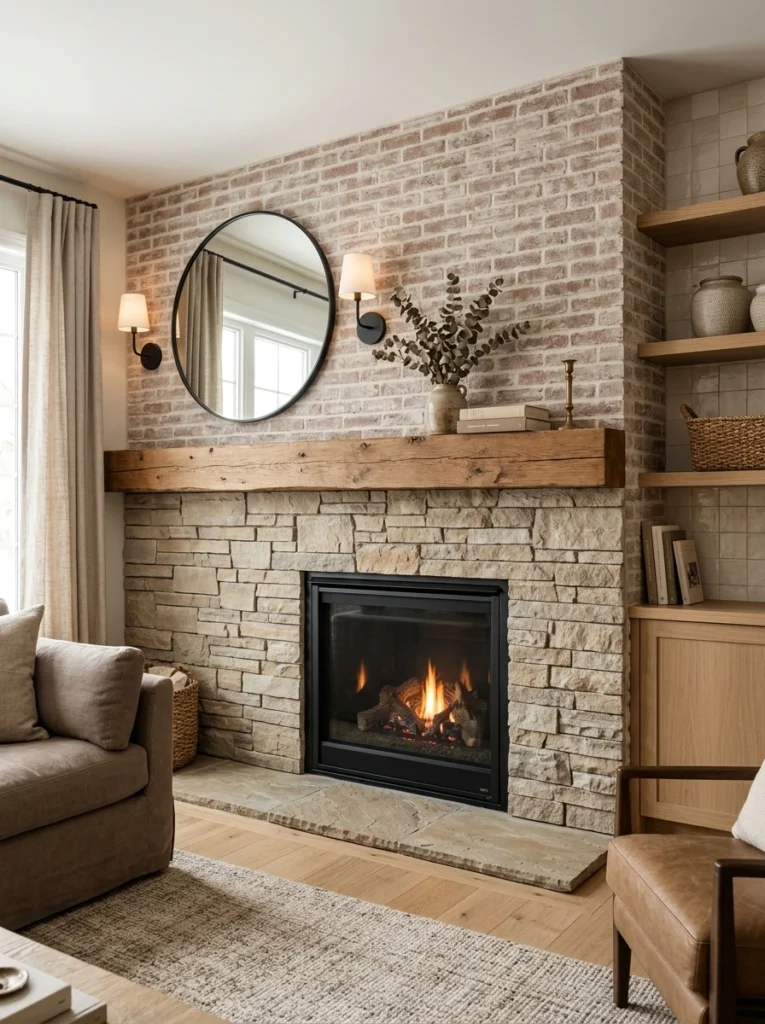
Materials decide whether a fireplace feels cool, rustic, formal, or relaxed. Stone brings natural texture and works well in mountain, farmhouse, and transitional homes. Brick feels classic and friendly. Tile offers the most design flexibility, from handmade-look squares to sleek marble patterns. Wood mantels soften hard surfaces and make the hearth feel more touchable.
Pair your hearth with sunroom ideas to create a bright sitting area that still feels warm in cooler months.
Stone, Brick, Tile, and Plaster
Stone is ideal when you want a strong natural focal point. Large stone can feel lodge-like, while smoother limestone or cast stone feels more refined. Brick adds texture without feeling too formal. Red brick feels traditional, whitewashed brick feels cottage-inspired, and painted brick can refresh an outdated surround.
Tile is useful when you want color, pattern, or a cleaner finish. Zellige-style tile, subway tile, slate, marble-look porcelain, and patterned cement tile can all change the mood. Plaster is another strong choice for calm interiors. It creates a soft, sculptural look that pairs well with minimal furniture and warm neutrals.
Color Palettes That Make a Fireplace Feel Warmer
Color has a big effect on comfort. Warm whites, creams, taupes, mushroom tones, terracotta, olive, deep green, warm gray, and muted brown can make a fireplace area feel grounded. These shades work well because they soften the contrast between the firebox, wall, and furniture.
You do not need to paint the whole room dark to create warmth. Sometimes, one painted fireplace wall is enough. A deep charcoal surround can frame the flames beautifully. A cream mantel can brighten a small room. A natural wood beam can add warmth to a white wall. Cozy fireplaces often succeed because the palette feels layered, not flat.
Mantel Styling That Looks Personal, Not Cluttered
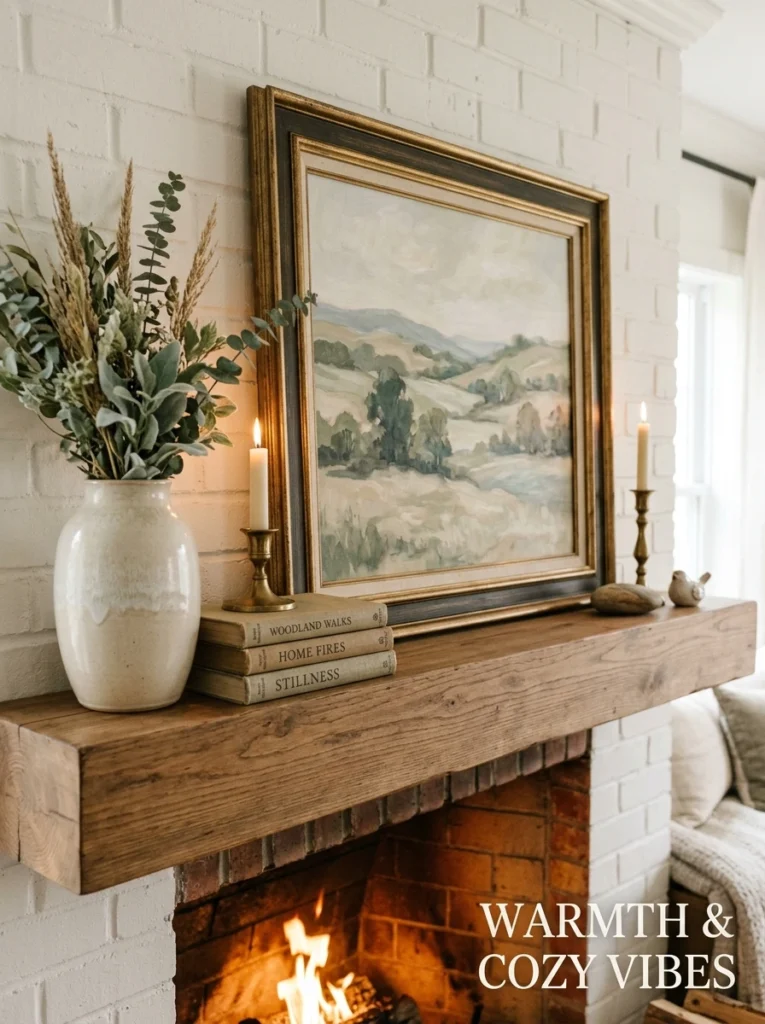
A mantel should look collected, not crowded. Start with one anchor piece, such as a mirror, framed art, or a simple wall sculpture. Then add two or three smaller pieces with different heights. A vase, a stack of books, a candleholder, or a small framed photo can work well. Leave some space so every item has room to breathe.
Symmetry creates a calm, traditional look. Asymmetry feels more relaxed and modern. Both can work. The mistake is adding too many tiny objects. Small pieces often disappear from a distance and make the mantel look messy. Choose fewer, larger items that carry meaning or texture. That approach keeps the hearth warm without visual noise.
Furniture Layouts Around Cozy Fireplaces
Furniture placement can make or break the room. If every seat is too far from the fireplace, the area will feel staged instead of inviting. Bring chairs close enough for conversation while keeping safe clearance from the heat. In most living rooms, the best layout allows people to enjoy both the fire and each other.
If a television shares the fireplace wall, balance comfort with viewing height. Mounting a TV too high can strain the neck. Consider placing the TV beside the fireplace, inside a built-in, or on a nearby wall if the room allows it. When both must share one wall, keep the mantel simple and use a lower-profile fireplace design.
Small Room Layouts
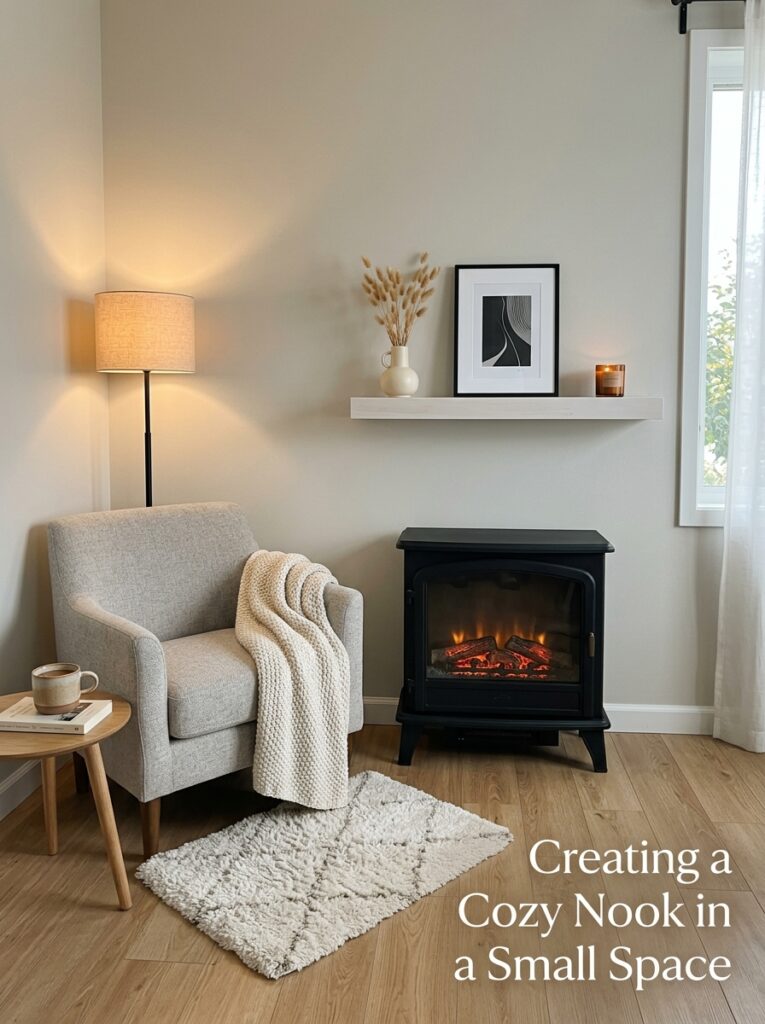
Small rooms need lighter visual choices. A corner fireplace, slim mantel, pale surround, or wall-mounted electric insert can provide atmosphere without taking over. Use apartment-sized furniture and keep pathways open. A round coffee table can make movement easier than a sharp rectangular one.
Mirrors can also help. A mirror above or near the fireplace reflects light and makes the room feel larger. Keep the palette soft, but add texture through woven baskets, linen curtains, knit throws, and warm wood. Small hearths should feel thoughtful, not oversized.
Use modern living room design ideas when you want a fireplace wall to look clean, balanced, and comfortable.
Large Room Layouts
Large rooms often need more than one seating zone. Place the main sofa and chairs near the fireplace, then add a reading chair, game table, or window bench nearby. This keeps the room from feeling empty. Large fireplace walls can handle stronger materials like floor-to-ceiling stone, dark tile, or wide mantels.
Scale matters here. Tiny mantel decor will look lost on a tall fireplace wall. Use bigger art, larger lamps, substantial baskets, or built-in shelving. A large rug is also important because it visually pulls the seating area together and keeps the fireplace from feeling isolated.
Explore outinteriors for more room-by-room inspiration that helps a fireplace feel connected to the rest of your home.
Lighting Makes the Hearth Feel Softer
Firelight is beautiful, but it should not be the only warm light in the room. Table lamps, floor lamps, sconces, picture lights, and dimmers help create a layered glow. This matters because harsh overhead lighting can make even the nicest hearth feel flat. Soft light lets texture, color, and flame movement stand out.
Try placing one lamp near a reading chair and another across the room for balance. Wall sconces beside the fireplace can frame the mantel and make the whole wall feel finished. Warm bulbs, usually in the soft white range, are often better than cool bulbs for rooms built around comfort.
Seasonal Styling Without Overdoing It
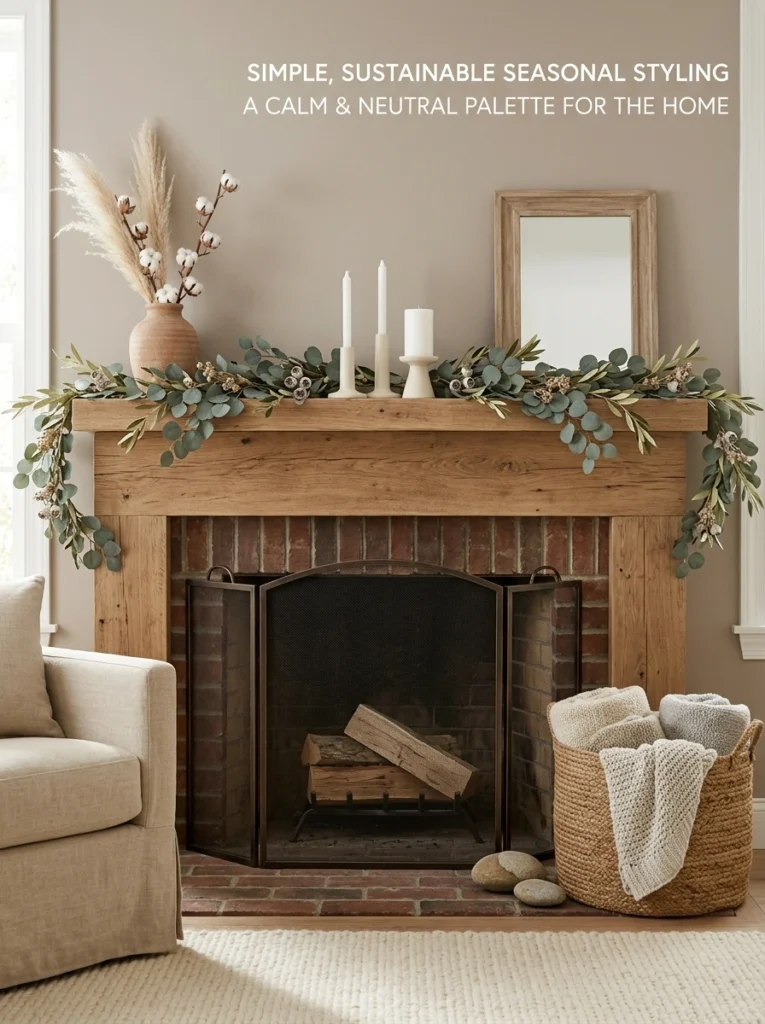
Seasonal fireplace decor should feel fresh, not overwhelming. In the fall, use dried branches, warm-toned candles, woven baskets, and a simple garland. In winter, add greenery, brass, wool stockings, or pinecones. In spring, lighten the mantel with flowers, pale ceramics, and fresh art. In summer, use the fireplace as a quiet design feature with plants, books, or coastal textures.
Change one layer at a time. Keep the same mirror and swap the vase, or keep the candlesticks and change the greenery. This keeps the hearth current without turning the mantel into a storage shelf.
Safety and Maintenance for Cozy Fireplaces
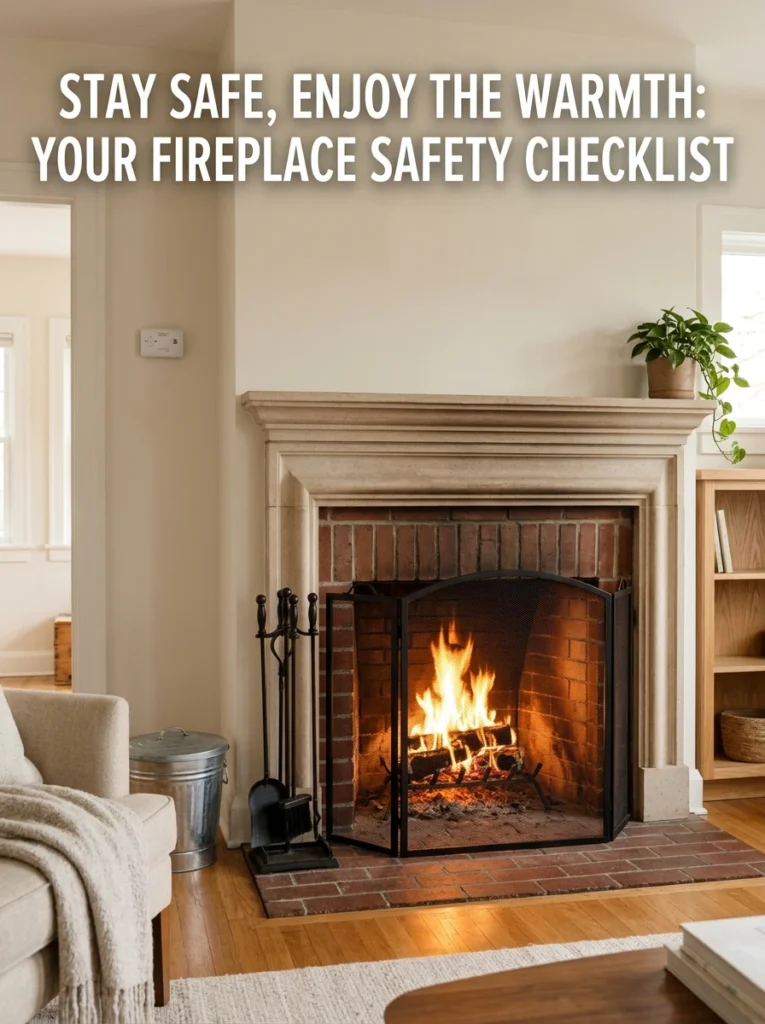
A fireplace should feel comforting because it is cared for properly. Keep anything that can burn at least 3 feet away from active heating equipment, including furniture, curtains, blankets, books, and holiday decor. This simple habit matters in homes with children, pets, guests, or busy family routines.
Wood-burning fireplaces and chimneys should be inspected and cleaned by a qualified professional as needed. Ashes belong in a metal container with a lid and should be placed outside, away from the house. Homes with fuel-burning fireplaces should also have working carbon monoxide alarms. Follow the alarm manufacturer’s placement and replacement instructions.
Cleaner Burning and Better Efficiency
If you want real wood heat, consider the appliance, not only the look. EPA-certified wood stoves and inserts are designed to burn cleaner and use fuel more efficiently than older uncertified models. An open wood-burning fireplace can be charming, but it is usually not the best choice for heating a whole home.
For many households, the fireplace is best used as a supplemental comfort feature. Central heating, heat pumps, or other properly sized systems should handle the main heating load. This approach lets the fireplace create atmosphere without forcing it to do a job it was not designed to do.
Budget-Friendly Ways to Upgrade a Fireplace
You do not always need a full remodel. Paint can update tired brick or a dated mantel. Peel-and-stick tile can help refresh a decorative electric fireplace area, as long as it is used according to product safety instructions and away from unsuitable heat zones. A new screen, log basket, tool set, or mantel art can change the whole mood.
For renters, focus on reversible choices. Add a freestanding electric fireplace, a faux mantel, a large mirror, or a styled console that creates the feeling of a hearth. Use warm lamps, thick curtains, and soft rugs to support the effect. A cozy hearth can be created through mood and layout, even when permanent construction is not possible.
Design Mistakes to Avoid
The first mistake is ignoring scale. A tiny mirror over a large mantel looks unfinished. A huge mantel in a small room feels heavy. Choose pieces that match the wall, ceiling height, and furniture size. The second mistake is pushing furniture too far away. A fireplace area should invite people closer.
Another common mistake is treating the hearth like a display shelf for unrelated objects. Too many signs, small decorations, or seasonal pieces can weaken the design. Choose fewer items with better texture and meaning. Also avoid blocking vents, placing decor too close to flames, or using materials that are not suitable for heat.
A Simple Checklist Before You Style
Before making changes, ask a few practical questions. Is the fireplace active or decorative? Does it need service? Is the seating comfortable? Is the mantel too crowded? Are soft materials safely away from heat? Does the room have enough warm lighting? Are the colors working with the rest of the home?
This checklist helps you avoid decorating around problems. Cozy fireplaces work best when safety, comfort, and design support each other. Once the basics are right, styling becomes easier. You can add personal details, seasonal layers, and better lighting with confidence.
Conclusion:
Cozy fireplaces are loved because they bring together warmth, beauty, and everyday comfort. They can make a small apartment feel charming, a family room feel welcoming, or a formal living room feel more relaxed. The secret is not one perfect mantel or one expensive remodel. It is the combination of safe use, smart layout, warm materials, soft lighting, and personal styling.
When you plan the fireplace around real life, the whole room becomes easier to enjoy. People know where to sit. The lighting feels calmer. The materials feel warmer. The hearth becomes more than a feature. It becomes the place everyone wants to return to at the end of the day.
Frequently Asked Questions About Cozy Fireplaces
1. What is the easiest way to make a fireplace look cozier?
Start with lighting, texture, and scale. Add warm lamps, a soft rug, a few larger mantel pieces, and comfortable seating near the hearth. A basket with blankets or neatly stacked firewood can also help. Keep the design simple so the fireplace feels calm rather than crowded.
2. Are electric fireplaces good for apartments?
Yes, electric fireplaces can work well in apartments because many models do not need a chimney or gas line. They can add a warm focal point and often provide supplemental heat. Always follow the manufacturer’s instructions, avoid overloading outlets, and choose a size that fits the room.
3. What should I put on a fireplace mantel?
Use one main anchor piece, such as a mirror or artwork, then add a few items with different heights. Vases, books, candleholders, framed photos, and small sculptures can work well. Leave open space so the mantel does not look cluttered.
4. How far should furniture be from a working fireplace?
Keep burnable items at least 3 feet away from active heating equipment. This includes furniture, curtains, throws, paper decor, and baskets. Always check the fireplace manual because some models may require more clearance.
5. Can a fireplace heat my whole home?
Some stoves and inserts can provide serious heat, but many fireplaces are better for supplemental warmth and atmosphere. Open wood-burning fireplaces are usually not efficient whole-home heaters. A properly sized heating system should handle the main heating needs.
6. How can I style a fireplace when it is not in use?
Use the fireplace as a design feature. Add a clean screen, stacked logs, flameless candles, a large plant nearby, or a simple basket. Keep the mantel styled with art, a mirror, or ceramics. Good lighting will help the area feel intentional year-round.
7. What colors make a fireplace area feel warm?
Warm whites, cream, taupe, olive, terracotta, muted brown, deep green, and soft charcoal can all work well. Natural wood and woven textures also add warmth. Choose colors that connect with your furniture, flooring, and nearby rooms.