Bathroom Mirror Ideas for Every Design Style
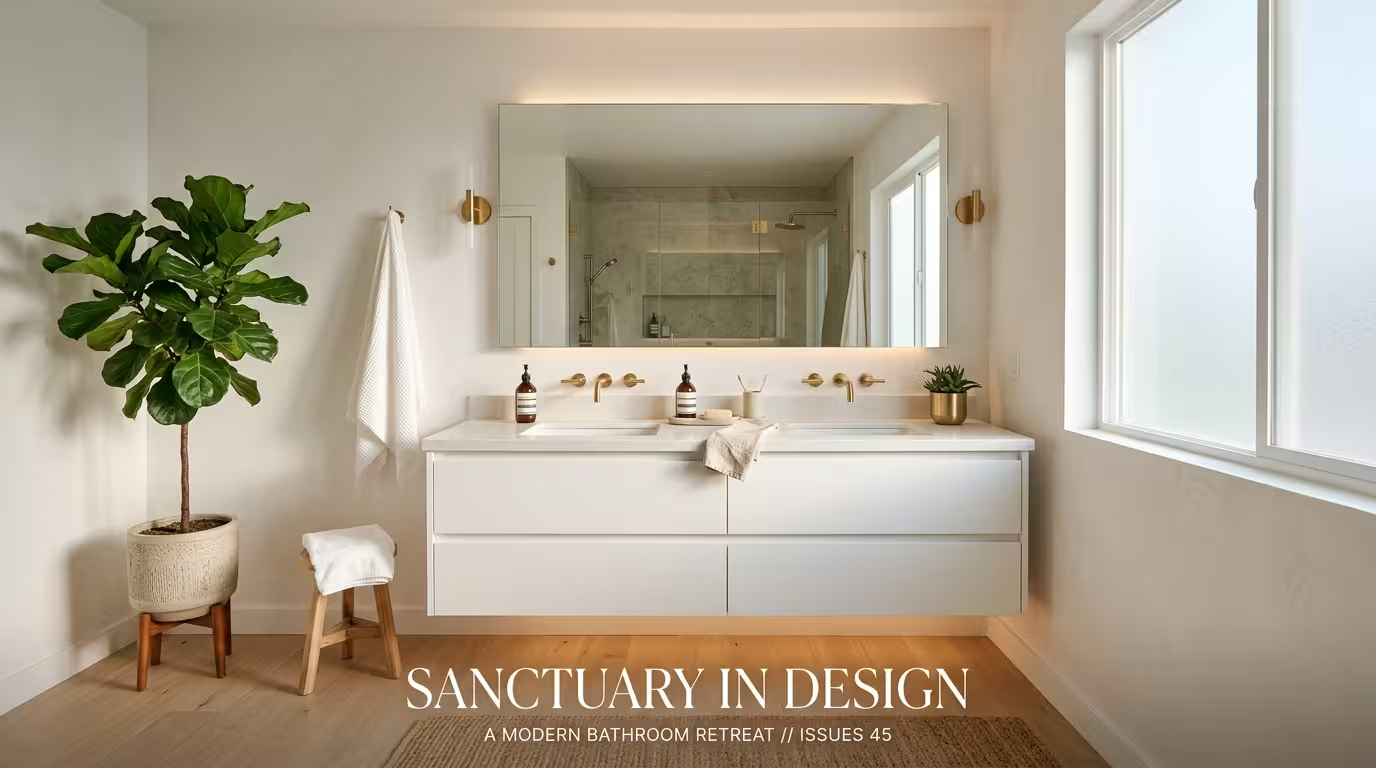
1. Frameless Mirrors for a Sleek, Contemporary Look
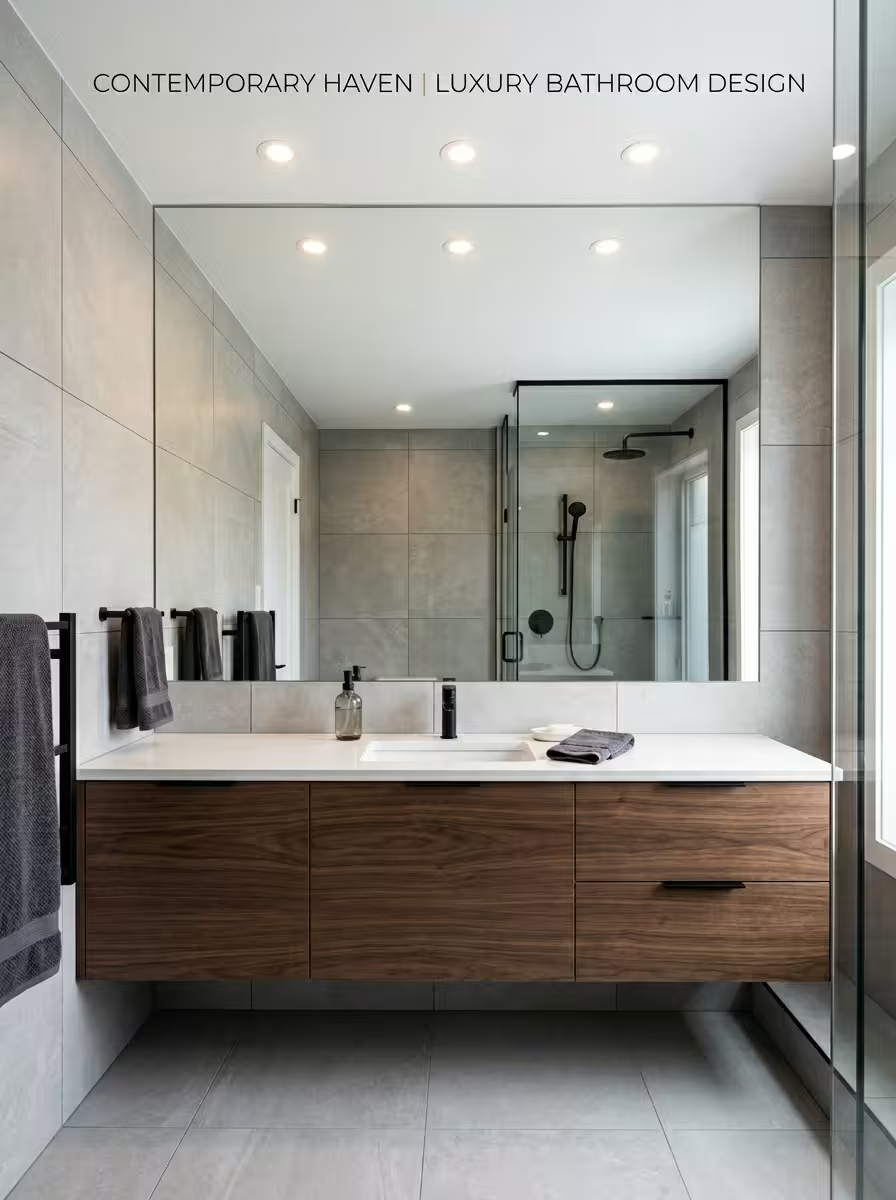
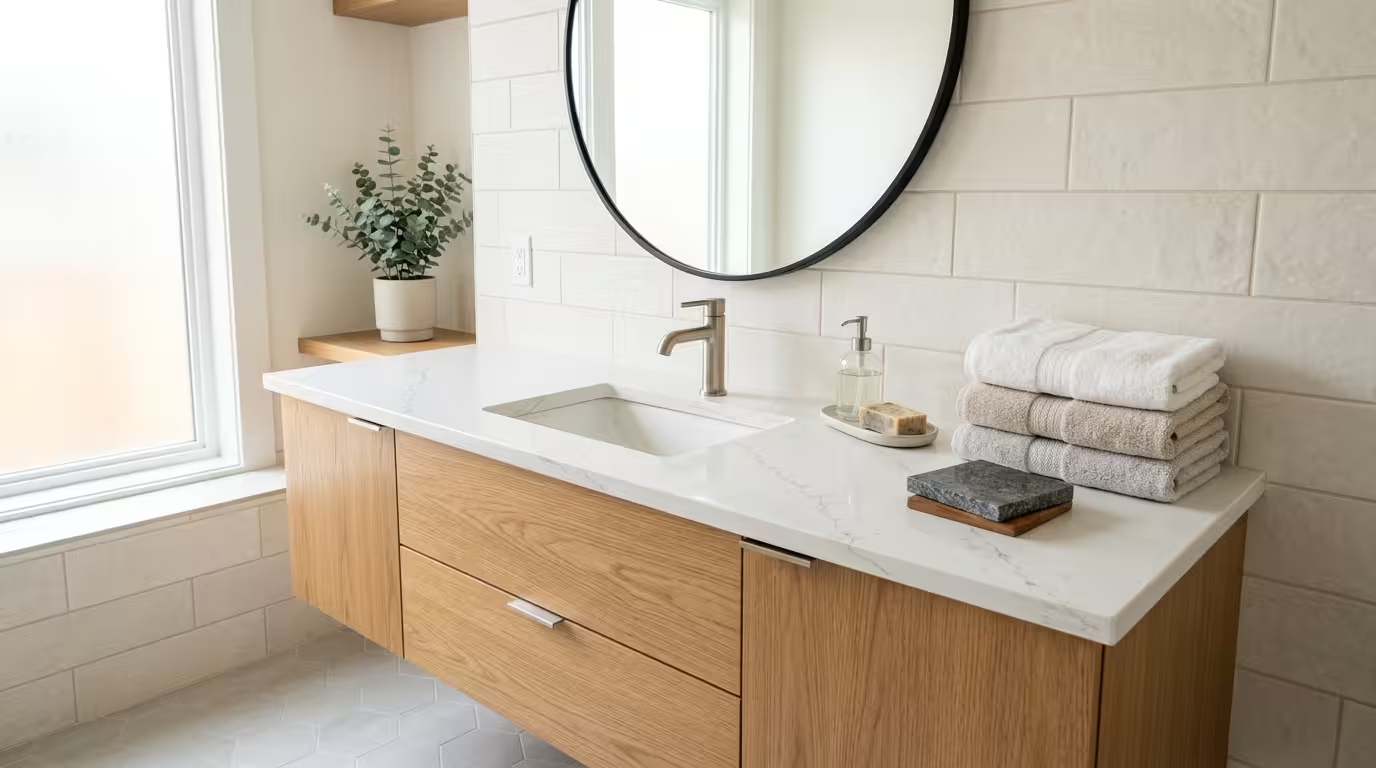
Frameless mirrors remain one of the Top bathroom mirror ideas for modern and minimalist interiors. With clean, beveled edges and no frame to compete with surrounding fixtures, they allow the tile work, vanity, and hardware to take center stage. They work especially well in bathrooms with floating vanities, matte black faucets, or large-format porcelain tiles.
For a contemporary edge, consider a full-height frameless mirror that runs from countertop to ceiling. This elongates the wall, creates the illusion of a taller room, and eliminates the gap of bare wall that often appears above smaller mirrors. Frameless designs are also easier to keep clean — there are no grooves or joints to trap dust and moisture over time.
2. Framed Mirrors for Warmth, Character, and Style
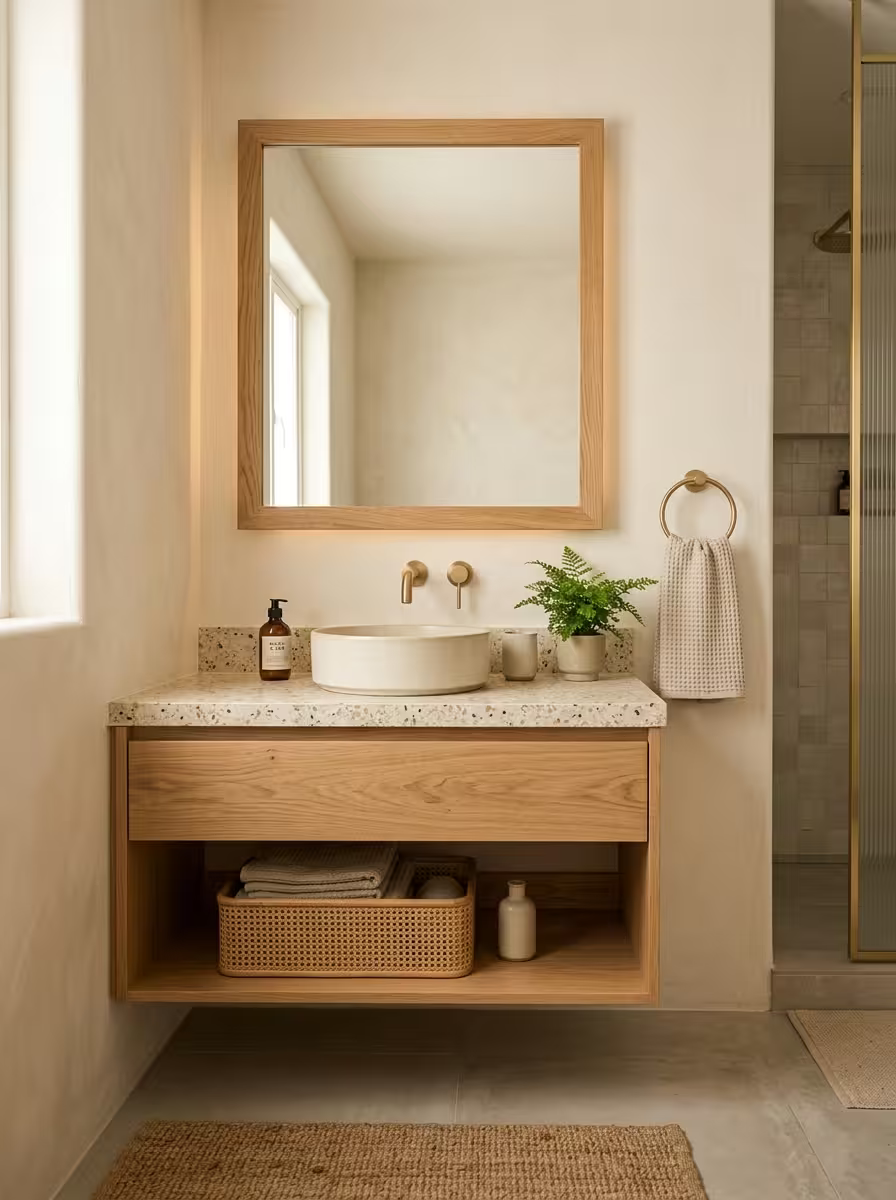
If frameless mirrors are about subtracting visual noise, framed mirrors are about adding personality. The frame itself becomes a design decision — and there are countless directions to take it.
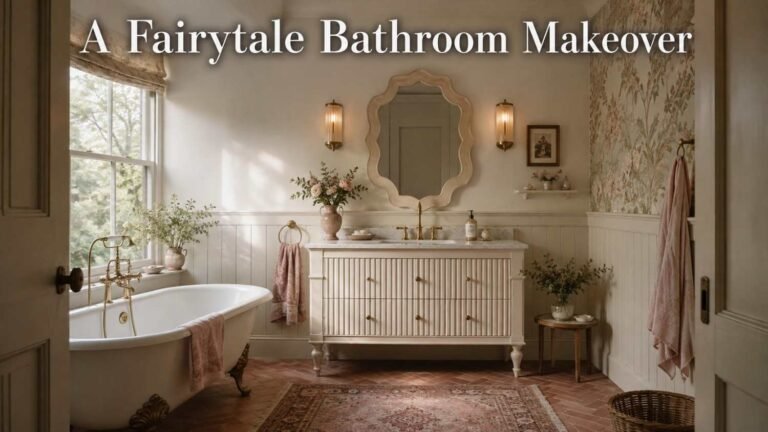
Natural wood frames bring warmth and organic texture, pairing beautifully with earthy tones, stone surfaces, and Japandi-inspired interiors. Brushed brass or gold frames add a layer of sophistication and work well with warm white walls and warm-toned lighting. Matte black frames feel contemporary and graphic, offering contrast against light cabinetry. Antique silver or nickel frames lean vintage and pair well with clawfoot tubs and pedestal sinks.
When choosing a framed mirror, match the frame material or finish to at least one other metallic element in the room — faucet, towel bar, or light fixture — to create a cohesive look without it feeling overly coordinated.
3. LED and Backlit Mirrors for Function and Atmosphere
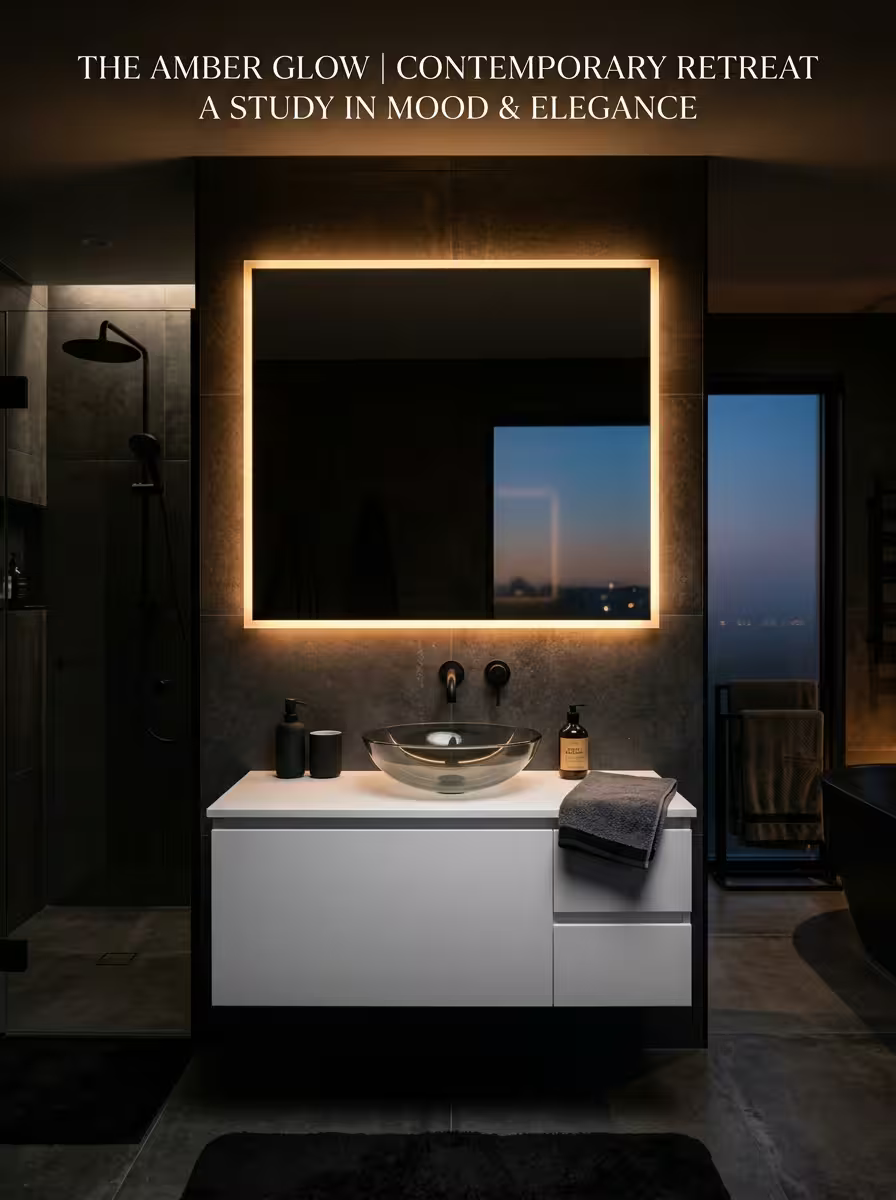
LED mirrors have moved from luxury hotel bathrooms into everyday homes, and it is easy to understand why. They solve one of the most persistent problems in bathroom design: poor task lighting. Standard overhead lighting casts downward shadows that are unflattering for grooming and makeup application. An LED mirror places the light source directly around or behind the reflective surface, providing even, shadow-free illumination at eye level.
Backlit mirrors — where the LED strip sits behind a frosted panel around the mirror’s perimeter — give off a warm, halo-like glow that doubles as ambient lighting. Front-lit LED mirrors embed the light around the mirror’s face for brighter, more task-oriented performance. Many models now include adjustable color temperature settings (ranging from warm white to cool daylight), anti-fog technology, and touch-sensitive dimmer controls built into the glass surface itself.
For anyone redesigning a master bath or primary vanity, an LED mirror is one of the smartest functional investments available. Look for models with a CRI (Color Rendering Index) of 90 or higher to ensure accurate color representation when applying makeup or grooming.
4. Arched and Round Mirrors for Soft, Sculptural Appeal
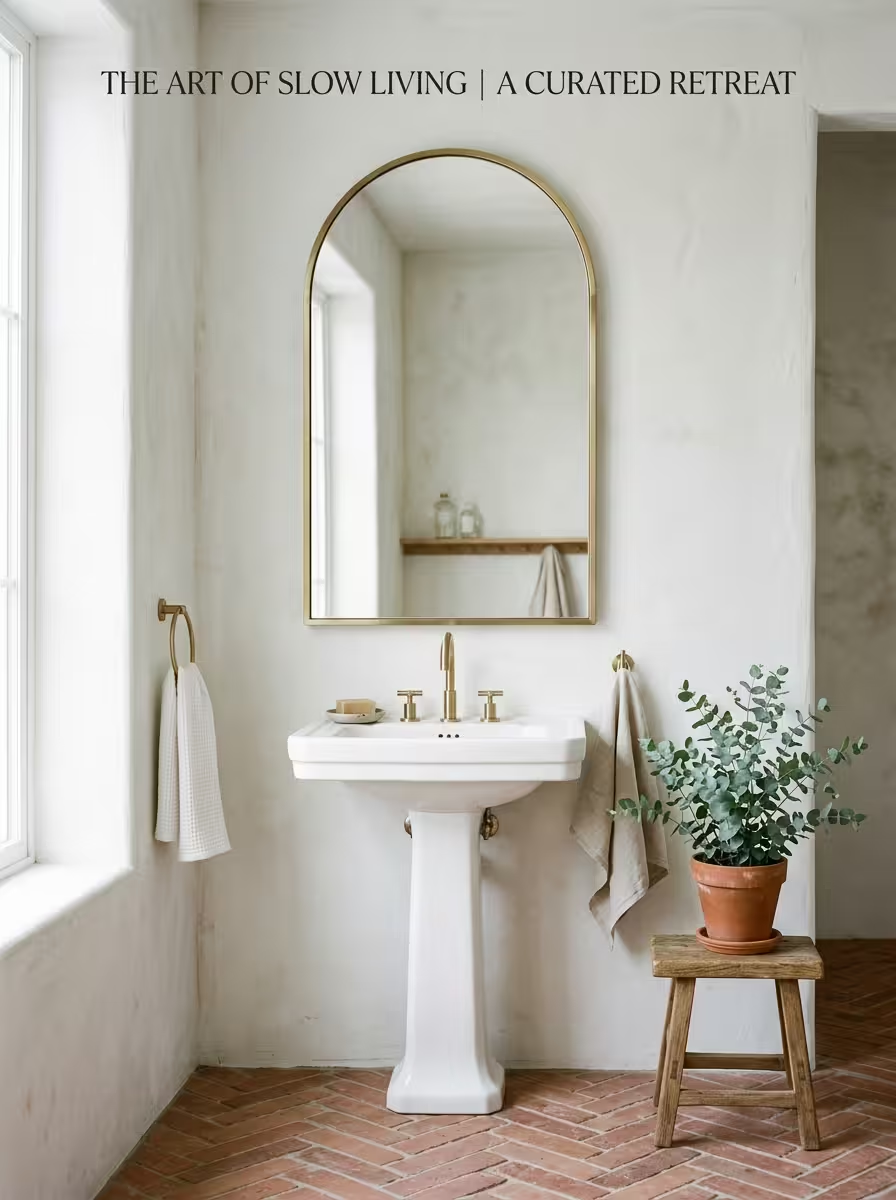
The rectangular mirror has dominated bathroom design for decades — and for good reason. It is practical, proportional, and easy to source. But the growing popularity of arched and round mirrors reflects a broader design shift toward softer shapes, sculptural forms, and more organic aesthetics.
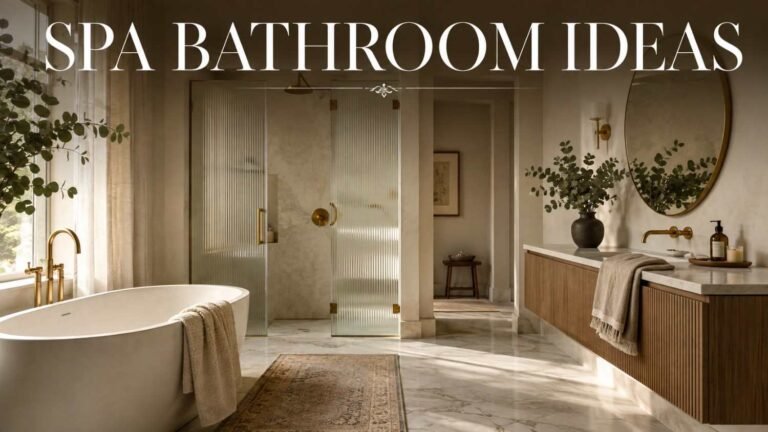
A round mirror introduces a curve that breaks up the angular geometry of most bathrooms — rectangular tiles, square sinks, boxy cabinets. It softens the overall feel of the space without requiring any major renovation. Round mirrors work particularly well above pedestal sinks and in powder rooms where the mirror is more of a focal point than a functional workspace.
Arched mirrors — with a flat bottom and a curved or pointed top — have become one of the signature looks of contemporary interior design. They add architectural interest and a sense of height, making them ideal for bathrooms with lower ceilings. An arched mirror with a slim brass frame above a white plaster wall is one of the most searched bathroom mirror ideas on design platforms right now.
5. Medicine Cabinet Mirrors for Smart Storage Integration
In bathrooms where storage is limited, a medicine cabinet mirror is one of the most practical solutions available. These recessed or surface-mounted cabinets hide behind a mirrored door, offering concealed storage for toiletries, medications, and daily essentials without occupying counter space.
Modern medicine cabinets have come a long way from the generic chrome boxes of the past. Today’s versions come in slim-profile recessed designs, double-door configurations for wider vanities, and finishes that match current fixture trends, including matte black, brushed nickel, and warm brass. Some premium models incorporate built-in LED lighting, USB charging ports, and magnifying mirror inserts.
For a small bathroom, pairing a medicine cabinet with open shelving on either side creates a layered, intentional look while maximizing every inch of vertical wall space.
Bathroom Mirror Ideas for Small Spaces
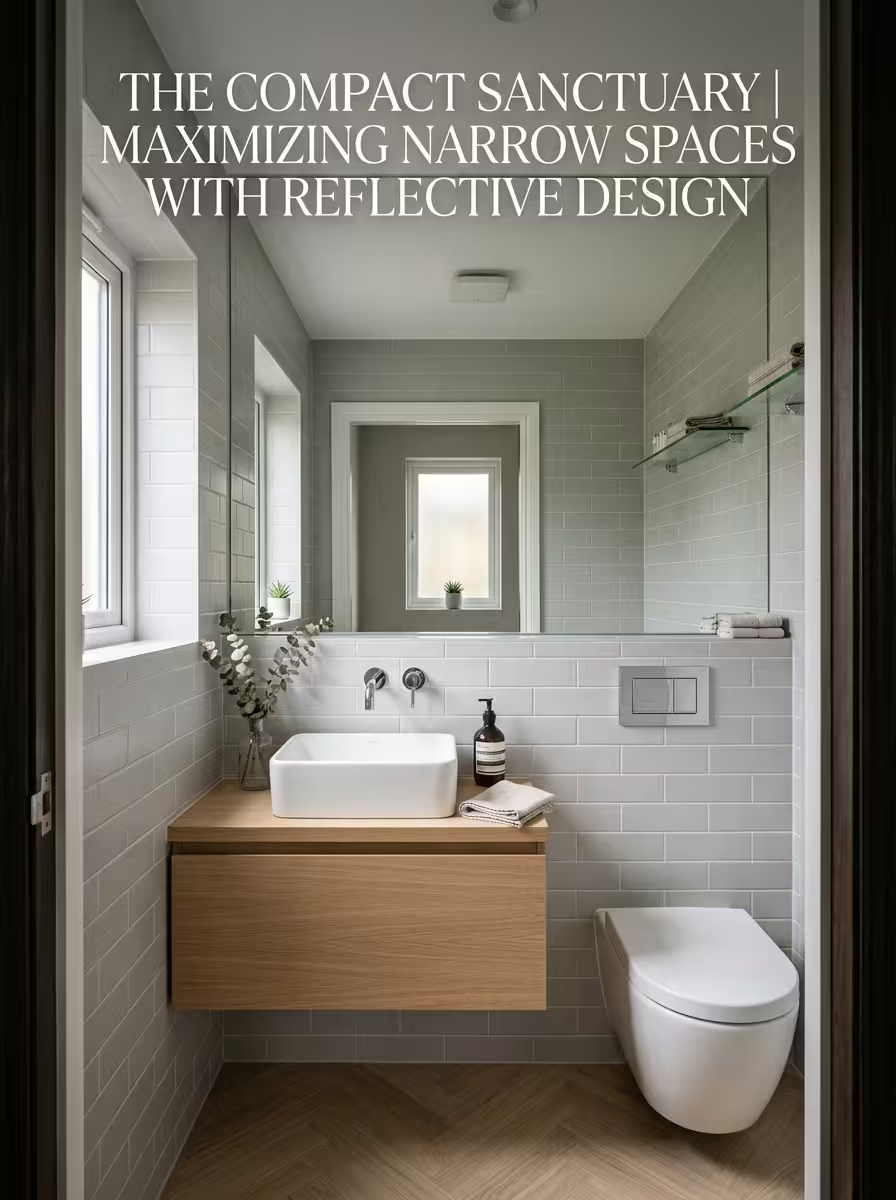
A small bathroom does not mean you have to compromise on design — and the mirror is where you can make the biggest visual impact. The key principle: go larger than feels comfortable. Many homeowners instinctively choose a smaller mirror for a small bathroom, but this actually makes the space feel more cramped. A large mirror — especially one that spans the full width of the vanity — reflects more light and creates a sense of expansion.
Mirrors with built-in shelf ledges or integrated storage niches are excellent small-space bathroom mirror ideas because they combine two functions without taking up extra room. Frameless designs minimize visual bulk, and placing the mirror slightly higher than usual draws the eye upward and emphasizes ceiling height.
For truly compact bathrooms — think a half-bath under the stairs — a full-length vertical mirror mounted on the wall opposite a window can reflect the outdoor view, creating a connection to natural light that makes the space feel almost twice as large.
If you are looking for brilliant small home ideas that extend beyond the bathroom, layering mirrors with smart storage throughout compact rooms is one of the most effective strategies interior designers use.
Double Vanity Mirror Ideas for Shared Bathrooms
Double vanity bathrooms present a unique design question: one large mirror or two individual ones? Both approaches are valid — and each creates a distinctly different atmosphere.
One continuous mirror spanning the full width of the double vanity creates a seamless, hotel-like appearance. It works best in contemporary and transitional bathrooms where clean lines are prioritized. This approach makes the room feel wider and requires only one light fixture centered above.
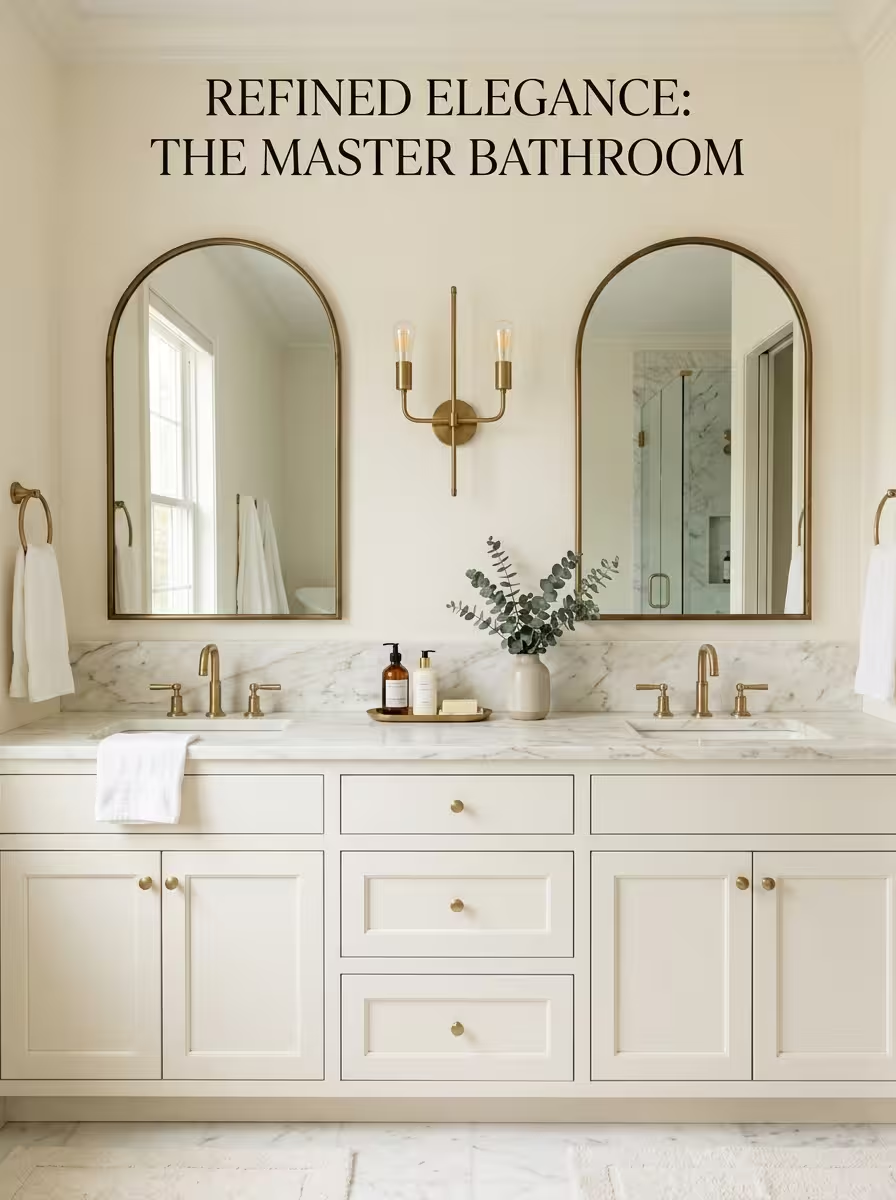
Two separate mirrors — each positioned above one sink — allow for more individual expression and create a visually dynamic arrangement. The space between the two mirrors can be filled with a vertical sconce, a decorative wall element, or left open as intentional negative space. For couples with different style preferences, this setup also allows for different mirror types — one with storage, one without, for example.
A popular variation gaining traction in 2024 and 2025 design trends is using two matching arched mirrors side by side, creating a symmetrical, almost classical composition that feels both fresh and timeless.
Vintage and Statement Mirror Ideas That Make a Room
Not every bathroom has to follow a minimalist script. In vintage, eclectic, or maximalist interiors, the mirror becomes the room’s focal point — something you notice the moment you walk in.
Ornate gilded frames from antique shops or estate sales can transform a plain bathroom into something that feels curated and personal. Sunburst mirrors with radiating metal spokes add drama and a mid-century feel. Venetian mirrors with etched glass and beveled edges bring an old-world European elegance that pairs beautifully with marble, clawfoot tubs, and herringbone tile floors.
For a bold, bohemian approach, consider layering two or three mirrors of different shapes and sizes on the same wall — a gallery wall of mirrors that serves as both art and function. This works especially well in larger bathrooms or powder rooms where a single mirror might feel undersized against a wide expanse of wall.
When shopping for the best bathroom accessories to complement a vintage or statement mirror, look for pieces — soap dispensers, towel rings, hardware — in finishes that harmonize with the mirror’s frame rather than matching it exactly.
Mirror Placement Tips That Change the Entire Feel of the Room
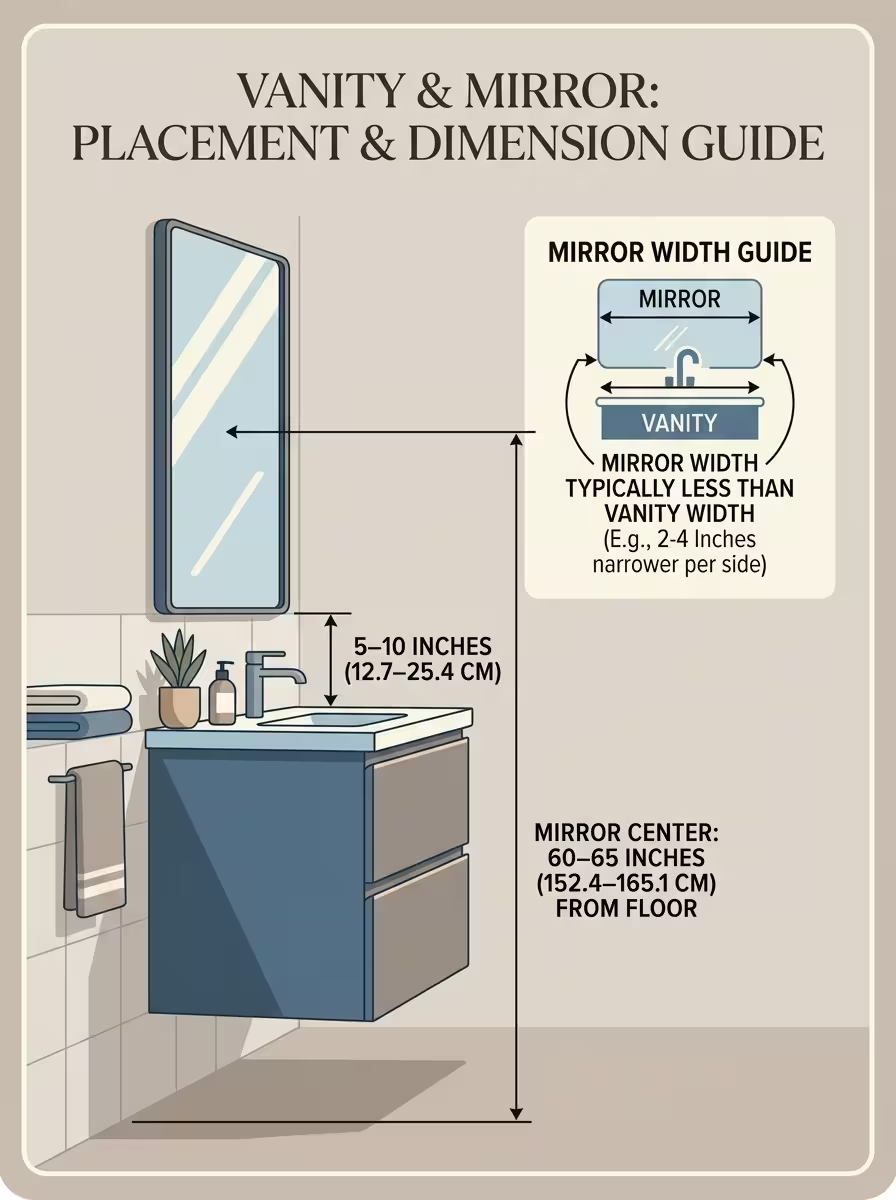
Choosing the right mirror is only half the equation. Where and how you hang it matters just as much. These placement principles will help you get the most out of any bathroom mirror idea you pursue.
Height: The center of the mirror should sit at approximately eye level — for most adults, this falls between 57 and 65 inches from the floor. If your household has a significant range of heights, aim for the higher end so everyone can use it comfortably.
Width: As a general rule, your mirror should be no wider than your vanity and ideally within a few inches of the vanity’s width on either side. Going narrower than the sink creates an awkward, ungrounded appearance.
Distance from vanity top: Leave 5 to 10 inches between the top of the backsplash or countertop and the bottom of the mirror. This gap allows for the backsplash to read as a design element and provides visual breathing room.
Opposite windows: Whenever possible, position your mirror so it reflects a window or natural light source. This amplifies daylight throughout the room and adds a sense of depth and openness.
How to Choose the Right Mirror Size
Mirror sizing is one of the most common points of confusion during a bathroom renovation. The right size depends on your vanity width, ceiling height, and overall design goal.
- Single sink vanity (24–36 inches wide): A mirror 20–30 inches wide works proportionally. Consider going taller to add height.
- Medium vanity (42–60 inches wide): A mirror 36–48 inches wide maintains balance. This is where arched and round options shine.
- Double vanity (60–72 inches wide): Either one large mirror up to 72 inches wide or two mirrors, each 24–30 inches wide, placed with 4–6 inches between them.
For bathrooms with ceilings above 9 feet, a taller mirror — even reaching close to the ceiling — will look intentional rather than oversized.
Mirror and Lighting Combinations That Work
A mirror and a light fixture are design partners — and treating them that way leads to far better results. The three most effective pairings for current bathroom mirror ideas are:
1. Vertical sconces flanking a framed mirror. This classic arrangement places two wall sconces on either side of the mirror at face height, providing the most flattering illumination for grooming tasks.
2. A horizontal bar light above a wide frameless mirror. This works well in transitional and contemporary bathrooms. Choose a bar light with downward-facing bulbs rather than exposed upward globe bulbs to reduce glare.
3. An integrated LED mirror with no separate fixture. The cleanest and most modern option, requiring only one electrical connection and zero coordination between separate products.
For guidance on curating a complete look, outinteriors is a destination worth exploring for bathroom layout inspiration that combines mirrors, lighting, and accessories into cohesive, room-ready concepts.
Trending Bathroom Mirror Styles in 2026
Based on current design movements, these are the bathroom mirror ideas gaining the most traction heading into 2026:
- Slim-profile arch mirrors in raw aluminum or unlacquered brass
- Oversized frameless rectangular mirrors that extend to the ceiling
- Tinted or smoked glass mirrors in bronze, sage, or charcoal
- Pill-shaped (stadium) mirrors as a softer alternative to strict rectangles
- Wabi-sabi-inspired mirrors with irregular, organic wooden frames
- Backlit oval mirrors with warm amber LED settings
- Antiqued or foxed mirrors for vintage character in contemporary spaces
The move toward warmer, more natural finishes is consistent across all categories — homeowners are increasingly choosing organic materials and warm-toned metals over the cool chrome and stark white combinations that dominated the previous decade.
Conclusion:
The bathroom mirror is one of the most versatile and impactful upgrades you can make to any bathroom — large or small, traditional or contemporary, budget-conscious or investment-grade. From frameless LED panels and statement gilded frames to smart medicine cabinets and paired arched designs, the range of bathroom mirror ideas available today is broader and more exciting than ever before.
The key is to approach your mirror as a design decision, not just a functional purchase. Consider your space, your vanity proportions, your lighting, and the overall mood you want to create — then choose a mirror that does all of those things beautifully. With the right choice, your bathroom mirror will not just reflect your image. It will reflect your taste.
Frequently Asked Questions:
1. What size bathroom mirror should I choose for a 36-inch vanity?
For a 36-inch vanity, a mirror between 28 and 34 inches wide is the ideal range. This keeps the mirror proportional to the vanity without feeling crowded. You can go taller — up to 40 inches in height — to add visual interest and a sense of height to the room.
2. Are LED mirrors worth the investment for a standard bathroom?
Yes, for most homeowners, LED mirrors offer excellent long-term value. They eliminate the need for a separate light fixture, provide superior task lighting, and most modern models have lifespans of 50,000 hours or more. The improved lighting quality alone — especially for makeup and grooming — makes them worth it in any bathroom used daily.
3. Should a bathroom mirror match the faucet finish?
You do not need an exact match, but coordinating the mirror frame finish with at least one other metal in the room — the faucet, towel bar, or light fixture — creates a more intentional, cohesive look. Mixing metals (for example, a brass-framed mirror with matte black faucets) is also widely accepted in current design, as long as no more than two or three metal tones are present.
4. How do I hang a heavy bathroom mirror safely?
For mirrors weighing over 20 pounds, always anchor into wall studs using appropriate screws and mounting hardware. Use a stud finder before drilling, and for very large or frameless mirrors, consider mirror mounting clips or a French cleat system for even weight distribution. Heavy frameless glass mirrors over 30 pounds should ideally be hung by a professional.
5. Can I use a decorative mirror not sold specifically for bathrooms?
Yes, with one important precaution: ensure the frame material is moisture-resistant. Solid wood frames can warp in high-humidity environments unless sealed. Metal frames are generally fine. Avoid MDF or particleboard frames in bathrooms without strong ventilation, as they can swell and deteriorate over time.
6. What is the difference between a backlit and a front-lit LED mirror?
A backlit mirror has LEDs positioned behind the mirror glass, creating a soft halo glow around the perimeter — ideal for ambient lighting. A front-lit mirror places LEDs around the face of the mirror, directing light toward the user — better for task lighting and grooming. Many premium models combine both for maximum flexibility.
7. How high should a bathroom mirror be hung above the sink?
The standard recommendation is to leave 5 to 10 inches between the top of the backsplash or counter and the bottom edge of the mirror. The center of the mirror should fall at roughly 60 to 65 inches from the floor, placing it comfortably at eye level for most adults. Adjust slightly based on the heights of household members.