Brilliant Small Home Ideas for the Living Room
Use Furniture That Does Double Duty
The living room is usually the first space guests see, and it’s often where small homes face their biggest challenge: fitting enough seating, storage, and personality into a tight area. The answer isn’t buying less furniture — it’s buying smarter furniture.
An ottoman with hidden storage serves as a coffee table, extra seating, and a place to stash throw blankets. A sleeper sofa transforms a living room into a guest bedroom on demand. Nesting tables collapse when not in use and expand when needed. These choices are among the most brilliant small home ideas available because they eliminate the need for separate, dedicated pieces that would crowd the space.
Go Vertical with Shelving
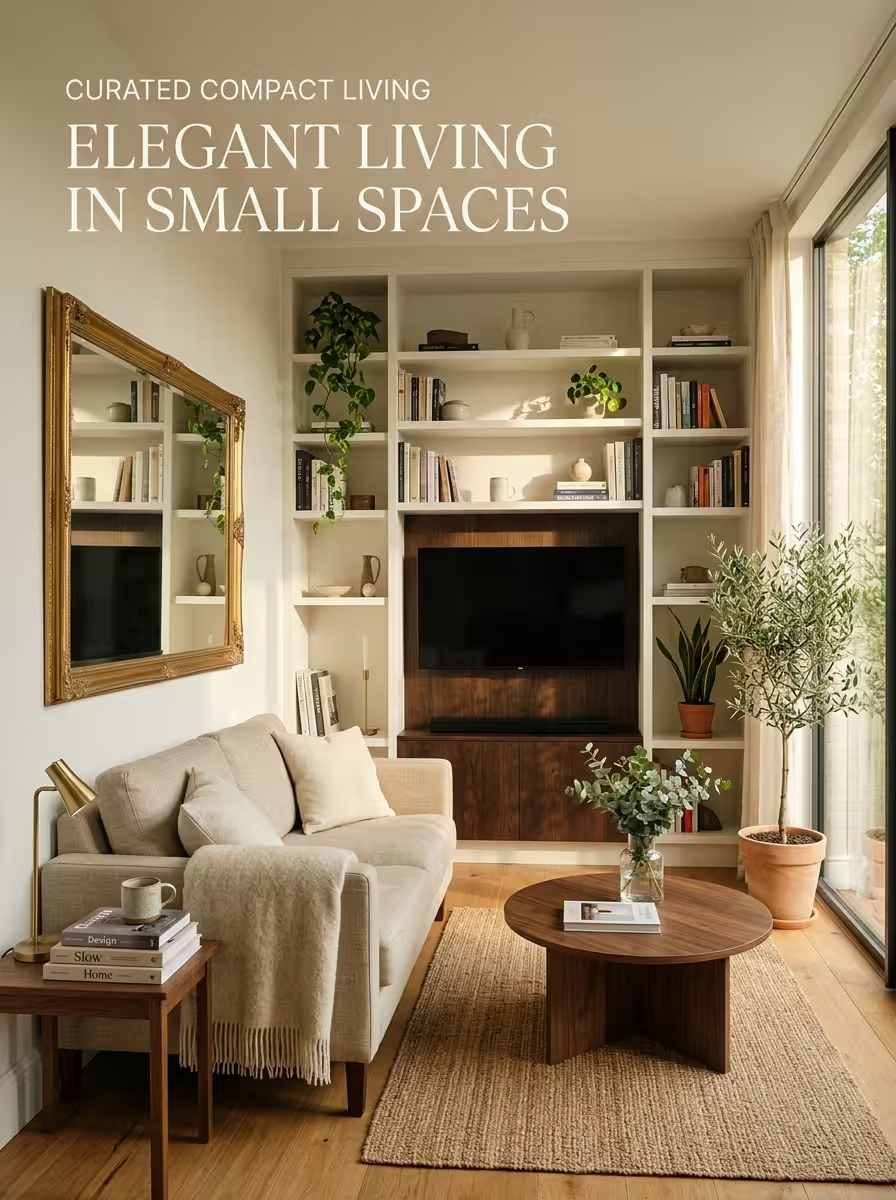
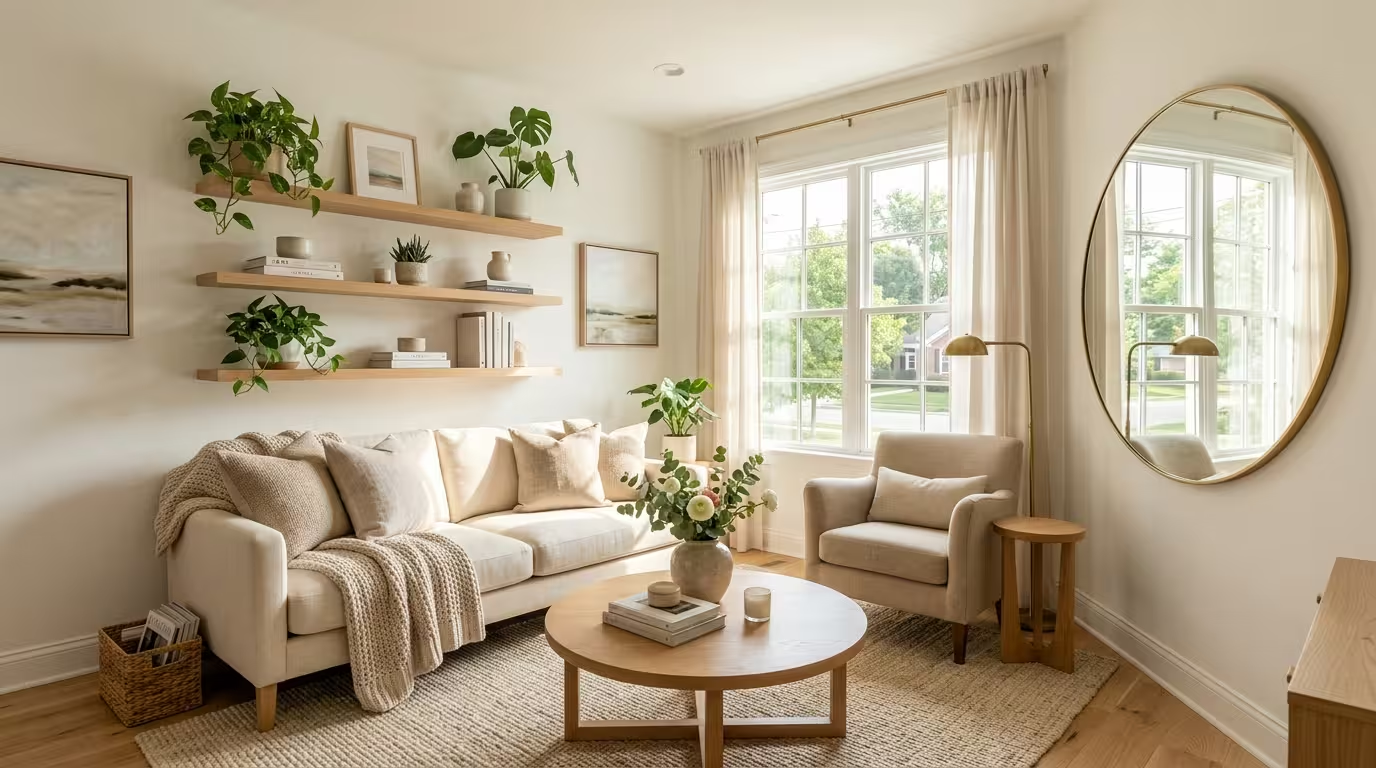
Floor space is finite, but wall space is often underused. Installing floor-to-ceiling bookshelves draws the eye upward, making the room feel taller while dramatically increasing storage capacity. Built-in shelving around a TV unit eliminates the need for a bulky entertainment center. Floating shelves above the sofa hold books, plants, and decorative objects without eating into walkway space.
It’s often the subtle touches that matter most; understanding how the details make living room look timeless can help you build a space that feels curated rather than cluttered.
Choose Light Colors and Strategic Mirrors
Color psychology plays a real role in how we perceive space. Light, neutral tones — soft whites, warm creams, pale grays — reflect more light and make walls feel further apart. This doesn’t mean the room must be bland; a single accent wall in a deeper hue adds depth without closing things in.
Mirrors are one of the oldest and most effective brilliant small home ideas for the living room. A large mirror on the wall opposite a window bounces natural light back into the room, creating the illusion of a second window. Grouped mirrors of varying sizes achieve the same effect while functioning as wall art.
Space-Smart Kitchen Designs for Small Homes
Maximize Cabinet and Drawer Efficiency
A cramped kitchen doesn’t have to feel chaotic. The key is maximizing every inch of your existing cabinetry before considering any structural changes. Pull-out drawer organizers, tiered shelf inserts, and lazy Susans in corner cabinets can double usable storage without adding a single square foot.
Magnetic knife strips mounted on the wall free up a full drawer. A pot rack suspended from the ceiling keeps bulky cookware accessible without crowding lower cabinets. These are practical, affordable, brilliant small home ideas that make a genuine daily difference.
Consider an Open Shelving Mix
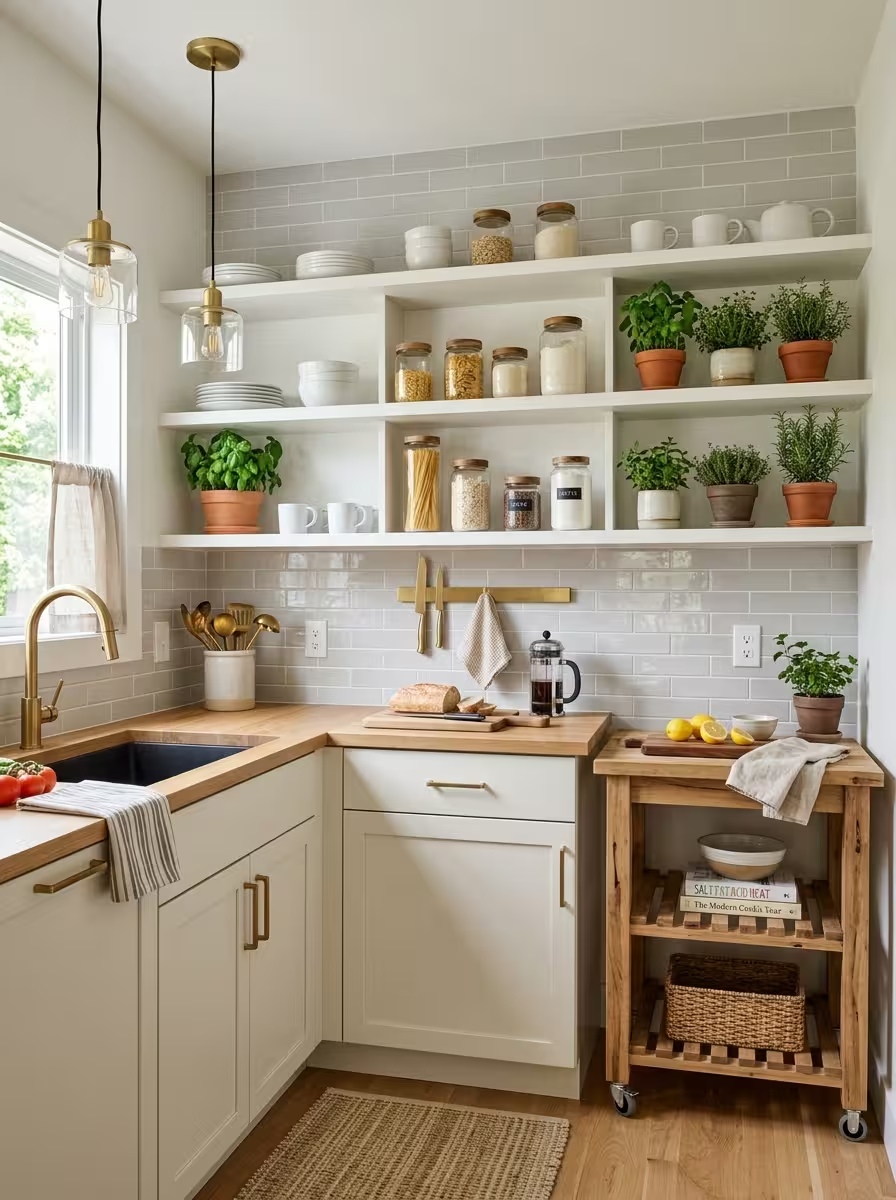
Open shelving has become a staple of small kitchen design — and for good reason. Removing upper cabinet doors opens up visual space, makes items easier to access, and creates an opportunity to display attractive dishware and pantry staples. The caveat: open shelves require organizational discipline. When styled well, they are undeniably effective.
A hybrid approach — keeping some closed cabinets for clutter and reserving open shelves for attractive items — works well in kitchens that serve both cooking and aesthetic goals.
Embrace the Kitchen Island Alternative
A full kitchen island is often too large for small kitchens. A rolling kitchen cart delivers the same benefits — extra prep surface, storage, and mobility — without the permanence. When you need more space, it rolls away. When guests arrive, it becomes a bar cart. Portable, purpose-built pieces like these are repeatedly praised among brilliant small home ideas for renters and small-space homeowners alike.
Bedroom Strategies That Create Calm in Compact Spaces
Elevate Your Bed for Storage Underneath
The area beneath your bed is some of the most underutilized real estate in any home. Platform beds with built-in drawers elegantly solve two problems at once — you gain a bed frame and a dresser without adding anything extra to the room. For beds without built-in storage, low-profile rolling bins work nearly as well.
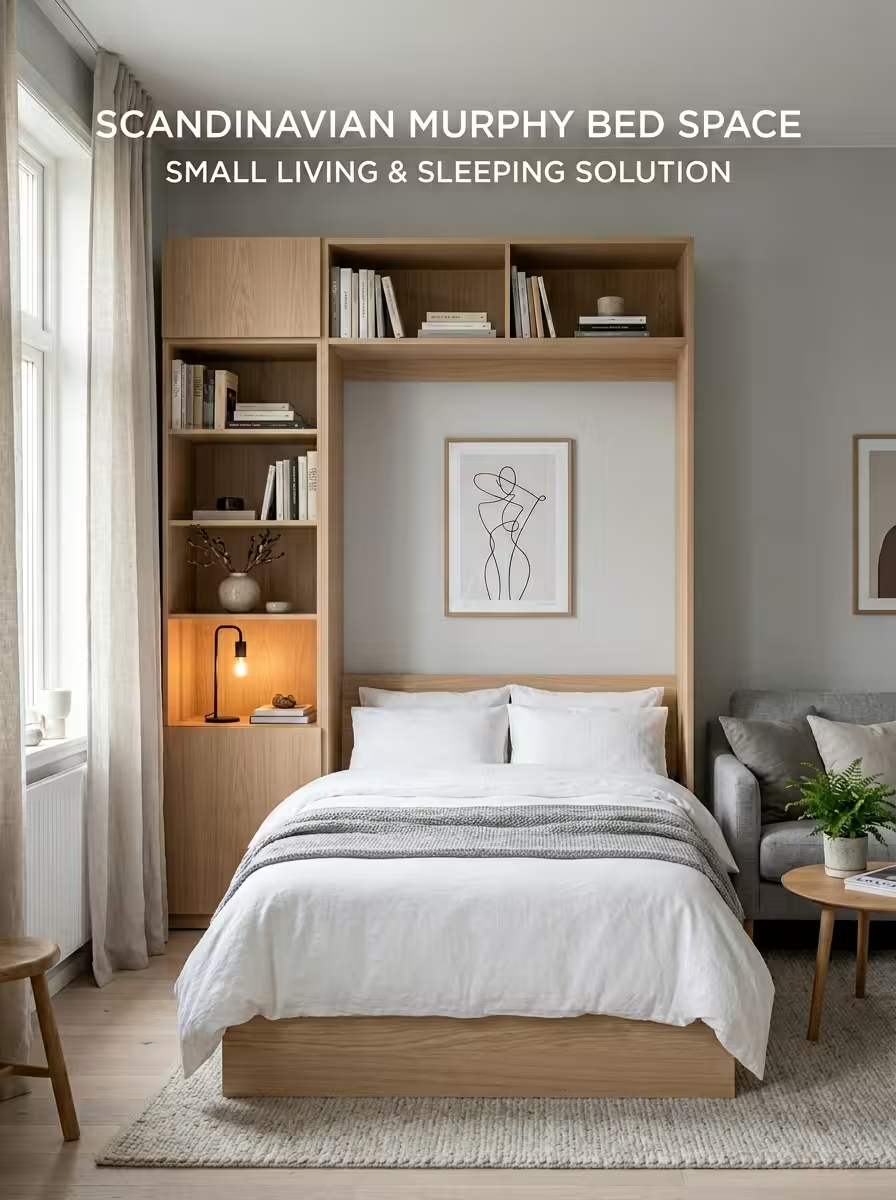
Murphy beds — beds that fold vertically into the wall when not in use — have experienced a major design renaissance. Modern versions incorporate integrated shelving, fold-down desks, and even sofas, making a bedroom double as an office or hobby room during daylight hours.
Keep Bedroom Furniture Low and Minimal
Furniture height dramatically affects how spacious a bedroom feels. Low-profile bed frames, compact nightstands, and floating wall shelves keep sight lines open and preserve visual breathing room near the ceiling. Avoid tall armoires or large dressers if possible; a well-organized closet with added internal shelving achieves the same storage without the visual weight.
Use Curtains to Your Advantage
Floor-to-ceiling curtains, hung close to the ceiling rather than at the window frame, make walls look taller and rooms feel more expansive. This is a deceptively simple but enormously effective interior design technique embraced by professional decorators. Choose lightweight fabrics in light tones to keep the room airy.
Bathroom Upgrades That Feel Luxurious in Small Spaces
Rethink the Vanity
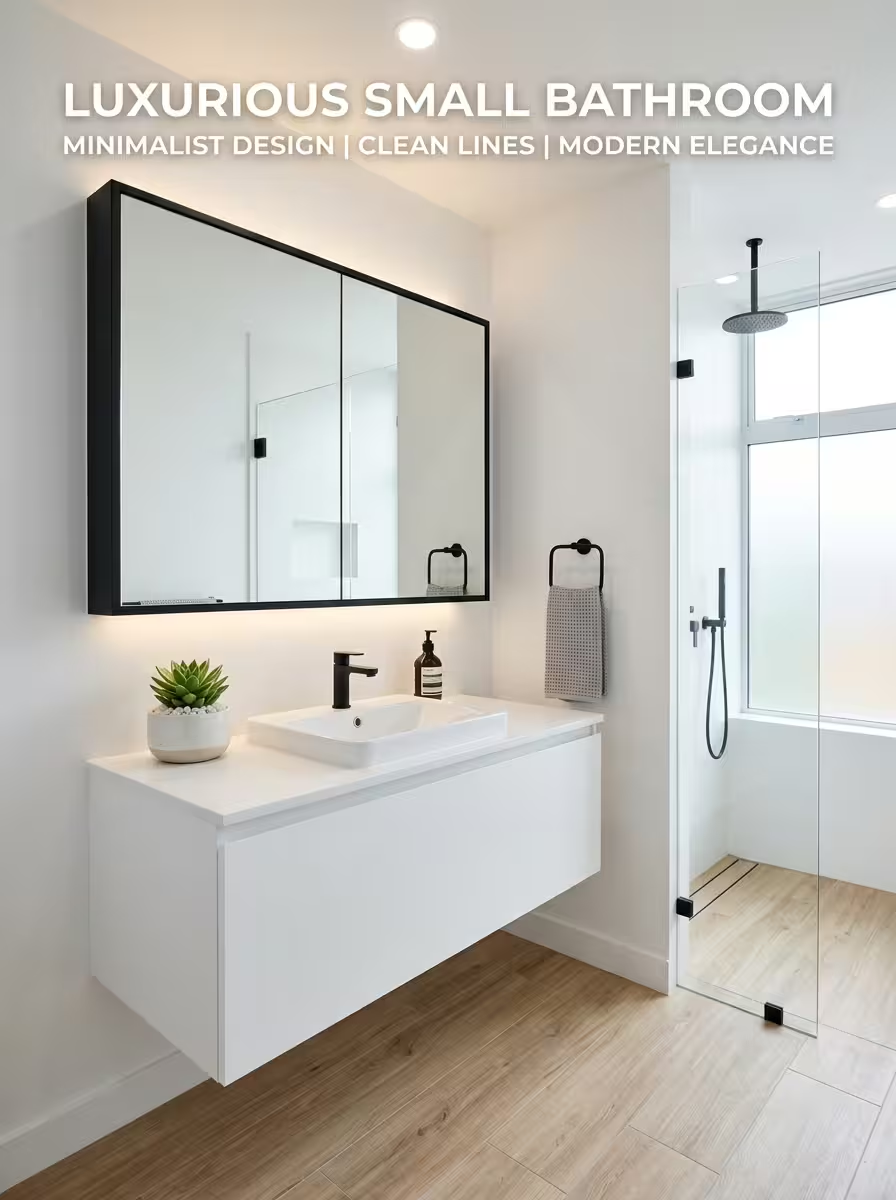
A standard pedestal sink takes up less visual space than a full vanity cabinet — but it sacrifices storage. A floating vanity offers the best of both worlds: it hovers above the floor (creating visual space), provides cabinet storage, and can be installed at any height for ergonomic comfort.
Recessed medicine cabinets are another small-bathroom essential. Unlike surface-mounted cabinets that protrude into the room, recessed versions sit flush with the wall, often adding 4–6 inches of storage depth without claiming any floor space.
Upgrading your washroom is easier than you think — choosing the best bathroom accessories instantly elevates even the smallest en suite into a polished, spa-like space.
Use Large Tiles to Expand the Room Visually
Large-format tiles (12×24 inches or bigger) with minimal grout lines create a cleaner, more expansive look than small mosaic tiles. The same principle applies to floors: light-colored, large tiles make a floor feel like it extends further. This is a cost-effective, brilliant small home idea with a high visual return on investment.
Home Office Solutions for Small Homes
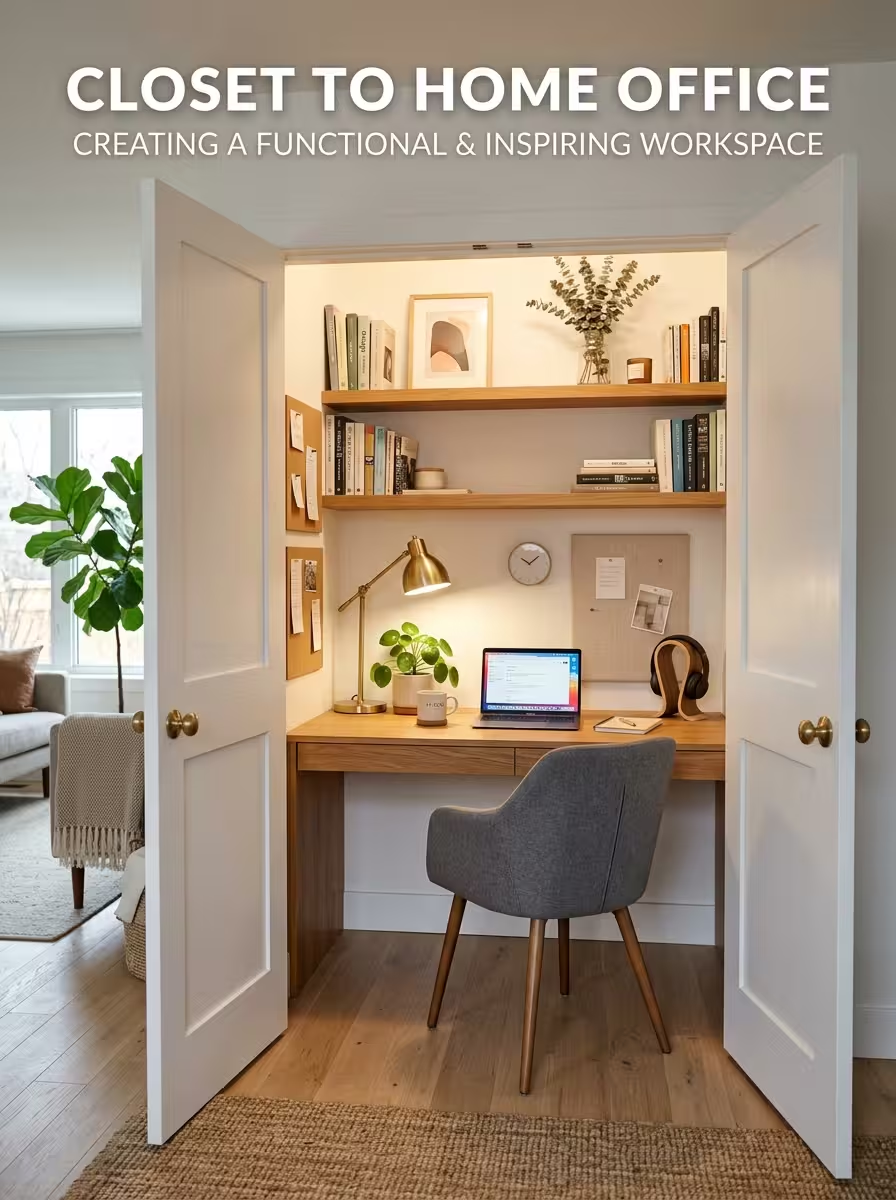
Build a Desk Into Unused Space
Turning an unused alcove, closet, or hallway nook into a built-in desk is one of the most satisfying, brilliant small home ideas for remote workers. A cloffice — a closet converted into a compact home office — uses a standard reach-in closet to create a private workspace that closes off completely when the workday ends. This preserves the psychological separation between work and rest that many find essential.
Wall-mounted fold-down desks are equally clever. When folded up, they resemble a piece of wall decor. Folded down, they provide a full working surface. Several manufacturers now offer models with integrated shelving, cord management, and even hidden outlets.
Layer Your Lighting
Lighting has an outsized impact in small home offices. A single overhead fixture leaves shadows and creates eye strain. Layering a desk lamp, a wall sconce, and ambient overhead lighting creates a more comfortable and professional environment. Adjustable task lighting lets you shift the mood depending on whether you’re in a video call, deep work session, or winding down.
Smart Storage Ideas That Work Across the Whole Home
Think in Zones, Not Rooms
One of the most transformative, brilliant small home ideas is abandoning the concept of rooms as fixed-function zones. Instead, think of your home as a series of activity zones — a sleep zone, a work zone, a cooking zone, a social zone — that can shift and reconfigure based on the time of day or day of the week.
Room dividers, curtain partitions, and open shelving units used as dividers allow spaces to flex without the cost of permanent walls. This approach is common in studio apartments but is increasingly applied in small one- and two-bedroom homes as well.
Use Dead Space Creatively
Every home has dead space — the wall above the toilet, the gap beside the refrigerator, the area under the stairs, the space above kitchen cabinets. Identifying and activating these spots is one of the hallmarks of brilliant small home ideas that genuinely transform a space.
A slim rolling pantry fits into the gap beside the fridge, holding spices, oils, and canned goods. Stair storage drawers convert wasted risers into functional pull-out compartments. A narrow wall-mounted cabinet above the toilet holds toiletries, towels, and cleaning supplies without crowding the floor.
Declutter as a Design Strategy
No amount of brilliant small home ideas will rescue a space drowning in stuff. Decluttering is not just a chore — it is a design strategy. The one-in, one-out rule (for every new item brought in, one leaves) is a practical discipline that prevents accumulation. Seasonal rotation of clothing, decor, and kitchen items keeps spaces fresh and functional year-round.
For deeper design inspiration and room-by-room guidance, outinteriors is a go-to resource for homeowners looking to refine their spaces with intention and style.
Color, Light, and Visual Tricks That Open Up Small Spaces
Paint the Ceiling a Lighter Shade
Most people paint ceilings white, but painting the ceiling a shade lighter than the walls draws the eye upward and creates a gentle gradient that makes rooms feel taller. This is a subtle but highly effective visual trick used by interior designers in small homes around the world.
Conversely, painting a single wall a darker, richer tone creates a sense of depth — the wall appears to recede, making the room feel longer. Used carefully, this technique is among the most affordable brilliant small home ideas with a dramatic visual payoff.
Maximize Natural Light at Every Opportunity
Natural light is the most powerful tool in any small-space designer’s toolkit. Sheer curtains instead of heavy drapes, glass-paned interior doors, and strategically placed mirrors all amplify natural light and prevent rooms from feeling cave-like. Skylights — where structurally feasible — can flood an otherwise dark room with overhead light.
If natural light is limited, full-spectrum LED bulbs mimic daylight and help maintain a sense of openness. Warm-white bulbs (2700–3000K) in living areas and bedrooms create an inviting atmosphere without the harshness of cool blue-toned lighting.
Outdoor and Balcony Ideas for Small Homes
Treat Your Balcony as a Room
If your small home includes a balcony, patio, or stoop, it is an extension of your living space — treat it accordingly. Outdoor rugs, compact bistro sets, string lights, and vertical planters transform a neglected balcony into a functional outdoor room. A fold-down wall table adds dining or working space without cluttering the area when not in use.
Privacy screens made from lattice panels or outdoor fabric create the feeling of an enclosed garden room, even in urban settings. These additions are among the most joyful, brilliant small home ideas for city dwellers with limited interior space.
Vertical Gardening for Small Homes
For homes without traditional garden space, vertical gardening systems — wall-mounted planters, hanging pocket gardens, tiered plant stands — bring the benefits of greenery without requiring floor space. Plants improve air quality, reduce stress, and add life to compact environments. A kitchen herb wall keeps fresh ingredients at arm’s reach while serving as a living piece of wall decor.
Conclusion:
Small homes are not a limitation — they are an invitation to think more carefully, live more intentionally, and design more creatively. The brilliant small home ideas explored in this guide — from multi-functional furniture and vertical storage to smart lighting and flexible room zones — prove that square footage alone does not determine comfort or beauty.
The best small homes are not just space-efficient; they reflect the personality, priorities, and lifestyle of the people who live in them. Whether you are working with a 400-square-foot studio or a 1,200-square-foot cottage, the principles remain the same: use every inch with purpose, let light lead the way, and choose pieces that earn their place.
Start with one room, apply one or two ideas, and build from there. Transformation does not have to happen all at once — and in a small home, even small changes make a significant difference.
Frequently Asked Questions:
1. What are the most cost-effective brilliant small home ideas I can try right now?
Some of the highest-impact, lowest-cost changes include adding mirrors to reflect light, decluttering storage areas, installing floating wall shelves, using over-door organizers, and swapping out heavy drapes for sheer curtains. None of these require a contractor or major investment.
2. How can I make a studio apartment feel like a one-bedroom?
The key is creating visual zones using rugs, lighting, and furniture placement. A bookshelf or curtain partition separates the sleeping area from the living space. Consistent use of a single color palette across zones makes the space feel cohesive rather than chopped up.
3. What furniture should I avoid in a small home?
Avoid oversized furniture, serves a single purpose, or creates visual clutter. Bulky sectional sofas, large armoires, and oversized dining tables are common mistakes. Instead, choose pieces that are proportionate, multi-functional, and elevated off the floor to maintain visual openness.
4. Do dark colors work in small rooms?
Yes — when used strategically. An accent wall in a deep, rich tone can create depth and intimacy without making a room feel smaller. Painting an entire small room dark can work in spaces with strong natural light, but it requires confidence and careful execution.
5. How do I add storage to a bathroom without a closet?
Recessed medicine cabinets, over-toilet shelving units, floating vanities with under-sink storage, and wall-mounted hooks are all excellent options. Even a narrow ladder shelf beside the sink adds significant vertical storage without crowding the floor.
6. Can I have a home office in a very small home?
Absolutely. A cloffice (closet office), a wall-mounted fold-down desk, or even a dedicated corner with good task lighting can serve as a functional workspace. The secret is defining the zone clearly and keeping it tidy, so it doesn’t visually bleed into the rest of the room.
7. How do I choose the right rug size for a small room?
In living rooms, choose a rug large enough for all key furniture pieces to sit on, or at least for the front legs of seating to rest on it. Avoid tiny rugs that “float” in the center of a room — they tend to make the space feel smaller and more disjointed rather than grounded and intentional.