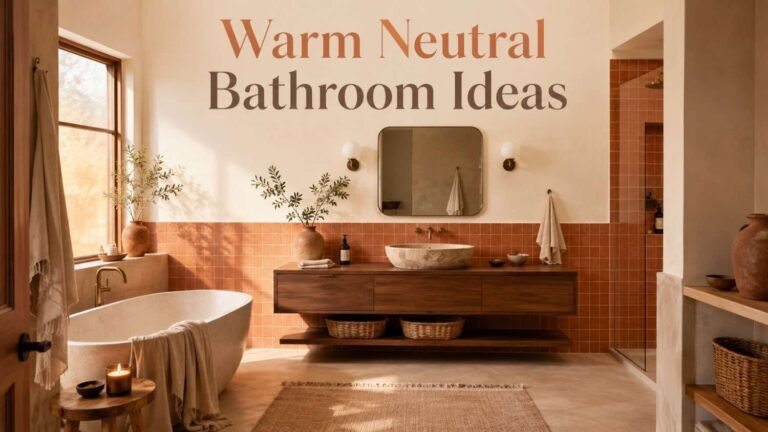
Bathroom Wallpaper Ideas: Stylish, Practical Ways to Transform Any Bath
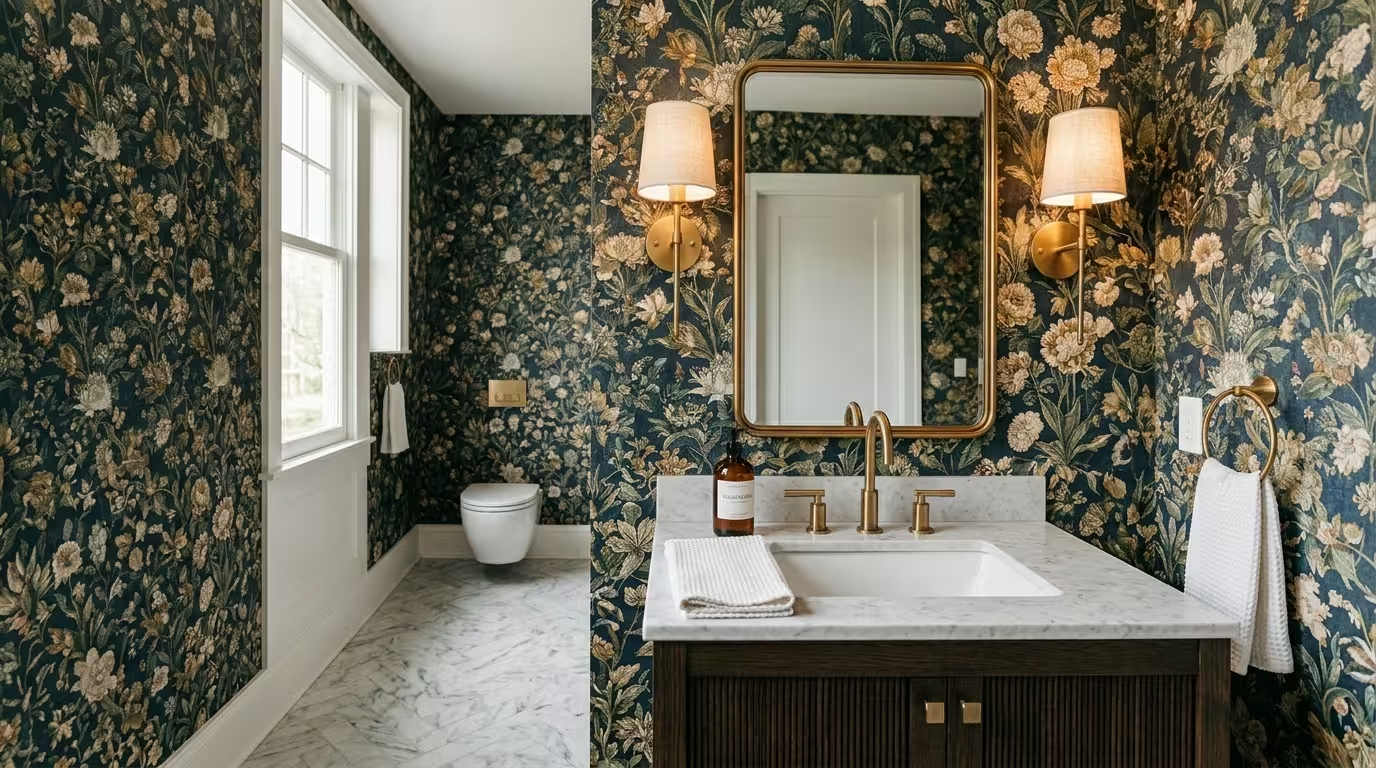
A bathroom can feel finished, personal, and memorable without a full renovation. The right wall covering can warm up cold tile, soften a plain vanity, frame a mirror, or turn a small powder room into the most talked-about space in the house. The best bathroom wallpaper ideas are not only about pretty patterns. They also depend on the moisture level, ventilation, wall condition, lighting, and how the room is used every day.
Think of wallpaper as the room’s storyteller. A soft botanical print can make a guest bath feel calm. A dark mural can make a powder room feel dramatic. A stripe can visually stretch tight walls. But bathrooms are not bedrooms. Steam, splashes, and condensation change the rules. This guide brings design inspiration and practical judgment together so your walls look beautiful after installation and still make sense months later.
Why Wallpaper Works So Well in Bathrooms
Bathroom walls often have limited open surface area, which makes wallpaper feel controlled rather than overwhelming. A bold print that might feel too loud in a living room can look balanced behind a sink, above wainscoting, or around a compact powder room. This is why wallcovering works especially well in half baths, guest baths, and small ensuite spaces.
Wallpaper also adds something paint cannot easily provide: pattern, movement, texture, and intention. A floral repeat can soften hard plumbing lines. A geometric print can sharpen a basic builder-grade bath. A faux grasscloth can add depth without the maintenance issues of natural fibers. In 2026, designers are still leaning into color and pattern in bathrooms, especially where a small footprint allows more creative choices. Current design coverage points to more color, layered patterns, and expressive small spaces as major bathroom directions.
Start With the Room Type, Not the Print
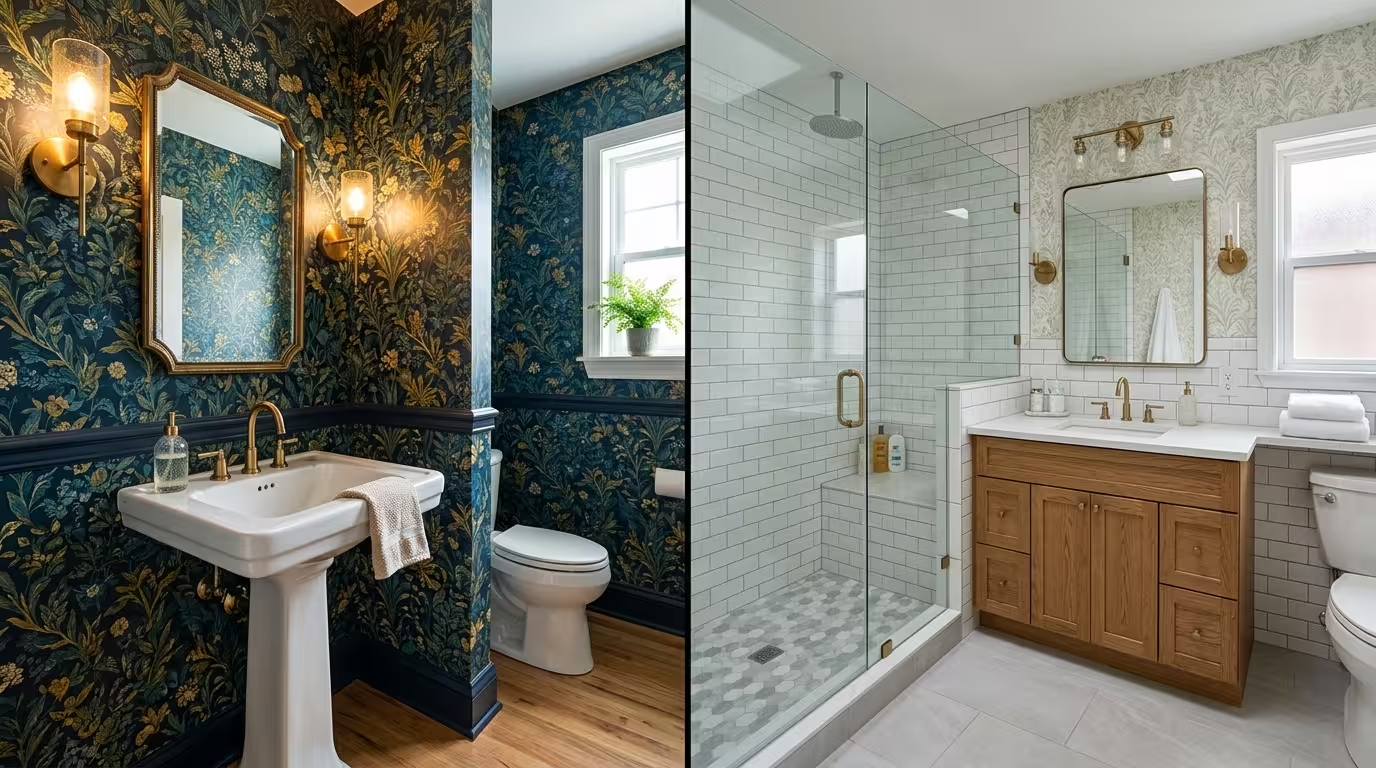
Not every bathroom carries the same risk. A powder room with only a toilet and sink is the safest place for wallpaper because it has limited humidity and almost no shower steam. A full family bathroom is different. It gets repeated moisture, towel drying, mirror fog, and water splashes. A primary bathroom with a large shower may need even more caution.
This is where many designs fail in real homes. The design looks strong online, but the material is wrong for the room. Ask three questions before buying: Does the room have a shower or tub? Does the exhaust fan vent outside? Do walls stay dry after use? If the mirror fogs heavily and walls feel damp, choose a more durable wallcovering or limit wallpaper to a dry wall.
For another playful home upgrade, read Best Game Room Ideas before choosing bold patterns for entertainment spaces.
Best Bathroom Wallpaper Ideas by Style
The strongest designs begin with the mood you want the room to create. You do not need to copy a trend exactly. You need a pattern that fits the architecture, light, fixtures, and daily use of your home. Below are practical styles that work across American homes, from rentals to renovated houses.
1. Botanical Bathroom Wallpaper Ideas for a Fresh, Relaxed Room
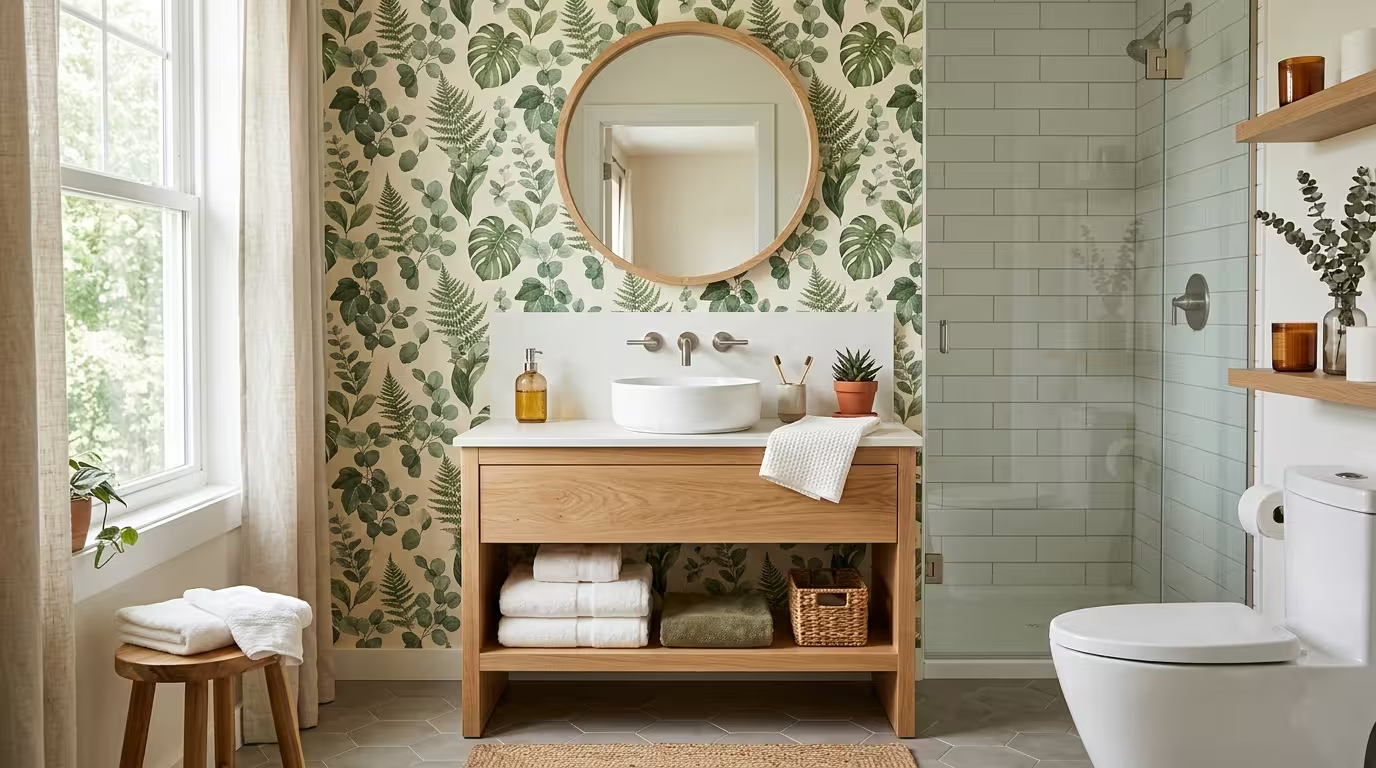
Botanical wallpaper works because bathrooms already connect to water, freshness, and morning routines. Leafy patterns, soft vines, and garden-inspired prints can make a plain bath feel restful without making it look empty. Choose green, sage, blue, cream, or muted terracotta if you want a calm effect.
For small bathrooms, use a medium-scale botanical print rather than tiny leaves. Very small repeats can look busy from close range. In larger bathrooms, oversized leaves or trailing vines can create a soft mural effect. Pair botanical wallpaper with white tile, warm wood, brushed nickel, or unlacquered brass for balance. This is one of the safest choices for people who want personality without visual chaos.
2. Floral Bathroom Wallpaper Ideas for Powder Room Drama
Floral wallpaper is not limited to the cottage style. It can look romantic, moody, vintage, modern, or graphic depending on scale and color. A powder room is the perfect place to use a large floral print because guests experience it briefly, and the smaller footprint keeps the pattern contained.
For a timeless look, choose florals with a limited palette. Cream and green feel soft. Navy and blush feel polished. Black backgrounds with painterly flowers feel dramatic. Keep the vanity, mirror, and lighting simple so the walls remain the main feature. Florals offer a wide emotional range because they can feel delicate or bold without changing the layout.
3. Striped Bathroom Wallpaper Ideas That Make Tight Walls Feel Taller
Vertical stripes can visually lift the ceiling, especially in narrow bathrooms. Thin stripes feel classic and clean. Wider stripes look more playful and architectural. If the room has low ceilings, choose a stripe with gentle contrast instead of a harsh black-and-white pairing.
Horizontal stripes can work too, but they are better in powder rooms or long, narrow baths where you want the room to feel wider. A stripe is also a beginner-friendly choice because it is easier to align than complex scenic prints. For renters or first-time DIY projects, stripes are usually less risky than patterns with large repeats.
Match your bathroom palette with Designer living rooms to keep the home feeling polished and connected.
4. Textured Bathroom Wallpaper Ideas and Faux Grasscloth Looks
Natural grasscloth has a beautiful woven surface, but it is not ideal for damp bathrooms. The texture can trap moisture, and water marks are difficult to hide. A faux grasscloth or vinyl textured wallcovering gives a similar look with easier maintenance. Better Homes & Gardens notes that real grasscloth can collect water in woven layers, while faux versions are easier to maintain in splash-prone spaces.
Textured wallpaper is useful when you want warmth without a busy print. It pairs well with stone counters, oak vanities, reeded cabinet fronts, and simple tile. Choose beige, mushroom, slate blue, olive, or warm gray for a quiet finish. These textured choices work well in homes where the rest of the decor is calm and natural.
5. Coastal Bathroom Wallpaper Ideas Without the Clichés
A coastal bathroom does not need anchors, shells, or obvious beach signs. A better approach is to use wave-like lines, watercolor blues, sandy neutrals, coral motifs, or soft sea-glass tones. This keeps the space fresh without making it feel like a themed rental.
For a refined coastal look, pair blue wallpaper with white trim and polished chrome. For a warmer coastal look, use sandy beige wallpaper with woven baskets and a pale wood vanity. Avoid too many literal ocean elements in one room. One coastal reference is enough. This look works best when the pattern is suggestive rather than obvious.
6. Geometric Bathroom Wallpaper Ideas for Clean Modern Baths
Geometric wallpaper brings order to a room full of hard lines. Hexagons, arches, diamonds, scallops, and interlocking shapes can make a simple bathroom feel designed. The key is scale. Small geometric repeats feel crisp and tailored. Large shapes feel bold and modern.
If your bathroom already has patterned floor tile, choose a quieter geometric wallcovering. If the tile is plain, the wallcovering can carry more detail. Match one color from the wallpaper to a fixture, towel, or vanity finish so the room feels connected. Geometric prints are especially effective in apartments, townhomes, and newer houses with minimal architectural detail.
7. Dark Bathroom Wallpaper Ideas for a Moody Powder Room
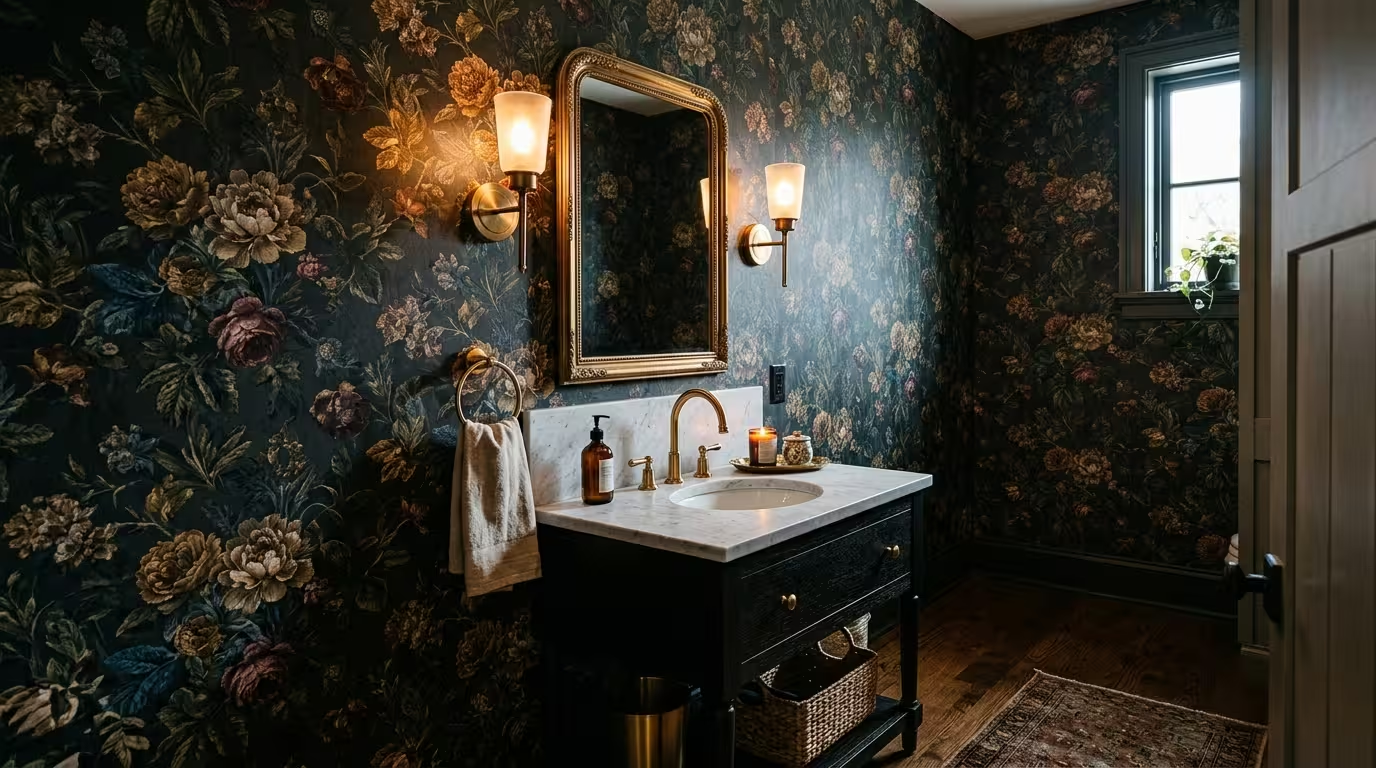
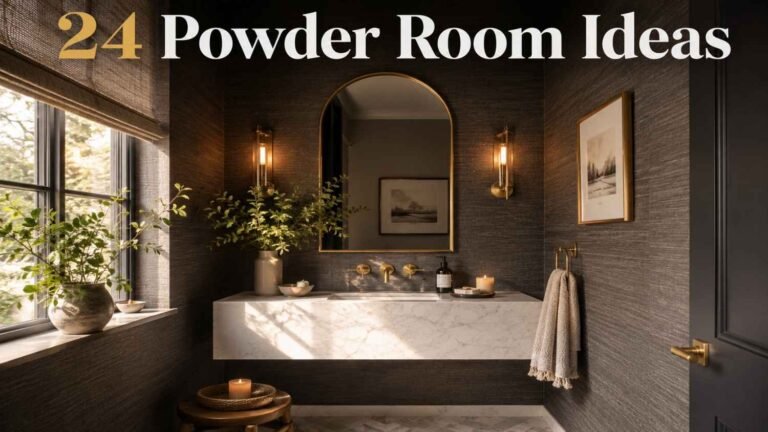
Dark wallpaper can make a small bathroom feel richer, not smaller, when used correctly. The trick is to commit. A dark floral, woodland, marble-effect, or abstract print can wrap a powder room beautifully. Add a strong mirror, layered lighting, and reflective hardware to keep the room from feeling flat.
This works best in bathrooms without a shower, where moisture risk is lower, and guests spend less time. Use warm bulbs, not cold white lighting. Cold light can make dark patterns look harsh. Dark wallcoverings are not for every full bath, but they can make a half bath feel custom without moving a single fixture.
If your bath sits near a compact lounge, use Small living room decorating ideas to keep both spaces light and balanced.
8. Peel-and-Stick Bathroom Wallpaper Ideas for Renters
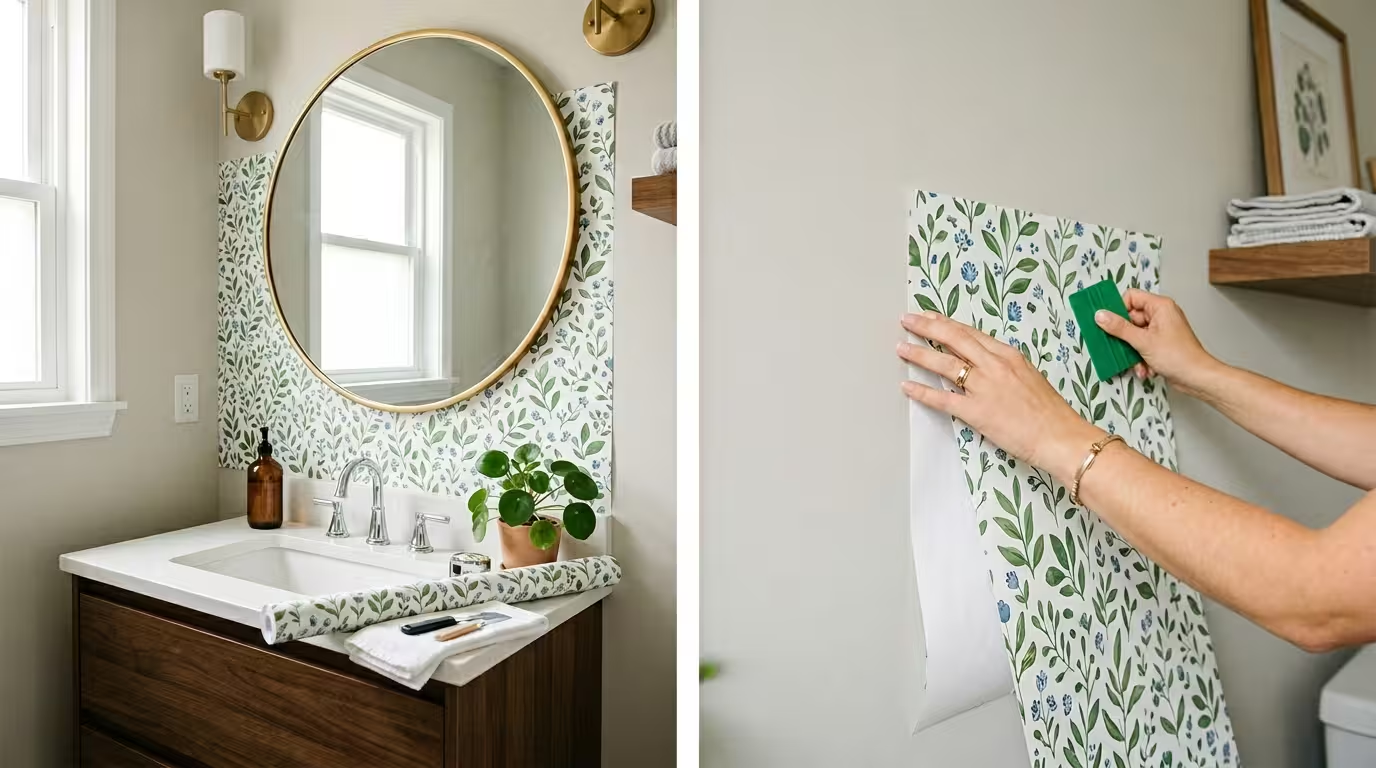
Peel-and-stick wallpaper can be a smart option for renters, seasonal decorators, or homeowners who like to change style often. It works best on smooth, clean, fully cured painted walls. In bathrooms, use it carefully. A low-moisture powder room is a better fit than a steamy family bath.
Look for labels such as moisture-resistant, vinyl-coated, or washable. Avoid applying removable wallpaper directly beside a shower, behind a wet towel hook, or above a sink where water splashes daily. Architectural Digest notes that vinyl, peel-and-stick, and non-woven options can handle splashes and steam better than many delicate materials, but material details still matter.
How to Choose the Right Wallpaper Material
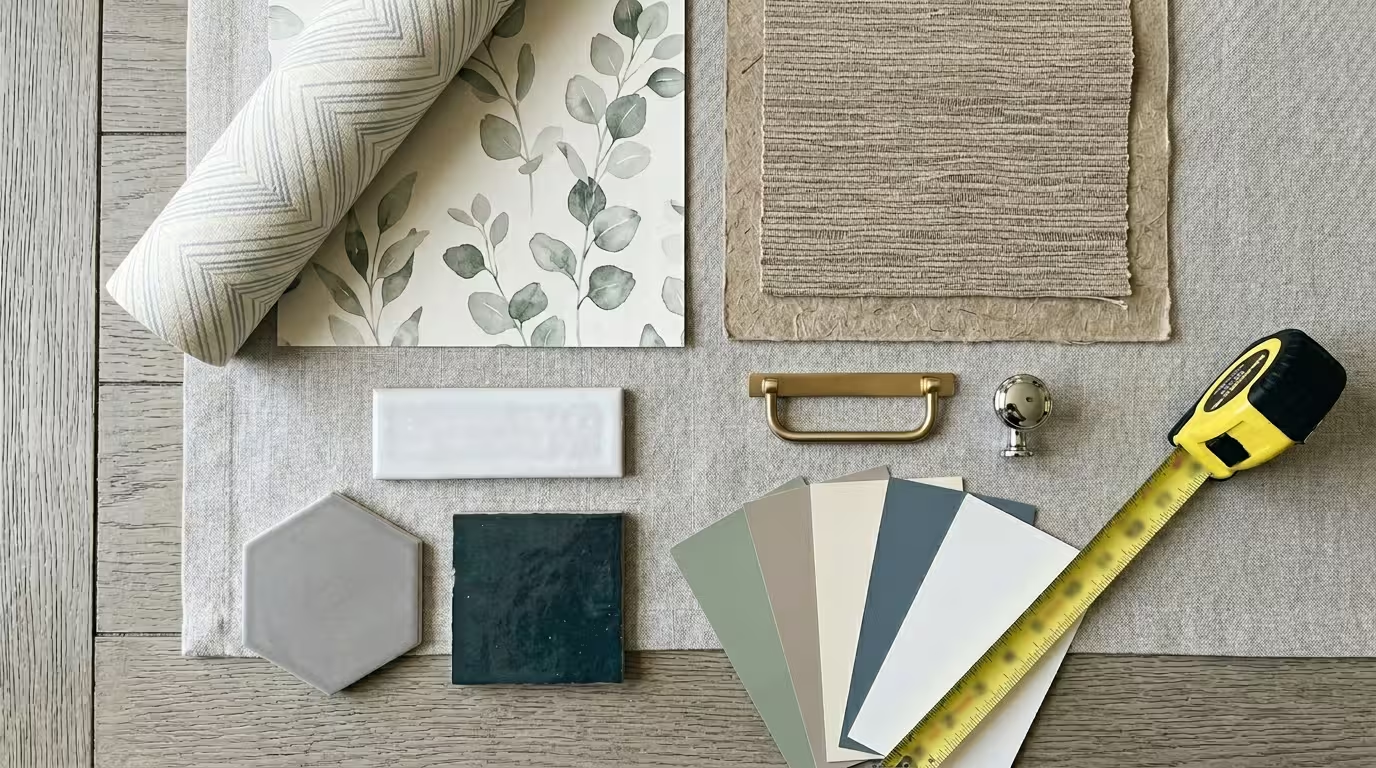
Beautiful results only happen when the material fits the conditions. Vinyl wallpaper is usually the most practical choice for full bathrooms because it resists moisture better than untreated paper. Vinyl-coated paper can work in moderate-use spaces. Non-woven wallpaper is breathable and easier to install, but the product must still be rated for bathroom use.
Traditional paper wallpaper is better for powder rooms than steamy bathrooms. Natural materials like grasscloth, silk, and untreated textile wallcoverings should be used with caution. They can stain, absorb moisture, and show marks. Always read the manufacturer’s care label before buying. If the label does not mention washability, moisture resistance, or bathroom suitability, do not assume it will perform well near steam.
Where to Put Bathroom Wallpaper Ideas Safely
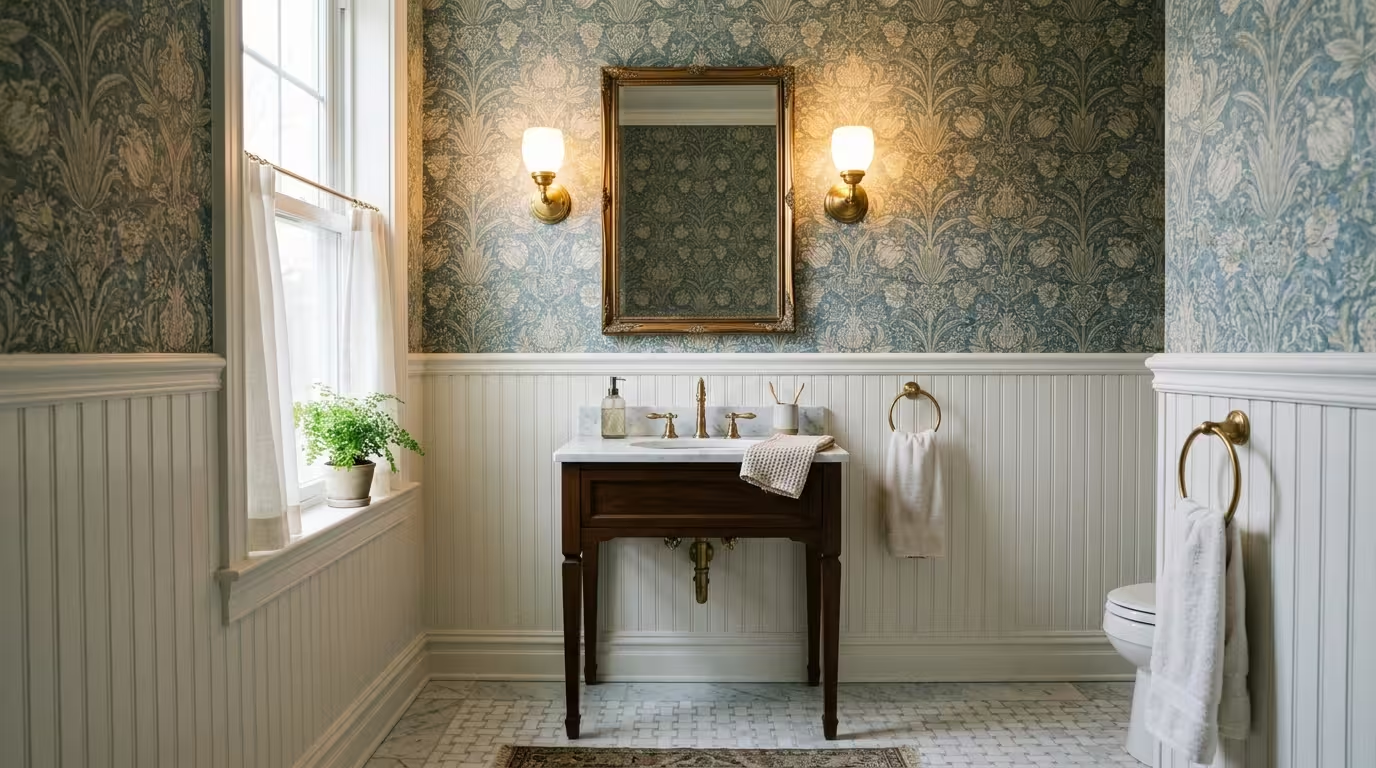
Placement matters as much as pattern. The safest wall is usually the vanity wall, especially if the sink has a backsplash and the wall does not receive direct water. Another good option is the wall behind a freestanding tub, as long as splashes are limited and the room is well ventilated.
Half-wall treatments are also practical. Wallpaper above wainscoting, beadboard, tile, or painted paneling protects the lower wall from bumps, water, and cleaning marks while still giving the room a pattern.
Color Choices That Feel Current but Still Livable
Color should come from the room, not from a trend alone. Look at the vanity, floor, tile, countertop, and metal finishes before choosing wallpaper. If those elements are cool, try blue, green, charcoal, or crisp white. If they are warm, try cream, clay, olive, rust, soft gold, or brown.
Soft pastels are also returning in home design, with current coverage pointing to butter yellow, baby blue, mint green, and soft pink as renewed favorites for calm, nostalgic rooms. In a bathroom, pastel wallpaper works best when grounded with modern fixtures, clean trim, or natural wood. For bolder rooms, repeat one color from the wallpaper in towels, art, or a painted vanity. That small repetition makes the design feel deliberate.
Small Bathroom Wallpaper Ideas That Actually Work
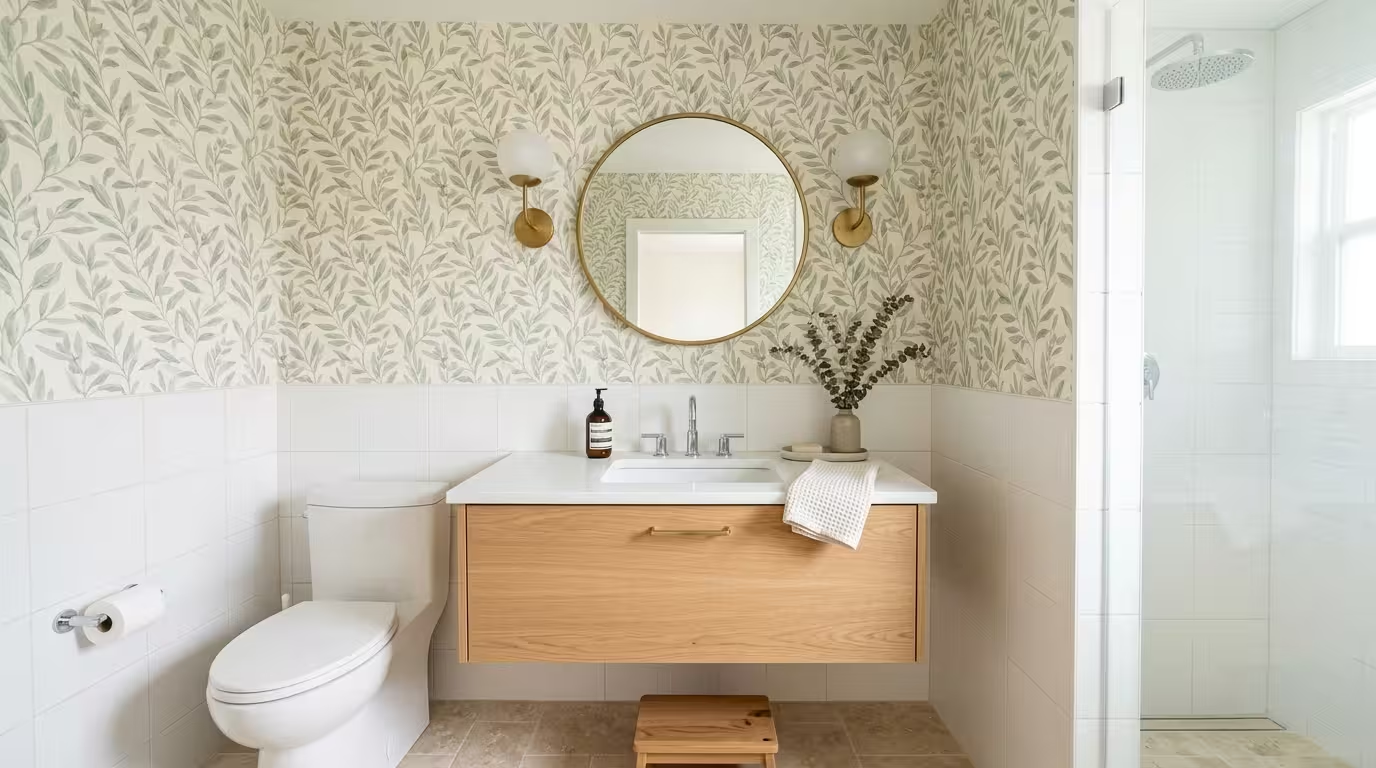
Small bathrooms need discipline. The common mistake is choosing a tiny print because the room is tiny. In reality, small print can become visually noisy. A medium or large-scale pattern often looks cleaner because the eye has space to read the design.
Use one strong wall if you are cautious, or wrap all walls if the room is a powder room and the pattern has enough breathing room. Keep countertop items minimal. Use a mirror with a simple shape. Choose lighting that spreads evenly across the face and walls. The best small-room approach does not fight the space; it gives the eye a clear focal point and removes clutter around it.
Matching Wallpaper With Tile, Fixtures, and Vanities
Wallpaper should not compete with every surface. If your floor tile is patterned, choose wallpaper with a quieter rhythm. If your tile is simple, the wallcovering can carry more detail. With marble or marble-look surfaces, pull one secondary color from the veining instead of matching the main background exactly.
Metal finishes matter too. Chrome and polished nickel feel clean with blue, white, gray, and black patterns. Brass warms up florals, greens, creams, and dark murals. Matte black can sharpen botanical or geometric prints, but too much black may feel heavy in a small bath. The most polished rooms repeat color and finish in small, controlled ways.
Moisture, Ventilation, and Wall Preparation
Wallpaper should not be used to hide moisture problems. If paint is peeling, drywall feels soft, or you see recurring mildew, fix the source before decorating. The EPA advises keeping indoor humidity below 60%, ideally between 30% and 50%, and drying condensation quickly. The CDC advises keeping home humidity no higher than 50%, using bathroom exhaust fans that vent outside, and fixing leaks so moisture does not support mold growth.
Preparation also affects the final result. Walls should be clean, dry, smooth, and properly primed if the product requires it. Remove old, loose paper. Fill dents. Sand rough patches. Let fresh paint cure before applying peel-and-stick material. For pasted wallpaper, follow the adhesive instructions exactly. A beautiful pattern cannot compensate for a damp wall or rushed installation.
Installation Tips for a Cleaner Finish
Start with a plumb line, not the corner. Bathroom corners are often not perfectly straight, especially in older homes. A level guide helps the first strip sit correctly, and every strip after that depends on it. Home Depot’s wallpaper guidance also recommends marking a straight vertical guide for the first strip.
Common Mistakes With Bathroom Wallpaper Ideas
The first mistake is using the wrong material in the wrong bathroom. Delicate paper may survive in a powder room but fail in a steamy bath. The second mistake is ignoring the pattern scale. A busy small room can make a compact room feel restless. The third mistake is stopping the design too abruptly. If wallpaper ends at an awkward outside corner, it can look unfinished.
Another mistake is choosing wallpaper before checking tile undertones. A cream print can look yellow beside cool white tile. A gray pattern can look flat beside warm beige stone. Always order samples and view them in morning and evening light. The most reliable designs are tested in the actual room before a full order is placed.
Budget-Friendly and Renter-Friendly Bathroom Wallpaper Ideas
You do not need to cover every wall. Wallpaper behind the vanity can change the room quickly. A framed panel can create an art-like feature with less material, while wallpaper above beadboard gives a classic look with fewer rolls.
Renters should test peel-and-stick products on a hidden area first. Old paint, matte paint, textured walls, and damp surfaces increase the chance of peeling or damage. Choose low-risk areas such as the wall above the toilet, the vanity wall away from splashes, or the inside of open shelving.
Timeless Patterns That Age Better
Trends can be useful, but bathrooms are expensive to change. If you want a look that lasts, choose patterns with historical roots: stripes, chinoiserie-inspired scenes, small florals, block prints, toile, simple geometrics, and botanical repeats. These styles have already survived changing tastes.
Conclusion:
The best bathroom wallpaper ideas balance style with common sense. A powder room can handle drama. A full bath needs moisture-aware materials. A small room can take a large pattern if the palette is controlled. A large room can feel warmer when wallpaper defines a vanity or dressing zone.
Choose the room type first, then the material, then the pattern. Test samples in real light. Respect humidity. Prepare the wall properly. When those steps are done well, wallpaper becomes more than decoration. It turns an ordinary bathroom into a space with mood, memory, and a clear point of view.