Dreamy Moody Sage Green Home Decor Ideas to Transform Every Room
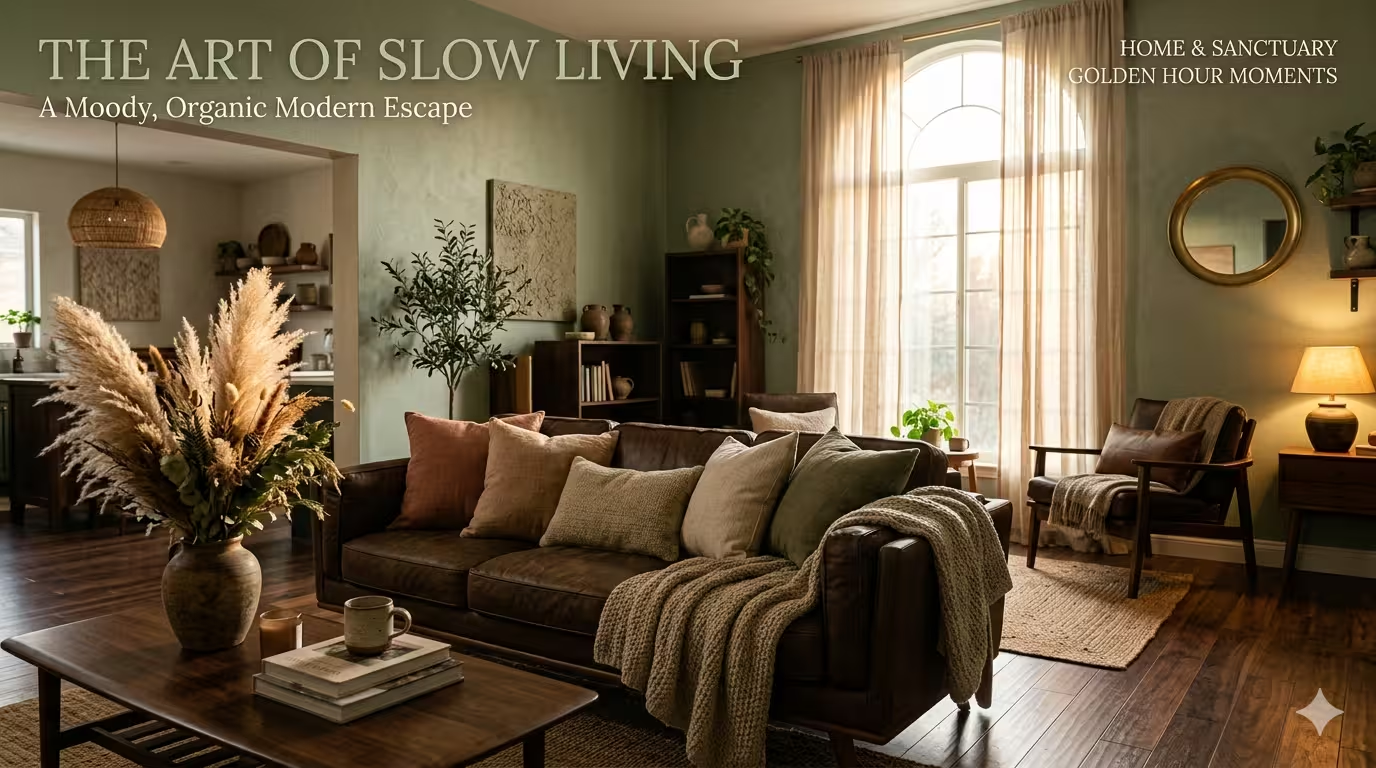
There is something quietly powerful about walking into a room washed in sage green. It does not shout for attention — it earns it. The color sits somewhere between dusty olive and silvery mint, carrying the calm of a misty morning forest. When paired with moody lighting, layered textures, and earthy accents, it creates spaces that feel deeply personal, lived-in, and undeniably beautiful. If you have been drawn to this palette lately, you are in excellent company. These dreamy moody sage green home decor ideas are reshaping how people think about color, comfort, and style across every room in the home.
Why Sage Green Has Become a Defining Color for Modern Interiors
Sage green did not rise to prominence overnight. Color forecasters at Pantone, Sherwin-Williams, and Benjamin Moore have tracked a multi-year shift toward muted, nature-inspired palettes in residential design. Following years dominated by stark white and cool gray, homeowners began craving warmth, depth, and character. Sage green answered that call perfectly.
What makes it so universally appealing is its chameleon quality. In bright, sun-filled rooms, it reads as fresh and airy. In rooms with low light, heavy drapes, and warm-toned bulbs, it deepens into something truly atmospheric — almost mysterious. That moodiness is precisely what makes dreamy moody sage green home decor so compelling. It transforms ordinary rooms into spaces that feel intentional, layered, and designed with care.
Setting the Mood: The Psychology Behind Moody Sage Green Spaces
Color psychology has long associated green with restoration, balance, and connection to nature. Sage green, in particular, carries a subdued quality that promotes calm without inducing drowsiness — a key distinction for living spaces where you want to feel relaxed but still engaged.
The “moody” element enters through contrast and shadow. When you pair a muted sage wall with dark wood floors, aged brass fixtures, and low-hanging pendant lights, you introduce depth that a brighter palette simply cannot achieve. The eye is invited to move slowly around the room, noticing texture, light variation, and carefully chosen objects. This creates a sensory experience that goes well beyond simple decoration. A moody sage green aesthetic is, at its core, a study in thoughtful restraint — every element earns its place.
Dreamy Moody Sage Green Home Decor Ideas for Your Living Room
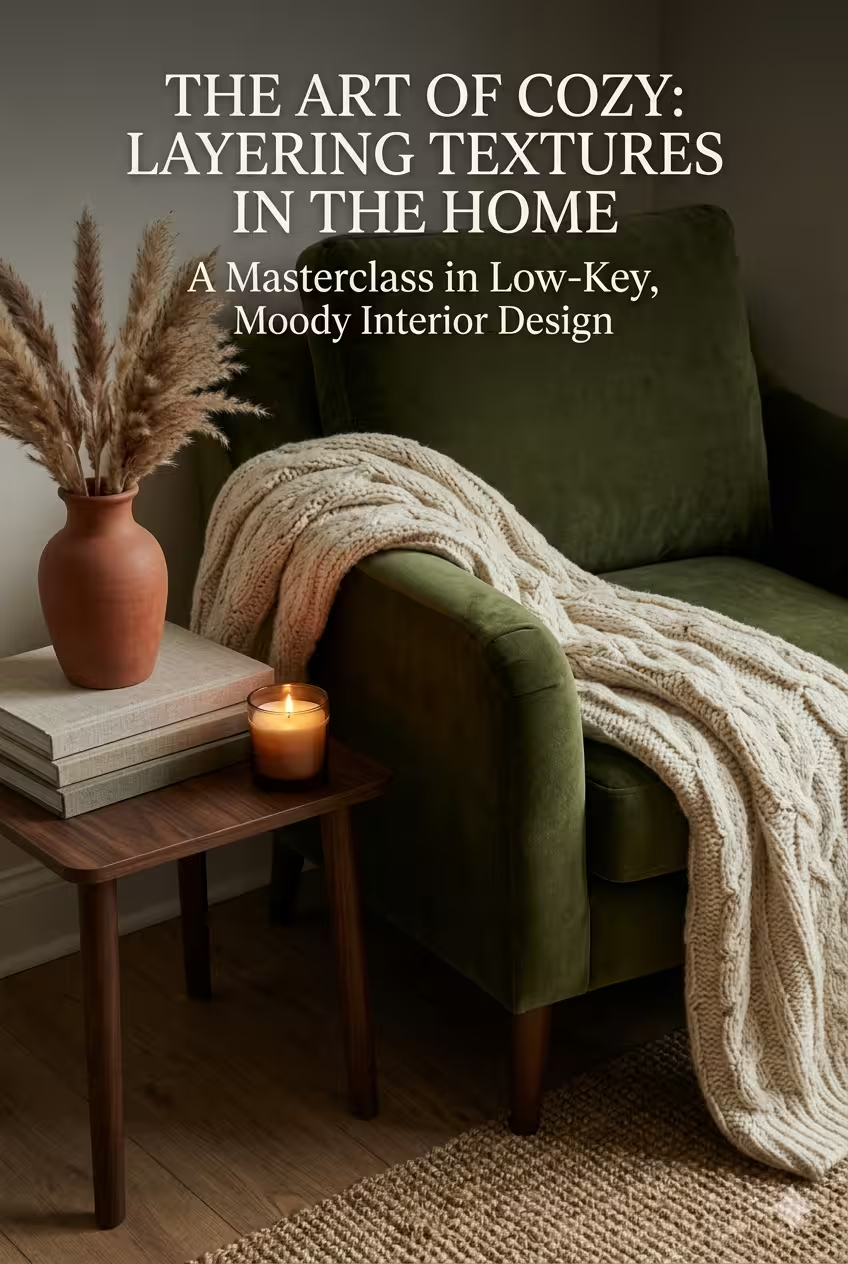
The living room is often where a design vision lives or dies. It is the most-used space in most homes, which means it needs to function well while also making a strong visual statement. Fortunately, sage green is one of the most versatile palettes available for this room.
Layering Textures and Tones
One of the defining principles of a dreamy moody sage green home decor scheme is texture layering. A flat sage wall by itself can fall flat. The magic happens when you introduce a linen sofa in a slightly deeper moss tone, a chunky wool throw in cream, jute or sisal rugs underfoot, and velvet cushions in forest green or dusty terracotta. Each texture catches light differently throughout the day, keeping the room visually dynamic from morning coffee to candlelit evenings.
Do not limit yourself to a single shade of green. Combine sage with deeper eucalyptus tones in plants, olive in ceramics, and pale pistachio in smaller accents. This tonal layering is what separates a flat color scheme from a truly considered interior.
Choosing the Right Furniture and Upholstery
Furniture selection is critical in a moody sage green living room. Natural materials — solid oak, reclaimed walnut, rattan frames, and raw linen — align naturally with the earthy undertones of sage. Avoid high-gloss or chrome finishes, which fight against the organic warmth of the palette. Instead, reach for aged brass hardware, matte black accents, and hand-thrown ceramic table lamps.
If you love layering muted greens with plush upholstery, exploring green couch living room design ideas will give you even more inspiration for anchoring your space with a bold yet earthy centerpiece. A sage or forest green sofa placed against a warm greige wall, flanked by tall terracotta vessels and a sheepskin draped over one arm, hits every note of the moody, dreamy aesthetic.
Sage Green in the Bedroom: Creating a Restful Sanctuary
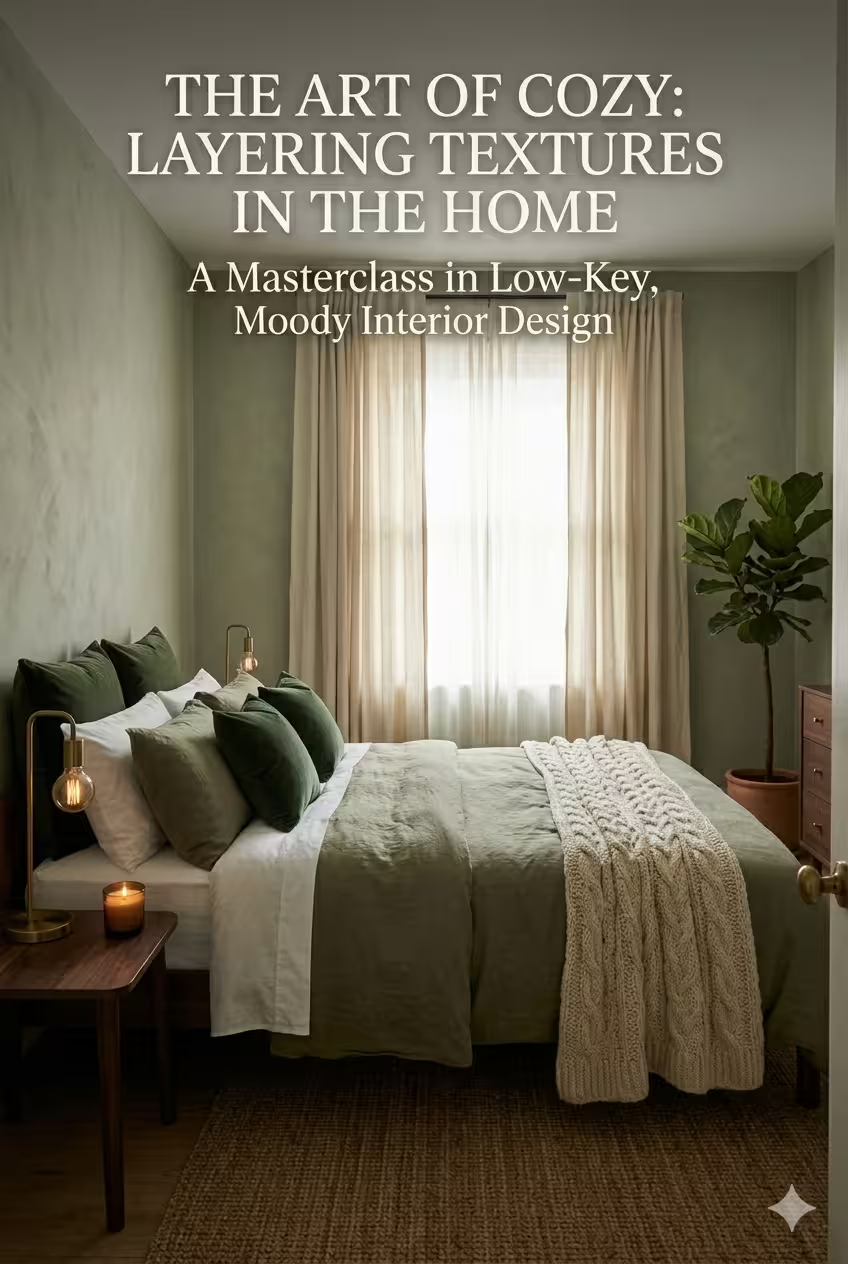
The bedroom may be the most natural home for dreamy moody sage green home decor ideas. Given its restorative qualities, sage green works with the body’s natural desire to decompress at day’s end. The goal is to create a room that feels like a retreat — soft, enveloping, and completely removed from the chaos of the outside world.
Bedding, Curtains, and Wall Treatments
Begin with the walls. A full sage green paint treatment works beautifully in bedrooms, but do not overlook alternative applications. Sage green limewash paint adds texture and variation that flat paint cannot replicate, giving walls a weathered, organic feel. Wainscoting or a sage green accent wall behind the bed are slightly more restrained options that still deliver significant visual impact.
For bedding, layer cotton percale sheets in warm white with a linen duvet cover in sage or dusty olive. Add a velvet quilt at the foot of the bed in a deeper forest tone, and finish with cushions in terracotta, rust, and aged gold. Floor-length linen curtains in a tonal sage or cream, hung high and wide, will frame the room with an elegance that feels effortless.
Lighting That Enhances the Moody Atmosphere
Lighting is where moody sage green bedrooms are truly made or broken. Warm-toned bulbs (2700K–3000K) cast a golden glow that amplifies the earthy, atmospheric quality of the palette. Avoid cool white or daylight bulbs entirely — they strip the warmth out of sage and make it feel clinical rather than dreamy.
Layer your light sources. A statement pendant above the bed, bedside table lamps with linen shades, and perhaps a standing arc lamp in a corner together create the kind of ambient, layered illumination that gives a room its “golden hour” quality at any time of day. Consider a dimmer switch on every circuit — it is one of the most impactful and underrated investments in any moody interior design scheme.
Kitchen and Dining Room Sage Green Decor Ideas
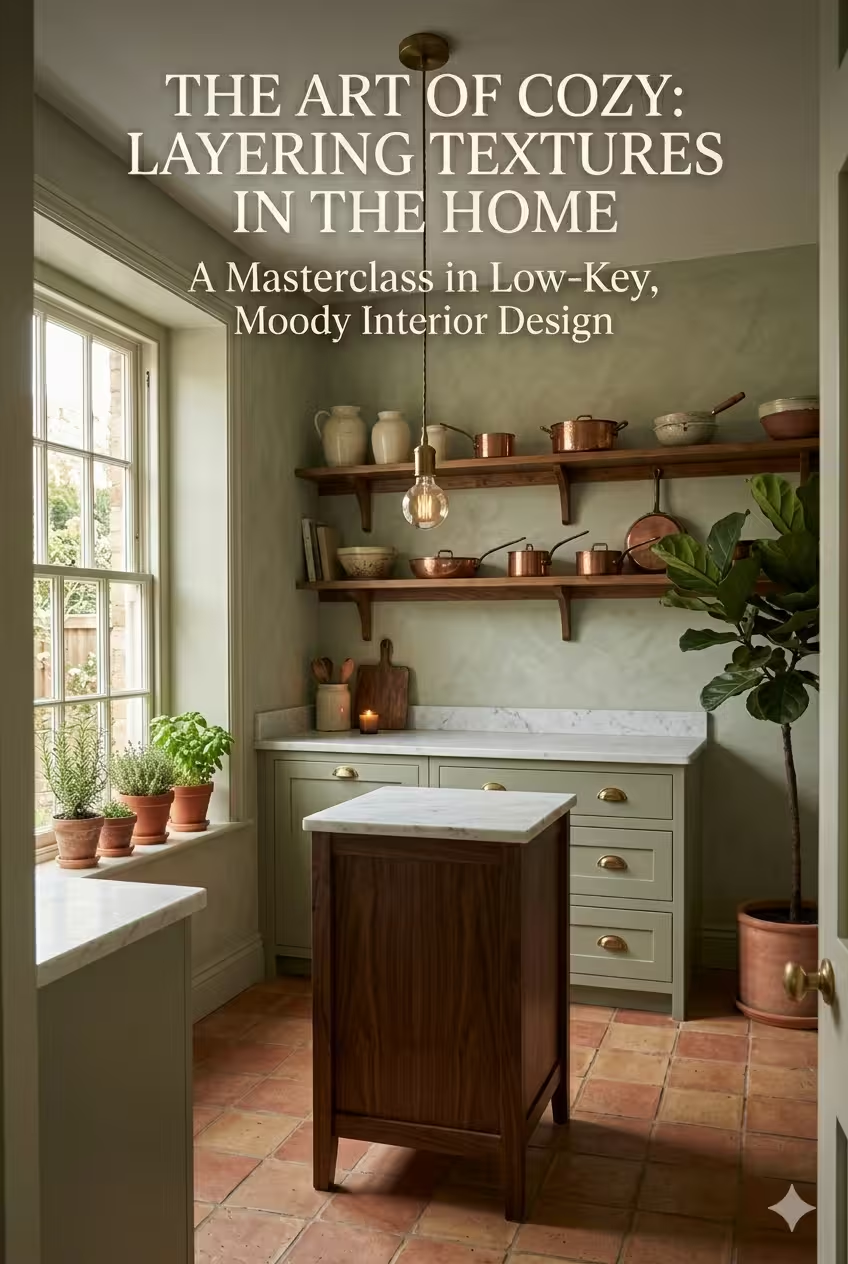
Sage green kitchens have had a remarkable cultural moment, appearing in Architectural Digest, House Beautiful, and countless designer portfolios over the past several years. The color is particularly effective on cabinetry, where it creates a sense of timeless, slightly vintage character without veering into retro territory.
Shaker-style cabinets in sage green paired with unlacquered brass hardware, honed marble or soapstone countertops, and open shelving displaying aged ceramic vessels is a combination that consistently delivers. If a full kitchen renovation is beyond your current scope, consider painting just your lower cabinets or a kitchen island in a muted sage tone for a more manageable transformation.
In the dining room, sage green walls with a dark wooden dining table, upholstered chairs in woven fabric, and a statement chandelier in aged iron create an intimate, dinner-party-ready atmosphere. Linen napkins, taper candles in earthy tones, and handmade ceramic dinnerware complete the sensory picture. These are exactly the kinds of dreamy moody sage green home decor ideas that feel both achievable and genuinely sophisticated.
Sage Green Bathroom Inspiration
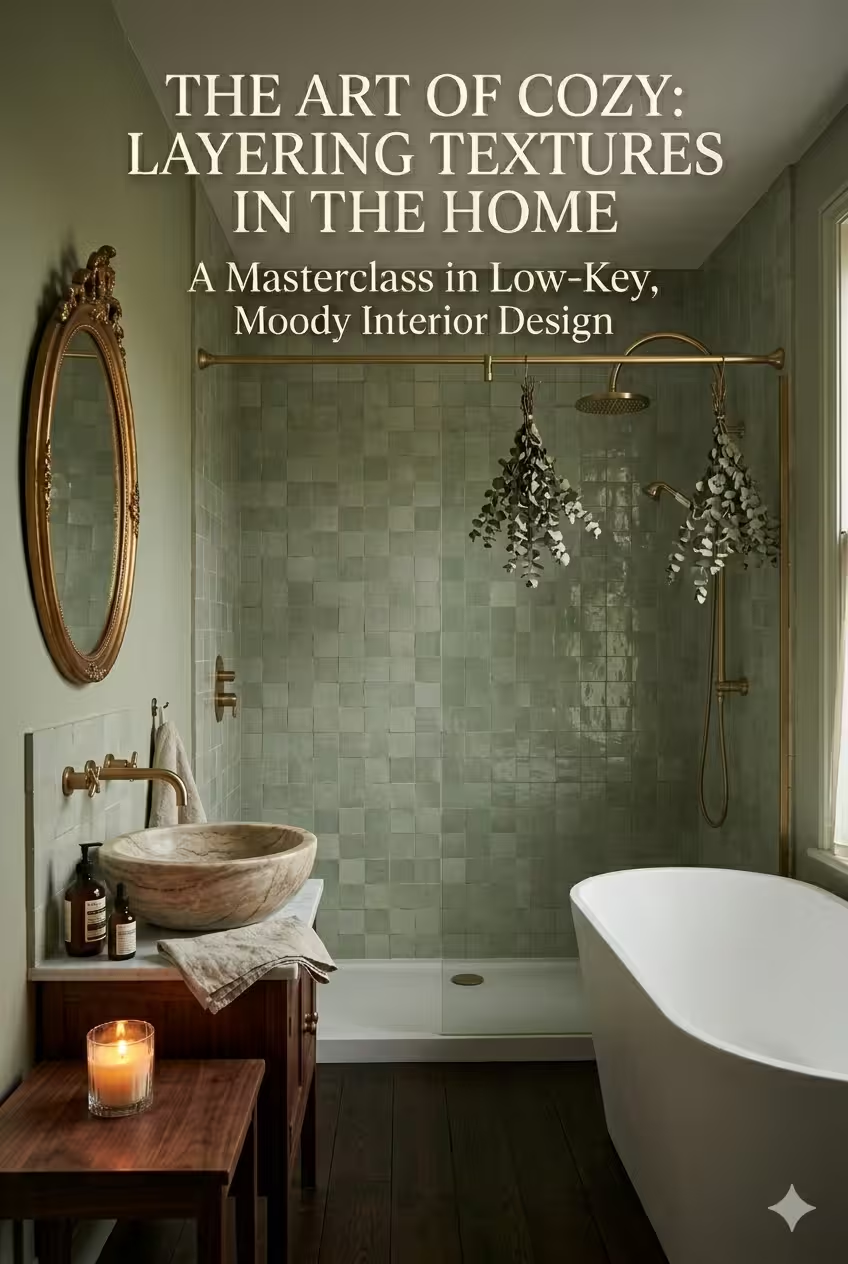
Bathrooms are often overlooked in interior design conversations, but they offer some of the most exciting opportunities for the moody sage green aesthetic. Because bathrooms are typically smaller, you can commit fully to bold design choices without feeling overwhelmed.
Sage green zellige or handmade ceramic tiles used as a full surround in a shower or bath alcove create immediate visual depth. The slight variation in glaze and dimension that characterizes handmade tiles means no two sections of wall look exactly alike — adding the kind of organic complexity that machine-made tiles can never replicate. Pair with brushed brass fixtures, a freestanding soaking tub in white or stone, and dark-stained wood shelving to complete the look.
For powder rooms, do not shy away from going all in. Sage green on all four walls, a vintage mirror with an ornate frame, and a single dramatic ceiling light in aged brass are a powerful combination that leaves a lasting impression on every guest.
Sage Green Accents and Accessories: Small Changes, Big Impact
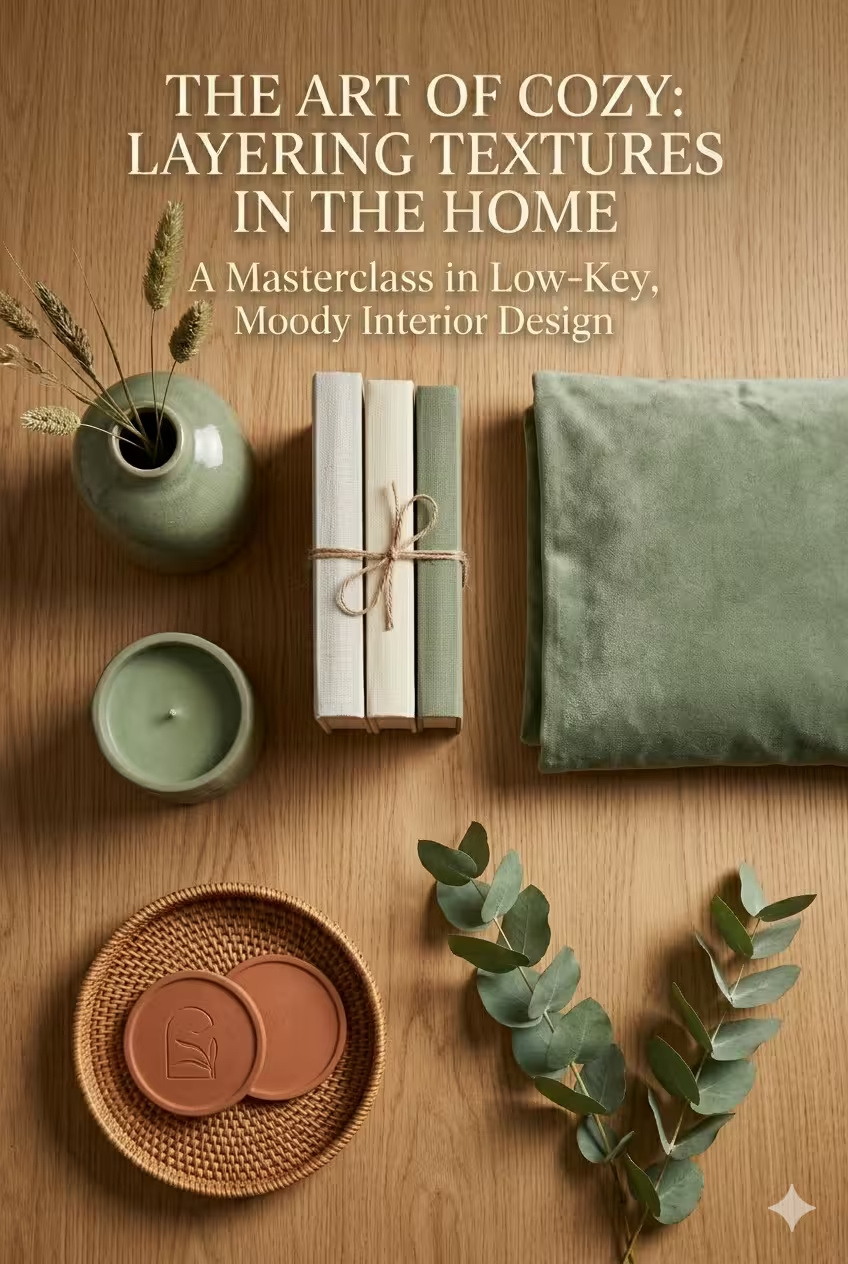
Not every transformation requires paint and cabinetry. Some of the most effective dreamy moody sage green home decor ideas begin with carefully chosen accessories that shift the entire energy of an existing space.
Consider: a sage green ceramic vase displayed on a natural oak console table, a set of sage linen cushion covers swapped onto a neutral sofa, a woven sage throw tossed casually over the arm of a reading chair, or a cluster of sage-toned candles grouped on a coffee table tray. These are low-commitment, reversible changes that immediately begin to build the palette.
Sage green velvet lampshades are another underrated accessory — they cast a warm, tinted glow when lit and add color even when switched off. Similarly, sage green picture frames or a gallery wall with botanical prints in earthy frames instantly connect a room to the natural world without requiring any structural changes.
Pairing Sage Green with Other Colors: A Complete Guide
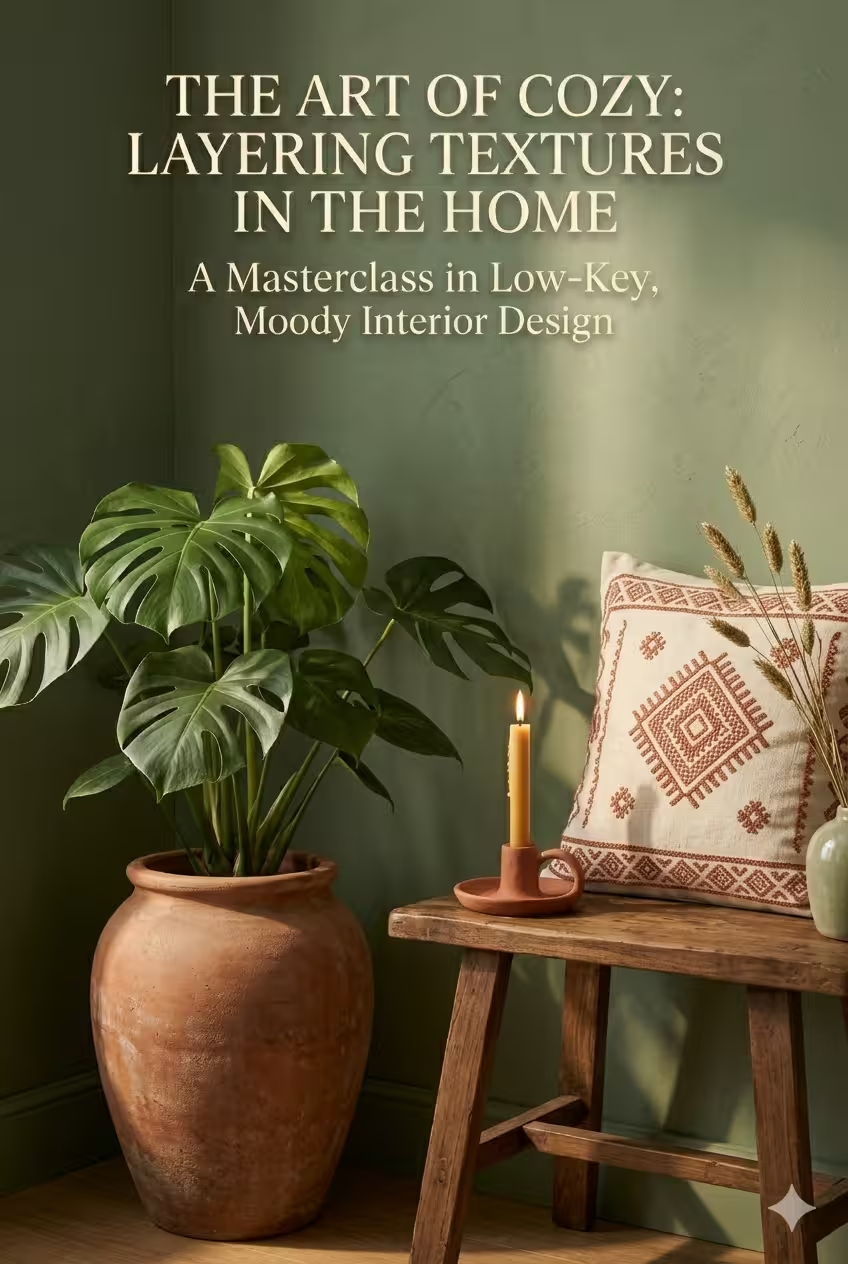
One of the reasons dreamy moody sage green home decor has sustained such widespread appeal is its remarkable compatibility with a broad range of companion colors. Unlike more saturated hues that demand a narrow supporting cast, sage green accommodates the warm, cool, and neutral ends of the spectrum with equal grace.
Sage Green and Terracotta
This is perhaps the most beloved pairing in contemporary interior design. Terracotta’s warm, sun-baked earthiness and sage green’s cool, dusty undertones create a contrast that feels simultaneously vibrant and grounded. Use terracotta in ceramic plant pots, cushion covers, throws, or as an accent wall in a connecting hallway.
Sage Green and Cream or Ivory
For a softer, more luminous effect, pair sage with warm cream or aged ivory. This combination is particularly effective in bedrooms and living rooms where a sense of light and airiness is important. The cream brightens the space while the sage green prevents the palette from feeling too pale or washed out.
Sage Green and Deep Navy or Forest Green
For those who want to lean fully into the moody, dramatic end of the aesthetic, pairing sage with deep navy blue or a rich forest green creates a layered, jewel-toned atmosphere. This works especially well in libraries, home offices, or formal dining rooms where depth and seriousness of tone are desirable. Use the darker color as an accent in upholstery or a single statement wall, letting sage carry the room’s primary palette.
Plant Life and Natural Elements That Elevate Sage Green Decor
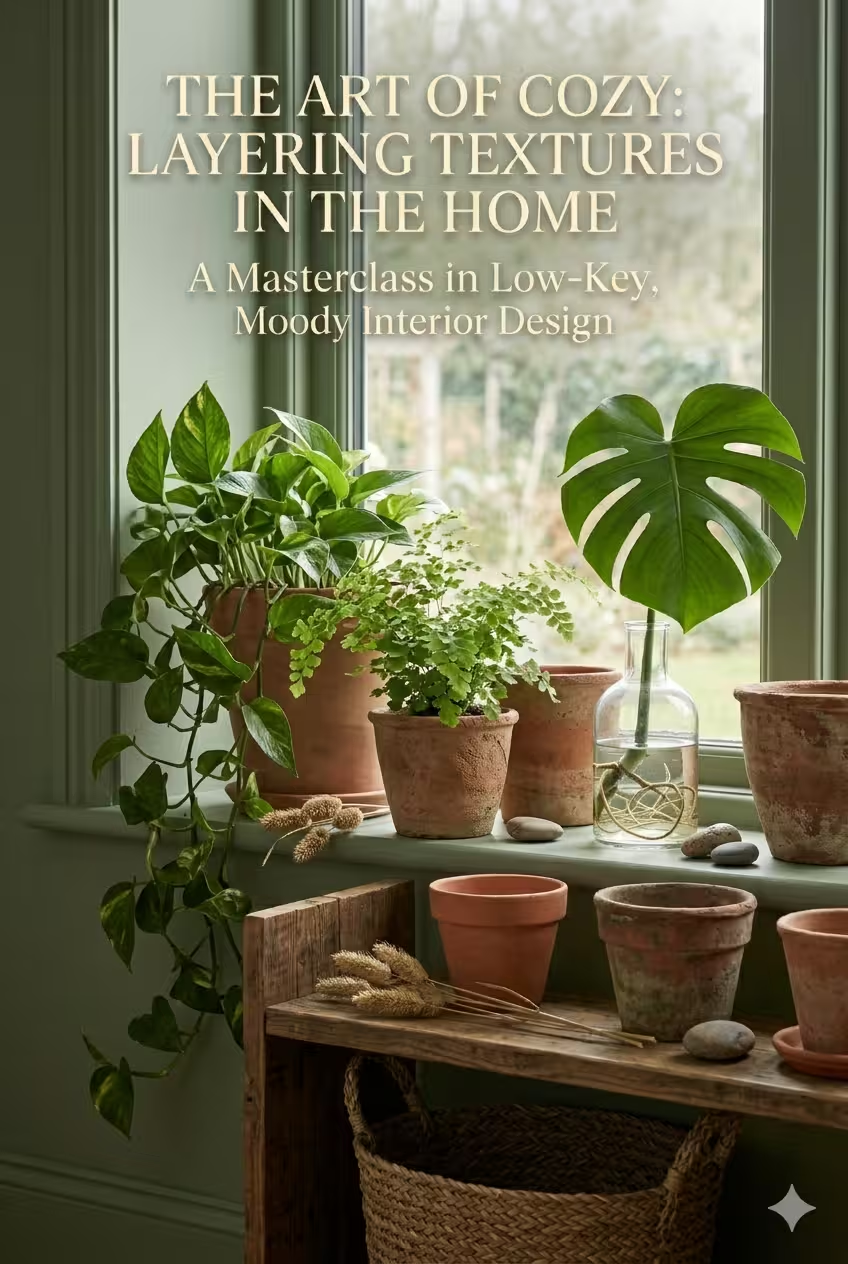
No dreamy moody sage green home decor scheme is truly complete without living plants. The color’s inherent connection to the natural world is reinforced and amplified by the presence of real, breathing greenery throughout the space.
Choose plants with interesting leaf textures and varying shades of green to build a layered botanical moment. Monstera deliciosa with its bold, sculptural leaves, fiddle-leaf figs for vertical height, trailing pothos in hanging planters, and low-lying ferns grouped on shelves all contribute to the lush, organic atmosphere that defines this aesthetic.
Beyond plants, bring in other natural materials: rough-hewn stone coasters, driftwood sculptures, woven seagrass baskets used as storage, raw-edge wooden serving boards, and hand-thrown clay vessels in earthy tones. Each of these elements reinforces the connection to the natural world that is central to the moody sage aesthetic. Sage green pairs beautifully with natural fibers and eclectic layering — which is exactly why boho living room designs make such a compelling companion style for this palette.
How to Style Sage Green in Smaller Spaces
Small rooms often make people nervous about committing to deep, saturated colors — but with sage green, restraint is rarely necessary. Because sage green is inherently muted and desaturated, it does not advance toward the viewer the way brighter colors do. In fact, painting a small room in sage green can create a cocoon-like intimacy that feels intentional rather than cramped.
In a small bedroom or home office, pair full sage green walls with light-colored furniture — a white or natural oak desk, cream linen curtains, and a warm brass desk lamp — to prevent the space from feeling too dark. Keep the floor light if possible, as dark floors in a small room can make the ceiling feel lower. A single large mirror in an ornate frame will add depth and reflect light without disrupting the atmospheric quality of the space.
Common Mistakes to Avoid When Decorating with Sage Green
Even the most beautiful color can be mishandled. Several recurring mistakes prevent dreamy moody sage green home decor ideas from reaching their full potential.
Choosing the wrong undertone is the most common error. Sage green paints vary enormously — some pull gray, others lean yellow-green, and some carry a distinctly blue undertone. Always test paint swatches on your actual wall in both natural and artificial light before committing. What looks perfect on a digital screen or in a paint store may read entirely differently in your specific space.
Over-matching is another pitfall. A room where every object is the same shade of sage green becomes flat and uninspiring. The beauty of this palette lies in its range — from pale celadon to deep eucalyptus — and in how it interacts with contrasting tones.
Finally, neglecting lighting is a mistake that undermines even the most thoughtfully designed space. As noted earlier, warm-toned bulbs are non-negotiable in a moody sage scheme. Pair them with layered light sources, and your room will look dramatically different — and dramatically better — than one lit by a single overhead fixture.
For curated room setups, mood boards, and professional interior styling references, outinteriors is a fantastic resource worth bookmarking when you are ready to move from inspiration to execution.
Conclusion:
The enduring appeal of dreamy moody sage green home decor ideas lies in their ability to create spaces that feel deeply human — warm, layered, and alive. This is not a cold or trend-chasing palette. It is one rooted in the natural world, in organic materials, in the beauty of imperfection and depth. Whether you embrace it across a full room or introduce it gradually through textiles and accessories, sage green has a way of making every space it touches feel more considered and more complete.
The key principles to carry forward are these: layer your tones, invest in warm lighting, choose natural materials wherever possible, and never underestimate the impact of texture. Start with what you have, add intentionally, and let the palette evolve organically over time. The most beautiful moody sage green interiors are rarely designed in a day — they are built slowly, with care, and that patience is always visible in the final result.
Frequently Asked Questions:
1. What paint colors are best for a dreamy moody sage green home decor scheme?
Some of the most recommended sage green paints for moody interiors include Sherwin-Williams’ Retreat (SW 6207), Benjamin Moore’s Rosemary (HC-158), Farrow & Ball’s Mizzle (No.266), and Behr’s Salamander. Always test swatches on your walls first, as lighting conditions significantly affect how each color reads in a specific room.
2. Does sage green work in rooms with very little natural light?
Yes — in fact, low-light rooms can actually benefit from sage green. The muted, grayed quality of the color means it does not require sunlight to look its best. Pair it with warm artificial lighting (2700K–3000K bulbs) and reflective surfaces like mirrors and brass fixtures to brighten the space while maintaining a moody atmosphere.
3. What flooring works best with sage green walls?
Warm-toned hardwood floors — particularly mid-toned oak, walnut, or reclaimed wood — complement sage green beautifully. For a more contemporary approach, large-format stone tiles in a warm beige or taupe also work well. Avoid very cool-toned gray floors, which can clash with the earthy warmth that makes sage green so appealing.
4. Can sage green work in a modern, minimalist interior?
Absolutely. While sage green is often associated with maximalist, layered aesthetics, it transitions naturally into minimalist spaces as well. Use it on a single accent wall, limit your accessory count, and lean into clean-lined furniture with natural material finishes. The color adds warmth and visual interest without disrupting the minimal, uncluttered quality of the space.
5. What colors should I avoid pairing with sage green?
Bright, saturated primaries — particularly stark red, electric blue, or neon yellow — clash with the muted sophistication of sage green. Very cool-toned grays can also strip the warmth from the palette. Stick to earthy, desaturated tones as your companion colors: cream, terracotta, aged gold, rust, warm taupe, and dusty navy all work in harmony with sage.
6. How can I incorporate sage green on a tight budget?
Begin with textiles — cushion covers, throws, curtains, and bedding in sage green are relatively low-cost and reversible. Next, look for sage green ceramics and vases at thrift stores or artisan markets. If you are ready to paint, focus on a single feature wall or an accent piece of furniture rather than a full room. These incremental steps can dramatically shift the palette of any space without significant expense.
7. Is sage green a timeless color or just a trend?
Sage green has roots in Georgian, Victorian, and Arts & Crafts interior traditions — it is far older than its current popularity suggests. While any color can be trendy in a specific moment, sage green’s connection to nature, its neutrality, and its compatibility with a wide range of styles mean it has genuine staying power. Unlike more saturated on-trend colors that date quickly, sage green ages gracefully, which is one of the strongest arguments for committing to it as a long-term interior choice.