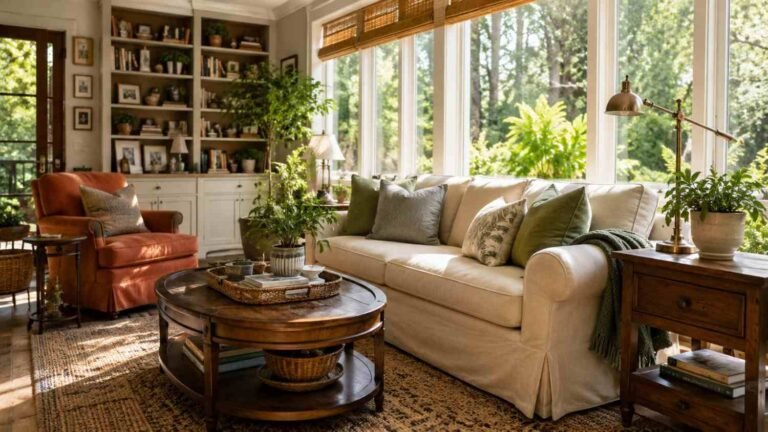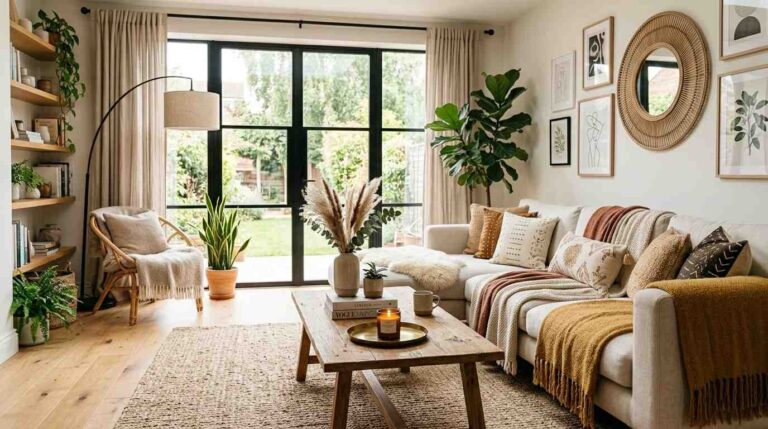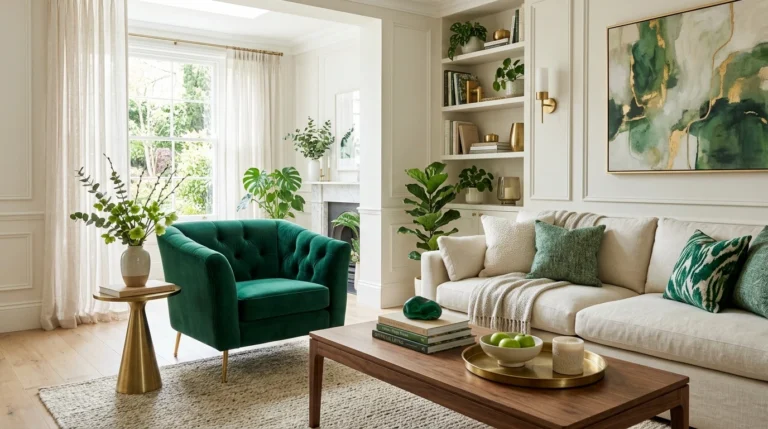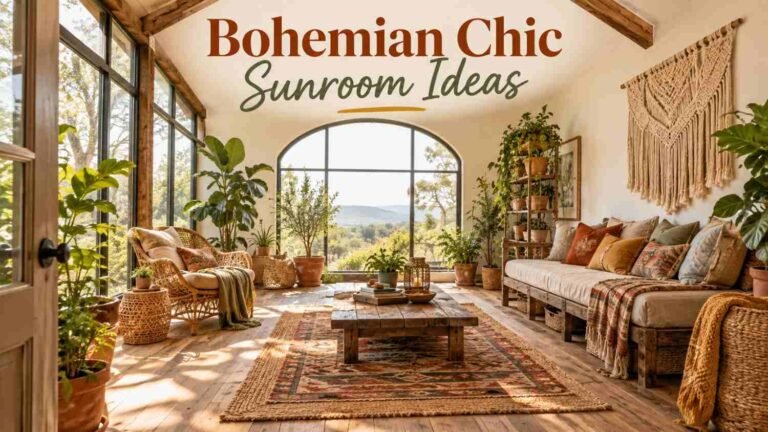
Boho Living Room Designs: A Warm, Layered Guide for a Relaxed Home
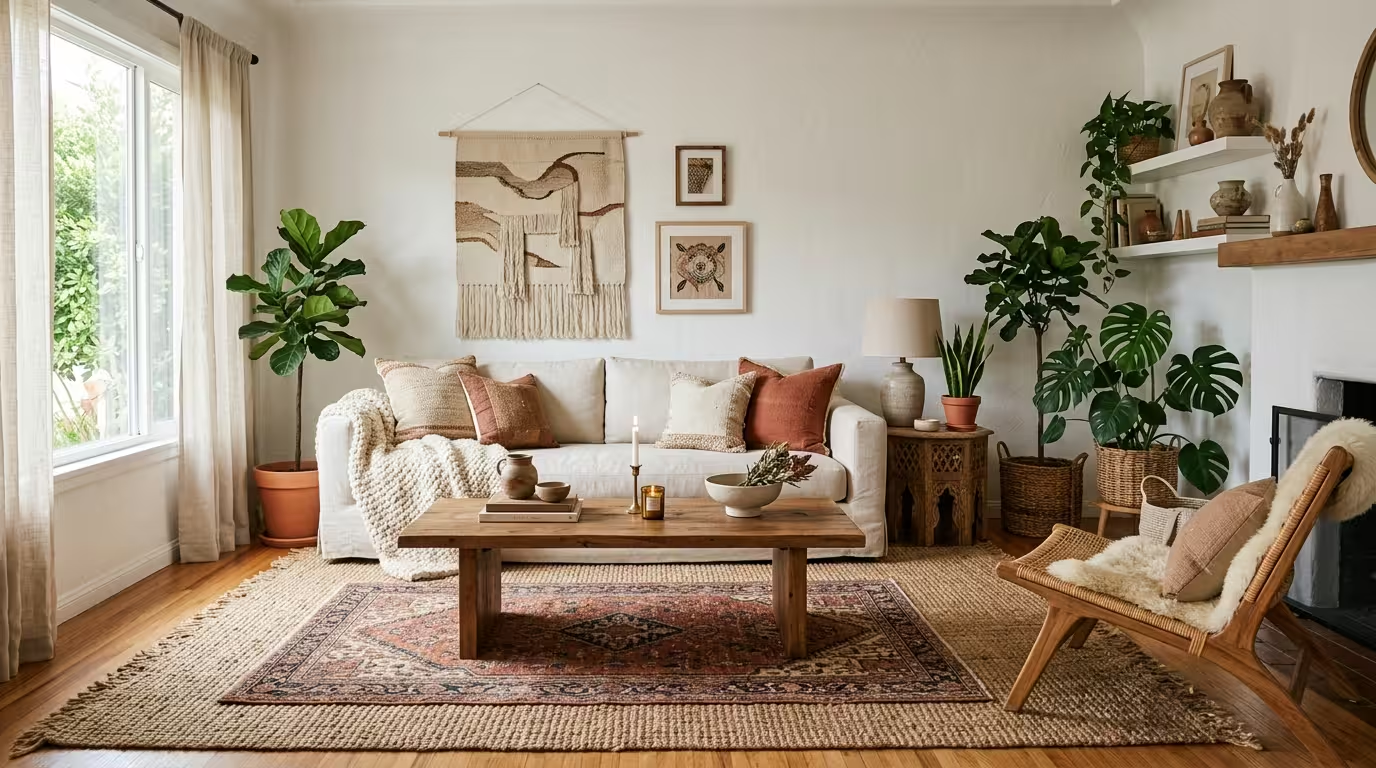
A beautiful living room should feel like it belongs to real life, not only to a photo. That is why boho living room designs continue to feel so inviting. They allow a home to look relaxed, creative, and personal while still feeling polished. A woven rug, a soft sofa, a few handmade accents, and warm evening light can turn a plain room into a space with soul. The key is balance. Boho style is not about filling every corner. It is about choosing textures, colors, and objects that feel collected with care.
What Makes a Boho Living Room Feel Right?
Boho style comes from a love of artistic, informal, and unconventional living. In home design, that feeling becomes a mix of comfort, craft, travel-inspired detail, vintage character, and natural texture. The best rooms do not look perfectly matched. They look layered over time. A clay vase may sit beside a modern lamp. A linen sofa may hold patterned pillows. A rattan chair may soften a corner that once felt empty. These choices work because they create rhythm, not clutter.
Why Boho Living Room Designs Still Feel Fresh in 2026
In 2026, living rooms are leaning toward warmer palettes, tactile materials, organic shapes, and spaces that feel personal rather than cold. This makes boho living room designs especially useful because the style already depends on natural fibers, layered textiles, handmade accents, and relaxed furniture. Instead of chasing a single trend, the room can evolve slowly. You can keep the sofa you love, add a new jute rug, bring in a curved coffee table, and refresh the room with plants, art, or curtains. The result feels current without looking disposable.
For a softer evening mood, explore our guide to living room lighting design ideas before choosing lamps or pendant lights.
Start With a Grounded Color Palette
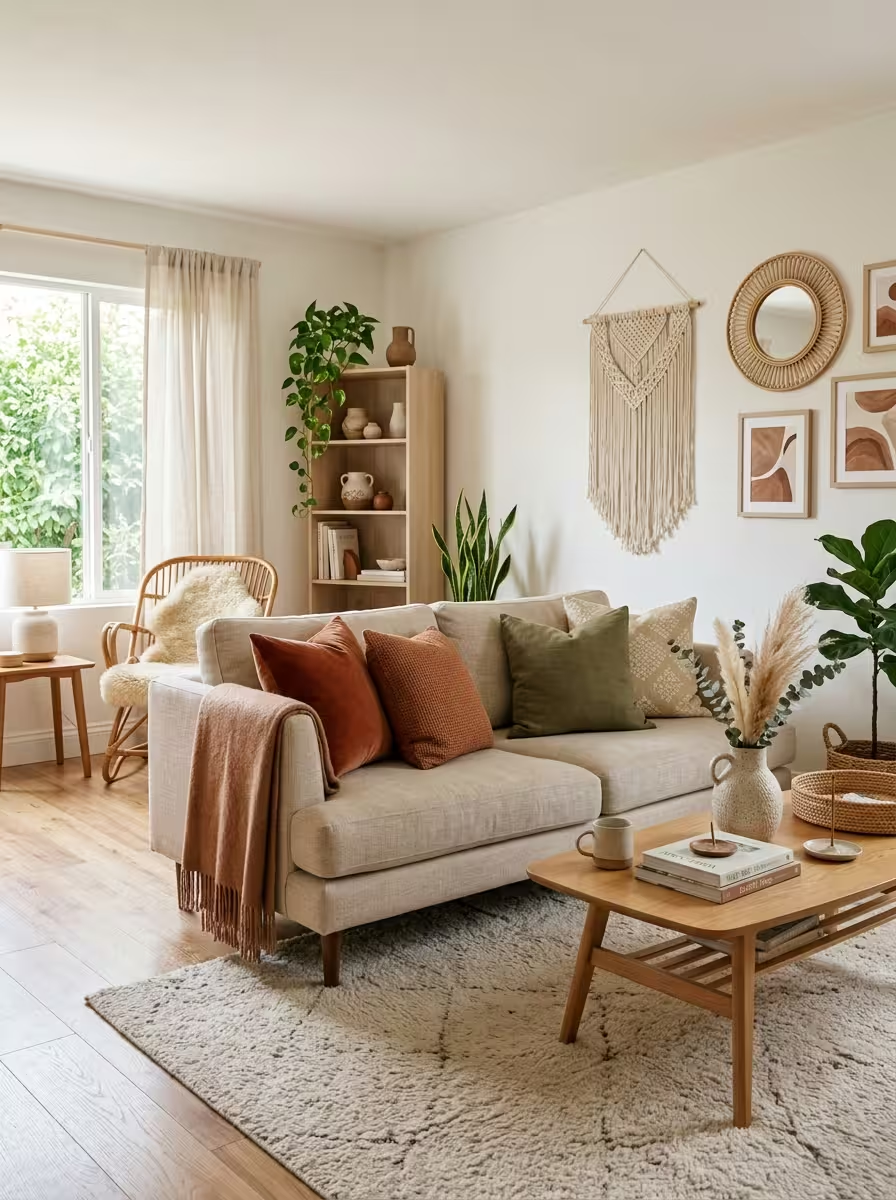
A strong boho room usually begins with a calm base. Think cream, warm white, sand, oatmeal, mushroom, camel, or soft taupe. These colors make the room feel open and easy to live in. Then add earthy accents such as terracotta, rust, olive green, mustard, clay brown, or muted blue. This approach keeps the space peaceful while giving it depth. If every item is bold, the room can feel busy. If every item is pale, it may feel flat. Boho living room designs work best when quiet tones and expressive details share the room.
Try a Simple 60-30-10 Color Formula
Use about 60 percent of the room for your base color, 30 percent for natural wood and woven materials, and 10 percent for stronger accent colors. For example, a cream sofa and warm walls can form the base. A jute rug, rattan chair, and wood table can build the middle layer. Rust pillows, olive pottery, and patterned art can create the final spark. This formula is not strict, but it helps prevent the room from becoming visually heavy. It also makes shopping easier because every new item has a clear purpose.
Choose Natural Materials With Real Texture
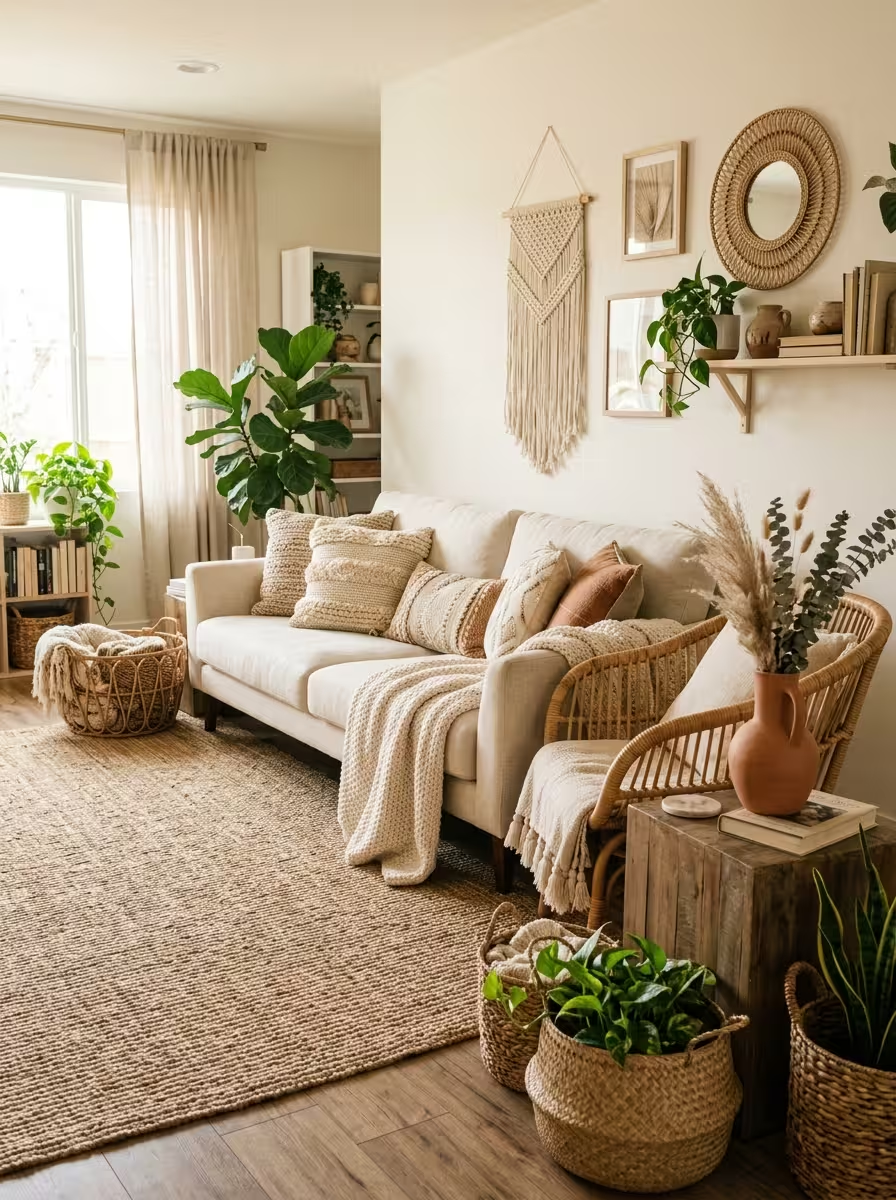
Texture is the heart of boho decorating. Choose materials that look and feel natural, such as rattan, bamboo, jute, seagrass, linen, cotton, wool, clay, stone, and unfinished wood. A room with many smooth surfaces can feel cold, even if the colors are warm. A woven basket, nubby throw, carved side table, and rough ceramic lamp add touchable detail. Boho living room designs become more convincing when the materials have small imperfections. Those marks make the space feel human, calm, and lived in.
Build the Room Around Comfortable Seating
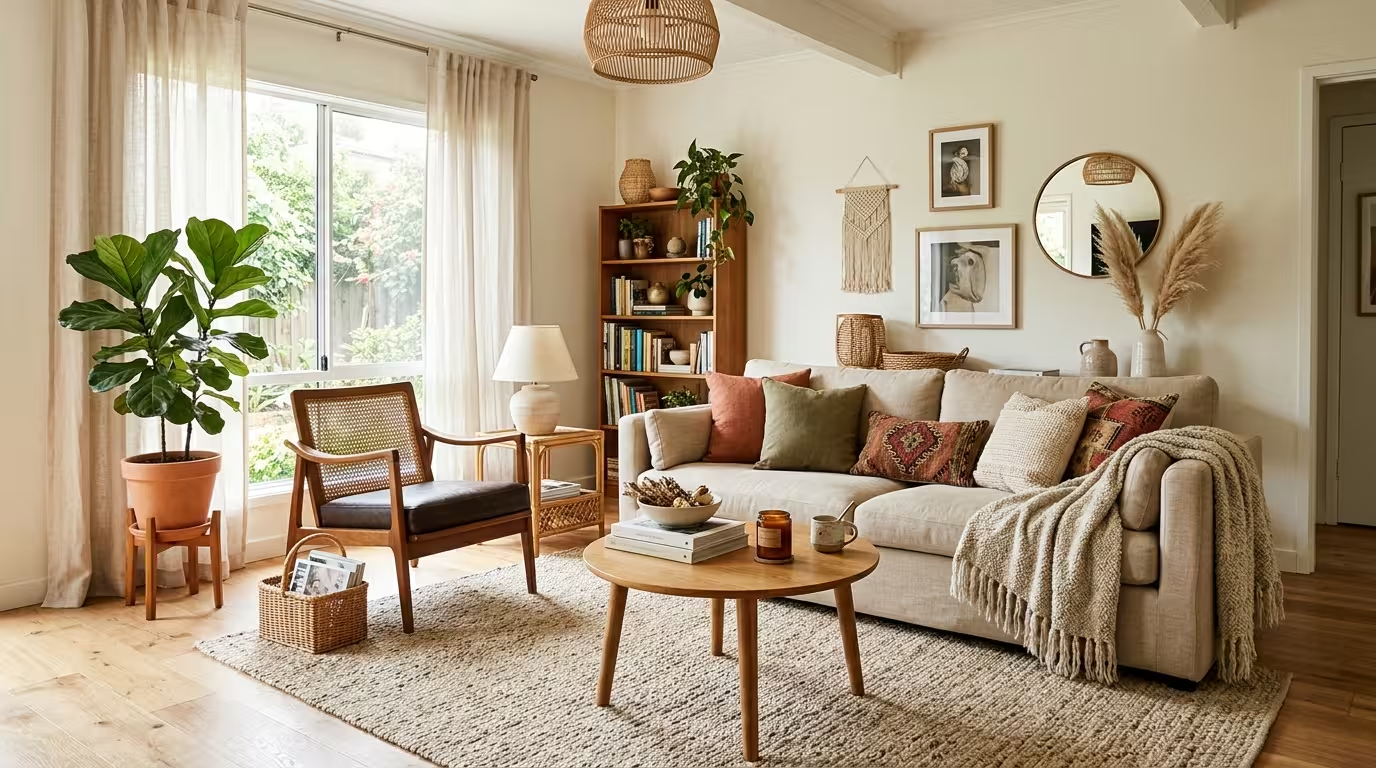
The sofa is usually the anchor. For a boho look, choose seating that feels relaxed rather than stiff. A low-profile sofa, slipcovered couch, deep sectional, or curved loveseat can all work. The fabric matters. Linen blends, cotton, velvet, bouclé, and soft performance fabrics create a welcoming mood. If you already own a simple sofa, you do not need to replace it. Add personality with layered pillows, a textured throw, and a small accent chair. Boho living room designs often feel strongest when one big piece stays simple, and the smaller pieces carry the character.
Add One Accent Chair With Personality
A single accent chair can change the entire room. A cane chair adds vintage warmth. A leather butterfly chair brings casual character. A bouclé lounge chair gives the room a modern edge. A patterned slipper chair can introduce color without painting the walls. Place the chair near a window, beside a plant, or across from the sofa to create conversation. Avoid buying every piece from the same set. A slight mix of finishes is what gives the space its collected feeling.
Layer Rugs, Pillows, and Throws Without Clutter
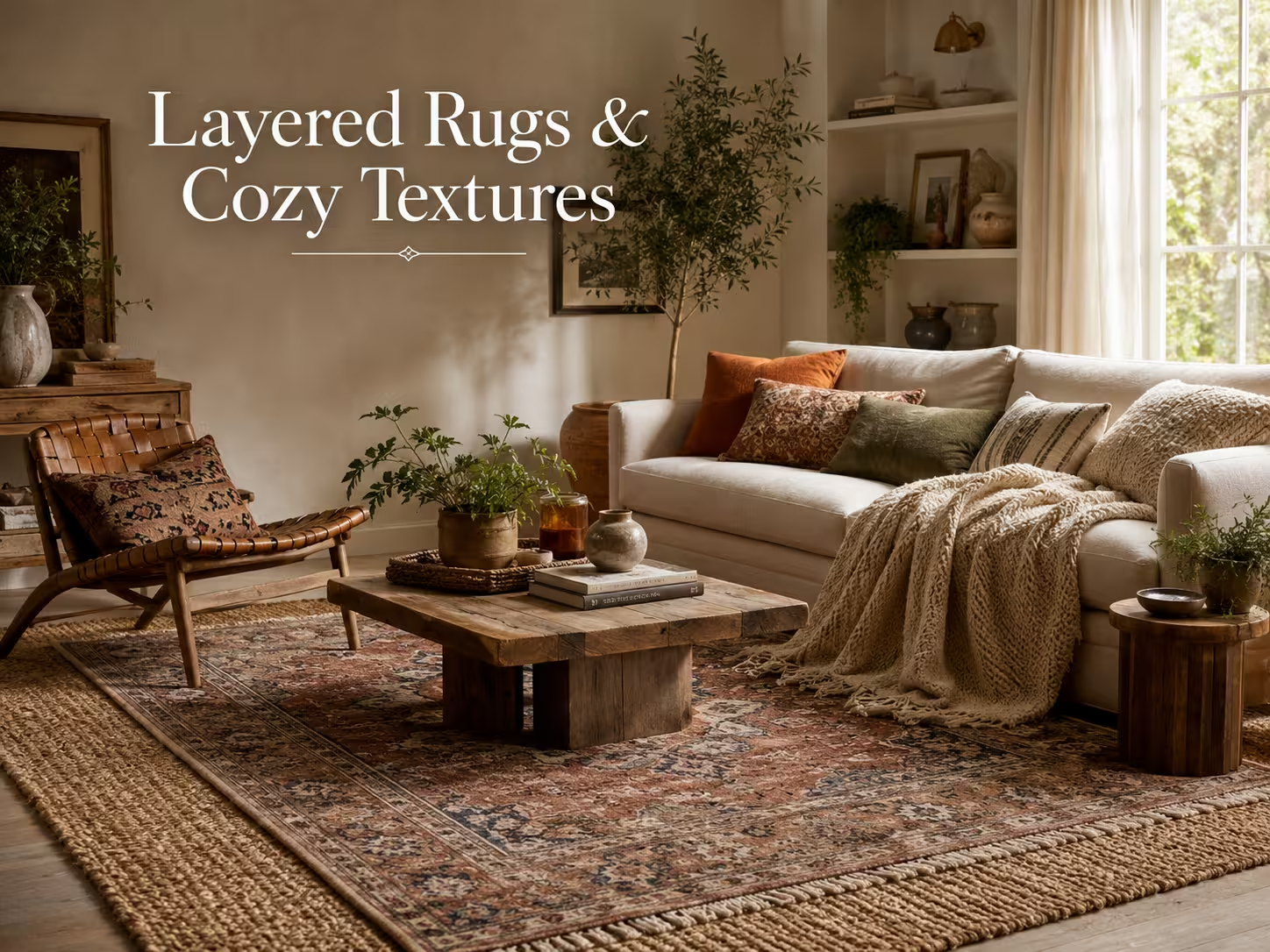
Layering is a signature of boho style, but it needs control. Start with one large rug that fits the seating area. Ideally, the front legs of the sofa and chairs should sit on the rug. A jute or sisal rug works well as a base because it adds texture without too much pattern. You can layer a smaller vintage-style rug over it for color. For pillows, mix sizes instead of using many identical pieces. Try linen, velvet, woven cotton, tassels, or subtle embroidery. Boho living room designs should feel soft and relaxed, not overcrowded.
Use Pattern With Intention
Pattern brings energy, but too many competing prints can make the room hard to read. Choose one main pattern, such as a kilim rug, block-print pillow, or large wall textile. Then support it with smaller patterns in similar colors. Stripes, simple geometrics, and small florals are easier to blend than large prints in unrelated palettes. If the rug is colorful, keep the pillows calmer. If the sofa is plain, let the pillows and wall art speak. This balance keeps the room expressive while still being easy on the eyes. It should welcome daily use, conversation, and quiet evenings.
Use Lighting to Create a Soft Evening Mood
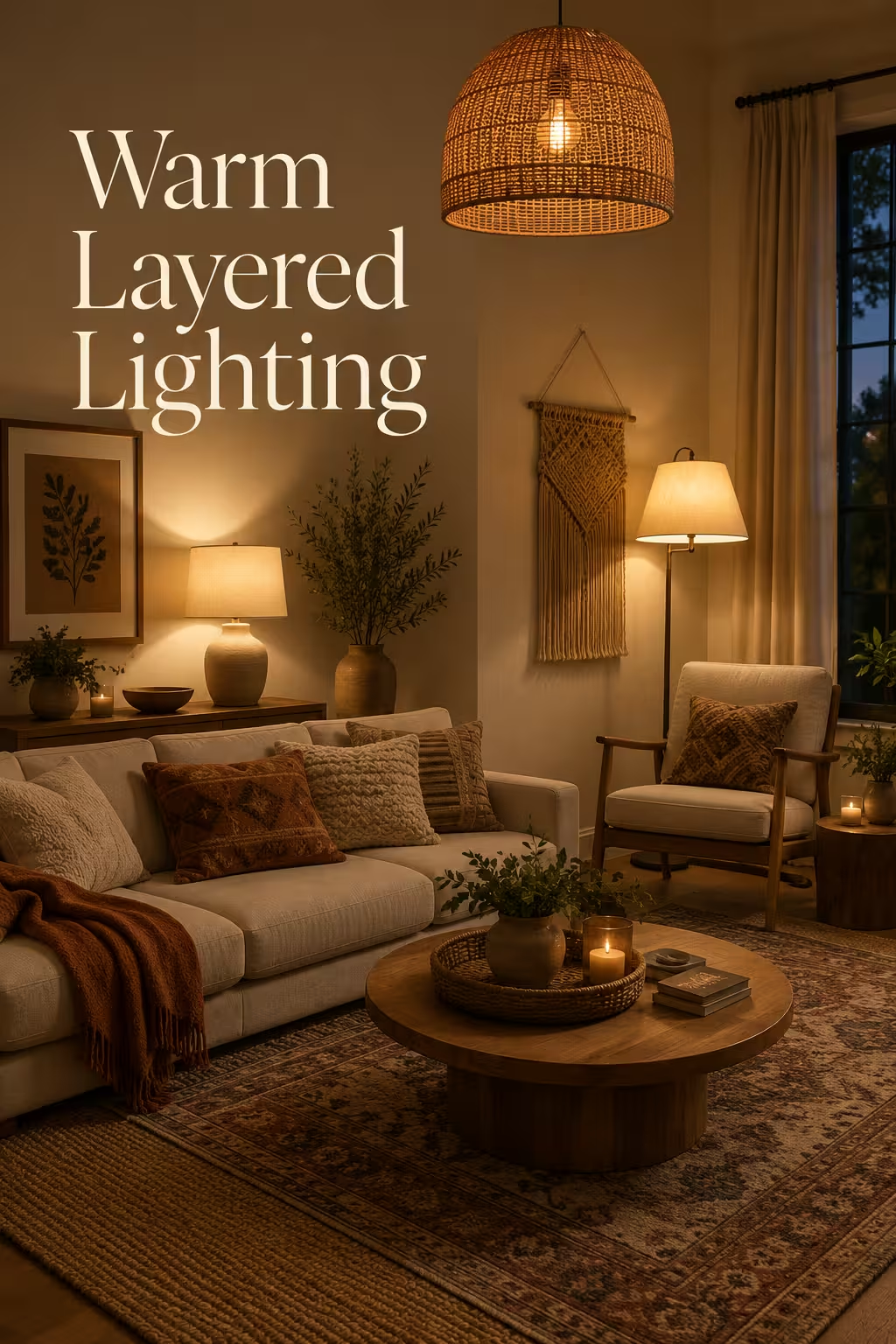
Lighting can make or break a boho room. Overhead lighting alone often feels harsh. Use at least three light sources: one general light, one task light, and one soft accent light. A woven pendant, rattan floor lamp, ceramic table lamp, or shaded wall sconce can bring warmth at night. Choose warm bulbs instead of cool white bulbs for a calmer atmosphere. Boho living room designs look best when light falls softly across the texture. A lamp beside a chair, a small light near a bookshelf, and candles on a tray can make the room feel finished.
Style Walls With Art, Mirrors, and Handmade Detail
Blank walls can make a boho room feel unfinished. Still, not every wall needs to be full. Choose pieces that create meaning and texture. Framed prints, woven wall hangings, baskets, mirrors, floating shelves, and handmade ceramics can all work. A large mirror helps reflect light in a smaller room. A gallery wall feels personal when it mixes art sizes and frame finishes with care. Leave breathing space around each piece. This gives the eye a place to rest and keeps the room from feeling like a store display.
Add Plants and Organic Shapes for Life and Movement
Plants are one of the easiest ways to soften a living room. A tall fiddle leaf fig, rubber plant, olive tree, snake plant, or pothos can add height, color, and movement. Use baskets, clay pots, or simple ceramic planters to keep the look grounded. If you do not have bright light, choose low-light plants or realistic faux greenery. Organic shapes also help. A round coffee table, an arched mirror, a curved lamp, or an irregular ceramic bowl breaks up straight lines and makes boho living room designs feel more natural.
To complete the layered look, pair your rugs and wall colors with these living room curtain ideas.
Modern Boho Rooms for Small Spaces
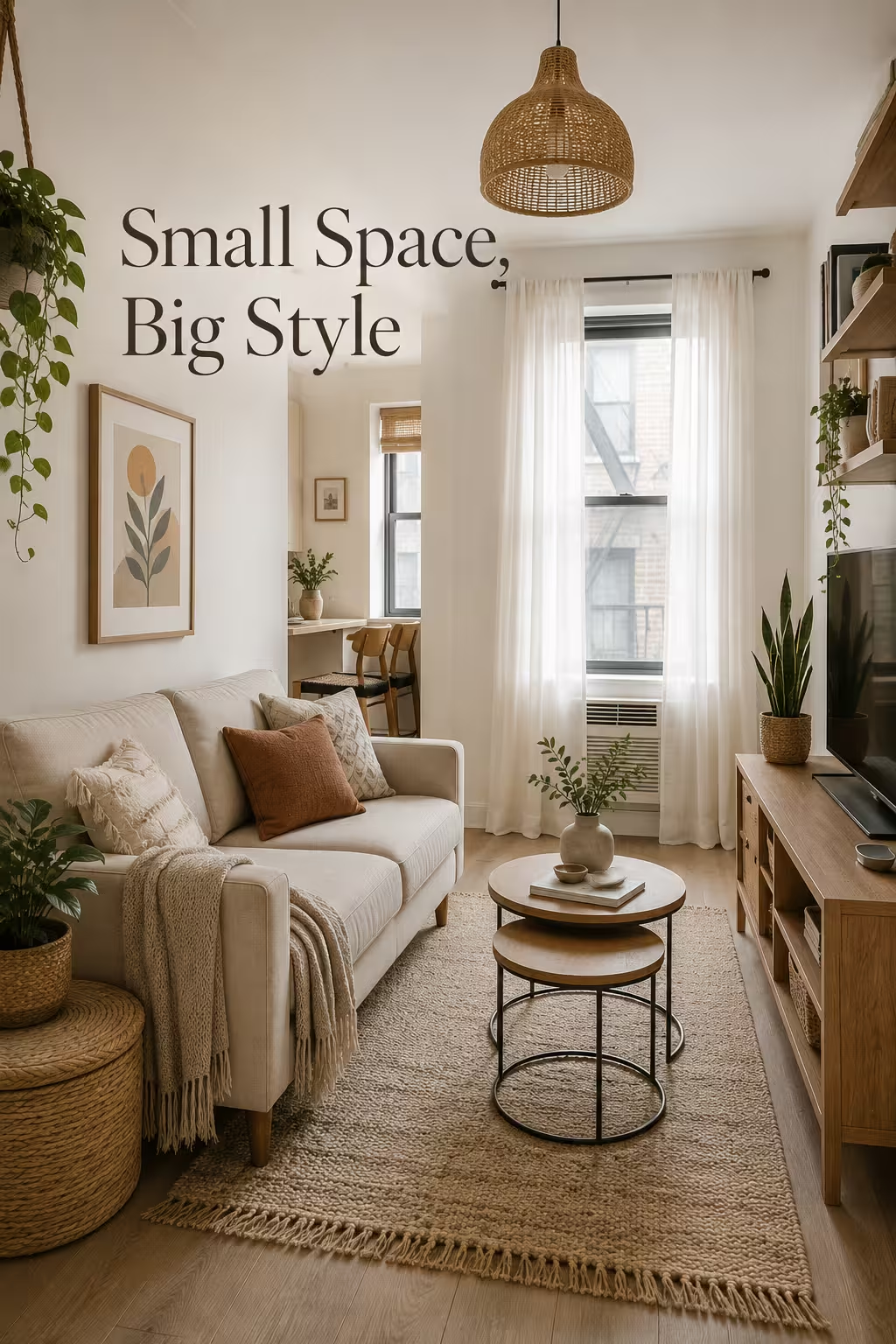
Small rooms need editing, not less style. Choose furniture with visible legs so the floor feels more open. Use one large rug instead of several small rugs. Hang curtains close to the ceiling to make the walls look taller. Pick a coffee table with storage, a slim console, or nesting tables that can move when needed. Keep the color base light, then add texture through pillows, baskets, and art. In a small apartment, boho living room designs should focus on warmth, comfort, and clear walking paths.
Make One Corner Work Harder
A small boho room can gain charm from one well-planned corner. Place a reading chair, small side table, plant, and floor lamp together. Add one pillow and a throw. This creates a cozy zone without changing the whole layout. If there is no space for a chair, use a low pouf or woven ottoman. The corner can become a reading spot, a tea spot, or a quiet place to unwind. Small details matter more when the room has limited square footage.
Renter-Friendly Boho Rooms
Renters can create a warm room without permanent changes. Use removable wallpaper on one wall, peel-and-stick floor tiles around a fireplace, plug-in wall sconces, and tension rods for curtains. Large rugs can hide plain floors. Freestanding bookshelves create storage without built-ins. Command hooks can hold light wall decor, baskets, or small frames. If painting is not allowed, bring color through art, throws, lampshades, and textiles. Boho living room designs are renter-friendly because the style depends more on layers and personal items than on expensive renovations.
Budget-Friendly Boho Rooms That Look Collected
A boho room does not need to be expensive. In fact, too many brand-new pieces can make it feel less authentic. Thrift stores, estate sales, local markets, and handmade shops are useful places to find baskets, pottery, lamps, side tables, and framed art. Spend more on items you touch every day, such as the sofa, rug, and curtains. Save on smaller accessories that can change with the season. The goal is not to copy one room exactly. The goal is to build a space that fits your life, budget, and taste.
What to Buy First
Start with the largest visual pieces. Choose a rug that fits the seating area, then decide whether the sofa needs new pillows or a throw. After that, add lighting. Lamps often make a bigger difference than small decor. Finally, bring in plants, baskets, trays, and wall art. This order keeps the room from becoming a collection of random accessories. It also prevents overspending on small items before the main pieces are solved.
Boho Living Room Styles by Mood
Boho style can lean in many directions. For a desert-inspired room, use terracotta, cream, clay, leather, cactus plants, and black metal accents. For a coastal boho room, choose white walls, driftwood tones, linen curtains, rattan, and soft blue or sea-glass green. For a modern boho room, keep the palette neutral and add sculptural furniture, oversized art, and fewer accessories. For a vintage boho room, bring in a worn rug, antique wood table, brass lamp, and framed art with patina. Each version works when the room feels layered, comfortable, and personal.
Common Mistakes to Avoid in Boho Living Room Designs
The first mistake is using too many small decorations. A room can have personality without covering every surface. The second mistake is choosing pieces only because they look boho, not because they fit your home. The third mistake is ignoring scale. A tiny rug, short curtains, or an undersized lamp can make the whole room feel unfinished. Another mistake is using one texture everywhere. Too much rattan or too many tassels can feel repetitive. Boho living room designs look better when natural materials, smooth surfaces, fabric, wood, and greenery work together.
For more home styling inspiration, visit outinteriors and explore practical ideas for every room.
Keep the Room Easy to Clean
A beautiful living room still needs to function. Use washable pillow covers, baskets for quick storage, trays for remotes, and rugs that suit your household. If you have pets or children, choose performance fabric, darker patterns, and sturdy tables with rounded edges. Keep delicate items higher up. Avoid placing too many objects on the coffee table if it is used daily. A practical room feels more relaxing because you are not constantly worried about maintaining it.
Simple Shopping Checklist
Before buying anything new, look at what the room already has. Ask whether the space needs warmth, height, softness, storage, better lighting, or a stronger focal point. Then shop with a short list. Useful pieces include a large rug, relaxed sofa, accent chair, layered pillows, warm lamp, woven basket, plant, curtains, wall art, and a textured throw. Choose fewer items with better shape and material. This keeps the room calm and prevents waste. Boho living room designs should never feel rushed. They are meant to grow slowly.
Conclusion:
The best boho living room is warm, layered, and easy to enjoy. It does not need to be perfect, expensive, or filled with matching furniture. Start with a grounded color palette, add natural textures, choose comfortable seating, and use lighting that makes the room feel soft in the evening. Then bring in plants, art, rugs, and personal pieces that tell a quiet story. When each choice has a purpose, boho living room designs can feel relaxed, stylish, and deeply personal for years.
Frequently Asked Questions:
What colors work best for a boho living room?
Warm neutrals are the easiest base. Try cream, sand, oatmeal, taupe, or soft white. Then add earthy colors such as terracotta, rust, olive green, mustard, clay, or muted blue. This mix keeps the room calm while still giving it personality and depth.
How do I make a boho living room look modern?
Use fewer accessories, cleaner furniture lines, and a limited color palette. Add texture through rugs, curtains, pillows, and natural materials. Choose one or two statement pieces, such as a curved chair, oversized art, or sculptural lamp, instead of filling every corner.
Can boho style work in a small apartment?
Yes. Use light wall colors, a properly sized rug, slim furniture, wall-mounted shelves, tall curtains, and multi-use storage. Keep the walking path open. A small room can still feel layered when the main pieces are scaled correctly.
What is the difference between boho and boho chic?
Boho is more relaxed, artistic, and collected. Boho chic is usually more polished and edited. It may use cleaner lines, softer colors, and carefully chosen accents. Both styles can work well, but boho chic often feels slightly more refined.
What furniture is best for this style?
Relaxed seating works best. Look for linen sofas, low-profile sectionals, cane chairs, leather poufs, carved wood tables, and woven benches. The furniture should feel comfortable and natural rather than formal or overly glossy.
How can I decorate this way on a budget?
Start with a rug, pillows, lighting, and plants. Shop secondhand for baskets, pottery, frames, and small tables. Keep your larger furniture simple, then use affordable textiles and handmade details to create warmth and character.
Are plants required for a boho living room?
Plants are not required, but they help. They add color, height, texture, and life. If your room has low light or you do not want plant care, use dried stems, branches, preserved greenery, or a small number of realistic faux plants.