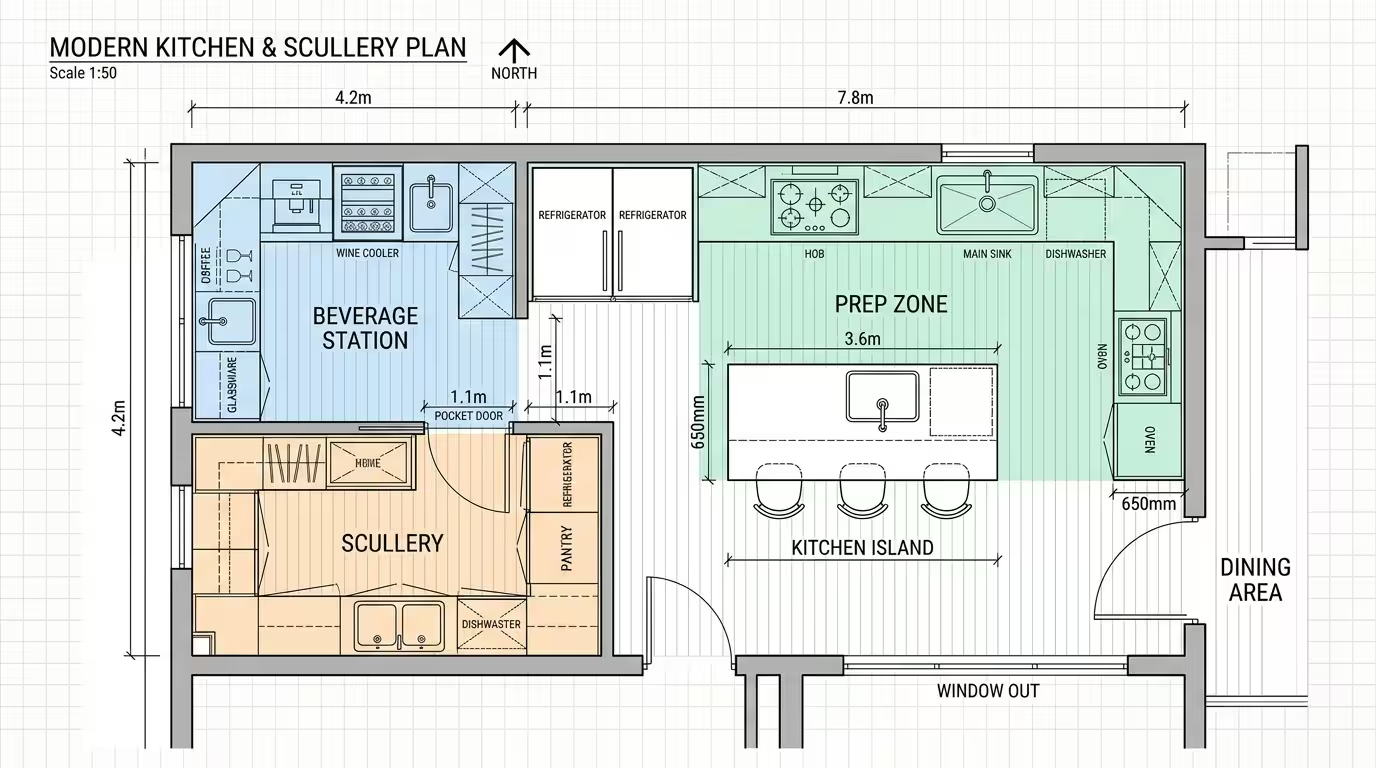
Cozy Kitchen Ideas That Actually Work: Design Tips for a Warm, Inviting Space

There is something deeply satisfying about a kitchen that feels genuinely welcoming — not just functional, but warm, layered, and lived-in. Whether you are starting from scratch or simply refreshing what you already have, cozy kitchen ideas can turn even the most utilitarian space into the true heart of your home. This guide walks you through every element that contributes to that feeling, from color choices and lighting to furniture, textiles, and the small details that make the biggest difference.
What Does a “Cozy Kitchen” Really Mean?
Coziness is not a single design move — it is a layered quality that builds through careful, intentional choices. A cozy kitchen feels like a place where people naturally linger. It is warm without being cluttered, personal without being chaotic, and thoughtfully designed without feeling staged.
The concept often overlaps with the Scandinavian idea of hygge — a Danish and Norwegian word describing a mood of comfort, togetherness, and well-being. Applied to kitchen design, hygge translates into soft textures, warm lighting, natural materials, and spaces that invite gathering rather than rushing. The good news is that achieving this feeling does not require a full renovation. Many of the most effective cozy kitchen ideas are surprisingly affordable and easy to implement.
Warm Color Palettes: The Foundation of a Cozy Kitchen
Color is one of the fastest ways to shift the emotional tone of any room, and the kitchen is no exception. Cozy kitchen ideas almost always begin with a thoughtful color palette.
Earthy Neutrals and Warm Whites
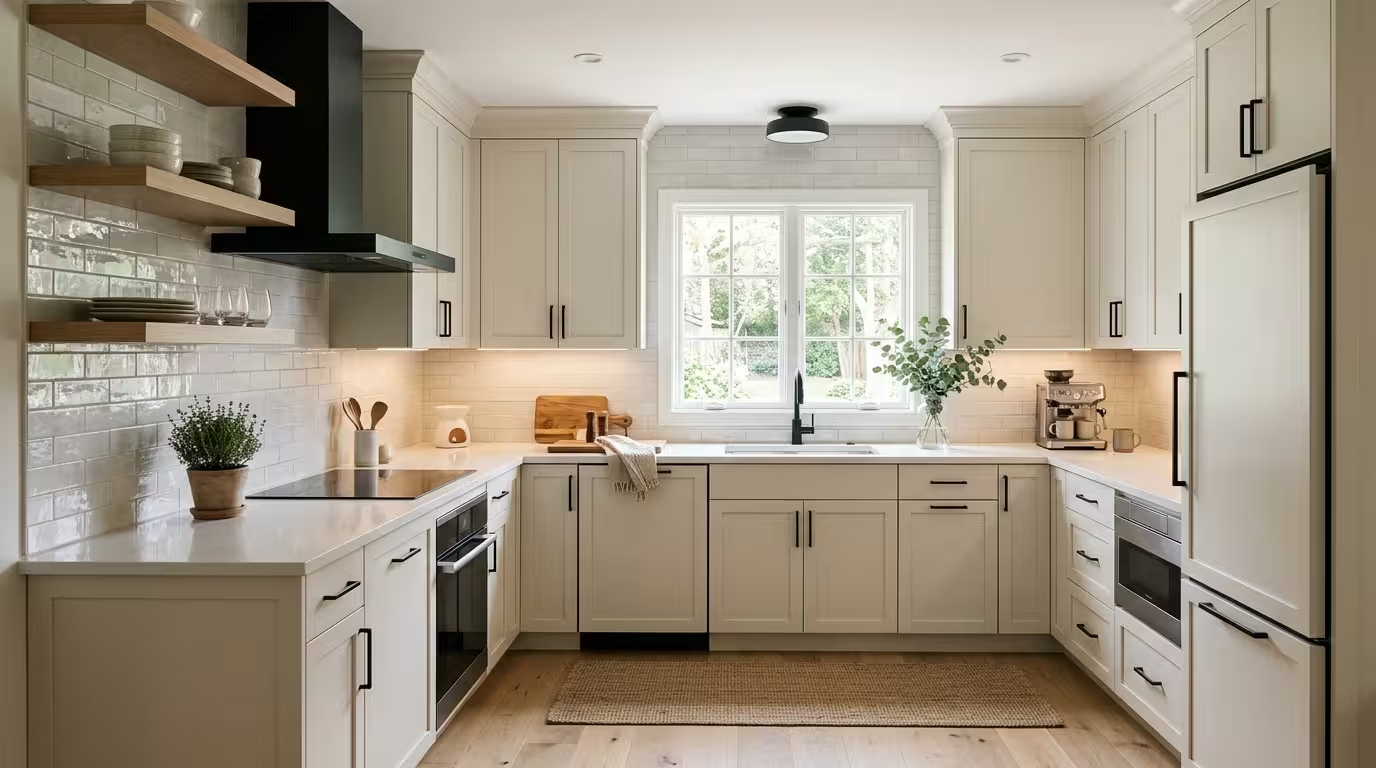
Rather than stark white or cool grey, reach for warm whites, linen tones, soft cream, and dusty beige. These shades reflect light gently and create a soft glow that feels welcoming at any time of day. Cabinet colors like Sherwin-Williams “Antique White” or Benjamin Moore “White Dove” are popular choices for exactly this reason — they feel bright but never cold.
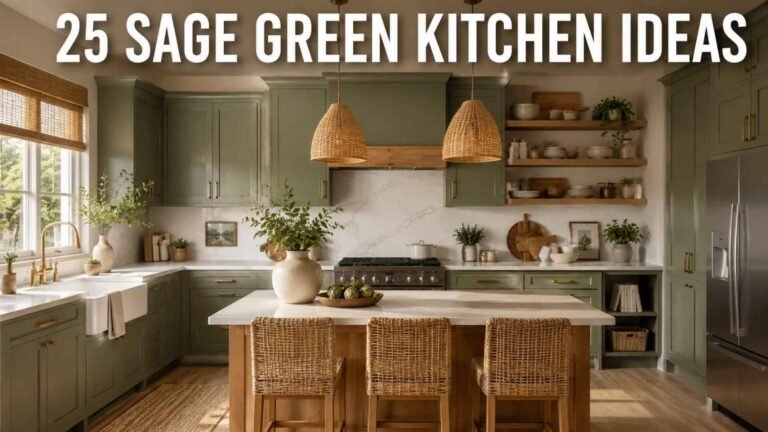
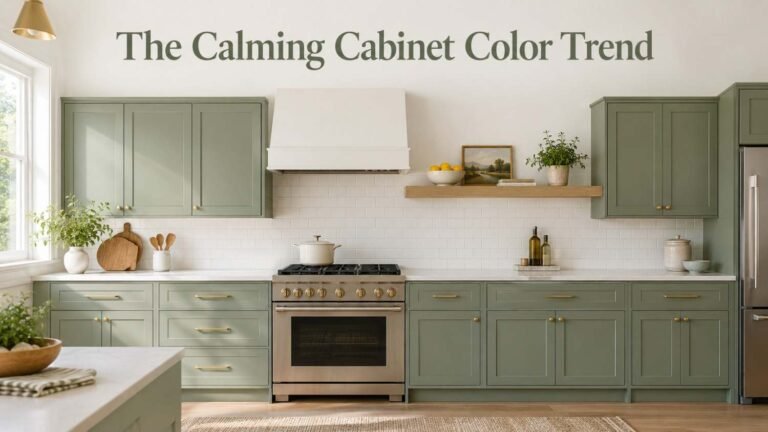
If you are painting walls, consider terracotta, warm sage, or muted clay tones. These earthy hues ground the space and pair naturally with wood, stone, and rattan. They are also the backbone of many trending cozy kitchen ideas seen across both farmhouse and modern rustic styles.
Deep, Rich Accent Colors
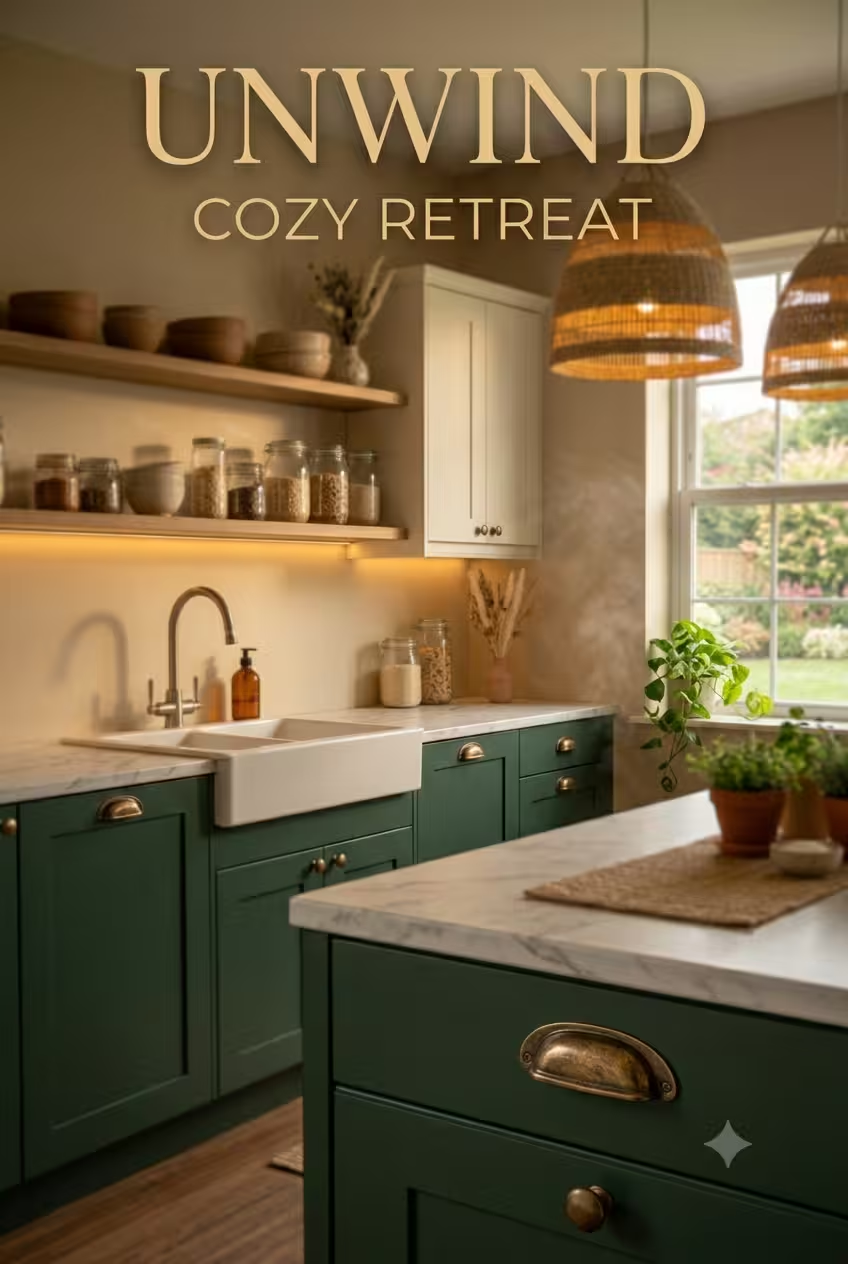
Do not shy away from depth. Deep forest green, navy, charcoal, or burgundy on lower cabinets or an island can add both drama and warmth. The contrast between a deep base and a light upper creates visual interest while keeping the space grounded. This two-tone approach is one of the most widely embraced cozy kitchen ideas of the past several years, and for good reason — it works in both small and large spaces.
Lighting That Changes Everything
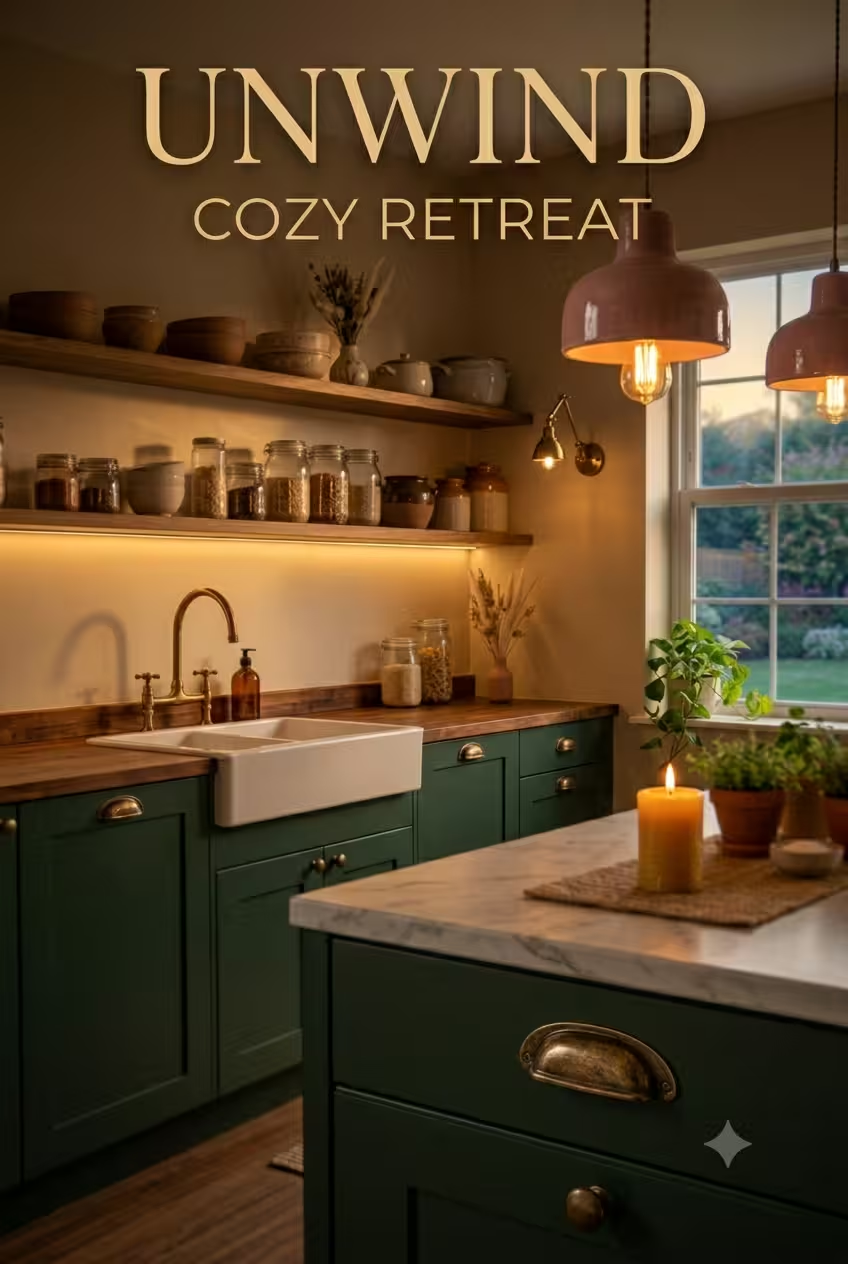
Few things have a greater impact on the atmosphere of a kitchen than lighting. Harsh overhead fluorescents are the enemy of coziness. Good lighting in a warm kitchen is layered, dimmable, and deliberately chosen.
Layered Lighting Strategy
A well-lit cozy kitchen uses at least three types of light: ambient, task, and accent. Ambient light provides overall illumination, task lighting makes food preparation safe and practical, and accent lighting highlights architectural features or open shelving. Together, these three layers eliminate the flat, clinical feel of a single overhead fixture.
Dimmer switches are a low-cost upgrade that dramatically changes how a kitchen feels in the evening. The ability to lower the light as the day winds down creates a natural sense of transition and comfort that a fixed-brightness fixture cannot offer.
Pendant Lights, Sconces, and Under-Cabinet Glow
Pendant lights over an island or dining nook are one of the most effective cozy kitchen ideas because they bring light down to human scale. Whether you choose rattan shades, aged brass fittings, or ceramic pendants, the right fixture adds warmth and personality while doing practical work.
Under-cabinet lighting is equally transformative. A strip of warm-toned LEDs (look for a color temperature between 2700K and 3000K) beneath upper cabinets creates a gentle pool of light across the countertop that feels intimate rather than clinical. This is a relatively inexpensive upgrade that significantly elevates the overall feel of the space.
Natural Materials and Texture

Texture is the secret ingredient in most cozy kitchen ideas. When multiple natural materials come together in one space, they create the kind of depth and warmth that feels almost impossible to achieve with smooth, synthetic surfaces alone.
Wood: The Most Versatile Warm Material
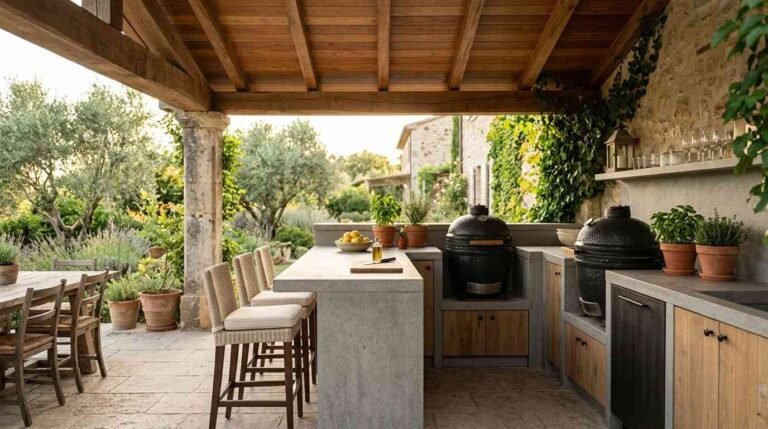
Wood belongs in the cozy kitchen in almost every form — butcher block countertops, open wood shelving, a reclaimed wood beam, exposed ceiling joinery, or even a simple wooden cutting board left out on the counter. Warm-toned woods like walnut, oak, and pine are particularly effective because they introduce an organic quality that manufactured materials cannot replicate.
If a full wood countertop is out of budget, consider a wood-topped island with stone or quartz on perimeter counters. Even small additions — a wooden fruit bowl, a set of wooden spice jars, or a timber floating shelf — introduce that essential natural warmth.
Stone, Tile, and Brick Accents
A natural stone backsplash, exposed brick wall, or handmade ceramic tile brings a sense of permanence and character that synthetic materials rarely achieve. Zellige tile (a handcrafted Moroccan clay tile) has become one of the most sought-after cozy kitchen ideas because its irregular surface catches light in constantly changing ways, giving even a small kitchen an artisan quality.
If you love details that make the living room look timeless, you will notice the same principle applies in the kitchen: honest, durable materials that age well are always more beautiful than trendy finishes that date quickly. For more room-by-room ideas along those lines, details make living room look timeless offers design thinking that translates beautifully across every space in the home.
Open Shelving Done Right
Open shelving is one of the most debated cozy kitchen ideas — and one of the most effective when done thoughtfully. The key is curation: open shelves should hold items you use often, items you love to look at, and nothing else.
A cozy open shelf might display a collection of earthenware bowls, a row of linen-wrapped cookbooks, a trailing pothos plant, and a few simple glass jars filled with dried goods. This kind of composition tells a story about the people who live in the space. It is personal in a way that closed cabinets simply cannot be.
When choosing shelving material, opt for solid wood in a finish that complements your cabinets. Floating oak or walnut shelves with clean bracket hardware look timeless, work in almost any kitchen style, and age beautifully. Pair them with warm under-cabinet lighting for maximum effect.
Soft Furnishings and Textiles That Add Warmth
Textiles are one of the most underutilized tools in creating a warm kitchen atmosphere. Because kitchens are typically hard-surfaced rooms — tile, stone, metal, wood — the strategic introduction of soft fabrics immediately shifts the sensory experience.
Window Treatments
Linen or cotton curtains at a kitchen window soften the look significantly. Look for natural, undyed fabrics or gently patterned textiles in earthy tones. Roman shades in a woven material work well in smaller windows, while flowing panels on a bay window or garden-facing wall bring a sense of softness that transforms the entire room.
Rugs, Runners, and Cushions
A natural fiber runner — jute, sisal, or wool — placed in front of the sink or along the cooking area adds warmth underfoot and breaks up hard flooring visually. Striped or diamond-patterned runners in warm neutrals are a classic choice that works across farmhouse, Shaker, and transitional kitchen styles.
If you have a kitchen nook or bench seating, cushions in soft fabric — linen, cotton canvas, or boucle — make the difference between a seat people use briefly and one they settle into. Throw a folded blanket nearby, and the nook becomes the most inviting corner in the house.
A Kitchen Nook: The Ultimate Cozy Addition
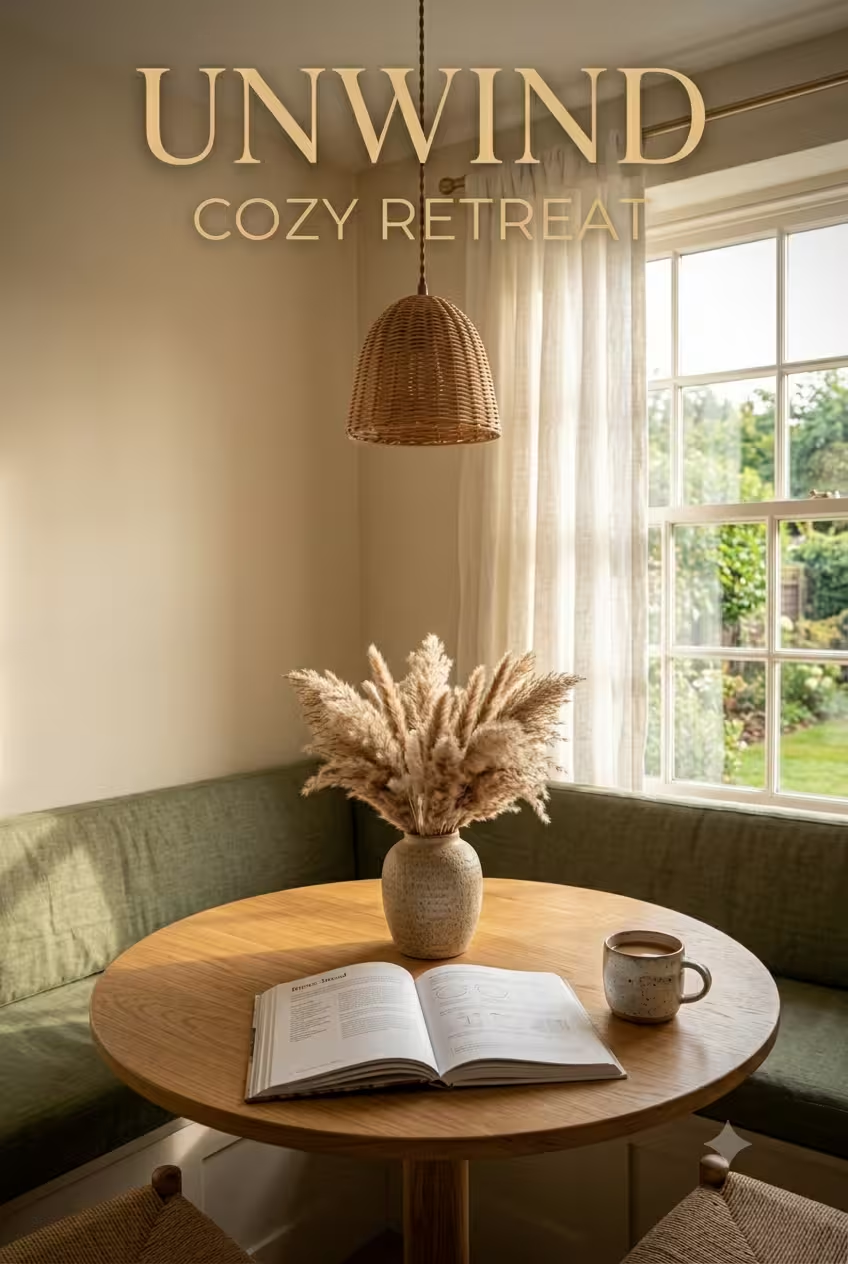
If space allows, a built-in kitchen nook is perhaps the most transformative of all cozy kitchen ideas. A banquette corner with upholstered seating, a round or rectangular table, and a window view creates a space that serves for family breakfasts, homework sessions, slow weekend coffees, and impromptu conversations.
Built-in banquettes are more space-efficient than freestanding chairs because they can wrap corners and often include storage beneath the seat. But even a freestanding bistro table and bench against a wall achieves the same warm, gathered feeling at a fraction of the cost.
Furnish the nook with soft lighting (a pendant above the table works perfectly), a small potted plant on the windowsill, and a stack of linen napkins on the table. This one corner can single-handedly make a kitchen feel cozy regardless of how the rest of the room is styled.
Plants and Greenery: Living Elements That Warm a Space
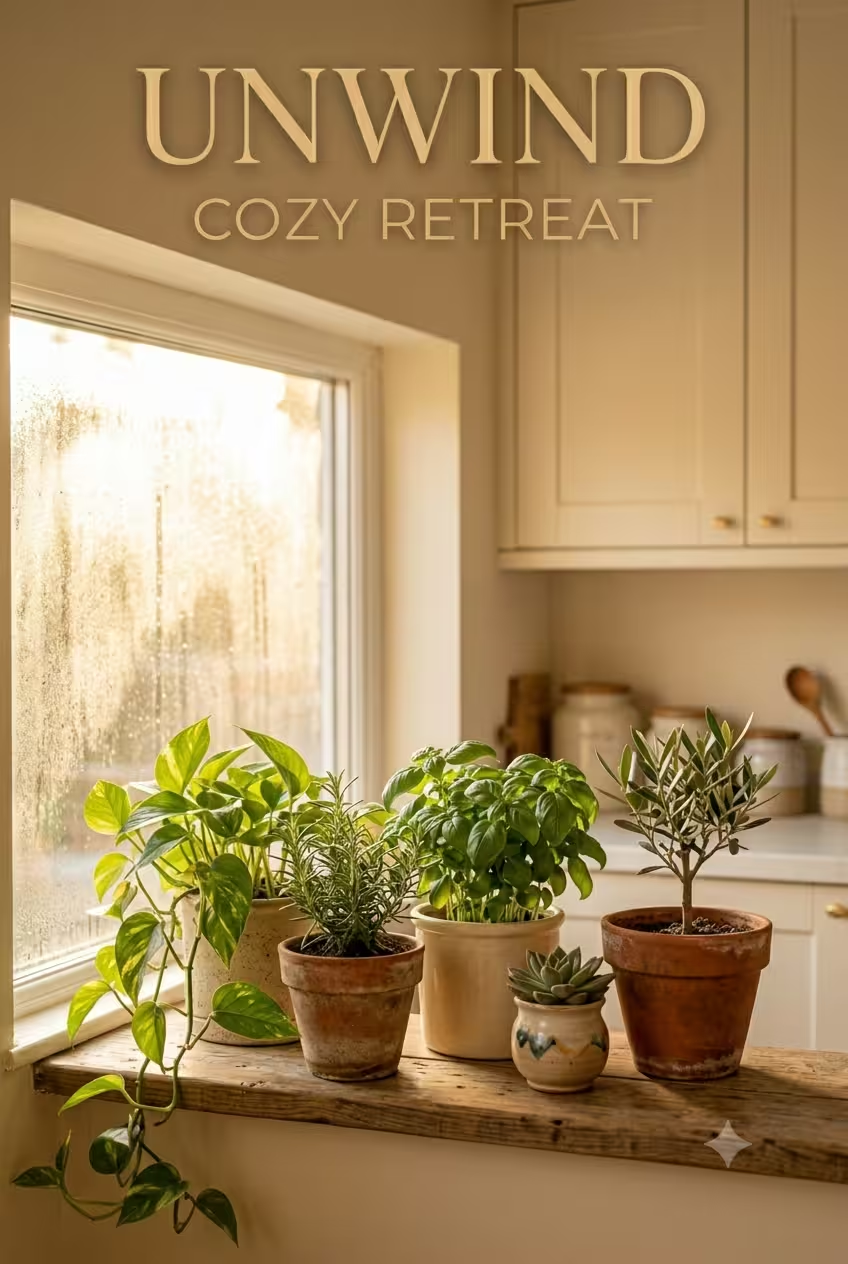
Plants belong in the kitchen. Not only do they bring natural life and color into a room that can sometimes feel overly hard and utilitarian, but many kitchen-appropriate plants — herbs especially — are also genuinely functional.
Potted herbs on a windowsill (basil, rosemary, thyme, mint) are both decorative and useful. A trailing pothos or heartleaf philodendron on a high shelf adds a sense of abundance and softness. A single sculptural plant — a small olive tree, a fiddle leaf, or a monstera — in a terracotta pot can anchor a corner beautifully.
The key is grouping. Rather than scattering single plants across the room, cluster three or five plants of varying heights and textures in one spot. This creates a lush, intentional vignette that reads as designed rather than accidental.
Cozy Kitchen Ideas for Small Spaces
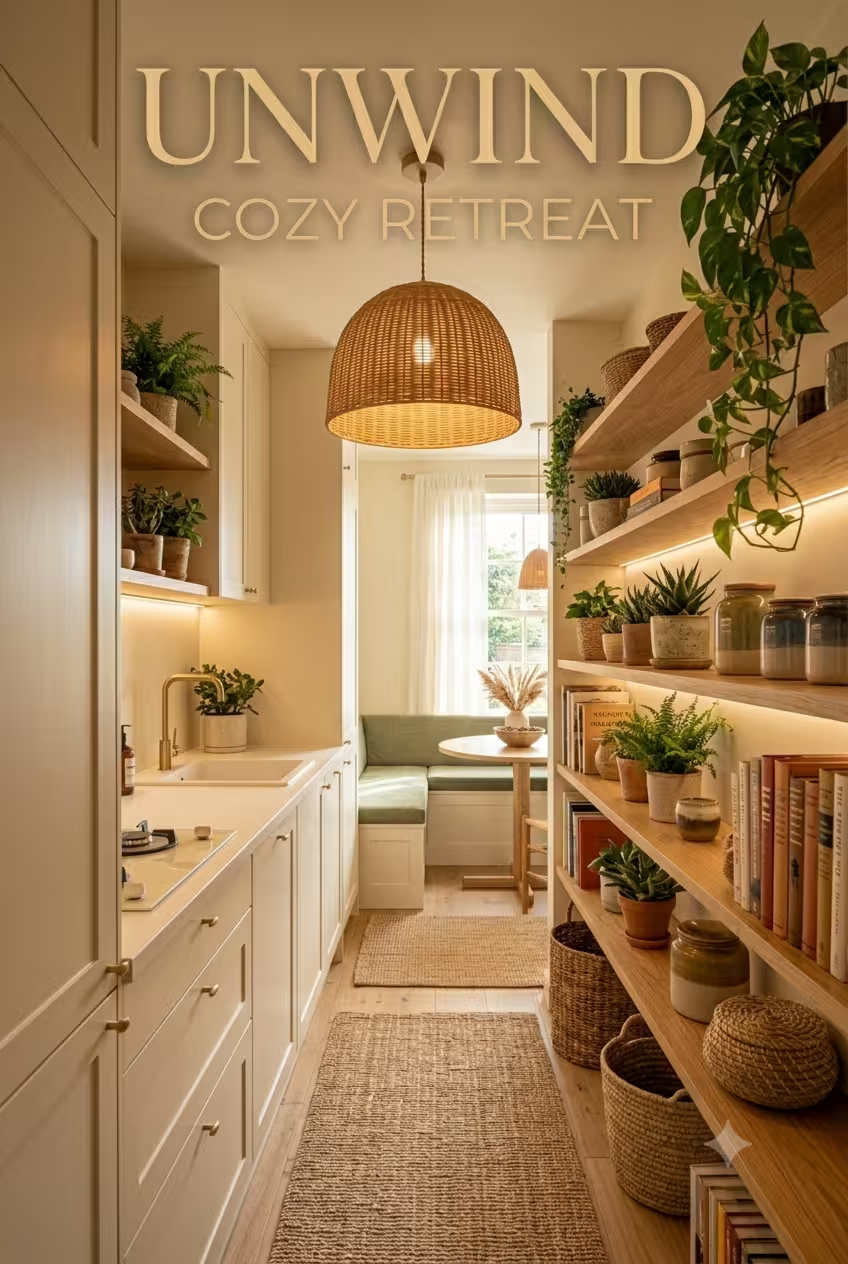
A small kitchen does not need to sacrifice warmth. In fact, compact spaces often feel cozier by nature — the challenge is making them feel intentional rather than cramped.
Paint all surfaces (walls, ceiling, and cabinets) in the same warm tone to eliminate visual boundaries and make the space feel continuous and enveloping. This monochromatic approach is one of the most effective cozy kitchen ideas for apartments and galley-style kitchens.
Choose integrated appliances where possible to keep the visual rhythm calm. Use mirrors or glass on cabinet fronts to reflect light without overwhelming the space. Invest in one beautiful, oversized pendant rather than multiple small fixtures to anchor the room with a single strong visual element.
Maximize vertical storage with floor-to-ceiling open shelving, which draws the eye upward and makes ceilings feel higher. Use baskets and labeled containers to keep things organized without sacrificing warmth.
Seasonal Updates for a Kitchen That Feels Cozy Year-Round
One of the most overlooked cozy kitchen ideas is the seasonal refresh. Small, affordable changes that reflect the time of year keep the space feeling fresh and alive.
In autumn and winter, add a thick woven runner, swap out lightweight curtains for heavier linen or velvet, bring in seasonal candles (amber, vanilla, cedar), and place a bowl of winter citrus or evergreen branches on the counter.
In spring and summer, lighten the textiles, bring in fresh flowers from the garden or market, swap deep-colored cushions for pale tones, and place a jug of leafy branches or wildflowers on the kitchen table.
These updates take less than an hour and cost very little, but they make the kitchen feel actively cared for — which is, ultimately, what coziness really is.
The Small Details That Make the Biggest Difference
Sometimes the warmest cozy kitchen ideas are the simplest: a candle in the window, a cookbook left open on the counter, a handwritten recipe card tucked into a frame, a ceramic mug collection displayed on a hook rail. These personal touches cannot be purchased as a set — they accumulate over time and reflect the real life of the people who use the kitchen.
Hardware matters more than most people realize. Swapping chrome or brushed nickel cabinet pulls for aged brass, oil-rubbed bronze, or matte black can dramatically shift the warmth of a kitchen in a single afternoon. It is one of the highest-impact, lowest-cost upgrades available.
If you enjoy curating these kinds of meaningful details, you might also appreciate cozy bathroom finds — because the same instinct for warmth and texture that transforms a kitchen applies equally beautifully to bathroom design.
For a deeper resource on home styling, design philosophy, and room-by-room inspiration, outinteriors brings together expert guidance across every corner of the home.
Conclusion:
Creating a cozy kitchen is not about following a single aesthetic trend or spending a large budget. It is about layering the elements that create warmth — light, texture, natural materials, soft furnishings, personal touches, and living greenery — in a way that reflects how you actually live and what genuinely makes you feel at ease.
Start with one change: add a warm-toned pendant light, hang a linen curtain, install open shelving, or paint one wall in a rich earthy tone. Then add the next. Over time, these cozy kitchen ideas accumulate into a space that does not just look welcoming — it genuinely feels that way, every single day.
Frequently Asked Questions:
1. What is the easiest way to make a kitchen feel cozier without renovating?
The fastest changes are lighting and textiles. Swap harsh overhead bulbs for warm-toned LEDs, add a natural fiber rug, hang a linen curtain, and place a few plants on the windowsill. These changes cost relatively little but shift the atmosphere immediately.
2. What colors make a kitchen feel the coziest?
Warm whites, cream, linen, soft sage, terracotta, and warm beige are consistently effective choices. Deep tones like forest green, navy, and burgundy on cabinets add richness. Avoid cool greys and stark whites if warmth is the goal.
3. Are open shelves a good idea for a cozy kitchen?
Yes, when curated thoughtfully. Display items you use regularly alongside items you love visually — earthenware, glass jars, plants, and cookbooks. Avoid overcrowding or mixing too many colors. Well-styled open shelves add personality that closed cabinets cannot.
4. How do I make a small kitchen feel cozy instead of cramped?
Use a monochromatic color scheme to eliminate visual boundaries. Choose one strong pendant light rather than multiple small fixtures. Add vertical storage to draw the eye upward. Keep surfaces relatively clear, with only a few well-chosen items on display.
5. What lighting is best for a cozy kitchen atmosphere?
Warm-toned bulbs in the 2700K–3000K range create the most welcoming light. Layer ambient, task, and accent lighting, and use dimmer switches wherever possible. Pendant lights over islands or dining nooks are particularly effective.
6. What natural materials work best in a cozy kitchen?
Wood (butcher block, open shelves, accents), stone (marble, soapstone, slate), handmade ceramic tile (particularly Zellige), rattan or wicker (baskets, pendant shades), and natural fiber textiles (linen, jute, cotton canvas) all contribute to warmth.
7. How often should I update my kitchen to keep it feeling fresh and cozy?
Small seasonal refreshes — swapping textiles, adding seasonal plants or branches, changing candle scents — are enough to keep the space feeling alive year-round. Major changes every few years (new hardware, updated lighting, a fresh coat of paint) can significantly renew the overall atmosphere.Share