Unique 24 Kitchen Open Shelving Ideas to Style a Beautiful, Functional Space
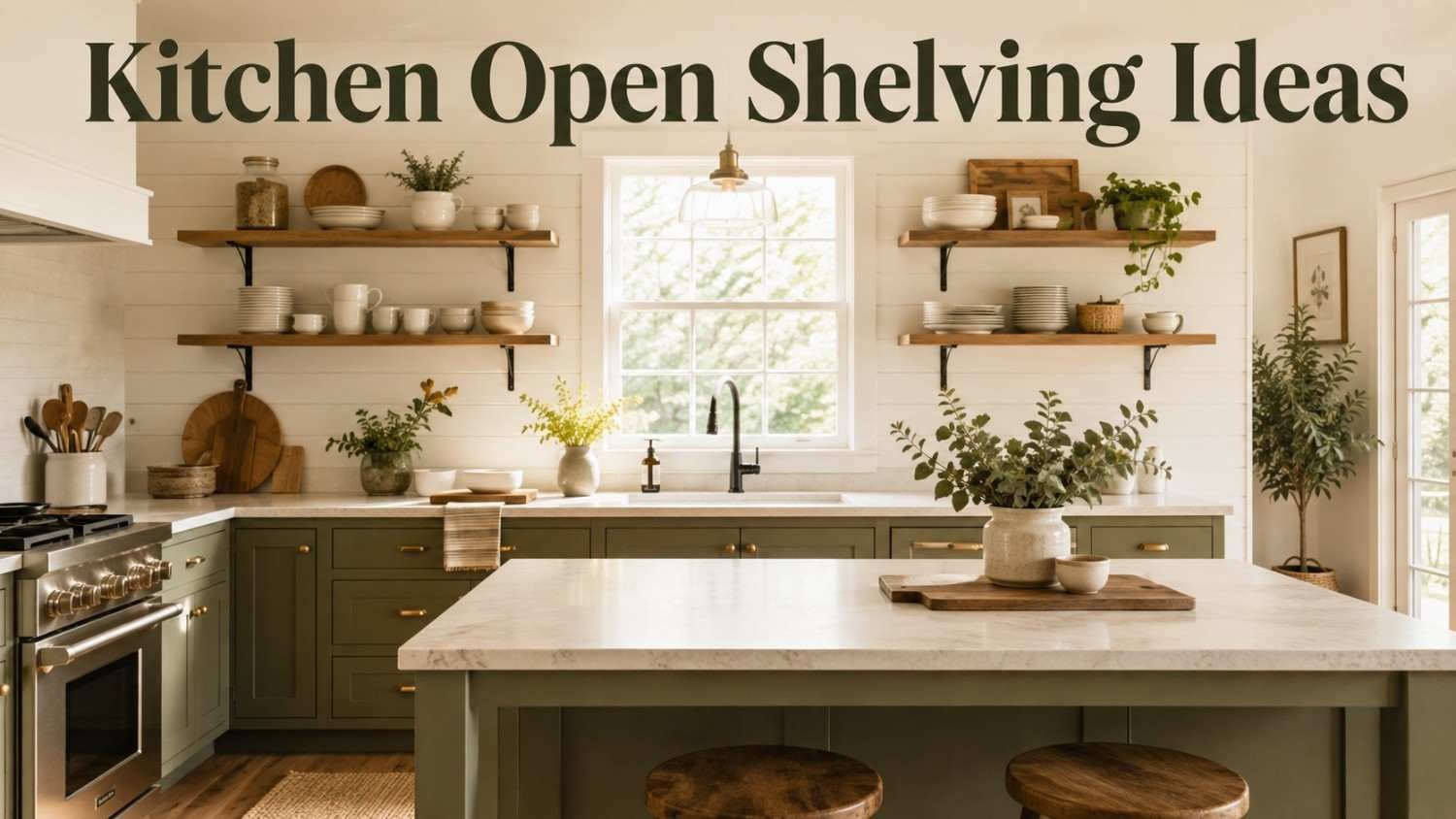
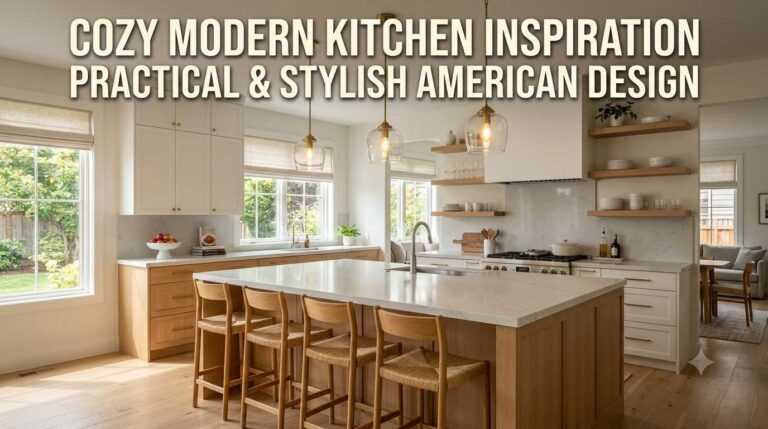
Open shelving has moved past being a passing trend and settled into something homeowners actually live with year after year. Swapping even one bank of upper cabinets for open shelves changes how a kitchen breathes — dishes, cookbooks, and everyday glassware become part of the decor instead of hidden behind doors. But not every open shelving idea works for every kitchen, and getting it wrong can leave a wall looking cluttered instead of curated. This guide walks through 24 kitchen open shelving ideas, organized by style, space, material, and budget, along with the practical details — weight limits, spacing, upkeep — that most inspiration roundups skip entirely. Whether you’re renovating a farmhouse kitchen or renting a small apartment, there’s an idea here that fits.
Why Open Shelving Still Works in a Modern Kitchen
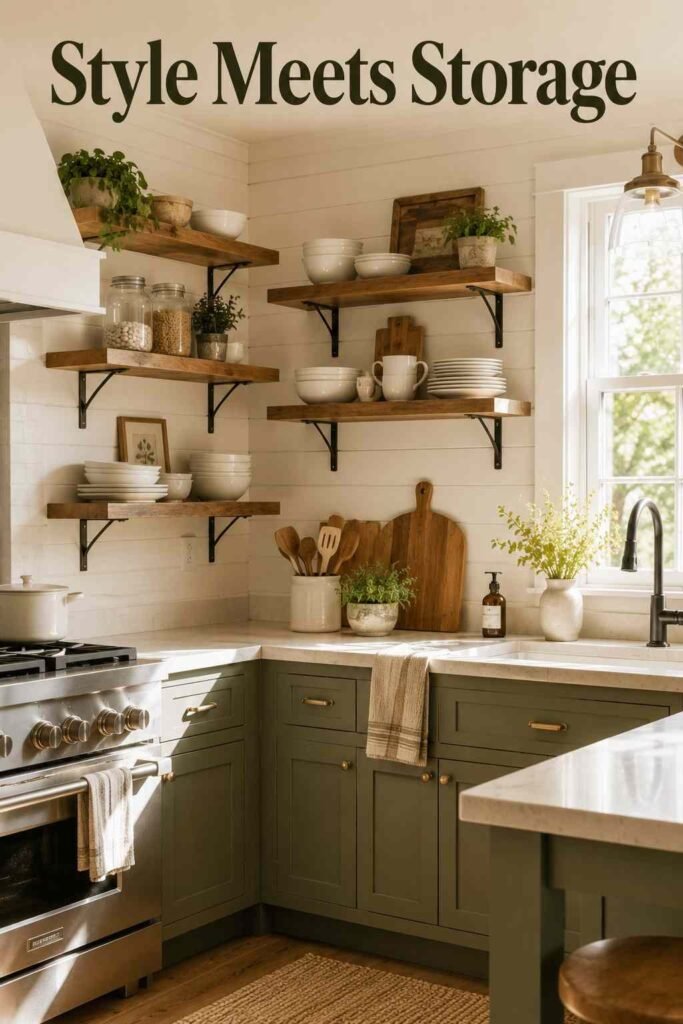
Some designers have pushed back on open shelving in recent years, arguing it demands more upkeep than most households realize. That criticism is fair, but it misses the point: open shelving was never meant to replace every cabinet. Used selectively — one wall, one corner, one awkward gap — it adds warmth, breaks up heavy cabinetry, and gives a kitchen a lived-in, personal feel that closed storage can’t match. It’s also considerably cheaper to install than a full run of upper cabinets, and it keeps daily-use items within easy reach while cooking.
The trade-off is honesty. Open shelves put your organizational habits on display; they collect dust faster than a cabinet interior, and they aren’t the right fit for a household that prefers everything tucked away. The best kitchen open shelving ideas below account for both sides — beauty and practicality — rather than treating shelving as pure decoration. Choosing among them mostly comes down to your kitchen’s existing style, the wall space available, and how much upkeep you’re willing to commit to.
24 Kitchen Open Shelving Ideas by Style and Space
These open shelving ideas are grouped so you can jump straight to what matches your kitchen — whether that’s a rustic farmhouse remodel, a tight galley kitchen, or a rental where drilling into drywall isn’t an option.
Farmhouse and Rustic Open Shelving Ideas
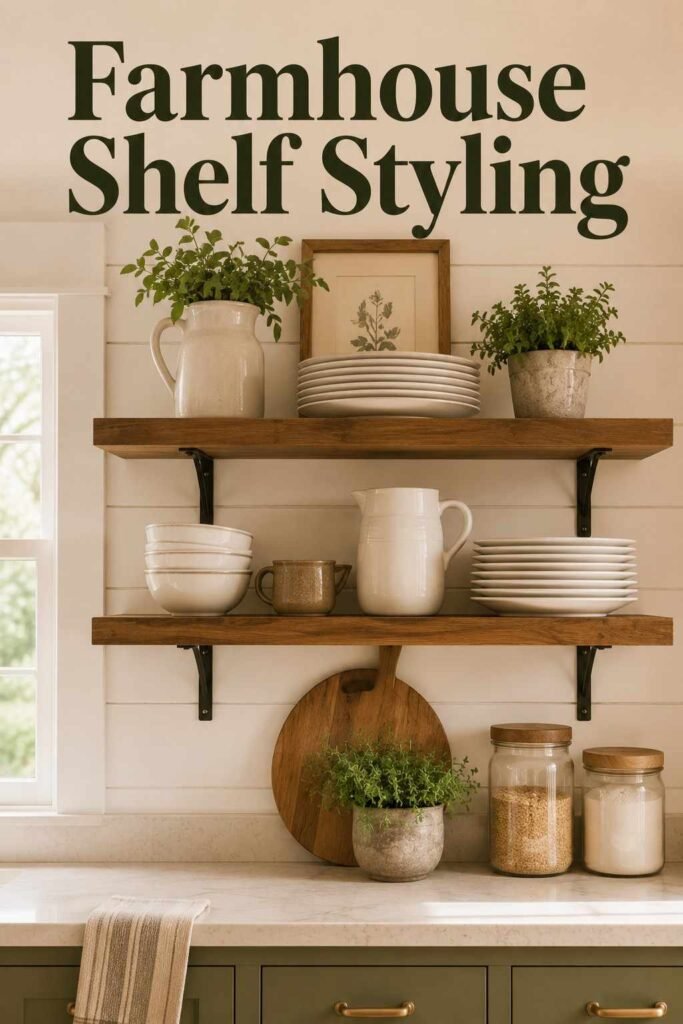
Rustic kitchens lean on texture and imperfection, and open shelving is one of the easiest ways to bring that in without a full remodel. These four ideas work especially well in homes built before 1990, where original wood tones and exposed brick are already part of the bones.
- Reclaimed wood floating shelves — Salvaged barn wood or reclaimed pine, left with visible grain and knots, adds instant character above a farmhouse sink or stove.
- Butcher block shelf above the range — A thick butcher block slab doubles as both a shelf and a visual anchor, especially when paired with hanging utensil rails underneath.
- Wrought iron bracket shelves — Black iron brackets under a pale wood plank contrast beautifully against white shiplap or beadboard backsplashes.
- Shiplap-backed open shelves — Mounting shelves directly over shiplap paneling gives the whole wall a cohesive, cabin-like texture that photographs well and ages gracefully.
Modern and Minimalist Open Shelving Ideas
For kitchens built around clean lines and negative space, shelving should disappear into the wall rather than compete with it. These ideas favor simplicity over ornamentation.
- Handleless floating shelves flush with the wall — No visible brackets, no hardware — just a clean slab that appears to hover, ideal for matte or high-gloss cabinetry.
- Matte black metal shelving — Powder-coated steel shelves add a sharp, architectural line that pairs naturally with black fixtures and hardware.
- Glass shelves for glassware display — Tempered glass keeps sightlines open and works especially well under-cabinet, where a solid shelf would feel heavy.
- Stainless steel restaurant-style shelving — Borrowed from professional kitchens, this style suits anyone who wants an industrial-modern look with genuinely heavy-duty storage.
Small Kitchen Open Shelving Ideas
In compact kitchens, open shelving isn’t just decorative — it’s often the more practical choice, since it eliminates the bulk of cabinet doors and frames while keeping items visible and within reach.
- Corner shelf unit for tight kitchens — Stacked corner shelves make use of a space most cabinetry wastes entirely, fitting mugs, jars, or small appliances.
- Single floating shelf above the sink — One shelf holds daily dishware without shrinking the room the way a full upper cabinet would.
- Shelf between existing cabinets — Bridging a gap between two cabinet runs adds storage without a full renovation, a favorite trick in rentals and starter homes.
- Ladder-style leaning shelf — A freestanding leaning shelf needs no drilling at all, making it a smart pick for apartments with limited wall access.
Corner and Awkward Space Shelving Ideas
Every kitchen has a dead zone — a narrow gap, an oddly shaped nook, or a blank wall above a window. These ideas turn wasted space into usable storage.
- L-shaped corner shelving — Custom-built to wrap around a corner, this setup maximizes storage in kitchens where square footage is limited.
- Shelving above a window — A slim shelf above kitchen windows works well for cookbooks, plants, or decorative pottery that doesn’t need daily access.
- Nook shelving in an unused wall gap — Awkward gaps beside a fridge or pantry door are ideal spots for narrow, deep shelves that hold spices or oils.
Material-Driven Open Shelving Ideas
The material you choose affects both the look and the practical performance of your shelving. These four ideas highlight the most popular options side by side.
- Natural wood shelving — Oak, walnut, and maple bring warmth and are strong enough to handle daily-use dishware when properly mounted.
- Industrial pipe-and-plank shelving — Black pipe brackets paired with raw wood planks give a rugged, workshop-inspired look that suits lofts and converted spaces.
- Bright, airy glass shelving — Glass reflects light and works well in kitchens that lack natural windows, since it doesn’t visually block the wall.
- Rattan-backed or woven shelving — Pairing wood shelves with a woven rattan backing brings texture and warmth, a detail borrowed from boho kitchen ideas that also softens an otherwise all-white kitchen.
Styling Ideas for Open Shelves
How you arrange items matters as much as the shelf itself. These three approaches consistently look intentional rather than cluttered.
- Color-coded dish display — Grouping dishware by color, rather than by use, creates a visual rhythm that reads as styled instead of random.
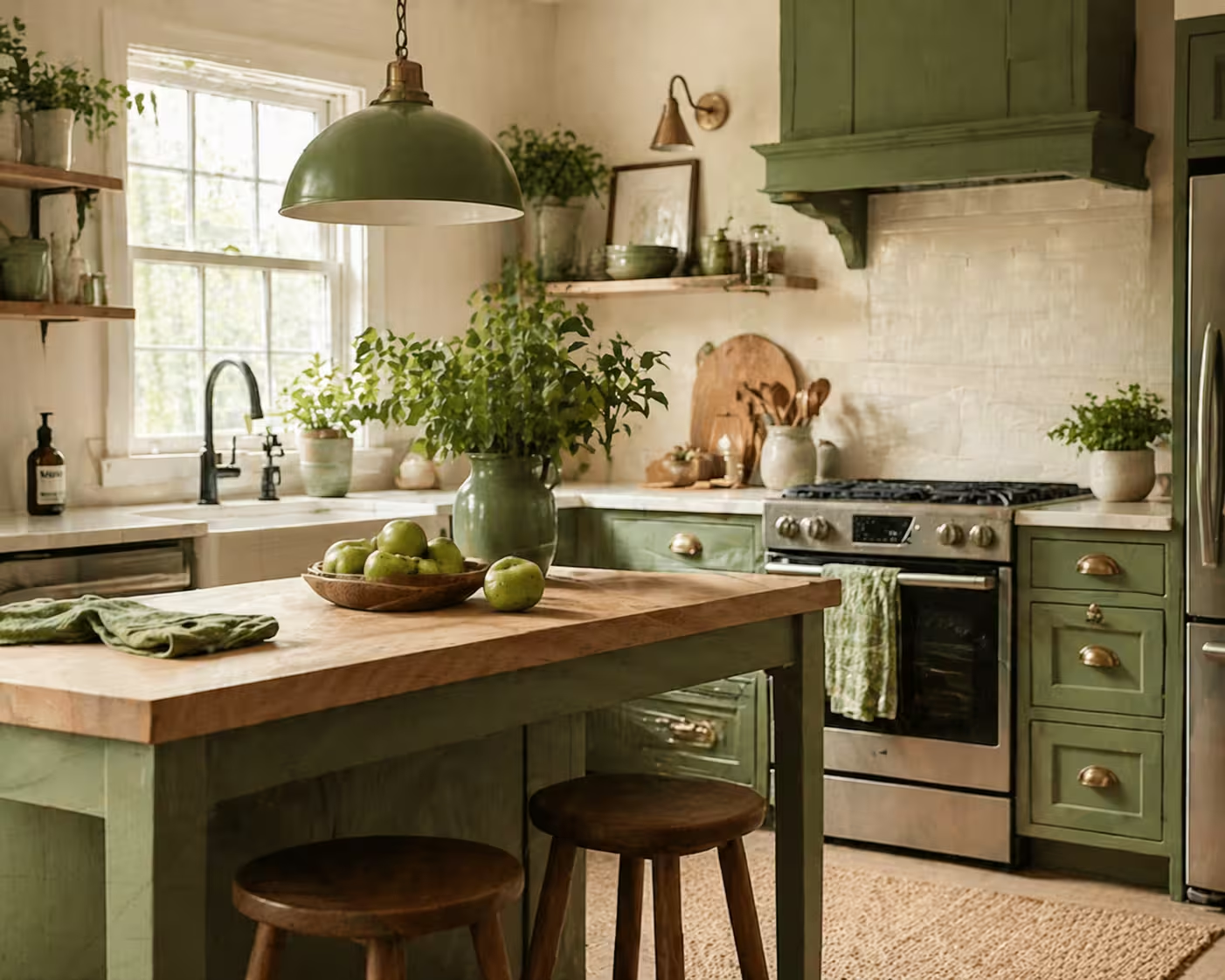
- Plant-filled open shelving — Trailing greenery softens hard lines and brings life to a wall, a simple trick that also works well in cozy kitchen ideas built around warm, layered textures.
- Mixed-height layered shelving — Varying shelf heights, rather than spacing them evenly, creates visual interest and makes room for taller items like pitchers or vases.
Budget-Friendly and Renter-Friendly Open Shelving Ideas
You don’t need a renovation budget to try open shelving. These two ideas cost little and, in the case of the second, require no permanent changes at all.
- DIY bracket shelf — A pine or plywood board paired with basic L-brackets from a hardware store can be built and installed in an afternoon for under $50.
- Tension-rod or freestanding shelf — For renters who can’t drill, tension-mounted units and freestanding shelf units deliver the open-shelving look with zero wall damage.
Materials Comparison: Wood vs. Metal vs. Glass Shelving
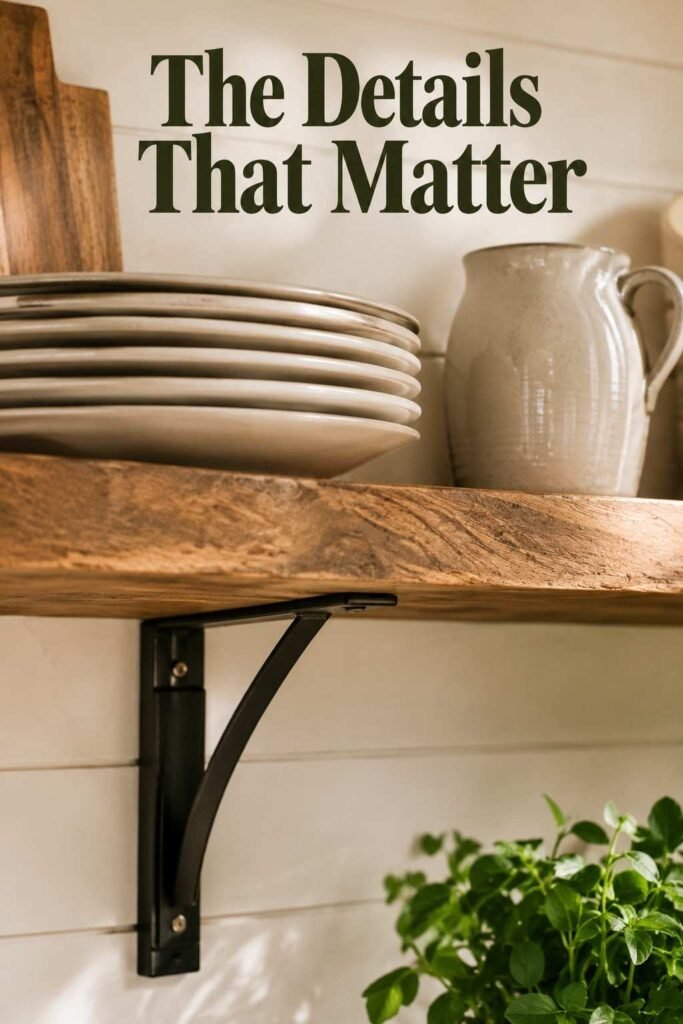
Each material comes with different strengths, so the right pick for your kitchen open shelving ideas depends on what you plan to store and how the kitchen is used day to day.
|
Material |
Best For |
Typical Load Capacity |
Maintenance |
|---|---|---|---|
|
Solid wood |
Everyday dishware, cookbooks |
Moderate to high when stud-mounted |
Occasional resealing near sinks |
|
Metal (steel/iron) |
Heavy cookware, industrial look |
High |
Low, wipes clean easily |
|
Glass |
Glassware, small decor |
Low to moderate |
Requires frequent dusting |
|
Rattan/woven |
Decorative display, boho styling |
Low |
Needs dusting, avoid direct water |
How to Install Open Shelving Safely
Before committing to any of these open shelving ideas, it helps to understand installation basics. Weight capacity is the detail most inspiration galleries leave out, and it’s the one that matters most once the shelf is holding real dishes. A solid wood shelf mounted into wall studs typically supports somewhere between 25 and 50 pounds, depending on shelf length, depth, and bracket quality — drywall anchors alone aren’t reliable for kitchen loads. As a general rule, mount the first shelf 18 to 24 inches above the counter, space additional shelves 12 to 14 inches apart, and keep the top shelf no higher than about 72 inches so it stays within comfortable reach.
Depth matters too. A 10-to-12-inch shelf comfortably fits standard dinner plates and everyday glassware, while anything deeper starts to look bulky and makes items harder to reach. If your kitchen has a tiled backsplash, plan shelf brackets before tiling goes up, since drilling precisely into studs afterward is far harder.
What Does Open Shelving Cost?
Cost is one of the biggest advantages these kitchen open shelving ideas hold over cabinetry. A basic DIY shelf built from a single board and hardware-store brackets can run under $50 per shelf, while a set of three to four custom wood shelves professionally installed typically falls between $150 and $600, depending on wood type and finish. Metal or glass shelving systems, especially restaurant-style steel units, tend to sit at the higher end of that range because of material and fabrication costs. Compared to a full run of upper cabinets, which frequently costs several thousand dollars, open shelving remains one of the most affordable ways to add both storage and visual interest to a kitchen.
Maintenance Tips for Open Kitchen Shelves
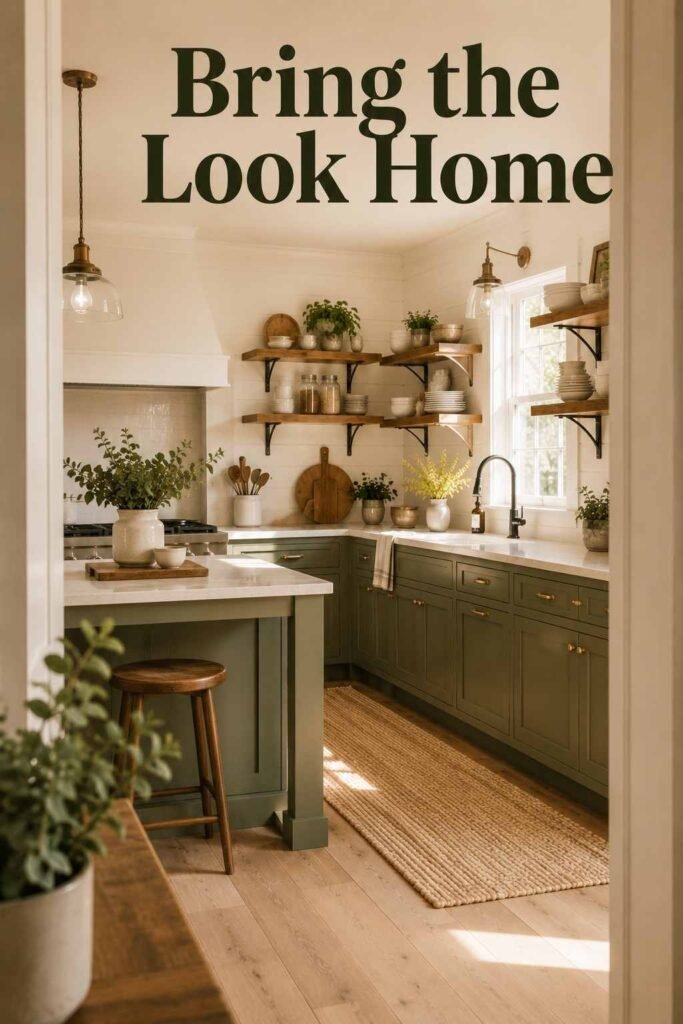
Maintenance is often what separates kitchen open shelving ideas that last from ones abandoned within a year. Because open shelves sit exposed to cooking steam, grease, and dust, they need more frequent attention than cabinet interiors. A quick wipe-down once a week keeps dust from building up on dishware, and it’s worth keeping shelves near the stove lightly loaded, since grease settles faster in that zone. Design experts often recommend leaving 30 to 40 percent of each shelf empty rather than filling it edge to edge — it keeps the display looking intentional and makes cleaning easier. Rotating which items sit in daily use versus purely on display also cuts down on how often dust settles on rarely touched pieces.
Conclusion
Open shelving isn’t an all-or-nothing decision, and it doesn’t have to mean giving up storage or tidiness. Used thoughtfully — in the right spot, with the right material, and mounted correctly — it can make a kitchen feel more open, more personal, and genuinely easier to use day to day. The 24 ideas above cover farmhouse charm, sleek modern lines, small-space solutions, and renter-friendly options, so there’s a starting point regardless of your kitchen’s size or style. For more room-by-room inspiration, browse the design library at outinteriors to plan your next update.
Frequently Asked Questions
Is open shelving still a good idea for kitchens in 2026?
Yes, though most designers now recommend using it selectively rather than throughout an entire kitchen. These kitchen open shelving ideas remain among the most affordable ways to refresh a space, and a single wall or corner of open shelving adds character while keeping the rest of the storage concealed and low-maintenance.
What is the ideal depth for kitchen open shelves?
Most everyday dishware fits comfortably on shelves that are 10 to 12 inches deep. Deeper shelves, 14 inches or more, work better for pantry-style storage but can make the wall feel heavier.
How much weight can a floating kitchen shelf hold?
A solid wood shelf properly mounted into wall studs generally holds 25 to 50 pounds. Metal shelving and reinforced brackets can hold significantly more, but drywall anchors alone are not strong enough for daily kitchen use.
Do open shelves make a kitchen look cluttered?
Only if they’re overloaded. Leaving roughly a third of each shelf empty, grouping items by color or type, and editing down what’s displayed keeps the look curated rather than chaotic.
What’s the cheapest way to add open shelving to a kitchen?
A basic DIY shelf built from a plywood or pine board with hardware-store brackets can cost under $50 and be installed in an afternoon, no professional needed.
Can I mix open shelving with regular cabinets?
Yes, and it’s one of the most popular approaches. Replacing just one or two upper cabinets with open shelves keeps most storage concealed while still adding the visual openness shelving provides.
Is open shelving a good option for renters?
Yes. Freestanding shelving units and tension-rod-mounted shelves deliver the same look without drilling into walls, making them fully removable when a lease ends.