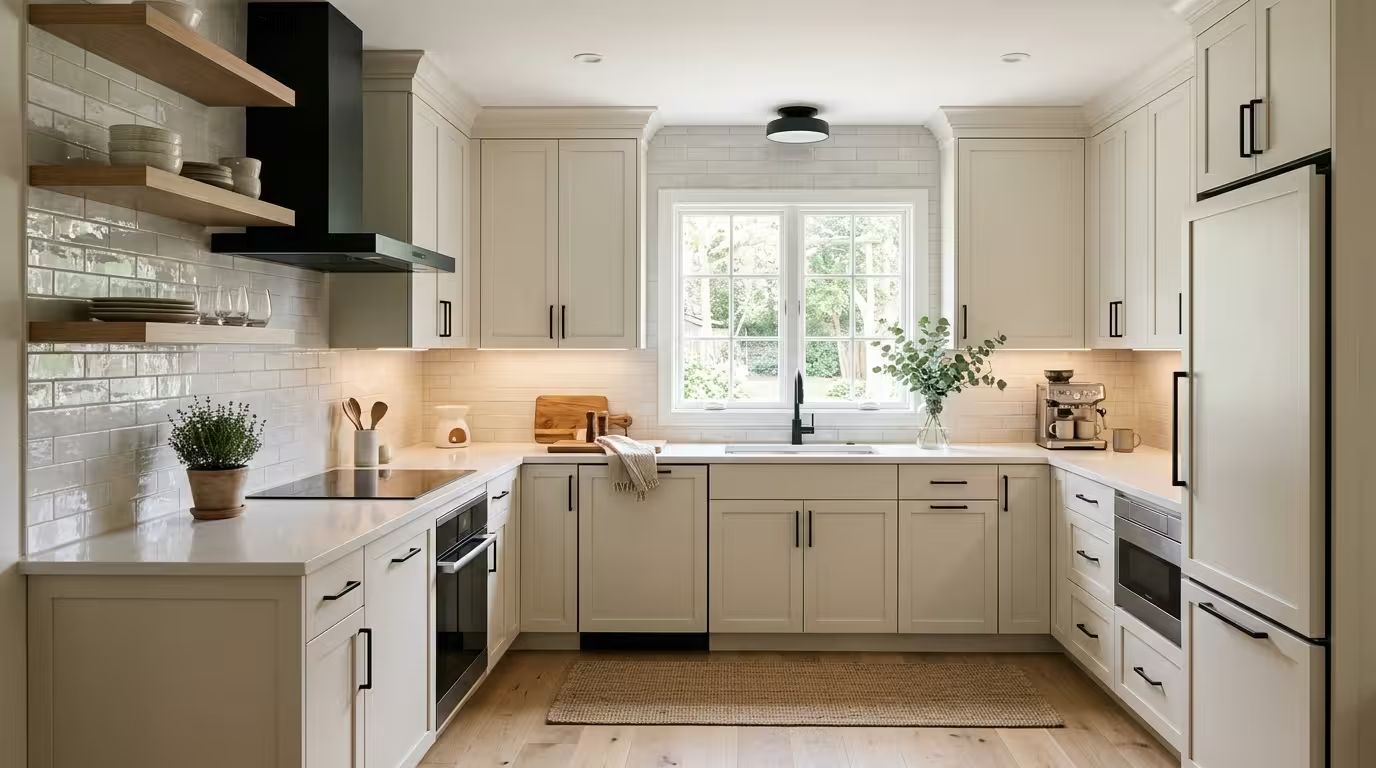
Expert Kitchen Renovation Checklist: Plan a Smarter Remodel From Start to Finish
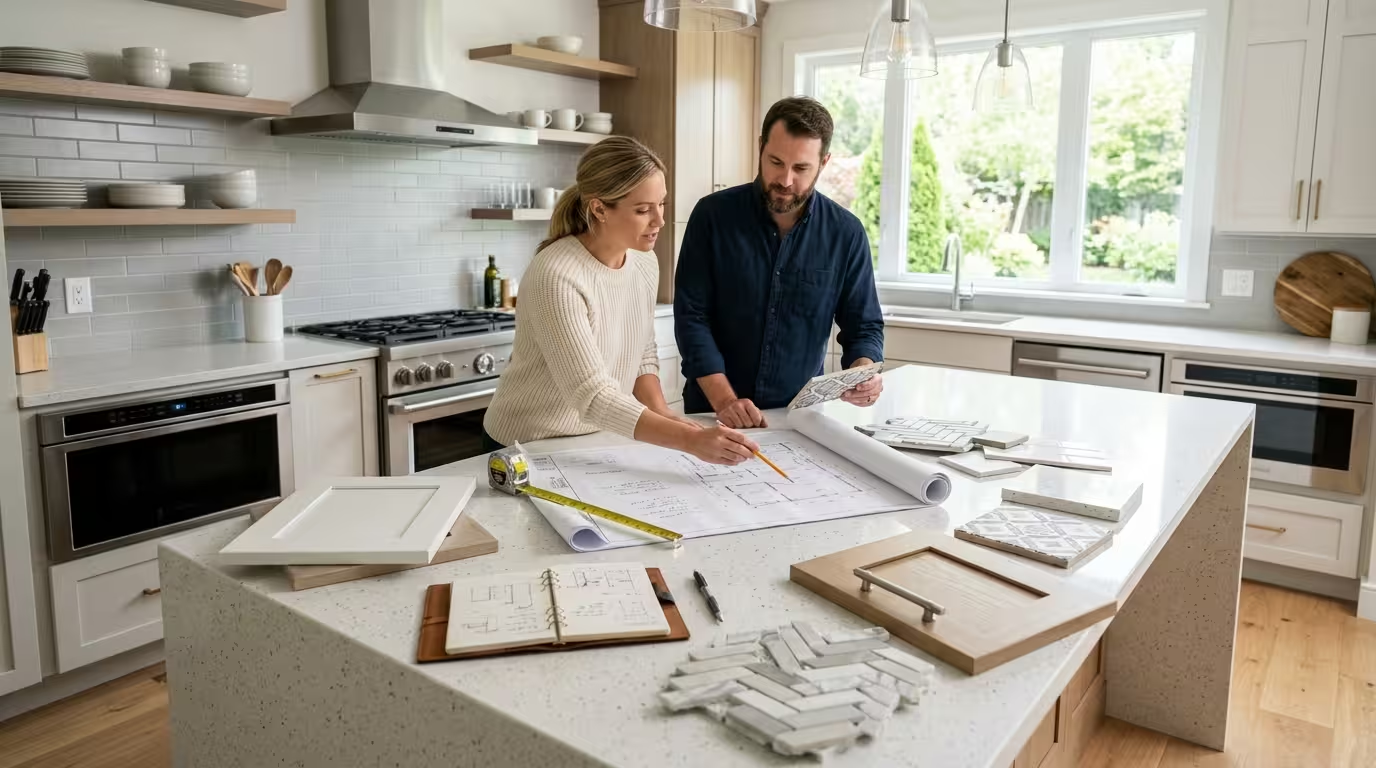
A kitchen remodel usually looks simple from the outside. New cabinets. Better counters. Better lighting. Better storage. But the projects that go smoothly are rarely the ones driven by finishes alone. They are the ones driven by sequence. The strongest expert kitchen renovation checklist starts before demolition, before appliance shopping, and long before anyone swings a hammer. It begins with how the room needs to work every day, what can break the budget, and which mistakes are hardest to fix once the walls are closed.
That is where many kitchen guides stop too soon. They cover wish lists and inspiration boards, but they often underplay ventilation, electrical readiness, contract protection, permit timing, and older-home hazards. A better plan treats your kitchen as a working system, not just a design project. When you build your expert kitchen renovation checklist around function first, you reduce change orders, protect your household during construction, and give yourself a much better chance of loving the finished room for years instead of months.
Why an Expert Kitchen Renovation Checklist Matters Before You Spend a Dollar
The best remodels answer one question early: what must this kitchen do better than it does now? Current remodeling guides consistently start with needs, pain points, and priorities for a reason. They warn that poor planning creates delays, budget stress, and choices that look good on paper but fail in daily use. Even trend reporting now points in the same direction. NKBA’s 2025 kitchen findings highlight functionality, multifunctional spaces, concealed clutter, lighting, and sustainability as leading priorities rather than decoration alone.
That shift matters even more in today’s market. NKBA’s 2026 kitchen report notes strong demand for powerful vent hoods, enhanced storage, and accessibility, and it says Gen X and Boomers account for the largest share of kitchen remodels. In plain terms, people are not just redoing kitchens to make them prettier. They want kitchens that are easier to cook in, easier to clean, healthier to live with, and easier to use as households change over time. A serious checklist should reflect that reality from the first planning meeting.
Expert Kitchen Renovation Checklist Step 1: Define How the Room Needs to Work
Start with your real-life friction points, not with backsplash samples. Write down what slows you down now: poor storage, crowded prep space, bad lighting, awkward traffic, weak ventilation, limited outlets, or appliances that no longer fit your routines. Then add context: how many people cook, whether kids do homework in the kitchen, whether you host often, and whether anyone in the home needs easier reach ranges or more comfortable circulation. That kind of clarity gives the rest of the project structure.
Next, divide everything into three buckets: must-have, important, and future-proof. That sounds simple, but it prevents expensive confusion later. If your current range hood does not vent well, that belongs in the must-have. If you want a beverage fridge for entertaining, that may be important, but not essential. If you expect aging parents to visit more often, wider paths, easier storage access, and lower physical strain may belong in future-proofing. This is where a thoughtful expert kitchen renovation checklist becomes better than a generic remodel list.
Expert Kitchen Renovation Checklist Step 2: Set Budget, Scope, and Contingency

A remodel budget should follow decisions, not feelings. Once you know your must-haves, attach money to them. Several U.S. renovation guides stress that kitchen budgets rise quickly when you change layout, move plumbing, add new electrical demands, or replace major items such as cabinets and appliances. They also make the same point again and again: deal with broken or hazardous features first, then add cosmetic upgrades that still fit your budget and lifestyle. That order keeps the project grounded when costs start to tighten.
Leave room for surprises from the beginning. Hidden plumbing issues, old wiring, damaged subfloors, and out-of-square walls are common reasons budgets drift, especially in older homes. That is why smart planning includes a contingency line and more than one written estimate. The FTC also advises comparing multiple estimates carefully and not defaulting to the cheapest bid without understanding why the numbers differ. The cheapest proposal can become the most expensive if it leaves out key work that appears later as change orders.
Expert Kitchen Renovation Checklist Step 3: Lock the Layout Before You Fall in Love With Finishes
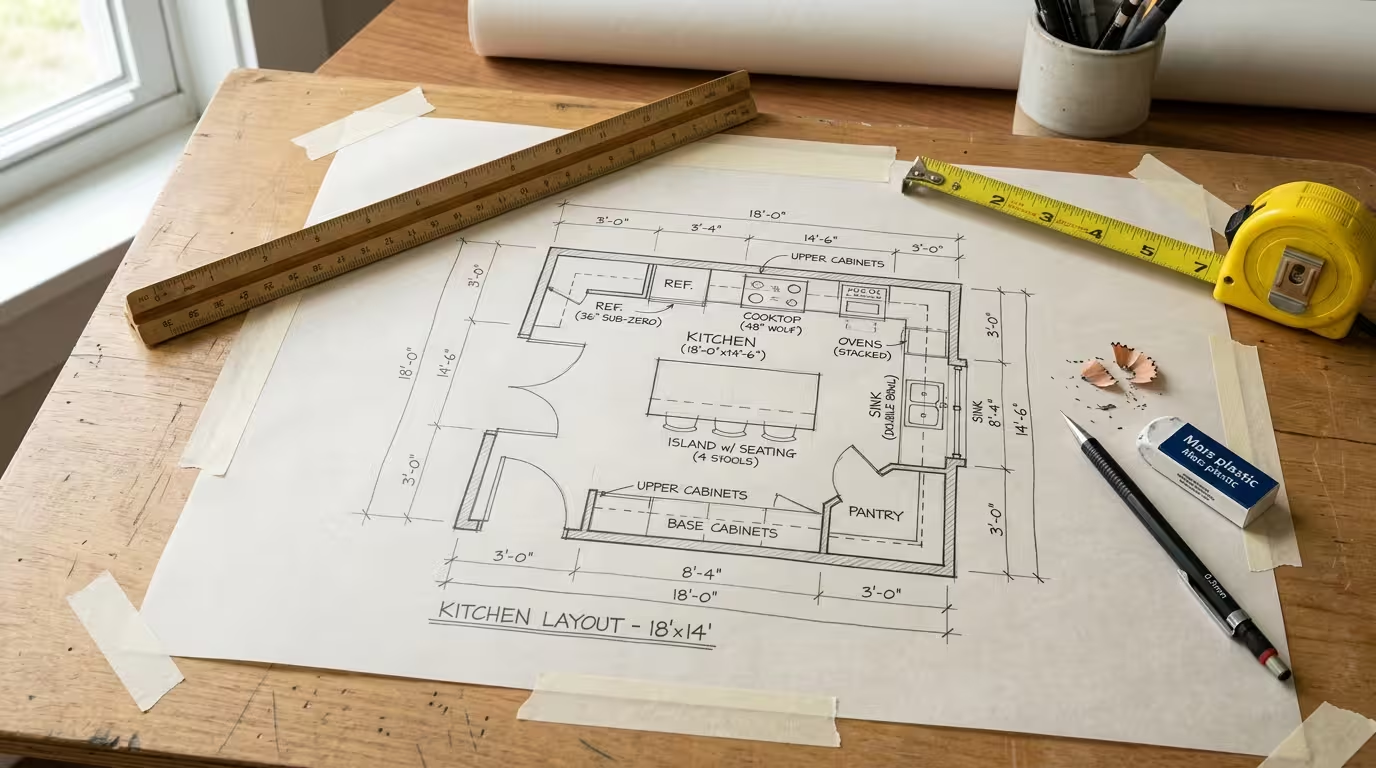
Layout decisions shape everything else. One of the most useful ideas in newer kitchen planning is that the room should no longer be designed only around the old work triangle. That model can still help, but many households now have multiple cooks, multiple routines, and more activity happening in one space. A stronger plan thinks in zones: prep, cooking, cleanup, storage, seating, and traffic flow. When those zones work together, the kitchen feels calm. When they fight each other, even premium finishes feel annoying.
Before finalizing the layout, walk the room as if you are using it. Imagine unloading groceries, filling pots, plating meals, opening the dishwasher, and moving past someone seated at the island. That exercise exposes cramped corners fast. It also helps you decide whether you need an island at all, where a pantry should sit, and whether your sink, trash, and prep zone belong closer together. Good layout work is quiet work. You notice it most when a kitchen no longer makes you sidestep, reach too far, or double back constantly.
Expert Kitchen Renovation Checklist for Smarter Storage
Storage planning deserves its own pass. Many guides mention “add storage,” but the better advice is to place storage near the task it supports and keep frequently used items within easy reach. NKBA planning guidance highlights reachable storage ranges and emphasizes keeping commonly used items accessible, while its newer research continues to point toward enhanced storage as a major priority. Deep drawers near prep areas, dedicated trash and recycling pull-outs, tray storage near ovens, and practical pantry zoning usually outperform random extra cabinets.
Expert Kitchen Renovation Checklist Step 4: Confirm Appliances, Power, Gas, and Ventilation Early
Appliance decisions should happen earlier than many homeowners expect. Top renovation guides repeatedly warn that dimensions, door swings, ventilation needs, and utility requirements can affect cabinet plans, counter templates, and even how the appliance gets into the house. A refrigerator that looks perfect online can still fail the remodel if it will not clear the doorway, fit the depth, or allow nearby doors and drawers to open comfortably. Final appliance selection is not a shopping detail. It is a layout decision.
Power planning is just as important. New kitchens place heavier demands on electrical systems, especially when you add more outlets, under-cabinet lighting, smart features, wall ovens, or electric cooking. House Beautiful’s expert checklist specifically notes that an induction cooktop may require enough panel capacity and the correct voltage, while step-by-step remodel guides remind homeowners that refrigerators, dishwashers, disposals, and electric ranges often need dedicated connections and, in some cases, GFCI protection. Fixing those details on paper is far cheaper than fixing them after cabinets are installed.
Ventilation is one of the biggest blind spots in ordinary remodel articles, and it should not be. The EPA says cooking can raise indoor particulate levels, recommends using a range hood whenever you cook, and advises venting it outdoors when possible and leaving it on for 10–20 minutes after cooking. EPA also notes that a range hood vented to the outside is generally better than one that simply recirculates air. That means your expert kitchen renovation checklist should treat hood performance as a health and comfort decision, not only as a styling choice above the range.
Expert Kitchen Renovation Checklist Step 5: Choose Materials for Real Life, Not Only for Showroom Appeal

Material selection should follow your household habits. Beautiful surfaces that stain easily, scratch too fast, or demand constant maintenance can make a fresh remodel feel tiring within weeks. Strong remodeling guides consistently advise choosing finishes by balancing appearance, durability, and ease of care. That is especially true for flooring, countertops, cabinetry, and hardware, which take the most abuse. If you cook often, host frequently, or have children or pets, the “best” material is usually the one you can live with comfortably, not the one that photographs best on day one.
This is also the right moment to think about operating costs. NKBA’s 2025 reporting pushes sustainability beyond just materials, and ENERGY STAR says certified electric cooking products are, on average, 18% more efficient than standard models, and that choosing certified kitchen appliances can lower energy use over time. ENERGY STAR also maintains a Rebate Finder so homeowners can check local incentives by zip code. Small choices made during selection can keep the new kitchen less expensive to run long after installation is done.
Expert Kitchen Renovation Checklist Step 6: Vet the Team and Lock the Contract
A polished portfolio is not enough. The FTC recommends considering only contractors who are licensed and insured, confirming that license with your state or county, asking for proof of insurance, checking complaints, and getting multiple written estimates. That process is not bureaucracy for its own sake. It is one of the cleanest ways to lower your risk before money changes hands. A kitchen remodel touches electrical, plumbing, gas, cabinetry, and finishes. You want a team that is legitimate, organized, and used to coordinating all of it.
Once you choose a contractor, read the contract slowly. The FTC says the agreement should include the contractor’s identifying information, estimated start and completion dates, and promises about work scope, labor, and materials. It also warns homeowners to make sure blank spaces are filled in before signing. That matters because vague contracts create vague accountability. A real expert kitchen renovation checklist always includes a written scope, a change-order process, payment milestones, warranty language, and a clear answer about who is responsible for permits and inspections.
Expert Kitchen Renovation Checklist Step 7: Prepare the House Before Demolition Begins
Most people underestimate how disruptive a kitchen remodel feels when daily routines still need to happen. Practical checklists recommend deciding in advance where you will cook, where you will eat, how you will store essentials, and where materials will sit before installation. House Beautiful’s renovation experts also advise choosing one main entry route for the job site and often favor the garage as the cleanest path and staging area. Those boring logistics matter. They reduce dust spread, delivery confusion, and daily frustration once the old kitchen is gone.
If your home was built before 1978, treat demolition with extra care. The EPA warns that renovation work disturbing lead-based paint can create dangerous dust and recommends lead-safe certified contractors for these jobs. At the same time, make permit responsibility explicit before work starts. HUD’s 203(k) process notes that contractors obtain necessary permits before the start of the project, and USAGov provides state-based links for finding local government contacts when you need the right local office. Safety, legality, and cleanliness should be settled before demo day, not argued about during it.
Expert Kitchen Renovation Checklist Step 8: Manage the Build Without Micromanaging It

Construction runs better when the homeowner stays involved in a disciplined way. The strongest guides recommend building a realistic timeline, tracking lead times, checking progress regularly, and keeping records of receipts, warranties, and changes. Sequence matters here. Plumbing and electrical need to be right before insulation and drywall close things up. Countertops often need final measurements after cabinets are in. Backsplash installation usually comes late to avoid damage. When you understand that sequence, you ask better questions and avoid avoidable delays.
Your job is not to hover over every cut. Your job is to catch high-impact issues while they are still cheap to fix. Confirm outlet locations, lighting placement, appliance clearances, cabinet fillers, and access panels before walls close or tops are templated. House Beautiful’s experts point out that some powered storage ideas become very hard to install later, and step-by-step remodeling guides show just how many parts stack on top of one another once flooring, cabinetry, countertops, and backsplash begin. Small misses compound fast in that phase.
Expert Kitchen Renovation Checklist Step 9: Inspect, Test, and Finish Strong
The project is not done when the room looks finished. It is done when it works correctly. Final inspection guidance from Angi recommends marking unfinished work or problem areas, asking for a timeline to resolve them, and taking photos before sign-off. That is smart because visual satisfaction can hide practical defects. Open every drawer. Check door alignment. Run water and look for slow drains or leaks. Test each light, outlet, appliance, and switch. Turn on the hood and listen. A finished kitchen should not only impress you. It should operate cleanly and predictably.
After that, organize the handoff. Collect manuals, warranty documents, paint colors, countertop care notes, appliance model numbers, and a final punch-list record. If your remodel included new ventilation or electric cooking, keep maintenance simple and visible, including reminder notes for range hood filter cleaning. The last stage of an expert kitchen renovation checklist is about protecting the result you just paid for. A calm, documented finish helps you spot issues early and makes future maintenance far easier.
Expert Kitchen Renovation Checklist Punch List Before Sign-Off
Before you make the final payment, walk through the room with blue tape and mark anything that looks incomplete or wrong. Then test what cannot be judged by appearance alone: drainage, water pressure, disposal operation, hood performance, appliance settings, under-cabinet lighting, cabinet doors, drawer glides, and any smart controls. This final pass may feel tedious, but it is where small details stop becoming long emails later. A short, organized punch list is one of the highest-value parts of the entire process.
Conclusion: Your Expert Kitchen Renovation Checklist Should Protect Function First

The safest way to plan a kitchen remodel is to think beyond surfaces. The strongest expert kitchen renovation checklist starts with function, locks the layout before finish selections take over, confirms utilities early, treats ventilation seriously, and protects the homeowner with proper permits, contracts, and inspection steps. That approach is more disciplined, but it also produces a kitchen that feels better long after the excitement of reveal photos fades.
If you remember only one rule, make it this: every major choice should make the room easier to use, easier to maintain, and harder to regret. That is the real difference between a rushed remodel and a smart one. A complete expert kitchen renovation checklist is not about making the project bigger. It is about making your decisions clearer at the moments when clarity saves the most money, time, and frustration.