Top 15 Luxury Wall Decor Ideas for a Refined Home
A beautiful room can feel unfinished when its walls lack purpose. The right treatment creates a focal point, supports the layout, and gives the space identity. The best luxury wall decor ideas are not defined by price alone. They depend on scale, quality materials, personal meaning, and careful placement. A hand-finished plaster wall may feel more elevated than an expensive print chosen without context. Likewise, one well-framed artwork can outshine a crowded collection. These approaches combine art, texture, lighting, and architectural detail for polished walls.
What Makes Wall Decor Look Luxurious?
Luxury begins with intention. Identify the wall that catches your eye, then measure its width, height, nearby furniture, switches, and sightlines. Choose one leading feature and keep supporting elements quieter. Strong room aesthetics come from repetition: a metal finish echoed in a frame, a color repeated in upholstery, or a curved mirror balanced by a rounded table. When comparing luxury wall decor ideas, prioritize proportion, craftsmanship, and material quality. A limited palette and negative space create a calmer result.
15 Luxury Wall Decor Ideas for Beauty and Function
1. Oversized Original Art
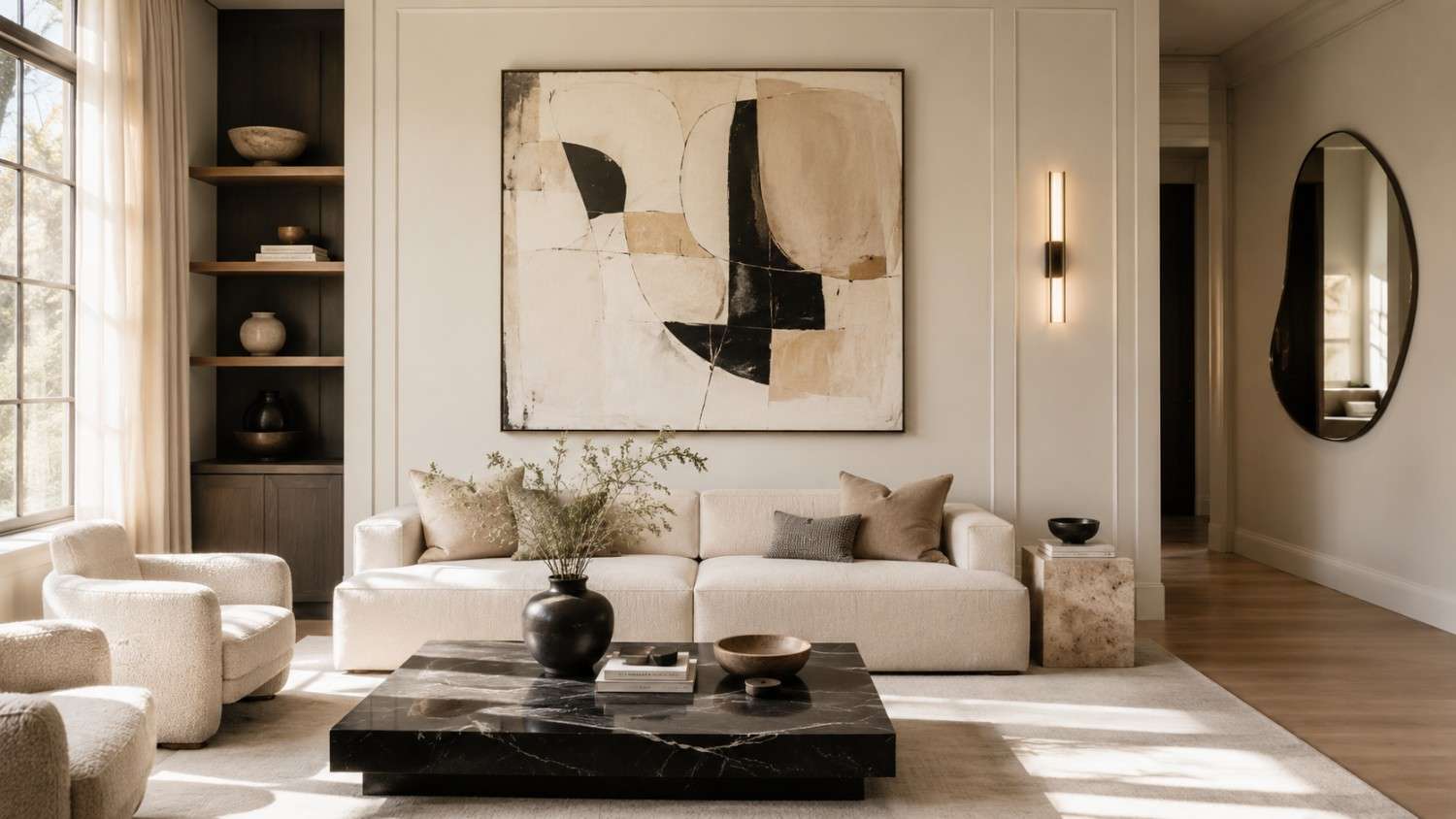
One large painting, photograph, or mixed-media work can organize a room. Above a sofa or console, it should feel connected to the furniture while retaining breathing room. Original art adds character, but a limited-edition print or professionally framed personal photograph can work just as well. Use substantial framing or museum-style matting, then keep nearby accessories restrained so the artwork remains the focal point.
2. A Collected Gallery Wall
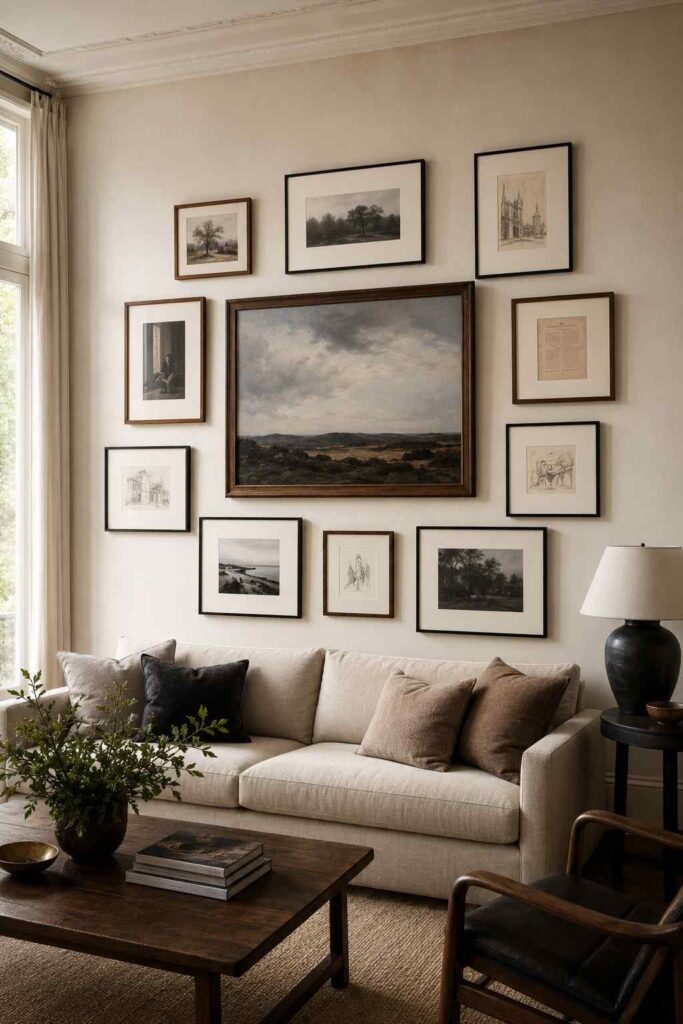
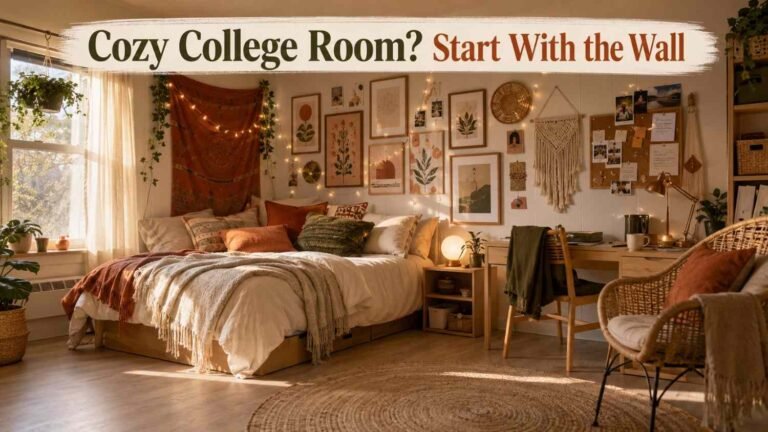
A gallery wall looks sophisticated when it tells a story instead of resembling a matching frame set. Combine photographs, paintings, sketches, travel finds, maps, or vintage documents. Begin with one larger anchor piece, then arrange smaller works around it. Repeat one element, such as black frames or cream mats, for unity. Lay the composition on the floor first, or tape paper templates to the wall before mounting.
3. A Sculptural Wavy Mirror
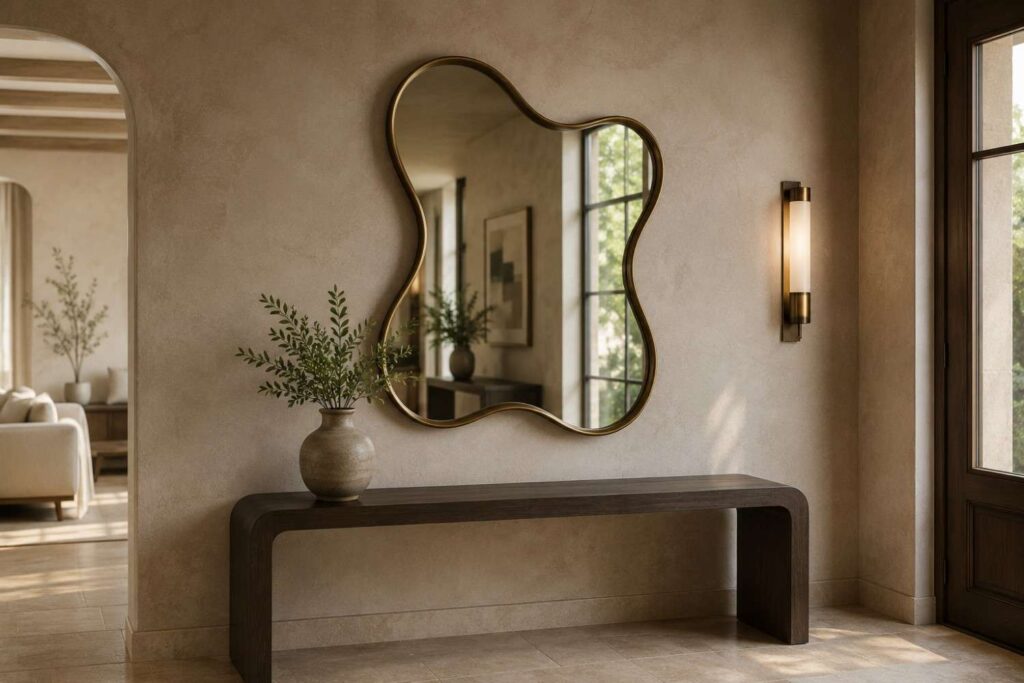
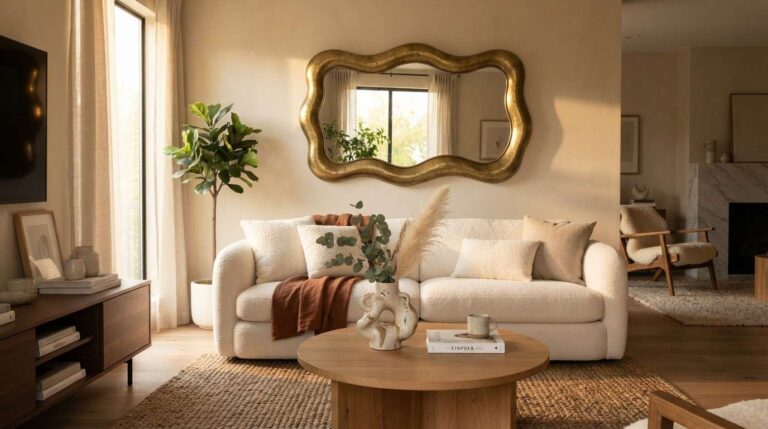
A mirror can function as artwork while reflecting light and extending sightlines. Wavy and asymmetrical frames soften rooms dominated by straight lines. Place one opposite a window, beside a dining table, or above a console where it reflects an attractive view. For a distinctive focal point, luxury wavy mirror decor ideas can help compare organic silhouettes and finishes. Choose a size that feels deliberate rather than lost on a large wall.
4. Plaster, Limewash, or Clay
Hand-applied finishes create movement that shifts with daylight. Venetian plaster offers a softly polished surface, while limewash and clay create a matte, cloud-like effect. These treatments suit entryways, bedrooms, dining rooms, and fireplace walls because they add depth without a busy pattern. Choose a tone that complements the flooring and natural light. Test a large sample first, since application and lighting can change the result.
5. Molding or Wall Paneling
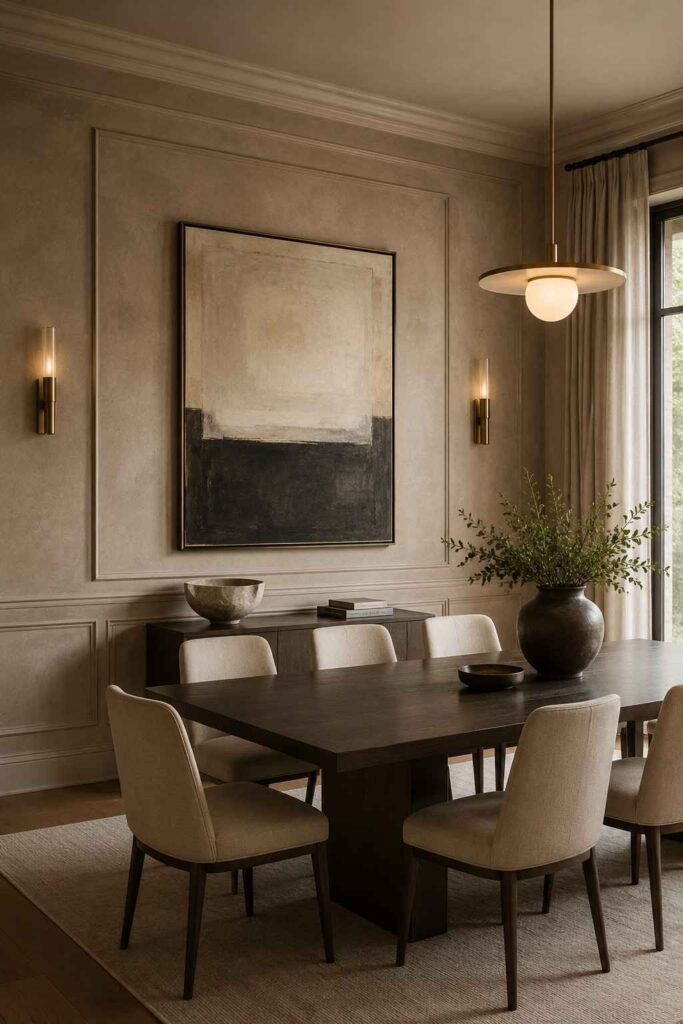
Wall molding can make a plain room feel considered and permanent. Traditional picture-frame molding suits formal interiors, while wider geometric panels create a cleaner look. Paint the trim and wall the same color for subtle depth, or use gentle contrast. Panel dimensions should respond to doors, windows, ceiling height, and furniture. Molding also creates an elegant backdrop for mirrors, sconces, and framed art.
6. Fluted or Slatted Wood
Vertical wood slats add rhythm, warmth, and height. Walnut creates a rich atmosphere, while oak and ash keep the room lighter. Use slats across a full wall, behind a television, or within a framed section behind a bed. Consistent spacing looks tailored, and acoustic backing can help in media rooms or offices. Pair the wood with plaster, stone, linen, or matte metal instead of competing grains.
7. Stone or Porcelain Walls
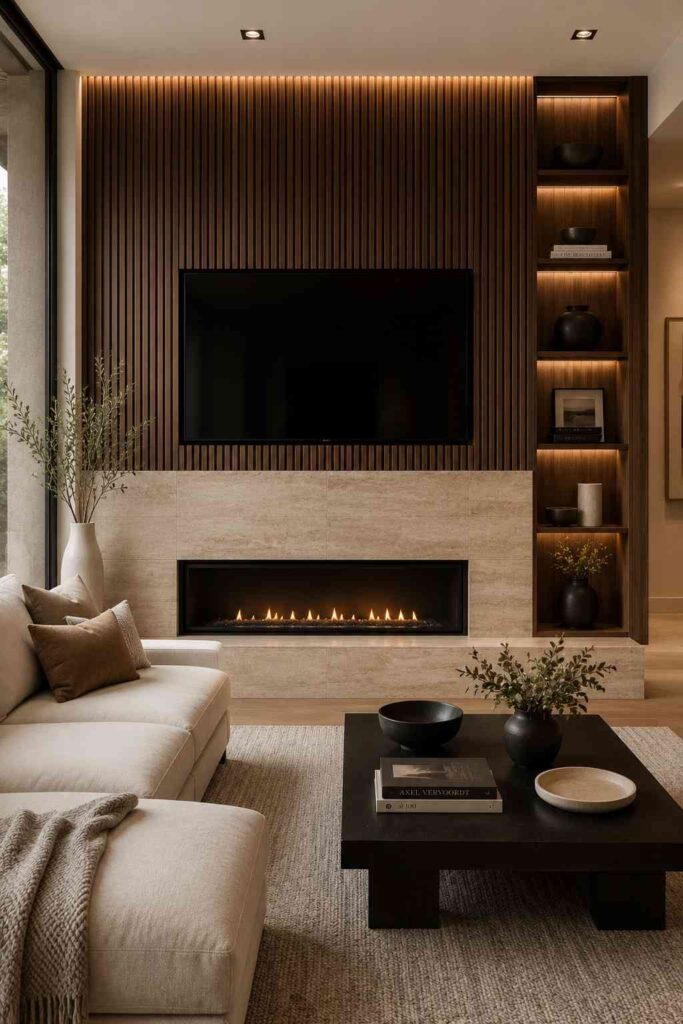
Marble, travertine, quartzite, and large-format porcelain can turn a wall into an architectural feature. Use it around a fireplace, behind a buffet, or in an entry. Book-matched veining creates drama, while honed stone feels quieter. Plan seams, outlets, mounting points, and lighting before installation. Heavy surfaces require suitable preparation and professional fixing, making this one of the luxury wall decor ideas best resolved early.
8. Framed Textiles and Tapestries
Textiles introduce softness and craftsmanship that prints cannot always provide. Consider a vintage rug fragment, embroidered panel, silk scarf, quilt section, woven artwork, or hand-dyed fabric. Framing delicate pieces creates a formal finish, while a concealed rod gives a large tapestry an architectural presence. Use textiles where softness can balance stone, wood, or metal. Directional light reveals the weave, but keep sensitive fabrics away from strong direct sunlight.
9. Metal or Ceramic Sculpture
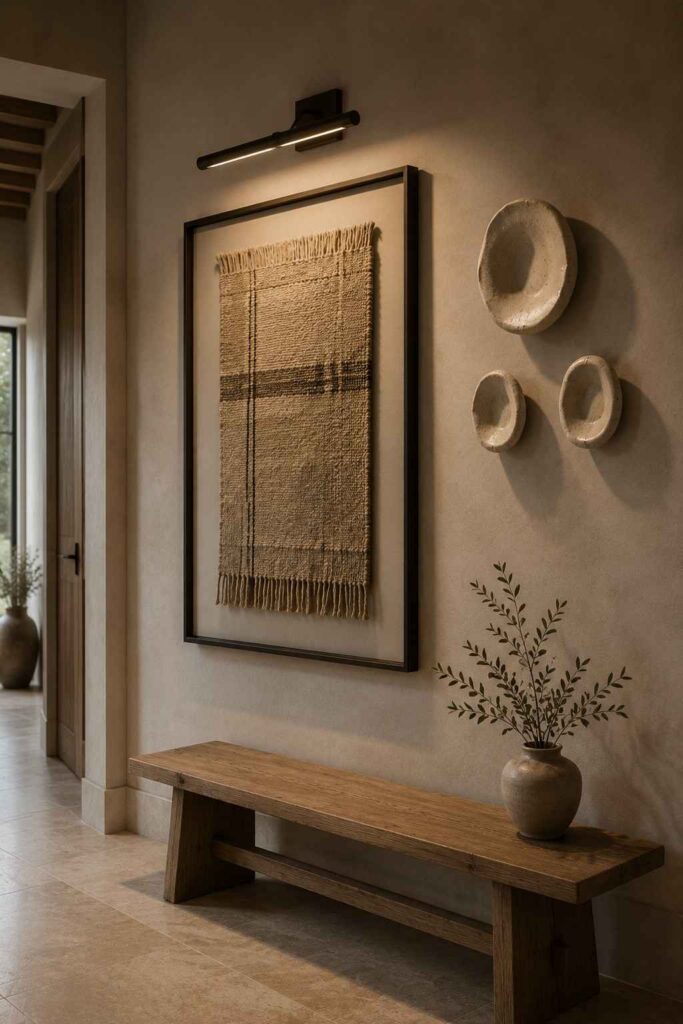
Three-dimensional wall art changes as light moves across its surface. Bronze, aged brass, blackened steel, carved wood, and handmade ceramic pieces add depth without covering the entire wall. A single large sculpture suits a minimalist room, while a measured group creates movement along a staircase or dining wall. Check the total weight and projection depth, then use suitable fixings. Repeat the finish on a lamp or table base to connect the display.
10. Murals and Panoramic Wallcoverings
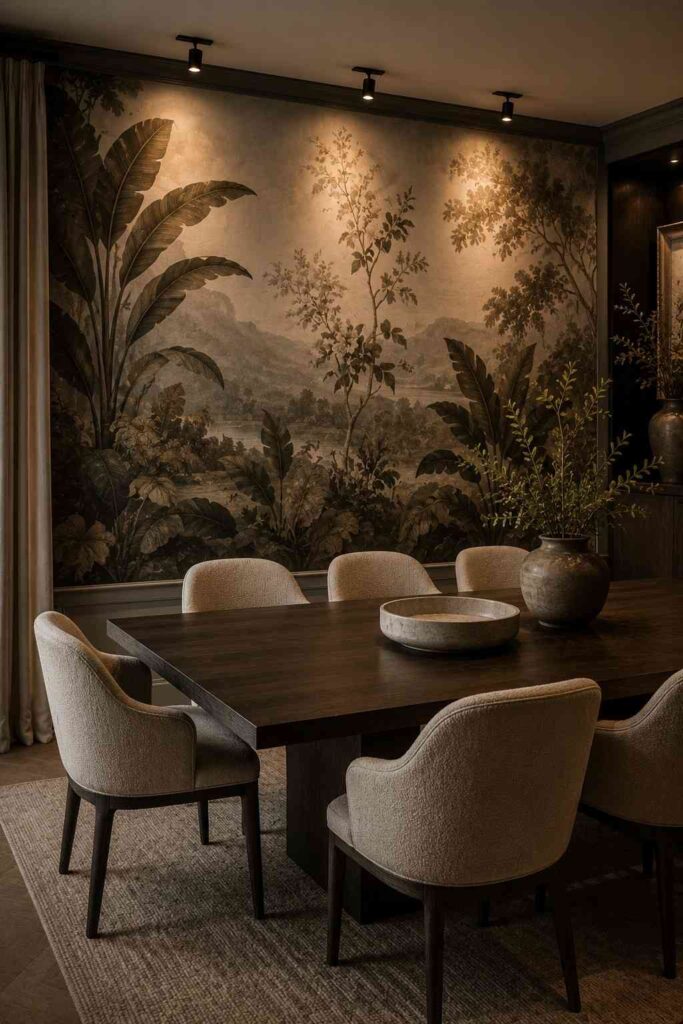
A mural creates an atmosphere on a scale that framed art cannot. Scenic landscapes, botanicals, abstract washes, and architectural drawings can make a dining room, powder room, or bedroom feel immersive. Choose imagery that supports the mood and reads comfortably from the entrance. Oversized motifs often feel calmer than small repeating patterns. Wrap the design around corners for an enveloping effect, or use removable mural panels when a permanent finish is not practical.
11. Picture and Accent Lighting
Lighting determines whether wall decor feels flat or intentional after sunset. Picture lights add traditional gallery character, while adjustable ceiling spots create a cleaner look. Wall washers can reveal plaster, stone, textiles, and carved surfaces without a harsh spotlight. Use dimmers, coordinate the light temperature with nearby lamps, and avoid glare on glass. Among luxury wall decor ideas, thoughtful illumination is often overlooked, yet it can make modest artwork feel more refined.
12. Niches and Display Ledges
Recessed niches and slim ledges allow objects to become part of the architecture. Use them for sculptures, ceramics, books, or a rotating collection of framed works. Paint a niche in a deeper tone, line it with wood or stone, or add concealed lighting. Keep the arrangement edited because space matters. For broader whole-home references, outinteriors can help connect wall treatments with furniture, lighting, and finishes rather than treating each choice separately.
13. Antique and Handcrafted Objects
Luxury often comes from rarity, age, and visible workmanship. Antique mirrors, carved panels, decorative plates, architectural fragments, baskets, and vintage signs can make a wall feel personal rather than showroom-perfect. Choose objects connected to your home, travels, or family history. Groups should share a visual link, such as material, shape, origin, or color. Verify old mounting hardware and use conservation-friendly supports for fragile pieces. A collection built slowly usually feels more authentic.
14. Living or Preserved Green Walls
Greenery can transform a blank surface into an organic focal point. A true living wall needs suitable light, irrigation, drainage, ventilation, and regular care, so specialist planning is wise. Preserved moss or botanical panels offer a lower-maintenance alternative for offices, hallways, and media rooms. Keep surrounding finishes simple so the natural texture remains dominant. Pair botanical walls with wood, stone, or plaster to create a coherent material story instead of an isolated feature.
15. A Quiet Mixed-Material Wall
A refined wall may combine subtle elements instead of one dramatic object. Layer pale plaster, a slim bronze picture light, one textured artwork, and a low stone console. Another room might pair painted molding with linen and aged wood. Limit the composition to two or three dominant materials and repeat them elsewhere. The strongest luxury wall decor ideas feel effortless because every proportion, finish, and sightline has been considered.
Choosing the Right Idea for Each Room
Living rooms can support large art, stone, wood panels, and gallery arrangements. Bedrooms benefit from textiles, paired artwork, and gentle lighting. Dining rooms suit murals, mirrors, sculpture, and deeper colors. Entryways need one memorable feature, while bathrooms require moisture-appropriate materials. Before committing to luxury wall decor ideas, mark the dimensions with painter’s tape and view them from each doorway. This prevents art that is too small, too high, or disconnected from the furniture.
Common Mistakes to Avoid
Do not decorate every empty wall. Rooms need visual pauses, especially when flooring or upholstery carries a strong pattern. Avoid choosing luxury wall decor ideas before measuring the wall and nearby furniture. Small pieces scattered too far apart feel accidental, while oversized installations can interfere with doors or sconces. Use proper anchors for heavy items, and hire a qualified installer when wall construction is uncertain. Personal art usually feels richer than complete matching sets.
Conclusion
The most successful luxury wall decor ideas combine beauty with proportion, purpose, and personal meaning. Begin with the architecture, choose one focal point, and use materials that relate to the furniture and lighting. Oversized art creates focus, while plaster, molding, wood, stone, textiles, and botanical installations add depth. Good illumination and secure installation complete the result. A wall need not be expensive or crowded. It should look deliberate, balanced, and connected to the people who live with it.
Frequently Asked Questions
What Type of Wall Decor Looks Most Luxurious?
Original art, sculptural mirrors, handcrafted textiles, architectural molding, natural stone, and artisan finishes look refined because they offer depth and craftsmanship. The best choice fits the room’s scale and materials.
How Can Wall Decor Look Expensive on a Budget?
Invest in one focal piece, improve the frame, use a restrained palette, and leave negative space. Vintage art, framed textiles, picture ledges, molding, and well-placed lighting can create impact without filling every wall.
How High Should Wall Art Be Hung?
Place the artwork’s center near eye level as a starting point, but consider furniture and ceiling height. Above a sofa or console, the piece should feel connected rather than floating high above it.
Can Modern and Traditional Decor Be Mixed?
Yes. Pair a traditional gilt mirror with modern furniture, or place contemporary art inside classic molding. Repeat one color, material, or finish so the contrast feels intentional.
What Are the Best Luxury Wall Decor Ideas for a Small Room?
Use one medium or large focal piece, a mirror with an attractive reflection, shallow picture ledges, tonal molding, or soft plaster. Too many small objects can make a compact room feel busy.
Are Gallery Walls Suitable for Elegant Interiors?
A gallery wall can look timeless when the collection has personal meaning and controlled spacing. Repeat a frame finish, mat color, or theme to create cohesion without making the display overly matched.
How Can Renters Create a High-End Wall?
Try removable mural panels, leaning art, tension-mounted textiles, weight-rated adhesive systems, or a freestanding screen. Follow product instructions and confirm lease rules before installation.