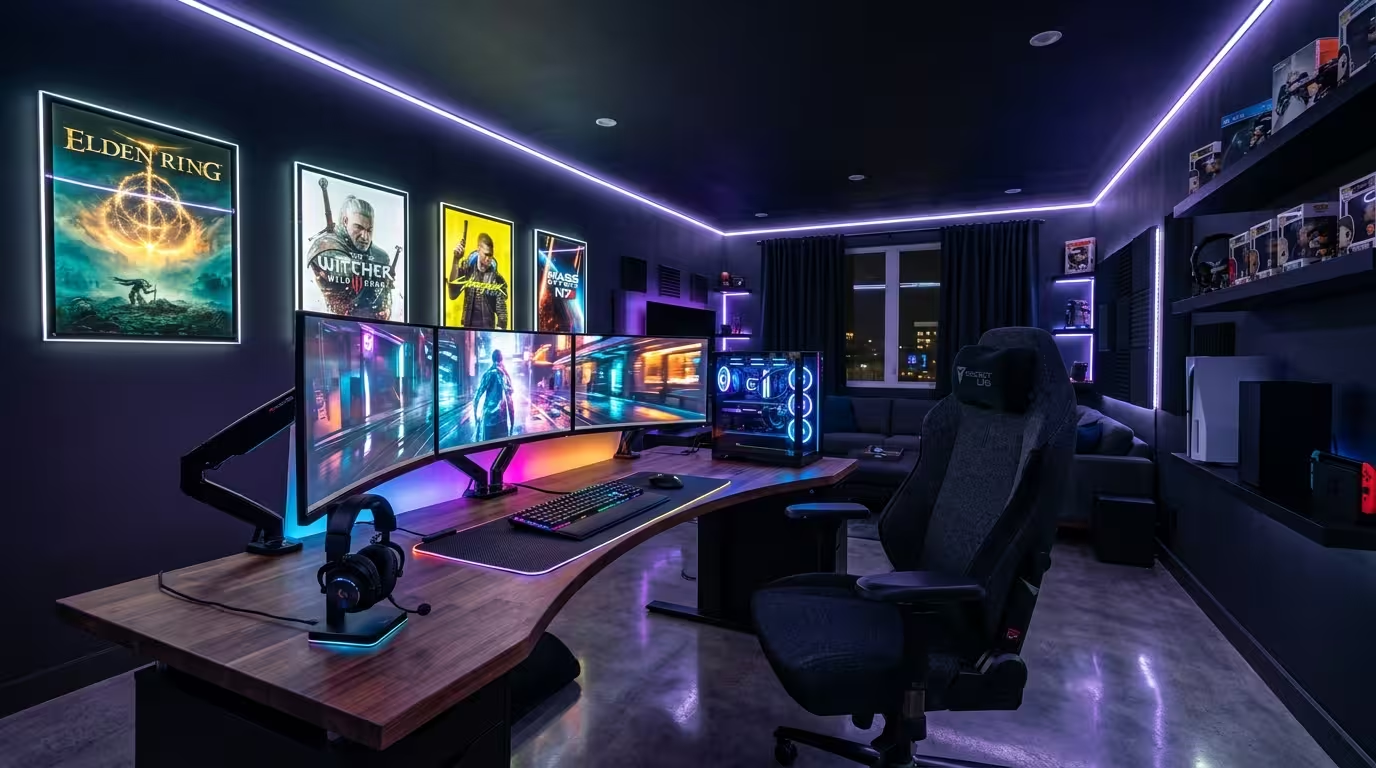
Room Aesthetics: 30+ Ultimate Guide to Designing a Space You’ll Love
Your room speaks before you do. The moment someone walks in, they feel the warmth of your lighting, sense the mood in your color choices, and absorb the energy your space gives off — all before a single word is exchanged. Room aesthetics is the art of shaping that silent, immediate impression. But it goes far beyond placing a few decorative pieces on a shelf. It’s about curating an environment that reflects who you are, supports how you live, and makes you genuinely glad to come home. Whether you’re starting from scratch or rethinking a space you’ve lived in for years, this guide gives you everything you need to design a room that works for your life — not just your camera roll.
What Are Room Aesthetics and Why Do They Matter?
Room aesthetics refers to the combined visual and sensory identity of a space — the relationship between color, furniture, lighting, materials, and décor that produces a distinct mood or atmosphere. It’s not a single element but a sum of many intentional decisions working in harmony.
The significance of room aesthetics runs deeper than appearance. Research in environmental psychology has consistently linked interior design to mental wellbeing. A cluttered, incoherent space elevates cortisol levels and disrupts concentration, while a purposefully styled room can reduce stress, sharpen focus, and improve sleep quality. Defining your aesthetic direction is not a superficial exercise — it’s a meaningful investment in your day-to-day experience.
Popular Room Aesthetic Styles in 2026
The variety of interior styles available today can feel overwhelming at first glance. Below are the most widely embraced room aesthetics across the USA — each with its own personality and design language.
Minimalist Room Aesthetics
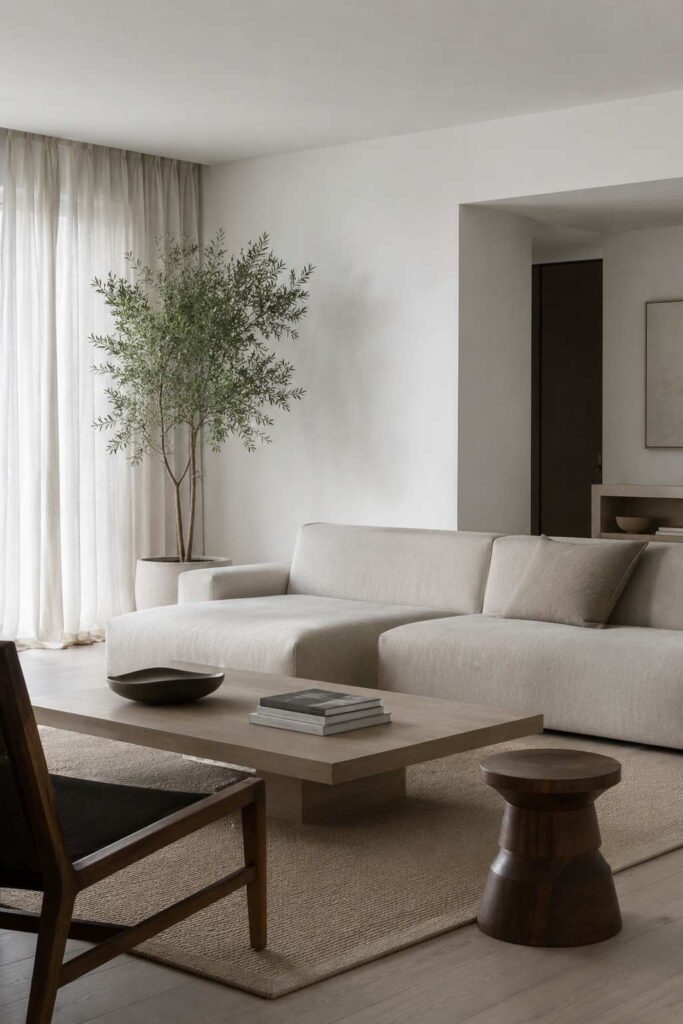
Minimalism has remained one of the most enduring room aesthetics for over a decade, and for good reason. Built on the principle of “less is more,” it strips away the unnecessary and keeps only what is purposeful. Neutral palettes — whites, warm grays, soft beiges — dominate, and every piece of furniture earns its place through function. Minimalist spaces feel open, calm, and uncluttered, making them an especially smart choice for smaller apartments and urban homes.
Bohemian (Boho) Style
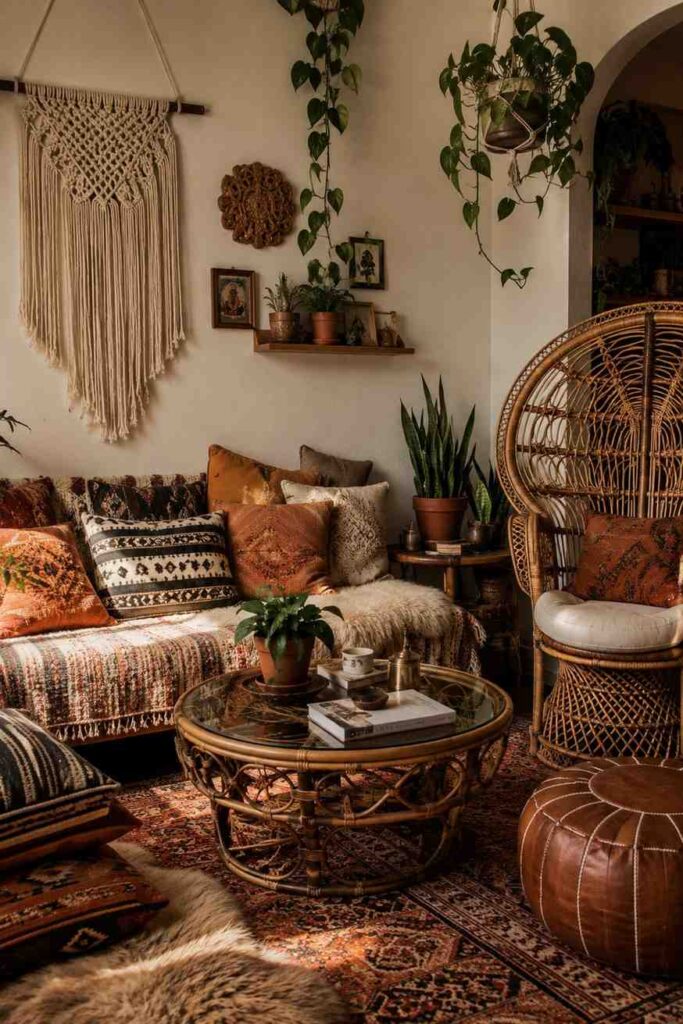
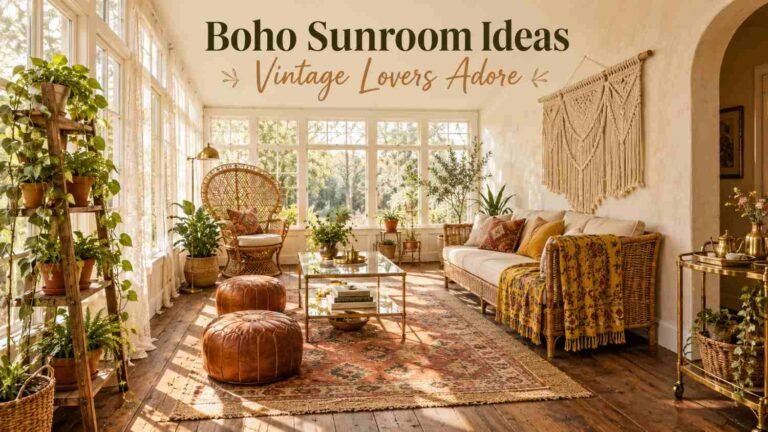
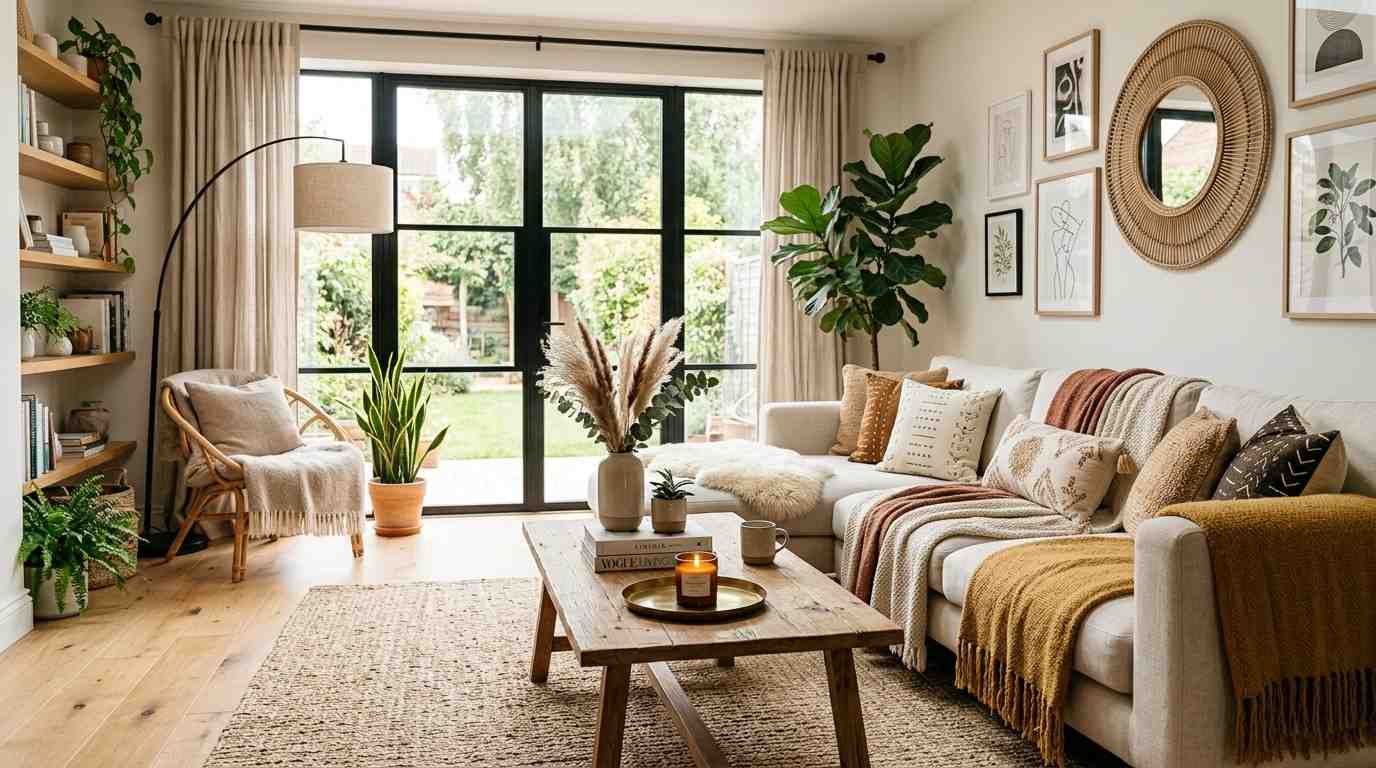
The boho aesthetic is the opposite of restrained. It layers richly patterned textiles, handmade objects, rattan furniture, trailing plants, and global-inspired accents into spaces that feel deeply personal and lived-in. Boho room aesthetics celebrate individuality — no two are exactly alike. If you’re drawn to color, texture, and creative expression, this style invites you to lean in fully.
Cottagecore
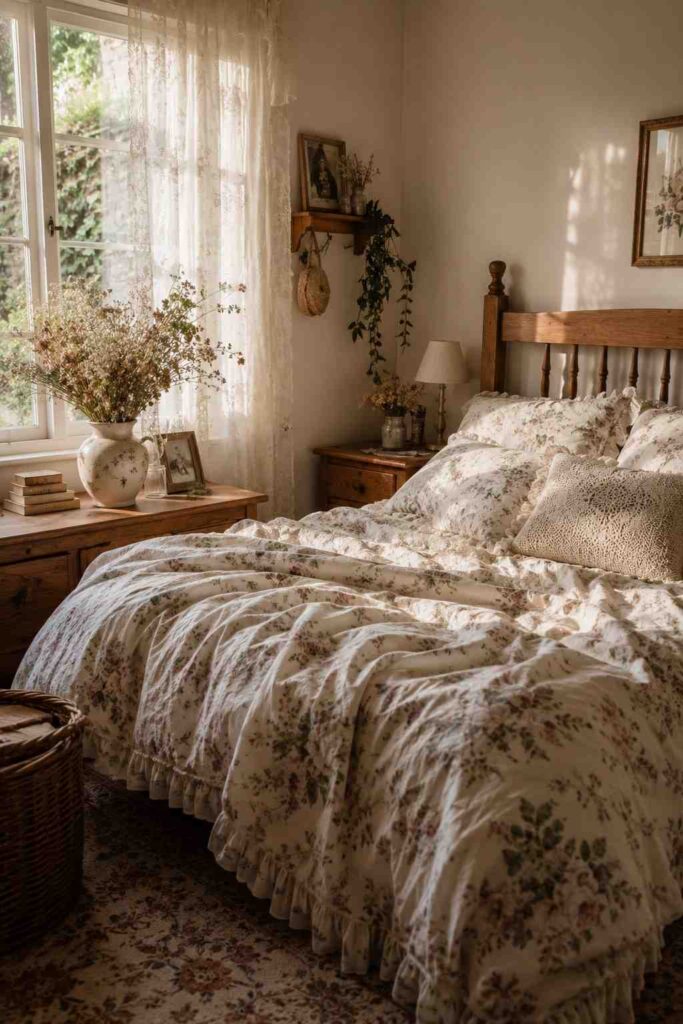
Cottagecore became a cultural phenomenon around 2020 and has maintained its hold on home décor trends since. It romanticizes rural simplicity: floral patterns, dried flower arrangements, linen fabrics in muted earth tones, handmade ceramics, and natural wood surfaces. This room aesthetic prioritizes warmth, nostalgia, and quiet comfort. It pairs best with abundant natural light and a soft, whimsical color palette.
Dark Academia
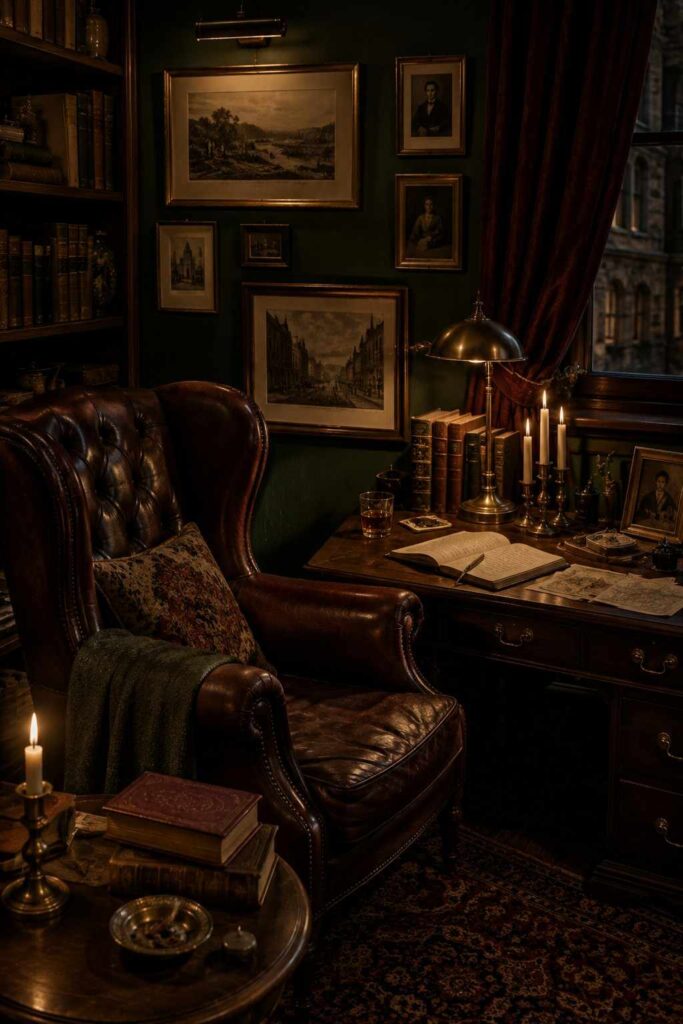
Dark Academia room aesthetics take their cues from scholarly, literary spaces — think university libraries, Victorian studies, and antiquarian bookshops. Deep, saturated tones like forest green, burgundy, and mahogany set the backdrop, while leather chairs, vintage maps, framed prints, and candlelight complete the atmosphere. It’s moody, intellectual, and quietly dramatic — ideal for home offices or reading nooks.
Coastal and Mediterranean
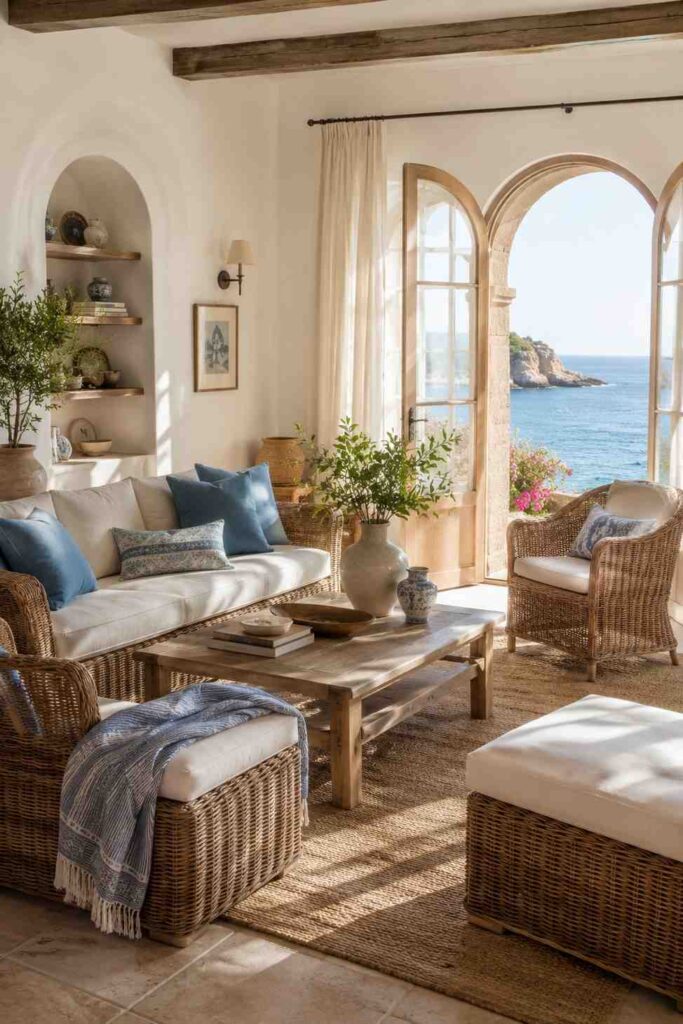
Light, airy, and unpretentious, coastal room aesthetics channel the ease of seaside living. Natural textures — jute, linen, weathered wood, and woven rattan — combine with soft blues, sandy neutrals, and warm whites to create a relaxed, sun-drenched feel. This aesthetic translates equally well from living rooms to outdoor terraces.
How to Find Your Own Room Aesthetic
Identifying your room aesthetic is less about picking from a list and more about listening to your instincts. Start by asking yourself how you want your space to feel, not how it should look. Do you crave stillness and order, or warmth and layered richness? Are you drawn to natural materials or sleek surfaces? Do bright rooms energize you, or do moodier tones feel more comfortable?
From there, gather visual references. Pull from books you love, places you’ve traveled, architecture you admire, or even the colors that consistently appear in your wardrobe. Pinterest boards and design magazines are useful tools, but use them to identify patterns in your own preferences — not to clone someone else’s home. The most successful room aesthetics are those built around a life already being lived, not aspirational ones that require you to become someone else.
Color, Light, and Texture: The Three Pillars of Room Aesthetics
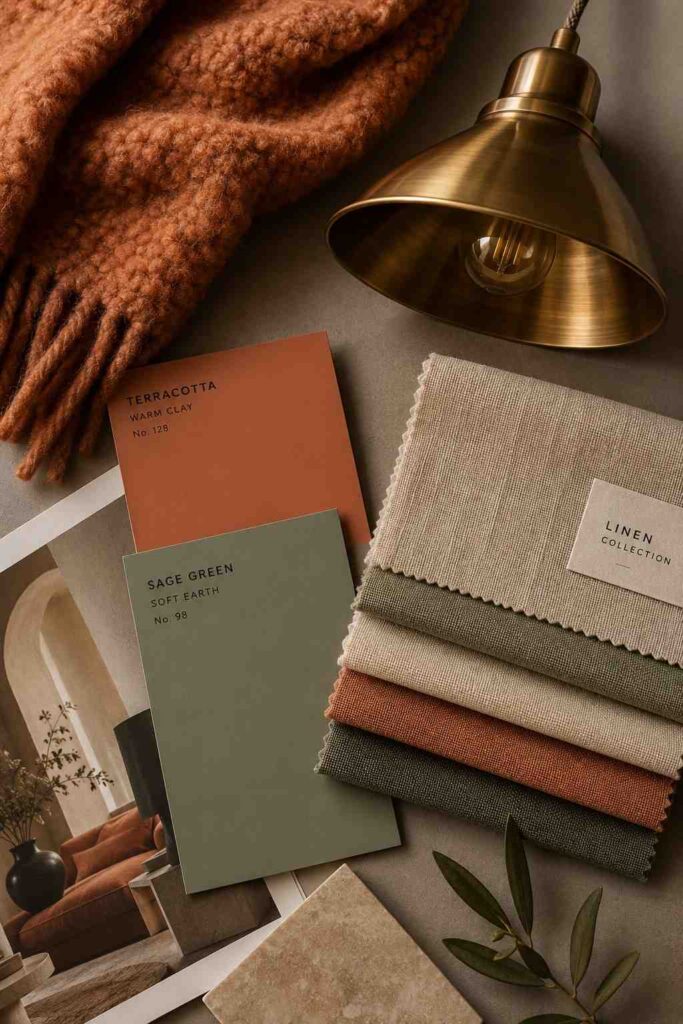
No three elements shape room aesthetics more powerfully than color, light, and texture. Understood and used well, they’re the invisible architecture of any great room.
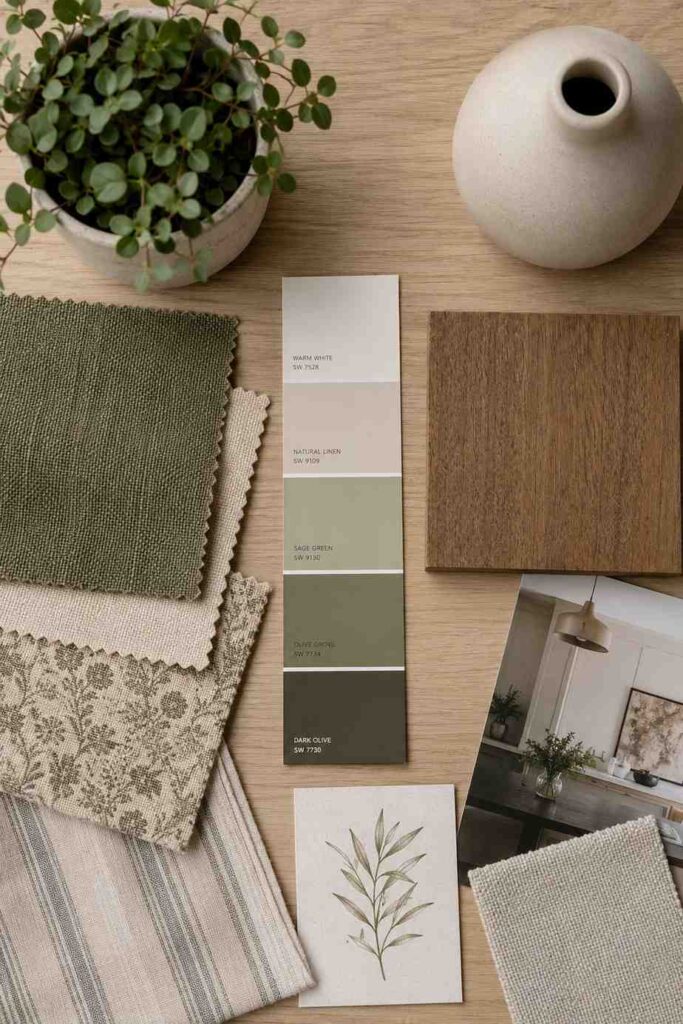
Color is emotional before it’s visual. Warm tones — terracotta, mustard, rust — bring energy and coziness. Cool tones — sage green, dusty blue, soft lavender — promote calm and focus. When choosing a palette, limit yourself to 2–3 base colors to maintain visual cohesion without the room feeling monotonous.
Lighting transforms a room at every hour of the day. Natural light remains irreplaceable, but layered artificial lighting — ambient for overall brightness, task lighting for function, and accent lights for atmosphere — gives you full control over mood. Warm-toned bulbs around 2,700–3,000K are ideal for bedrooms and living rooms; cooler tones above 4,000K suit kitchens and workspaces.
Texture is what keeps a room from feeling flat. Even in a minimalist space, the contrast of a smooth linen sofa against a rough oak coffee table and a soft wool throw creates depth and visual interest. Mixing materials — ceramics, metals, woven fabrics, natural stone — ensures the room feels layered and alive, not staged.
Budget-Friendly Ways to Refresh Your Room Aesthetic
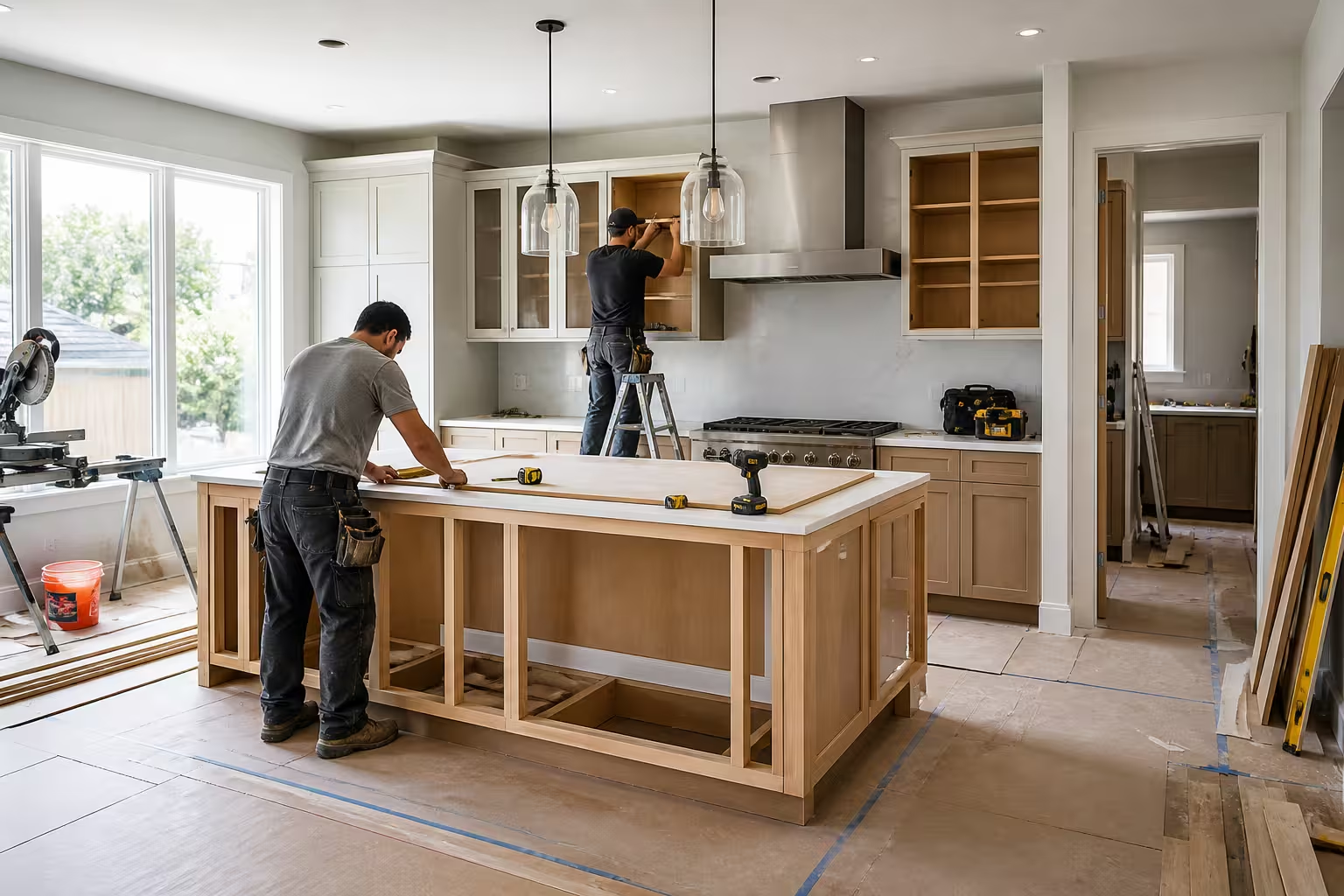
Redesigning a room doesn’t require a large budget or a complete overhaul. Some of the most impactful transformations begin with small, considered changes:
- Rearrange what you already own — a new furniture layout can completely change the energy of a room at zero cost.
- Swap out soft furnishings — new cushions, a throw blanket, or a different rug can shift the entire aesthetic of a space.
- Paint a single accent wall — one bold or unexpected color is often enough to anchor a new design direction.
- Introduce plants — greenery adds warmth, movement, and life to any room aesthetic, while also improving indoor air quality.
- Shop secondhand — thrift stores, estate sales, and resale apps consistently surface unique, characterful pieces at a fraction of the retail price.
Small changes compound quickly. A new lamp, a rearranged gallery wall, or a handmade textile sourced locally can shift the feel of a room in ways that far outpace their cost.
Room Aesthetics for Specific Spaces
Bedroom
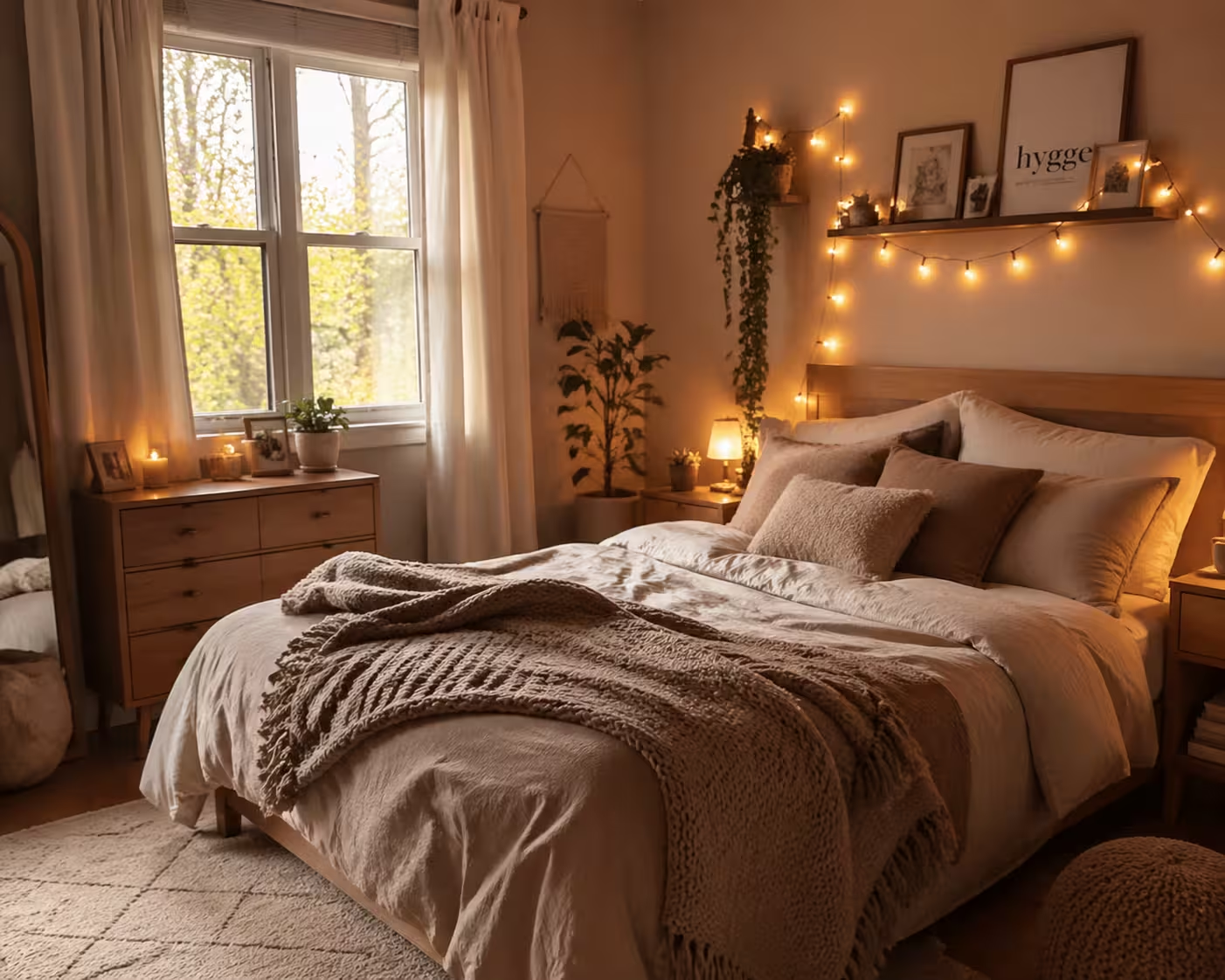
The bedroom is the most personal room in any home, and the aesthetic you establish here has a direct effect on your rest. A serene, hotel-inspired setup or a cozy, layered sanctuary can both work beautifully — the key is intentionality. For those just beginning their design journey, exploring bedroom inspiration boards and curated style guides can help narrow down exactly which direction feels most aligned with your sensibility. Prioritize a calming color palette, quality bedding, and thoughtful lighting — these three elements alone can transform a bedroom aesthetic from ordinary to genuinely restorative.
Living Room
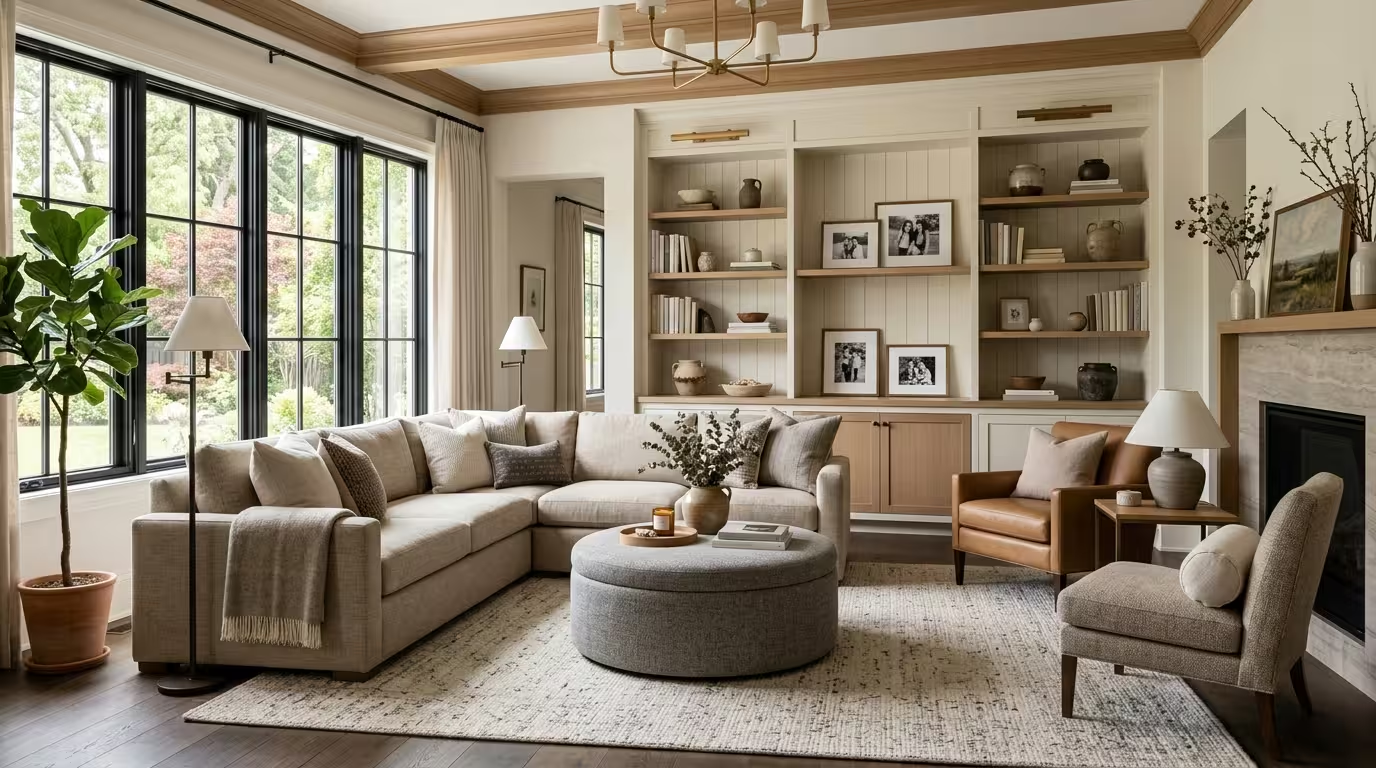
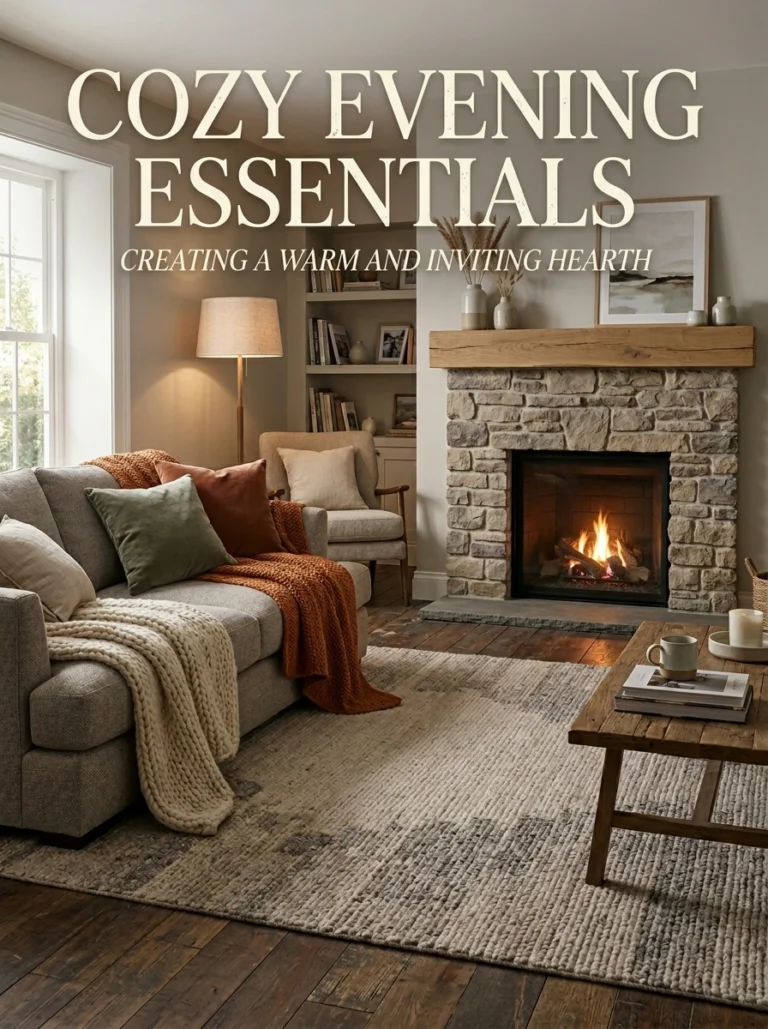
Living rooms carry the challenge of serving multiple purposes — relaxation, entertaining, and sometimes work. Select one focal point (a bold sofa, a statement piece of art, or an architectural feature) and build the rest of the space around it. Varying seat heights, layering rugs, and mixing warm and cool light sources all contribute to a dynamic, welcoming feel.
Taking Room Aesthetics Outdoors
Your design sensibility shouldn’t stop at the back door. Outdoor spaces — patios, terraces, and garden areas — are increasingly treated as natural extensions of interior room aesthetics. The philosophy of outinteriors — designing outdoor living areas with the same intentionality applied to interior rooms — bridges the gap between inside and outside, creating a cohesive, flowing experience throughout the entire home.
For those who love bringing a personal, handcrafted touch to their outdoor areas, garden art diy projects offer an accessible, creative, and cost-effective way to add character and visual warmth to patios and garden spaces, reinforcing the broader aesthetic of your home from the inside out.
Common Mistakes That Undermine Room Aesthetics
Even with genuine effort and good taste, certain habits quietly work against a well-designed room:
- Over-accessorizing — too many décor pieces- creates visual noise and dilutes the overall aesthetic impact.
- Ignoring scale — furniture that’s too large or too small for a room throws off the entire composition.
- Sacrificing function for style — a beautiful room that’s uncomfortable or impractical becomes frustrating to inhabit within weeks.
- Chasing trends instead of preferences — an aesthetic that doesn’t align with your genuine personality will feel hollow, regardless of how fashionable it is.
- Relying on a single overhead light — one harsh ceiling fixture flattens a room and strips it of atmosphere and warmth.
Great room aesthetics are built with patience and intention, not urgency and impulse. The rooms that feel most right are usually the ones that evolved thoughtfully over time.
Conclusion:
Room aesthetics is ultimately about creating a space that genuinely serves the person who lives in it. It blends visual harmony, personal identity, and everyday function into something that’s both beautiful and livable. Whether you’re drawn to the clean restraint of minimalism, the layered richness of boho style, the cozy nostalgia of cottagecore, or the moody depth of dark academia, the goal is always the same: a home that feels authentically, unmistakably yours. Start with one room, make deliberate choices, and build from there. The process itself — of noticing what you love, editing what you don’t, and crafting a space that reflects your life — is just as rewarding as the finished result.
Frequently Asked Questions
1. What is the most popular room aesthetic in 2025?
Minimalism, cottagecore, and coastal styles are among the leading room aesthetics trending across the USA in 2025. That said, popularity should be your starting point — not your deciding factor. The aesthetic that aligns best with your personal taste and lifestyle will always outlast any trend.
2. How do I find my own room aesthetic?
Begin with how you want your space to feel — calm, energizing, cozy, creative. Then look for consistent patterns in the images, spaces, and environments that appeal to you naturally. Your wardrobe choices, travel preferences, and book collections often reveal the aesthetic you’re most drawn to.
3. Can I combine multiple room aesthetics in one space?
Yes — many well-loved interiors blend elements from two or more styles. Mixing minimalist structure with warm boho textures, for instance, is both practical and visually compelling. The key is maintaining a unified color palette so the room feels considered rather than chaotic.
4. How often should I refresh my room aesthetic?
There’s no fixed schedule. Some people make small seasonal updates through textiles or accessories, while others redesign a space every few years. Focus on changes that feel meaningful rather than chasing seasonal trends — intentional updates tend to feel more satisfying and longer-lasting.
5. What are the most affordable ways to update a room’s aesthetic?
Rearranging furniture, swapping soft furnishings (rugs, cushions, curtains), painting a single accent wall, adding indoor plants, and shopping at thrift stores or resale markets are all high-impact, low-cost approaches.
6. Do room aesthetics affect mental health?
Yes. Environmental psychology research shows that the design of a living space — including its color, lighting, organization, and texture — has a measurable influence on mood, focus, stress levels, and sleep. A thoughtfully designed room aligned with your personal aesthetic can contribute meaningfully to day-to-day wellbeing.
7. What is the difference between room aesthetics and interior design?
Interior design is a professional discipline that encompasses spatial planning, architecture, material science, and technical knowledge. Room aesthetics is a broader, more accessible concept referring to the overall visual and sensory feel of a space — something any homeowner or renter can actively shape, regardless of professional training.