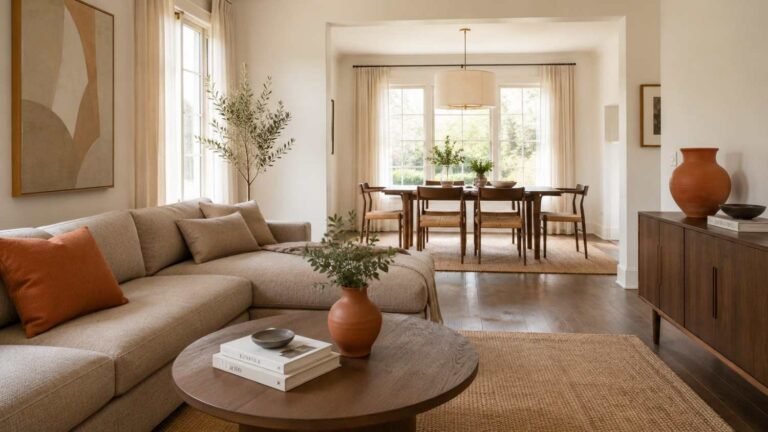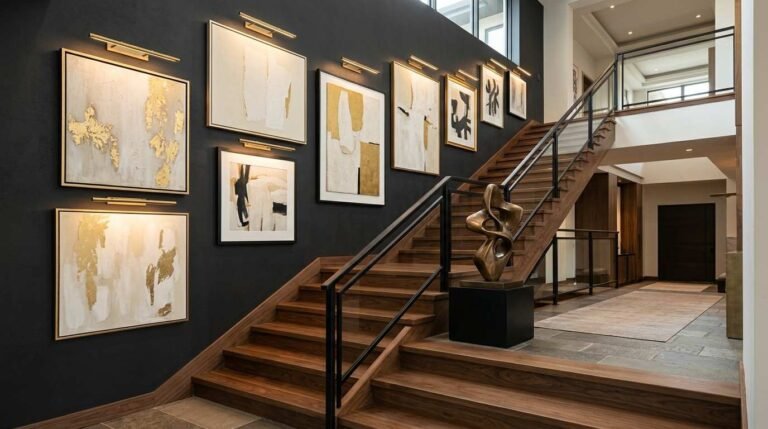
Classic 15 Japandi Living Room Ideas for a Calm, Collected Space in 2026

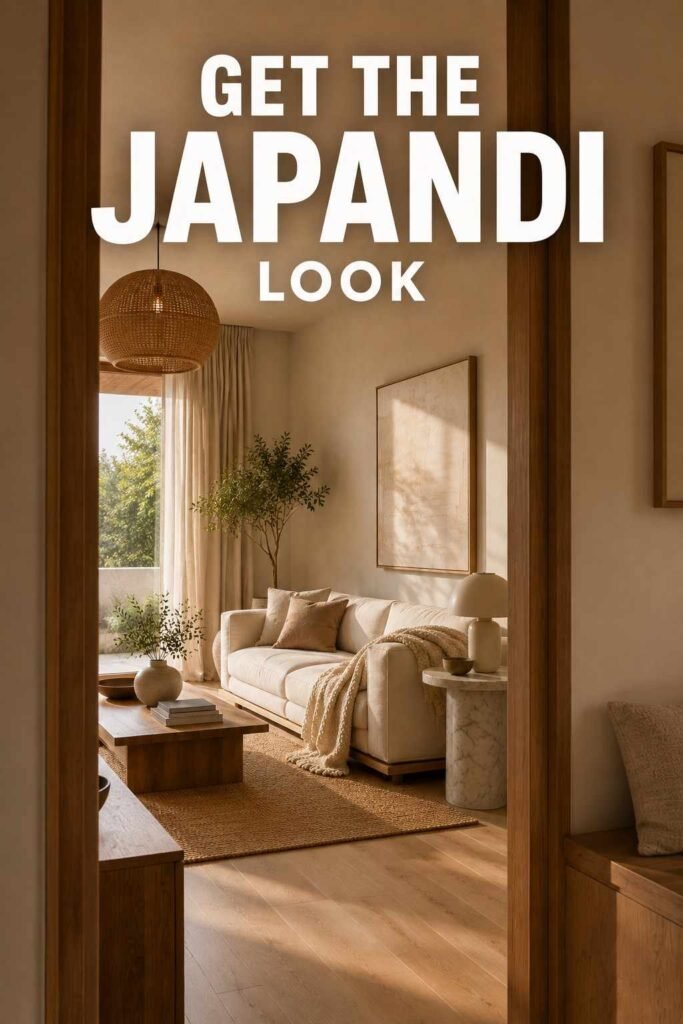
Some living rooms shout for attention. Others simply let you exhale. The second kind is the goal behind every well-designed Japandi living room — a style that quietly took over mood boards and design magazines by pairing Japanese restraint with Scandinavian warmth. The result isn’t cold minimalism or beige-on-beige sameness. It’s a room built from natural materials, low furniture, and just enough imperfection to feel lived-in rather than staged.
If you’ve searched for Japandi living room ideas hoping for more than a scroll of pretty photos, this guide covers what actually works: color, furniture height, wood pairing, and the small details most articles skip, like layering texture without adding clutter, and where a piece like a marble coffee table fits into an otherwise humble room.
What Is Japandi Style, Exactly?
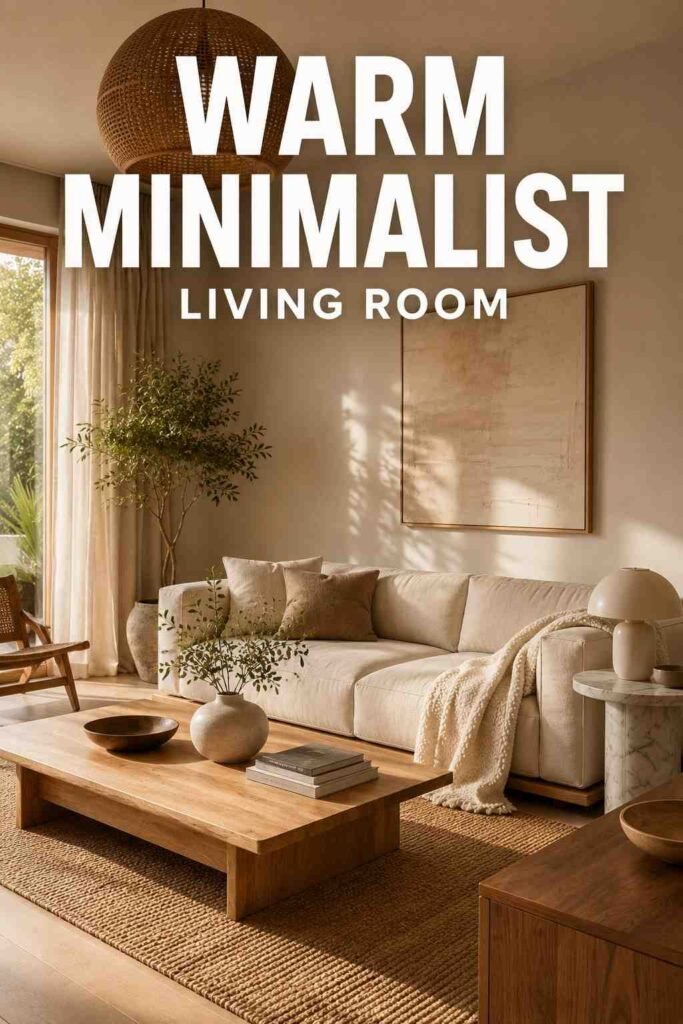
Japandi living room design blends two traditions that, on paper, shouldn’t fit together as neatly as they do. From Japan, the style borrows wabi-sabi, the practice of finding beauty in imperfection, natural aging, and space. From Scandinavia, it borrows hygge, the pursuit of everyday comfort through soft textiles, warm light, and unhurried living.
Neither tradition is about excess. Both favor quality over quantity and function over decoration for its own sake. Put the two together, and a Japandi living room reads as calm rather than cold — edited, not empty. That distinction matters, because the biggest mistake people make when chasing this look is stripping a room bare and calling it done.
15 Japandi Living Room Ideas to Try This Year
The best Japandi living room ideas aren’t a shopping checklist — they’re a set of principles you can apply gradually, without gutting a room you already love. Below are fifteen practical starting points, organized so you can tackle color and furniture first, then layer in texture, lighting, and the finishing details that separate a convincing Japandi living room from an imitation.
1. Start With a Warm, Earthy Color Palette
Every strong Japandi living room begins with paint, not furniture. The palette should sit in warm, muted territory: soft beiges, greige, oat, and warm white, rather than stark white or cool gray. Sherwin-Williams Accessible Beige SW 7036 and Benjamin Moore White Dove are two frequently used shades, since their warm undertone works with wood rather than against it. For something softer, Benjamin Moore Pale Oak OC-20 makes a quiet backdrop for oak or walnut furniture.
2. Choose Low-Profile Furniture
One of the clearest markers of Japandi interior design is furniture that sits close to the ground — a tradition borrowed directly from Japanese living. Sofas, coffee tables, and media consoles are typically lower than their conventional counterparts, which opens up sightlines and makes even a small room feel more spacious. This is one of the easiest Japandi living room ideas to execute, since it usually just means choosing a lower silhouette when you’re already shopping for a sofa or table.
3. Mix Wood Tones With Intention
Natural wood is non-negotiable in this style, but that doesn’t mean every piece needs to match. White oak, walnut, ash, and bamboo all appear regularly in Japandi rooms, and the trick is limiting yourself to two tones per space so the mix reads as intentional. A lighter oak floor paired with a darker walnut console gives the room depth without competing for attention.
4. Layer Natural Textures Instead of Patterns
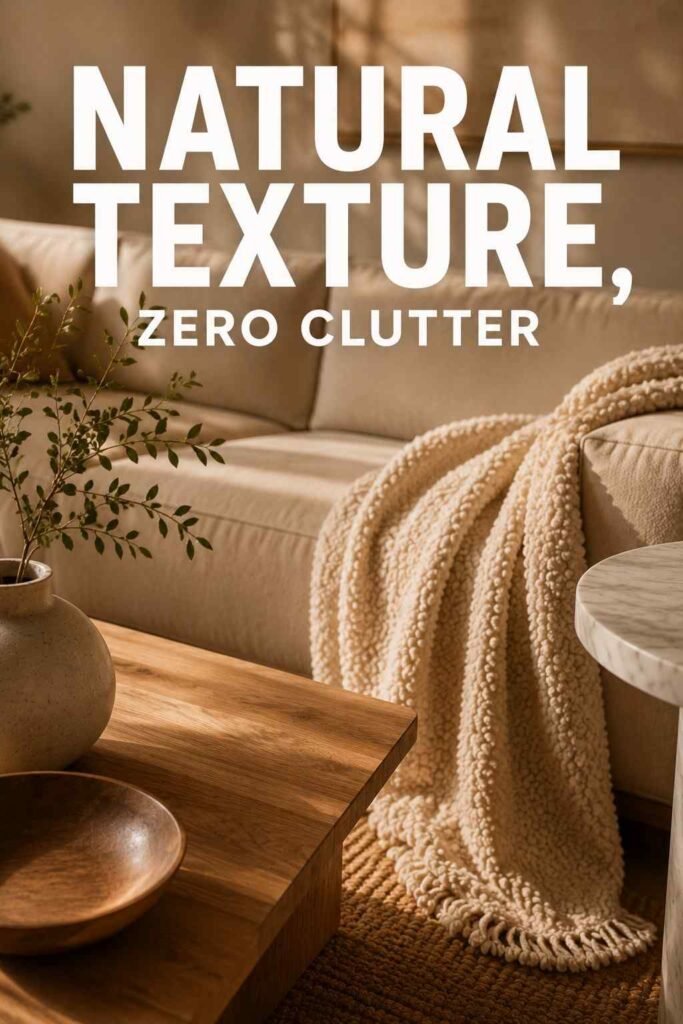
Because the color palette stays deliberately muted, texture becomes the main source of visual interest in a Japandi living room. Boucle on an armchair, linen on a sofa, wool on a throw, and jute on a rug can all sit in the same room without clashing, because they share the same tonal family. This is one of the more overlooked Japandi living room ideas — most people reach for pattern to add character, when texture does the same job with far less visual noise.
5. Anchor the Room With a Marble Coffee Table

A room built entirely from soft textiles and matte wood can start to feel flat, which is why many designers introduce one piece with more presence. This is where marble coffee table ideas genuinely earn their place — the natural veining in stone is its own form of imperfection, which fits the wabi-sabi philosophy at the heart of this style. A round or organically shaped marble top, set on a simple wood or black metal base, grounds the room without introducing anything synthetic or overly polished.
6. Practice Negative Space on Walls and Shelves
The Japanese concept of ma, or meaningful space, is central to why a Japandi living room feels restful instead of cluttered. In practice, that means leaving at least one wall mostly bare and limiting open shelves to a handful of objects — a small vase, one stack of books, a single piece of pottery — rather than filling every surface. Resist the instinct to decorate every corner; among all the Japandi living room ideas here, this is the one people skip most often, even though the space does as much visual work as the furniture around it.
7. Choose a Slouchy Linen or Boucle Sofa
The sofa is the piece everything else in the room responds to, so prioritize generous proportions and natural fabric over a trendy silhouette. Linen and boucle both soften with use and age visibly over time, which fits a style that celebrates the passage of time rather than hiding it. Skip glossy leather or synthetic velvet; among Japandi living room ideas, the sofa fabric is one detail worth spending a little more on, since it’s the piece your hands and eyes meet most often.
8. Bring In Handmade Ceramic and Stoneware Accents
Small details carry real weight in Japandi decor. A hand-thrown ceramic vase, a stoneware bowl with an uneven glaze, or a rough-edged pot on a side table all introduce craftsmanship without adding clutter. These pieces work because they’re imperfect by design — a slightly irregular edge or inconsistent glaze reads as handmade rather than mass-produced, reinforcing the wabi-sabi thread running through the room.
9. Swap Overhead Lighting for Paper or Rattan Fixtures
Lighting temperature matters more than most people expect. A warm color temperature around 2700K softens the whole room and keeps whites from reading as clinical. Paper lanterns, rattan pendants, and woven shades diffuse light gently rather than casting the harsh glow of a standard overhead fixture, and they double as texture pieces in their own right. Layer in a floor or table lamp so the room isn’t reliant on a single overhead source.
10. Add One Sculptural Plant, Not a Jungle
Greenery belongs in a Japandi living room, but restraint applies here too. One well-shaped plant — an olive tree, a fiddle-leaf fig, or a snake plant in a matte terracotta or stoneware pot — does more for the room than a windowsill crowded with small pots. Skip anything that reads as overly bohemian or overly formal, like trailing pothos or bright flowering orchids; the goal is a quiet, sculptural silhouette that echoes the natural materials elsewhere in the room.
11. Layer a Textured Rug Instead of a Patterned One
A flat-weave wool or jute rug in a warm neutral tone does more for a Japandi living room than a patterned one ever will. Because the rest of the palette is so restrained, a busy rug pulls focus away from the furniture and materials you’ve already invested in. This is one of the simpler Japandi living room ideas to swap in without a full redecorate — look for subtle texture or an irregular weave rather than color or print.
12. Try Dark Japandi for a Moodier Take
Not every Japandi living room needs to stay light and airy. A newer variation, often called Dark Japandi, layers in charcoal, espresso brown, deep rust, and soft indigo against the same warm-toned wood and natural materials. The key is keeping those darker shades warm rather than cool, so the room still feels grounded instead of stark. It’s a good direction for a room with strong natural light that can absorb a deeper palette without feeling closed in.
13. Use a Sliding Screen or Slatted Room Divider
In open-plan homes, a shoji-inspired sliding screen or slatted wood divider can define a living room without walling it off completely. Light still filters through, but the space reads as intentional rather than tacked onto a kitchen or dining area. It’s a particularly useful idea for apartments, where zoning one large room into distinct areas often matters more than adding furniture.
14. Choose Matte Black or Aged Brass Hardware
Small metal details — door pulls, lamp bases, curtain rods, table legs — should stay matte rather than glossy. Matte black and aged or brushed brass both read as understated next to natural wood and linen, while anything polished or chrome tends to look out of place against a warm, textured backdrop. It’s a minor detail, but consistent hardware finishes tie a room together more than people expect.
15. Borrow the Function-First Mindset of Scandinavian Design
Japandi didn’t invent the idea of hiding clutter behind good storage — that’s a direct inheritance from Scandinavian living room ideas, which have long prioritized function alongside form. A closed sideboard, a storage ottoman, or a console with drawers keeps remote controls, chargers, and everyday mess out of sight, so the calm surfaces you’ve built with the rest of these ideas actually stay calm. A beautiful room that can’t absorb daily life isn’t really livable, and that practicality is just as core to this style as the aesthetics.
Common Mistakes to Avoid
Even with the right pieces, a few habits can quietly undo a Japandi living room. Going too minimal without adding warmth back in through texture and lighting is the most common one — the room ends up feeling like stark modernism instead of the cozy, natural space it’s supposed to be. Mixing more than two or three wood tones, choosing glossy or synthetic materials, overcrowding shelves, and defaulting to cool white lighting round out the list. Each mistake is easy to fix on its own, which is why it’s worth checking your room against these Japandi living room ideas before buying anything new.
Bringing the Look Home
Reading through Japandi living room ideas is one thing; finding pieces that actually match the palette, wood tone, and proportions described above is another. If you’d rather see these elements styled together than shop for one accent piece at a time, Outinteriors curates furniture collections built around exactly this material and color story, which makes it easier to commit to a cohesive room rather than assembling it piece by piece.
Final Thoughts
A Japandi living room isn’t about following a rigid formula — it’s about applying a handful of consistent principles: warm neutrals, low and natural furniture, restrained decor, and texture instead of pattern. Start with wall color, choose one or two wood tones you’ll commit to, and add texture and lighting before worrying about accessories. Done well, these Japandi living room ideas don’t just create a photogenic space; they create a room that’s genuinely easier to relax in, day after day.
Frequently Asked Questions
What makes a living room “Japandi” instead of just minimalist?
Minimalism often results in a cold, mostly empty room with little personality. Good Japandi living room ideas keep that same edited, uncluttered feel but add warmth back in through natural materials, soft textiles, and handmade imperfections, so the space feels calm rather than bare.
What color should I paint a Japandi living room?
Stick to warm neutrals with a yellow or beige undertone rather than a cool gray or blue one. Warm white, greige, and soft oat tones all pair well with natural wood and won’t clash with the earthy accent colors typically used in this style.
Is Japandi still relevant in 2026?
Yes. The style has moved from a niche trend to an established, widely used design language, with newer variations like Dark Japandi and more biophilic, plant-forward takes continuing to build on the same core Japandi living room ideas.
Can I create a Japandi living room on a budget?
Yes. Start with paint, since it’s the cheapest change with the biggest visual impact, then prioritize one or two key pieces — a sofa and a coffee table — over buying everything new at once. Not every one of these Japandi living room ideas requires new furniture; secondhand wood pieces often work better than new ones, since a bit of wear fits the wabi-sabi aesthetic rather than fighting it.
What’s the difference between Japandi and Scandinavian living rooms?
Scandinavian design leans lighter, brighter, and more function-focused, often with cooler whites and simple painted furniture. Japandi keeps that functionality but adds Japanese influences like lower furniture, more visible wood grain, and a deliberately warmer, earthier palette.
How many plants does a Japandi living room need?
One well-chosen, sculptural plant typically does more for the room than several smaller ones. A single olive tree, fiddle-leaf fig, or snake plant in a matte pot fits the restrained, intentional feel this style is built around.
What is “Dark Japandi”?
It’s a variation that layers deeper tones — charcoal, espresso, rust, and soft indigo — into the traditional warm-neutral palette. The materials and furniture shapes stay the same; only the color depth shifts, creating a moodier, more intimate version of the same core style.