Trendy 24 Dark Living Room Ideas for a Bold, Cozy, and Timeless Space

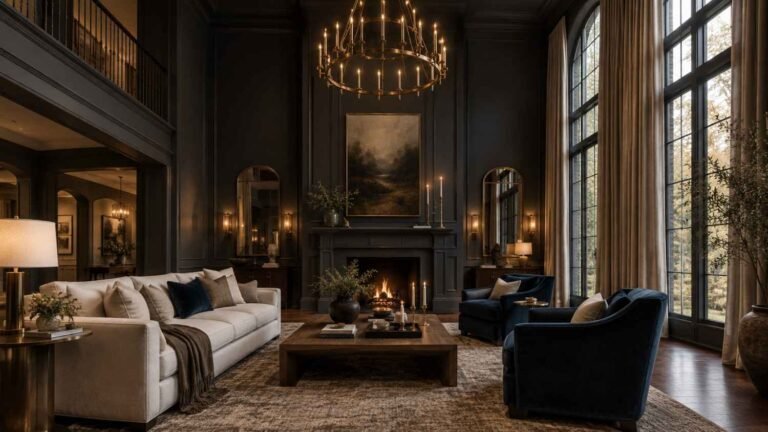
Walk into a well-done dark living room, and you feel it before you notice why. The walls seem to hold the space together instead of just enclosing it. Light pools in soft, deliberate spots instead of bouncing off every surface. Nothing about it feels stark or cold — it feels settled, like a room that already knows what it’s for.
For years, homeowners steered away from deep wall colors, worried a dark living room would feel small or gloomy. That hesitation has faded. Benjamin Moore named Silhouette AF-655, a blend of burnt umber and soft charcoal, as its 2026 Color of the Year, a sign that deep, grounded neutrals have moved from bold statement to mainstream staple. This guide breaks down 24 dark living room ideas, plus the practical details — undertones, lighting, layout — that most inspiration lists skip.
Why Dark Living Rooms Work in Any Home

A dark living room isn’t about drama for its own sake. Deep wall colors visually recede in low light and pull the eye toward furniture, art, and architectural details instead of the walls themselves. That’s why a well-lit dark room often photographs — and lives — larger than a pale one filled with visual clutter.
Dark tones also hide everyday wear better than bright white walls, which show scuffs and shadows quickly. Combined with warm lighting and natural materials, a dark living room can feel more like a boutique hotel lounge than a cave, which is exactly the balance this list is built around.
How to Choose the Right Dark Shade Before You Paint
Not every dark color behaves the same way in every room. A north-facing living room with cool, flat daylight needs a warm-based color — think charcoal with brown or red undertones — to avoid looking muddy or cold. South- and west-facing rooms with strong afternoon sun can handle cooler blacks, blues, or greens without losing warmth.
Test any dark shade on a large poster board, not a small swatch, and view it at 9 a.m., 1 p.m., and after sunset before committing. A satin or eggshell finish reflects just enough light to prevent flatness, while matte finishes deepen the mood but show fingerprints more easily on walls near seating.
Color and Paint-Driven Dark Living Room Ideas
1. Charcoal Gray Walls with Warm Wood Tones
Charcoal is the easiest entry point into dark living room ideas because it reads as neutral, not moody. Paired with oak, walnut, or teak furniture, it warms up instantly and works with almost any existing decor.
2. Deep Navy Blue for a Grounded, Nautical Feel
Navy walls bring depth without the starkness of true black. They pair especially well with brass fixtures, cream upholstery, and striped or textured throws for a collected, coastal-meets-classic look.
3. Matte Black Walls Balanced with White Trim
Full black walls sound extreme, but crisp white trim, baseboards, and ceiling keep the architecture legible. This combination works best in rooms with generous windows or skylights.
4. Espresso Brown for Old-World Warmth
Espresso and burnt-umber tones — the same family as Benjamin Moore’s 2026 pick — feel more like polished wood than paint. They suit traditional and transitional living rooms with minimal updating.
Statement Wall and Ceiling Dark Living Room Ideas
5. Emerald Green Paneling with Brass Hardware
Wood paneling painted a deep emerald and finished with brass hardware or picture-frame molding instantly reads as luxurious without requiring a full renovation.
6. Moody Wallpaper with Botanical or Abstract Prints
A dark, richly patterned wallpaper on one accent wall adds texture and depth while keeping the rest of the room lighter and easier to update over time.
7. Matte Black Fireplace Surround
Reface an existing fireplace in matte black tile, plaster, or paint. It becomes an anchor point that draws the eye without overwhelming the rest of the seating area.
8. Dark Ceiling as the Fifth Wall
Painting the ceiling a shade darker than the walls, or matching it entirely, makes a room feel intimate and cocoon-like rather than tall and empty — a favorite trick among interior designers for rooms with average-height ceilings.
Furniture and Textile Dark Living Room Ideas

9. Velvet Sofas in Jewel Tones
A single velvet sofa in emerald, sapphire, or burgundy against charcoal or black walls adds richness without needing a full room of saturated color.
10. Leather Chesterfield Seating
Tufted leather in cognac or espresso brings old-library charm to a dark living room and only improves with age and use.
11. Layered Rugs for Texture
Stacking a jute or flatweave rug under a smaller patterned or textured one adds warmth underfoot and breaks up large expanses of dark flooring or paint.
12. Mixed-Metal Accents
Combining brass, aged bronze, and matte black hardware across lamps, frames, and shelving keeps a dark room from feeling one-note or overly matched.
Lighting Dark Living Room Ideas
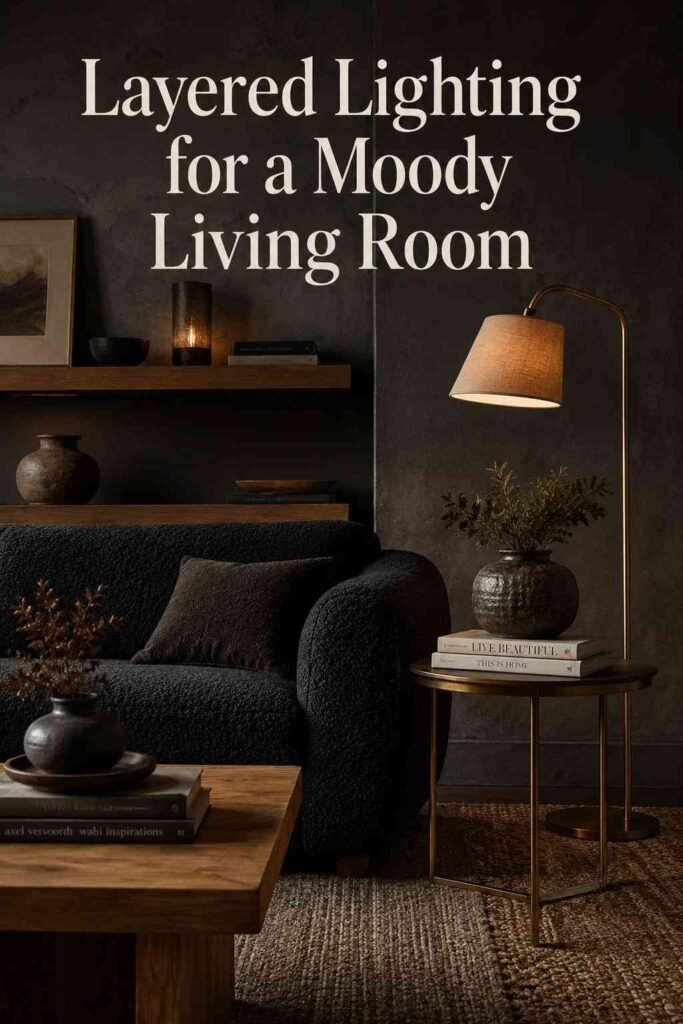
13. Warm, Layered Lighting on Dimmers
Dark rooms depend on light sources at multiple heights — floor lamps, table lamps, and wall sconces — rather than a single overhead fixture. Bulbs around 2700K to 3000K give the warmest, most flattering glow.
14. A Statement Chandelier or Pendant
An oversized pendant in brass, glass, or woven material becomes sculpture as much as light source, especially against a dark ceiling or wall backdrop.
15. Candlelight and Fireplace Glow
Flickering light from candles or a real or electric fireplace softens hard edges and adds movement, which is exactly what keeps a dark living room from feeling static.
16. Uplighting to Highlight Architecture
Directing light upward along crown molding, built-ins, or a feature wall draws the eye vertically and makes ceilings feel taller in a dark room.
Small-Space and Renter-Friendly Dark Living Room Ideas
17. One Dark Accent Wall Instead of a Full Room
Committing to a single dark wall — usually the one behind the sofa — delivers the mood of a dark living room with less commitment and better resale flexibility.
18. Strategic Mirrors to Bounce Light
Placing a large mirror opposite a window multiplies natural light, which is essential in a small dark living room where every source of brightness matters.
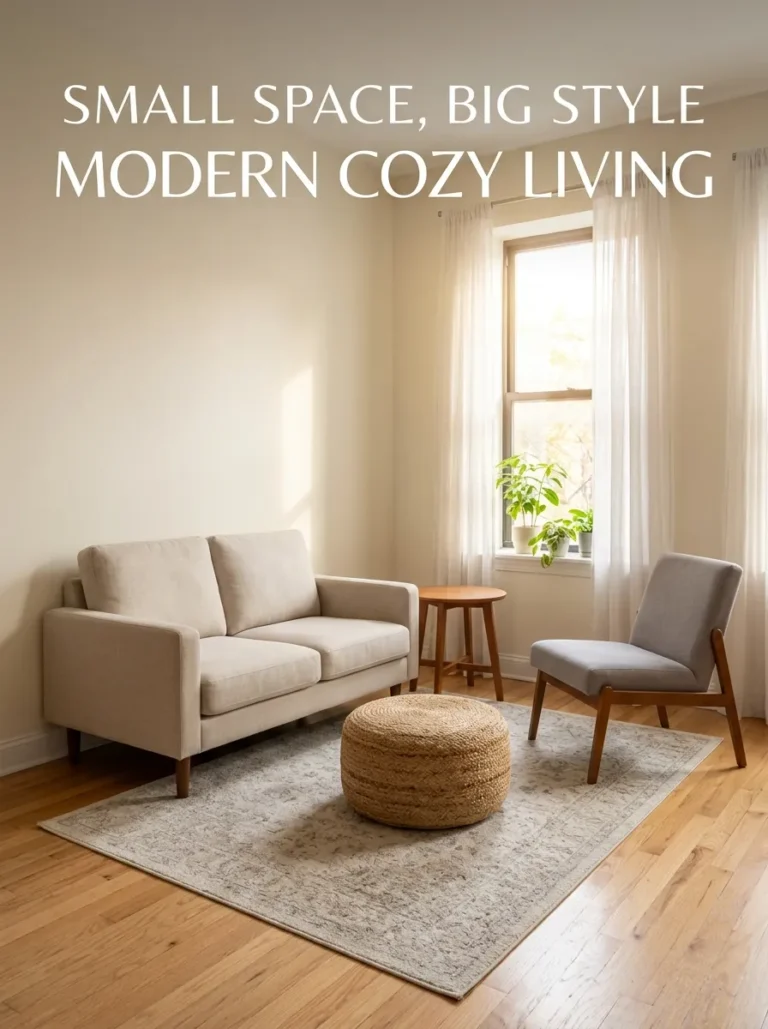
19. Pale Furniture Against Dark Walls
A cream, oatmeal, or bouclé sofa against charcoal or navy walls creates contrast that keeps a compact room from feeling closed in.
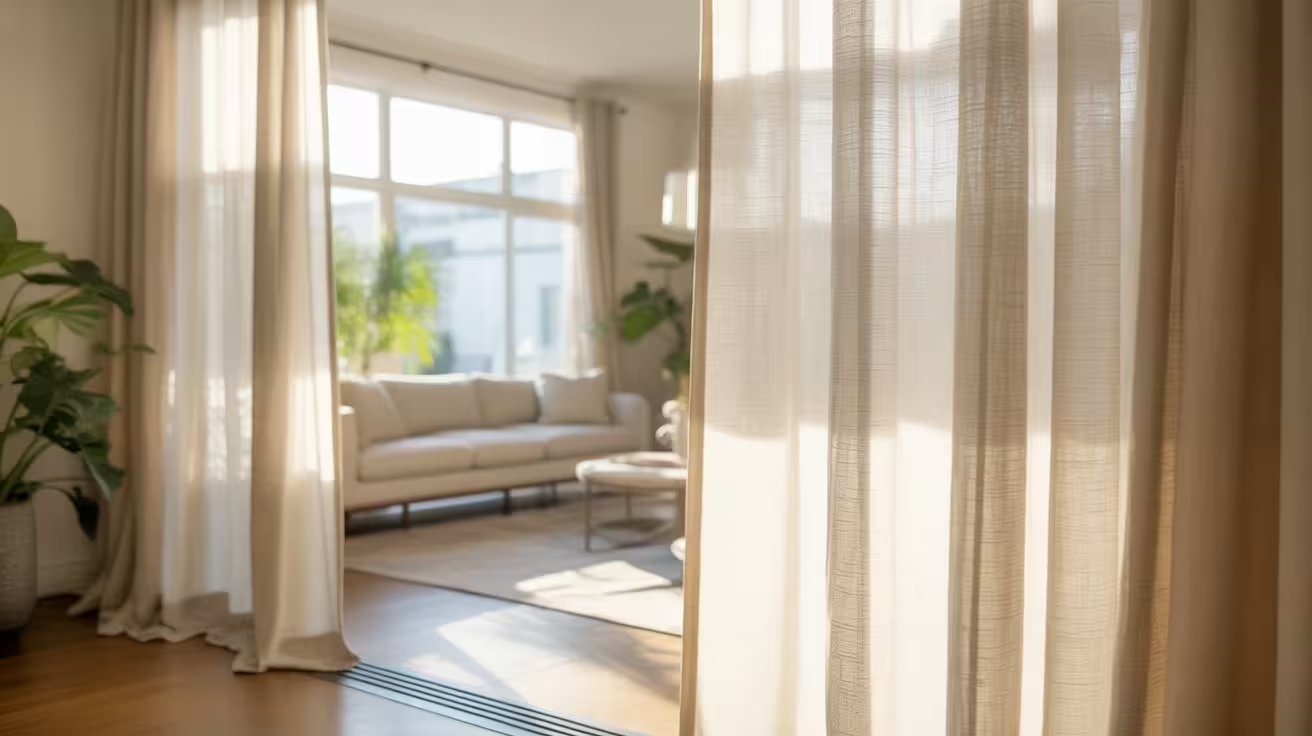
20. Sheer Curtains to Soften Contrast
Sheer or linen curtains diffuse daylight gently, avoiding the harsh contrast that heavy blackout drapes create against dark walls.
Personal Touches and Finishing Dark Living Room Ideas
21. Curated Gallery Walls
Framed art and photography stand out dramatically against a dark backdrop. If you want a step-by-step layout guide, our living room gallery wall ideas breakdown shows how to build a striking display without a single drop of paint.
22. Built-In Shelving with Curated Objects
Dark-painted built-ins styled with books, ceramics, and a few empty spaces read as intentional rather than crowded, especially when lit from within.
23. Plants for Organic Contrast
Deep green foliage against charcoal, black, or navy walls softens the palette instantly and adds a living, changing element to the room.
24. Textured Plaster or Limewash Finish
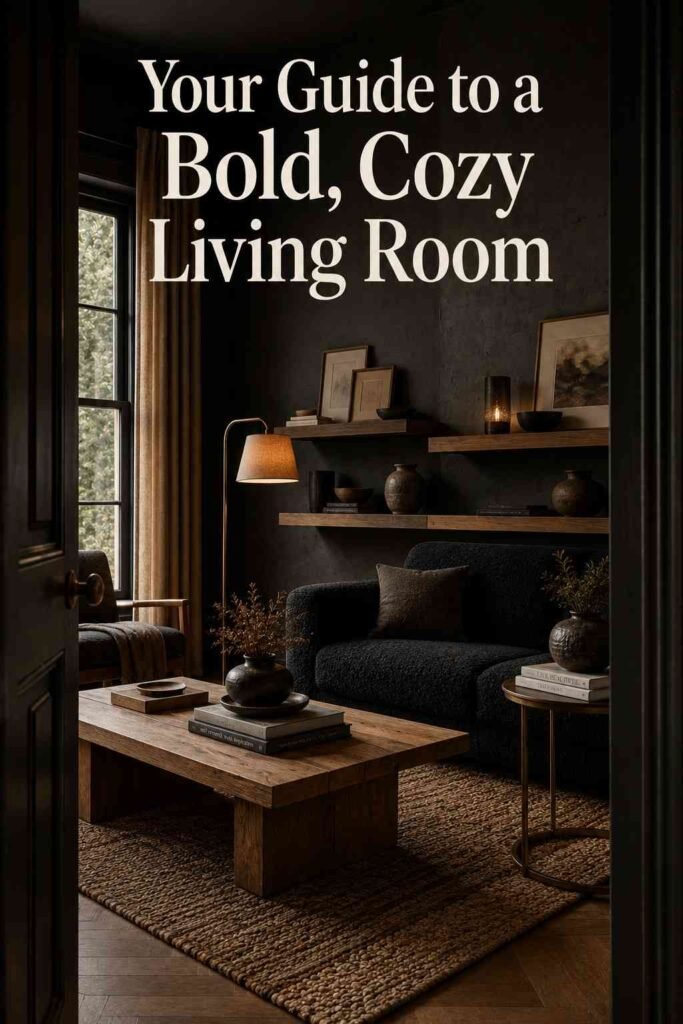
A hand-applied plaster or limewash in a deep tone catches light unevenly across its surface, adding subtle movement that flat paint can’t replicate.
If you’d rather balance a moody room elsewhere in the house, pairing it with our luxury beige living room ideas guide keeps the overall home feeling cohesive rather than split between two extremes. For more room-by-room inspiration and sourcing guidance, the design library at OutInteriors is worth bookmarking.
Mistakes to Avoid in a Dark Living Room
The most common misstep is painting a dark living room and stopping there. Without layered lighting, texture, and at least one lighter element — furniture, a rug, or trim — the room can tip from cozy into flat. Skipping the undertone test is the second-biggest issue; a “black” that reads purple or green under your specific light bulbs will never look intentional.
Finally, avoid matching every metal and every wood tone exactly. A dark living room reads as curated, not stiff, when finishes are mixed with a light hand rather than perfectly coordinated.
Final Thoughts
A dark living room rewards patience more than any other design choice. The right shade, tested under your actual light, paired with warm layered lighting and a few pale or textured counterpoints, turns a bold color decision into a room people don’t want to leave. Start with one wall or one piece of furniture if full commitment feels risky — most of these 24 dark living room ideas scale up or down depending on how far you want to go.
Frequently Asked Questions About Dark Living Room Ideas
Will a dark living room make my space feel smaller?
Not if it’s lit well. Dark walls actually blur the edges of a room in low light, and with layered lamps, mirrors, and at least one pale surface, most rooms read as cozy rather than cramped.
What’s the best dark paint color for a room with little natural light?
Choose a warm-based charcoal, espresso, or deep green rather than a cool black or navy, since warm undertones prevent the walls from looking flat or muddy under artificial light.
Do dark living rooms hurt resale value?
A single accent wall or an easily repaintable dark color rarely affects resale. Full-room dark schemes are more of a personal-style choice, so keeping trim neutral gives future buyers an easy way to lighten the space if needed.
What paint sheen works best for dark living room walls?
Eggshell or satin finishes reflect enough light to avoid a flat look while still hiding minor wall imperfections better than high gloss.
Can a small apartment handle a dark living room?
Yes, especially with one accent wall, a large mirror, and pale furniture for contrast rather than painting every wall the same deep tone.
What colors pair well with dark walls in a living room?
Cream, oatmeal, brass, aged wood, and muted jewel tones all pair naturally with dark walls, since they add contrast without competing for attention.
How much lighting does a dark living room actually need?
Aim for at least three light sources at different heights — a floor lamp, a table lamp, and either a sconce or overhead fixture — all on warm-toned bulbs around 2700K to 3000K.