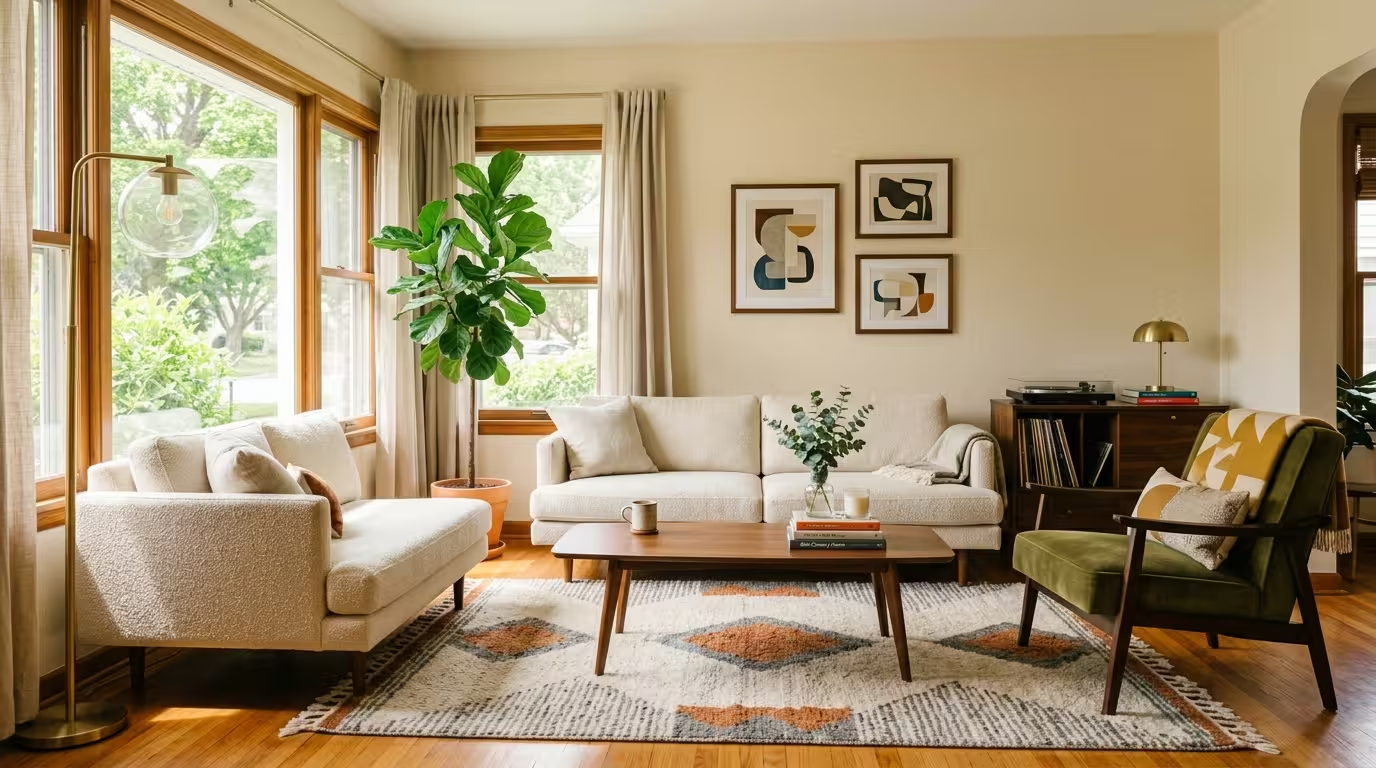
Living Room Curtain Ideas That Make Your Space Feel Finished
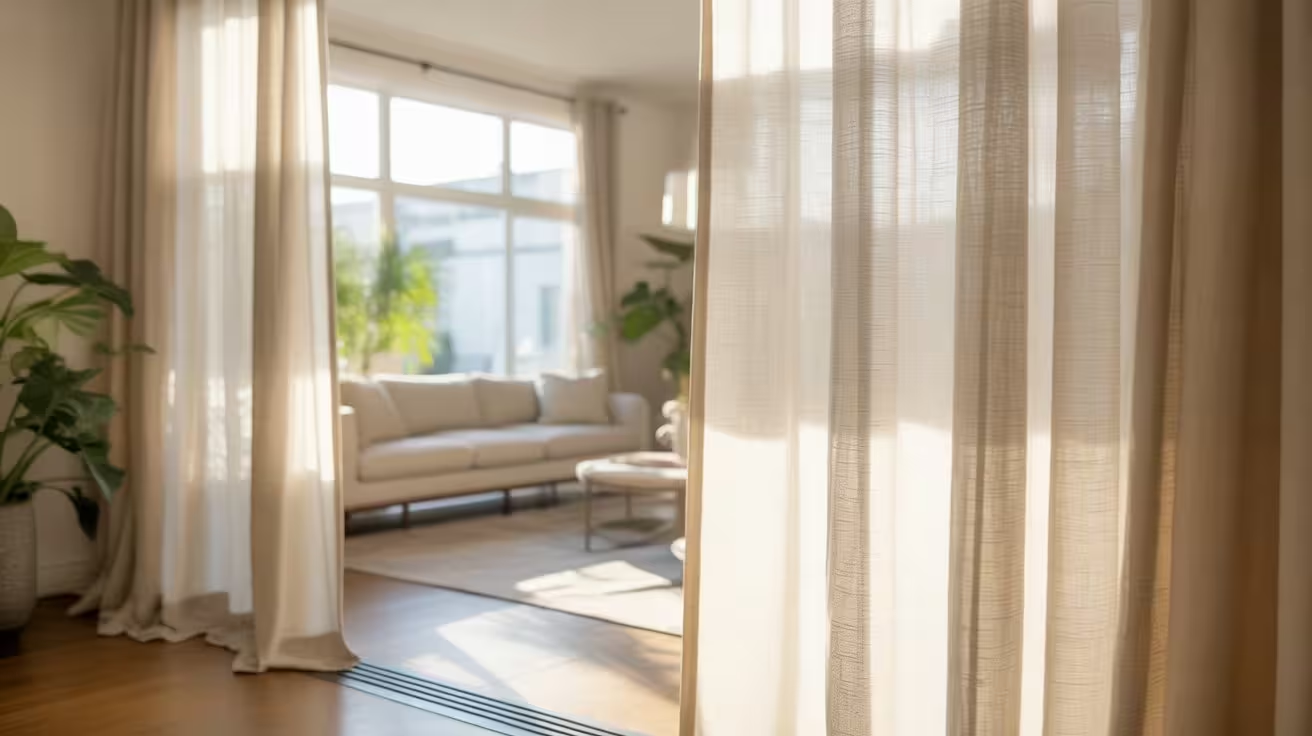
Curtains can change the way a living room feels before you move a single piece of furniture. They soften hard edges, frame natural light, add privacy, and help a space feel warmer in the evening. The right fabric can make a plain room feel layered, while the wrong length or color can make even good furniture look unfinished. That is why the best living room curtain ideas are not only about choosing pretty fabric. They are about scale, light, privacy, texture, and the mood you want to create every day.
In 2026, living rooms are moving toward comfort, natural texture, soft color, and practical beauty. People want spaces that feel calm but not empty, styled but still easy to live in. Curtains support that shift beautifully. They can make ceilings appear taller, windows look wider, and seating areas feel more complete. Whether your home is modern, traditional, rustic, coastal, or minimal, the right living room curtain ideas can help the entire room feel intentional.
Why Living Room Curtains Matter
Curtains are often chosen near the end of a decorating project, but they should be part of the room plan from the beginning. They affect light, acoustics, privacy, color balance, and the way furniture relates to the windows. A living room with bare windows can feel bright and open, but it can also feel unfinished, exposed, or visually cold depending on the architecture.
Good curtains create softness. They absorb some echo in rooms with hard floors, large windows, and minimal furniture. They also frame outdoor views, protect from glare, and give the room a sense of rhythm. When curtains are hung correctly, they draw the eye upward and make the walls feel taller. This is one reason many strong curtain plans focus on height, width, and fabric fullness before color or pattern.
Start With the Room’s Main Need
Before choosing fabric, ask what your living room needs most. Is the room too bright in the afternoon? Does it feel exposed at night? Does it need softness, color, warmth, or a stronger focal point? The answer will guide your curtain choice better than a trend photo.
For privacy, choose lined curtains, layered sheers, woven shades, or a double-rod setup. For glare control, use light-filtering panels or lined drapes. For a decorative finish, choose linen, cotton, velvet, or textured blends. For a small space, pick lighter colors and simple hardware. The most useful living room curtain ideas begin with function first, then build beauty around it.
Hang Curtains High and Wide
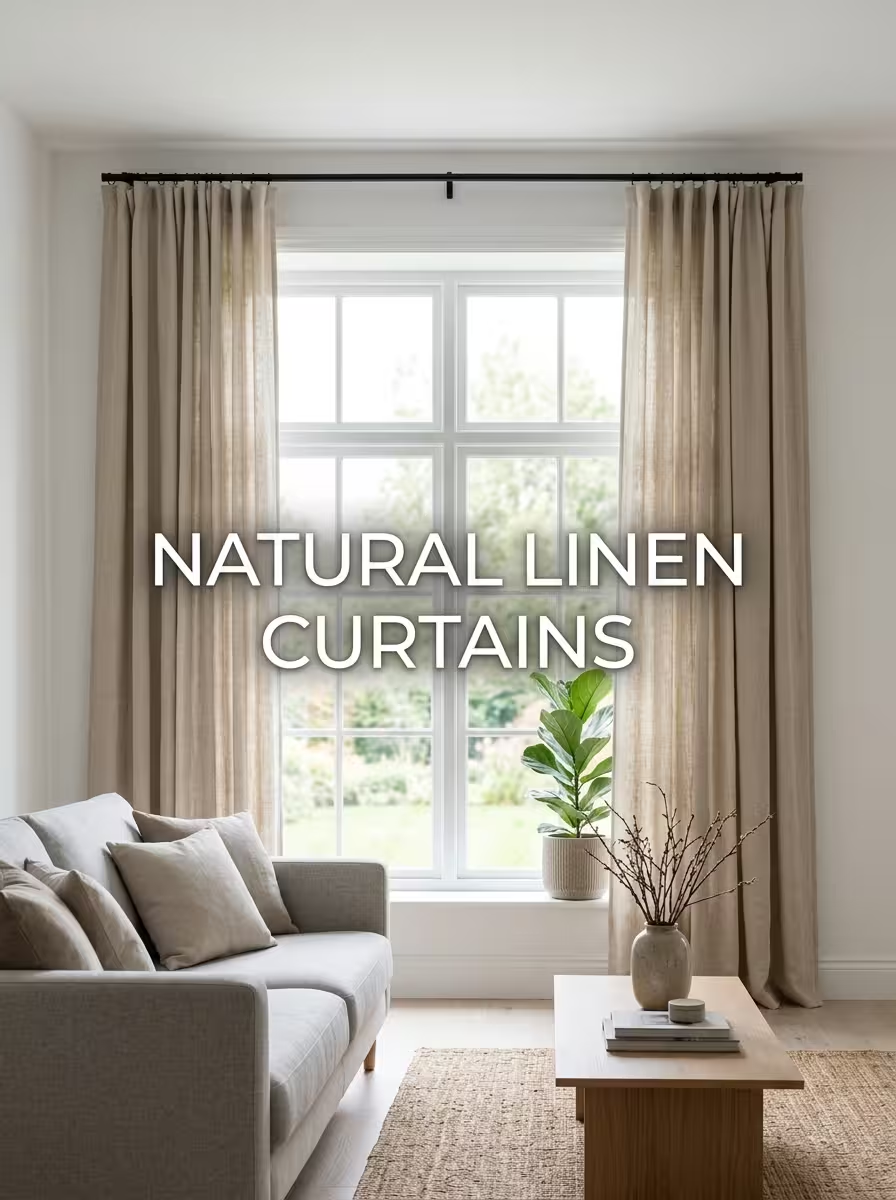
One of the most effective changes is hanging curtains higher and wider than the window frame. Mounting the rod closer to the ceiling can make the wall appear taller. Extending the rod beyond the frame lets the panels sit beside the window when open, so they do not block natural light.
A practical approach is to place the rod several inches above the window trim or close to the ceiling if the wall height allows it. Extend the rod on both sides so the fabric has room to stack back. This makes the window look larger and helps the room feel brighter. Among all living room curtain ideas, this one often delivers the biggest visual improvement with the least effort.
Choose the Right Curtain Length
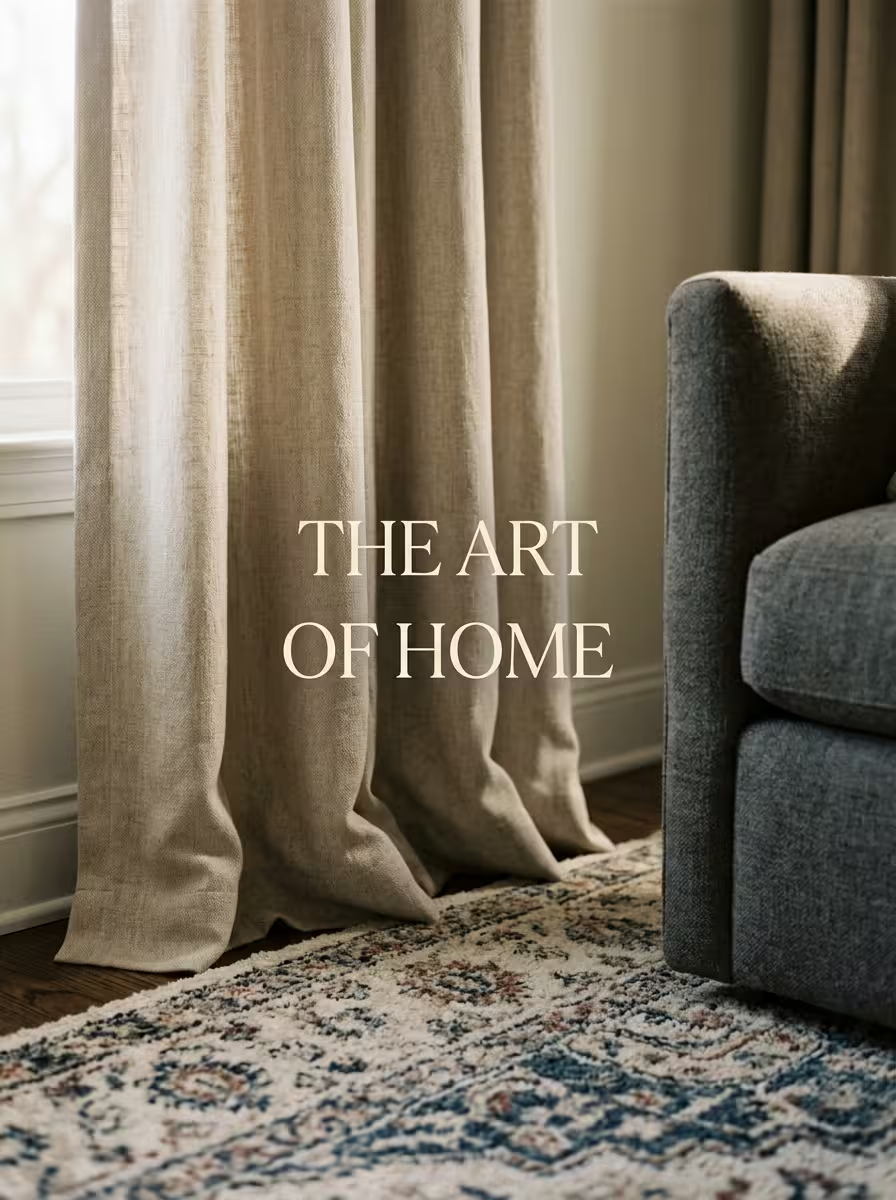
Curtain length has a strong effect on how polished the room feels. Panels that stop awkwardly above the floor can look accidental. Curtains that puddle too heavily may feel romantic in a formal room but impractical in a busy family space.
For most living rooms, curtains should either just kiss the floor or hover slightly above it. A small break can work well with heavier fabrics. A soft puddle looks best in elegant rooms where the curtains are not opened and closed often. If you have pets, children, or frequent foot traffic near the windows, choose a cleaner floor-length finish. These small details make curtains feel custom even when the panels are ready-made.
Pick Fabric Based on Light and Mood
Fabric controls the mood of the room. Linen feels relaxed and natural. Cotton feels crisp and versatile. Velvet adds depth and warmth. Sheers create softness without blocking too much light. Woven textures bring casual comfort. Patterned fabric can turn the curtains into a design feature.
Think about how the fabric behaves during the day. Light fabrics glow when sunlight passes through them. Heavy fabrics create stronger folds and more drama. If the room already has many textures, simple fabric may be enough. If the room feels flat, curtains are a good place to add weave, pattern, or movement. The best curtain choices use fabric to solve a mood problem, not just cover glass.
Pair these window styling tips with coffee table decor ideas to make your seating area feel complete, balanced, and welcoming.
Living Room Curtain Ideas With Sheer Curtains
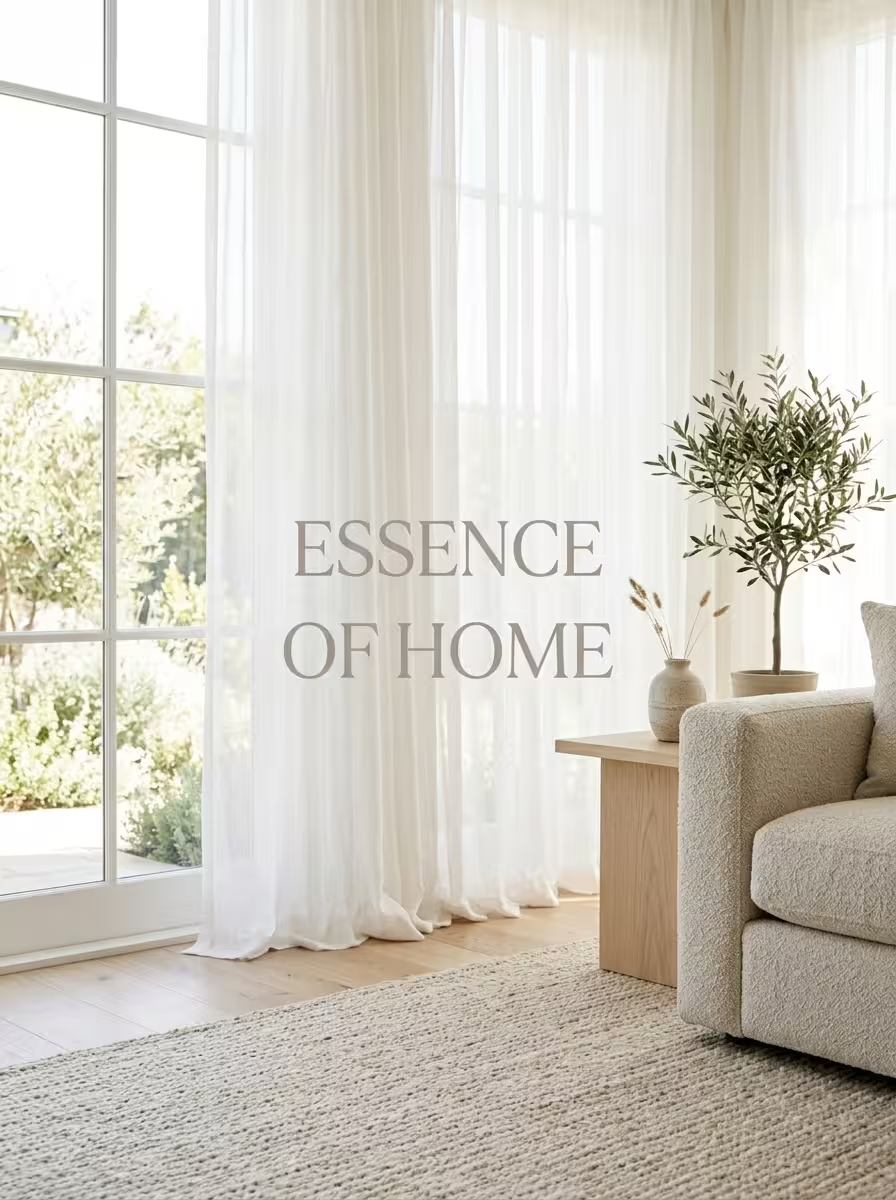
Sheer curtains are ideal when you want privacy during the day without losing brightness. They filter strong sunlight, soften window frames, and create an airy feeling. White, ivory, oatmeal, and soft gray sheers work well in many living rooms because they blend quietly with the walls and let furniture remain the focus.
Sheers are especially useful for rooms facing a street, garden, or neighboring home. They provide a gentle screen while keeping the space open. For more flexibility, pair sheers with heavier side panels. During the day, leave the shears closed and the drapes open. At night, close the outer panels for more privacy. This layered approach is one of the most practical living room curtain ideas for real homes.
Living Room Curtain Ideas for Layered Privacy
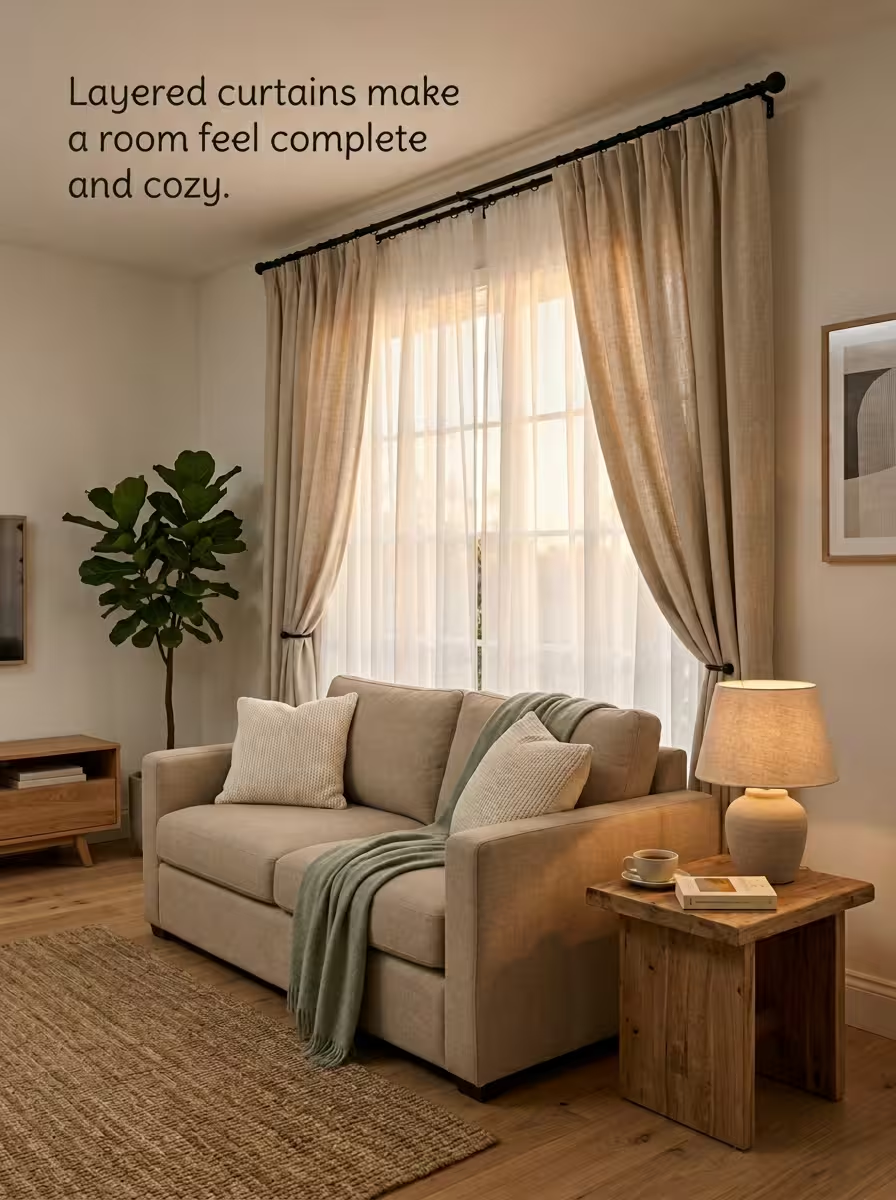
Layered window treatments make a living room feel more finished. A sheer panel with a heavier drape gives control over light and privacy throughout the day. A Roman shade behind curtains can add texture and insulation. A woven shade with linen panels can create warmth without feeling heavy.
Layering works especially well on large windows, sliding doors, and rooms with changing light. It also helps when one treatment alone does not solve every need. Keep the layers coordinated instead of matching everything exactly. For example, pair a natural woven shade with cream linen curtains or soft white sheers with taupe drapes. These layered treatments add depth while still keeping the room calm.
If you want to add richer color without overwhelming the room, malachite spring trending color can inspire deep green curtain accents, pillows, or decor details.
Match Curtains to the Wall for a Calm Look
Matching curtains to the wall color creates a quiet and seamless effect. This is a smart choice for smaller rooms, low ceilings, or interiors where you want the furniture, artwork, or view to stand out. The curtains become part of the architecture rather than a separate statement.
This does not mean the color must be identical. A shade lighter or darker can still feel connected. Cream walls can pair with ivory linen. Warm beige walls can work with oatmeal panels. Soft gray walls can look elegant with pale greige fabric. When the room needs calm, these tone-on-tone panels help reduce visual noise and make the space feel larger.
Add Contrast With Dark Curtains
Dark curtains can make a living room feel grounded, cozy, and dramatic. They work well in rooms with light walls, high ceilings, or strong natural light. Deep navy, charcoal, forest green, chocolate brown, and black can all look refined when balanced with lighter furniture and warm textures.
The key is to repeat the dark tone somewhere else in the room. Use it in a picture frame, lamp base, side table, pillow, or rug detail. This keeps the curtains from looking disconnected. Dark panels also need enough width and quality fabric because thin dark curtains can look flat. When handled with balance, dark curtain choices create comfort without making the room feel closed in.
Living Room Curtain Ideas With Pattern
Patterned curtains can bring life to a plain living room. Stripes add order and height. Florals feel soft and traditional. Geometric prints bring energy. Small-scale patterns feel subtle, while large-scale designs create a stronger focal point.
Before choosing a pattern, look at the rest of the room. If the rug, pillows, and artwork already have strong designs, choose quieter curtains. If the room is mostly solid colors, patterned panels can be the missing layer. Pull at least one color from the existing palette so the fabric feels connected. Patterned curtains work best when they support the room rather than compete with every other surface.
For more practical home styling inspiration, visit outinteriors and explore simple ways to make every room feel polished and personal.
Consider Color Trends Carefully
Color trends can be inspiring, but curtains are large enough to affect the whole room. Choose a color you can live with beyond one season. Soft neutrals, warm whites, earthy browns, muted greens, dusty blues, and clay tones have lasting appeal because they connect easily with wood, stone, plants, and natural textiles.
If you love a stronger color, use it thoughtfully. Jewel-toned curtains can look beautiful in rooms with simple furniture and good light. A green, blue, or rust panel can turn plain walls into a richer backdrop. The safest approach combines a current color with a classic fabric and simple hardware, so the result feels fresh but not temporary.
Choose Hardware That Matches the Room
Curtain rods, rings, finials, and tracks affect the final look more than many people expect. Thin rods can look weak with heavy fabric. Oversized rods can overwhelm a small window. The hardware should match the weight of the curtains and the style of the room.
Black rods feel crisp and modern. Brass adds warmth. Nickel and chrome feel clean. Wood rods work well in traditional, rustic, or coastal rooms. Ceiling-mounted tracks create a sleek effect and are especially useful for ripple-fold curtains. Hardware is not just support; it is part of the design. A polished curtain plan always considers the rod and not only the fabric.
Try Ceiling-Mounted or Track Curtains
Ceiling-mounted curtains create a clean, modern line. They work especially well in contemporary living rooms, apartments with large windows, and spaces where you want the curtains to feel integrated into the architecture. Track systems also allow fabric to glide smoothly, which is helpful for wide windows and sliding doors.
Ripple-fold curtains on a ceiling track look simple, soft, and orderly. They avoid the heavy look of bulky pleats while still giving the fabric movement. This style is also useful when there is little wall space above the window. For modern interiors, ceiling-mounted curtains can make the room feel taller, brighter, and more refined.
Living Room Curtain Ideas for Small Spaces
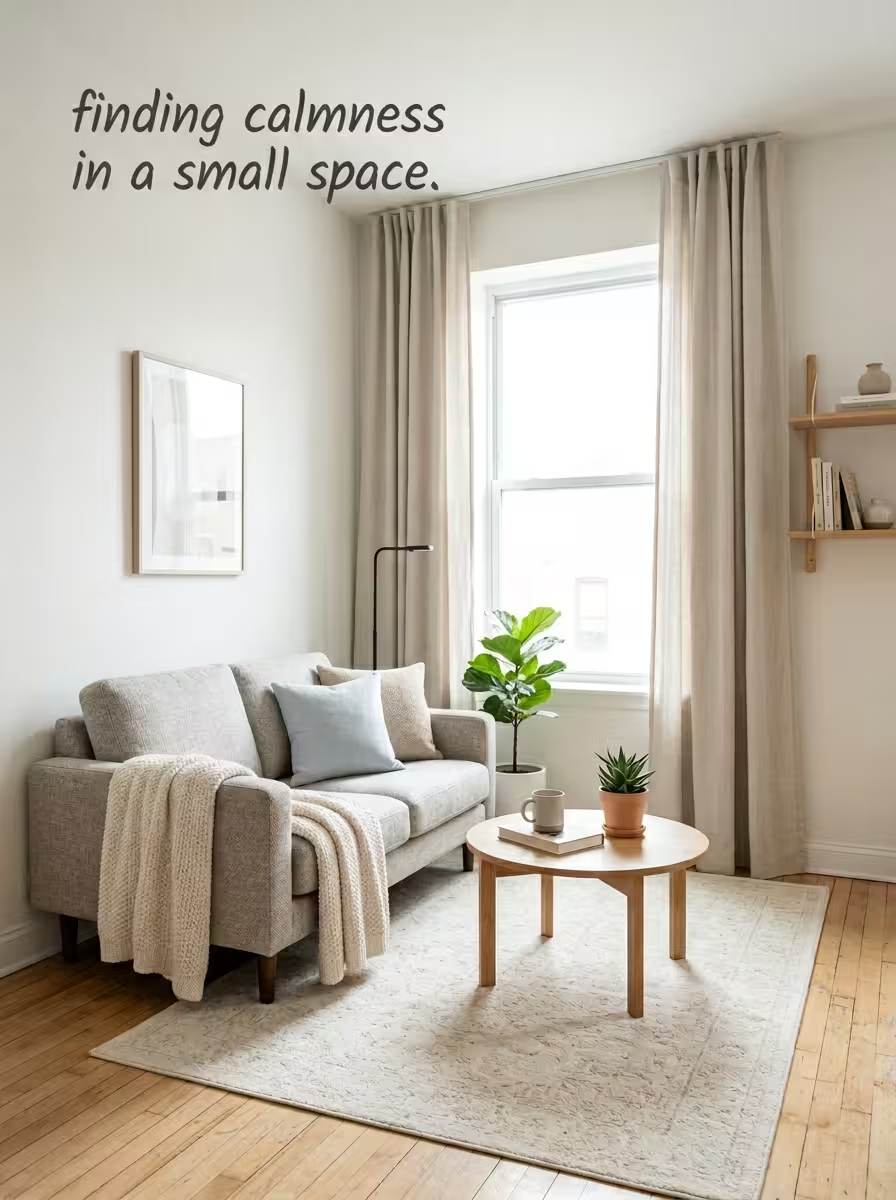
Small living rooms need curtains that add height without adding heaviness. Choose lighter colors, simple patterns, and fabrics that move easily. Hang the rod high and wide to make the window feel larger. Avoid thick, dark fabric unless the room has strong light and enough contrast.
Sheers, linen blends, and light-filtering panels work well because they soften the space without closing it in. If the room needs privacy, layer sheer with slim side panels or use a Roman shade behind simple curtains. The most effective small-space curtain plans create vertical lines, keep the floor area clear, and allow as much daylight as possible.
Living Room Curtain Ideas for Large Windows
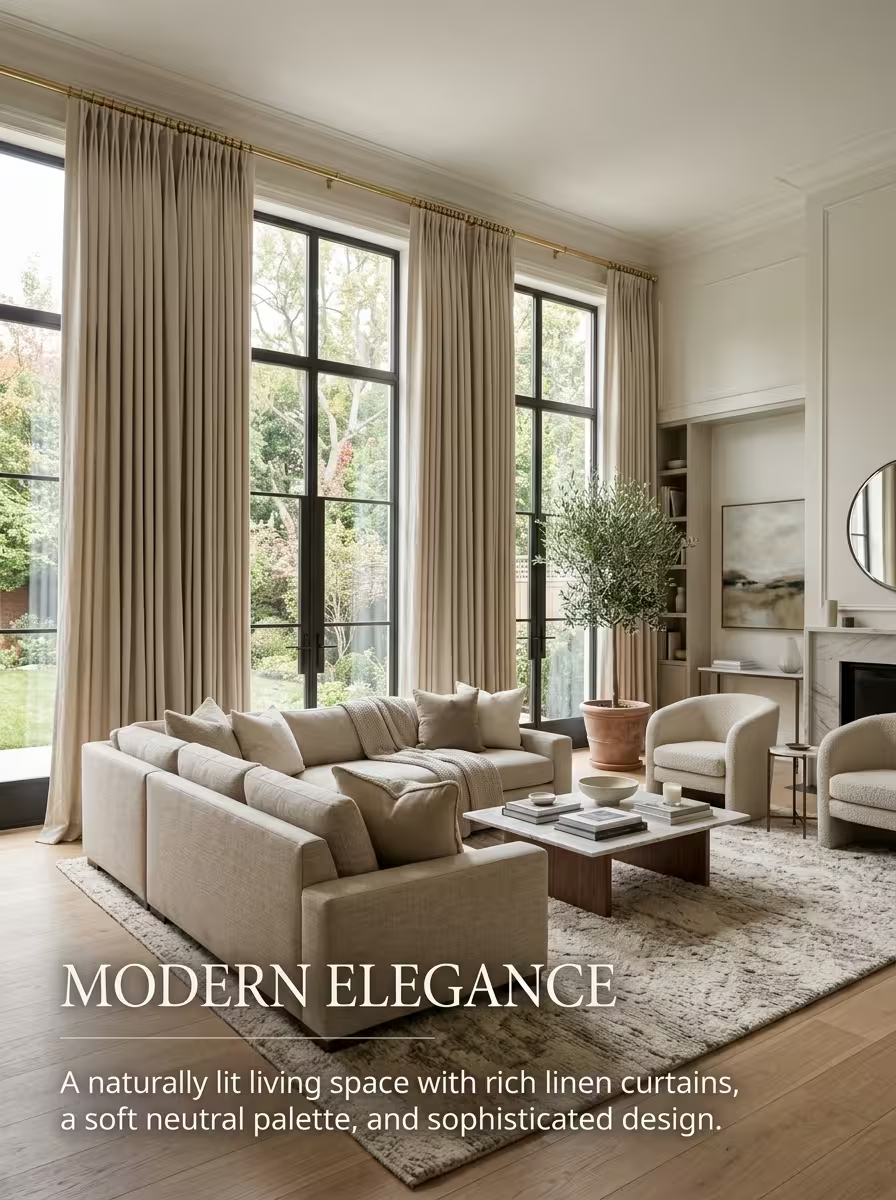
Large windows need careful planning because the amount of fabric can become visually heavy. Choose enough fullness so the curtains do not look stretched when closed. A skimpy panel on a wide window looks unfinished and does not hang well.
For very wide windows, consider multiple panels, a track system, or custom-width curtains. Sheers can soften the scale during the day, while lined drapes can provide privacy at night. If the view is important, extend the rod or track far enough so the panels clear the glass when open. Large-window treatments should balance drama with ease of movement.
Curtains for Sliding Glass Doors
Sliding glass doors need window treatments that move smoothly and do not interfere with traffic. Choose panels that stack on the side opposite the door opening when possible. Ceiling tracks, traverse rods, and wide curtain rods all work better than narrow decorative rods for large doors.
Fabric should be durable because these curtains are opened often. Linen blends, polyester blends, and lined cotton can handle regular use better than delicate fabric. If the door gets strong sunlight, consider lining to reduce fading and glare. For a clean look, keep the curtain color close to the wall or trim. This helps the large treatment feel integrated instead of bulky.
Family-Friendly Living Room Curtain Ideas

A busy living room needs practical curtains. Choose washable or easy-care fabrics, secure hardware, and a length that is safe for daily movement. Avoid long puddles if children or pets play near the windows. Skip delicate shears at floor level if cats or dogs may pull at them.
Patterned or textured fabrics can hide small marks better than flat white panels. Lined curtains can also feel sturdier and hang more cleanly. If you still want a light look, use durable shears with simple side panels. Family-friendly curtains should be attractive, but they should also survive real use.
Avoid Common Curtain Mistakes
The most common mistake is using panels that are too short. Another is hanging the rod too low, which can make the ceiling feel lower. Curtains that are too narrow also look thin and unfinished when closed. Choosing fabric without considering light exposure can lead to fading, glare, or a room that feels too dark.
Avoid matching every fabric in the room exactly. A coordinated look feels more natural than a perfect match. Also, avoid buying curtains before measuring. Measure window width, rod width, wall height, and the desired finished length. Careful measuring is one of the simplest ways to make curtains look polished rather than accidental.
Budget-Friendly Living Room Curtain Ideas
You do not always need custom drapes to get a refined look. Ready-made panels can look much better with the right length, fuller width, and proper hardware. Buying longer panels and hemming them can create a more tailored finish. Clip rings, pleat hooks, or curtain tape can also improve the way fabric hangs.
Another smart option is to use simple, solid curtains and invest in better rods or rings. Hardware often makes inexpensive panels look more finished. If the fabric is slightly thin, add lining or layer it with shears. Budget-friendly curtain upgrades work best when they focus on fit, fullness, and placement before decoration.
How to Choose the Best Curtain Style
Start with the architecture. Tall windows can handle dramatic panels. Small windows may need simple fabric and high placement. Traditional rooms often look good with pleats, rings, or heavier fabric. Modern rooms may suit tracks, ripple folds, or plain panels. Casual rooms work well with linen, cotton, and woven shades.
Then consider lifestyle. A formal living room can handle delicate fabric. A daily family room needs durability. A sunny room may need lining. A street-facing room may need privacy. The best curtain choices are the ones that solve your actual room needs while making the space feel more welcoming.
Conclusion:
Curtains are more than a finishing touch. They shape light, privacy, comfort, and the overall feeling of a living room. The right panels can make ceilings look taller, windows feel wider, and furniture arrangements appear more complete. They can add softness to modern rooms, elegance to traditional spaces, and warmth to neutral interiors.
Start with the function, then choose the fabric, length, color, and hardware. Hang panels high and wide when possible. Use shears for softness, lined drapes for privacy, and layered treatments for flexibility. Whether you prefer calm neutrals, bold color, natural texture, or clean modern tracks, these living room curtain ideas can help you create a room that feels finished, comfortable, and personal.
Frequently Asked Questions:
What type of curtains are best for a living room?
The best curtains depend on the room’s needs. Linen and cotton blends are good for relaxed everyday spaces. Velvet or lined drapes add warmth and privacy. Sheers work well when you want soft light and a lighter look.
Should living room curtains touch the floor?
In most cases, yes. Curtains should usually kiss the floor, hover slightly above it, or have a small break. Very short curtains can make the room feel unfinished unless they are intentionally designed for a specific window style.
What curtain color makes a living room look bigger?
Curtains close to the wall color can make a living room look bigger because they reduce visual breaks. Soft white, ivory, beige, pale gray, and light greige are common choices for an open look.
Are sheer curtains good for living rooms?
Yes, sheer curtains are good for living rooms that need soft light and daytime privacy. They work especially well when layered with heavier panels for nighttime coverage.
How high should curtains be hung in a living room?
Curtains often look best when hung several inches above the window frame or closer to the ceiling. This makes the wall feel taller and gives the room a more finished appearance.
Should curtains match the sofa or the walls?
Curtains do not need to match exactly. Matching the walls creates a calm look, while coordinating with the sofa or pillows creates a more layered design. The goal is connection, not a perfect match.
What are simple living room curtain ideas for renters?
Renters can use tension rods, no-drill brackets, lightweight panels, clip rings, and ready-made curtains. Choose neutral fabric and proper length to make the room feel polished without permanent changes.