
Accent Wall Living Room Ideas That Instantly Transform Your Space
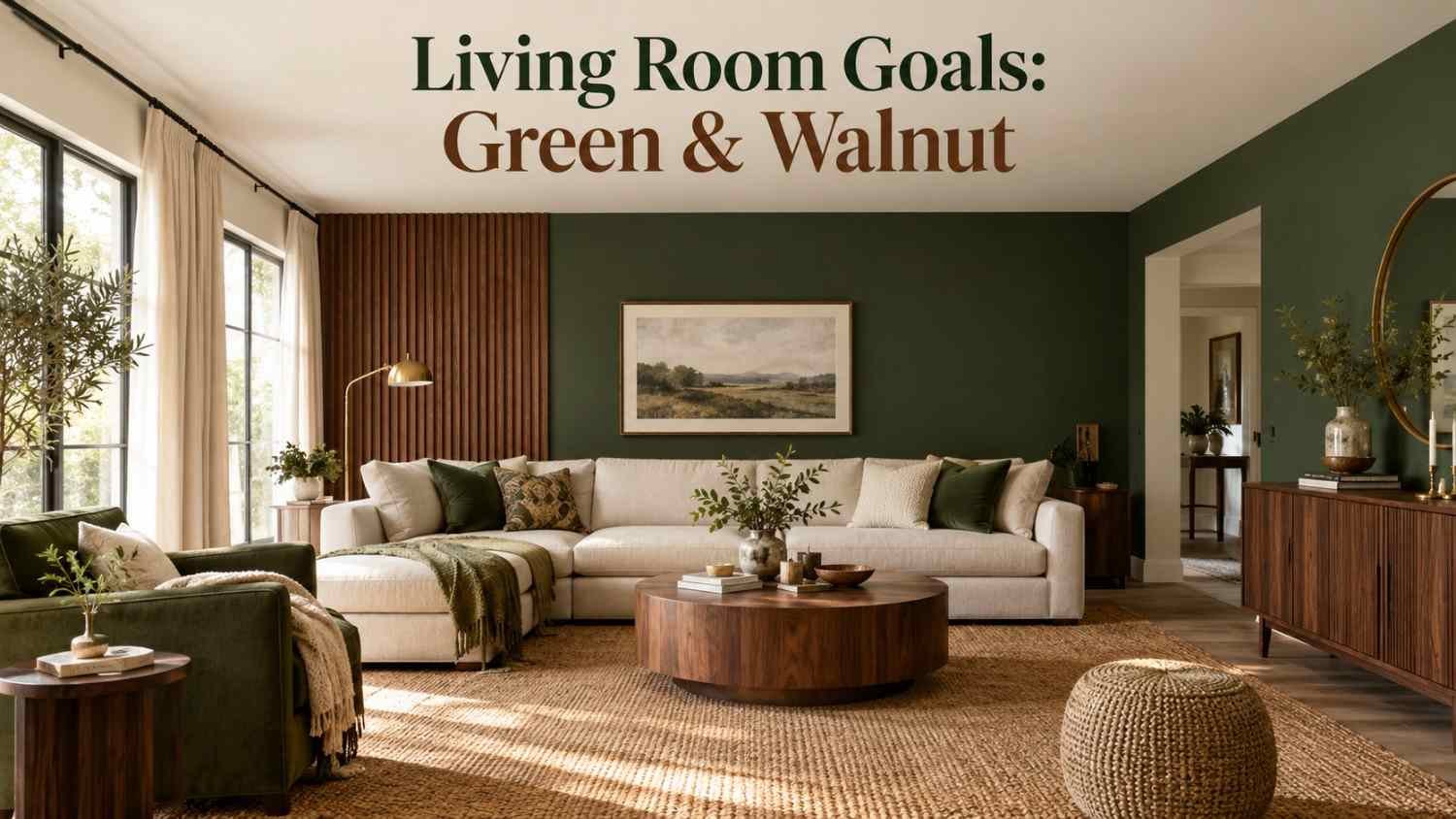
Walk into a living room with a plain, flat wall on every side, and something feels unfinished — even if the furniture is perfect. Now picture one wall wrapped in deep sage paint, warm wood slats, or a soft botanical mural. That single change shifts the entire mood of the room. An accent wall living room update is one of the fastest, most affordable ways to add personality to a home without touching the floor plan or calling a contractor.
This guide covers 25 accent wall living room ideas, organized by style, budget, and room size, along with practical guidance on choosing the right wall, avoiding common mistakes, and understanding what each option actually costs. Whether the goal is a bold color statement or a quiet, textured backdrop, there is an idea here that fits.
What Is a Living Room Accent Wall?
A living room accent wall is a single wall treated differently from the rest of the room — through color, texture, material, or pattern — to create a visual focal point. Instead of painting every wall the same shade, homeowners highlight one surface to draw the eye and add depth. The concept became popular because it delivers a dramatic result for a fraction of the cost of a full renovation. Done well, an accent wall anchors furniture, defines a seating area, and gives a room a sense of intention rather than looking accidental.
How to Choose the Right Wall for the Accent
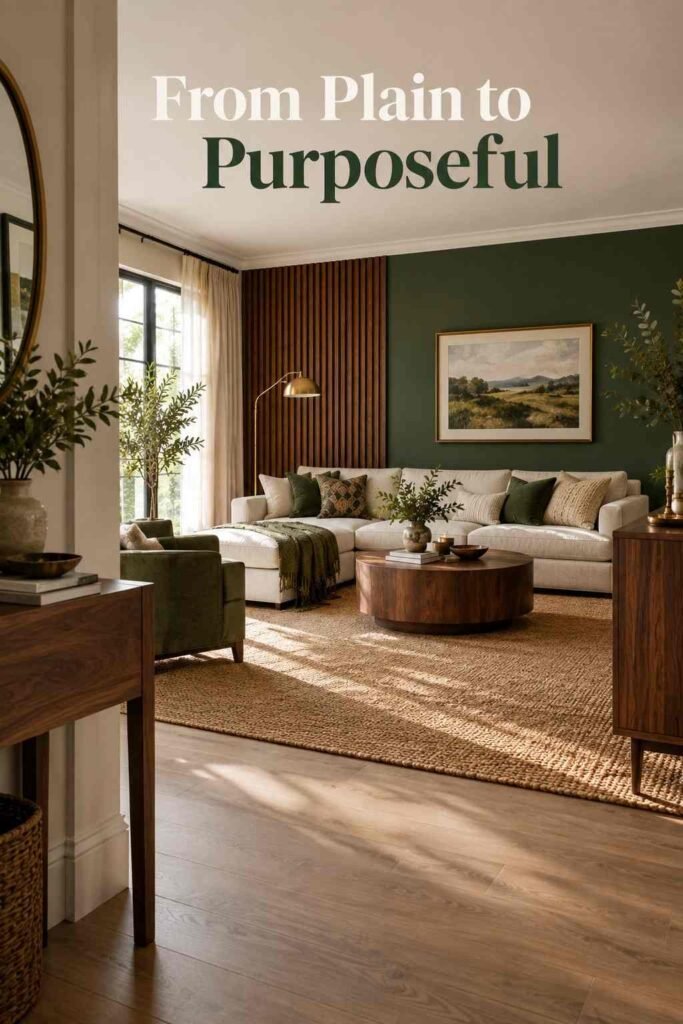
Not every wall in a living room makes a good candidate. The strongest choice is usually the wall that naturally draws attention first — behind the sofa, surrounding a fireplace, or framing the television. A wall with architectural interest, such as one with a niche or a change in ceiling height, also works well. Avoid choosing a wall broken up by multiple doors or windows, since patterns and living room paint colors read better on an uninterrupted surface. As a general rule, the accent wall should be the one a person sees immediately upon entering the room.
Bold and Soothing Paint Color Ideas
1. Deep Sage Green
Sage green remains one of the most requested living room colors because it pairs equally well with wood tones, black metal fixtures, and cream upholstery. It reads as calming rather than cold, which makes it a favorite for households that want warmth without leaning into browns or beiges.
2. Warm Terracotta
Terracotta brings an earthy, sunbaked warmth that photographs beautifully against natural wood furniture and woven textures like jute or rattan. It works especially well in rooms with south-facing windows, where natural light amplifies its richness throughout the day.
3. Moody Charcoal or Espresso Brown
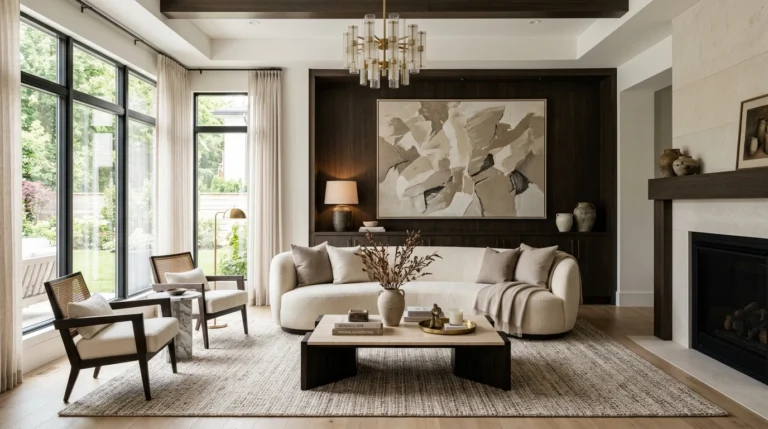
A charcoal or deep espresso wall creates instant depth in larger living rooms. This choice works best when balanced with lighter furniture and layered lighting, since a dark wall can absorb light in smaller spaces if not planned carefully.
4. Deep Teal or Navy Blue
Teal and navy have stayed popular for years because they feel formal and grounded at once. Both shades pair naturally with brass or gold hardware, making them a strong pick for living rooms with a slightly traditional or transitional style.
5. Soft Greige or Mushroom Neutral
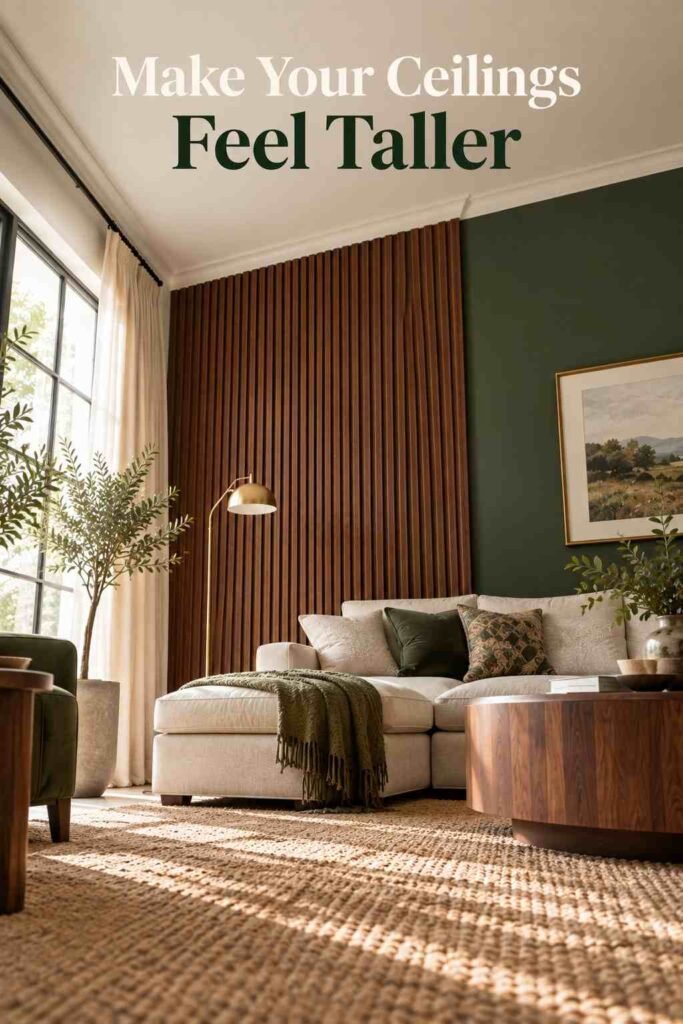
For homeowners who want texture and depth without a bold color commitment, a warm neutral like greige or mushroom offers a quiet upgrade. These tones shift subtly with the light throughout the day, giving the wall a layered, almost textured appearance even with flat paint.
6. Matte Black Wall
A matte black wall is a striking, modern choice that works particularly well in living rooms with strong natural light or high ceilings. It’s a technique often borrowed from bedroom design — the same principle behind a dramatic black bedroom wall applies here, using darkness to make architectural details, art, and metallic accents stand out.
Textured and Natural Material Ideas
7. Wood Slat Wall
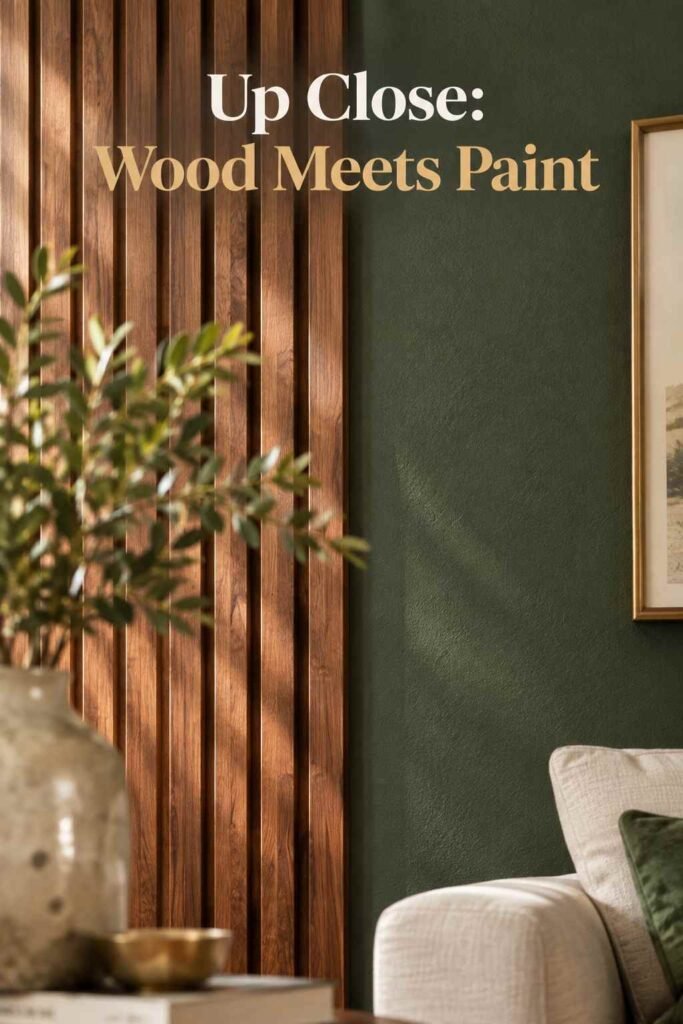
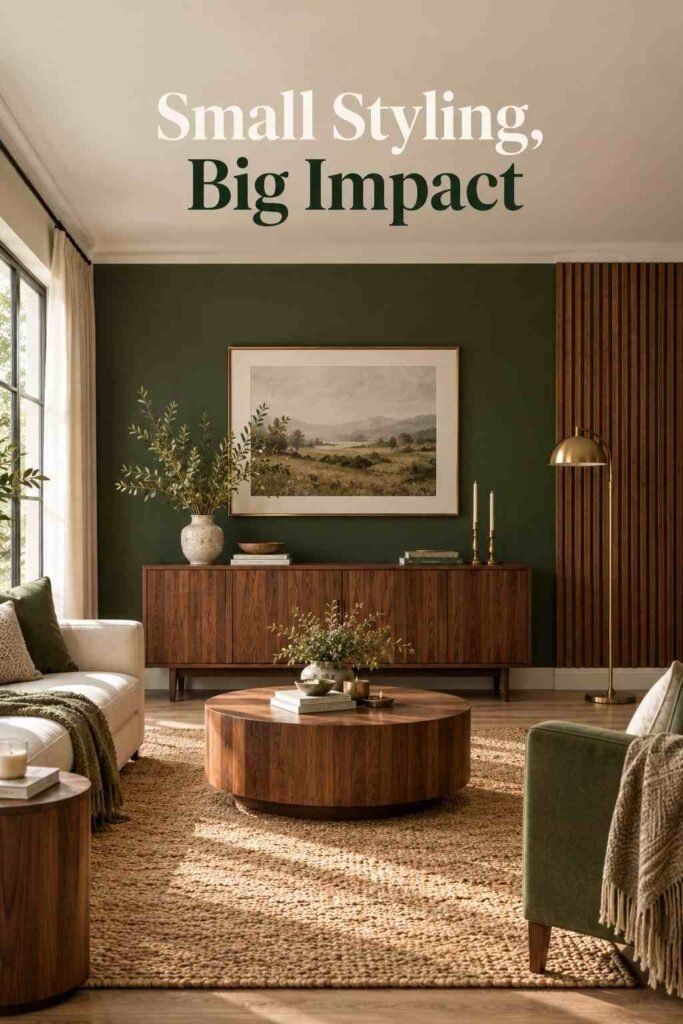
Vertical wood slats have become one of the most requested treatments for media walls. Beyond the visual warmth, slats add genuine acoustic benefit by softening echo in rooms with hard flooring, and they pair naturally with a mounted television.
8. Stacked Stone or Faux Stone Panel
Stone paneling, whether real stacked stone or a lightweight faux version, brings a lodge-like, grounded feel. It performs especially well as a fireplace surround, extending naturally from floor to ceiling for a cohesive, architectural look.
9. Limewash Plaster Finish
Limewash creates a cloudy, hand-applied texture that feels closer to old-world plaster than modern paint. Because no two brush strokes dry the same, every wall ends up with subtle variation, which is part of its lasting appeal.
10. Exposed Brick
In homes with existing brick underneath drywall, exposing it creates an authentic industrial-meets-cozy contrast. For homes without existing brick, thin brick veneer panels replicate the same texture without structural work.
11. Board and Batten Paneling
Board and batten adds vertical or grid-style trim detail to a flat wall, then gets painted a single tone for a cohesive, tailored look. It’s one of the more budget-friendly ways to add architectural character to a builder-grade living room.
12. Woven Textile or Cork Panel
Fabric-wrapped panels or natural cork add a soft, sound-absorbing texture that’s uncommon enough to feel custom. This option suits apartments and condos where noise control matters as much as visual style.
Wallpaper and Pattern Ideas
13. Botanical Mural Wallpaper
A full-wall botanical or landscape mural turns a plain surface into a piece of art. Placed behind a sofa, it becomes the room’s natural focal point without competing with the television or other furnishings.
14. Geometric Print Wallpaper
Geometric patterns in muted, tonal color combinations add movement without overwhelming a small or open-concept living room. Sticking to two or three coordinating colors keeps the look sophisticated rather than busy.
15. Grasscloth Texture Wallpaper
Grasscloth adds fine, natural texture and a subtle sheen that plain paint can’t replicate. It hides minor wall imperfections well, making it a practical choice for older homes with uneven drywall.
16. Abstract Watercolor Mural
A softer alternative to bold geometric prints, watercolor-style murals bring artistic movement in muted tones. This works particularly well in living rooms that already feature a lot of solid-colored furniture.
17. Vintage-Inspired Floral or Damask Print
For traditional or eclectic interiors, a vintage floral or damask pattern adds heritage character. Choosing a print with a matte, low-contrast palette keeps it from feeling dated.
Architectural and Functional Accent Wall Ideas
18. Fireplace Focal Wall
Extending stone, wood, or a bold paint color across the full fireplace wall — from floor to ceiling — turns an existing feature into the room’s centerpiece. This approach works in both traditional and contemporary living rooms.
19. Built-In Bookcase or Floating Shelf Wall
Floor-to-ceiling built-ins painted a single accent color combine storage with visual drama. This is one of the more functional entries on this list, since it adds display space alongside style.
20. Picture Ledge Gallery Wall
Floating picture ledges allow art and photos to be layered and swapped without new nail holes, making this a flexible option for renters and frequent redecorators alike.
21. Framed TV Media Wall
Wrapping the television in a paneled frame — using wood trim, stone, or textured tile — makes the screen look intentional rather than like an afterthought mounted on bare drywall.
Creative and Budget-Friendly Accent Wall Ideas
22. Peel-and-Stick Removable Wallpaper
For renters or anyone hesitant to commit, peel-and-stick wallpaper delivers a full pattern or texture change with zero permanent damage. Quality has improved significantly, with many versions now closely resembling traditional pasted wallpaper.
23. Painter’s Tape Geometric Pattern
A DIY-friendly option using painter’s tape to create stripes, chevrons, or angular blocks costs little more than a few cans of paint and an afternoon of patience.
24. Curated Gallery Wall With Mixed Frames
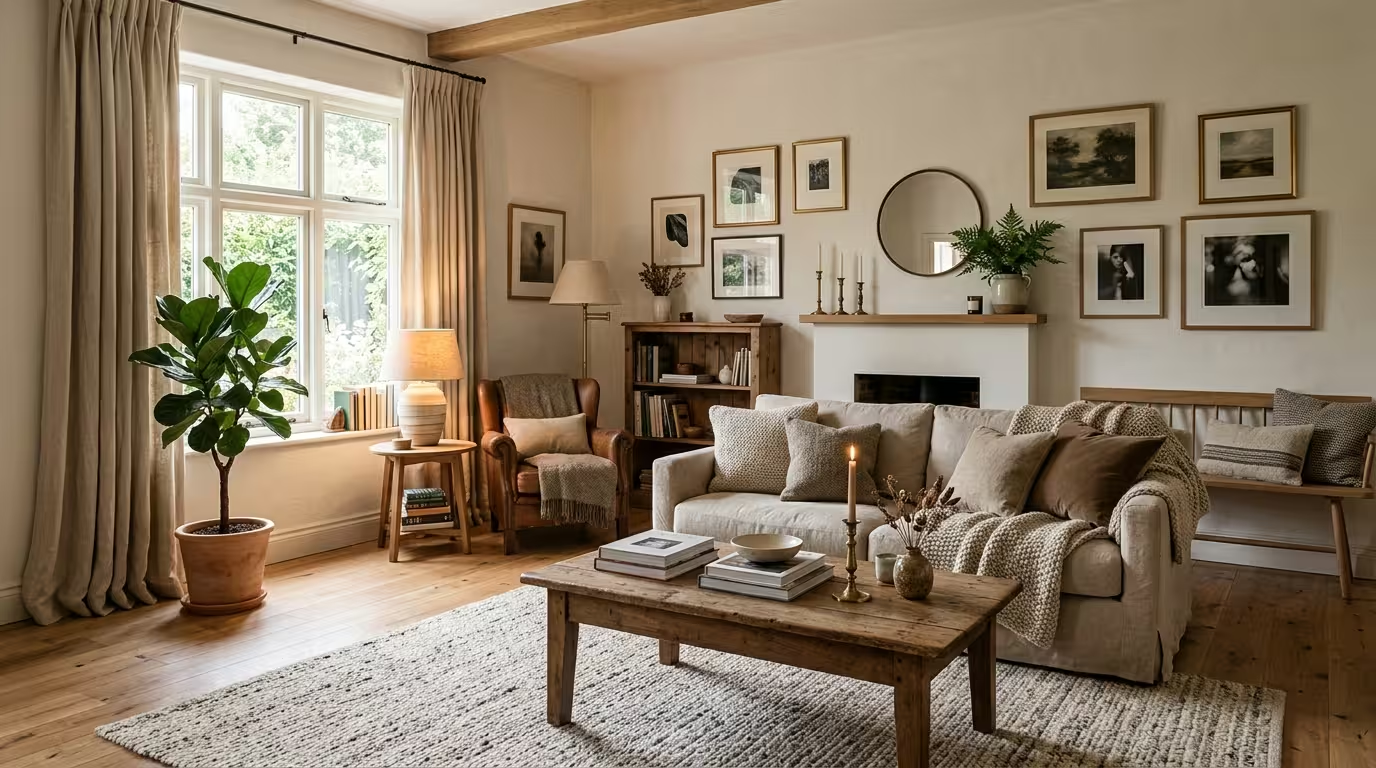
Grouping art, mirrors, and photos of varying sizes on one wall creates a layered, collected-over-time look. This works particularly well in living rooms styled around a personal or eclectic theme, similar to the curated approach seen in many green living room ideas, where color and objects are layered together intentionally.
25. Layered Lighting Accent Wall
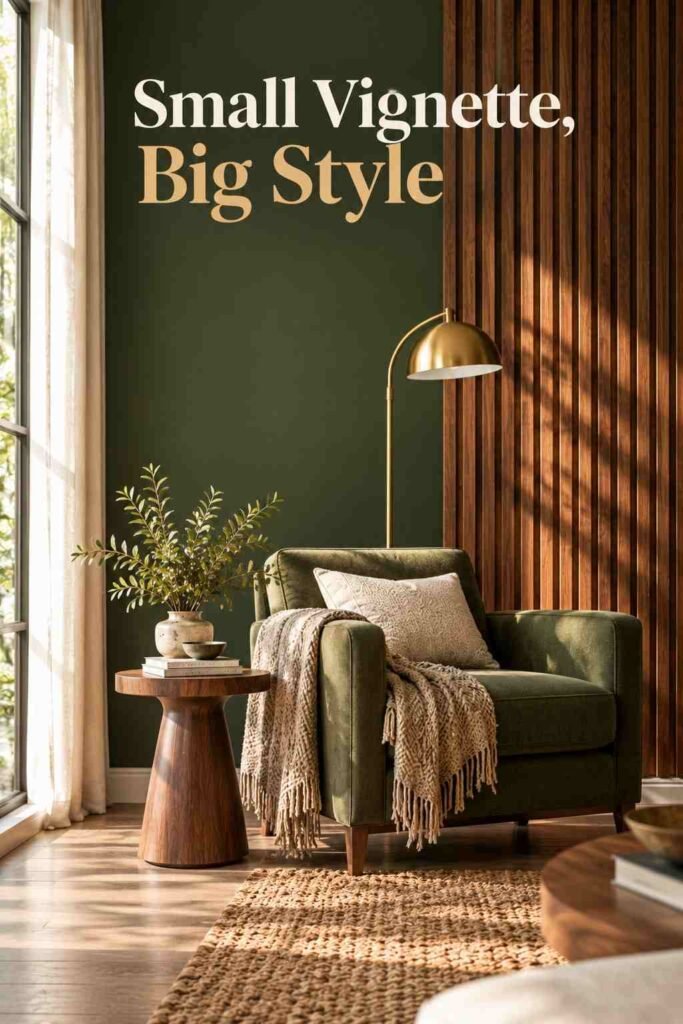
Wall-mounted picture lights, a warm LED wash, or a statement sconce arrangement can turn even a plain painted wall into a focal point after dark, adding dimension without any structural change.
Accent Wall Ideas for Small Living Rooms
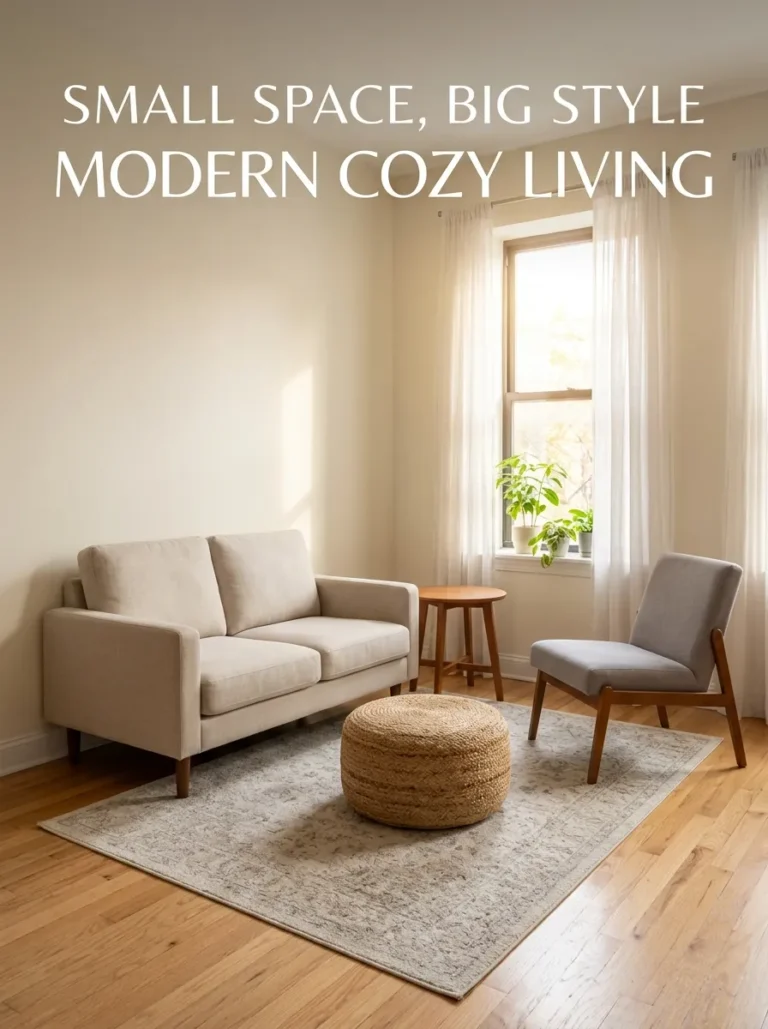
Small spaces benefit from restraint. A single, well-lit accent wall in a warm neutral or muted color tends to open a room rather than shrink it, while a busy pattern on every wall can make a small living room feel cluttered. Mirrored panels, light wood slats, and soft greens tend to perform best in tighter square footage. For layout inspiration and finish comparisons tailored to compact spaces, resources like Outinteriors offer additional room-by-room breakdowns worth reviewing before committing to a final material.
Common Accent Wall Mistakes to Avoid
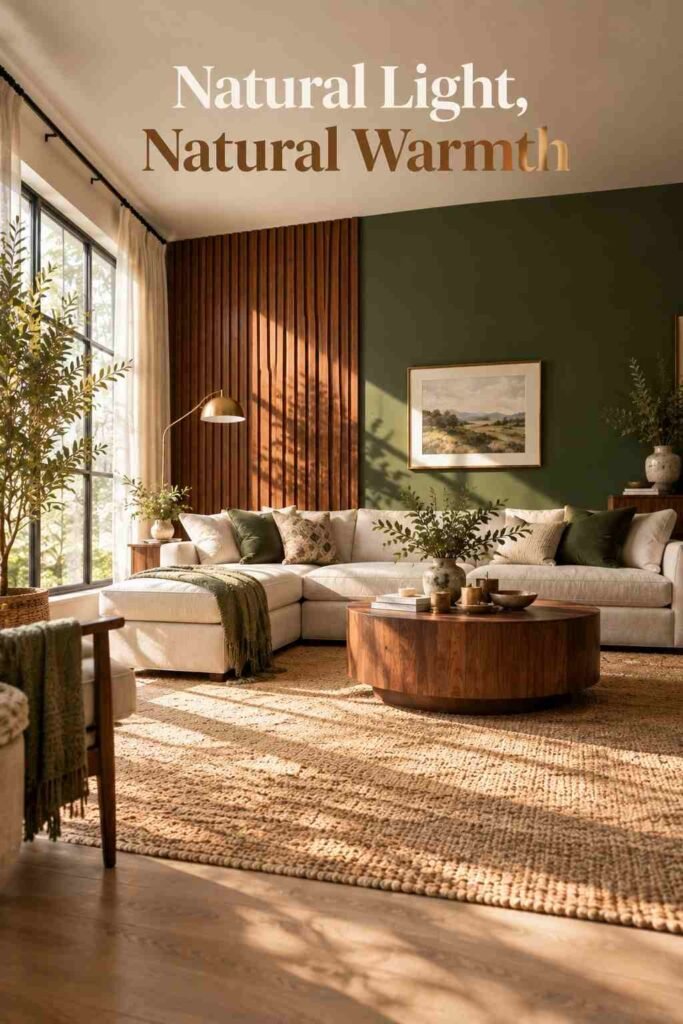
Even a well-chosen color can fall flat if the execution is off. A few recurring issues show up again and again in living room makeovers:
- Choosing the wrong wall — picking a wall broken up by doors, windows, or vents instead of the natural focal point.
- Skipping the light test — a color can look completely different in morning versus evening light, so testing swatches at different times of day matters.
- Overmatching decor — forcing every pillow and accessory to match the wall color exactly, rather than letting it stand as one intentional element.
- Ignoring scale — using a small, delicate pattern on a large wall, where it disappears from a normal viewing distance.
What Does an Accent Wall Cost?
Budgets vary widely depending on material. A painted accent wall is typically the least expensive option, often achievable with a single gallon of quality paint. Peel-and-stick wallpaper and board-and-batten paneling sit in the mid-range, while natural stone, real wood slats, and custom murals represent the higher end of the spectrum. The good news is that even the most budget-conscious option — paint — remains one of the most visually impactful changes a homeowner can make in a weekend.
Final Thoughts
An accent wall doesn’t need to be complicated to make an impression. The most successful examples share the same foundation: one wall, one clear idea, and enough restraint to let it breathe. Whether the choice is a warm terracotta paint job, a textured wood slat panel, or a full mural behind the sofa, the goal stays the same — creating a living room that feels finished, considered, and genuinely lived in.
Frequently Asked Questions
1. What is the best wall in a living room for an accent treatment?
The wall behind the sofa, surrounding the fireplace, or framing the television usually works best, since it’s the first surface a person sees upon entering the room.
2. Should an accent wall be lighter or darker than the other walls?
Either works, but darker accent walls tend to add drama in larger, well-lit rooms, while lighter or textured neutrals work better in smaller or dimmer spaces.
3. Is wallpaper or paint better for a living room accent wall?
Paint offers speed and flexibility, while wallpaper adds pattern and texture that paint alone can’t replicate. The right choice depends on budget and how often the look might change.
4. Can I do an accent wall if I rent my home?
Yes. Peel-and-stick wallpaper, picture ledges, and removable panel systems allow for a full visual change without damaging walls or violating a lease.
5. How much does a living room accent wall typically cost?
Painted walls are the most affordable option, often completed with a single gallon of paint, while natural materials like stone or wood slats cost more due to material and installation.
6. Do accent walls make a room look smaller?
Not when chosen correctly. Light, warm neutrals and reflective finishes can make a small room feel larger, while only very dark, heavy patterns risk closing in a tight space.
7. How many walls should be different in a living room?
Generally just one. Treating a single wall differently keeps the focus intentional; more than one accent wall in a small room can compete for attention and feel chaotic.

One Comment