Dining Room Accent Wall Ideas That Will Transform Your Space in 2026
Walking into a dining room with a flat, single-tone wall on every side is like eating a meal with no seasoning — technically fine, but forgettable. A well-planned dining room accent wall changes that instantly. It gives the room a focal point, sets the mood for every dinner party, and often costs far less than a full renovation. Whether you’re working with a small apartment nook or a grand formal dining space, the right accent wall can turn an ordinary meal into an experience worth remembering. Below are 26 dining room accent wall ideas, along with practical guidance on choosing, budgeting for, and maintaining one — details most guides skip entirely.
Why a Dining Room Accent Wall Matters
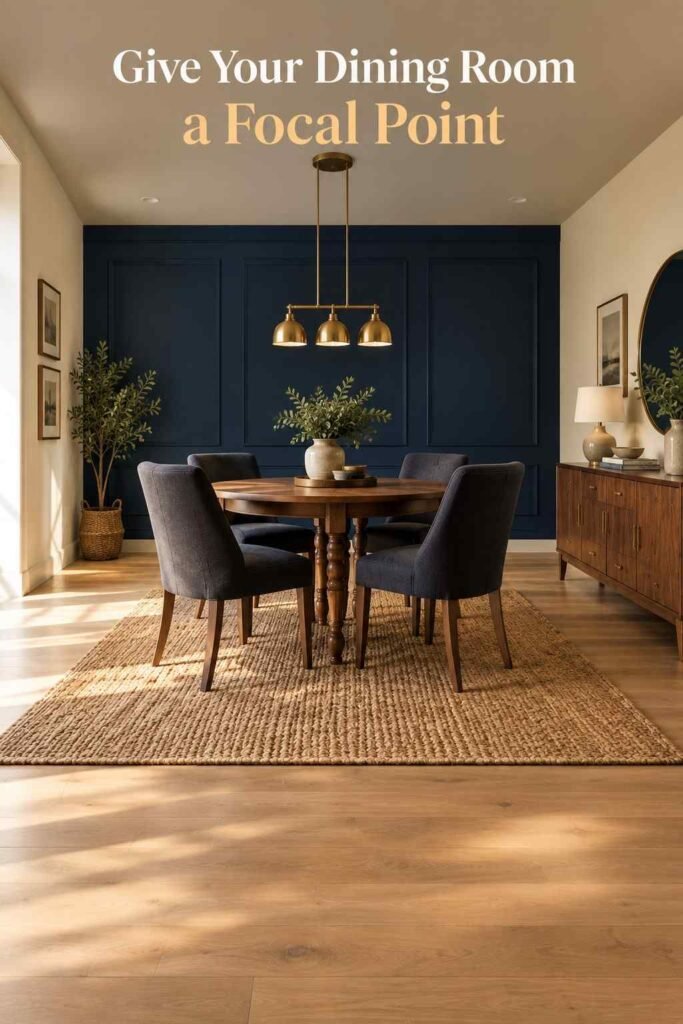
An accent wall does more than add color. Designers have long used it as a psychological anchor — the eye naturally settles on the wall opposite the main entrance or behind the table’s head seat. This is why the wall facing the entryway is usually the best candidate for a dining room accent wall, not the wall behind the buffet or china cabinet, which often gets visually blocked by furniture. Getting this placement right is the single biggest factor separating a stunning accent wall from a wasted one, and it’s a detail most articles on this topic never mention.
How to Choose the Right Wall Before You Start
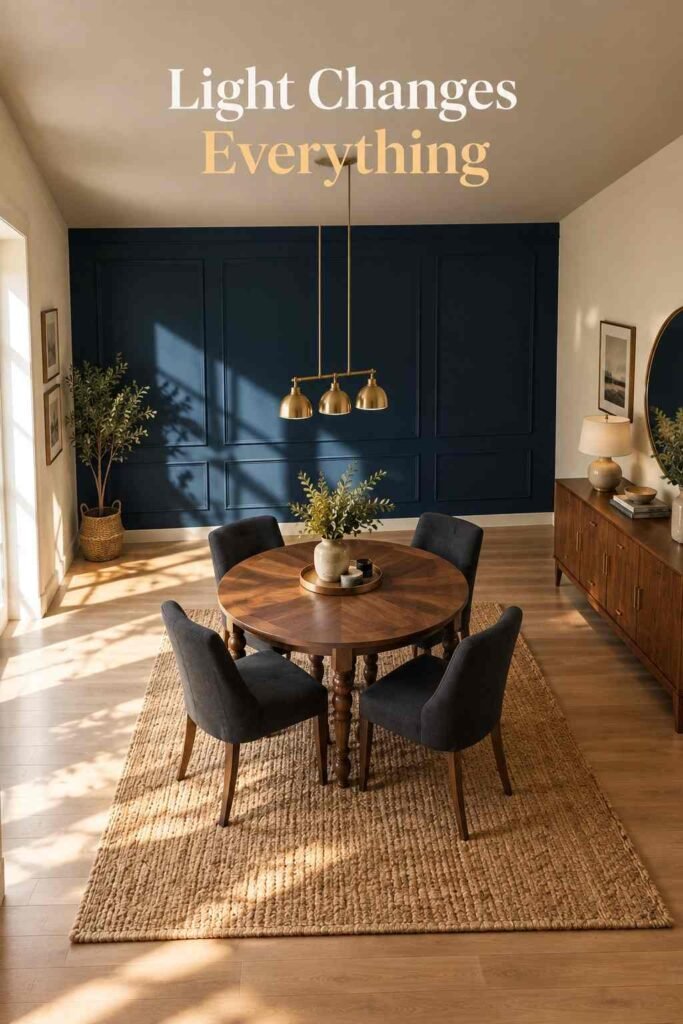
Before picking a color or material, measure your room’s natural light. North-facing dining rooms receive cooler, flatter light and pair well with warm tones like terracotta or rust. South-facing rooms get stronger, warmer light and can handle cooler blues or greens without feeling cold. Also consider sightlines from the kitchen — if your dining space is open-concept, your accent wall should complement, not clash with, kitchen cabinetry. This upfront planning step prevents the most common accent wall regret: choosing a color that looked perfect on a paint chip but wrong under evening lighting.
Color-Based Dining Room Accent Wall Ideas
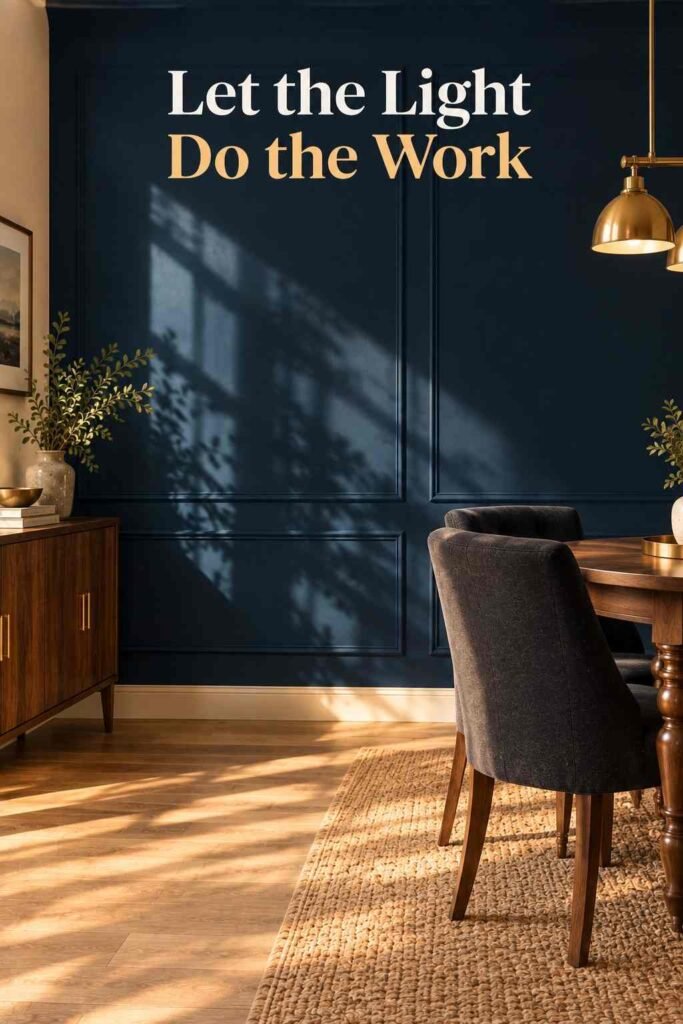
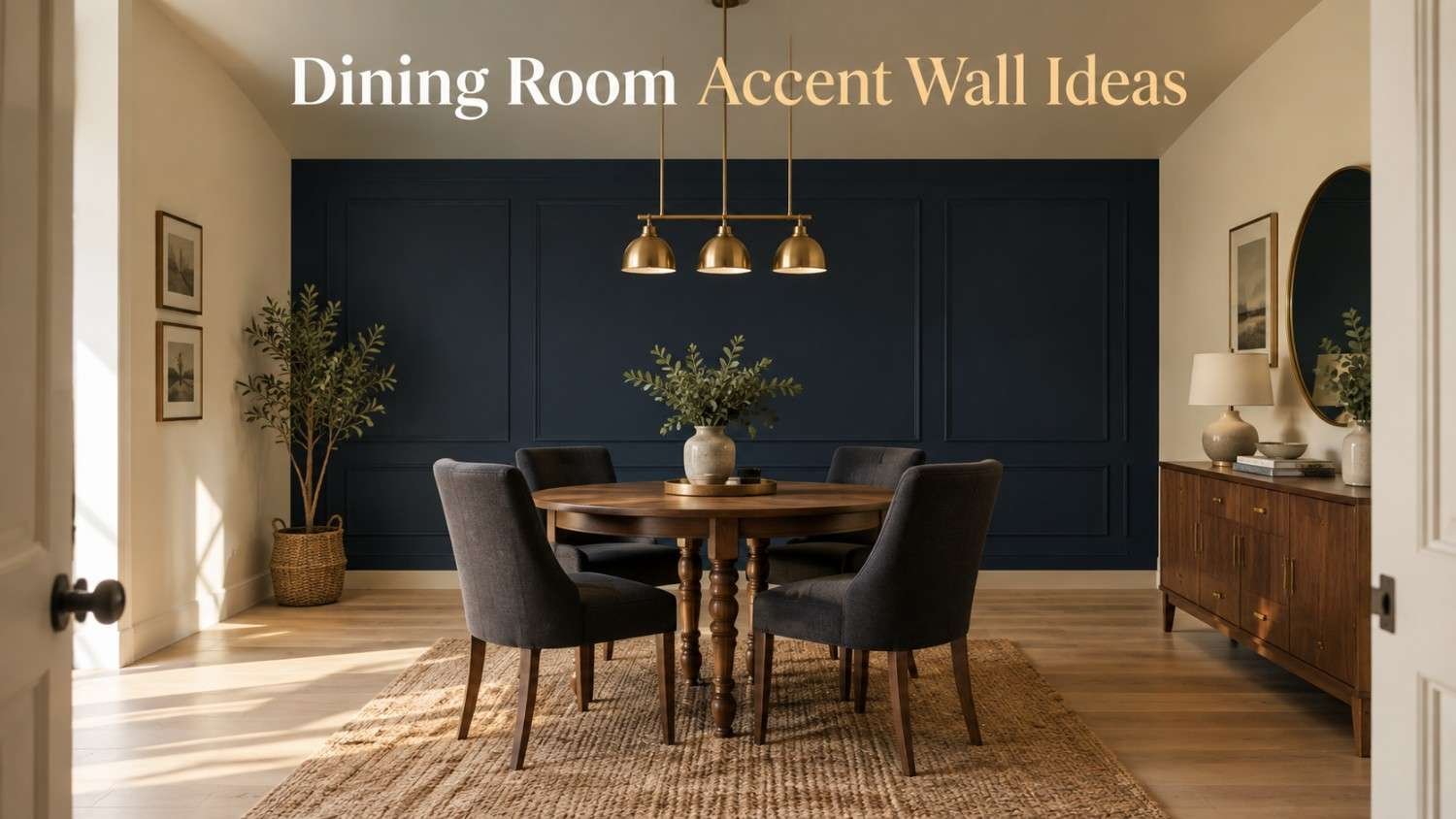
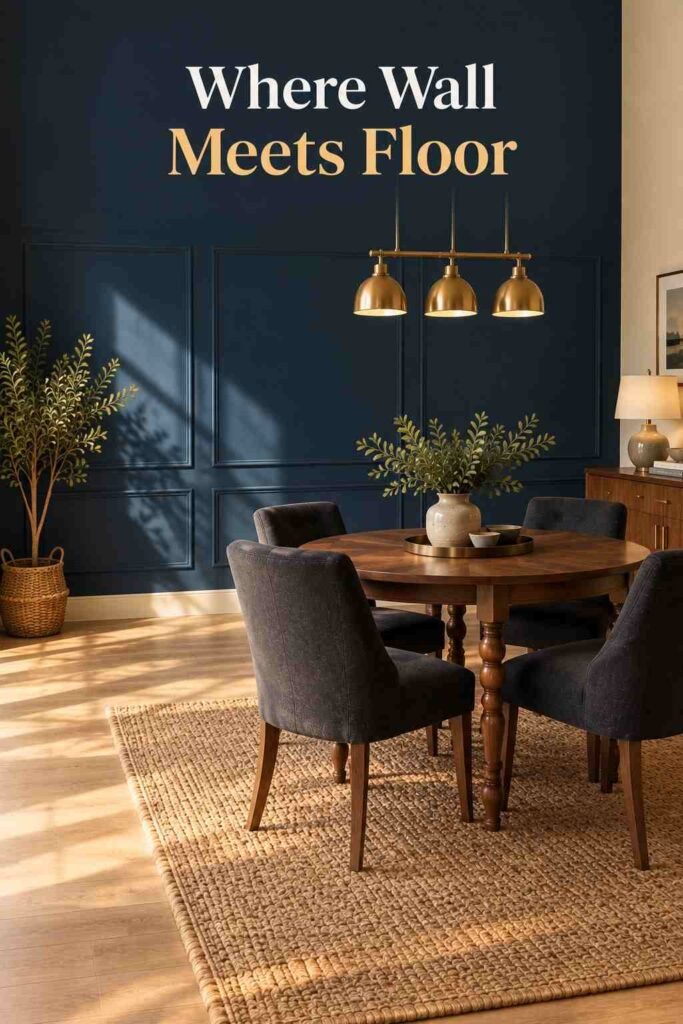
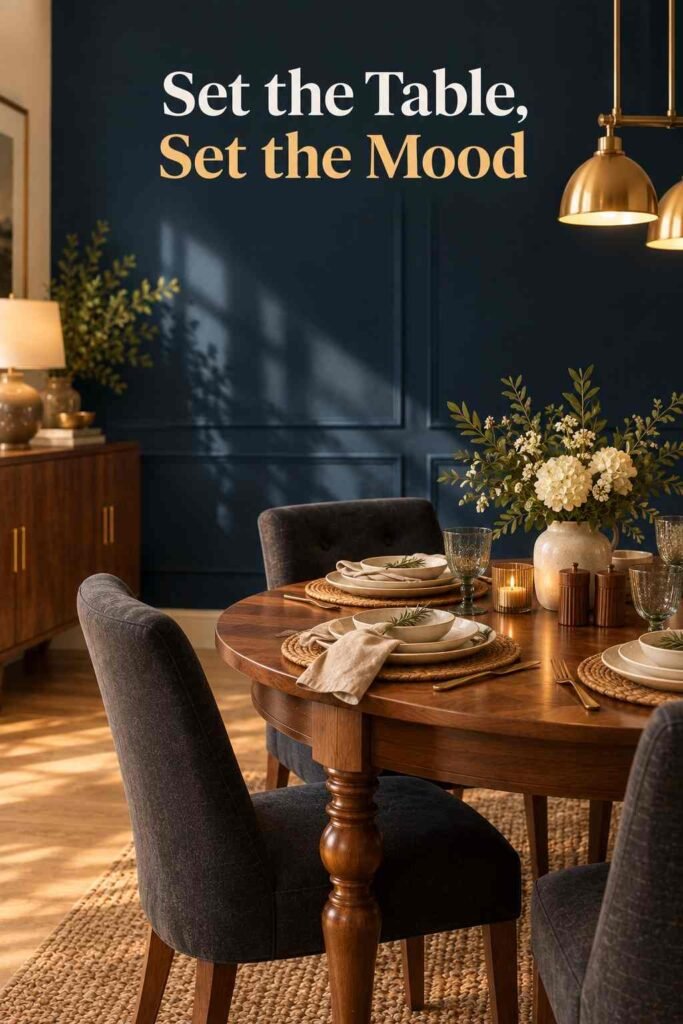
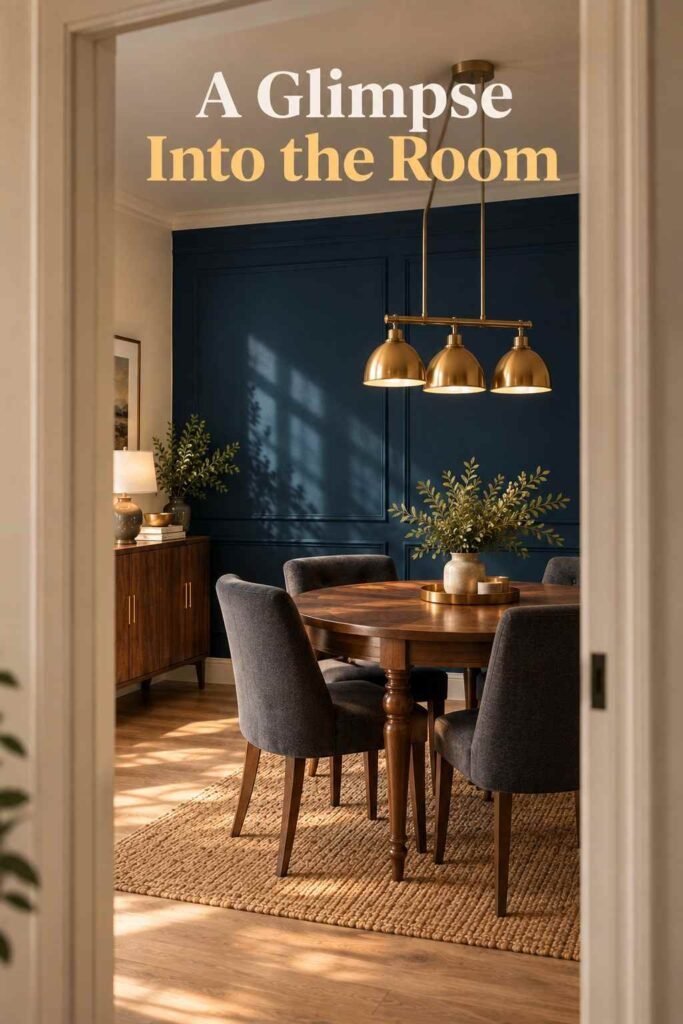
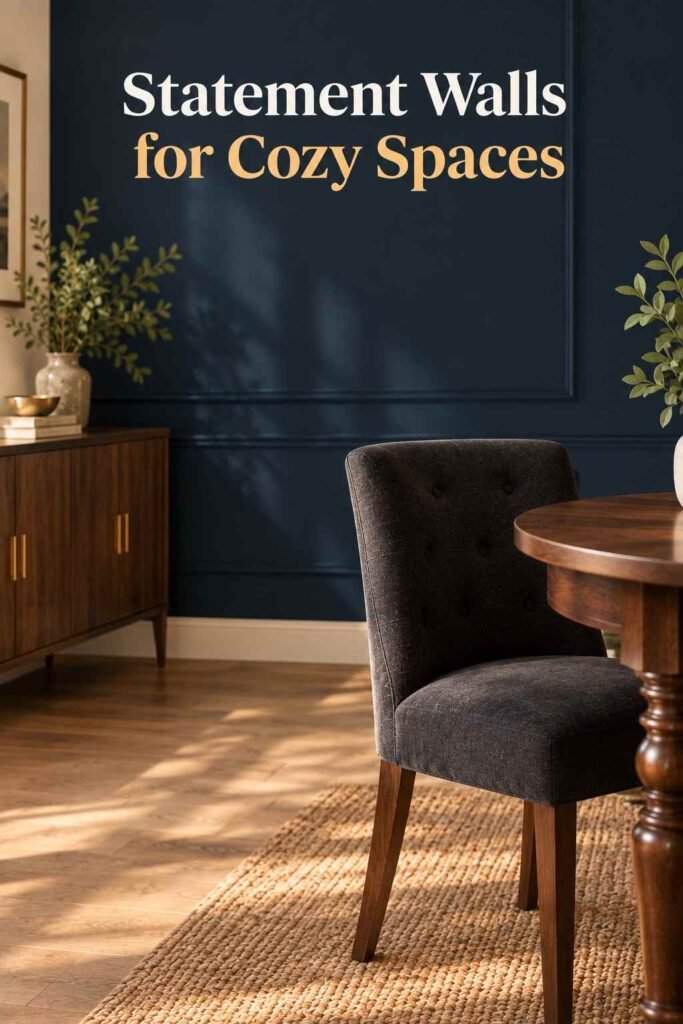
1. Deep Navy Blue
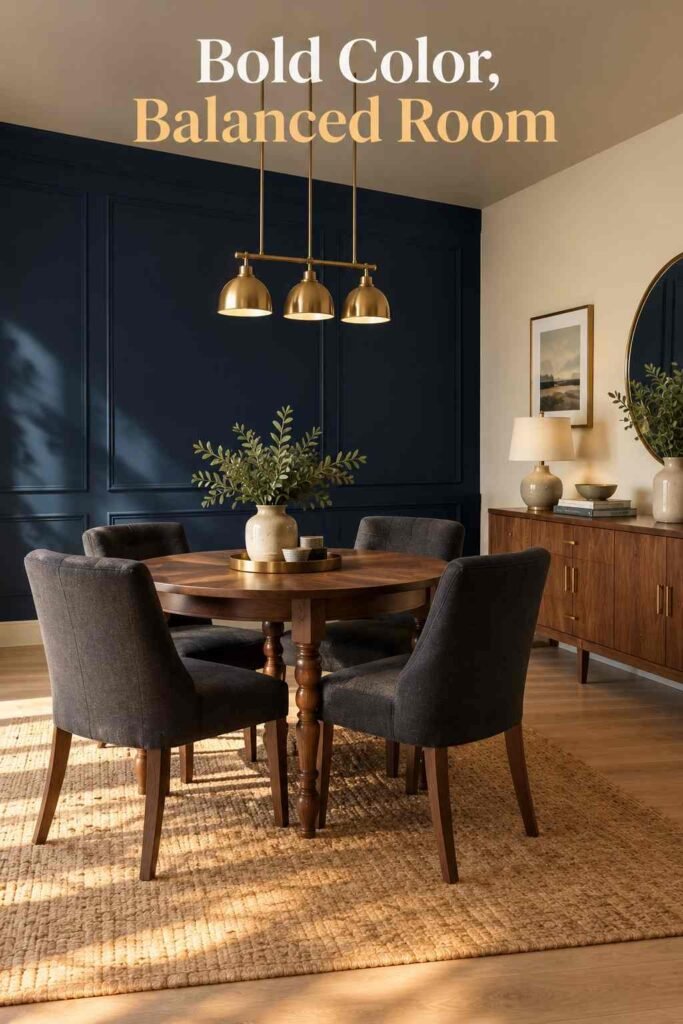
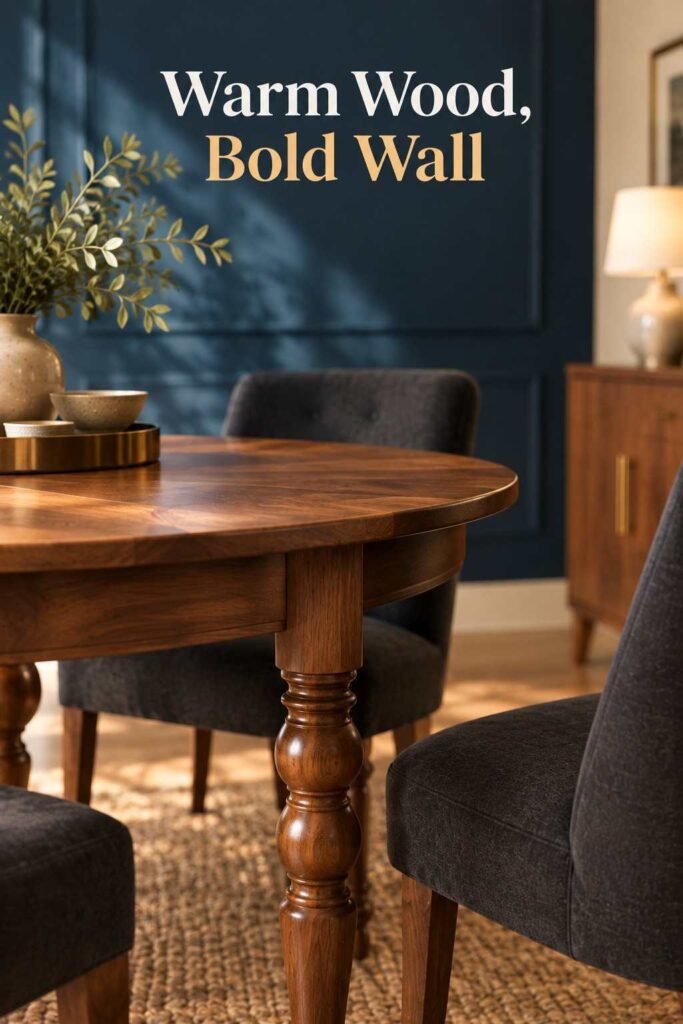
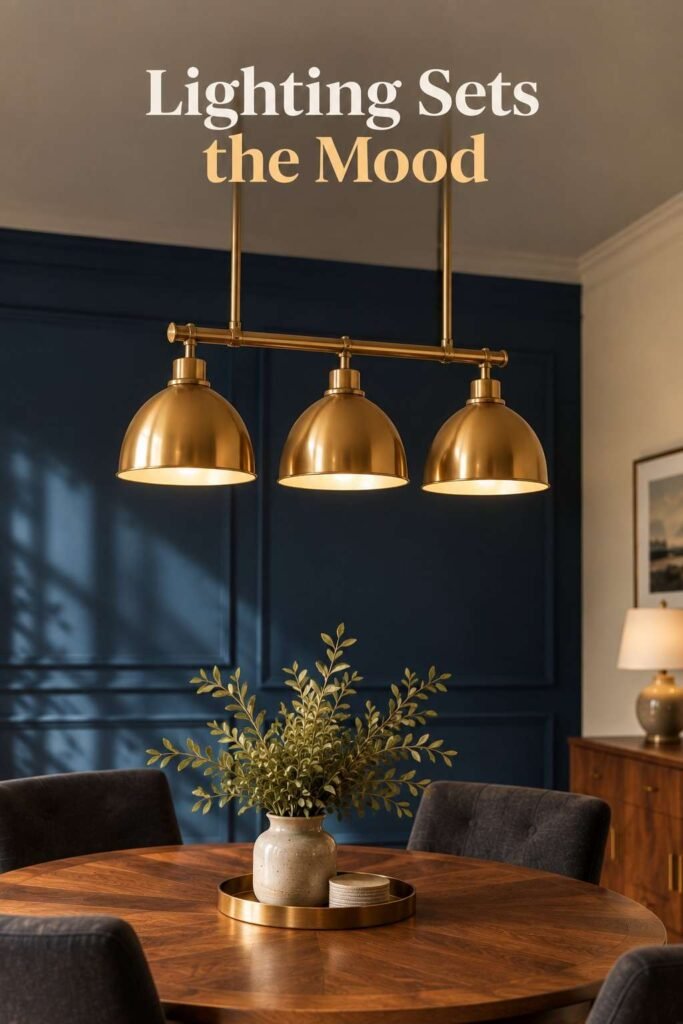
Navy creates instant formality and pairs beautifully with brass light fixtures and a round dining table in walnut or oak.
2. Rich Emerald Green: A jewel-toned green feels luxurious under warm pendant lighting, though it can photograph darkly in flash photos.
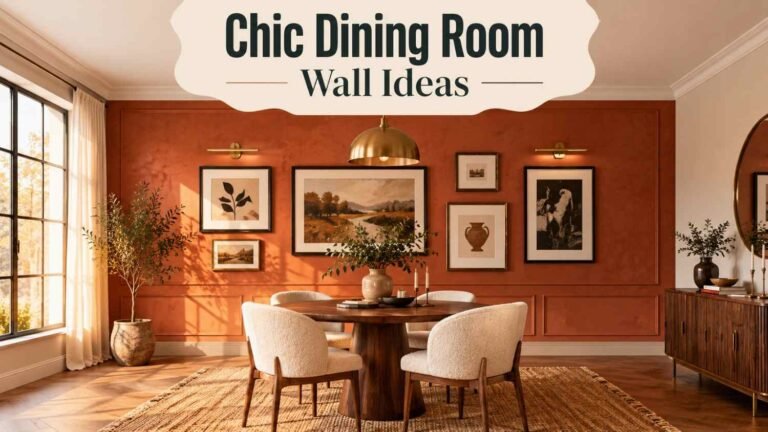
3. Terracotta Orange: Popular since 2023, terracotta warms up north-facing rooms and works especially well with rattan chairs.
4. Warm Charcoal Gray: Sophisticated and gender-neutral, charcoal anchors a room without overwhelming smaller spaces.
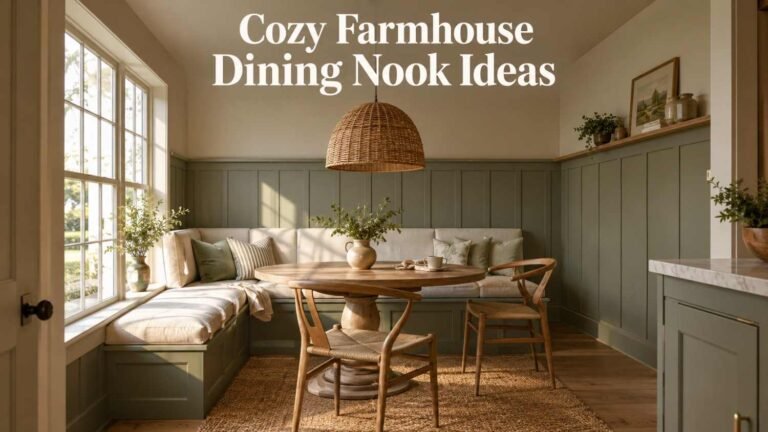
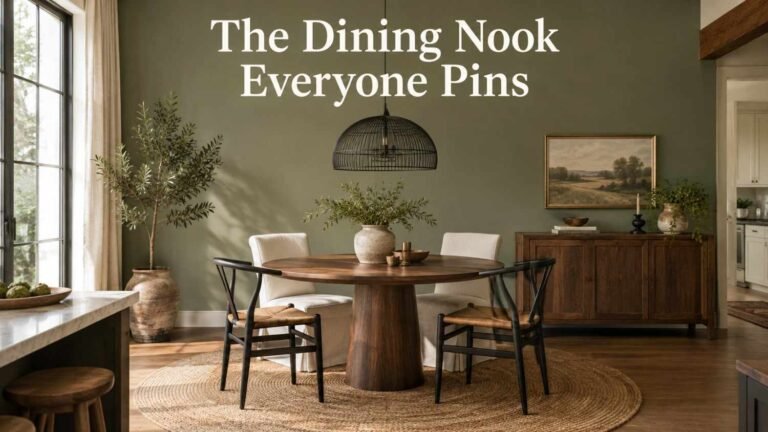
5. Soft Sage Green: A muted, earthy green that suits farmhouse and coastal-style dining rooms alike.
6. Burnt Sienna Red
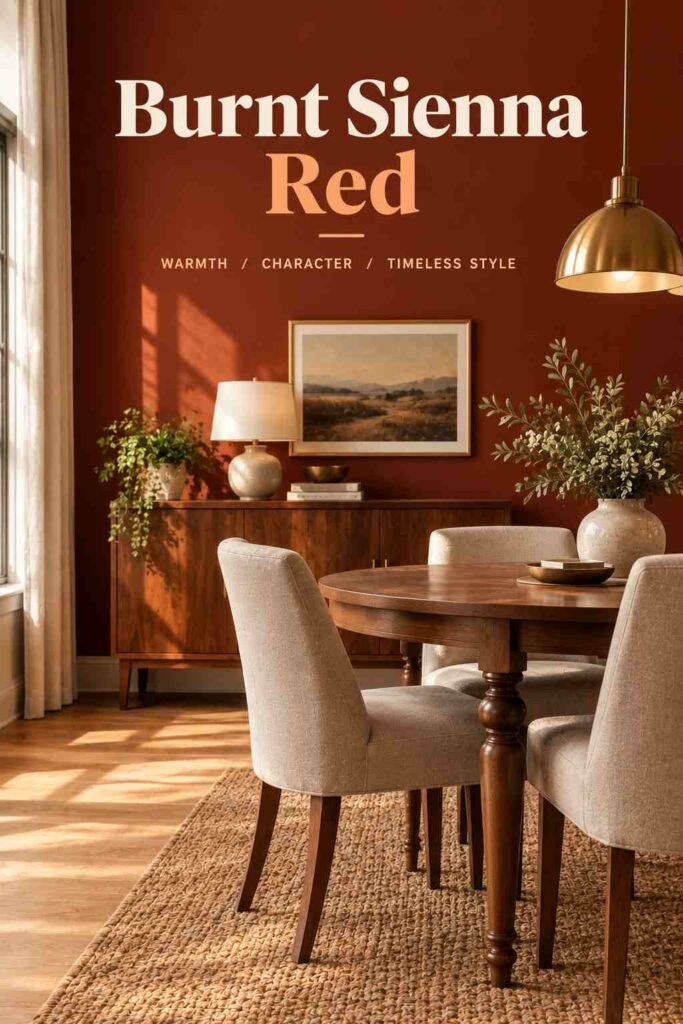
A bold but grounded red that stimulates conversation and appetite, according to color psychology research.
7. Dusty Mauve: A gentle, rosy neutral that adds warmth without feeling overly feminine.
8. Matte Black: Dramatic and modern, matte black works best in rooms with strong natural light to avoid a cave-like feel.
Textured and Material-Based Ideas
9. Vertical Shiplap Paneling
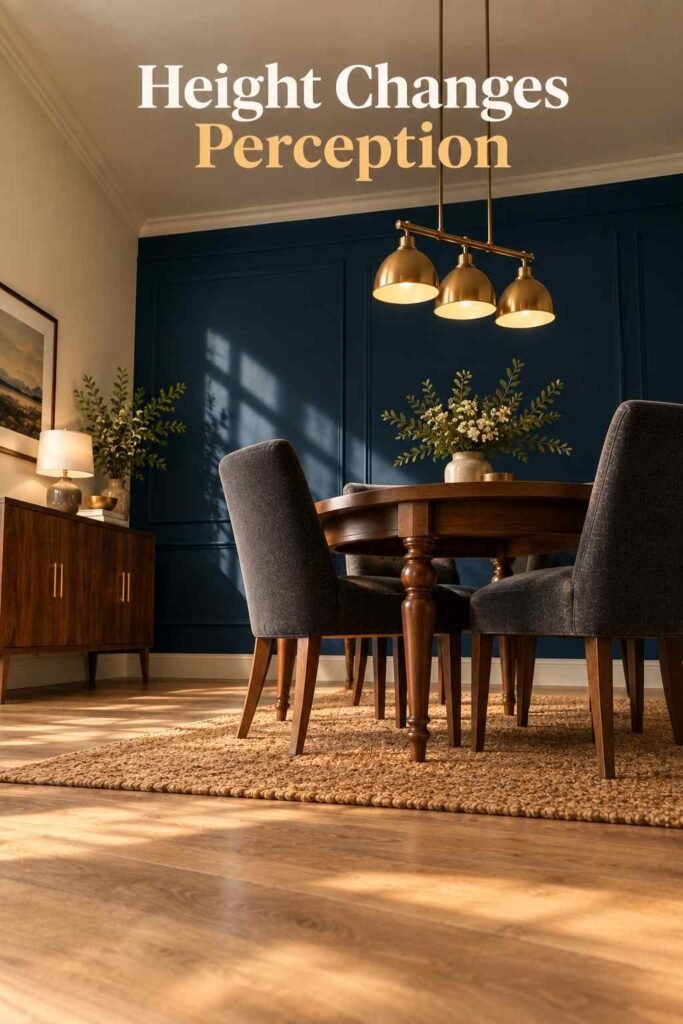
Vertical lines add height, making low-ceiling dining rooms feel taller.
10. Reclaimed Wood Plank Wall
Salvaged wood adds authentic texture and a story, appealing to buyers who value sustainability.
11. Board and Batten Trim: A classic New England look that works in both traditional and transitional dining rooms.
12. Natural Stone Veneer: Stone introduces organic texture and pairs beautifully with wrought-iron chandeliers.
13. Exposed or Faux Brick: Brick adds industrial character, particularly in loft-style or urban dining spaces.
14. Grasscloth Wallpaper: A woven, textural wallcovering that adds depth without competing with artwork.
15. Cork Wall Panels: An underused, eco-friendly option that also offers subtle sound absorption during dinner parties.
16. Fluted Wood Slat Wall: A 2024–2026 design favorite, slat walls add a sculptural, high-end look at a moderate cost.
Pattern, Wallpaper, and Art-Driven Ideas
17. Bold Botanical Wallpaper: Large-scale leaf prints bring nature indoors and work well in rooms with ample daylight.
18. Geometric Wallpaper
Angular patterns in navy, black, or gold add modern energy to minimalist dining rooms.
19. Mural Wall: A hand-painted or printed mural — think rolling hills or an abstract sunset — turns the wall into functional art.
20. Gallery-Style Art Wall
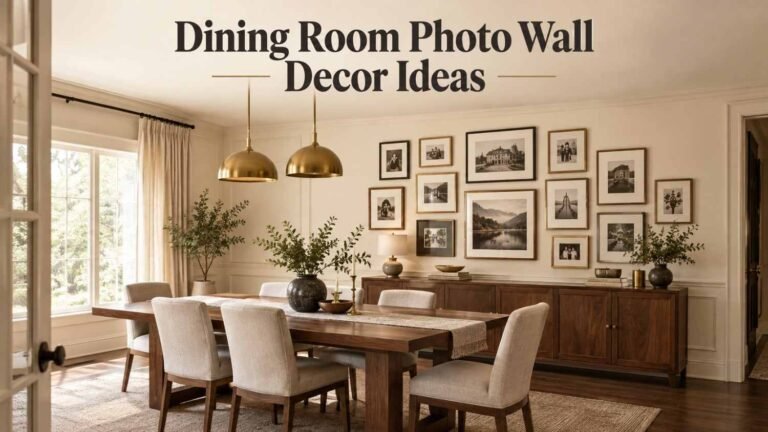
Grouping framed prints, mirrors, and small shelves creates a curated, collected-over-time feel. This approach pairs naturally with layered Dining Room Photo Wall Decor, which lets you mix family photos, art, and mirrors into one cohesive accent.
21. Large-Scale Abstract Print: A single oversized canvas can act as an accent “wall” without a single drop of paint.
22. Textile or Fabric Panel Wall: Upholstered wall panels add softness and reduce echo in rooms with hardwood or tile floors.
Functional and Smart Accent Wall Ideas
23. Open Shelving Display Wall: Floating shelves lined with ceramics or glassware double as storage and decor.
24. Mirror Accent Wall: Mirrored panels visually double a small dining room’s square footage and bounce natural light around the table.
25. Built-In Banquette Backdrop
Pairing a banquette seat with a bold accent wall behind it creates a cozy, restaurant-style nook.
26. Two-Tone Color Block Wall: Splitting the wall horizontally with two complementary shades (like a painted chair rail effect) adds custom millwork appeal without the carpentry cost.
Dining Room Accent Wall Ideas for Small Spaces
Small dining rooms need a different strategy than large formal ones. Instead of dark, saturated colors on all four walls, apply a bold dining room accent wall treatment to just one wall — typically the shortest one — to avoid visually shrinking the space. Mirrors, light woods, and matte (not glossy) paint finishes also help. Vertical paneling or slat walls stretch the eye upward, which matters most in apartments and condos with standard 8-foot ceilings. Avoid heavy textures like thick stone veneer in rooms under 100 square feet, since they can make the space feel cramped rather than cozy.
What a Dining Room Accent Wall Costs
Budget varies widely by material. A painted dining room accent wall typically costs between $50 and $150 in paint and supplies for a standard 12×14 room. Peel-and-stick wallpaper runs roughly $80 to $250 depending on quality and coverage. Wood paneling, shiplap, or slat walls generally fall between $300 and $900 installed, while natural stone veneer can exceed $1,000 for materials and labor. Mirror walls and custom millwork sit at the higher end, often $500 to $1,500. Knowing these ranges upfront helps you match ambition to budget before falling in love with a Pinterest photo.
Pairing Your Accent Wall With Furniture and Decor
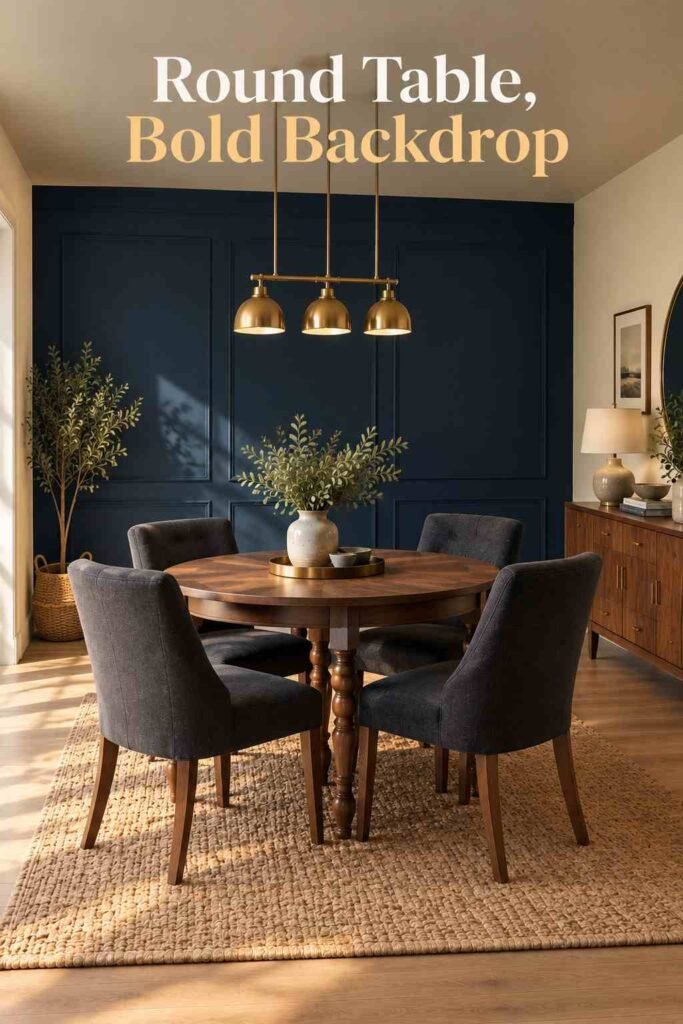
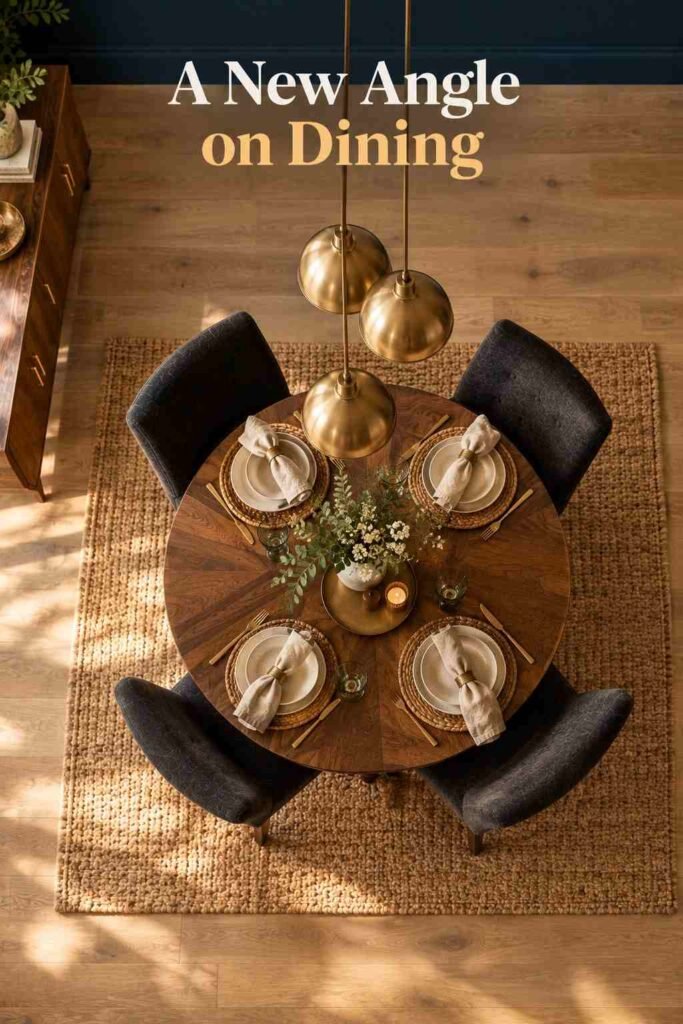
The wall shouldn’t work alone — it should frame the furniture beneath it. A round dining table softens the sharp lines of geometric or paneled accent walls and works particularly well in smaller rooms where corners can feel harsh. Metallic light fixtures — brass, matte black, or aged bronze — tend to complement bold or dark accent walls better than chrome, which can read as cold against warm tones like terracotta or sienna. If you’re sourcing furniture and lighting to match a new accent wall, browsing curated collections such as Outinteriors can help you find pieces scaled correctly to your room before you commit to a final material or color.
Maintenance and Longevity Tips
Painted accent walls in dining rooms should use a washable eggshell or satin finish, since food splatters and hand marks near the table are inevitable. Wallpaper near a dining table benefits from a vinyl-coated or scrubbable variety for the same reason. Wood and stone accent walls need occasional dusting and, for untreated wood, a reapplication of sealant every few years to prevent drying or warping — a maintenance detail frequently left out of design roundups but essential for anyone investing in natural materials.
Conclusion
A dining room accent wall is one of the highest-impact, lowest-risk updates you can make to your home. From a moody navy paint job to a fluted wood slat feature, the right choice depends on your room’s light, size, and the furniture already anchoring the space. Start with wall placement, factor in realistic costs, and choose materials that can handle daily dining life — then let the wall do the rest of the work, setting the tone for every meal shared around your table.
Frequently Asked Questions
1. Which wall should be the accent wall in a dining room?
Generally, the wall facing the room’s entrance or behind the head of the table works best, since it’s the first thing guests see and stays visible even with furniture in place.
2. Do accent walls make a small dining room look smaller?
Not if chosen carefully. Light or mid-tone colors, mirrors, and vertical paneling actually make small dining rooms feel taller and more open, while very dark, heavily textured walls can shrink the perceived space.
3. What is the most popular dining room accent wall color right now?
Warm, earthy tones like terracotta, sage green, and deep charcoal have led design trends since 2024, though classic navy remains a consistently popular choice.
4. How much does a dining room accent wall typically cost?
Painted walls start around $50–$150, while wallpaper, paneling, and stone options range from $80 to over $1,000 depending on material and labor.
5. Can I combine wallpaper and wood paneling on the same accent wall?
Yes — a popular layered approach uses wainscoting or board-and-batten on the lower half of the wall with wallpaper above, adding texture and pattern without overwhelming the room.
6. Is an accent wall still a good idea for an open-concept dining and living area?
Yes, as long as the color or material complements adjacent finishes like kitchen cabinetry or living room walls, so the spaces feel connected rather than disjointed.
7. How do I keep a painted accent wall clean near a dining table?
Choose a washable eggshell or satin finish rather than matte, since matte paint absorbs stains from food and fingerprints more easily and is harder to wipe clean.