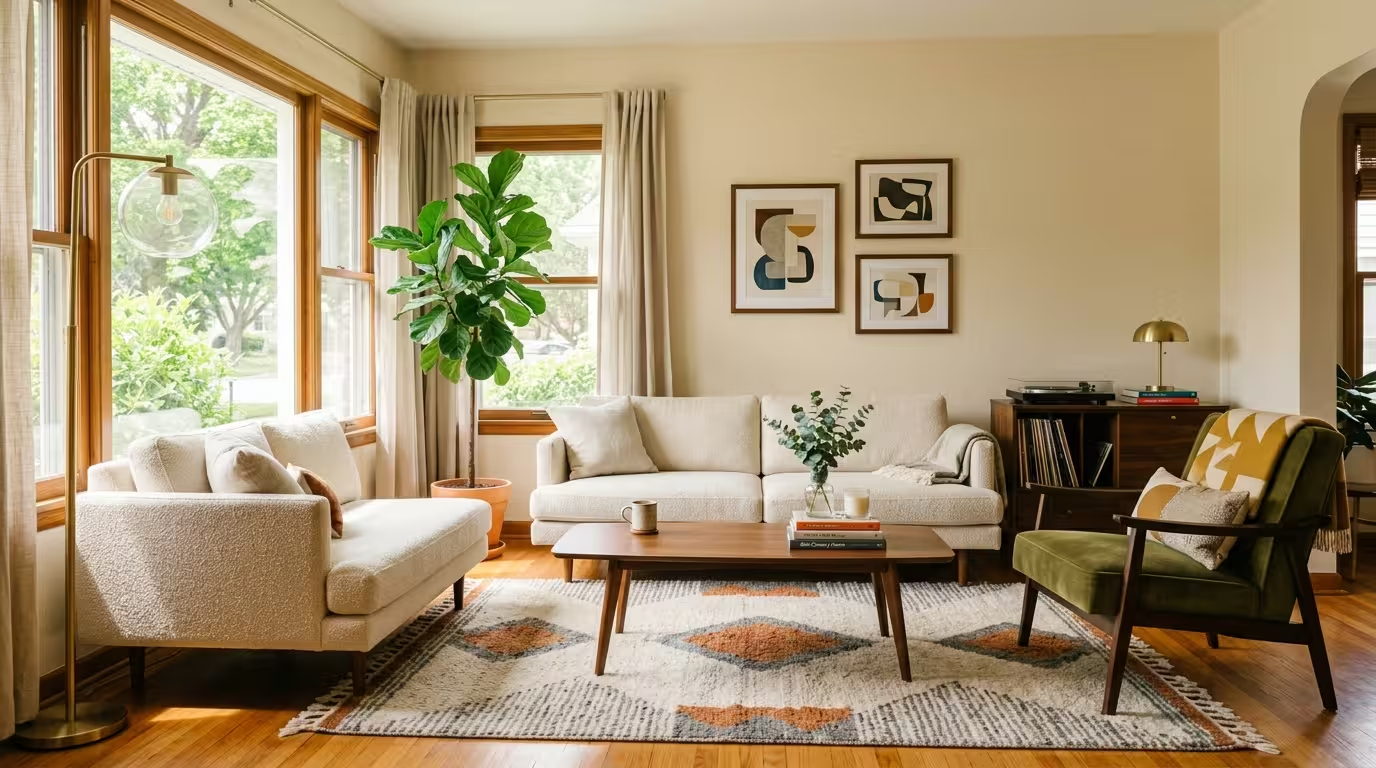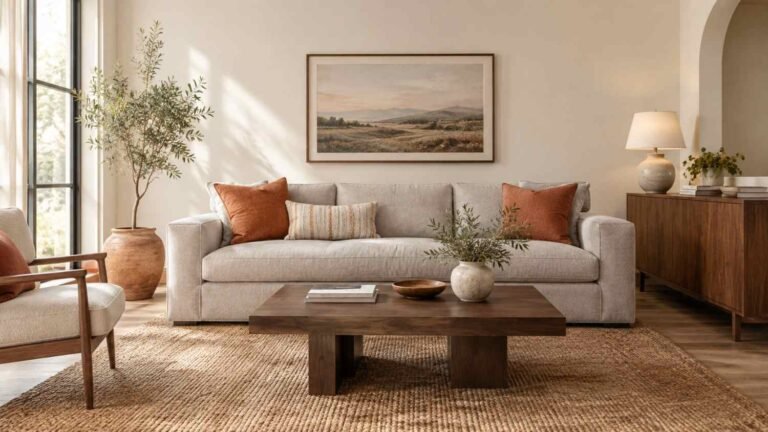
Trendy 24 Contemporary Living Room Designs to Transform Your Space in 2026
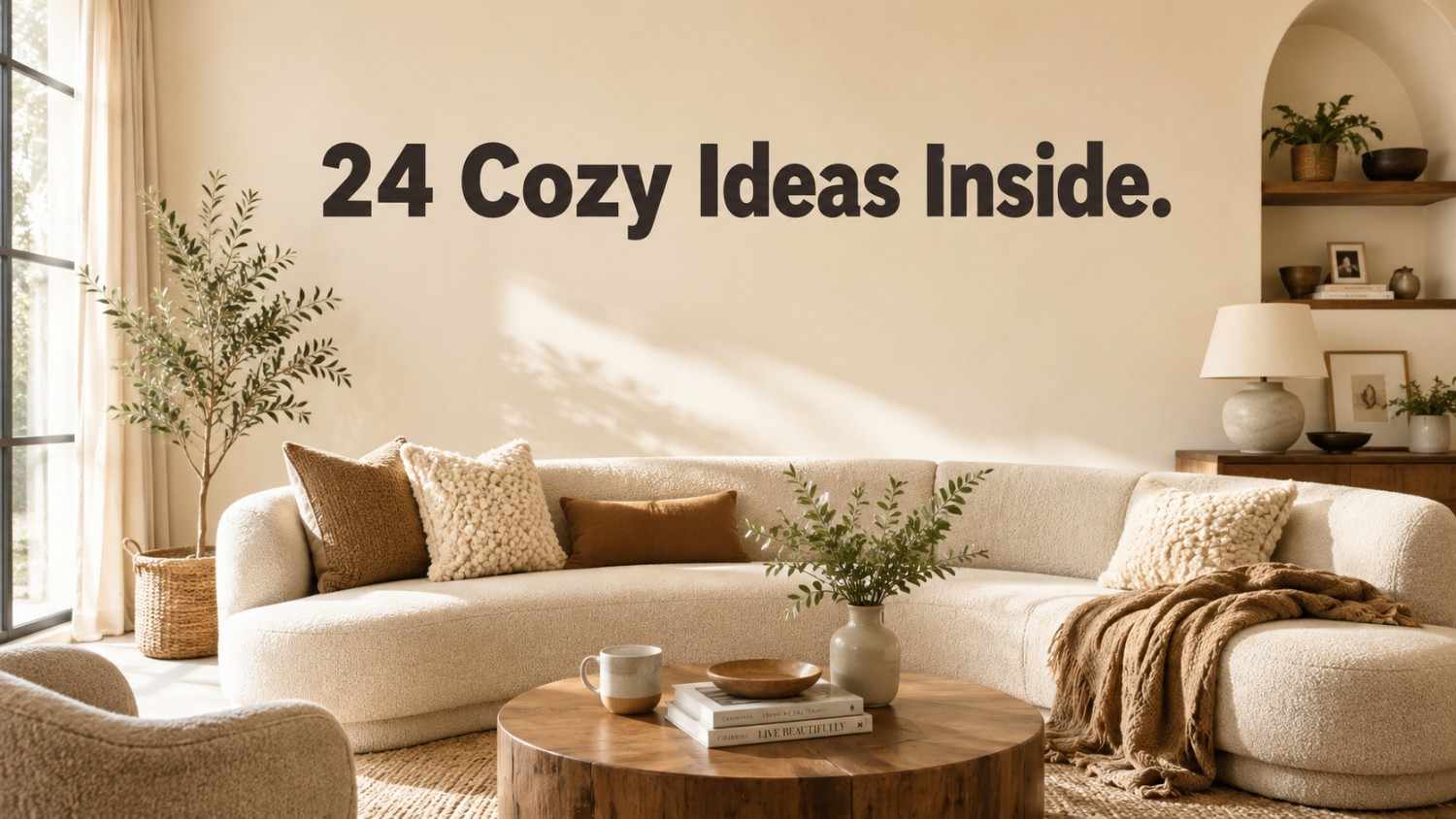
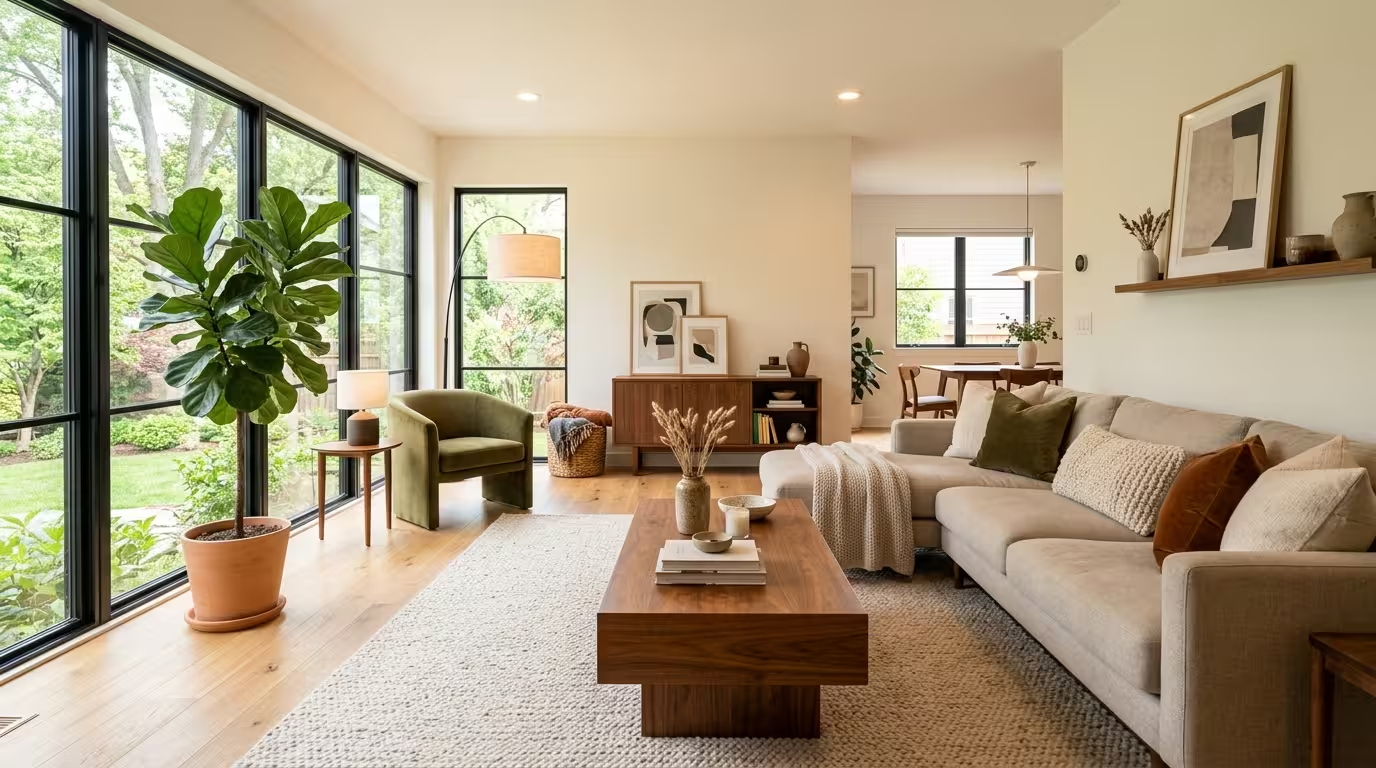
Walk into a room that feels calm, current, and completely put together, and you’re likely standing in a well-executed contemporary living room design. It’s not about following one rigid rulebook. It’s about clean lines, honest materials, and a palette that breathes. If your living room feels stuck between eras or trying too hard, these 24 contemporary living room designs will give you a practical starting point, whether you’re planning a full renovation or a weekend refresh.
Unlike the usual mood-board roundups, this guide goes beyond pretty pictures. You’ll find real guidance on layout, lighting, materials, and budget, so every idea here is something you can actually plan for and act on, not just admire.
What Is a Contemporary Living Room Design, Really?
Here’s where most guides get it wrong: they use “contemporary” and “modern” interchangeably. They aren’t the same thing. Modern design refers to a specific historical movement rooted in the early-to-mid 20th century, tied to figures like the Bauhaus school and defined by strict minimalism and function-first forms.
A contemporary living room design, by contrast, reflects whatever is current right now. It borrows freely from mid-century shapes, Scandinavian restraint, and even traditional touches, blending them into something that feels present-day rather than locked to one decade. That flexibility is exactly why this approach ages so well; the style evolves instead of going out of fashion.
Color Palettes That Define Contemporary Living Room Designs
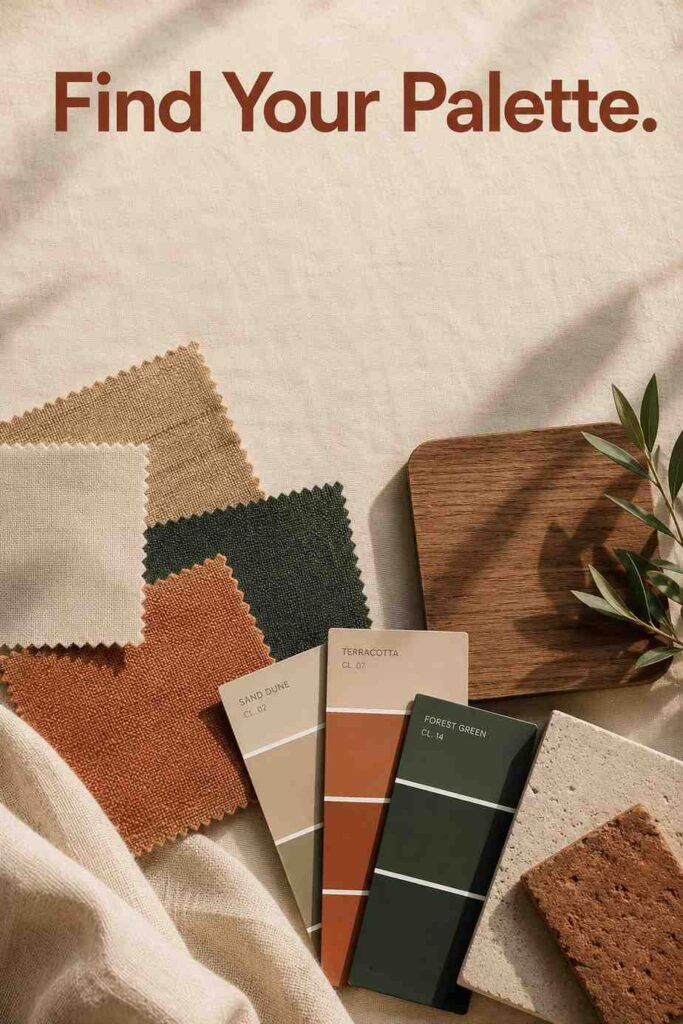
Color sets the emotional tone before anyone even sits down. The strongest examples of this style build a palette first and select furniture second, rather than the other way around.
1. Warm Neutral Foundations
Sand, oat, and greige tones create a grounded base that never feels cold. Layer two or three shades of the same family for depth instead of flat, single-tone walls.
2. Deep Saturated Accent Walls
Terracotta, forest green, and ink blue are showing up as single feature walls in 2026, adding personality without overwhelming a room’s clean lines.
3. Monochrome Layering
Sticking to one color family, but varying the texture and finish, adds sophistication without introducing visual clutter.
4. Earth-Tone Harmony
Clay, rust, and olive paired together nod to nature while still feeling polished and deliberate rather than rustic.
Furniture and Layout Ideas for Contemporary Living Rooms
Layout is where most living rooms fail, and it’s the piece competitor guides skip almost entirely. A gorgeous sofa in the wrong spot still makes a room feel awkward.
5. Curved, Sculptural Seating
Rounded sofas and arc-back chairs soften a room’s hard edges and are one of the defining shapes in contemporary living room designs this year.
6. Floating Furniture Arrangements
Pull seating away from the walls to create a conversation-first layout. This single change instantly makes a room feel more intentional and less like a waiting area.
7. Mixed-Era Furniture Pairings
Pair a contemporary sofa with a vintage coffee table or antique rug. The contrast adds depth and prevents the room from looking like a showroom display.
8. Multi-Zone Conversation Areas
In larger rooms, split seating into two smaller groupings rather than one large formal arrangement. It reads as more livable and works better for actual gatherings.
Lighting Techniques That Elevate Contemporary Living Room Designs
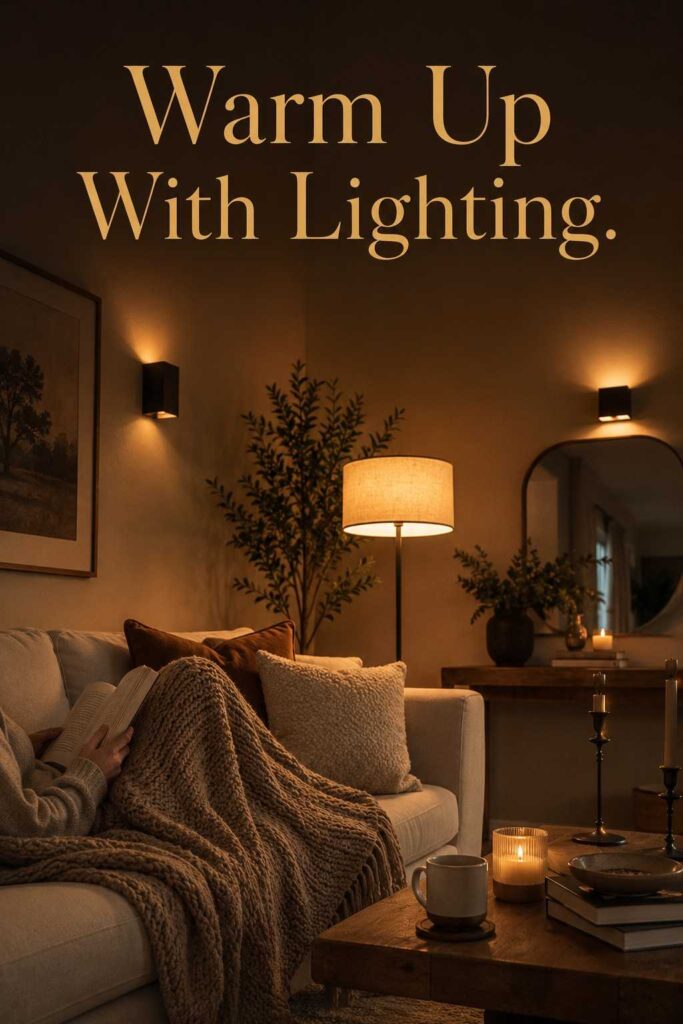
Lighting is often treated as an afterthought, yet it does more to shape mood than almost any other element in the room.
9. Layered Lighting
Combine ambient (overhead), task (reading lamps), and accent (wall sconces or picture lights) sources instead of relying on a single ceiling fixture.
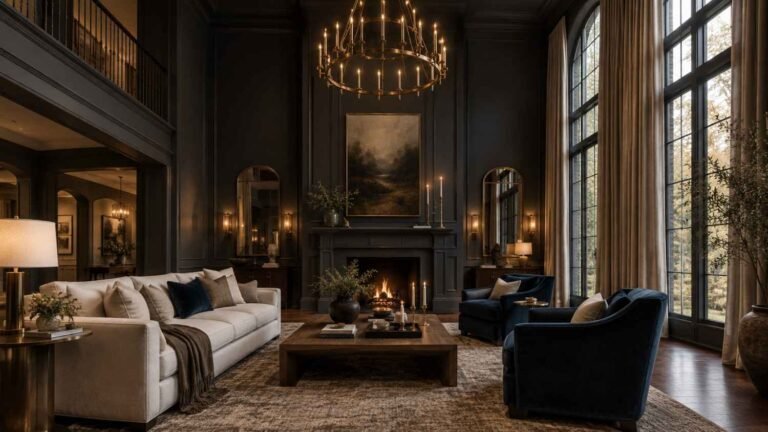
10. Sculptural Statement Fixtures
A pendant or floor lamp with an artistic silhouette can double as the room’s focal point, especially over a coffee table or reading corner.
11. Warm-Temperature Bulbs
Bulbs in the 2700K–3000K range keep a contemporary space feeling inviting rather than clinical, which cooler-toned bulbs tend to produce.
12. Concealed Architectural Lighting
Recessed or cove lighting built into shelving or ceiling coves adds a soft glow without a visible fixture, a detail favored in higher-end contemporary living room designs. For those who want curated inspiration boards and shoppable pairings built specifically around this style, OutInteriors is a useful starting point for narrowing down finishes and layouts.
Materials and Textures Shaping Contemporary Living Room Designs
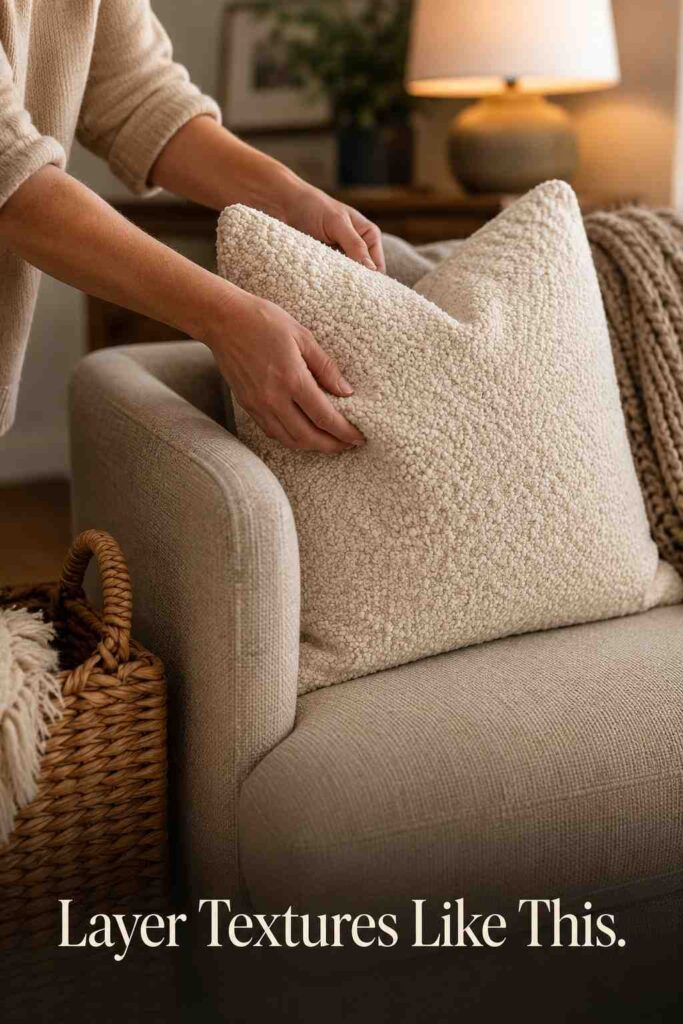
Texture keeps a neutral-heavy room from feeling flat, and it’s one of the fastest ways to signal that a space is current rather than dated.
13. Boucle and Linen Upholstery
These tactile fabrics have become a signature of contemporary seating, adding softness that photographs well and feels even better in person.
14. Natural Stone and Wood Accents
A stone coffee table base or a live-edge wood shelf brings warmth and an organic counterpoint to sleeker furniture pieces.
15. Woven and Rattan Elements
Baskets, trays, and light fixtures made from woven natural fiber add texture that works across contemporary, coastal, and transitional styles alike.
16. Mixed Metal Finishes
Pairing brushed brass with matte black hardware, rather than matching everything, adds intentional variation without looking mismatched.
Personal Touches That Keep Contemporary Living Room Designs From Feeling Cold
A common criticism of contemporary spaces is that they feel sterile. The fix is layering in personality without breaking the room’s clean structure.
17. Layered Rugs
A neutral base rug with a smaller patterned or textured rug on top helps define a seating zone and adds warmth underfoot.
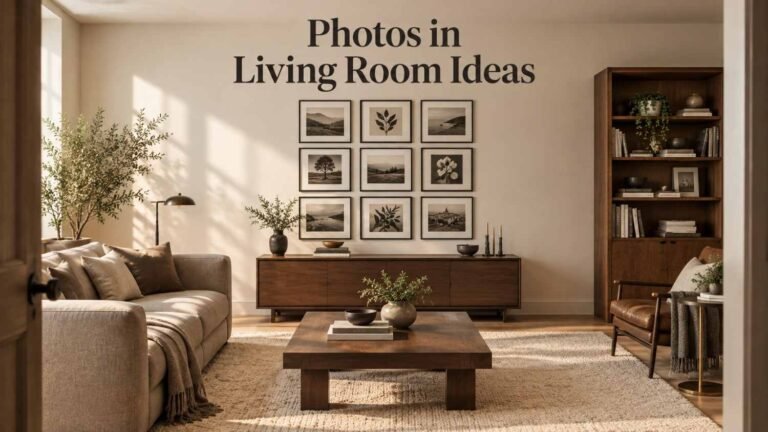
18. Gallery-Style Art Walls
A curated cluster of framed art or photography, hung with intention rather than symmetry, gives a room a lived-in, personal feel.
19. Statement Greenery
A single large plant, like a fiddle-leaf fig or bird of paradise, does more for a room’s energy than several small scattered pots.
20. Seasonal Styling Swaps
A contemporary living room design doesn’t need to abandon its clean lines when the seasons change. Swapping in warm textiles, candles, and soft lighting can turn the same space into one of the more cozy christmas living room ideas people search for every winter, without cluttering the underlying aesthetic. Before committing to new furniture or a fresh palette, sketching the room out on paper is one of the simplest living room decor drawing ideas for testing proportions and traffic flow before spending a dollar.
Contemporary Living Room Design Ideas for Small Spaces
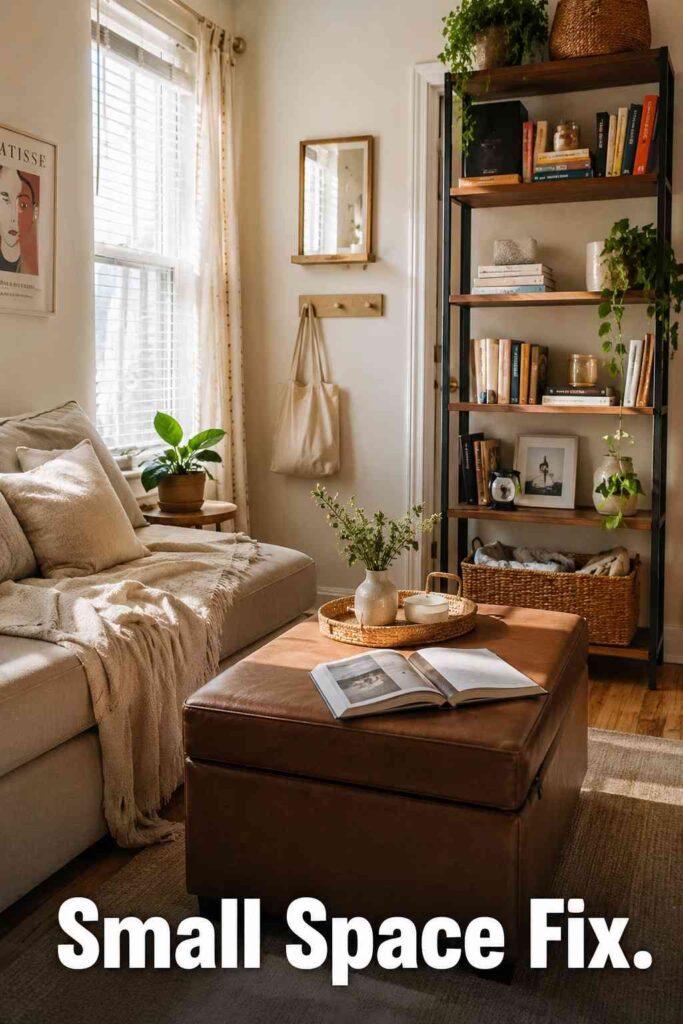
Small rooms need their own strategy. Scaling down a large-room idea rarely works, so these ideas are built specifically for tighter footprints.
21. Vertical Storage Solutions
Tall, narrow shelving units draw the eye upward and store more without eating into floor space, a trick often missing from small-space guides.
22. Multi-Functional Furniture
A storage ottoman or a nesting coffee table set lets one piece serve two purposes, which matters more in a compact contemporary living room design than a spacious one.
23. Mirror Placement for Depth
A large mirror positioned opposite a window bounces natural light across the room and visually doubles the sense of space.
24. Scaled-Down Statement Pieces
Choose one smaller sculptural chair or lamp rather than a room full of oversized pieces. A single statement item reads as intentional; too many compete for attention.
Budget Planning for a Contemporary Living Room Design
Most inspiration guides skip cost entirely, which leaves readers guessing. A realistic approach is to prioritize one or two investment pieces, typically the sofa and a rug, since these anchor the room and are the hardest to swap out later. Paint, lighting swaps, and textile layering are the most affordable ways to shift a room’s feel without a full renovation. If you’re working with a fixed budget, sequence your spending: structural layout first, then large furniture, then lighting, and finally the smaller layered details like art and greenery.
Conclusion
A contemporary living room design isn’t about chasing a single trend; it’s about combining clean structure with warmth, texture, and pieces that actually reflect how you live. Whether you’re drawn to a curved sofa, a saturated accent wall, or simply better lighting, the 24 ideas above give you a flexible framework rather than a rigid formula. Start with one or two changes, live with them, and build from there. The best contemporary spaces are the ones that keep evolving with you.
Frequently Asked Questions
1. What’s the difference between contemporary and modern living room design?
Modern refers to a specific design movement from the early-to-mid 20th century. Contemporary reflects whatever is current today, which means it evolves and often blends elements from several eras.
2. Is contemporary living room design expensive to achieve?
Not necessarily. Paint, lighting changes, and textile layering can shift a room’s feel significantly without a full furniture overhaul. Prioritizing one or two investment pieces keeps costs manageable.
3. What colors work best in a contemporary living room?
Warm neutrals like sand and greige form a reliable base, while deep tones such as terracotta, forest green, or ink blue work well as accent choices for 2026.
4. Can a small living room still feel contemporary?
Yes. Vertical storage, multi-functional furniture, and strategic mirror placement help small rooms achieve the same clean, layered look as larger spaces.
5. How do I keep a contemporary living room from feeling cold or sterile?
Layer in texture through rugs, woven materials, and boucle or linen upholstery, and add personal touches like art walls and greenery to soften the structure.
6. What lighting works best for contemporary spaces?
A layered approach combining ambient, task, and accent lighting, using warm-temperature bulbs around 2700K–3000K, creates a welcoming rather than clinical feel.
7. Should furniture be pushed against the walls in a contemporary layout?
No. Floating furniture away from the walls to create conversation-focused groupings is one of the most effective layout shifts for a contemporary feel.