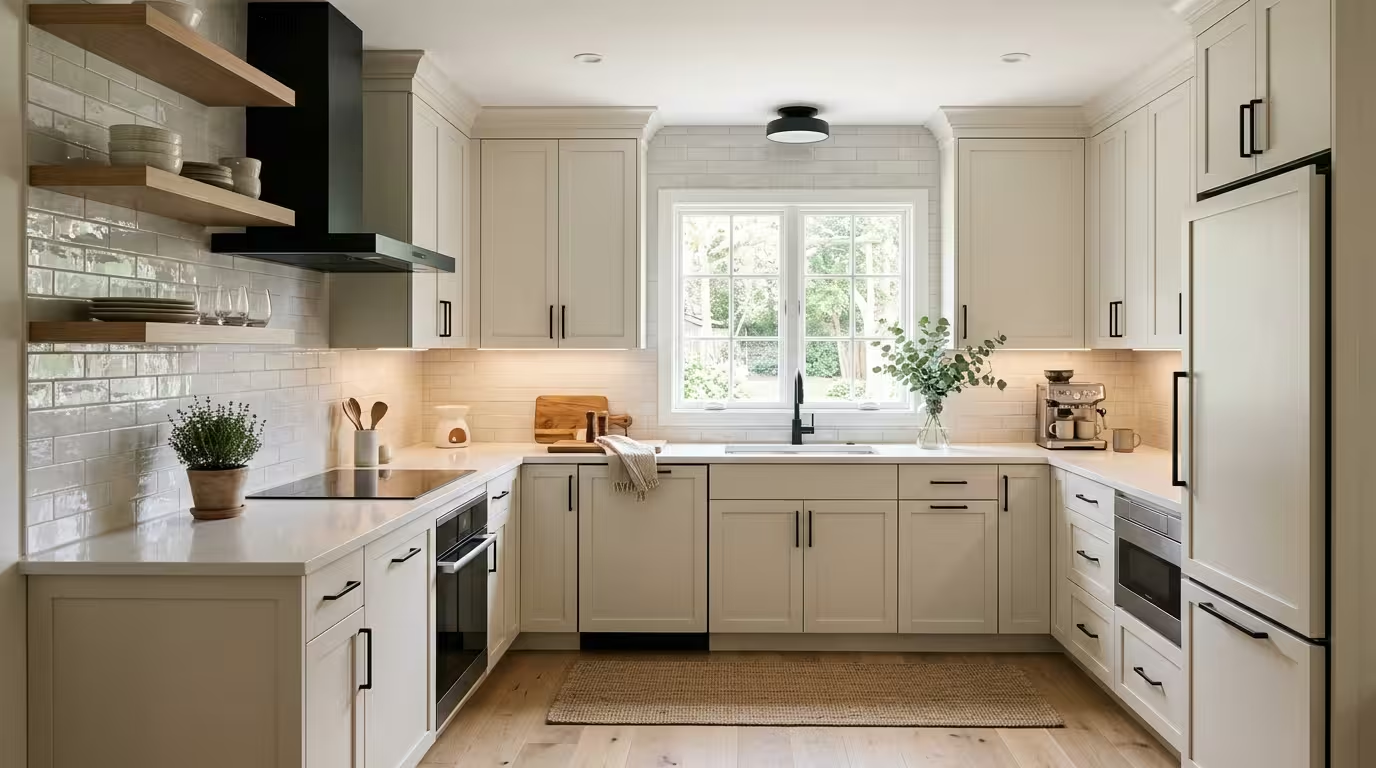
The Ultimate Kitchen Intelligence Renovation Guide: Designing Your Future-Proof Culinary Ecosystem
The modern home is undergoing a quiet revolution, and at its heart lies the most social room of the house. For decades, the kitchen was defined by the “work triangle”—the distance between the stove, sink, and refrigerator. However, as we move through 2026, the focus has shifted from basic geometry to a comprehensive renovation guide that prioritizes connectivity, wellness, and efficiency. Today’s homeowners are no longer looking for just a place to cook; they are seeking a culinary hub that anticipates their needs, reduces food waste, and integrates seamlessly into a broader smart home fabric.
Designing a kitchen with “intelligence” doesn’t mean cluttering your countertops with screens. Instead, it involves creating a “hidden” infrastructure that allows your home to work for you. Whether you are a professional chef or a busy parent, understanding how to navigate this new landscape is essential for a successful remodel. This kitchen intelligence renovation guide will walk you through the structural requirements, the latest in appliance technology, and the layout changes necessary to turn your vision into a high-functioning reality that stands the test of time.
The Infrastructure of an Intelligent Kitchen
Before you pick out marble slabs or cabinet finishes, you must consider the “digital skeleton” of your space. A truly effective kitchen intelligence renovation guide begins with the hidden components: your wiring and network standards. In 2026, the industry has largely consolidated around the Matter 1.4 protocol, an open-source standard that ensures devices from different manufacturers—be it Apple, Google, or Amazon—can communicate without friction.
When planning your renovation, ensure your contractor installs a Thread Border Router. Unlike traditional Wi-Fi, which can become congested with too many devices, a Thread mesh network is self-healing and incredibly low-power. This is particularly important for small sensors, such as leak detectors under the sink or temperature probes in the pantry. By incorporating these standards into your kitchen intelligence renovation guide, you avoid the “ghost device” scenario where smart features stop responding due to poor connectivity. Additionally, upgrading to Wi-Fi 7 capabilities in your kitchen zone provides the bandwidth needed for high-definition recipe streaming and real-time energy monitoring.
Transitioning from the Work Triangle to Functional Zones
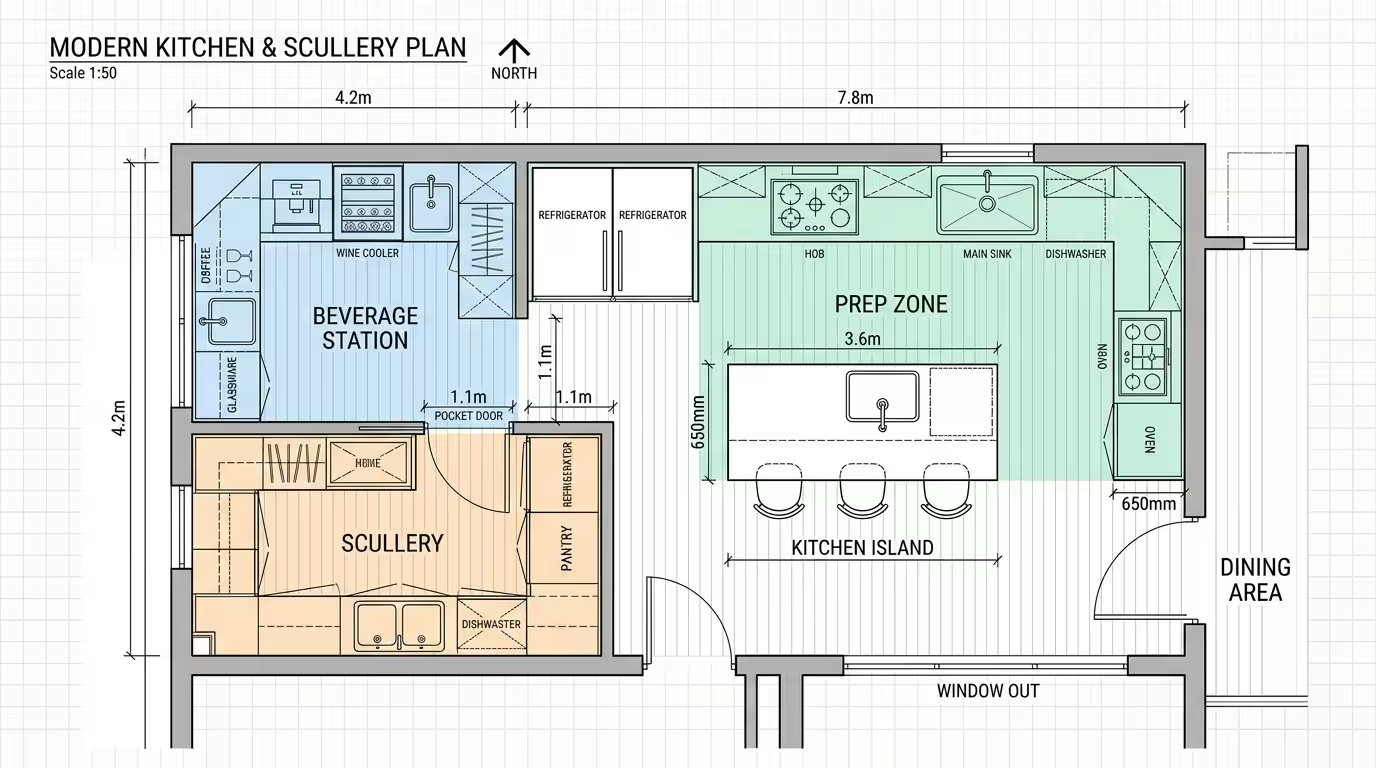
The traditional kitchen triangle is being replaced by a more sophisticated concept: functional zones. As part of a comprehensive kitchen intelligence renovation guide, we need to rethink how space is allocated. Designers are now favoring specialized areas such as the “prep zone,” the “beverage station,” and the “scullery.” This shift is driven by the desire for connection without the clutter.
The prep zone often features an oversized island with an integrated induction cooktop and touchless faucets. The beverage station, a favorite in 2026 designs, might include a built-in espresso machine that remembers your favorite roast and a wine cooler that tracks your inventory. Meanwhile, the scullery—a secondary “working” kitchen—is where the heavy-duty appliances like the dishwasher and secondary sink live. This allows the main kitchen to remain a beautiful, social space. Using a kitchen intelligence renovation guide to plan these zones ensures that your workflow is optimized and that your technology is placed exactly where it provides the most value.
Smart Cabinetry: The Future of Organized Storage

Cabinetry is no longer just a place to hide your pots and pans; it has become an active participant in your kitchen’s efficiency. A modern kitchen intelligence renovation guide must highlight the rise of automated storage solutions. These include motion-activated drawers that slide open with a gentle tap or a wave of the hand—a godsend when your hands are covered in dough.
Intelligent storage also extends to precision organization. Deep drawers now come with adjustable, modular dividers designed to fit specific tools, while pull-out pantry systems are equipped with internal LED visibility systems. Some advanced pantries even utilize weight-sensing shelves to alert you when you are running low on staples like flour or rice. By focusing on these features, your kitchen intelligence renovation guide helps you build a kitchen that virtually manages its own inventory, reducing the cognitive load of grocery planning and ensuring you never run out of essentials.
The Chef-Assist Cooking Suite
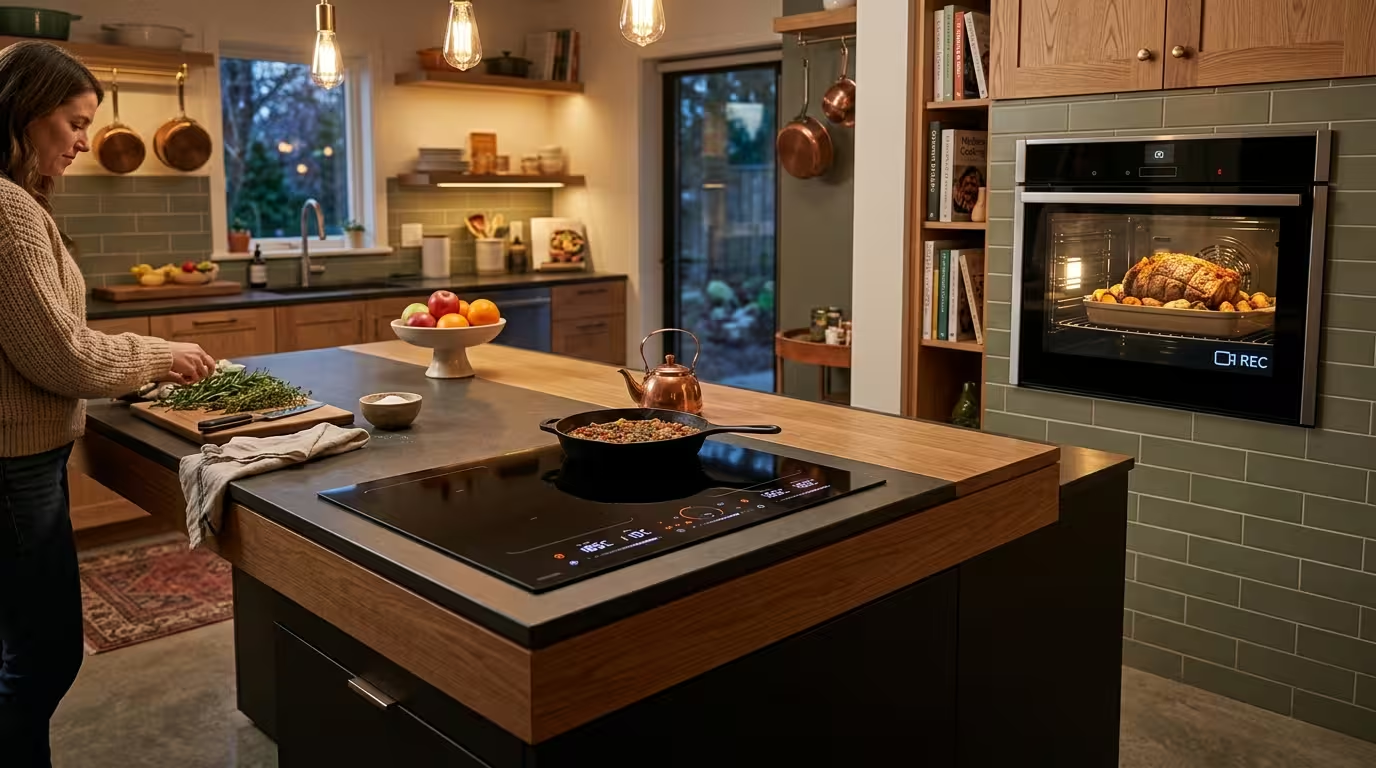
At the core of any kitchen intelligence renovation guide is the cooking technology. In 2026, the “smart oven” has evolved into a precision tool capable of multi-stage cooking. These ovens can transition from steam to convection to air-fry automatically based on a pre-set recipe. Internal cameras allow you to monitor the browning of your roast from your phone, and integrated meat probes ensure every dish is cooked to the exact internal temperature.
Induction technology has also seen a massive surge in popularity, cited by over 60% of designers as the preferred cooking method. It is faster, safer, and more energy-efficient than gas. Some high-end induction tops now feature “anywhere” heating, where the entire surface can detect a pan and apply heat only to that specific spot. Integrating these appliances into your kitchen intelligence renovation guide not only improves your cooking results but also contributes to a cooler, more comfortable kitchen environment by reducing ambient heat.
Wellness, Air Quality, and Sustainable Living
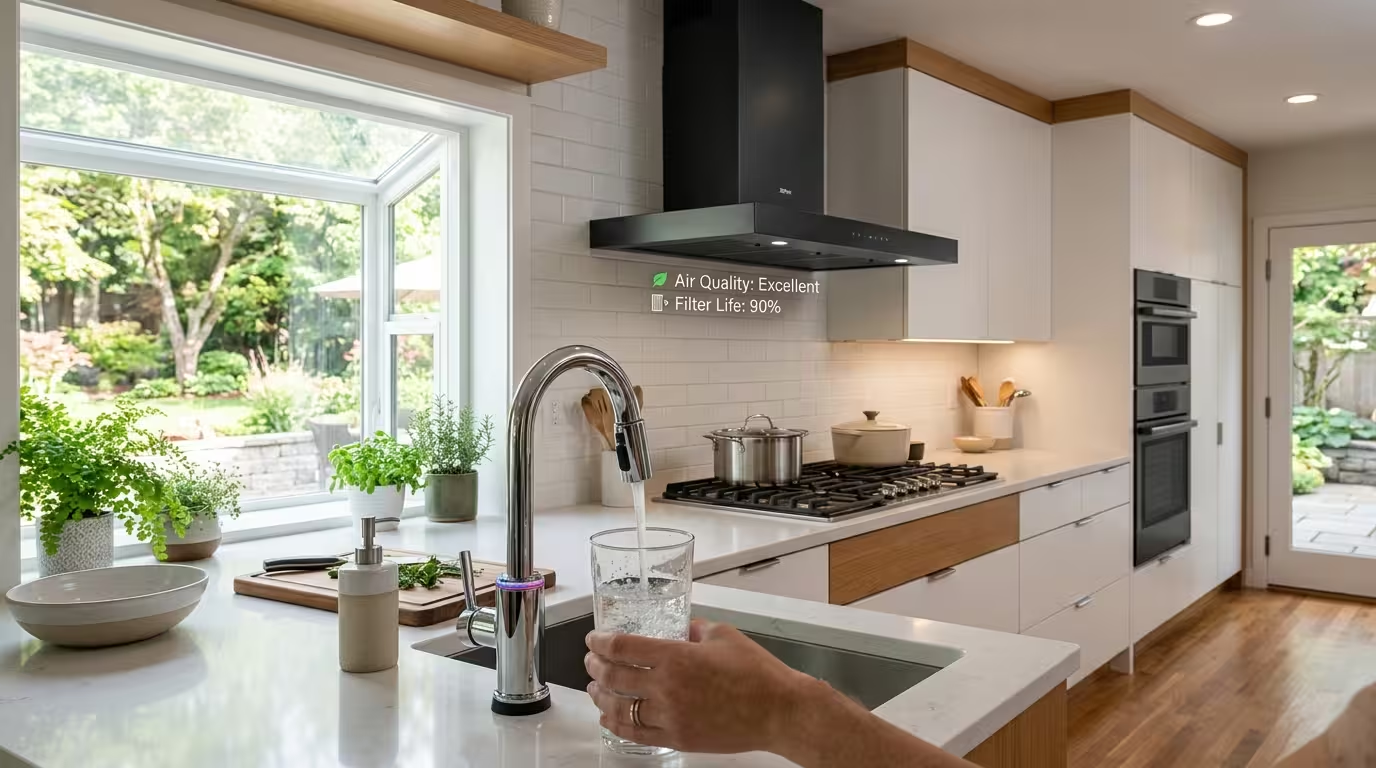
A growing trend in the USA is the intersection of kitchen design and personal health. Any expert-led kitchen intelligence renovation guide should address air and water quality. Advanced range hoods are now equipped with sensors that detect pollutants and steam, automatically adjusting the fan speed to maintain a healthy indoor environment. This is a critical feature as homes become more airtight and energy-efficient.
Water filtration is another area where intelligence pays off. Smart faucets can now dispense exact measurements of filtered water at specific temperatures—perfect for proofing yeast or making tea. Furthermore, sustainability is a key pillar of the 2026 kitchen intelligence renovation guide. Energy monitoring systems integrated into your circuit panel can track exactly how much electricity each appliance is using. This data allows homeowners to optimize their habits, such as running the dishwasher during off-peak hours, ultimately lowering utility bills and reducing the home’s carbon footprint.
Materials and Aesthetics: The “Invisible” Intelligence
While technology is the star, the aesthetics of 2026 favor natural, “living” materials. An effective kitchen intelligence renovation guide balances high-tech features with high-touch surfaces. Natural quartzite and marble with dramatic, expressive veining are replacing the sterile, all-white looks of previous decades. These materials provide an “anchor” for the space, making the technology feel integrated rather than intrusive.
Cabinetry trends have shifted toward warm wood grains, such as White Oak, which accounts for roughly 51% of new projects. To maintain a clean look, many homeowners are opting for “disappearing” appliances. This involves using cabinet panels to hide the refrigerator and dishwasher, allowing the wood’s authentic beauty to take center stage. When following a kitchen intelligence renovation guide, remember that the best technology is often the kind you don’t see until you need it. Integrated control panels can be tucked away in drawers or behind “touch-to-open” doors, ensuring your kitchen remains a sanctuary of style.
Budgeting and ROI: Investing with Foresight
A renovation of this scale is a significant investment. According to the 2026 NAR Remodeling Impact Report, a minor kitchen remodel—one that focuses on surface updates and appliance upgrades—can deliver an incredible 96% cost recovery at resale. This makes the kitchen one of the highest-return projects in the home. However, to maximize this, your kitchen intelligence renovation guide must prioritize “functional luxury” over purely cosmetic changes.
Generally, you should follow the 15% rule: spend roughly 15% of your home’s total value on the kitchen renovation to avoid over-improving for your neighborhood. High-ROI upgrades include cabinet refacing (which can return 75-85%), quartz countertops (65-80%), and smart lighting (over 70%). By sticking to a well-researched kitchen intelligence renovation guide, you ensure that every dollar spent contributes to both your current quality of life and your home’s future value.
Implementation: Professional vs. DIY
Given the complexity of modern integrated systems, implementing a kitchen intelligence renovation guide often requires professional expertise. While DIY is fine for painting or changing hardware, the electrical and plumbing requirements of an intelligent kitchen usually necessitate a licensed contractor. In 2026, “integrators” have become a standard part of the renovation team, working alongside designers to ensure that the home’s network can handle the new appliance load.
When hiring, look for professionals who are familiar with the latest connectivity standards. Ask potential contractors about their experience with Matter and Thread installations. A successful kitchen intelligence renovation guide is only as good as the team executing it. Ensuring your infrastructure is correctly installed from day one will save you thousands in future troubleshooting and retrofitting costs.
Conclusion: The Heart of the Home Reimagined
The journey of a kitchen remodel is about more than just picking the right tile; it’s about creating an environment that supports your lifestyle for years to come. By following a structured kitchen intelligence renovation guide, you can navigate the complexities of modern technology, layout optimization, and sustainable living with confidence. From the “invisible” power of a mesh network to the precision of a chef-assist oven, every element of your new kitchen should serve a purpose.
As we look toward the future, the kitchen will continue to be the hub of home innovation. By prioritizing connectivity, wellness, and high-ROI upgrades today, you are not just renovating a room—you are future-proofing your home. We hope this kitchen intelligence renovation guide serves as your roadmap to a more efficient, enjoyable, and intelligent culinary experience.