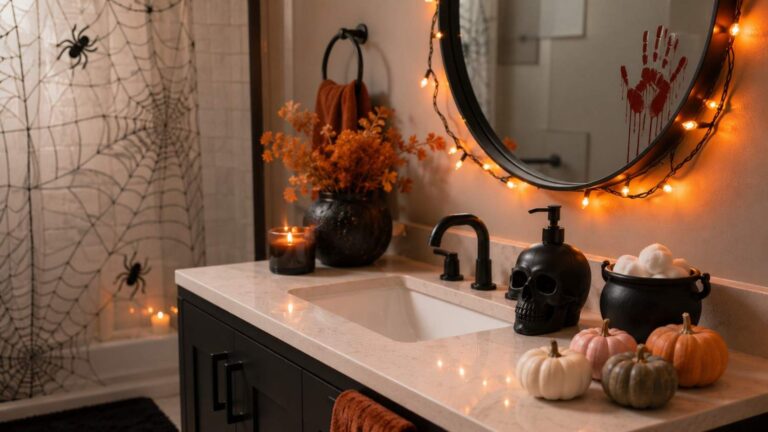
Halloween Aesthetic: 12 Iconic Ideas to Style Your Spookiest Season Yet
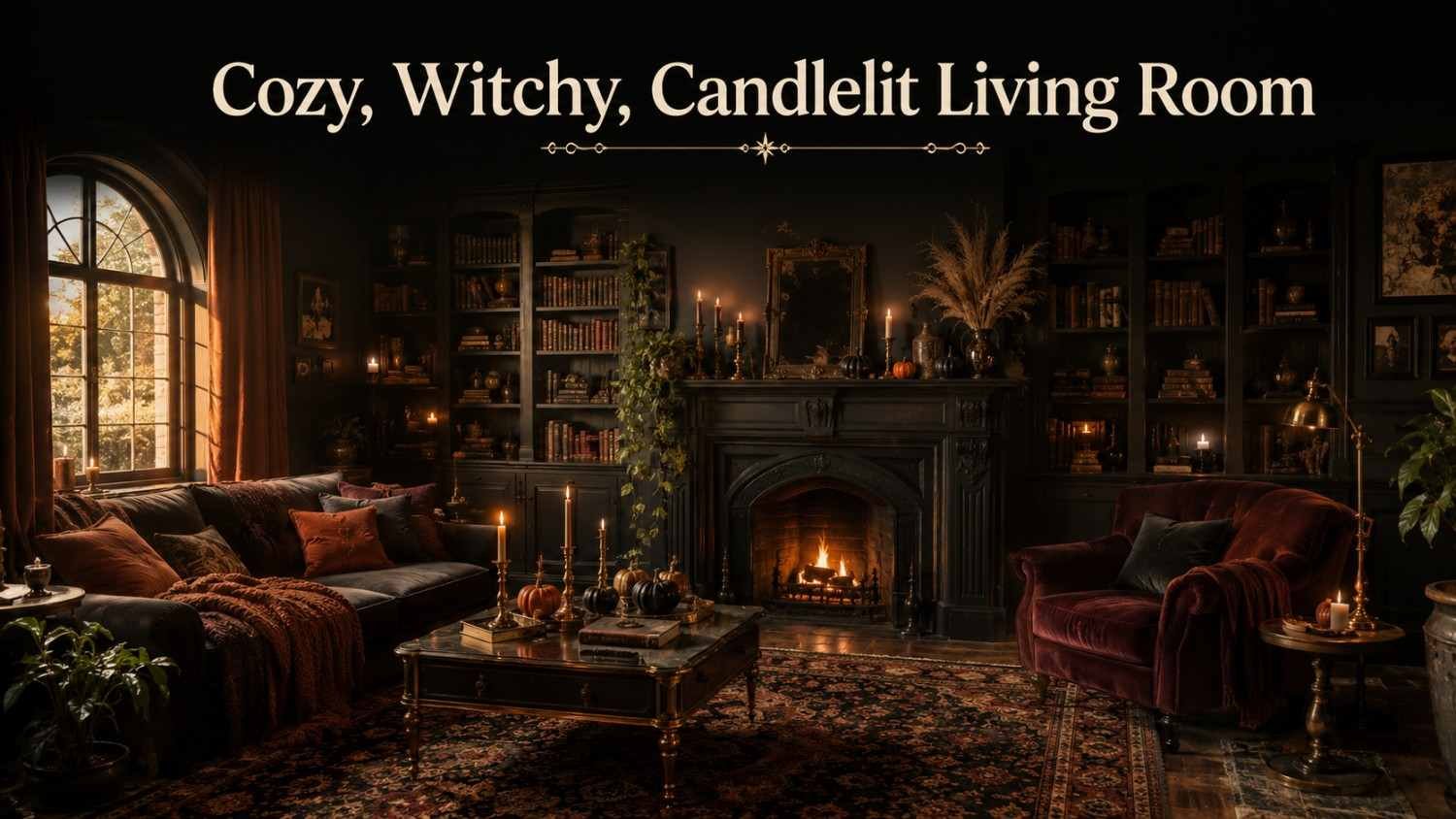
Every October, porches fill with pumpkins, string lights click on at dusk, and social feeds turn into moodboards of black, orange, and midnight purple. That collective shift in color and mood is what people now call the Halloween aesthetic — the visual language of spooky season, built from texture, lighting, and a little bit of theatre. Some years it leans gothic and candlelit. Other years it softens into pastel ghosts and felt pumpkins.
Whether you gravitate toward a moody, vintage-inspired look or a bright, playful one, understanding this style gives you a starting point instead of a blank pumpkin patch. This guide breaks down 12 distinct styles, the history behind the holiday’s visual culture, and the small details that make a themed home, wardrobe, or feed feel intentional instead of thrown together.
What Is a Halloween Aesthetic, Really?
A Halloween aesthetic is simply a consistent visual theme — color palette, textures, and props — applied to how you decorate, dress, or photograph the season. It goes beyond generic orange-and-black decorations and treats Halloween as a design choice, the same way someone might choose a farmhouse or mid-century look for their living room.
The holiday’s visual roots trace back further than most people expect. Halloween grew out of Samhain, an ancient Celtic festival marking the end of harvest season, celebrated more than 2,000 years ago. Communities lit bonfires and wore costumes to ward off wandering spirits. That blend of harvest imagery, fire, and disguise is still the DNA behind nearly every modern spooky-season look, even the glitter-pink ones.
Why the Halloween Aesthetic Look Has Taken Over Every Feed
Halloween has quietly become one of the most visually driven holidays on the calendar. Unlike Christmas or Thanksgiving, it has no single “correct” look, which leaves room for near-endless reinterpretation — gothic one year, cottagecore the next. Home stores, costume shops, and content platforms all lean into this flexibility every September and October, releasing entire product lines organized by mood rather than by category.
This openness is exactly why searching for a single “right” way to decorate rarely works. The most satisfying results come from picking one aesthetic and carrying it consistently across a room, an outfit, or a table setting, rather than mixing five unrelated ideas into one cluttered display.
12 Halloween Aesthetic Ideas to Try This Year
Each of these styles pulls from a different mood, era, or subculture. Pick one as your anchor, then layer in accessories that support it rather than compete with it.
1. Classic Gothic
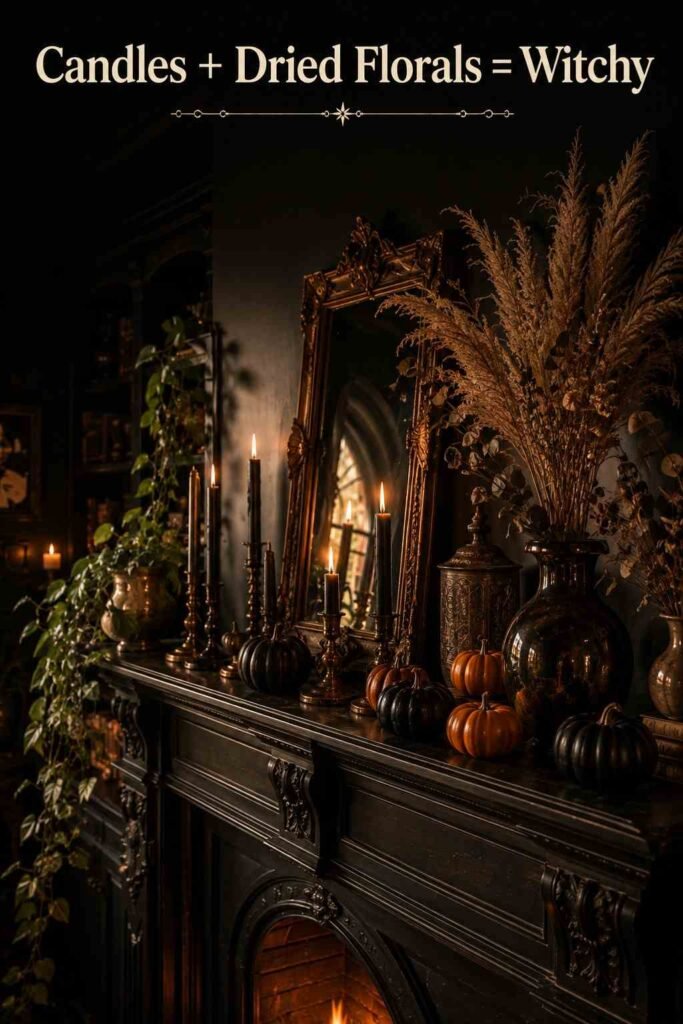
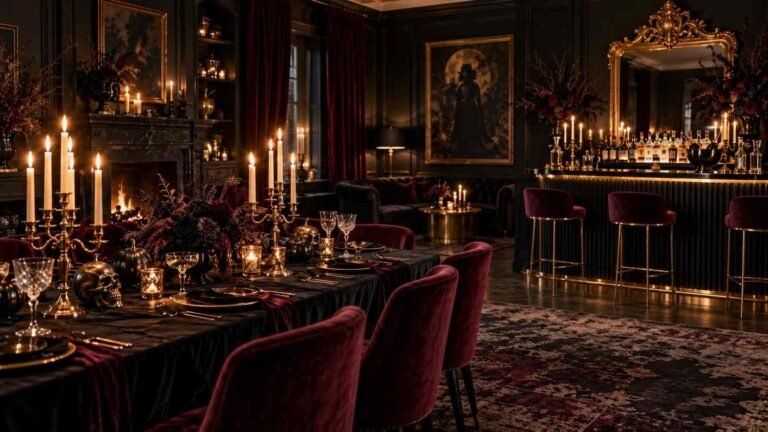
This is the aesthetic most people picture first: black candles, wrought iron, cobwebs, and broad burgundy accents. It draws heavily from Victorian mourning fashion and old horror films, favoring drama over cuteness. Think heavy drapery, tarnished silver candlesticks, and dim, warm lighting instead of bright overhead bulbs. It works especially well in entryways and dining rooms, where a little theatrical shadow goes a long way. Keep the palette tight — black, deep red, and aged gold — so the room reads as elegant rather than cluttered with random spooky props.
2. Pastel & Soft
A softer, gentler take that swaps traditional orange and black for blush pink, lavender, and sage green. Ghosts become plush and smiling instead of ghoulish; pumpkins get painted in muted tones rather than left natural orange. This style is popular with families and anyone who wants Halloween charm without it clashing with year-round neutral decor. Felt bunting, pom garlands, and minimalist wall art carry the look without overwhelming a space. It photographs beautifully in natural light, which is part of why it’s so common on home and lifestyle pages.
3. Dark Academia
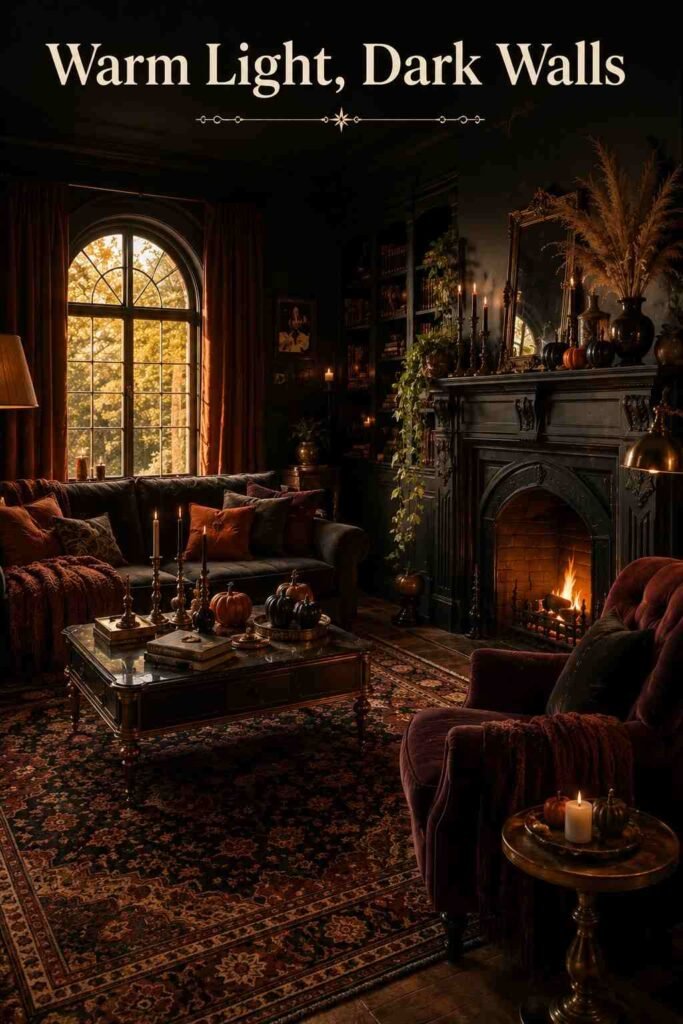
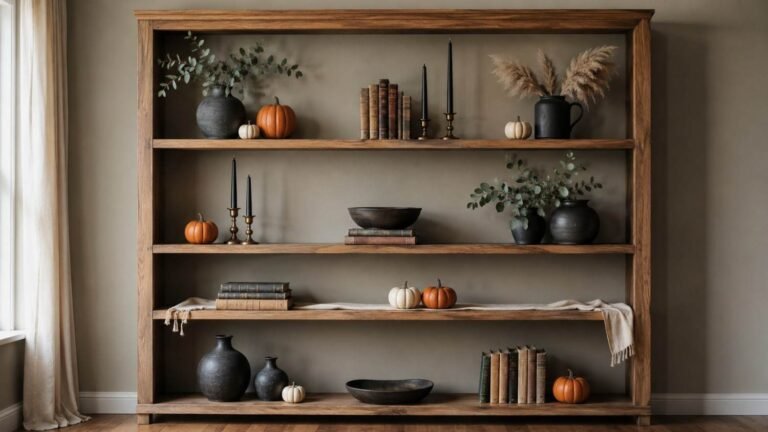
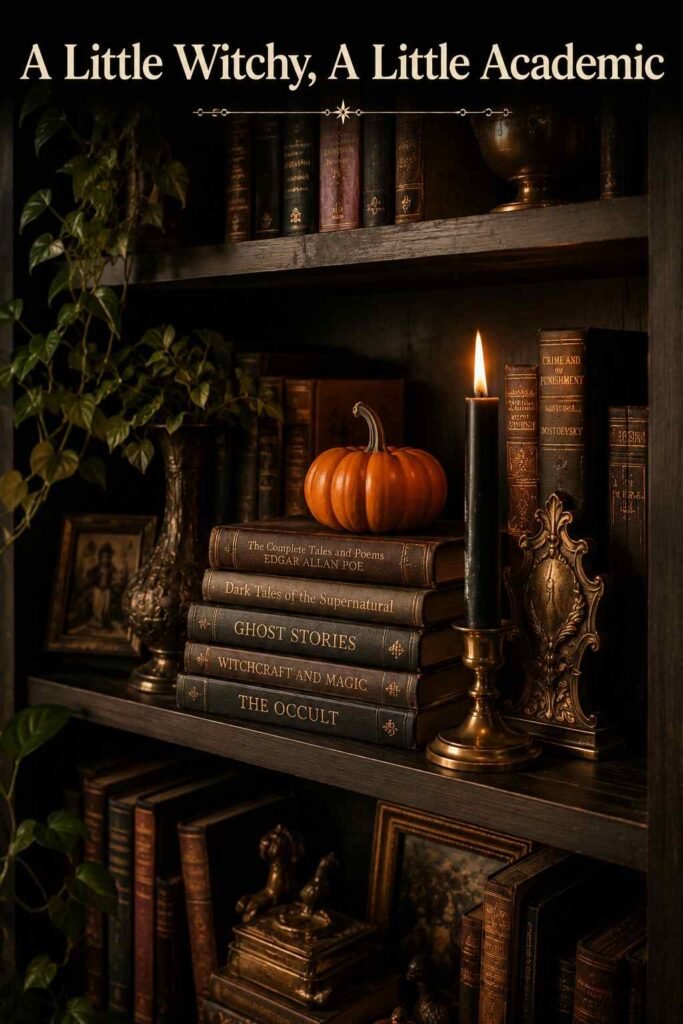
Dark academia borrows from old libraries, Gothic architecture, and classic literature — think Frankenstein rather than a slasher film. Decor leans on stacked vintage books, brass candlesticks, dried botanicals, and oil-painting-style art. It’s a favorite among people who want their Halloween styling to feel scholarly and moody rather than campy. This aesthetic pairs unusually well with existing home libraries or reading nooks, since it barely requires new purchases — just rearranging what’s already there with a few seasonal accents added.
4. Cottagecore
Cottagecore trades haunted mansions for haunted forests. Expect dried corn husks, wicker baskets, mushrooms, and warm amber lighting that feels pulled from a countryside harvest festival. It’s less about fear and more about a slightly eerie coziness — think foraged branches in a stoneware jug next to a carved pumpkin. This style suits anyone drawing on natural materials already in their home, and it transitions gracefully into general autumn decor once Halloween passes, since little of it reads as costume-specific.
5. Coquette
A newer, feminine-leaning style built around bows, lace, pearls, and soft ribbon detailing, mixed with just enough skeleton or witch imagery to stay on-theme. It borrows from ballet and vintage doll fashion, softened further with Halloween motifs like tiny black cats or candy-corn charms. It’s most visible in fashion and nail art rather than Cheap home decor, showing up in sweaters, hair accessories, and makeup looks that feel playful rather than frightening.
6. Vintage Retro
This look pulls straight from mid-century Halloween imagery: die-cut paper decorations, illustrated black cats, and warm orange-and-black color schemes reminiscent of 1950s and 1960s party supplies. It favors printed patterns over 3D props and works especially well for anyone hosting a party, since retro invitations and tablecloths are widely available and instantly recognizable. The charm here is nostalgia — it feels collected over time rather than bought last week.
7. Neon Pop
For anyone who wants Halloween to feel like a party rather than a haunted house, the neon aesthetic swaps candlelight for glow sticks, black lights, and vivid green, pink, and purple accents. Skeletons, spiders, and pumpkin shapes get reimagined in electric colors instead of natural ones. This style is common at Halloween parties and trunk-or-treat events because it photographs well after dark and holds up under artificial lighting far better than muted palettes do.
8. Minimalist Neutral
Built for people who don’t want Halloween decor to clash with a carefully curated home, this style uses cream, soft gray, muted gold, and natural wood tones instead of orange and black. A single carved pumpkin, a linen table runner, and a subtle wreath can be enough. It keeps the seasonal spirit without overwhelming a modern or farmhouse interior, and it’s one of the fastest-growing styles among homeowners who decorate for every holiday but prefer restraint over spectacle.
9. Witchcore
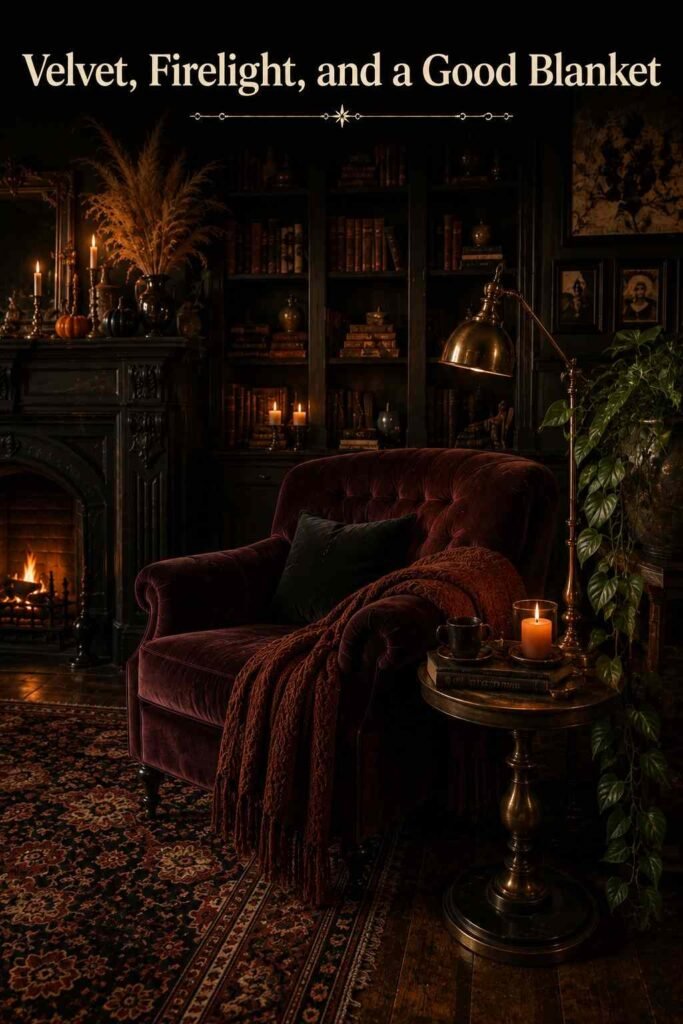
Witchcore centers on cauldrons, dried herbs, crystals, and black cats, drawing from folklore rather than horror movies. It leans mystical instead of scary — think an apothecary shelf more than a haunted attic. Candles in amber glass, bundles of dried lavender, and worn leather-bound books all support the theme. This aesthetic works year-round for anyone already into moody, nature-based decor, since only a few added props are needed to shift it fully into Halloween territory.
10. Kitschy Classic
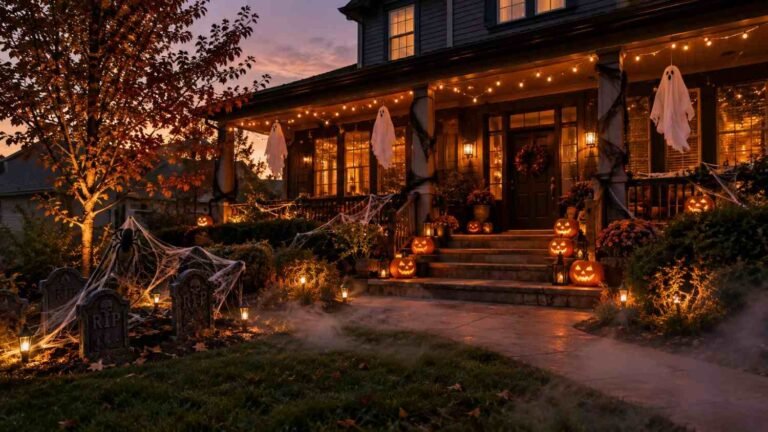
This is the cheerful, slightly campy version of Halloween: plastic jack-o’-lanterns, inflatable ghosts, and cartoonish skeletons in bright orange and black. It doesn’t take itself seriously, and that’s the point — it’s built for trick-or-treaters and front-yard displays rather than curated interiors. Blow-mold decorations and string lights shaped like bats are staples here. It remains one of the most widely purchased styles in the United States simply because it’s affordable, durable, and instantly recognizable to kids.
11. Harvest Nature
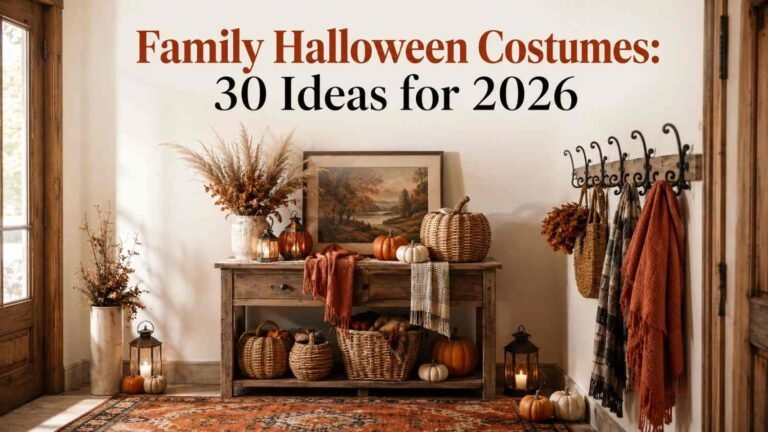
Less about fright, more about the season itself, this style blends Halloween with Thanksgiving-adjacent harvest imagery: hay bales, dried wheat, gourds, and warm plaid textiles. It suits anyone who wants decor to carry smoothly from early October through late November without a jarring switch. Corn stalks flanking a doorway or a mantel lined with mini pumpkins and candles both fit comfortably within this look, making it one of the most practical aesthetics for extended seasonal display.
12. Digital & Online
Not every application of this style lives in a physical room. Phone wallpapers, playlist covers, profile pictures, and social graphics all get a seasonal refresh every October, usually pulling from whichever visual style — gothic, pastel, retro — a person favors elsewhere. This digital layer matters because it’s often the first place people experiment with a new aesthetic before committing to it in their actual home or wardrobe.
How to Bring Your Halloween Aesthetic Beyond the Mood Board
Picking a style is the easy part. Making it look intentional across a whole space, outfit, or event takes a bit more planning.
Keep Indoor and Outdoor Decor Consistent
A gothic living room paired with a kitschy inflatable yard display sends mixed signals before a guest even reaches the front door. Carry your chosen palette and mood from the inside out, even if the outdoor pieces are simpler. For anyone focused on curb appeal specifically, browsing dedicated ideas for Halloween garage decorations is a fast way to extend an indoor theme onto the exterior without starting from scratch.
Dress the Part, Not Just the Room
Costumes and everyday Halloween-season outfits should echo the same aesthetic as your decor when possible. A coquette-styled home pairs oddly with a generic store-bought costume that leans kitschy. Matching the two makes the whole month feel more cohesive, whether that means a witchcore costume to go with an apothecary-style living room or a vintage-inspired outfit for a retro party. For less common or more specific character ideas, a list of Niche Halloween Costumes is worth checking before settling for something generic.
Style Food and Tablescapes to Match
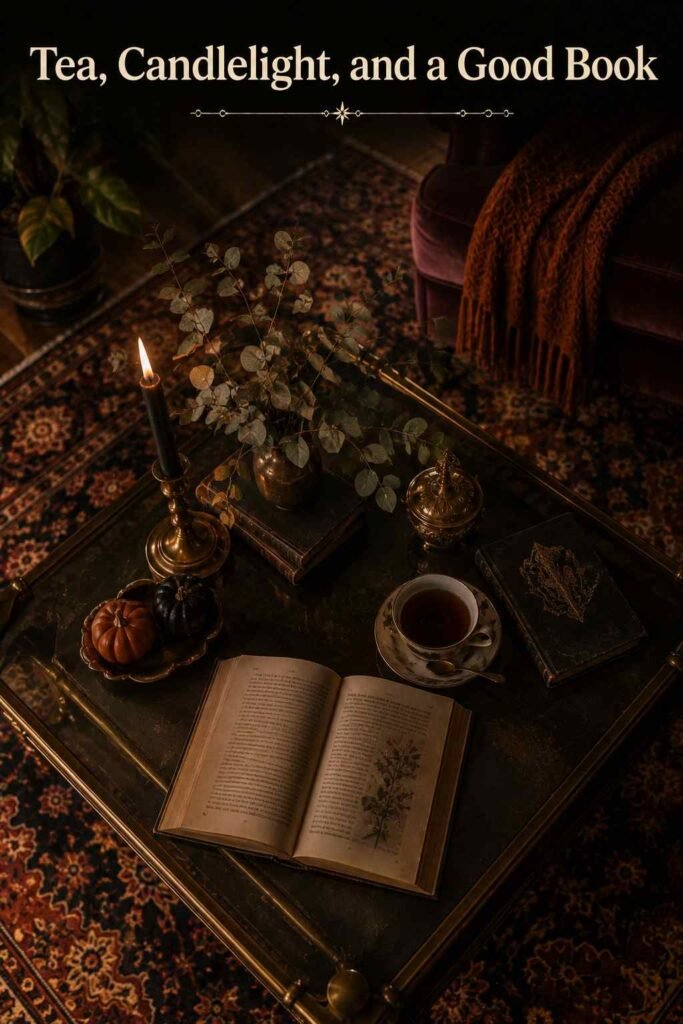
Table settings are one of the easiest places to reinforce an aesthetic without buying new furniture. A dark academia dinner might use brass candlesticks and deep red napkins, while a pastel gathering leans on blush plates and soft garlands. Even simple choices — black napkins versus orange ones, glass jars versus plastic bowls — shift the entire feel of a table in seconds.
Keep Exploring Beyond October
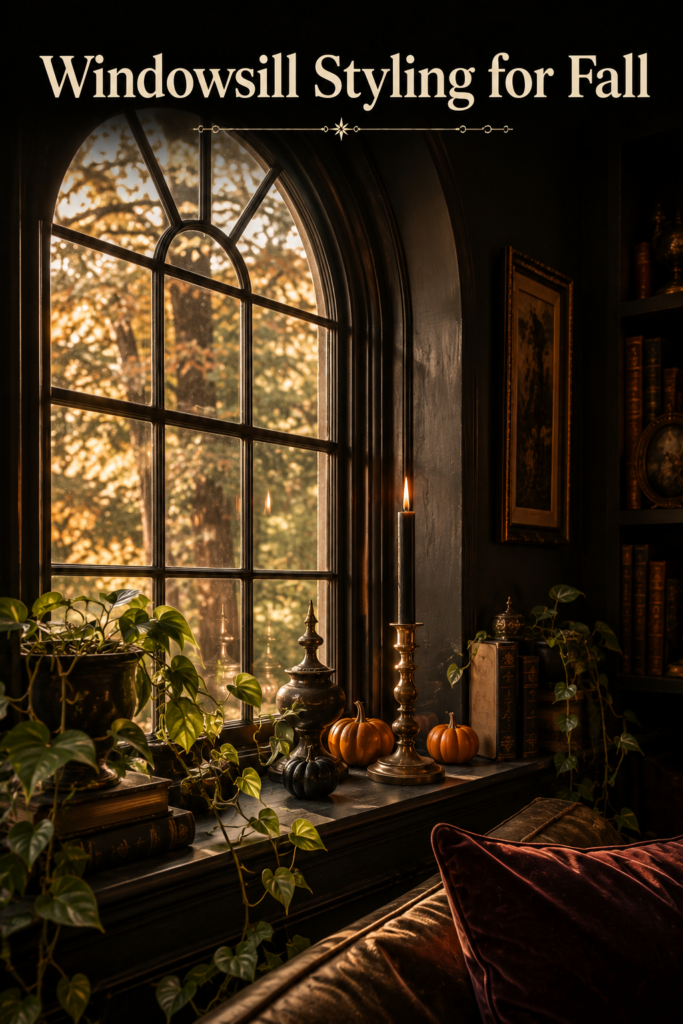
A Halloween aesthetic doesn’t have to disappear the moment November starts, especially styles like cottagecore, harvest, or minimalist neutral that already borrow heavily from general autumn decor. For broader seasonal and year-round styling ideas that extend past a single holiday, resources like outinteriors cover how to transition a themed room from one season into the next without a full redo.
Common Halloween Aesthetic Mistakes to Avoid
Even with a clear style in mind, a few habits tend to undercut the final result.
Mixing too many aesthetics in one space. Combining neon lighting with vintage die-cut decorations rarely reads as intentional — it usually just looks cluttered. Pick one dominant style and let secondary pieces support it quietly.
Ignoring lighting. The same decorations look completely different under a bright overhead bulb versus warm, low lighting. Gothic and witchcore styles especially depend on dim, amber-toned light to feel authentic rather than flat.
Buying everything new every year. The most convincing seasonal styles tend to look collected over time. Reusing a few strong pieces each season, rather than restocking entirely, often looks more polished than an all-new display.
Skipping scale. A single tiny pumpkin on a large mantel gets lost. Whatever the aesthetic, decor needs to be sized to the space, whether that means one oversized statement piece or several smaller ones grouped.
Quick Halloween Aesthetic Color Palette Cheat Sheet
- Gothic: black, burgundy, tarnished gold
- Pastel: blush pink, lavender, sage green
- Dark academia: espresso brown, forest green, deep red
- Cottagecore: amber, cream, mossy green
- Coquette: ivory, soft pink, black accents
- Vintage retro: pumpkin orange, black, mustard yellow
- Neon: electric green, hot pink, purple
- Minimalist neutral: cream, soft gray, muted gold
- Witchcore: deep purple, black, sage
- Kitschy classic: bright orange, black, white
- Harvest nature: wheat gold, burnt orange, plaid brown
Final Thoughts
The seasonal style you choose says as much about your everyday taste as it does about the holiday itself. Someone who keeps a minimalist home rarely wants a yard full of inflatables, just as someone who loves gothic drama year-round probably isn’t reaching for pastel ghosts. The point isn’t to follow one “correct” trend — it’s to pick a direction that already fits how you live, then carry it consistently from the front porch to the dinner table. Done well, a themed Halloween season feels less like decorating and more like an extension of a home that already has personality.
Frequently Asked Questions
What does “Halloween aesthetic” actually mean?
It refers to a consistent visual theme — color palette, textures, and decor style — used to style Halloween decor, costumes, or photos, rather than just using generic orange and black decorations.
What is the most popular Halloween aesthetic in the United States?
Classic gothic and kitschy classic styles remain the most widely purchased, largely because they’re affordable and instantly recognizable, though pastel and dark academia have grown quickly in recent years.
Can I combine two Halloween aesthetics?
Yes, but it works best when one style leads, and the other only contributes small accents. Full 50/50 blends of very different styles, like neon and vintage, tend to look disorganized.
What colors are used in a pastel Halloween aesthetic?
Blush pink, lavender, sage green, and soft cream are the core colors, often paired with muted orange instead of the traditional bright shade.
Is dark academia a Halloween-specific aesthetic?
No — dark academia is a broader style based on classic literature and academic imagery, but it fits Halloween especially well because of its moody, candlelit tone.
How do I choose a Halloween aesthetic that fits my home?
Start with your existing decor style. Minimalist or farmhouse homes usually suit neutral or harvest styles best, while homes that already lean moody or vintage tend to fit gothic, witchcore, or retro looks more naturally.
Do Halloween aesthetics change from year to year?
The core styles stay fairly consistent, but which one dominates social feeds and store shelves shifts yearly — coquette and dark academia, for example, have both grown noticeably in recent seasons.