Kitchen Inspiration Design: A Practical Guide to a Beautiful, Functional Kitchen
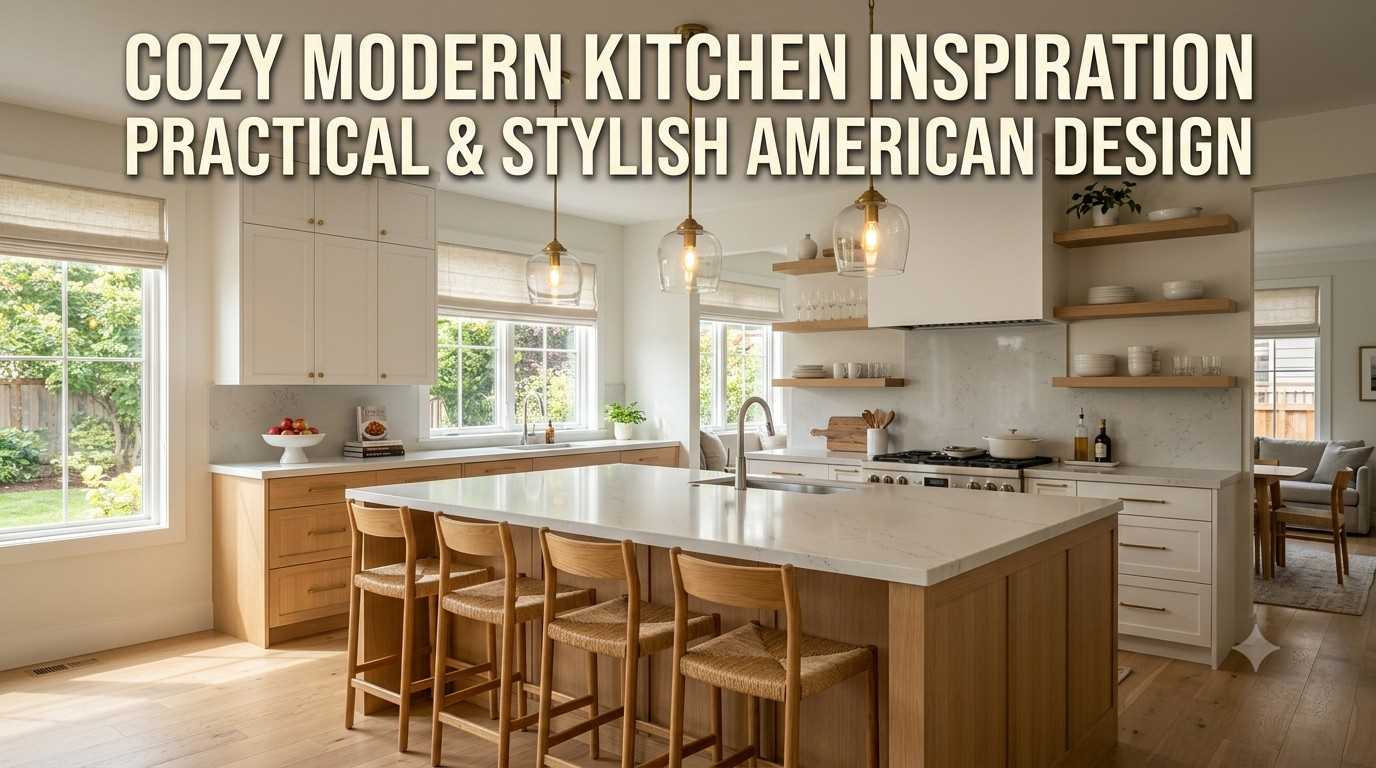
A kitchen is never just a place to cook. It is where morning coffee begins, where family conversations happen, where groceries become meals, and where the home often feels most alive. That is why kitchen inspiration design should not begin with a single color, tile, or cabinet style. It should begin with the way people live.
The best kitchens balance beauty with daily comfort. A space can look perfect in photos and still feel frustrating if the drawers are poorly placed, the lighting is weak, or the counters are always crowded. This guide brings together style, planning, materials, storage, lighting, budget thinking, and long-term usability so your next kitchen idea feels polished and practical.
Why Kitchen Inspiration Design Starts With Lifestyle
Strong kitchen inspiration design begins by asking how the room is used on an ordinary day. A family that cooks full meals every night needs a different layout from a homeowner who mostly makes coffee, reheats food, and hosts weekend guests. A baker may need wide counter space, while a busy parent may care more about easy-clean surfaces and reachable storage.
Before choosing finishes, write down three daily pain points. Maybe the trash is too far from the sink, the pantry is hard to see, or people crowd the same corner during breakfast. These details matter because a kitchen should support real routines. A beautiful room becomes far more valuable when the design quietly solves repeated problems.
Kitchen Inspiration Design Trends That Still Feel Timeless
The strongest current direction is warmth. Stark white kitchens are not gone, but many homeowners now prefer layered neutrals, natural wood, soft greens, muted blues, creamy stone, warm metals, and tactile surfaces. Kitchen inspiration design in 2026 is less about copying one perfect style and more about creating a room that feels personal, calm, and built to last.
Timeless design often uses a simple foundation with one or two expressive moments. Shaker cabinets, slab stone, quality hardware, durable flooring, and layered lighting can stay relevant for years. Trend-led choices work best in easier-to-change areas, such as paint, stools, rugs, pendant shades, open-shelf styling, or backsplash accents. This keeps the kitchen fresh without making every update expensive.
Warm Neutrals and Natural Materials
Warm whites, mushroom beige, soft taupe, pale clay, creamy greige, and light oak create a relaxed base. These colors work well in both small and large kitchens because they reflect light without feeling cold. Natural materials such as wood, stone, ceramic, linen, and brushed metal also add depth that flat surfaces cannot always achieve.
For a balanced look, mix smooth and textured finishes. Pair painted cabinets with wood shelves, quartz or quartzite counters with handmade-look tile, or matte hardware with a soft stone backsplash. The goal is not to make every element match. The goal is to make every choice feel related.
Kitchen Inspiration Design by Layout
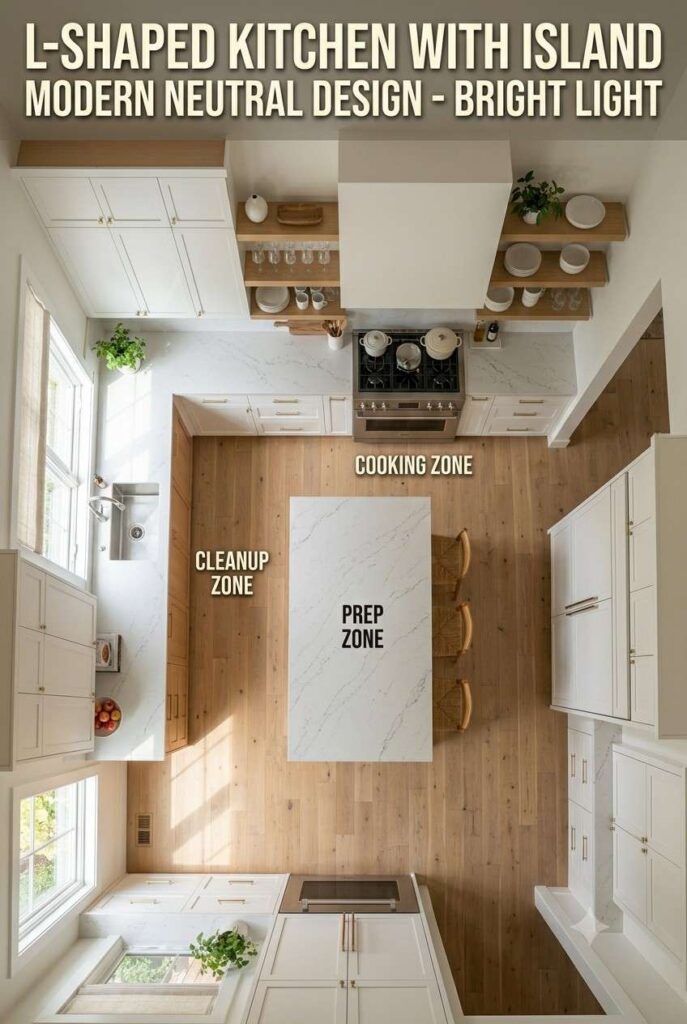
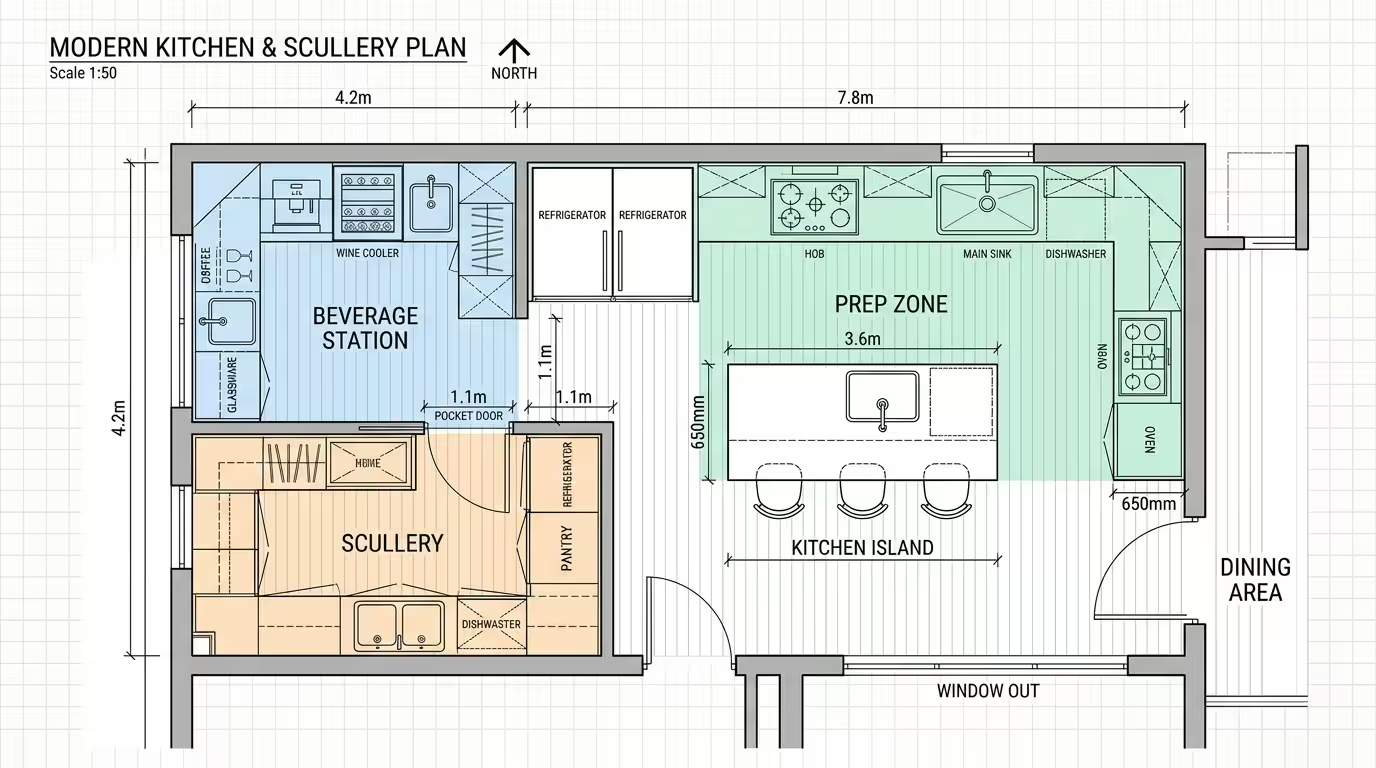
A strong kitchen inspiration design plan respects movement first. The classic work triangle between sink, stove, and refrigerator is still useful, but modern kitchens also need zones for prep, cleanup, storage, serving, and charging devices. Open-plan homes may also need seating, conversation space, and hidden storage for visual calm.
Galley kitchens work best when storage is vertical and counters stay clear. L-shaped kitchens are flexible and good for open dining areas. U-shaped kitchens offer strong storage but need enough aisle space to avoid feeling tight. One-wall kitchens need clever pantry planning, while island kitchens should only include an island if the room can support comfortable movement around it.
The Island Question
A kitchen island can be helpful, but it is not always the answer. It can add prep space, seating, storage, and a visual anchor. It can also block flow if the room is narrow. If opening the dishwasher, oven, or refrigerator makes people step around each other, the island may be too large or unnecessary.
A better choice for some homes is a slim movable table, a peninsula, or a built-in banquette. The right solution depends on the room. In practical kitchen inspiration design, space is not wasted. It gives people room to move, cook, clean, and gather comfortably.
Kitchen Inspiration Design for Small Spaces
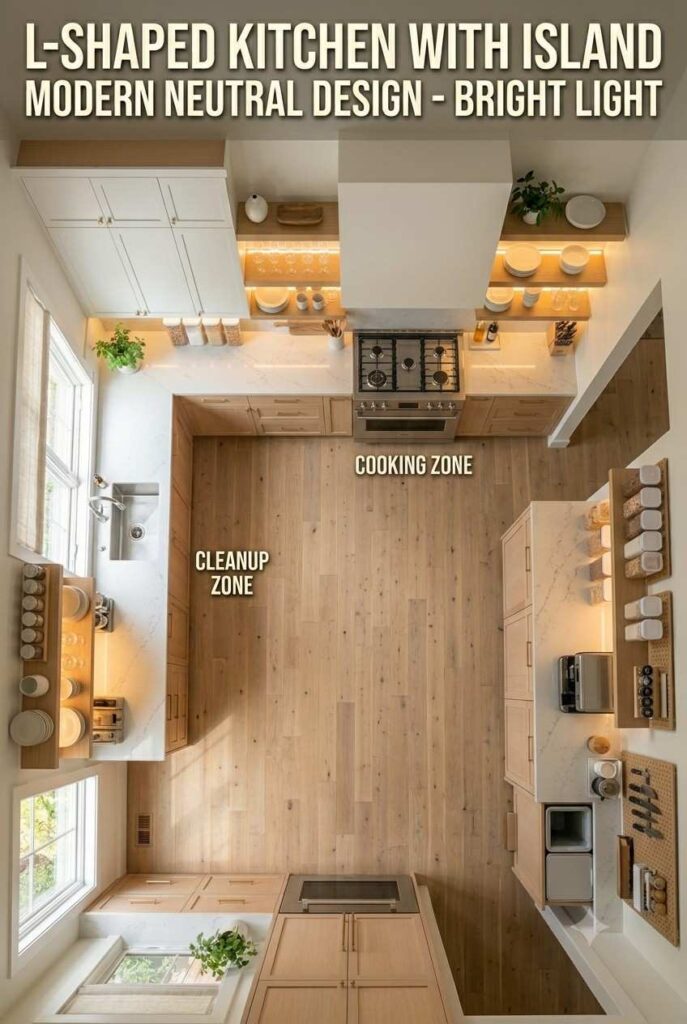
Small kitchens need discipline, not dullness. Kitchen inspiration design for compact rooms should focus on light, storage, and clear surfaces. Pale cabinet colors, reflective tile, under-cabinet lighting, glass-front sections, and slim hardware can make a small room feel more open without removing personality.
The smartest small-space upgrades are often simple. Use drawers instead of deep lower cabinets where possible. Add pull-out shelves, vertical tray storage, corner solutions, and a narrow pantry cabinet. Keep frequently used items close to the work zone and move occasional pieces elsewhere. A small kitchen feels bigger when every item has a logical home.
Color in a Compact Kitchen
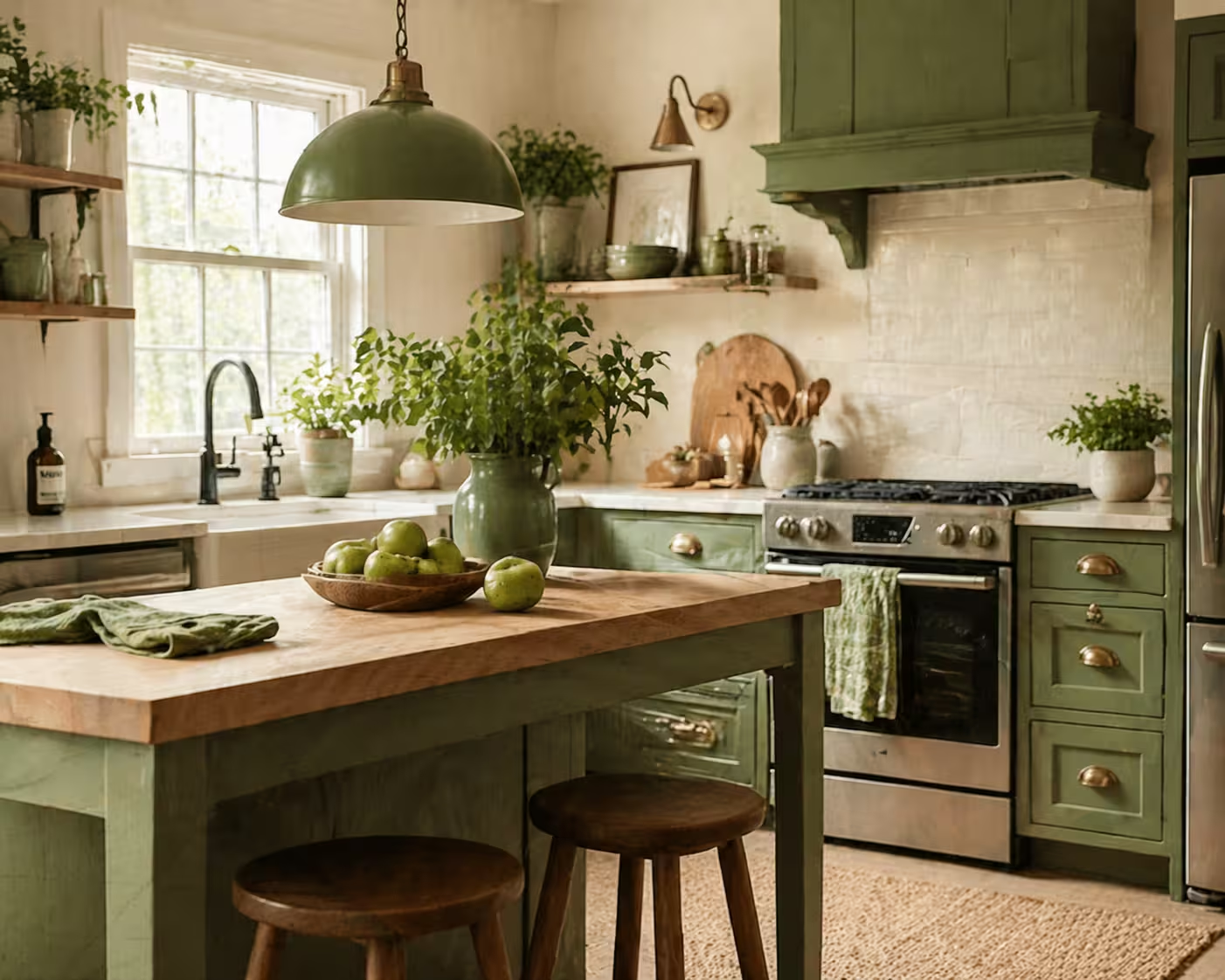
Small kitchens do not have to be all white. Soft green, dusty blue, butter yellow, warm gray, and natural wood can work beautifully if the palette is controlled. Choose two or three main tones and repeat them through cabinets, walls, textiles, and hardware. This creates unity without making the space feel crowded.
If you want a bold color, try it on the lower cabinets or island while keeping the upper cabinets lighter. Another option is a colorful backsplash behind open shelving. This adds character at eye level while preserving brightness. The key is contrast with restraint.
Cabinets, Storage, and Everyday Order
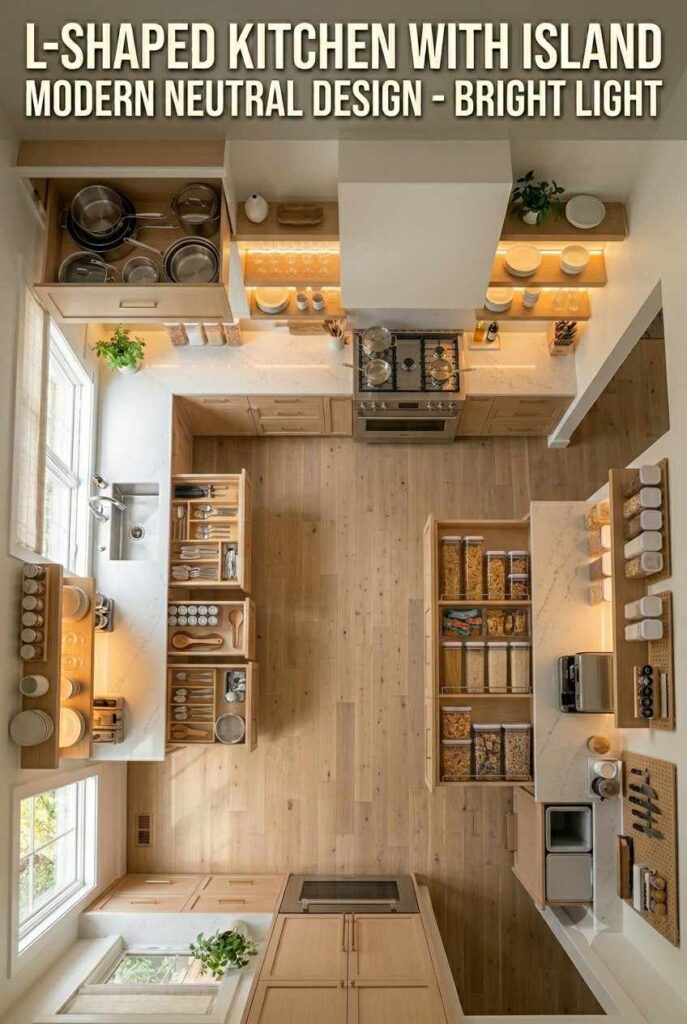
Cabinets shape both the look and function of a kitchen. Full-height cabinets can add storage and reduce dust-catching gaps. Deep drawers make pots, pans, and dishes easier to reach. Appliance garages can hide toasters, blenders, coffee makers, and chargers while keeping them accessible.
Good storage design begins with categories. Place cookware near the stove, knives and boards near prep space, plates near the dishwasher, and mugs near the coffee area. This sounds simple, but many kitchens fail because storage follows cabinet availability instead of human habits. Thoughtful organization makes a kitchen feel calmer even before the finishes are noticed.
Open Shelves Without Clutter
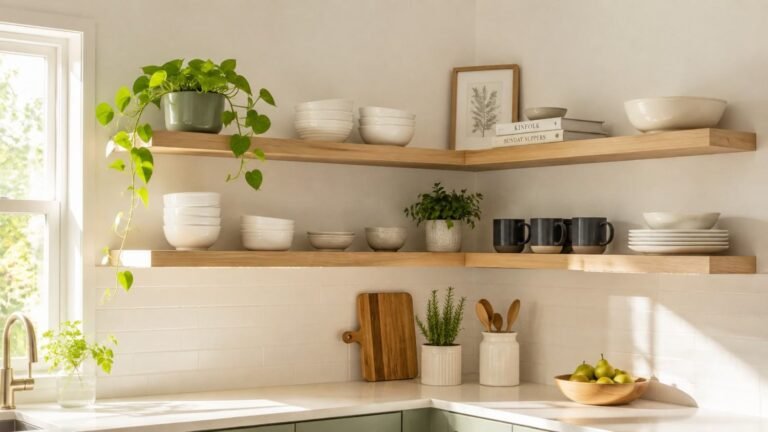
Open shelves can look beautiful, but they need limits. Use them for items that are attractive and used often, such as everyday plates, bowls, glasses, or a few cookbooks. Avoid turning shelves into a display of everything the kitchen owns. Repetition of color, material, and shape keeps open shelving intentional.
If dust is a concern, use glass-front cabinets instead. They offer visual lightness while protecting dishes. For many homes, the best solution is a mix: mostly closed storage with one small open area for warmth and personality.
Before choosing cabinets or counters, read our kitchen intelligence renovation guide for smarter planning tips.
Kitchen Inspiration Design Materials That Last
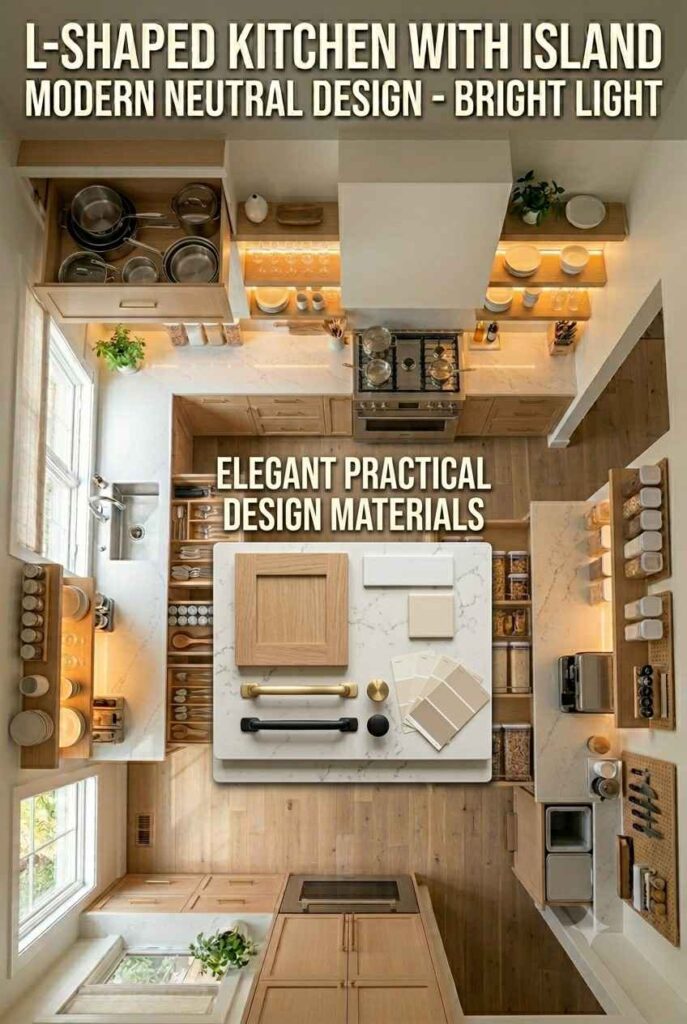
Smart kitchen inspiration design treats materials as long-term choices, not just surface decoration. Countertops, flooring, cabinets, and backsplashes need to handle heat, water, grease, cleaning, and daily impact. A material that looks beautiful but demands constant care may not be right for a busy household.
Quartz is popular because it is durable and low-maintenance, though it still needs protection from high heat. Quartzite offers natural variation and strong heat resistance but usually needs sealing. Granite can be durable when properly sealed. Laminate is budget-friendly and much better-looking than older versions, but seams and heat exposure need care. Butcher block adds warmth but requires regular maintenance.
Flooring That Works Hard
Kitchen floors should be comfortable, washable, and slip-resistant. Porcelain tile is durable and water-resistant, though it can feel hard underfoot. Luxury vinyl plank is softer, often budget-friendly, and available in realistic wood looks. Hardwood brings warmth but needs attention around water. Natural stone can be beautiful but may need sealing.
Choose flooring with your household in mind. A home with children, pets, or frequent cooking may need forgiving surfaces more than delicate finishes. The right floor should support the life happening on it.
Kitchen Inspiration Design Lighting That Changes the Room
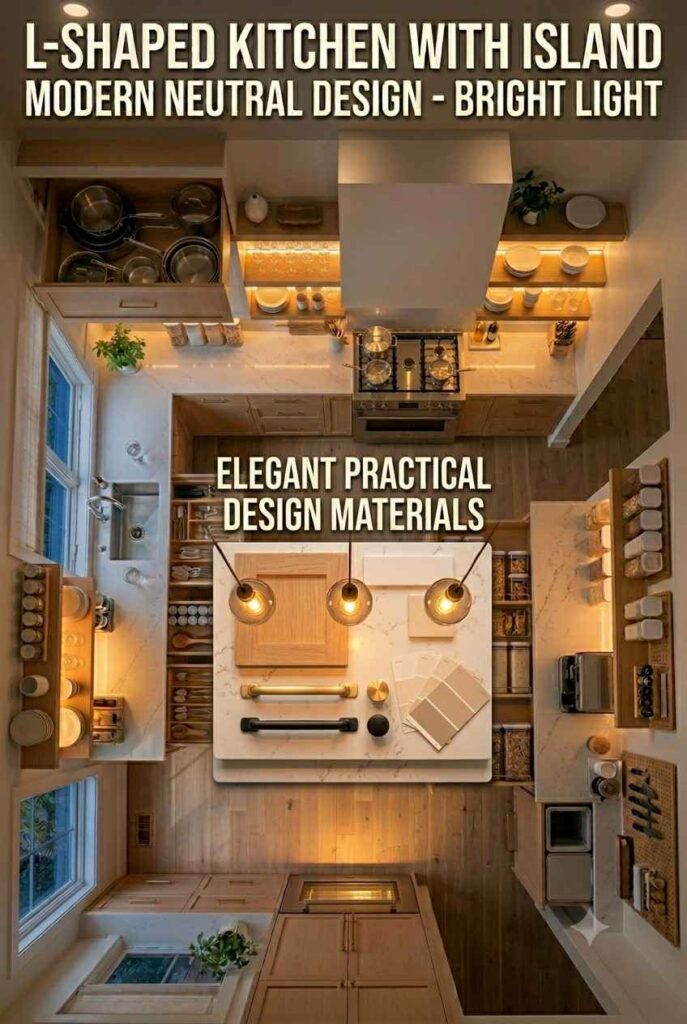
Lighting can make or break kitchen inspiration design. A kitchen needs layers: ambient lighting for overall brightness, task lighting for prep and cooking, and accent lighting for mood. Natural light is valuable, but evening use matters too. A kitchen that looks bright at noon may feel flat or shadowy at dinner time.
Under-cabinet lighting is one of the most useful upgrades because it lights the counter where work happens. Pendants over an island can add style, but they should not block sightlines. Recessed lighting should be placed to avoid casting shadows from the cook’s body onto the counter. Dimmers are also worth considering because kitchens serve different moods throughout the day.
For a softer whole-home style, explore our bedroom inspiration ideas after planning your kitchen palette.
Ventilation and Air Quality
A beautiful kitchen should also feel healthy. Cooking can release moisture, odors, and particles into indoor air, especially when ventilation is weak. A vented range hood that moves air outdoors is usually more effective than a recirculating fan. Opening windows when the weather allows and using proper filtration can also help.
This is an often-missed part of kitchen planning. A quiet, effective hood may not be the most dramatic design feature, but it protects comfort, surfaces, and indoor air quality. In daily life, that matters as much as the backsplash.
Appliances and Energy-Smart Choices
Appliances should be chosen after the layout is clear. A large refrigerator, professional-style range, or double oven may look impressive, but bigger is not always better. The best appliance package fits cooking habits, space, budget, and maintenance expectations.
Energy-efficient appliances can reduce long-term utility use. ENERGY STAR notes that certified refrigerators are about 9% more efficient than models meeting the federal minimum standard, and certified dishwashers can save significant water compared with handwashing. These details may not be as exciting as cabinet colors, but they affect everyday operating costs and household efficiency.
Kitchen Inspiration Design Budget Planning
Good kitchen inspiration design does not require unlimited spending. The key is knowing where to invest and where to save. Layout changes, plumbing moves, electrical work, cabinets, countertops, and labor usually shape the highest costs. Paint, hardware, lighting shades, rugs, and styling are easier to update later.
If the existing layout works, keeping plumbing and major appliances in place can help control cost. Cabinet painting, new hardware, a fresh backsplash, updated lighting, and better storage inserts can transform a kitchen without a full renovation. For larger remodels, spend first on layout, durable cabinetry, safe electrical work, ventilation, and surfaces that match your lifestyle.
High-Impact Updates Without a Full Remodel
A dated kitchen can improve quickly with focused changes. Paint cabinets in a warm neutral or muted color. Replace worn knobs and pulls. Add under-cabinet lighting. Change a tired faucet. Install a washable runner. Style counters with only useful, attractive items. Replace harsh bulbs with warmer, balanced lighting.
These changes work because they improve both appearance and experience. A kitchen does not need to be gutted to feel better. Sometimes the smartest update is removing friction: better drawer inserts, a clearer coffee station, a reachable spice drawer, or a trash pull-out near the prep area.
Personal Style Without Losing Resale Appeal
A kitchen should feel like the people who live there, but major permanent choices deserve care. If resale matters, keep expensive features broad in appeal and use personality in layers. For example, choose classic cabinets and counters, then add color through stools, art, lighting, wallpaper, or a painted pantry door.
This approach still allows character. A warm vintage rug, handmade tile, framed art, brass knobs, walnut shelves, or a bold island color can make the kitchen memorable. Personality does not have to mean risky. It means the room feels collected rather than copied.
The Role of Art and Decor
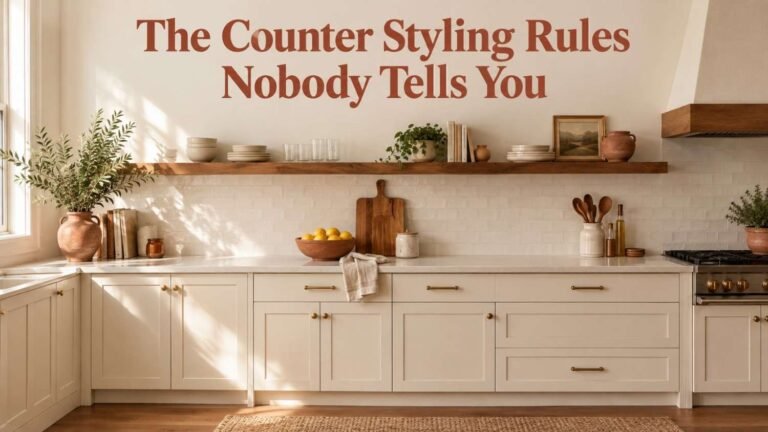
Art belongs in the kitchen when it is placed thoughtfully. A framed print, small landscape, family photo, or sculptural object can soften the room. Avoid crowding every wall or counter. Negative space helps beautiful details stand out and keeps the room restful.
Decor should not fight the function of the kitchen. Keep surfaces near the stove, sink, and prep zones clear. Use trays to group items like oil, salt, and utensils. Choose pieces that are easy to clean or placed away from grease and steam.
For more home styling ideas, visit outinteriors and compare design choices room by room.
Kitchen Inspiration: Design Mistakes to Avoid
One common mistake in kitchen inspiration design is choosing appearance before function. A marble counter, open shelf, or oversized pendant may look beautiful, but it must fit the way the kitchen is used. Another mistake is underestimating lighting. Even expensive finishes can look dull under poor light.
Avoid making the island too large, placing trash far from prep space, ignoring outlet needs, and choosing flooring that is hard to maintain. Also, avoid copying one trend too completely. A kitchen feels better when it has contrast: old and new, smooth and textured, light and dark, practical and personal.
Inclusive and Future-Friendly Kitchen Ideas
A future-friendly kitchen works for different ages and abilities. Wider walkways, better lighting, easy-grip hardware, pull-out shelves, lever faucets, non-slip flooring, and drawers instead of deep cabinets can make daily tasks easier. These features are helpful for older adults, children, and anyone carrying groceries or cooking with limited time.
Planning for comfort does not make a kitchen look clinical. Many accessible choices are now standard in high-quality design. Good lighting, clear storage, and easy movement simply make the room better for everyone.
Bringing the Whole Look Together
Before finalizing a design, create a simple material story. Choose one cabinet finish, one counter surface, one metal tone, one wood tone, and one main accent color. Then check how they look together in natural and evening light. Samples are important because colors change throughout the day.
The final kitchen should feel connected to the rest of the home. If nearby rooms use warm woods and soft colors, a cold, glossy kitchen may feel disconnected. If the home is modern, overly ornate cabinets may feel heavy. The best kitchen feels like a natural part of the house, not a separate showroom.
Conclusion:
The best kitchen inspiration design is not only about beautiful images. It is about creating a room that supports cooking, cleaning, storage, conversation, comfort, and long-term value. A strong kitchen has a clear layout, layered lighting, durable materials, smart storage, good ventilation, and enough personality to feel lived in.
Start with your daily routine, then build the look around it. Choose timeless foundations, add warmth through texture and color, and let practical choices guide the expensive decisions. When beauty and function work together, the kitchen becomes more than a finished project. It becomes the most useful room in the home.
Frequently Asked Questions:
What is the best kitchen inspiration design for a small home?
The best kitchen inspiration design for a small home uses light, storage, and clear movement. Choose slim cabinets, drawers, vertical storage, under-cabinet lighting, and a controlled color palette. Avoid oversized islands and heavy upper cabinets if they make the room feel tight.
Which kitchen colors are timeless?
Warm white, cream, soft gray, taupe, muted green, navy, natural wood, and black accents can all feel timeless when balanced well. The safest approach is to use classic colors on expensive surfaces and bring trend colors into paint, decor, stools, rugs, or lighting.
How can I update my kitchen without remodeling?
Paint cabinets, replace hardware, add better lighting, change the faucet, install a new backsplash, organize drawers, and clear crowded counters. These updates can improve the kitchen’s appearance and daily use without changing the full layout.
Are open shelves practical in a kitchen?
Open shelves are practical when used in small amounts for everyday dishes or attractive essentials. They become difficult when they hold too many items or collect grease near the stove. For lower maintenance, mix open shelving with mostly closed storage.
What is the most important part of kitchen planning?
Layout is the most important starting point. Cabinets, appliances, sink placement, walkways, lighting, and storage zones determine how the kitchen feels every day. Finishes matter, but a beautiful finish cannot fix poor movement or weak storage.
How do I make a kitchen feel warm and inviting?
Use natural wood, warm lighting, soft colors, textured tile, comfortable seating, art, and a few personal pieces. Keep counters clear but not empty. A warm kitchen feels organized, useful, and lived in rather than overly staged.
How many times should I update kitchen decor?
Small decor can change seasonally or yearly, but major finishes should be chosen for long-term use. Update rugs, stools, wall art, plants, and hardware when you want a refresh. Keep cabinets, counters, flooring, and layout more timeless.