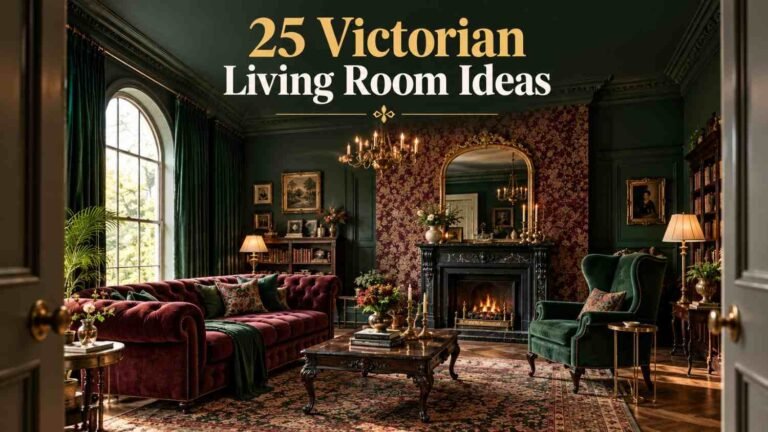
Living Room Decor Inspiration: Fresh, Cozy, and Practical Ideas for a Home That Feels Beautiful
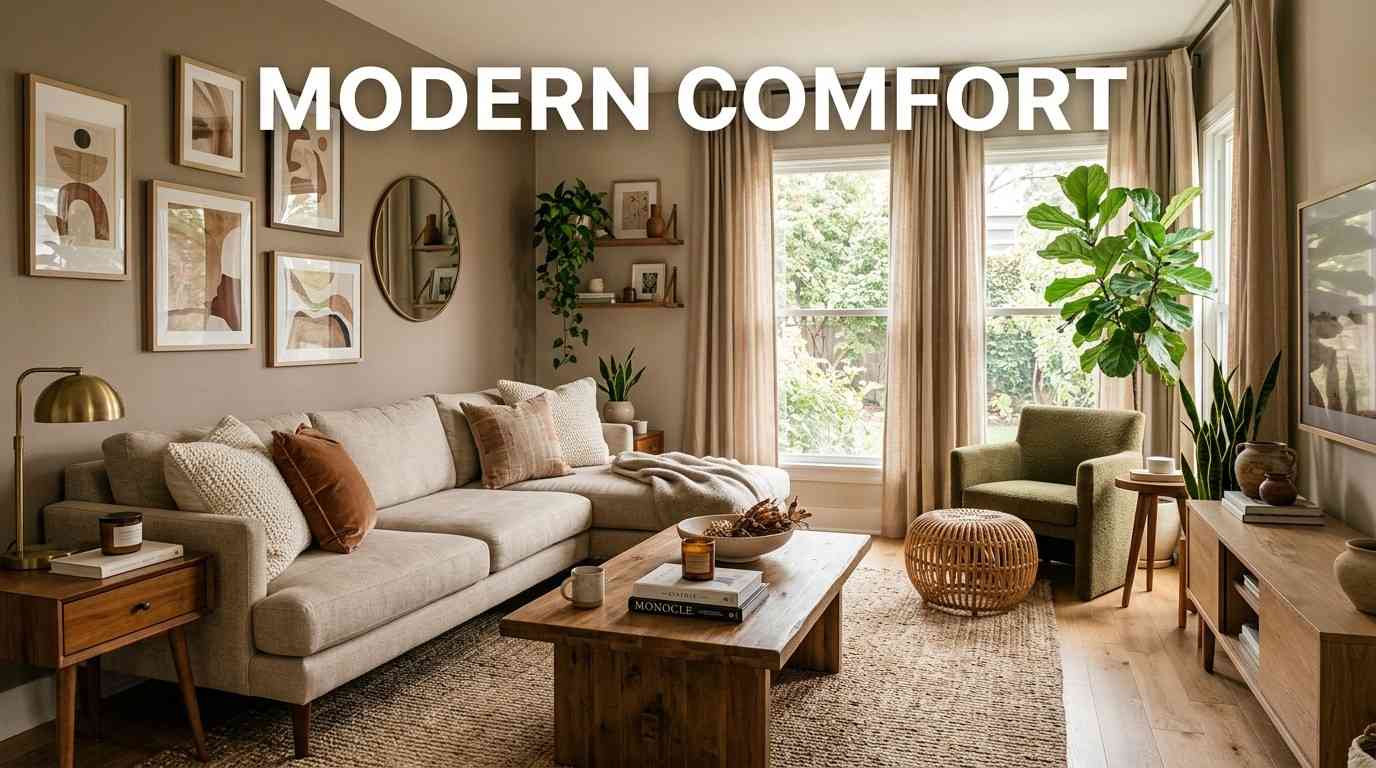
A living room is more than a place to sit. It is where family conversations start, guests form their first impression, and quiet evenings feel personal after a long day. The best living room decor inspiration does not force your home to look like a showroom. It helps you shape a room that supports real life, from movie nights and reading hours to coffee with friends. In 2026, the most inviting spaces feel warm, layered, flexible, and collected over time.
This guide brings together practical decorating ideas, current style direction, and timeless design rules you can use in any home. Whether your space is small, open-plan, traditional, modern, rented, or still unfinished, you will find living room decor inspiration that feels achievable. The goal is simple: create a room that looks beautiful, functions well, and still feels like you.
How to Turn Living Room Decor Inspiration into a Room That Works
Before choosing paint, furniture, or artwork, decide what your living room needs to do every day. A family room may need washable fabrics, closed storage, and a generous sofa. A formal sitting room may need elegant chairs, layered lighting, and a stronger focal point. A small apartment living room may need a slim console, nesting tables, and pieces that do double duty without making the room feel crowded.
Good living room decor inspiration starts with use, not trends. Write down the three main activities that happen in the room. Common answers include watching TV, relaxing, entertaining, reading, working, and playing with children. Once you know the purpose, every decision becomes easier. The right layout, rug size, lighting plan, and storage choices should support your lifestyle first and style second.
Start with a Clear Mood, Not a Random Shopping List
Many living rooms feel unfinished because the pieces are attractive individually but disconnected when put together. Before buying anything, choose a mood for the room. Your mood might be calm and earthy, elegant and tailored, colorful and artistic, coastal and relaxed, or warm and traditional. This mood becomes the filter for every color, fabric, wood tone, lamp, and accessory you bring into the space.
One easy method is to create a five-word style sentence. For example: “warm, relaxed, textured, family-friendly, classic.” Another option is “moody, artistic, layered, vintage, cozy.” Keep this sentence on your phone while shopping. It prevents impulse buys and helps your room look intentional. The best decorating approach is not about copying one image. It is about noticing what different images have in common and translating that feeling into your own home.
Choose a Color Palette That Feels Current and Livable
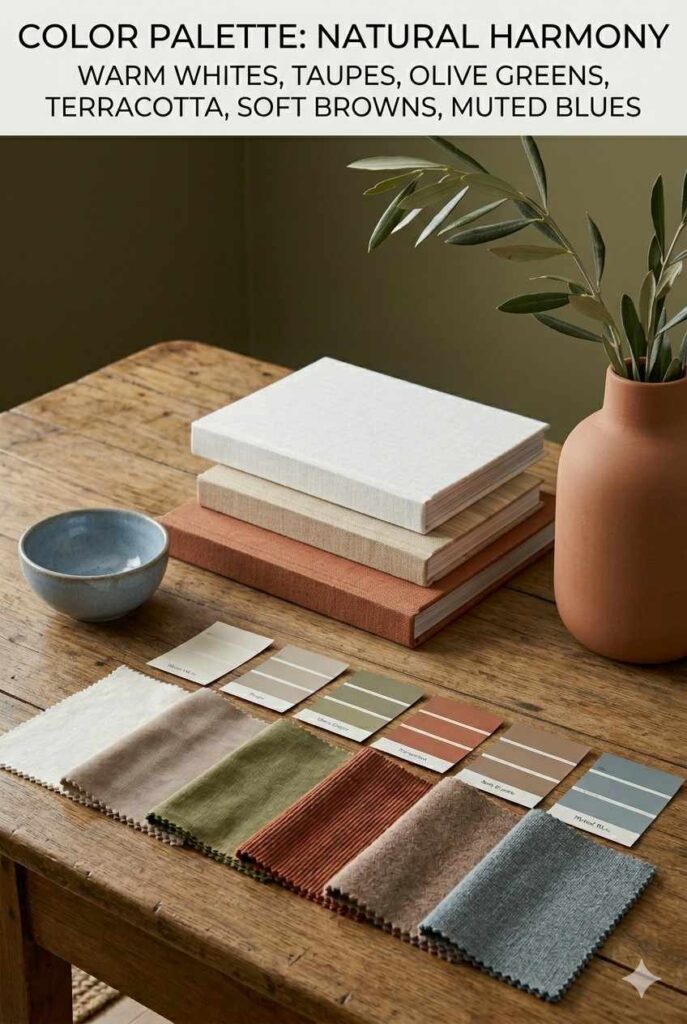
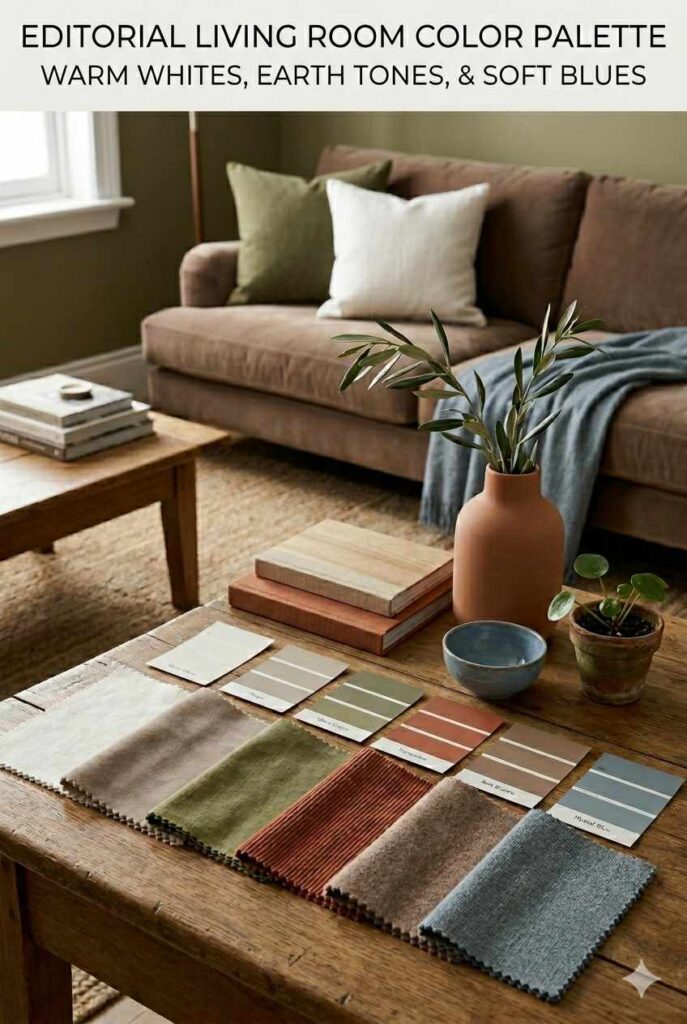
Color sets the emotional temperature of a living room. In 2026, warmer neutrals, earthy browns, soft greens, clay tones, muted blues, creamy whites, and deeper charcoal-brown shades feel especially relevant. These colors work because they bring comfort without looking flat. A khaki wall, mushroom sofa, olive accent chair, or terracotta pillow can make a room feel grounded yet refined.
The best living room decor inspiration uses color in layers. Start with a base shade for the walls or the largest piece of furniture. Add a secondary color through curtains, accent chairs, or rugs. Finish with small contrast notes in pillows, art, ceramics, or books. If you love neutral rooms, avoid using only one beige tone. Mix cream, taupe, warm gray, natural wood, linen, and black accents so the room has depth.
Color Ideas for Different Room Styles
For a calm modern living room, pair warm white walls with oak, stone, boucle, linen, and a few matte black details. For a traditional room, use deeper colors such as olive, tobacco brown, burgundy, navy, or chocolate on built-ins, trim, or upholstery. For a cheerful family space, try cream walls with sage, rust, denim blue, and patterned pillows that hide daily wear.
If your room has limited natural light, test paint samples on every wall before committing. A color that looks soft in a bright store can look dull in a north-facing room. If you rent, use color through removable wallpaper, framed textiles, curtains, lampshades, and large art instead of permanent paint. Your decorating plan should adapt to your home’s limits, not fight them.
Plan the Layout Before You Buy Furniture
A beautiful sofa will not solve a poor layout. Start by identifying the focal point. It may be a fireplace, TV wall, picture window, bookshelf, or large artwork. Arrange seating so people can face the focal point without blocking walkways. In most rooms, leave 30 to 36 inches for main walking paths and keep coffee tables about 14 to 18 inches from the sofa for comfortable reach.
For conversation, avoid pushing every seat against the walls unless the room is very small. Pulling furniture inward can make the space feel more intimate. In open-plan homes, use a large rug to define the living area. At minimum, the front legs of the main seating pieces should sit on the rug. This simple detail makes the room feel connected instead of scattered.
Smart Layout Ideas for Small Living Rooms
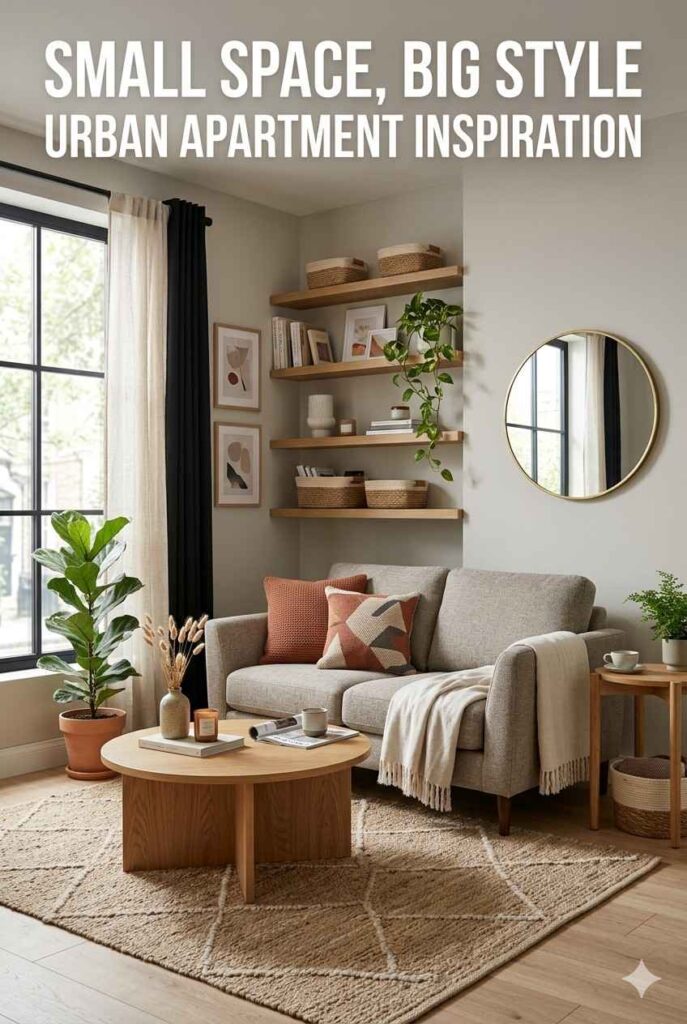
Small living rooms need fewer pieces with better proportions. Choose a sofa with visible legs, a round coffee table, wall-mounted shelves, and narrow side tables. A loveseat with two light accent chairs may work better than a large sectional. Use mirrors carefully to bounce light, but avoid placing them where they reflect clutter or a blank wall.
For narrow rooms, place the sofa along the longest wall and use slim chairs across from it. For square rooms, float the sofa slightly away from the wall and anchor the center with a rug. If your living room is also an entryway, create a mini drop zone with hooks, a tray, and a closed basket. These ideas become more useful when they solve real layout problems.
See the latest living room trends 2026 before choosing colors, furniture, lighting, and decorative details.
Invest in Comfortable, Scaled Furniture
Furniture should match both the room size and the people who use it. A low modern sofa can look stylish, but it may not be comfortable for older family members or tall guests. A deep sectional may be perfect for movie nights, but it can overwhelm a small apartment. Measure your room, doorways, staircases, and elevator before ordering large pieces.
Look for quality where it matters most: sofa frame, seat cushions, upholstery, and daily-use tables. Performance fabrics, removable covers, leather, wool blends, and textured weaves are practical choices for busy homes. If your budget is limited, spend more on the sofa and rug, then save on side tables, pillows, baskets, and art. Good design balances beauty with comfort because a room only succeeds when people want to stay in it.
Mix New, Vintage, and Personal Pieces
Rooms that look expensive often feel collected rather than newly purchased all at once. Mix a new sofa with a vintage wood table, inherited artwork, thrifted ceramics, family photos, or handmade objects. These pieces add story and prevent the room from feeling too predictable. A slightly imperfect item can make a polished room feel warmer and more human.
This approach is also practical. Vintage furniture often offers better materials than many low-cost modern pieces, especially in wood tables, cabinets, mirrors, and accent chairs. You can update old pieces with new hardware, upholstery, or paint. Your room should include your history, not erase it. A living room becomes memorable when it reflects the people who live there.
Use Lighting in Three Layers
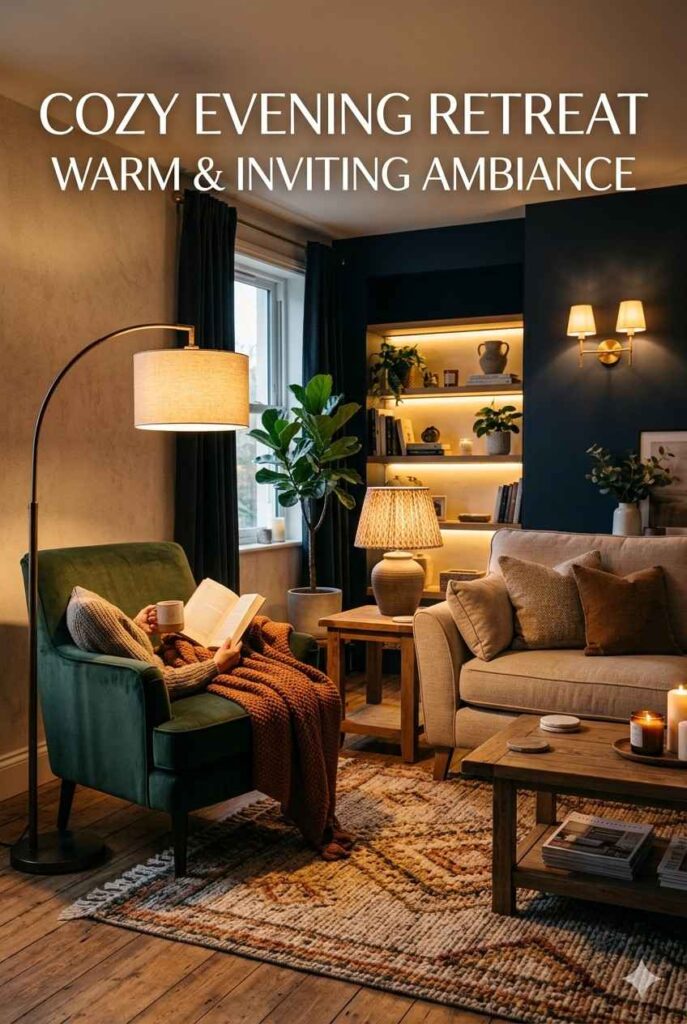
Lighting can completely change the mood of a living room. A single ceiling fixture is rarely enough. Use three layers: ambient lighting for general brightness, task lighting for reading or working, and accent lighting for art, shelves, plants, or architectural details. Floor lamps, table lamps, sconces, picture lights, and dimmers help create a soft evening atmosphere.
Use warm bulbs around 2700K to 3000K for a cozy residential feel. Place lamps at different heights so the room glows instead of feeling harsh. A floor lamp beside a reading chair, a table lamp near the sofa, and a small lamp on a bookshelf can make the room feel designed without major renovation. The most useful living room decor inspiration often comes from lighting because it improves both comfort and appearance.
Add Texture for Depth and Warmth
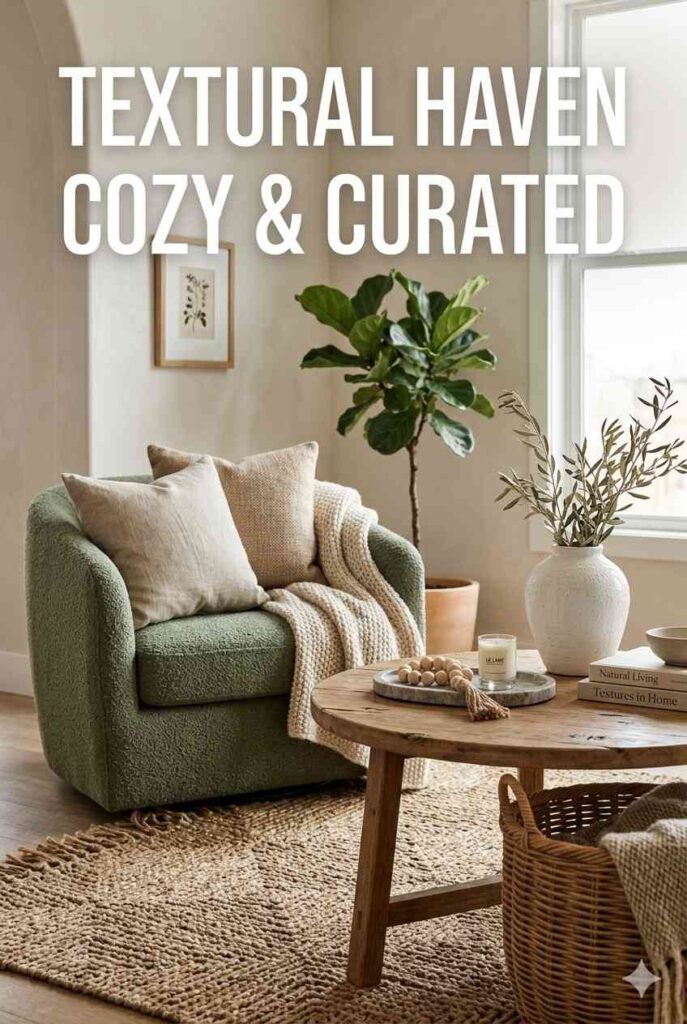
Texture is what makes a room feel finished. A neutral room without texture can look cold, but the same palette can feel rich when it includes linen, wool, rattan, wood, velvet, ceramic, stone, leather, and woven baskets. Texture also helps balance color. If your palette is simple, use more tactile contrast. If your palette is bold, use texture to make the room feel grounded.
Start with the largest soft surfaces: rug, curtains, sofa, and pillows. A flat-woven rug feels casual and durable, while a wool rug adds softness. Linen curtains bring movement, and heavier drapes add formality. Rattan, cane, and natural wood are useful for adding warmth without visual heaviness. Living room decor inspiration for 2026 favors rooms that feel layered, sensory, and comfortable instead of overly sleek.
Make the Walls Feel Intentional
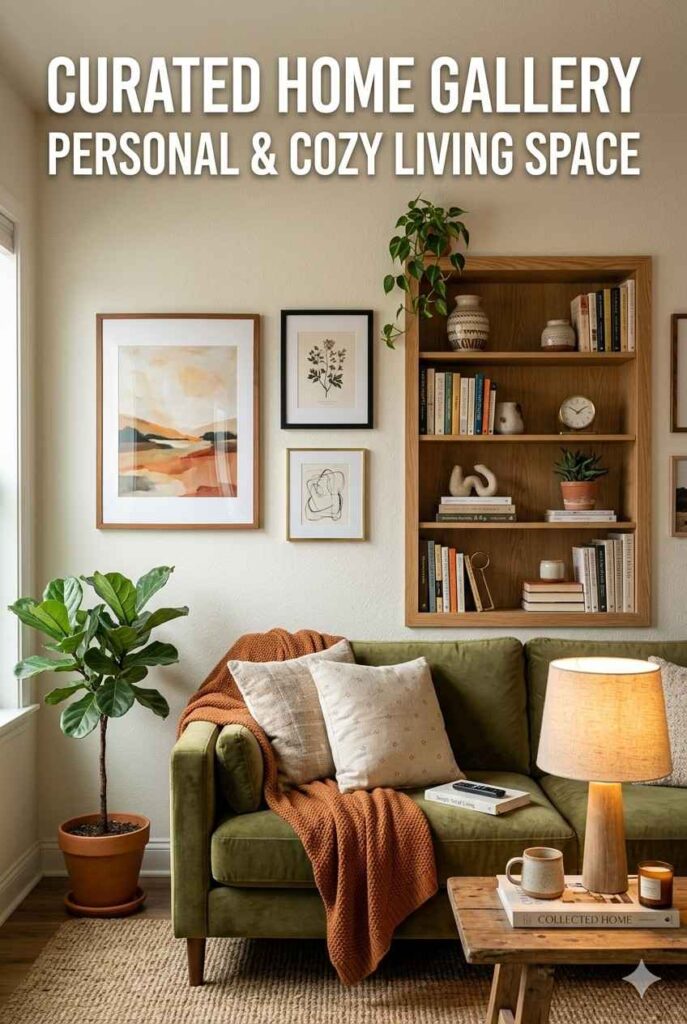
Blank walls can make even a furnished room feel unfinished. You do not need expensive art to create impact. Try a gallery wall, one oversized canvas, framed fabric, black-and-white photography, floating shelves, decorative plates, a large mirror, or picture ledges that can be updated seasonally. The key is scale. Tiny frames on a large wall often look accidental.
Hang artwork so the center sits around 57 to 60 inches from the floor, which is a common eye-level guideline. Above a sofa, choose art that is about two-thirds the sofa width for balance. If you prefer a calmer look, use fewer large pieces. If you love personality, mix frames, sketches, paintings, and family photos. Living room decor inspiration should help your walls tell a story rather than simply fill space.
Style Shelves, Books, and Built-Ins with Balance
Bookshelves are becoming a major feature in cozy, character-filled living rooms. They add color, storage, and personality at the same time. If you have built-ins, avoid lining every shelf with objects of the same size. Mix vertical books, horizontal stacks, framed photos, baskets, pottery, plants, and space. Negative space keeps shelves from looking crowded.
A simple styling rule is to vary height, shape, and material. Place heavier objects lower and lighter decorative items higher. Use baskets for hidden storage, especially for remotes, chargers, toys, and paperwork. If your shelves look chaotic, reduce the color palette of the objects or group books by tone. Living room decor inspiration works best when it makes storage beautiful and daily clutter easier to manage.
Bring Nature into the Room
Natural elements make a living room feel calm and alive. Plants, branches, wood bowls, stone trays, jute rugs, linen curtains, and clay vases bring softness to hard architecture. If you are new to plants, start with low-maintenance choices such as pothos, snake plant, ZZ plant, or philodendron. Use planters that match your room’s palette so greenery feels integrated.
Natural materials also age well. Wood develops patina, stone has variation, and woven materials add handmade texture. Even one large plant near a window can change the room’s energy. For homes without good light, use dried branches, preserved moss, sculptural stems, or realistic faux greenery. Living room decor inspiration does not have to be complicated; sometimes, the most effective update is adding life and organic shape.
Explore concrete diy projects to add handmade texture, custom accents, and affordable character to your living room.
Create a Cozy Seating Moment
A living room feels more inviting when it includes at least one special seating moment. This could be a reading chair beside a lamp, a window bench with cushions, two armchairs facing the sofa, a daybed near a bookcase, or a small stool that can move wherever needed. These moments make the room feel flexible and personal.
Comfort comes from details. Add a side table within reach, a soft throw, proper lighting, and a small tray for a drink or book. If you entertain often, use lightweight ottomans that can become extra seating. If you live alone, create a corner that supports your favorite ritual. The strongest living room decor inspiration helps a room feel useful at different times of the day.
Use Pattern Without Making the Room Feel Busy
Pattern brings movement and charm, but it works best when planned. Start with one main pattern, such as a rug, curtain, or large pillow. Add a smaller pattern on a different scale, then balance both with solid colors. Stripes, florals, checks, block prints, and subtle geometrics can live together if they share a related color family.
If you are nervous about pattern, begin with pillows, lampshades, or a throw. If you love bold rooms, try patterned curtains or wallpaper on one wall. The secret is repetition. Repeat at least one color from the pattern elsewhere in the room so it feels connected. Living room decor inspiration for pattern should feel layered and confident, not random.
Make Renter-Friendly Updates That Still Feel Custom
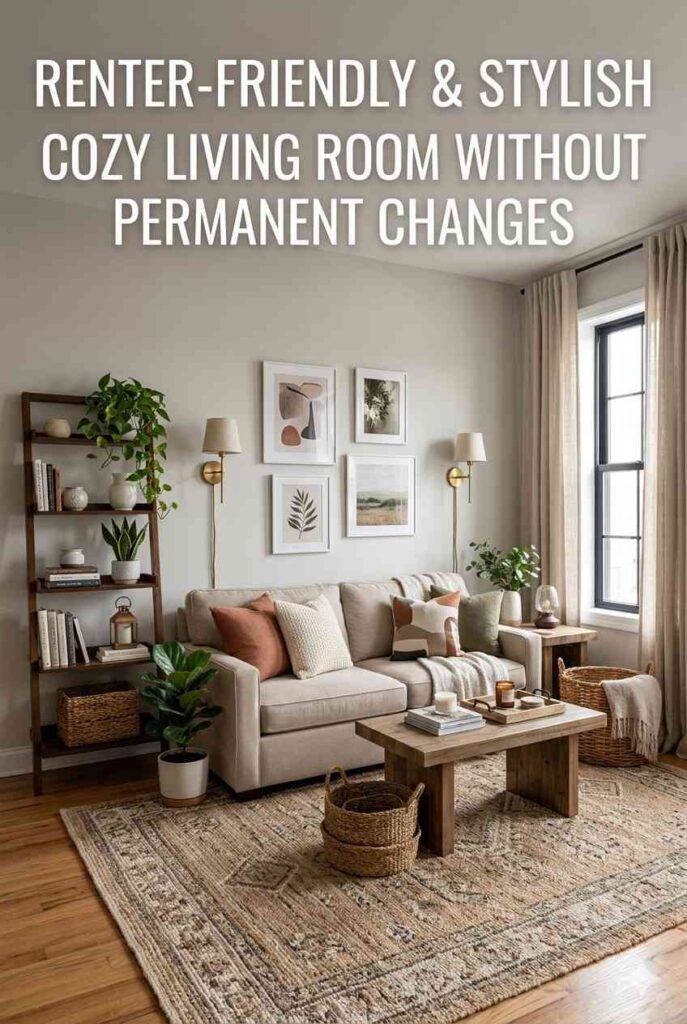
Renters can create a polished living room without permanent changes. Use large rugs to hide unattractive flooring, tension rods for curtains, peel-and-stick wallpaper inside bookcases, plug-in sconces, removable picture hooks, and freestanding storage. A room can feel custom even when the walls and floors stay untouched.
Curtains are one of the strongest renter-friendly upgrades. Hang them high and wide to make windows look larger. Choose fabric that reaches the floor for a finished look. Add lamps instead of relying on harsh overhead lighting. Use oversized art to cover blank walls and baskets to control clutter. Living room decor inspiration should be realistic for apartments, temporary homes, and budgets that require smart choices.
Visit outinteriors for more home styling ideas that make indoor and outdoor spaces feel connected.
Decorate on a Budget Without Looking Cheap
A beautiful living room does not require replacing everything. Start by editing. Remove items that no longer fit, clear surfaces, and rearrange furniture before spending money. Then identify the one change that will make the biggest visual difference. Often it is a rug, curtains, lighting, paint, or a larger piece of art.
Budget-friendly upgrades include new pillow covers, thrifted frames, painted side tables, updated lampshades, washable slipcovers, secondhand mirrors, and handmade wall art. Group small accessories on trays so they look intentional. Use fewer, larger pieces instead of many tiny decorations. The most practical living room decor inspiration respects your budget and helps you improve the room in stages.
Avoid Common Living Room Decorating Mistakes
One common mistake is choosing a rug that is too small. A tiny rug makes furniture look disconnected. Another mistake is using only overhead lighting, which can make the room feel flat. Matching furniture sets can also make a living room look less personal. Instead, mix shapes, finishes, and textures while keeping the palette connected.
Avoid decorating only for photographs. A room should support real comfort, easy cleaning, and movement. Do not buy a fragile coffee table if children use the room daily. Do not choose pale upholstery if pets sleep on the sofa unless the fabric is washable. Living room decor inspiration should improve daily life, not create a room you are afraid to use.
Conclusion:
The best living room is not the one that follows every trend. It is the one that feels welcoming when you walk in, comfortable when you sit down, and personal when you look around. Start with the room’s purpose, choose a clear mood, plan the layout, and build layers through color, lighting, texture, furniture, art, and meaningful objects.
Use living room decor inspiration as a guide, not a rulebook. A stylish home can include old pieces, new finds, family memories, practical storage, and small imperfections. When every choice supports comfort and character, the room becomes more than decorated. It becomes lived in, loved, and ready for everyday moments.
Frequently asked questions:
What is the easiest way to refresh a living room?
The easiest refresh is to change the soft layers first. Replace pillow covers, add a throw, move lamps, style a tray, and rearrange art or books. These updates are affordable and do not require major renovation. If the room still feels unfinished, add curtains or a larger rug because both changes have a strong visual impact.
How do I choose a living room color scheme?
Start with one color you already love in the room, such as a rug, painting, sofa, or wood tone. Build around it with one main neutral, one supporting color, and one small accent color. Test samples in natural and evening light before painting. A good color scheme should feel balanced during the day and cozy at night.
What makes a living room look expensive?
Scale, lighting, and restraint make a living room look expensive. Choose a properly sized rug, hang curtains high, use lamps at different heights, and avoid too many tiny accessories. Add texture through wood, linen, wool, stone, or ceramics. A few well-chosen pieces usually look better than many unrelated decorations.
How can I make a small living room feel bigger?
Use furniture with slim arms or visible legs, choose a rug large enough to connect the seating, and keep walkways clear. Light wall colors, mirrors, vertical curtains, and wall-mounted shelves can help the room feel more open. Avoid oversized sectionals unless they truly fit the room and leave enough space to move comfortably.
How often should I update my living room decor?
You do not need to update your living room every season. A strong foundation can last for years. Refresh small items such as pillows, throws, flowers, branches, lampshades, and shelf styling when the room starts to feel stale. Larger purchases like sofas, rugs, and storage pieces should be chosen for durability and long-term comfort.
What should every living room include?
Every living room should include comfortable seating, a surface for drinks or books, layered lighting, a rug that fits the seating area, practical storage, and at least one personal element. Personal elements can be art, books, photos, handmade objects, travel pieces, or family heirlooms. These details make the room feel warm and individual.