Concrete DIY Projects: Practical Ideas for Home, Garden, and Weekend Upgrades
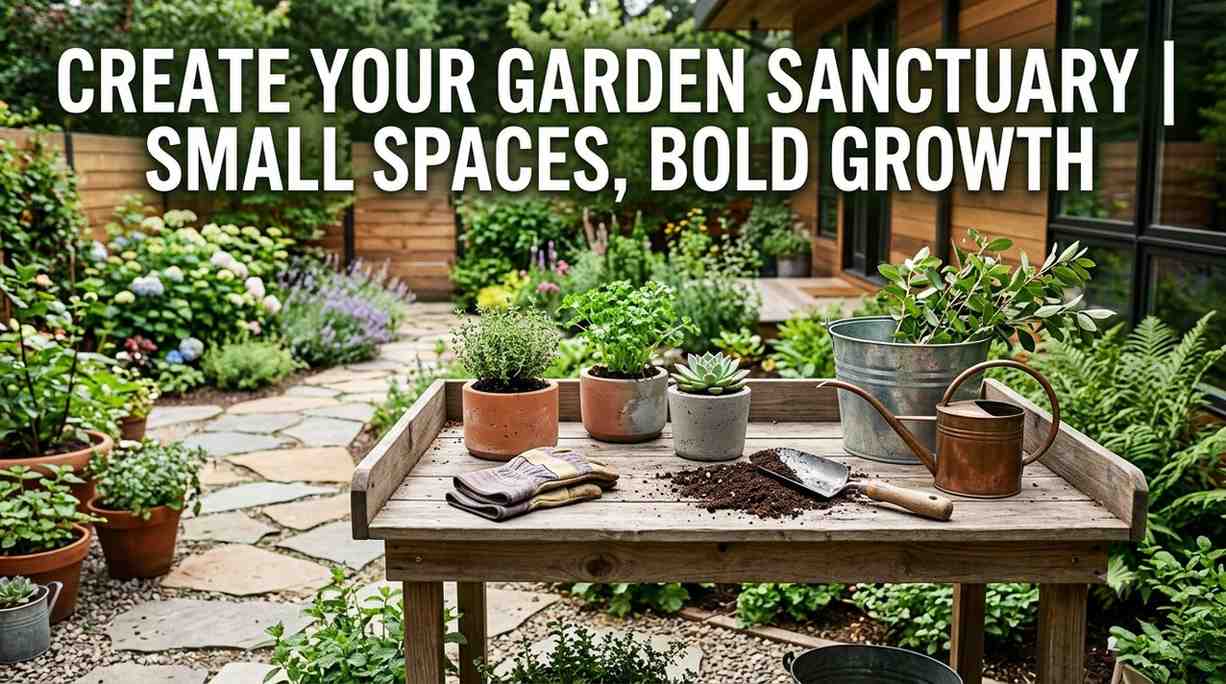
Concrete diy projects have moved far beyond plain sidewalks and garage floors. Today, homeowners use concrete to make planters, tabletops, stepping stones, shelves, fire bowls, garden edging, and small decor pieces that feel modern, strong, and personal. The material looks simple, but it rewards patience. A good result comes from clean forms, the right mix, careful curing, and a finish that fits the space.
The best part is that concrete can suit many skill levels. A beginner can start with a small planter or coaster, while a more confident homeowner can build a bench, outdoor tabletop, or decorative path. This guide walks through practical ideas, tools, safety habits, design choices, and common mistakes, so your next project feels manageable from the first scoop to the final seal.
Why Concrete DIY Projects Are Worth Trying
Concrete diy projects are popular because the material is affordable, durable, and flexible in design. It can look raw and industrial, soft and minimal, rustic, or polished depending on the mold, color, texture, and finish. A simple round bowl can become a candle holder. A few pavers can become a bench. A custom slab can turn into a patio table that fits your outdoor space exactly.
Concrete also works well for homeowners who want useful upgrades rather than throwaway crafts. Concrete is heavy, weather-resistant, and long-lasting when mixed and cured correctly. It can handle rain, sun, soil, and daily use better than many lightweight materials. That makes it especially helpful for gardens, patios, porches, entryways, and utility areas where strength matters as much as appearance.
Understanding Concrete Before You Start
Before choosing concrete diy projects, it helps to understand the material. Cement is an ingredient; concrete is the finished mix made with cement, sand, gravel or aggregate, and water. Some small craft mixes are smoother because they use finer particles, while standard concrete mixes include larger aggregate for strength. Mortar and cement are not always interchangeable with concrete, especially when the finished piece must carry weight.
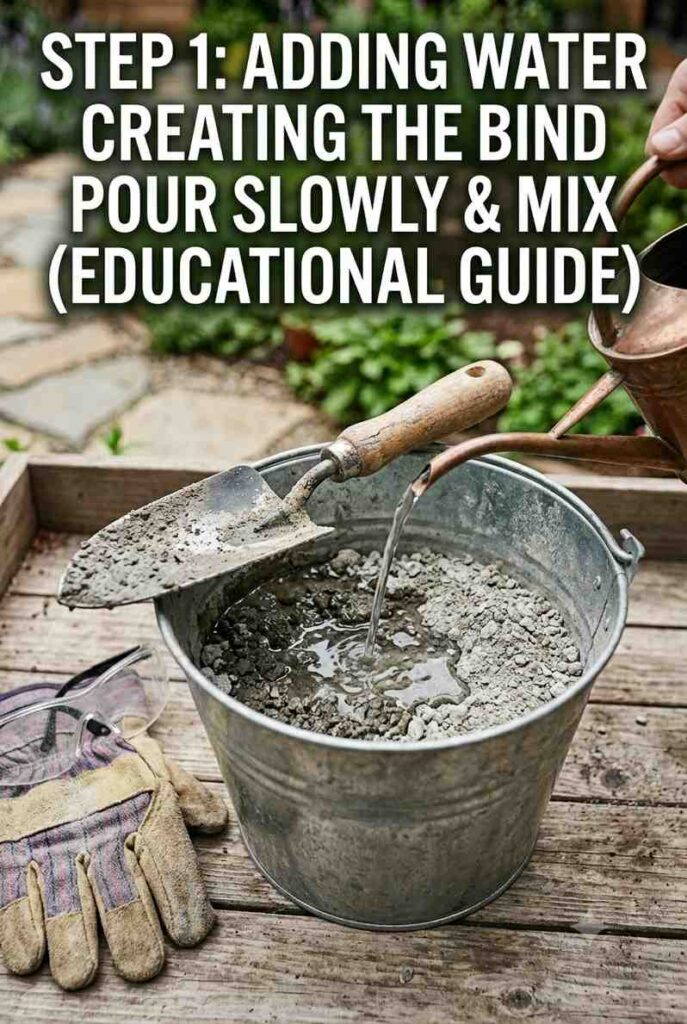
Water is another key detail. Too little water makes the mix hard to place. Too much water can weaken the finished piece and increase cracking. Aim for a thick, workable texture that holds shape without becoming soupy. For most bagged products, the safest approach is to follow the manufacturer’s instructions and add water gradually. Once mixed, concrete begins setting, so prepare molds, tools, and workspace before opening the bag.
How to Choose Concrete DIY Projects by Skill Level
The most successful concrete diy projects match your experience, workspace, and patience. Small cast pieces are best for first attempts because they teach mixing, vibration, release, sanding, and sealing without using much material. Planters, trays, coasters, candle holders, and small stepping stones are forgiving because slight imperfections can still look handmade and attractive.
Intermediate projects require stronger forms and more planning. A side table, bench, tabletop, or garden border needs accurate measurements, reinforcement when needed, and enough curing time before use. Large slabs, structural repairs, stairs, and load-bearing work are more serious. Those may require local code knowledge, proper base preparation, drainage planning, and professional advice. Concrete rewards ambition, but it punishes rushing.
Beginner Concrete DIY Projects
Beginner concrete diy projects should be small enough to lift and simple enough to remold if the first attempt fails. Silicone molds, plastic containers, buckets, bowls, and cardboard tubes can all create useful shapes. These projects teach the basics: mixing slowly, tapping air bubbles out of the mold, waiting before demolding, and smoothing rough edges after curing.
A beginner should also choose projects that do not need perfect strength. A coaster, mini planter, desk tray, or decorative garden stone does not carry much load. If a corner chips, it can still look intentional. This is where concrete becomes enjoyable. You learn the feel of the material without the pressure of building something expensive or permanent.
Intermediate Concrete DIY Projects
Intermediate concrete diy projects include larger planters, paver benches, outdoor tabletops, birdbaths, address signs, and patio accents. These pieces need better support, thicker forms, and more attention to weight. A wet concrete form can bow outward if it is not braced. A large tabletop can crack if it is too thin or handled too soon.
At this level, planning matters as much as creativity. Measure twice, cut form boards carefully, seal corners so the mix does not leak, and consider reinforcement for wider pieces. Concrete can feel firm before it has developed enough strength for real use. Give it time. A patient curing period often makes the difference between a project that lasts and one that breaks early.
Tools and Materials You Need
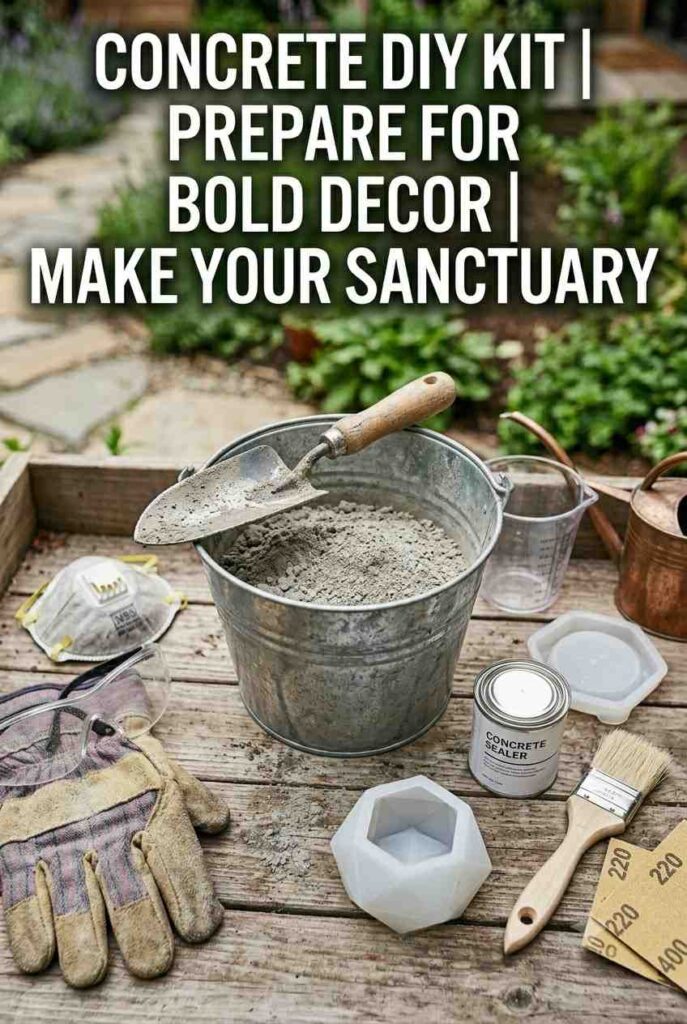
Most concrete diy projects require basic tools rather than a full workshop. You will need a mixing bucket or wheelbarrow, a sturdy trowel, gloves, eye protection, a dust mask or respirator suitable for fine dust, measuring water, molds or form boards, release oil, sandpaper, and a sealer. A rubber mallet or orbital sander can help vibrate the form and bring air bubbles to the surface.
Choose the mix based on the project. Fine concrete or countertop mix works better for smooth decor pieces. Standard concrete mix is better for stepping stones, posts, larger planters, and outdoor items. Fast-setting mixes can be helpful for posts or quick repairs, but they are less forgiving for decorative work because they shorten your working time. For detailed pieces, slower-setting mixes usually give cleaner results.
Safety First: Dust, Skin, Weight, and Workspace
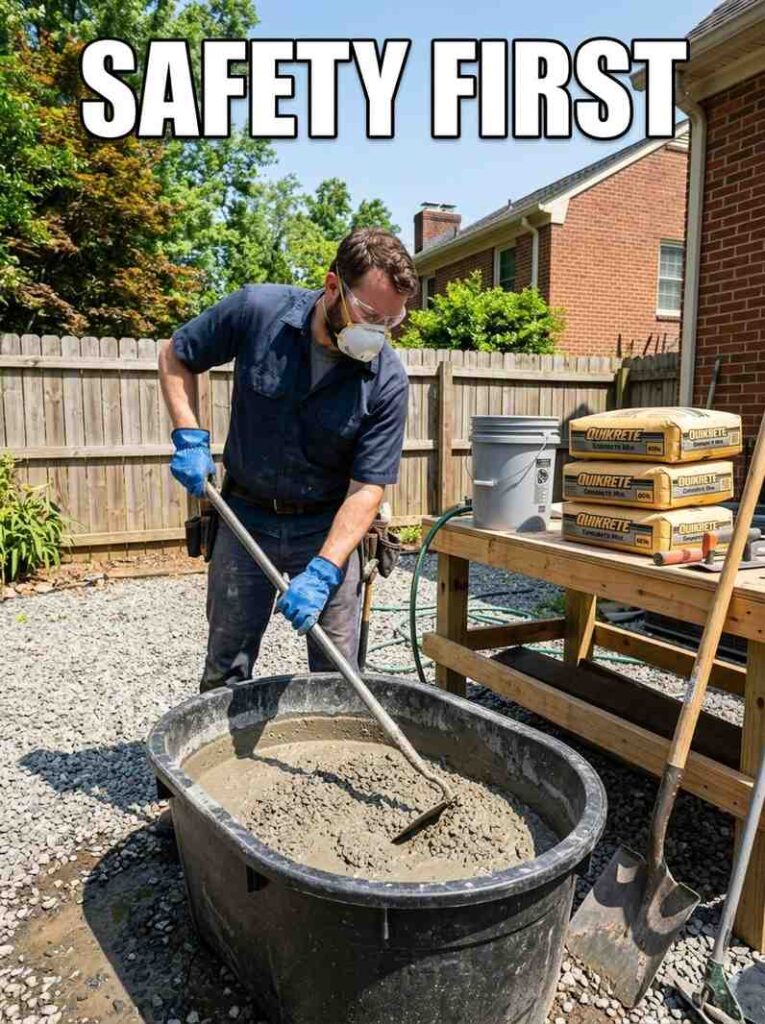
Safety is not the exciting part of concrete diy projects, but it is one of the most important. Dry concrete and cement-based products can create fine dust that should not be inhaled. Mix outdoors or in a well-ventilated area, pour dry material slowly, and avoid sweeping dust into the air. If you cut, grind, or sand cured concrete, use wet methods or dust control whenever possible.
Wet concrete can irritate skin, so wear gloves, long sleeves, and eye protection. Keep children and pets away from the work area. Also, plan for weight. Concrete gets heavy quickly, especially in large molds. Build projects close to where they will cure, use help when moving pieces, and do not demold large items onto weak tables or unstable surfaces. A safe setup makes the project calmer and cleaner.
For indoor surfaces, shelves, and countertop styling, explore our kitchen inspiration design guide before choosing a concrete finish.
15 Concrete DIY Projects to Try at Home
The following concrete diy projects are chosen for usefulness, style, and realistic difficulty. Some are ideal for a first weekend project, while others are better after you have practiced with smaller molds. Each idea can be adjusted with color, texture, shape, or finish, so the final piece suits your home instead of looking like a copy of someone else’s project.
1. Modern Concrete Planters
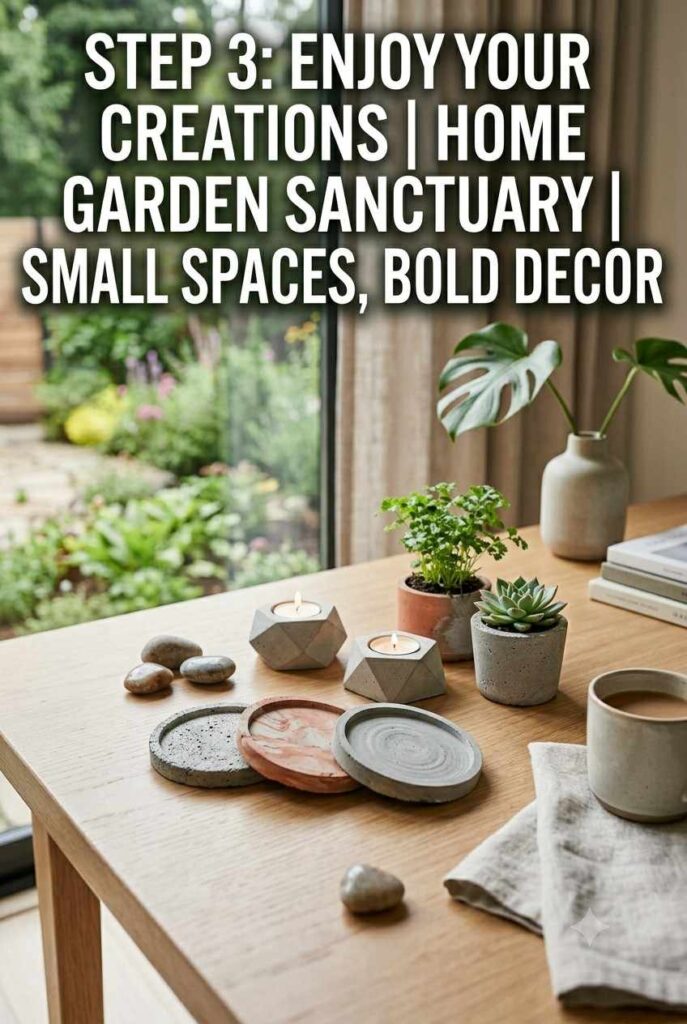
Concrete planters are a perfect starting point because they combine function and style. Use two containers as molds: one for the outside shape and one smaller container to create the planting space. Add drainage holes with short pieces of straw, dowels, or tubing before the concrete sets. Once cured, sand the rim and seal the outside if you want a cleaner finish.
Small planters work well for succulents, herbs, and entryway displays. Larger planters need thicker walls and careful curing because they carry soil and water. If you want a warmer look, stain the outside, paint only the lower half, or pair the planter with wood stands. Among concrete diy projects, planters offer one of the best balances of beauty, usefulness, and beginner-friendly technique.
2. Garden Stepping Stones
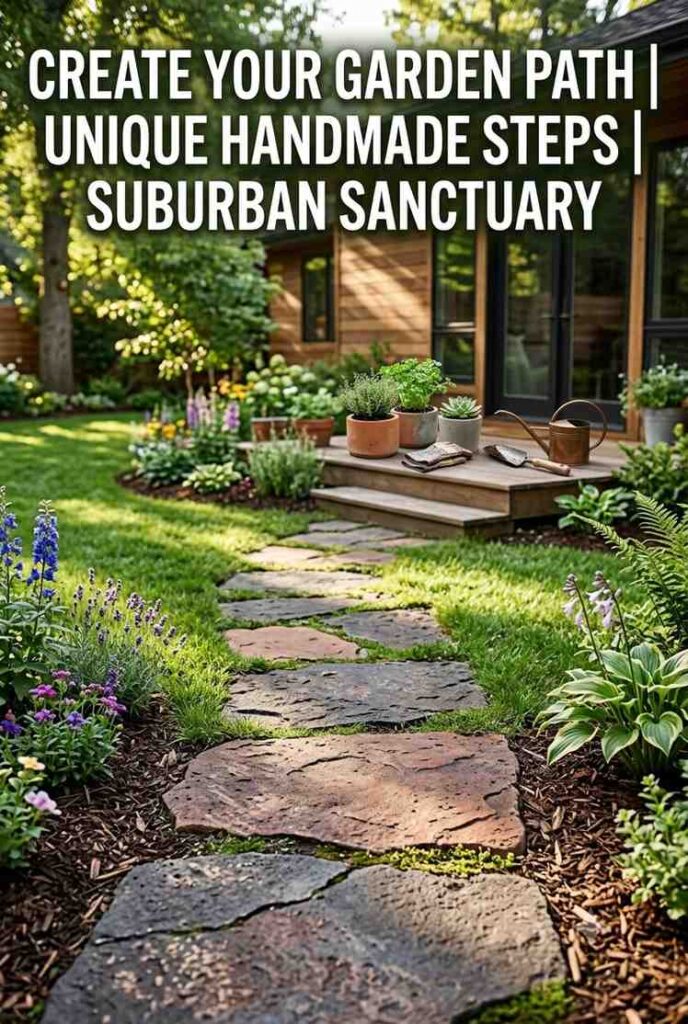
Stepping stones are practical for gardens, side yards, and muddy paths. Use round pans, square molds, or custom wood forms. Press leaves, stones, tile pieces, shells, or textured mats into the surface while the concrete is still workable. Keep the top flat enough for safe walking, and avoid sharp decorations where bare feet may step.
For outdoor paths, base preparation matters. Set each stone on compacted soil, sand, or gravel so it does not wobble. Leave enough spacing for a natural walking stride. These concrete diy projects are especially useful because they improve both appearance and movement through a yard. They also allow creative details without needing advanced carpentry or finishing skills.
3. Concrete Coasters and Trays
Coasters and trays are small, low-risk pieces that teach control. Silicone molds work well because they release cleanly and create smooth edges. You can add pigment, press in simple patterns, or leave the surface plain for a minimal look. A thin cork pad underneath protects tables and gives the finished piece a softer touch.
Trays can hold candles, keys, jewelry, soap, or coffee items. Keep them shallow so they do not become too heavy. Seal the surface to reduce staining, especially if the piece will be used near drinks, oils, or bathroom products. These small concrete diy projects are also good for testing colors and finishes before trying a larger item.
4. Outdoor Concrete Fire Bowl
A small concrete fire bowl can become a strong focal point for a patio table. It usually requires two nesting bowls as molds and a heat-safe insert or a proper fire-rated setup for the burning area. Because heat can damage ordinary concrete, do not treat this as a casual craft. Use suitable materials, keep flames controlled, and place the bowl on a fire-safe surface.
This project is best for homeowners who enjoy decorative outdoor pieces but still respect safety. Keep it small, stable, and away from overhanging fabrics or plants. If you are unsure about fuel type or heat resistance, choose a candle bowl instead. It gives a similar glow with much lower risk and fewer technical demands.
5. Concrete Side Table or Stool
A concrete side table can look expensive even when made from simple forms. One common method uses a bucket as the mold and wooden dowels or legs inserted while the concrete is still wet. Another method casts a round top separately and attaches it to a wood or metal base after curing. Keep the size modest so the finished piece can be moved.
These concrete diy projects require more planning than planters because balance matters. The base must be level, the legs must be evenly spaced, and the top must cure long enough before use. A sealed concrete top pairs beautifully with outdoor seating, indoor reading corners, or a porch chair that needs a sturdy place for coffee.
6. Concrete Lamp Base
A concrete lamp base brings texture to a bedroom, office, or living room. Use a plastic container, cardboard tube, or custom mold to cast the base. Plan the cord path before pouring by inserting a tube or channel that can be removed later. Keep the design wide enough to prevent tipping once the lamp hardware is installed.
Electrical parts should be handled carefully. If you are not comfortable wiring a lamp, use a ready-made lamp kit or ask someone experienced to help. The concrete part itself is straightforward, but the finished lamp must be safe. This is one of the more polished concrete diy projects because it turns a rough material into something refined and useful.
7. Concrete House Numbers
Concrete house numbers can upgrade curb appeal without a major renovation. Cast a rectangular plaque and attach metal numbers after curing, or press number molds into the surface for a recessed look. Keep the plaque large enough to read from the street and choose a contrast between the numbers and the concrete background.
Mounting is important. Use appropriate anchors for brick, siding, wood, or masonry, and make sure the plaque is not too heavy for the surface. A matte sealer helps protect the piece from rain and sun. This project works well for modern, farmhouse, industrial, and minimalist homes because concrete sits quietly beside many exterior materials.
8. Concrete Garden Edging
Concrete garden edging creates clean lines between lawn, mulch, gravel, and planting beds. Small poured sections can be made with flexible edging forms, while precast blocks can be made in repeated molds and installed after curing. The advantage of precast edging is control. You can make pieces slowly and replace one if it chips.
This type of project improves maintenance as well as appearance. Clear borders help keep mulch in place and make trimming easier. For curved beds, use shorter pieces or flexible forms. Among outdoor concrete diy projects, edging is one of the most practical because it solves a real landscaping problem while giving the yard a finished shape.
9. Concrete Birdbath
A concrete birdbath can be simple, sculptural, and garden-friendly. Use a shallow bowl mold for the basin and a stable base such as a cast pedestal, stacked pavers, or a repurposed stand. Keep the basin shallow and textured enough for birds to stand safely. Avoid paints or sealers inside the water area unless they are clearly safe for that use.
Placement matters. Put the birdbath where it can be cleaned easily and where birds have nearby cover. Concrete holds up well outdoors, but standing water, freezing temperatures, and soil movement can affect it over time. A removable basin is easier to maintain than a fully fixed design.
10. Concrete Paver Bench
A paver bench is a smart way to use ready-made concrete pieces without pouring a large slab. Concrete blocks or pavers can support a wood seat, creating a strong outdoor bench for a garden, porch, or fire pit area. Use construction adhesive where appropriate and choose weather-resistant wood for the seat.
This project is good for people who want the look and durability of concrete without complicated forms. It is also easier to adjust than a fully cast bench. Make sure the bench is level and stable before use. These concrete diy projects can be customized with stained wood, painted blocks, or built-in planter sections at each end.
11. Concrete Desktop Organizer
A small desktop organizer can hold pens, clips, phone cables, or small tools. Use cardboard tubes, small cups, or silicone molds to create compartments. Keep the base thick enough to prevent cracking, and smooth the edges after demolding. Felt pads underneath will protect the desk surface.
This is a good indoor project because it uses little material and can be finished in many ways. Leave it gray for a studio look, add black pigment for a dramatic office accessory, or paint small geometric sections. Concrete diy projects do not always need to be large to feel satisfying. Sometimes the best upgrade is a small object used every day.
12. Concrete Candle Holders
Concrete candle holders are easy to personalize. Use small containers as molds and press tea lights, taper candle forms, or glass inserts into the wet mix. Remove the insert carefully after the concrete has firmed, or leave a heat-safe glass cup in place. Smooth the base so the holder sits flat.
These pieces work well on dining tables, bathroom shelves, patios, and mantels. Keep the design low and stable. If using real candles, protect nearby surfaces from heat and wax. For a softer option, use battery candles. This is one of the simplest concrete diy projects for testing color, texture, and mold shapes.
13. Concrete Outdoor Tabletop
A concrete tabletop can give an old patio base a new life. Build a strong melamine or sealed wood form, reinforce the slab if needed, and keep the thickness appropriate for the span. The form must be level because the finished top will copy every slope and corner. After curing, sand the edges and seal the surface.
This project is not difficult in concept, but it is heavy and requires patience. Plan how you will lift and install the tabletop before pouring. Concrete tabletops look excellent with metal legs, wood frames, or simple block supports. They are best for homeowners who have already completed a few smaller projects and understand curing time.
14. Painted Concrete Patio Refresh
Not every concrete project requires pouring new material. An existing patio, porch, or walkway can be cleaned, repaired, and painted with a suitable concrete coating. Stencils, borders, and soft geometric patterns can make old concrete feel fresh. Surface preparation is the key. Paint will not last well on dirty, damp, peeling, or poorly repaired concrete.
This approach is useful when the slab is structurally sound but visually tired. It can brighten a rental-friendly outdoor corner, define a dining area, or create the look of tile without laying tile. For homeowners who want visible change without heavy lifting, this is one of the most approachable concrete diy projects.
15. Concrete Wall Shelf or Ledge
A slim concrete shelf or ledge can work in an entryway, bathroom, kitchen, or outdoor wall. Keep the shelf small and use strong brackets rated for the weight. Concrete is heavier than wood, so mounting must be planned carefully. A thin shelf may need reinforcement or a high-strength mix to reduce cracking.
This project suits modern interiors because concrete pairs well with white walls, black metal, wood, glass, and greenery. Use it for small plants, keys, candles, or display objects rather than heavy storage. If you want the look without much weight, cast a thinner decorative ledge and support it fully from below.
Finishing Techniques That Make Concrete Look Better
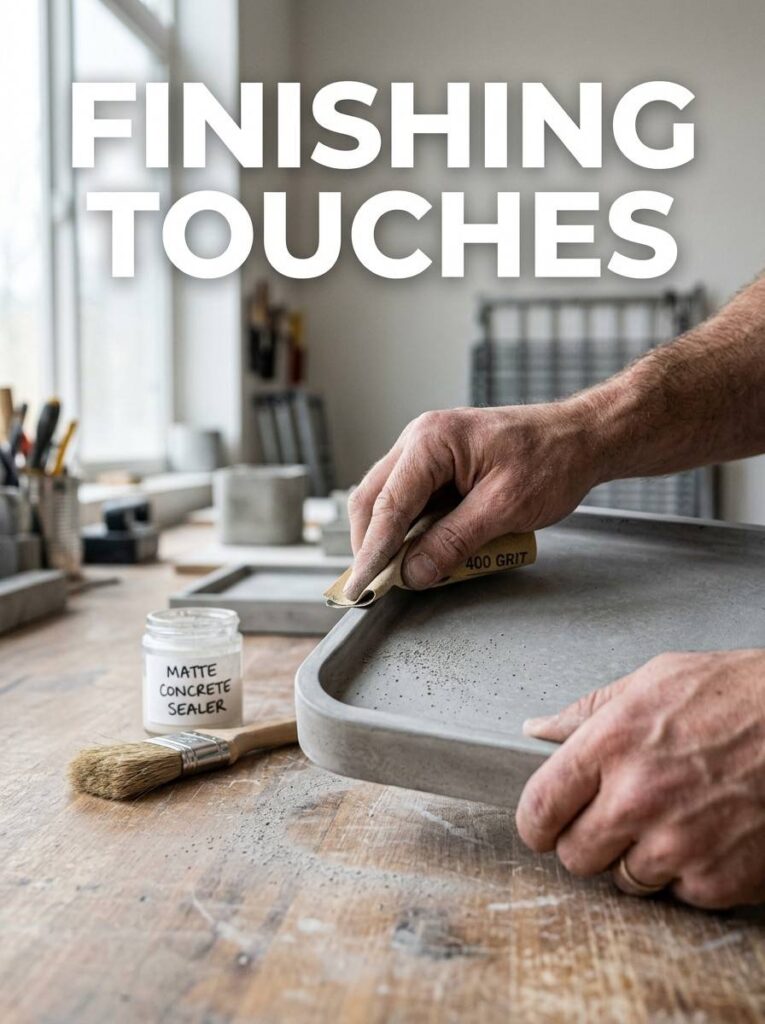
Concrete diy projects look more professional when the finish is intentional. Sand rough edges with appropriate sandpaper, starting with a coarser grit and moving to a finer one. Fill small holes with a cement slurry if you want a smoother surface, or leave bubbles visible for a handmade look. The right choice depends on the style of the room or garden.
Color can be added with concrete pigment, stains, paint, or surface treatments after curing. Sealers help reduce stains and moisture absorption, especially on planters, trays, tabletops, and outdoor pieces. Choose matte sealer for a natural look and gloss sealer for a polished effect. Always let the concrete cure properly before sealing, because trapped moisture can cause cloudy finishes or poor adhesion.
Curing: The Step Many People Rush
Curing is the slow strengthening process after concrete sets. It is not the same as drying. Concrete needs moisture for the cement hydration process, which helps it gain strength and reduce cracking. Small decor pieces may feel hard after a day, but that does not mean they are ready for rough handling, sealing, freezing weather, or heavy loads.
For many home projects, keep the piece slightly moist and protected during early curing. Cover it with plastic, avoid direct hot sun, and do not place it in strong wind. Warm, dry, or windy conditions can pull moisture out too quickly. Patience matters here. A project that sits quietly for several days often becomes stronger and cleaner than one that is demolded and used too soon.
Common Mistakes to Avoid
Failed concrete diy projects usually come from rushing, weak forms, too much water, poor curing, or unrealistic project size. A mold that leaks will ruin clean edges. A mix that is too wet may look easy to pour but can cure more weakly. A piece moved too soon can crack from its own weight. These problems are common, but they are avoidable.
Another mistake is ignoring drainage. Planters need drainage holes, outdoor pieces need stable bases, and patio updates need water to move away from the house. Concrete is strong, but it is not magic. It still responds to water, temperature, weight, and movement. Think like a builder before you decorate like a designer, and the final piece will last longer.
Seasonal Tips for USA Homeowners
For USA homeowners, concrete diy projects are easiest in mild weather. Spring and fall often provide better working conditions than extreme summer heat or freezing winter days. Hot weather can make concrete lose moisture too fast, while cold weather can slow curing and create problems if the material freezes before it develops strength. Work in shade when needed and protect pieces from sudden weather changes.
Outdoor projects also need local awareness. A patio piece in Arizona faces different stress than a planter in Minnesota or a stepping stone in Florida. Sun, freeze-thaw cycles, humidity, soil movement, and rainfall all affect long-term performance. Use sealers, bases, drainage, and curing habits that match your climate. A little planning helps concrete survive real outdoor life.
If you are planning warm-weather upgrades, pair these concrete projects with our summer diy ideas for patios, porches, and garden corners
How to Choose the Right Project for Your Home
The best project is not always the biggest one. Choose based on what your home actually needs. If your porch feels empty, start with planters. If your garden path turns muddy, make stepping stones. If your patio table is worn, consider a concrete top. If your desk is cluttered, make an organizer. Useful projects are more satisfying because you interact with them after the weekend ends.
Style matters too. Concrete can feel cold if used without balance. Pair it with wood, plants, warm lighting, woven textures, brass, black metal, or soft fabrics. In a kitchen, it can add a clean, modern note. In a garden, it can ground colorful plants. In a bathroom, it can bring a spa-like texture. Good design is not about using more concrete; it is about using it where it belongs.
For more home and outdoor styling guides, visit outinteriors to find practical ideas for every living space.
Conclusion:
Concrete diy projects are a practical way to improve your home with durable, custom pieces that feel personal. Start small, learn how the mix behaves, respect curing time, and choose projects that match your skill level. Once you understand the basics, concrete becomes less intimidating and more creative.
Whether you make planters, stepping stones, candle holders, a bench, or a tabletop, the process teaches patience and precision. The final result can be simple, strong, and surprisingly beautiful. With the right tools, safe habits, and thoughtful design, concrete can become one of the most rewarding materials in your home improvement toolkit.
Frequently asked questions About Concrete DIY Projects
What are the easiest concrete diy projects for beginners?
The easiest projects are small planters, coasters, candle holders, trays, and simple stepping stones. These items use less material, cure faster than large pieces, and do not need complex reinforcement. They also allow small imperfections to look natural. Beginners should use simple molds, follow bag instructions carefully, and wait long enough before demolding.
Can I use regular concrete mix for small crafts?
You can use regular concrete mix for some small items, but it may look rough because it contains larger aggregate. For detailed molds, smooth trays, coasters, and small decor, a finer concrete or cement-based craft mix usually gives cleaner results. Standard mix is better for stepping stones, outdoor bases, larger planters, and heavier garden pieces.
How long should concrete cure before I use it?
Concrete may become firm within a day, but firm does not mean fully ready. Many small pieces should cure for several days before sealing or heavy use. Larger or load-bearing pieces need more time. Keep early curing moist and protected from heat, wind, and freezing conditions. When in doubt, wait longer rather than using the piece too soon.
Do concrete planters need drainage holes?
Yes, most concrete planters need drainage holes unless they are used only as decorative cachepots with a separate nursery pot inside. Without drainage, water can collect around plant roots and cause problems. You can create holes by placing straws, tubing, or small dowels in the mold before pouring, then removing them after the concrete firms.
Can concrete projects stay outside all year?
Many concrete projects can stay outdoors, but climate matters. Freeze-thaw cycles, standing water, soil movement, and direct sun can affect durability. Use proper curing, seal outdoor pieces when appropriate, and make sure planters and stepping stones drain well. In very cold regions, delicate thin pieces may last longer if protected during winter.
Should I seal every concrete project?
Not every project must be sealed, but sealing is helpful for items exposed to water, soil, food stains, oils, or outdoor weather. Planters, tabletops, trays, and patio pieces often benefit from a sealer. Choose the sealer based on use. Decorative pieces may only need a matte finish, while tabletops may need stronger stain resistance.
Why did my concrete project crack?
Cracks can happen from too much water, weak forms, moving the piece too early, poor curing, thin sections, or lack of reinforcement in larger projects. Concrete also shrinks slightly as it cures. To reduce cracking, use the correct water amount, keep the piece moist during early curing, avoid extreme temperatures, and design larger pieces with enough thickness and support.