Modern 22 Living Room Interior Ideas to Transform Your Space in 2026
Your living room works harder than almost any other room in the house. It hosts movie nights, morning coffee, homework at the coffee table, and the occasional impromptu dance party. Yet it’s easy to let the space stagnate with furniture you bought years ago and decor that no longer fits your life. Redesigning doesn’t have to mean gutting the room and starting over; often, a handful of well-chosen updates can shift how a space feels far more than a full renovation would.
That’s the idea behind this list. These living room interior ideas cover everything from layout and color to lighting, storage, and budget-friendly upgrades, so you can refresh your space one thoughtful change at a time instead of starting from zero. Whether you’re working with a sprawling open-plan living room, a rental you can’t renovate, or a compact city apartment, there’s a practical idea here you can put into action this weekend, along with a few longer-term projects worth planning around.
Before You Redesign: Plan Your Layout First
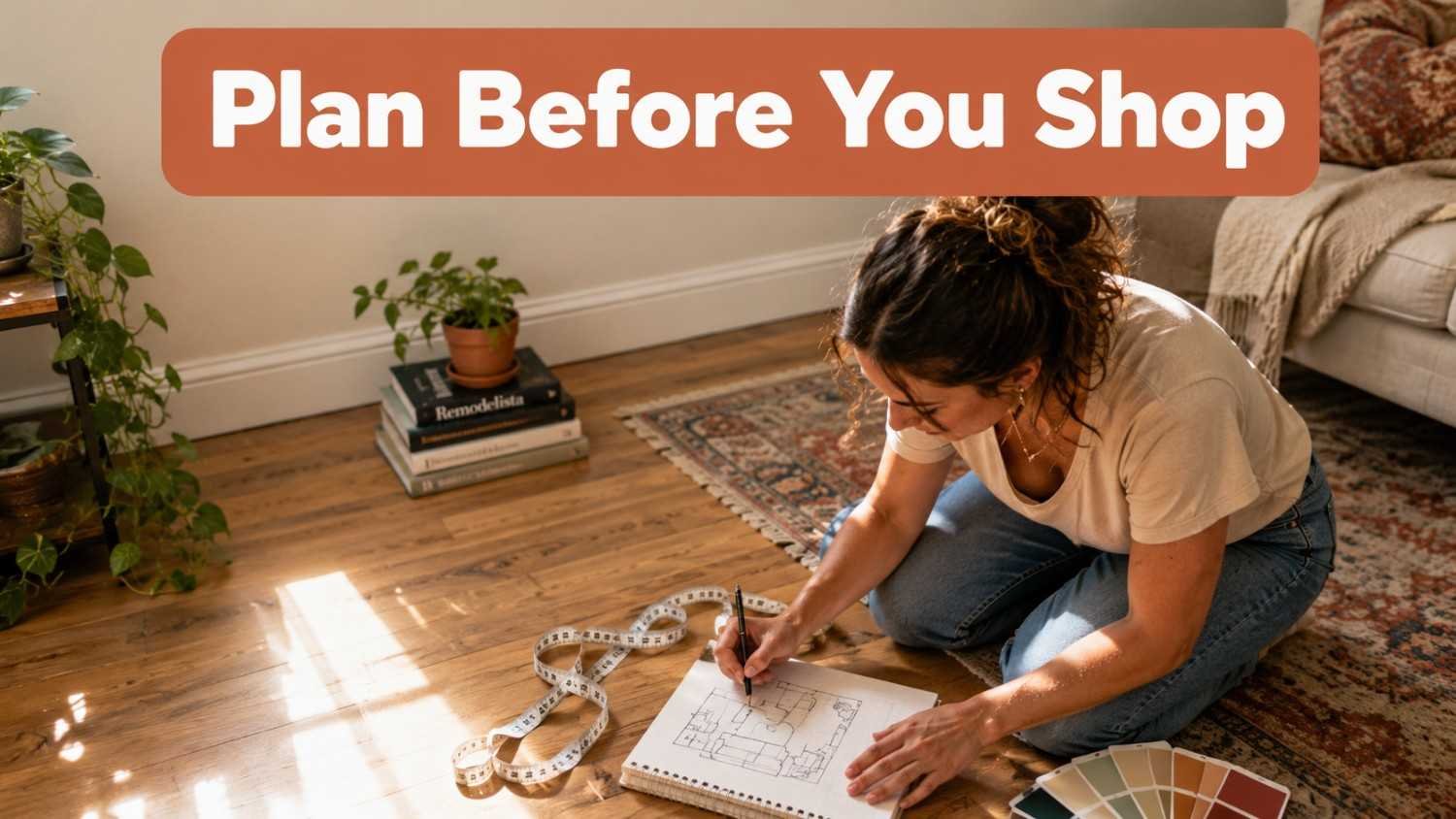
Before buying anything new, measure your room and sketch a rough floor plan. Note where windows, doors, and outlets fall, since these details shape every layout decision that follows. Think about how the room is actually used day to day — is it mostly for hosting, for a home office overflow, or for winding down after work — and let that answer guide which ideas below you tackle first. A little planning now saves money and returns later, and it keeps you from buying a sofa that looks great in a showroom but blocks the one pathway you use every day.
If you’re refreshing more than one room this season, keep the design story consistent throughout the house. Our upstairs hallway ideas guide helps the transition from stairs to living space feel intentional rather than accidental, and our kitchen colors ideas article pairs naturally with an open-concept living room refresh.
Living Room interior Ideas for Every Style and Budget
Here are 22 interior living room ideas organized by category, so you can jump straight to the section that matches your current project.
Smart Layout & Furniture Arrangement
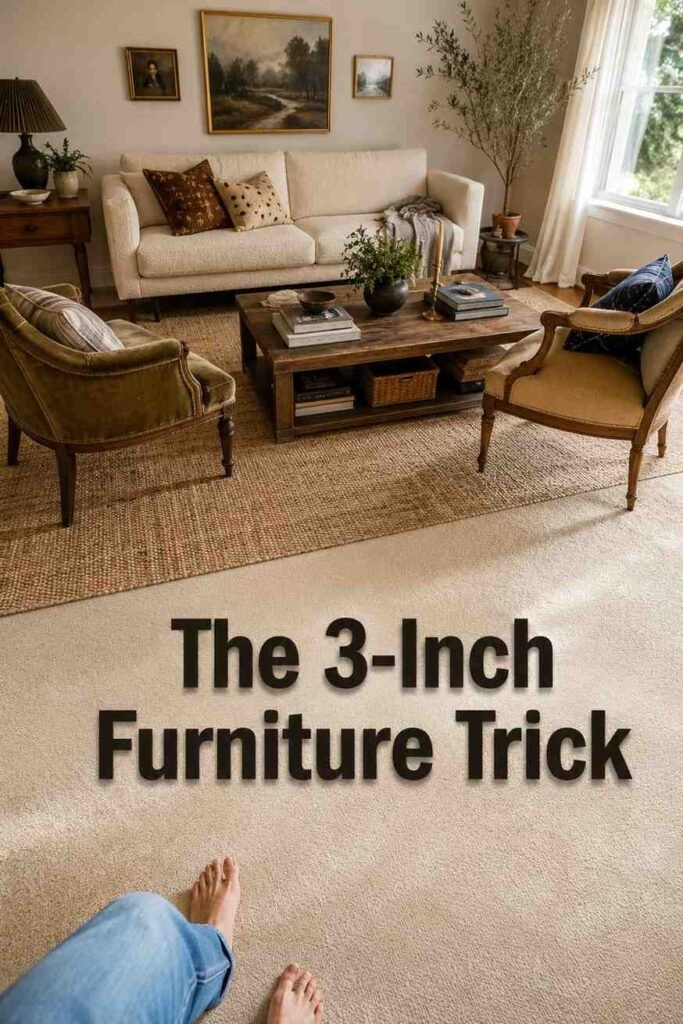
1. Float your furniture. Pulling sofas and chairs a few inches from the wall instantly makes a room feel more considered and creates natural walkways.
2. Anchor the space with a properly sized rug. A common mistake is choosing a rug too small for the seating area; aim for at least the front legs of every piece to rest on it.
3. Build multiple functional zones, such as a reading corner near a window separate from the main seating and TV area, especially useful in open-concept homes. For more room-by-room inspiration once your plan is set, browse OutInteriors for additional guidance on tying every space together.
Color Palettes That Set the Mood
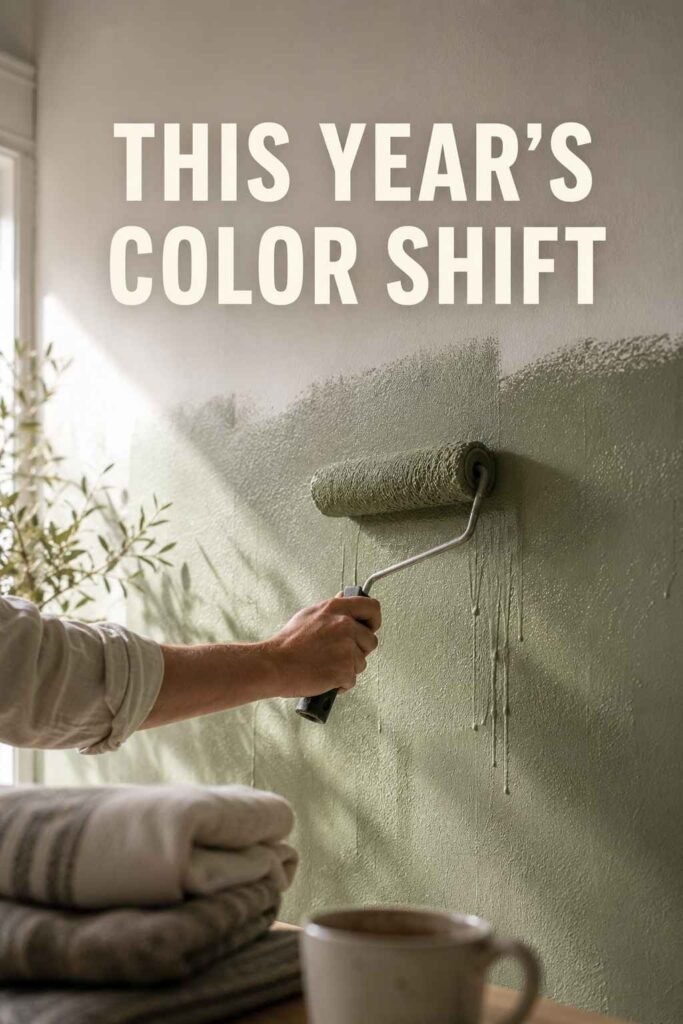
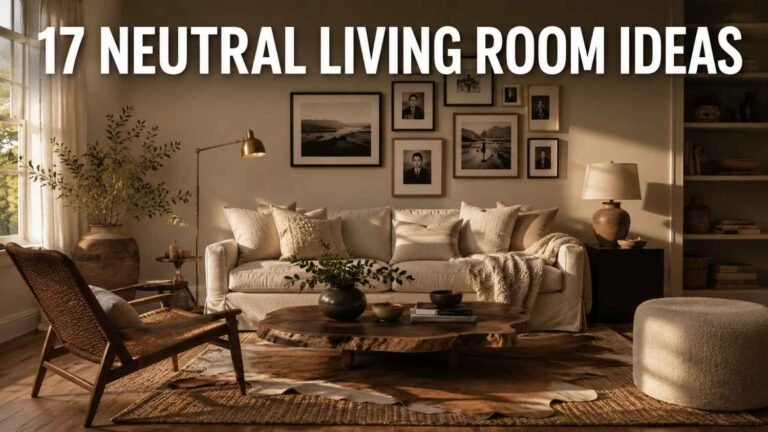
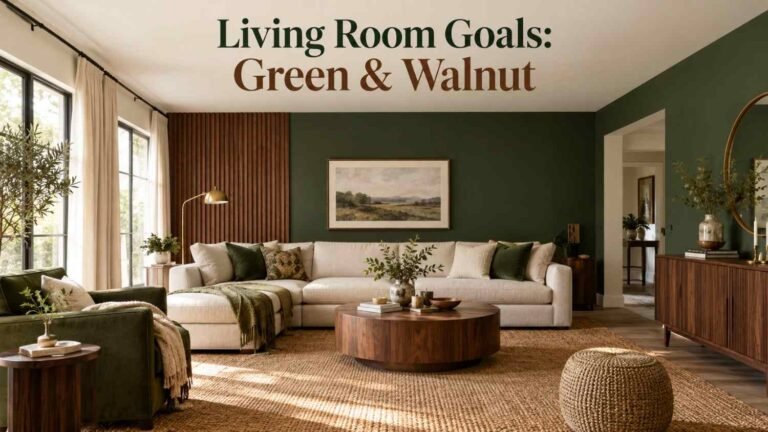
4. Choose warm, nature-inspired neutrals like dusty green, ochre, or soft blue instead of stark white-on-white schemes, which many designers now consider dated.
5. Try a tonal, monochrome palette in varying shades of one color family for a calm, cohesive look that photographs beautifully.
6. Commit to a single bold accent wall rather than saturating the whole room in a bright hue; this keeps the space livable while still making a statement.
Lighting Layers That Do More
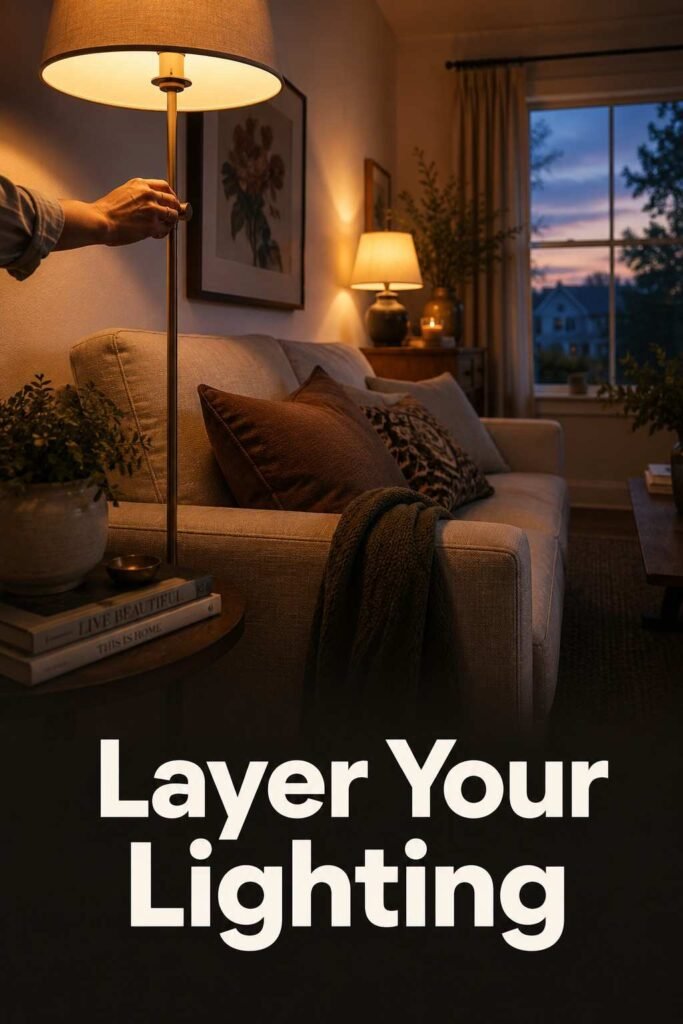
7. Layer three types of lighting — ambient, task, and accent — instead of relying on one overhead fixture, which tends to flatten a room.
8. Add a sculptural floor lamp or statement pendant as a focal point that doubles as functional lighting after dark.
9. Install dimmers and switch to warmer bulb temperatures around 2700K, which instantly makes evenings feel more relaxed and intentional.
Textiles & Comfort Upgrades
10. Mix textures deliberately, pairing a bouclé chair with a linen sofa and a velvet cushion so the room feels layered rather than matchy.
11. Curate your throw pillows carefully. A handful of well-chosen pillows reads as styled; a couch buried in a dozen mismatched ones reads as cluttered.
12. Hang curtains higher and wider than the window frame to visually raise ceilings and let in more natural light when they’re open.
Storage & Organization Solutions
13. Add built-in or vintage-style shelving to display books and objects while keeping the floor plan clear.
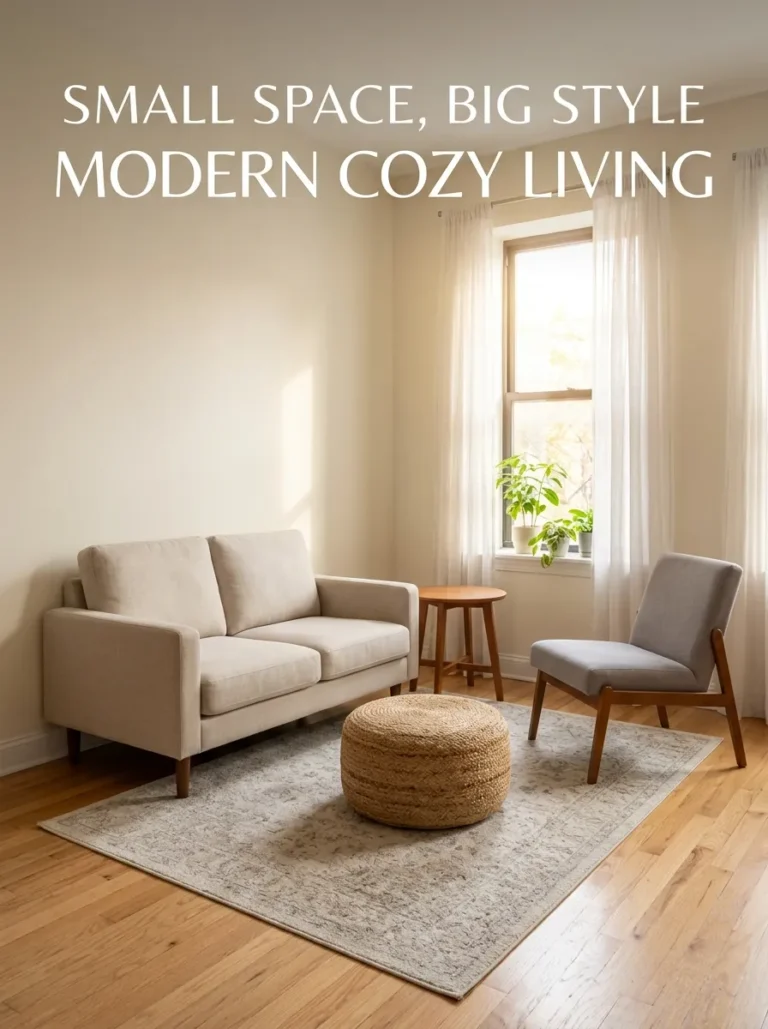
14. Choose multi-functional furniture with hidden storage, like a coffee table with a lower shelf or an ottoman that opens up, particularly useful in smaller living rooms where every piece needs to earn its place.
Wall Decor & Personal Touches
15. Build a gallery wall that tells a story — mix family photos, art prints, and small mirrors rather than uniform framed prints from a single set.
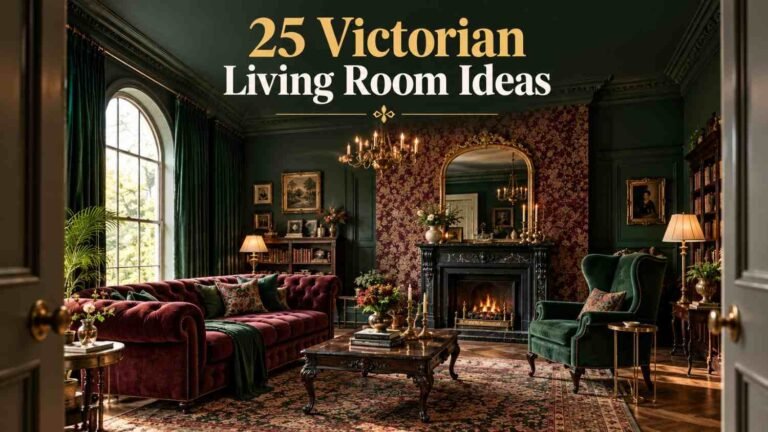
16. Highlight architectural details like an archway, picture-rail moulding, or an original fireplace surround, which grounds the room and adds character without added cost.
17. Hang an oversized mirror opposite your main window to bounce natural light across the room and make it feel noticeably larger.
Small Space & Budget-Friendly Solutions
18. Maximize vertical space in a small living room with tall, narrow bookcases or wall-mounted shelving that draws the eye upward instead of crowding the floor.
19. Refresh on a real budget by repainting trim, swapping cabinet or media console hardware, and sourcing one or two secondhand statement pieces instead of replacing everything new.
20. Choose furniture that folds, nests, or converts, such as a nesting side table set or a daybed that doubles as guest seating, ideal for studio and one-bedroom layouts.
Sustainable & Pet-Friendly Choices
21. Pick durable, easy-clean fabrics like performance weave or leather if you share your living room with pets or kids, so the space stays functional as well as good-looking.
22. Favor sustainable materials, including reclaimed wood, FSC-certified frames, and vintage or secondhand furniture, which reduces waste and often brings more character than anything off a factory floor.
Common Living Room Design Mistakes to Avoid
A few habits quietly undercut even the best interior living room ideas. Undersized rugs are the most common offender, leaving furniture looking like it’s floating in the middle of an empty raft. Matching furniture sets bought all at once from a single collection can flatten a room’s personality, since nothing looks collected or lived-in. Ignoring scale is another frequent issue — an oversized sectional can overwhelm a small room, while tiny accent chairs get visually lost in a large one. Finally, skipping lighting layers in favor of one bright overhead fixture leaves most living rooms feeling closer to an office than a place to relax. Catching these mistakes early saves both money and a second round of shopping.
Frequently Asked Questions
What is the most popular interior design style for living rooms right now?
Transitional design, which blends traditional shapes with modern, neutral backdrops, has become one of the most requested looks. It allows older furniture pieces to sit comfortably alongside newer ones.
How do I make a small living room look bigger?
Float furniture off the walls slightly, use a large mirror to reflect light, keep the color palette tonal, and lean on vertical storage instead of wide, floor-level pieces.
What size rug should I use in a living room?
As a general rule, choose a rug large enough for the front legs of your sofa and chairs to sit on it. This visually anchors the seating area instead of leaving it looking disconnected.
How many throw pillows are too many for a couch?
Most designers suggest three to five pillows per sofa, mixing sizes and textures rather than matching sets, so the couch feels curated instead of overwhelmed.
What colors are trending for living rooms in 2026?
Muted, nature-inspired tones such as dusty green, ochre, warm brown, and soft blue are replacing both stark white schemes and overly saturated brights this year.
How much does it cost to redesign a living room on a budget?
A meaningful refresh is possible for a few hundred dollars by repainting, updating hardware, adding textiles, and sourcing one or two secondhand statement pieces rather than replacing every item.
Should furniture be pushed against the wall?
Not necessarily. Floating pieces a few inches away, especially in larger rooms, creates better traffic flow and a more intentional, conversation-friendly layout.
Final Thoughts on Living Room Interior Ideas
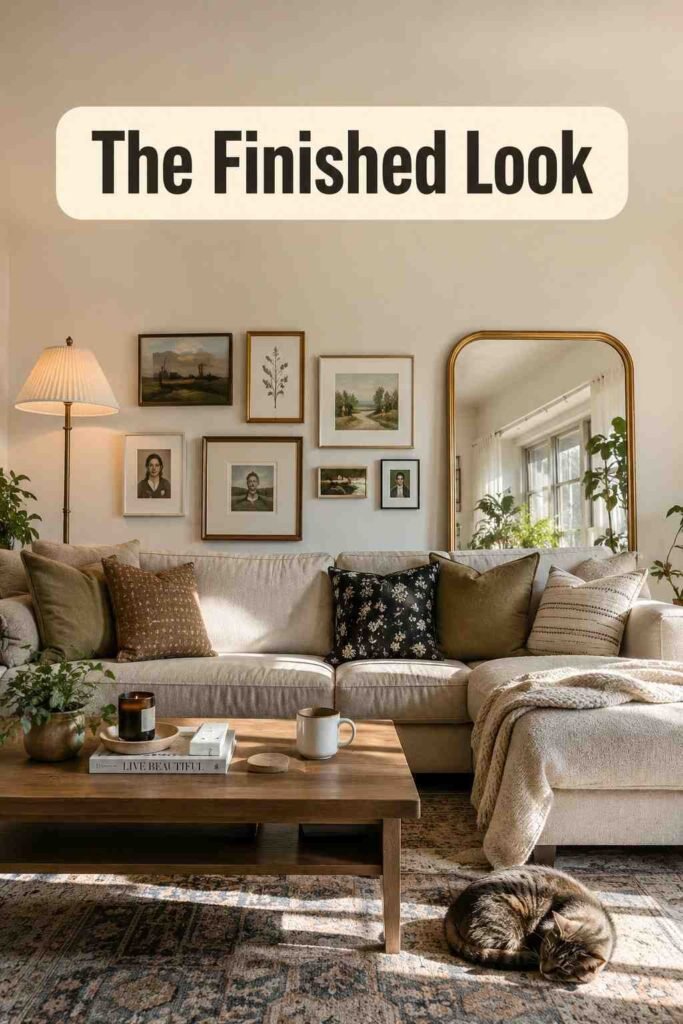
You don’t need a full renovation to make your living room feel new again. Start with one or two changes from this list of interior living room ideas — a better rug, layered lighting, or a single accent wall — and build from there as your budget allows. Treat the list as a menu rather than a checklist; trying to apply all 22 living room ideas at once usually backfires, while pacing yourself over a few months tends to produce a room that actually feels finished.
The best living rooms aren’t the ones that follow every trend at once; they’re the ones that reflect how you actually live, host, and unwind. Pick the ideas that fit your space and your habits, note which ones need saving up for, and let the room evolve naturally over time. A year from now, the small, deliberate choices will likely matter more than any single big purchase.