Soft Organic Home Ideas That Transform Any Space Into a Calm, Grounded Retreat
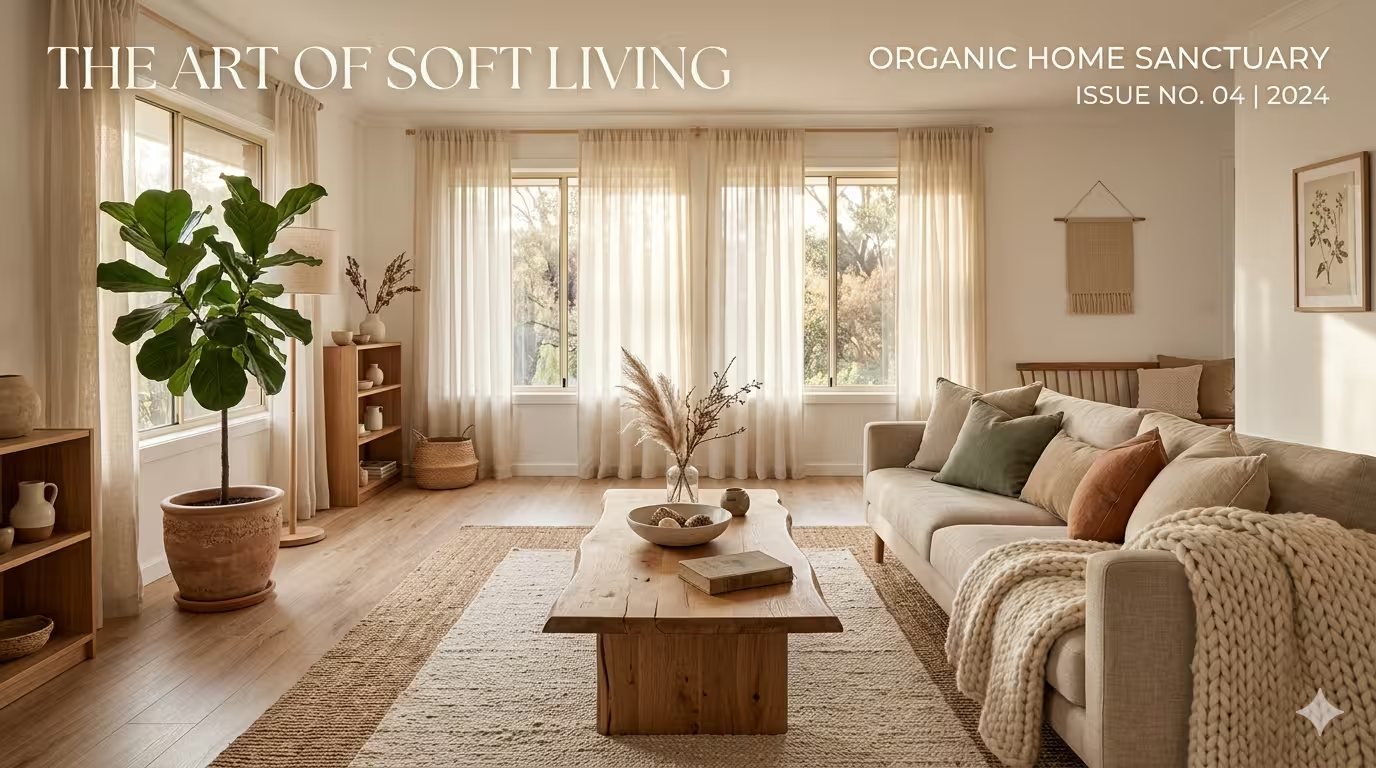
There is something deeply satisfying about walking into a home that feels quiet, warm, and completely at ease. No harsh lines. No cold surfaces. Just the gentle presence of natural materials, muted tones, and textures that invite you to stay. That feeling — that exhale — is exactly what soft organic home ideas are designed to create.
Over the past several years, the organic home aesthetic has moved far beyond a passing design trend. It has become a lifestyle philosophy — one that prioritizes well-being, a connection to nature, and intentional living. Whether you are redesigning an entire house or simply refreshing a single corner, soft organic home ideas offer a timeless framework that works in any space and at almost any budget.
This guide covers everything you need to know: the color palette, the materials, a room-by-room approach, biophilic principles, and the mistakes that quietly undermine the look. By the end, you will have a clear, confident roadmap for building a home that genuinely feels like a sanctuary.
What Exactly Are Soft Organic Home Ideas?
The word “organic” in interior design does not refer only to food certifications or chemical-free products. In the context of home aesthetics, it describes a design language drawn from the natural world — its imperfections, its warmth, and its quiet rhythm.
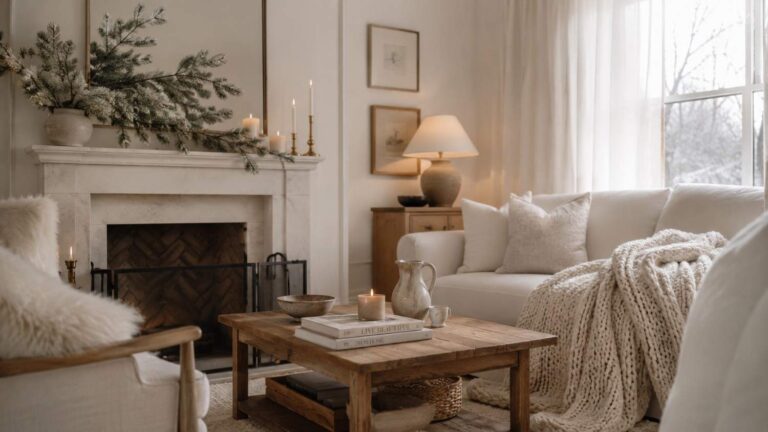
Soft organic home ideas combine natural materials, a muted earthy color palette, loose layering, and a relaxed sense of order. The look is unhurried. It embraces imperfection. A slightly irregular linen cushion, a hand-thrown ceramic mug resting on a wooden counter, a twisted driftwood branch leaning in a corner — these are intentional choices, not oversights. The result is a home that communicates comfort the moment you cross the threshold.
What distinguishes the soft organic style from other nature-inspired aesthetics — like rustic farmhouse or Scandinavian minimalism — is its emphasis on softness. Everything is rounded, warmly layered, and gently imperfect. There are no sharp angles demanding attention, and no glossy surfaces throwing harsh reflections across the room.
The Color Palette: Where Soft Organic Home Ideas Begin
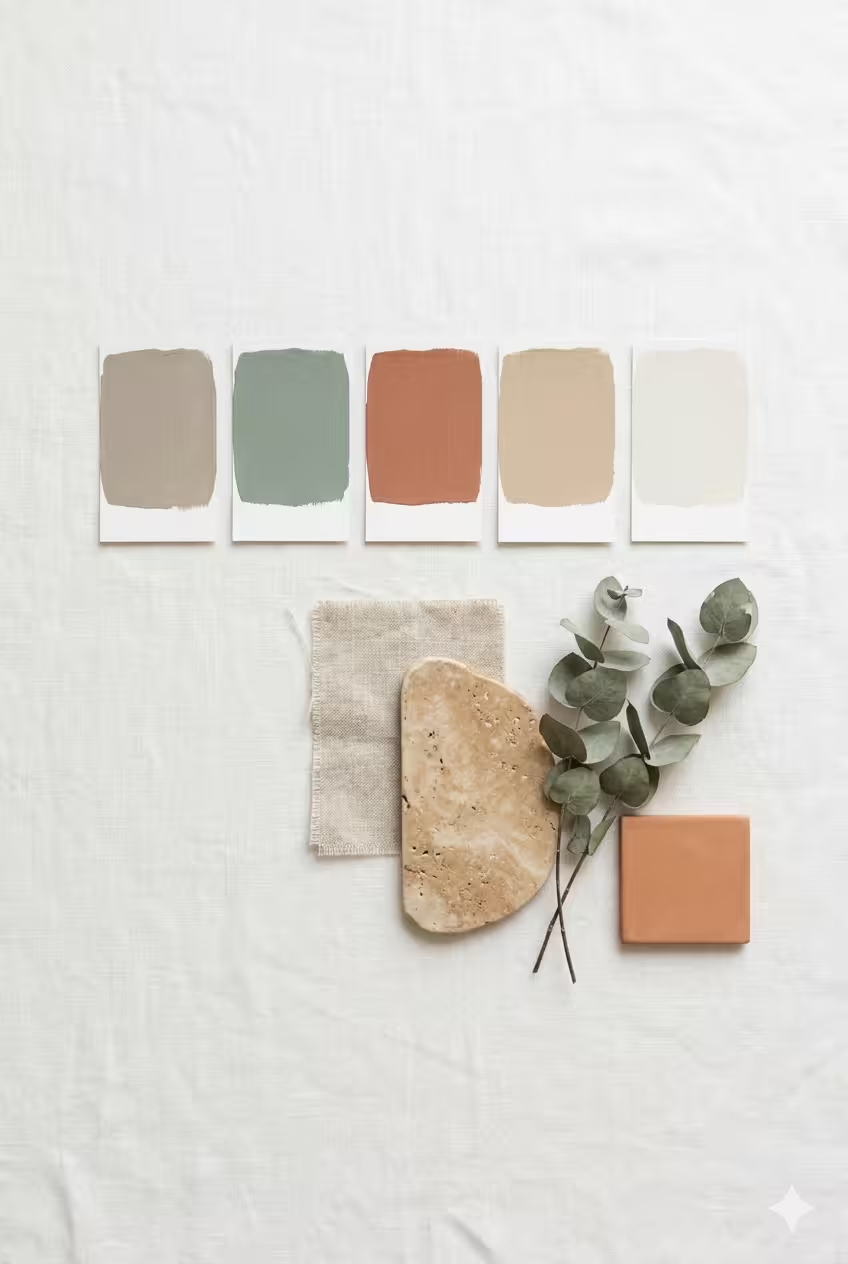
Color is the foundation of any interior transformation. For the organic home aesthetic, the palette mirrors what you encounter on a quiet walk through a forest, along a sandy shoreline, or across a sun-dried meadow. The goal is always harmony over contrast, and warmth over sterility.
Earthy Neutrals, Warm Whites, and Greige
The backbone of soft organic home ideas is a family of warm neutrals. Think raw linen, aged parchment, warm sand, and antique bone. These shades read as “white” at a glance, but they carry undertones of yellow, pink, or warm brown that make them feel alive in natural light rather than clinical.
When selecting paint, study the undertone rather than the top note alone. A warm greige — the beloved grey-beige hybrid — is endlessly versatile and flattering in most lighting conditions. Benjamin Moore’s Pale Oak, Farrow & Ball’s Elephant’s Breath, and Sherwin-Williams’ Accessible Beige are consistently praised by interior designers for shifting beautifully as daylight moves across a room throughout the day.
Muted Greens, Clay Tones, and Dusty Blues
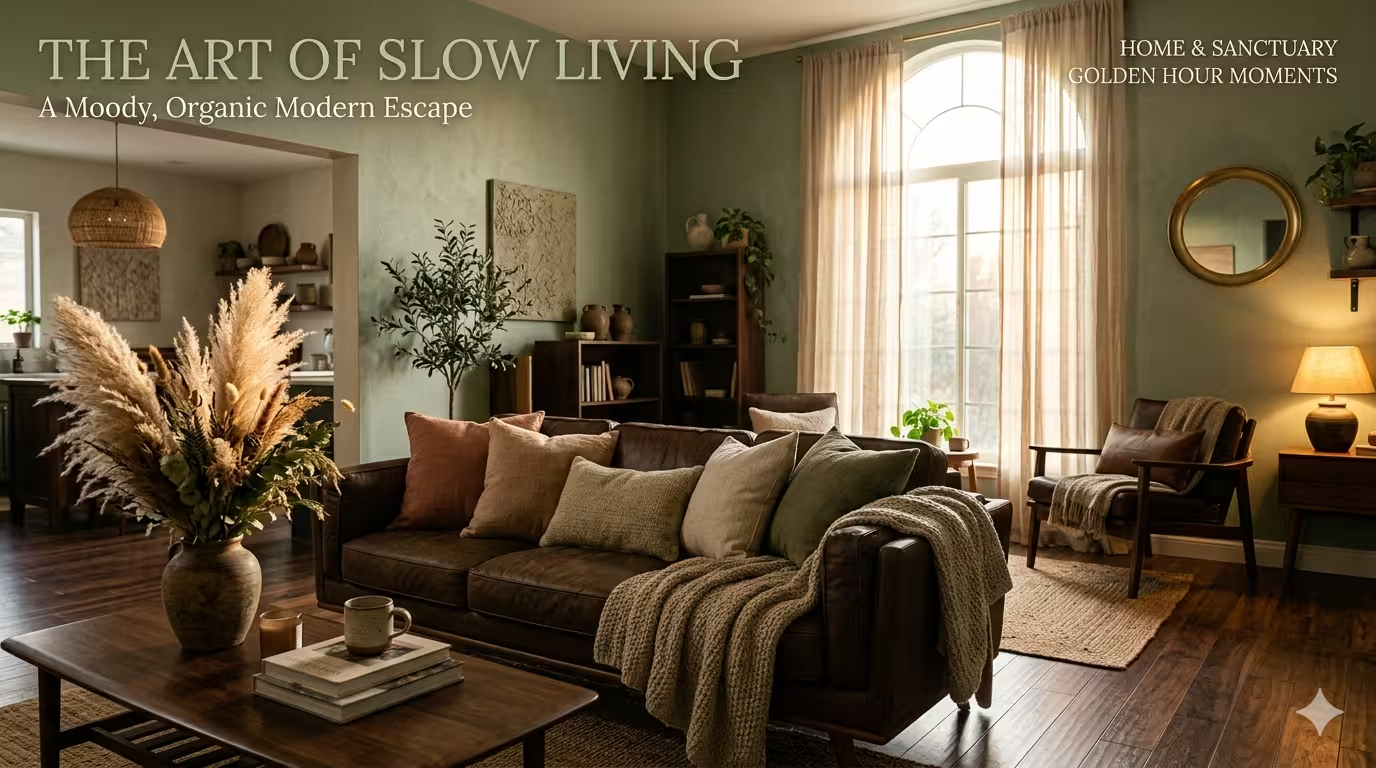
Beyond the neutral base, organic interiors layer in soft, nature-derived hues. Sage green, clay red, dusty cornflower blue, terracotta, and olive are all widely used. These tones work because they are desaturated — they feel more like pigments pulled from soil or weathered moss than anything commercially manufactured.
If greenery appeals to you, exploring dreamy moody sage green home decor ideas can help you build a layered, sophisticated palette that avoids feeling flat or one-dimensional.
Natural Materials and Textures: The Soul of the Organic Home
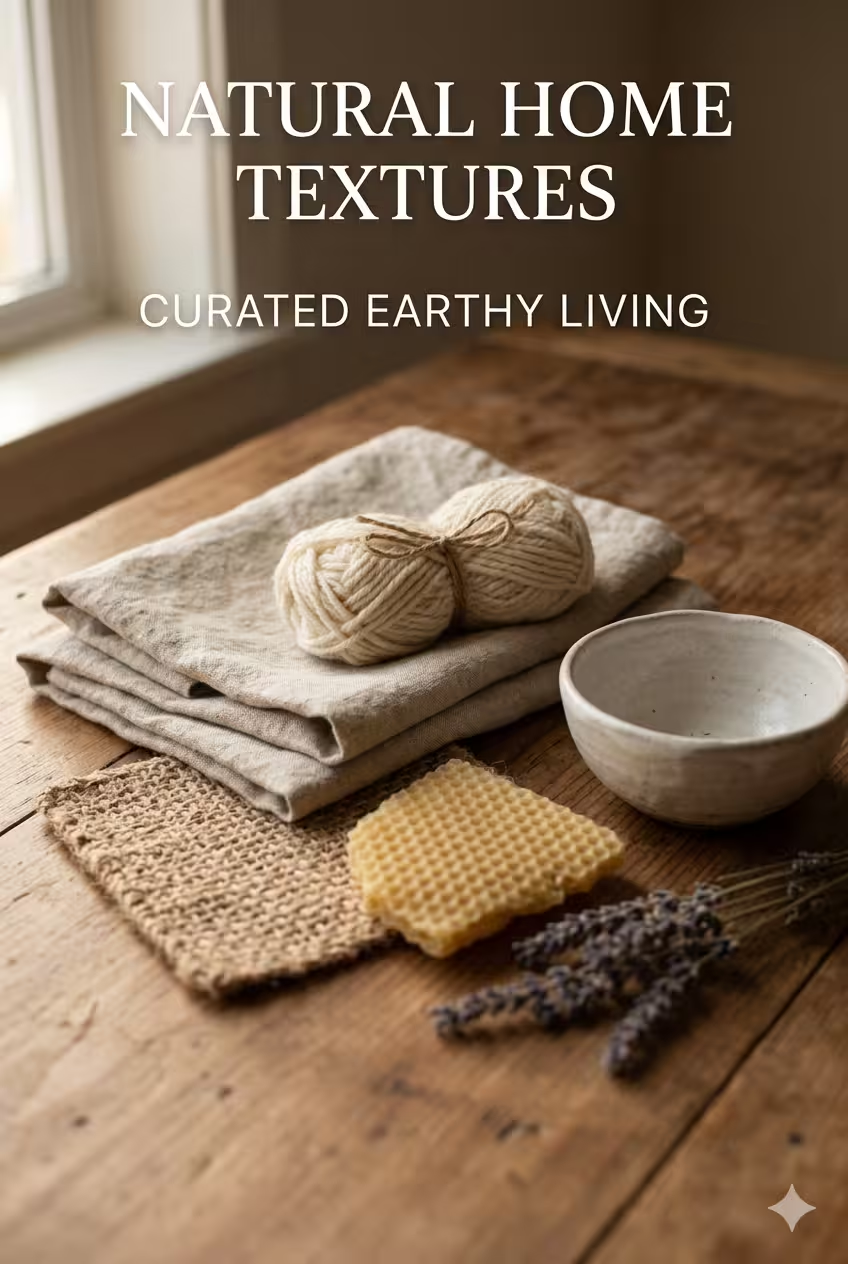
Color sets the mood, but texture is what gives soft organic home ideas their unmistakable sensory depth. When you replace synthetic surfaces with materials that carry the memory of the natural world — the grain of timber, the weave of linen, the cool smoothness of stone — a room immediately shifts to something richer.
Linen, Cotton, Wool, and Jute
Soft furnishings are the easiest and most impactful starting point. Replace polyester throws with chunky knit wool blankets. Swap synthetic cushion covers for stonewashed linen in warm oatmeal or faded sage. Layer a natural jute rug beneath a soft cotton flatweave.
The trick lies in layering different weights and weaves rather than matching perfectly. A bed dressed with a loose linen duvet, a waffle-knit gauze throw, and a velvet cushion in a complementary clay tone feels luxurious without appearing staged or stiff. For the bedroom specifically, browsing soft organic bedroom finds is a wonderful way to discover carefully curated pieces that nail this lived-in, layered look.
Reclaimed Wood, Rattan, Woven Cane, and Stone
Hard materials anchor the space and provide the structural backbone of the organic aesthetic. In soft organic interiors, wood is almost always warm-toned, matte-finished, and carries a visible grain or mild imperfection. Live-edge oak shelves, turned walnut table legs, or vintage rattan armchairs all carry an authenticity that flat-pack furniture simply cannot replicate.
Woven cane on cabinet fronts or bed frames adds organic pattern and warmth without relying on additional color. Unpolished stone — limestone, travertine, raw marble — works beautifully in kitchens, bathrooms, and as stand-alone decorative pieces. Its natural veining and variation are precisely the kind of imperfection that makes a soft organic home feel genuinely real rather than styled for a photograph.
Soft Organic Home Ideas, Room by Room
Understanding the philosophy is one thing. Applying it thoughtfully to your actual home is another. Here is how to bring soft organic home ideas to life across every major space.
The Living Room: Layered, Grounded, Unhurried
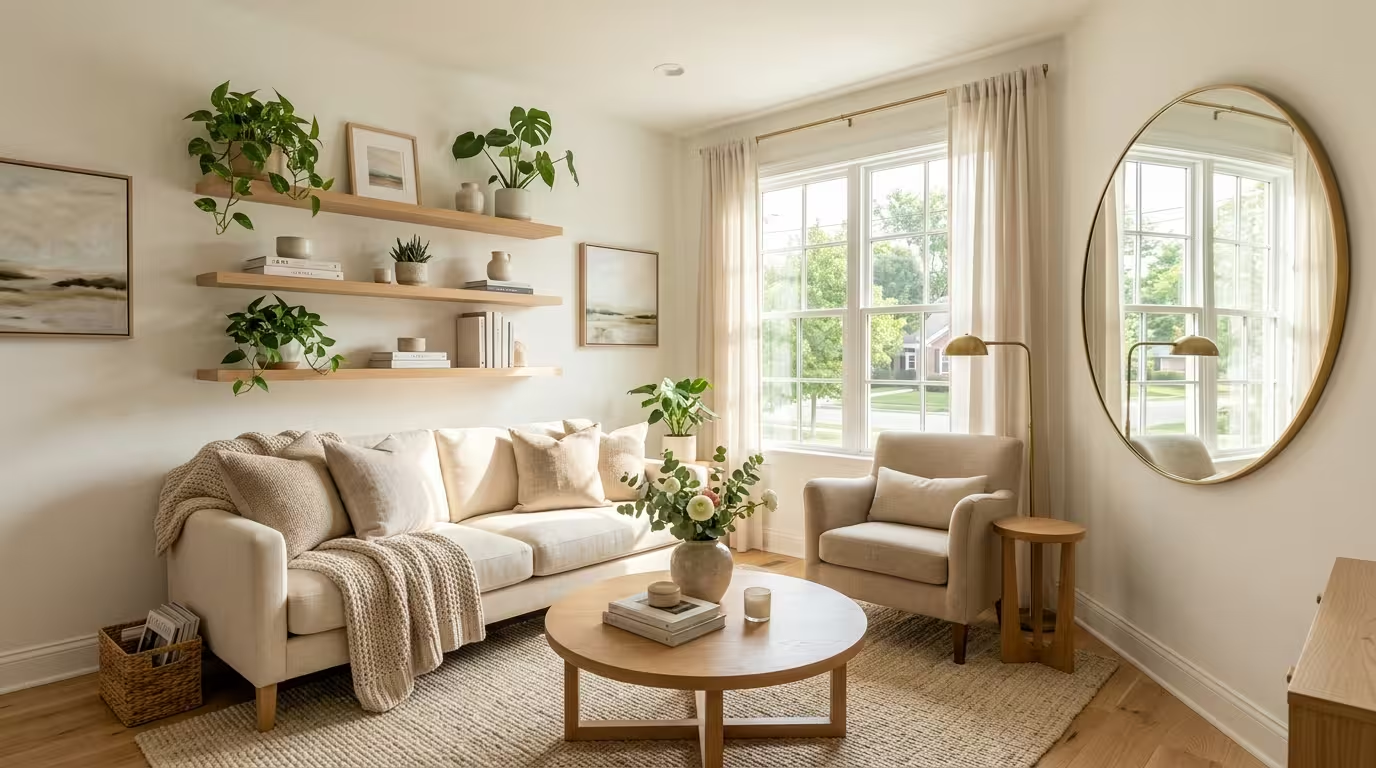
The living room is where the organic aesthetic speaks most clearly. Begin with a large, low-profile sofa in a textured linen, bouclé, or cotton fabric. Avoid overly structured, boxy silhouettes; instead, choose deep seats, loose cushions, and gently curved armrests. The sofa should invite lounging, not posing.
Layer the floor with at least two rugs: a larger natural fiber base rug in jute or sisal, and a smaller, softer accent rug layered on top. On a wooden sideboard or open shelving, arrange a few ceramic vessels in varied heights alongside stacked books and a small trailing plant. A large fiddle-leaf fig, a monstera, or a cluster of trailing pothos brings movement, life, and genuine organic energy to the room.
Lighting is critical. Replace cool overhead fixtures with warm floor lamps and table lamps positioned at different heights throughout the space. The aim is a glow that feels like late afternoon sunlight filtering through linen drapes — soft, directional, and completely alive.
The Bedroom: Rest, Warmth, and Deep Calm
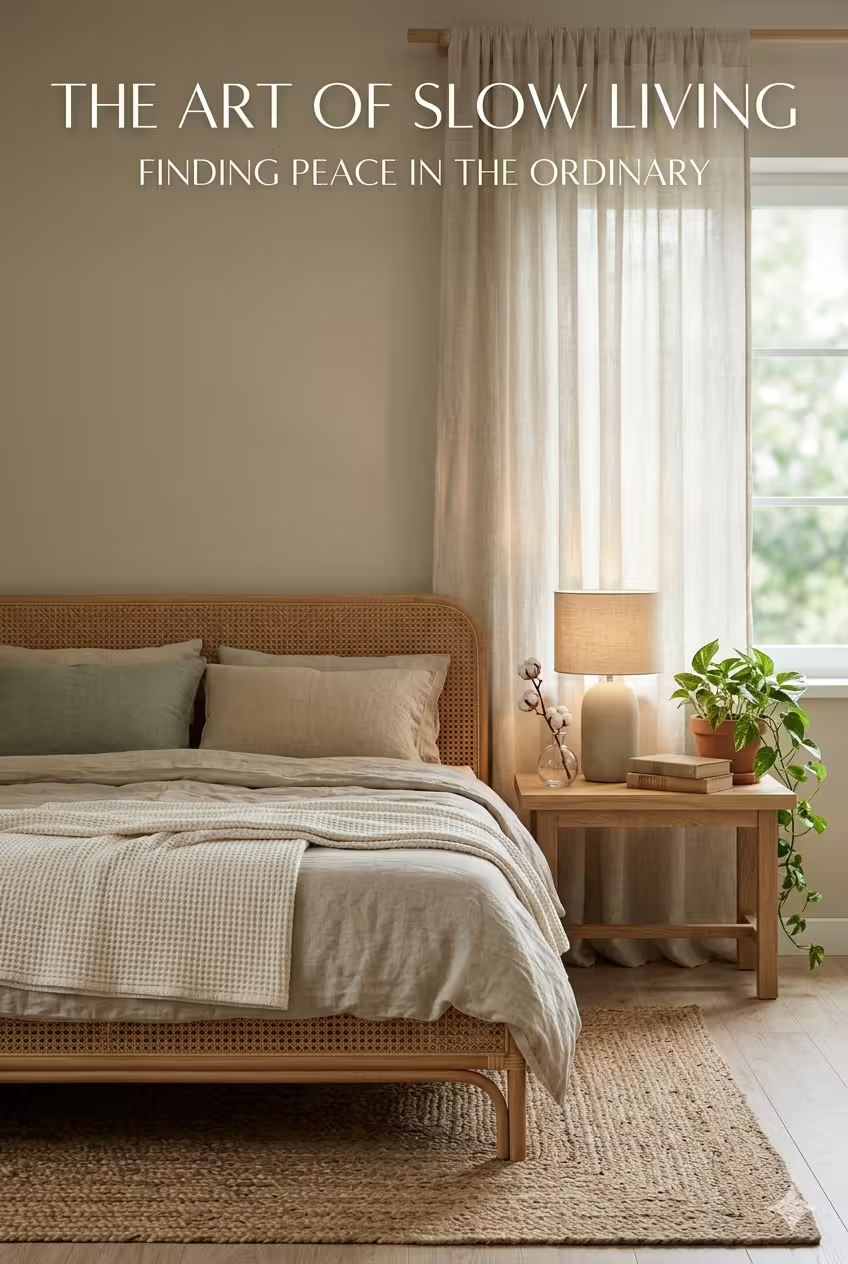
The bedroom is perhaps where soft organic home ideas find their most natural home. Humans sleep better in environments that feel secure, unhurried, and free from visual noise — and organic design delivers all three.
Prioritize bedding quality above almost everything else. 100% linen sheets — particularly stonewashed varieties for extra softness — are widely regarded as the gold standard. They feel cool in summer, warm in winter, and improve with every wash. Layer a merino wool or cotton gauze blanket at the foot of the bed for texture and practical warmth on cooler nights.
Choose a bed frame in natural wood, cane, or woven rattan rather than upholstered frames in synthetic fabrics, which tend to retain heat and feel less harmonious within the organic palette. Nightstands should feel organic and personal: a raw wood table, a small stack of books, a ceramic lamp with a linen shade, and a narrow bud vase of dried eucalyptus or lavender. Keep the floor simple — a large flatweave cotton rug or a natural wool rug in a warm neutral is usually all the space needs.
The Kitchen and Dining Space: Function Meets Quiet Beauty
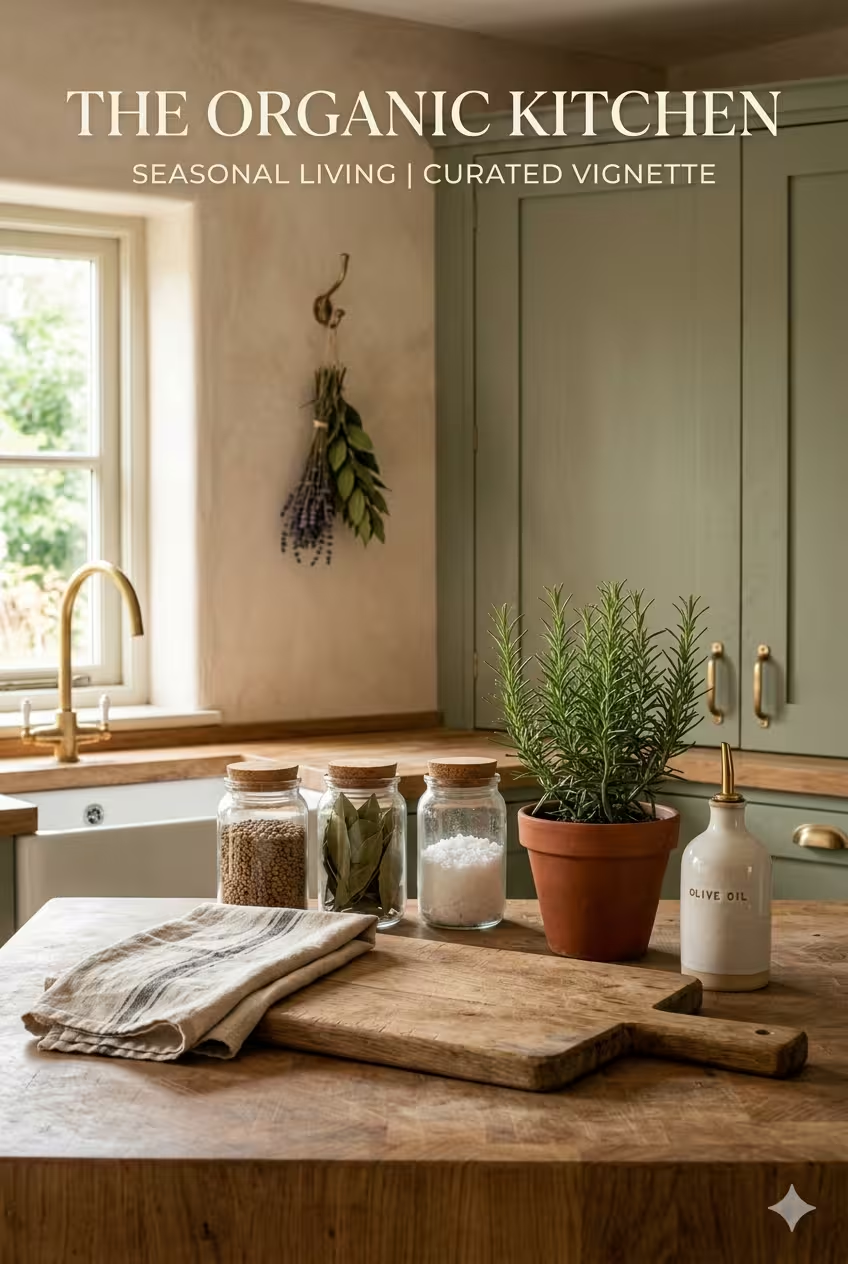
The kitchen offers a wonderful opportunity to integrate soft organic home ideas without a full renovation. Even in a modern fitted kitchen, a few considered changes can fundamentally shift the atmosphere.
Begin with what you see and touch daily: swap out plastic containers for glass jars and wooden bowls. Replace synthetic dishcloths with linen or cotton towels in natural tones. Add a small terracotta pot of fresh herbs on the windowsill.
For cabinetry, flat-front or shaker-style doors in warm white or sage green pair beautifully with natural stone or butcher-block countertops. Hardware should be simple and warm: matte black, unlacquered brass, or brushed bronze. Avoid chrome finishes — they read as too cold and industrial for an organic interior.
In the dining area, a long table in raw or oiled oak with mismatched natural wood or rattan chairs feels lived-in and warmly gathered. Linen napkins, beeswax candles in ceramic holders, and a simple wooden bowl of fruit or a jar of seasonal branches complete the picture with no effort at all.
The Bathroom: A Personal Sanctuary
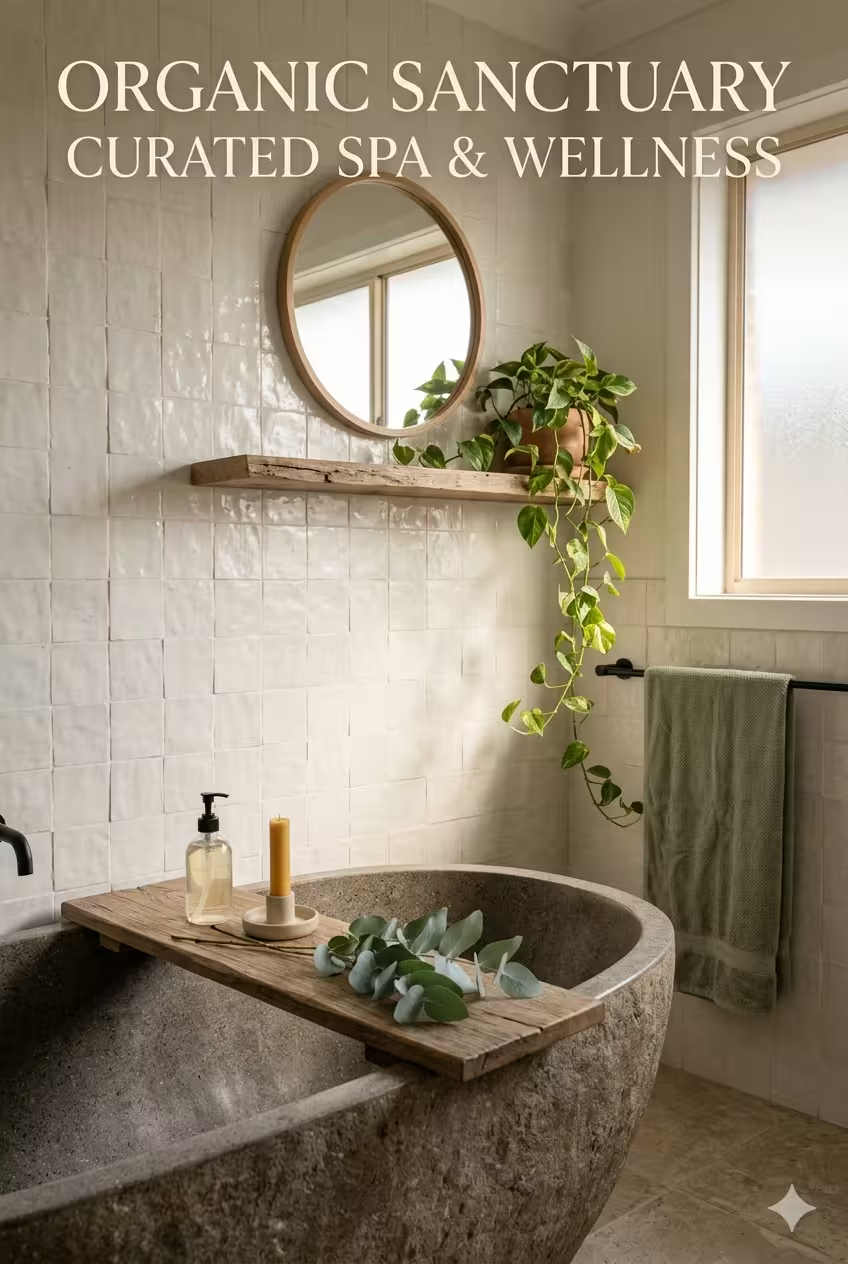
Even the smallest bathroom can be completely transformed by soft organic home ideas. The key is replacing hard, synthetic surfaces with natural alternatives wherever the layout allows.
Choose tiles in soft, chalky finishes: warm white zellige tiles with their characteristic dimpled texture, handmade terracotta floor tiles, or a large-format limestone tile in a fully matte finish. Add a wooden bath tray, a linen hand towel in muted sage or warm sand, and a small arrangement of glass bottles for soap and oils.
A woven basket for spare towels, a trailing pothos on a floating wooden shelf, and a wood-framed mirror instead of a chrome-edged one — these small details accumulate into something that feels genuinely restorative. Scent adds an invisible layer: a beeswax candle or a simple diffuser with eucalyptus, cedarwood, or sandalwood reinforces the natural atmosphere without overwhelming the senses.
Biophilic Design: The Science Behind the Soft Organic Aesthetic
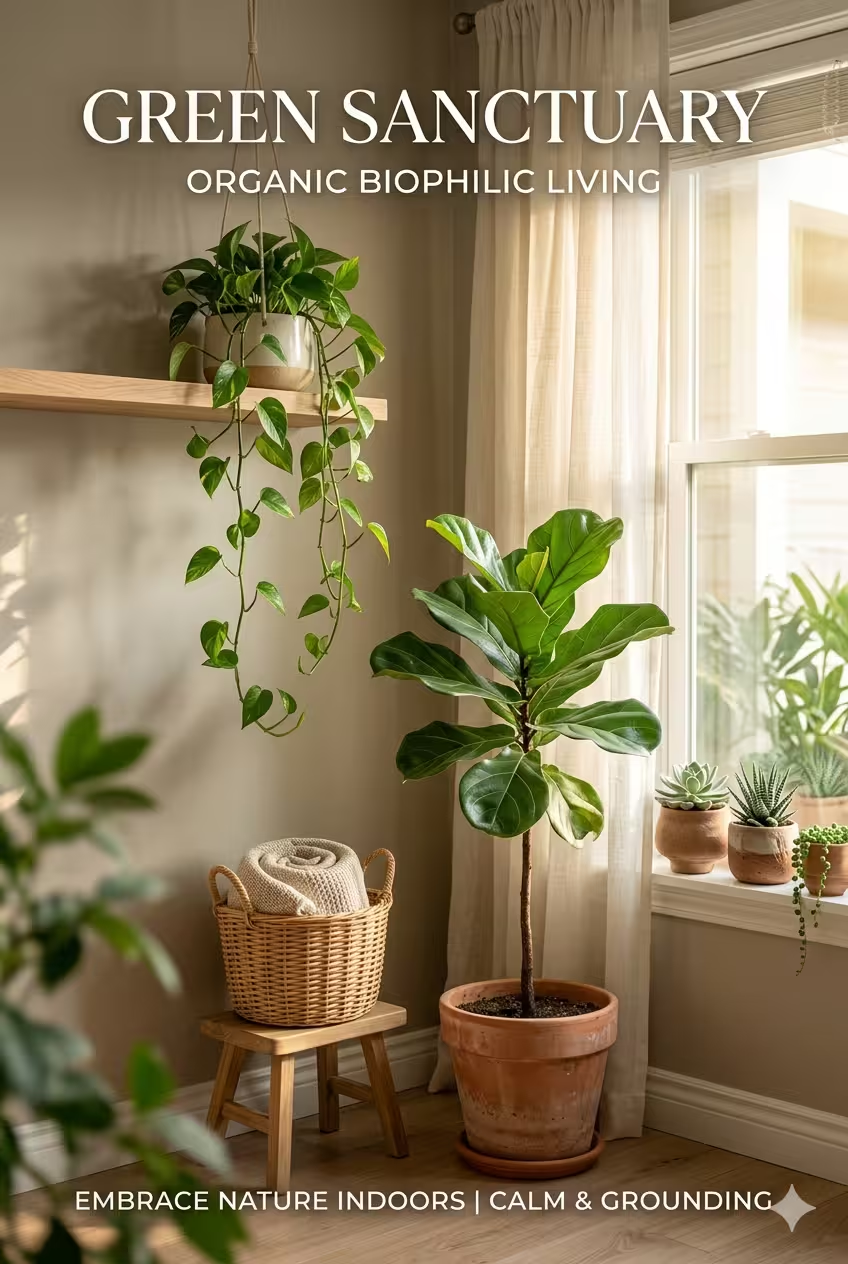
Biophilic design is the formal name for what organic interiors instinctively practice: creating environments that reconnect people with the natural world. Research published in the Journal of Environmental Psychology has consistently found that exposure to natural materials, living plants, and natural light reduces cortisol levels, lowers blood pressure, and improves overall mood, focus, and cognitive performance.
This is not purely about aesthetics — it is about designing spaces that actively support human well-being. Incorporating soft organic home ideas into your everyday environment is, in a very real sense, a form of self-care built directly into your surroundings.
Core biophilic principles include maximizing natural light wherever possible, introducing living or dried plants, using natural materials with visible grain and texture, and maintaining views of the outdoors. Even in a compact apartment without a garden view, a botanical print, a small moss panel, or a windowsill collection of terracotta-potted succulents can provide a meaningful connection to the natural world.
Lighting: The Invisible Hand of Organic Design
Lighting is consistently underestimated in the organic home aesthetic, yet it may be the single most powerful tool available. Natural light should always be the starting point. Use sheer linen curtains rather than heavy drapes to allow maximum daylight while softening its quality and preventing glare.
For artificial lighting, warmth and layering are the two governing principles. Aim for a color temperature of 2700K to 3000K — labeled “warm white” on most bulb packaging — throughout the home. Use multiple light sources positioned at different heights rather than a single overhead fixture as the primary source. Edison-style filament bulbs, rattan or ceramic pendant shades, textile-wrapped table lamps, and beeswax candles all contribute to the warm, amber-toned quality of light that makes an organic room feel alive and welcoming after dark.
Recessed downlights, when used as the primary light source, create a flat, uniform illumination that strips atmosphere from any room. If they are already installed, supplement them generously with floor and table lamps, and use the downlights only for task lighting in specific functional areas.
Sustainable Shopping for an Organic Interior
One of the most compelling aspects of soft organic home ideas is their natural alignment with conscious, intentional consumption. The aesthetic favors quality over quantity, longevity over trend-chasing, and local or artisan production over mass manufacturing.
Before purchasing anything new, look first to second-hand markets, estate sales, charity shops, and vintage dealers. A worn linen sofa from a thrift store, re-covered in a natural fabric, can be more characterful and beautiful than anything purchased new from a high street retailer. Vintage rattan chairs, antique wooden frames, and aged ceramic vessels all carry a patina that is genuinely impossible to replicate on a production line.
When buying new, prioritize brands that are transparent about their materials and supply chains. Look for GOTS-certified organic cotton, FSC-certified timber, and natural or plant-based dyes in textiles. For styling inspiration and curated organic home discoveries across every room, outinteriors is a reliable and thoughtfully edited destination for anyone building a natural, intentional home aesthetic.
Common Mistakes That Quietly Undermine the Organic Look
Even with clear intentions, a few common errors can prevent soft organic home ideas from reaching their full potential.
Over-matching is the most frequent mistake. When every element in a room is perfectly coordinated — identical tone, material, and proportions — the space loses its organic quality and begins to resemble a showroom rather than a home. Intentional, comfortable variety is essential to the look.
Confusing minimalism with organic design is another widespread source of frustration. The organic aesthetic is actually quite layered and full of texture. It is warm and genuinely lived-in, not stripped bare. A room with one plant and nothing else is minimalist; it is not organic.
Neglecting the care that natural materials require can also erode their look over time. Wool, linen, solid wood, and stone all need more attention than synthetic alternatives. They reward that care, however, with a beauty that deepens and improves with age in ways that synthetics never do.
Finally, following too many trends simultaneously dilutes the cohesive warmth that makes organic interiors so calming. Establish a clear palette and a core set of materials first, then add pieces slowly and purposefully over time.
Conclusion:
Soft organic home ideas represent something far more meaningful than a decorating style. They are a commitment to slowing down, to choosing materials with intention, and to building a living environment that genuinely supports the way you want to feel each day. By grounding your space in natural textures, a warm earthy palette, and biophilic principles, you create something rare in contemporary interiors: a home that truly feels like rest.
You do not need a generous budget or a complete renovation to begin. A stonewashed linen throw, a hand-thrown ceramic vase, a trailing plant in a terracotta pot, a warm lamp beside an armchair — these are the seeds of the soft organic home. Plant them thoughtfully, add to them slowly, and watch your entire home atmosphere shift.
Frequently Asked Questions
1. What is the difference between soft organic home design and minimalism?
Organic home design emphasizes warmth, texture, and natural layering. Minimalism focuses on reducing possessions and creating visual quietness. While both avoid clutter, a soft organic interior feels full and lived-in — with layered textiles, plants, and handmade objects — whereas minimalism deliberately keeps surfaces empty and unadorned.
2. Are soft organic home ideas expensive to achieve?
Not necessarily. The organic aesthetic actively favors vintage, second-hand, and handmade pieces, which are often far more affordable than new furniture from trend-driven retailers. The meaningful investment is in quality natural materials — linen, solid timber, natural stone — which cost more initially but last considerably longer and improve with age.
3. Which plants work best in a soft organic home?
Trailing varieties like pothos, philodendron, and string of pearls work beautifully on shelves and elevated surfaces. Larger statement plants — a fiddle-leaf fig, an olive tree, or a mature Monstera — anchor corners and bring strong organic presence to a room. Dried botanicals, including pampas grass, eucalyptus, and dried lavender, are also widely used for their texture and zero-maintenance appeal.
4. Can I create a soft organic home in a rental property?
Absolutely. The organic aesthetic relies far more on furnishings, soft goods, and accessories than on permanent structural changes. Swap synthetic cushion covers for linen versions, layer natural fiber rugs over existing flooring, use peel-and-stick wallpaper in a warm earthy tone, and fill the space with plants, candles, and ceramic objects. The transformation can be striking without touching a single fixture or wall.
5. What colors should I avoid in an organic home?
Avoid highly saturated or cool-toned colors: bright whites with blue undertones, electric or neon greens, primary reds, and sharp navy blues all clash with the earthy, muted warmth of the organic palette. Similarly, avoid metallic finishes in chrome or silver; opt instead for warm brass, copper, or matte black throughout.
6. How do I blend soft organic elements into a modern or contemporary home?
Begin with soft furnishings and accessories. A bouclé throw, a linen area rug, a collection of handmade ceramics, and a few well-placed trailing plants can soften even the sharpest contemporary space. Gradually introduce wooden and woven rattan elements alongside modern furniture to build an organic-modern hybrid that feels balanced and distinctly personal.
7. Is the soft organic home aesthetic likely to remain relevant, or is it a passing trend?
The organic home aesthetic is rooted in biophilic principles and a broader cultural shift toward well-being, sustainability, and mindful living. These are structural drivers, not seasonal ones. While specific trend elements will naturally evolve, the core philosophy — natural materials, earthy tones, human-centered comfort — shows every sign of remaining a lasting and deeply relevant approach to interior design.