Are Open Floor Plans Outdated? Here’s What the Design World Really Says
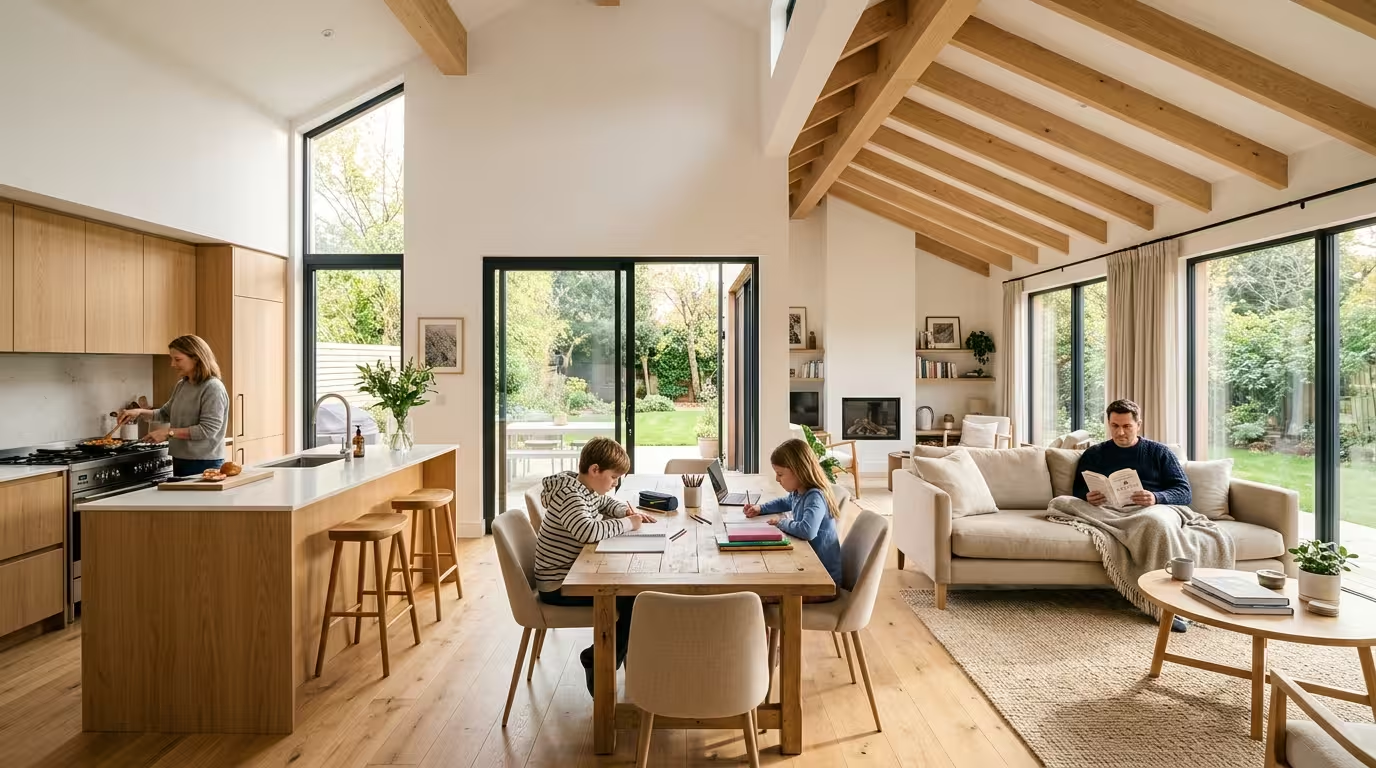
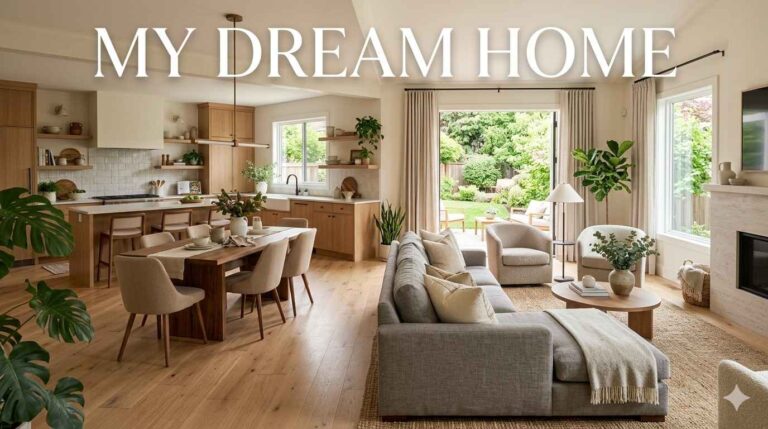
Walk into almost any home built between 1990 and 2015, and you’ll likely find the same thing: a kitchen that flows into a dining area, which bleeds into the living room, all without a single wall in between. That design — the open floor plan was once the gold standard of modern living.
But today, something is shifting. Architects are sketching walls back in. Interior designers are talking about “broken-plan living.” And homeowners who once tore down every partition in their house are now quietly wishing they hadn’t. So the real question is this: are open floor plans outdated, or are they simply evolving to meet a new era of how we live?
The answer, as with most things in design, is layered. Let’s dig into the full story.
A Brief History of Open Floor Plans
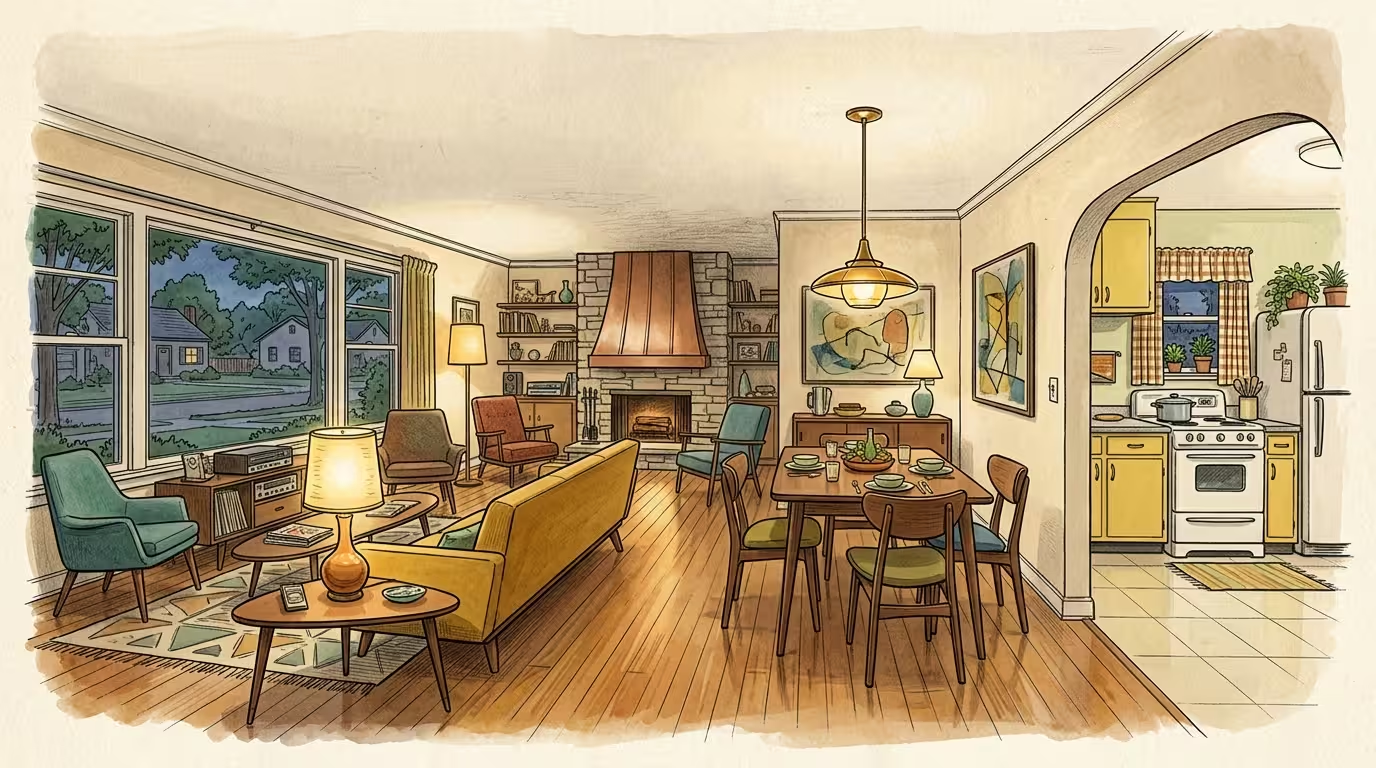
The open floor plan isn’t a new idea. Its roots stretch back to Frank Lloyd Wright, the legendary American architect who championed flowing, connected interiors in the early 20th century. Wright believed that rigid, boxed-in rooms stifled human connection and natural light. His Prairie-style homes dissolved barriers between spaces, letting one room breathe into the next.
For decades, however, most American homes remained compartmentalized. Kitchens were utility rooms tucked away from guests. Dining rooms were formal, separate, and often unused. It wasn’t until the post-World War II suburban boom and later the 1990s real estate surge that open concept design entered the mainstream.
Television played a huge role. Shows like HGTV’s renovation programs made open concept living feel aspirational. Walls came down on camera, and millions of homeowners wanted the same transformation in their own spaces. By the 2000s and 2010s, the open layout had become so dominant that it was practically expected in new construction.
Why Open Floor Plans Became So Popular
Understanding why open concept homes took over helps explain the current pushback. The appeal was real and justified for its time.
Social connection was a driving force. Open layouts let parents watch their children play while cooking. Hosts could entertain without retreating to the kitchen alone. Families could be in the same shared space without crowding a single room. The design genuinely encouraged togetherness.
Natural light was another major benefit. Removing interior walls allows sunlight to travel deeper into a home. Instead of one sun-facing room and a series of dim interior spaces, light could reach across the entire footprint. This made homes feel larger and more welcoming without adding square footage.
Perceived space also mattered. Open concept living made modest homes feel expansive. A 1,400-square-foot house with an open layout could feel roomier than a 1,800-square-foot home divided into separate compartments. For a generation of buyers prioritizing space efficiency, this was invaluable.
Are Open Floor Plans Outdated in Today’s Homes?
Here is where the conversation gets interesting. A growing number of designers, builders, and homeowners are asking whether open floor plans are outdated — and more are answering with a cautious “yes, at least in their purest form.”
This isn’t a sudden reversal. It’s the result of several overlapping cultural, economic, and behavioral shifts that began accelerating around 2020.
The Work-From-Home Effect
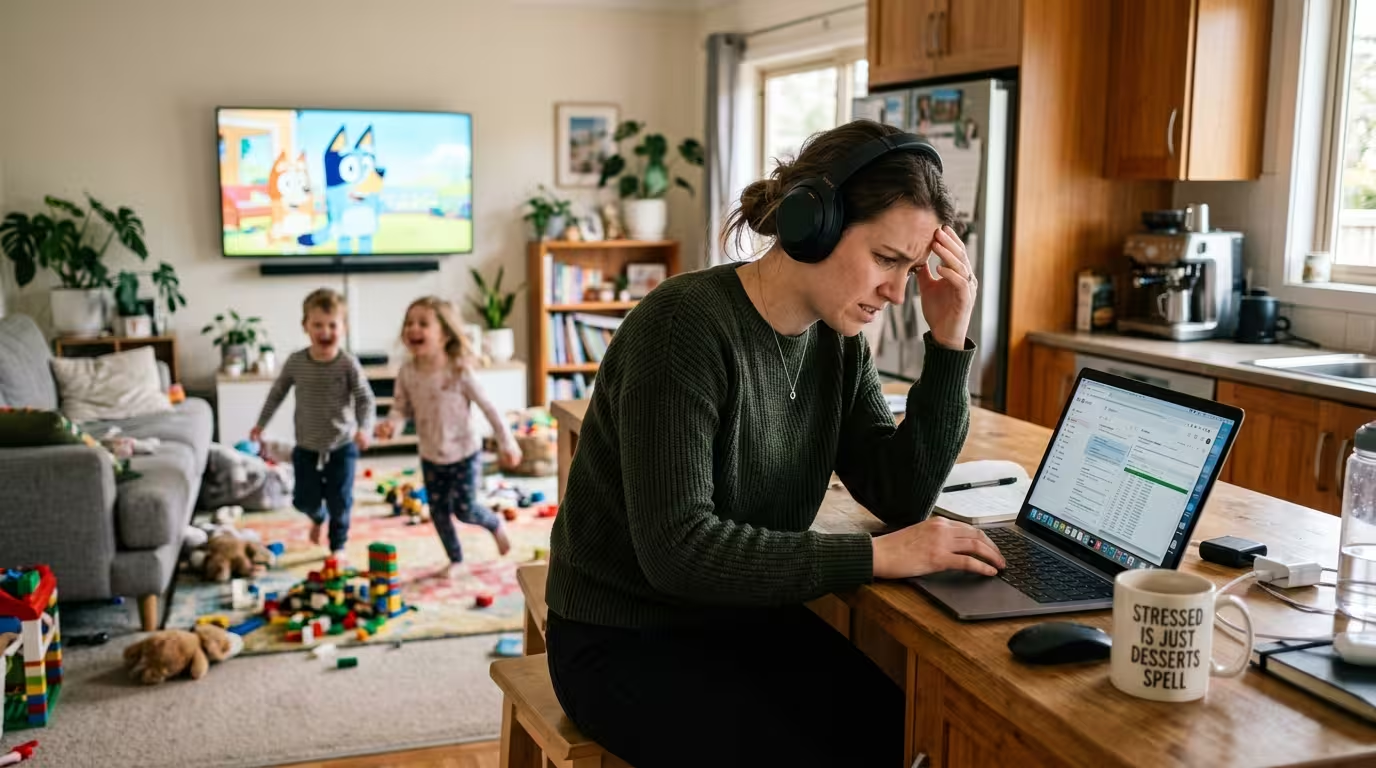
Before March 2020, most homeowners used their homes primarily as places to rest, cook, and socialize. The design of those spaces reflected that purpose. But when the global pandemic forced millions of people to work, study, and exercise at home simultaneously, the limitations of open concept design became impossible to ignore.
A parent on a conference call in a kitchen-living-dining space had no escape from background noise. A teenager attending virtual classes had no quiet corner to concentrate. A spouse trying to sleep after a night shift found no refuge from the household’s activity. Open concept living, which once felt freeing, began to feel chaotic.
Zoom fatigue brought an unexpected interior design insight: people need acoustic privacy, not just visual openness. This realization fundamentally changed how many homeowners and designers think about residential layouts.
Noise and Privacy Concerns
Noise is arguably the most significant functional failure of the traditional open floor plan. Sound travels freely through connected spaces. A dishwasher running in the kitchen disrupts a conversation in the living room. A television on in the lounge invades every adjacent area. There are no natural sound barriers to absorb or redirect it.
For multigenerational households — which have been growing steadily in the United States since the 2008 financial crisis — this is particularly challenging. When grandparents, parents, and children share a home, everyone needs both shared space and private retreat. The purely open layout offers plenty of the former and almost none of the latter.
Studies in environmental psychology consistently find that perceived control over one’s environment is closely tied to comfort and well-being. Open concept homes, by design, reduce that sense of control.
Rising Energy Costs
There is also a practical, economic argument against the open floor plan that rarely gets discussed. Open layouts are notoriously inefficient to heat and cool. Large, undivided spaces require HVAC systems to condition enormous volumes of air all at once, whether that air is occupied or not.
With energy costs rising across the country and sustainability becoming a higher priority for homeowners and builders alike, this inefficiency matters. A zoned home — one with distinct, closeable rooms — allows residents to heat or cool only the spaces in active use. Over the course of a year, the savings can be significant.
What Designers and Experts Are Saying in 2025
Design professionals across the United States are largely aligned: the era of the purely open floor plan is fading, but the desire for connected, airy living spaces is not.
Sarah Susanka, architect and author of The Not So Big House, was ahead of this curve by decades. She argued that thoughtful, purposeful space consistently outperforms raw square footage and unbroken openness. Her work has seen renewed relevance as the design conversation shifts.
Major trend reports from organizations like the National Association of Home Builders (NAHB) and publications like Architectural Digest have noted a clear movement toward what designers call “broken-plan” or “flex-plan” living — layouts that preserve openness where it makes sense while reintroducing separation where it’s needed.
The consensus is nuanced: the question isn’t really “are open floor plans outdated” so much as “are purely open floor plans still the best solution?” And the answer from most professionals today is no.
The Case for Keeping an Open Floor Plan
Before writing the obituary for open concept design, it’s worth acknowledging what it still does exceptionally well.
For smaller homes, an open layout remains one of the most effective tools available. Removing walls in a compact footprint genuinely increases usable space and prevents the cramped feeling of tiny, boxed-in rooms. A 900-square-foot apartment or starter home often benefits enormously from connected living spaces.
Families with young children still find real value in open concept kitchens connected to living areas. The ability to supervise toddlers while cooking is not just convenient — it’s a safety consideration.
Open layouts also support social and entertaining lifestyles better than almost any alternative. If hosting gatherings is a frequent priority, the seamless flow between kitchen, dining, and living areas creates an environment where guests naturally mingle rather than clustering in one room.
The key insight is context. Open concept design is not inherently outdated — it’s just no longer universally appropriate. The smartest approach in 2025 is matching the layout to the life being lived inside it.
What Is Replacing Open Floor Plans?
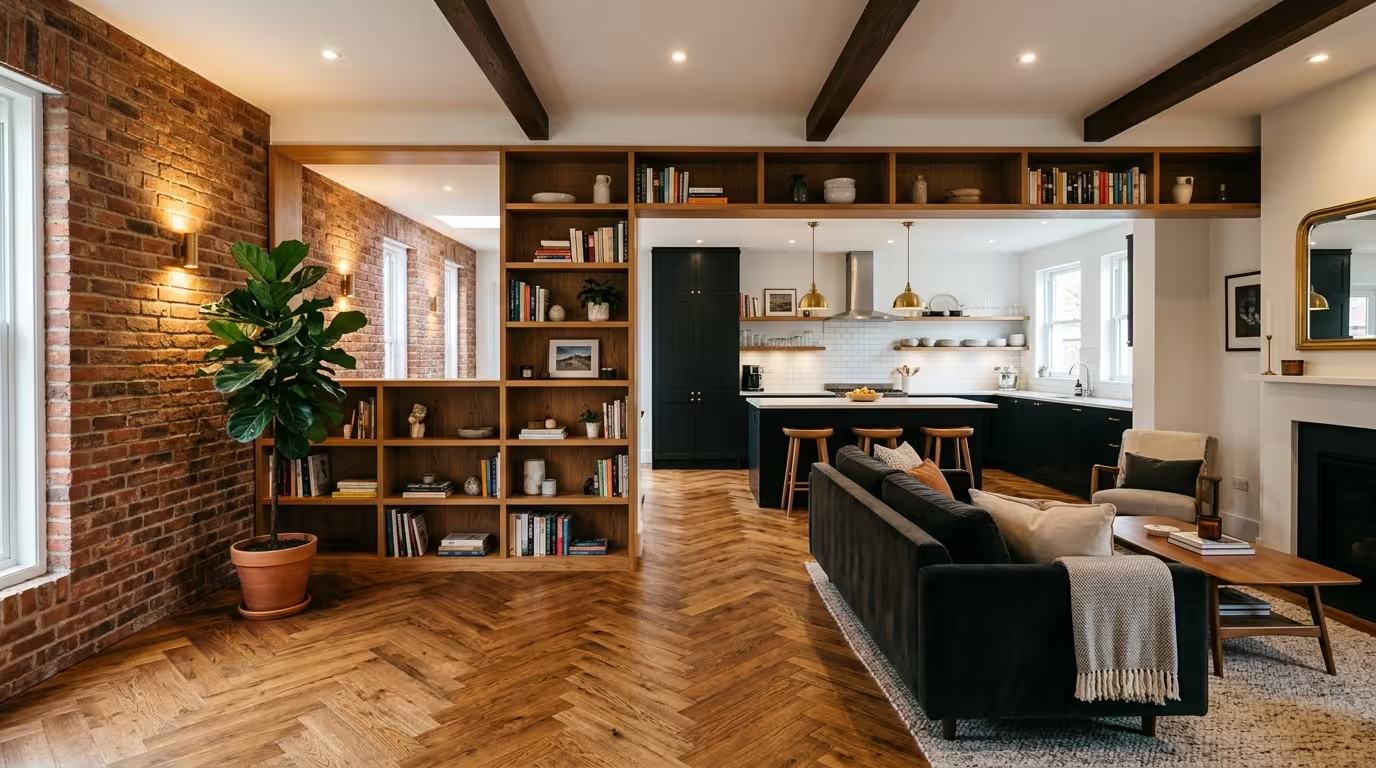
The design world hasn’t abandoned the ideals of openness and connection. It has refined them. Three emerging approaches are gaining serious traction.
Broken-Plan Living
Broken-plan design keeps spaces visually and physically connected while introducing subtle boundaries. Think half-walls, double-sided fireplaces, built-in shelving units, or low partition screens that define areas without fully enclosing them. You get the airy, connected feel of an open layout with the acoustic and functional separation of distinct rooms.
This approach is enormously popular in the United Kingdom and is now spreading rapidly across American design circles. It’s widely seen as the most balanced answer to the open-versus-closed debate.
Flexible and Multi-Function Spaces
Pocket doors, barn doors, and movable partitions allow homeowners to configure their spaces based on the moment. During a dinner party, the kitchen and dining area flow seamlessly together. During a work-from-home day, a sliding panel closes off the office nook from the rest of the living area.
Builders of new homes are increasingly incorporating these features as standard rather than as upgrades. The philosophy shifts from designing a single fixed layout to designing a spectrum of configurations that serve different needs at different times.
Zoned Open Plans
Another evolution keeps the open concept framework but introduces deliberate ceiling height variations, flooring material changes, strategic lighting zones, and rugs to signal distinct functional areas within the connected space. The kitchen, dining space, and sitting area remain visually connected, but each occupies a clearly defined zone that feels purposeful rather than undefined.
This approach costs less than structural changes and can be applied to existing open concept homes without a single swing of a sledgehammer.
Should You Renovate Away From an Open Floor Plan?
If you currently live in an open concept home and are questioning whether it still serves you, the decision to renovate deserves careful thought. Reconstruction is expensive and disruptive, and the answer isn’t always to add walls.
Start by identifying the specific pain points. Is it noise? Is it the inability to contain cooking smells? Is it the lack of a private workspace? In many cases, those problems can be addressed through non-structural solutions: strategic furniture arrangement, area rugs, acoustic panels, room dividers, or the addition of a purpose-built office nook.
If structural renovation is genuinely the right answer — perhaps to accommodate a multigenerational living situation or a serious home-based business — consult with both an architect and a structural engineer before proceeding. Load-bearing walls require professional assessment, and the cost of adding walls in a formerly open space can range from $1,500 to $10,000 or more, depending on scope, finishes, and whether plumbing or electrical systems are affected.
Also consider resale value. In most American markets, some degree of open concept connection between kitchen and living spaces remains desirable to buyers. Fully compartmentalizing a home may limit your pool of potential buyers when the time comes to sell.
How to Make an Open Floor Plan Work in 2025
If you love your open layout and want to keep it, there are smart, modern strategies that address its most common shortcomings without demolition.
Acoustic management is the most impactful upgrade. Thick area rugs, upholstered furniture, curtains, and acoustic ceiling tiles all absorb sound and reduce the echo effect that plagues hard-surfaced open spaces. These changes dramatically improve the livability of a large, open room.
Defined zones using furniture and lighting help establish a sense of order without physical walls. A large sectional sofa oriented toward a television creates a clear “living room” zone. Pendant lights hung specifically over the dining table anchor that area. Strategic placement alone can transform a chaotic open space into a composed, purposeful one.
Scent containment is a less-discussed but very real issue. Open kitchens share cooking odors with every adjacent space. A powerful range hood vented directly to the exterior — rather than a recirculating model — makes a significant difference. So does keeping an eye on ventilation when planning a cooking-heavy lifestyle.
Visual privacy screens or curtains can be added without permanent installation. These are particularly useful for homeowners who want the option of enclosing a specific area — a home office, a reading nook, or a sleeping area in a studio or loft — without committing to a wall.
What Home Buyers Actually Want Today
Real estate data from the post-pandemic market reveals a meaningful shift in buyer preferences. According to surveys conducted by the National Association of Realtors (NAR), buyers increasingly prioritize dedicated home office space and defined room separation — preferences that ranked far lower before 2020.
That said, buyers also continue to value open-feeling kitchens and connected dining areas. The sweet spot that today’s buyers most frequently cite is a partially open layout: a kitchen and informal dining area that connect naturally, a family room that feels tied to those spaces, and at least one or two clearly defined, quieter rooms — a proper office, a den, or a formal sitting room — that offer separation when needed.
New construction builders have taken note. The rigid open-plan-everything approach of the early 2000s is giving way to more thoughtfully segmented floor plans that balance connection with retreat. The homes earning the strongest buyer interest in 2024 and 2025 tend to offer both.
Conclusion:
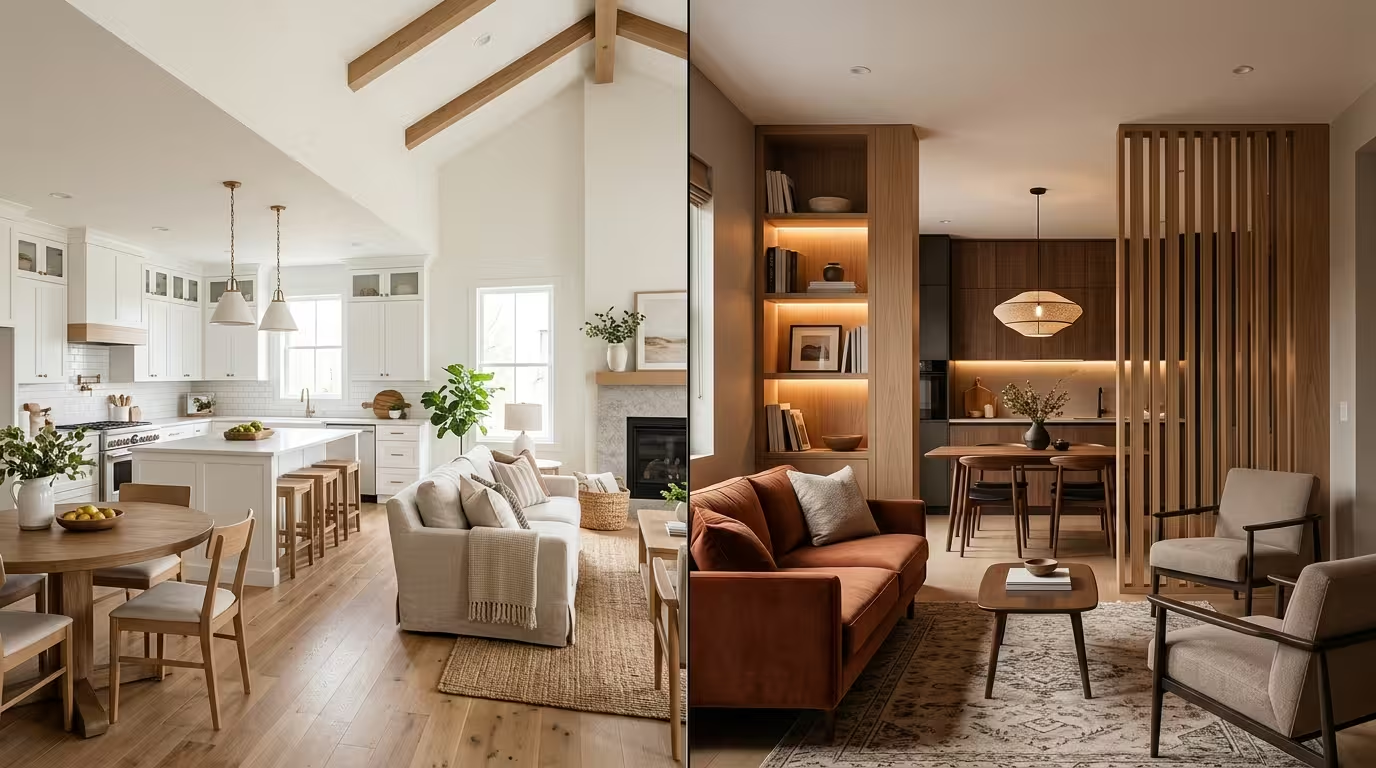
So, are open floor plans outdated? The honest answer is: not entirely — but the conversation has genuinely changed. The days of treating the purely open floor plan as the universal ideal for every home and every family are over.
What has emerged in its place is something more sophisticated. Today’s best residential designs think carefully about when openness serves the people inside a home and when it doesn’t. They preserve connection in the spaces that benefit from it — kitchens, dining areas, informal living zones — and reintroduce separation where modern life demands it — offices, study areas, quiet retreats.
Whether you’re renovating, buying, or simply reconsidering the layout you already live in, the most important question isn’t which style is trending. It’s what your specific household actually needs. That is a question worth answering thoughtfully — and no single floor plan philosophy has ever gotten it right for everyone.