Smart Glass Technology Privacy at Home: A Complete Homeowner’s Guide
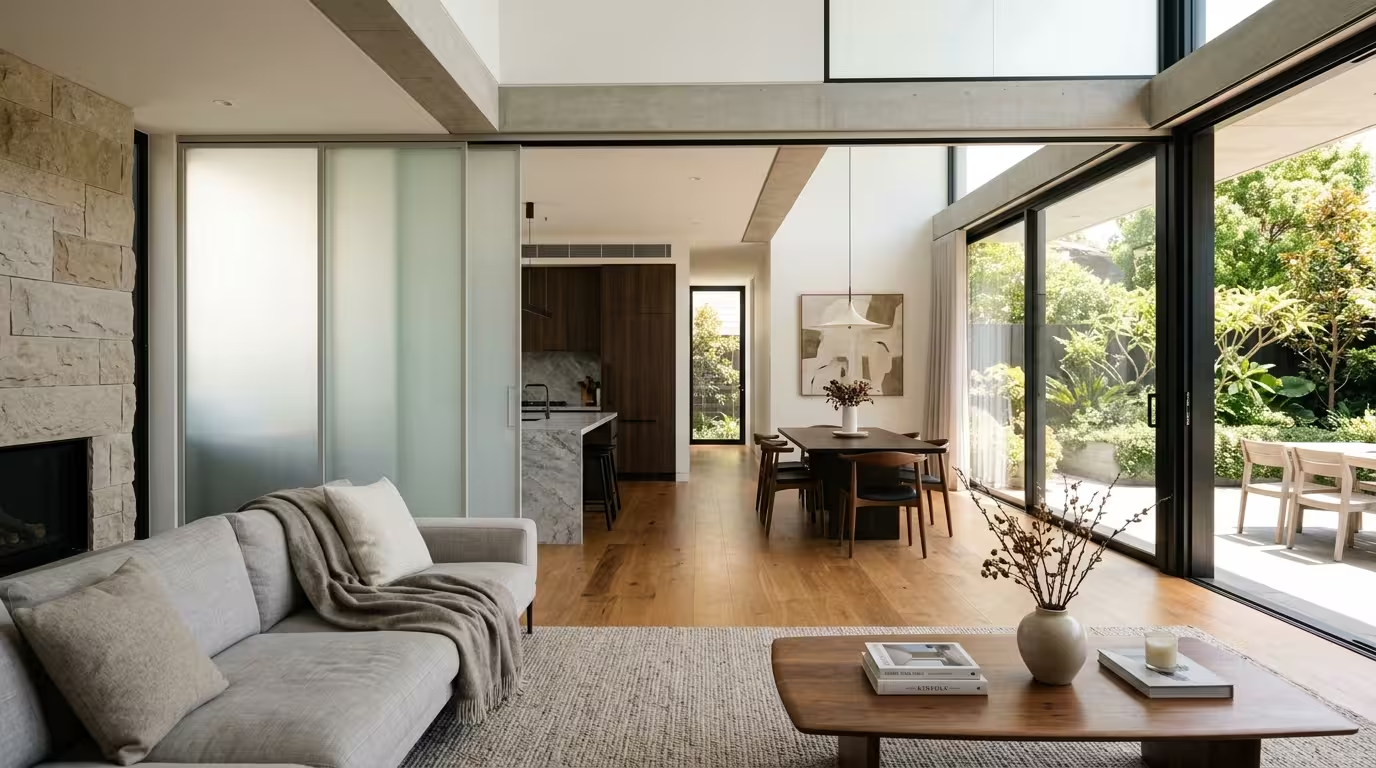
Privacy at home is no longer just about curtains, blinds, or frosted windows. Many homeowners now want bright rooms, open layouts, and large glass surfaces without feeling exposed. This is where smart glass technology for privacy at home becomes useful. It gives you the option to switch the glass from clear to private when you need it.
Smart glass, often called switchable glass or privacy glass, can change its appearance with a switch, remote, app, sensor, or home automation system. Some types turn frosted for privacy. Others tint to reduce glare and sunlight. The main goal is simple: keep natural light and modern design while giving homeowners better control over visibility, comfort, and daily privacy.
What Smart Glass Technology Privacy at Home Really Means
Smart glass technology privacy at home means using glass that can change from transparent to private, shaded, or tinted, depending on the type of product. In many homes, this is used in bathrooms, bedrooms, entry doors, patio doors, home offices, interior partitions, and large windows facing neighbors or streets.
The most common privacy-focused version is PDLC smart glass, which stands for polymer-dispersed liquid crystal. When powered on, the glass usually appears clear. When powered off, it becomes frosted or opaque, helping block direct views. Other types, such as electrochromic glass, are more focused on tint, glare, and solar control rather than instant frosted privacy. Smart glass is now being discussed more often in residential design because it can manage both privacy and daylight with less visual clutter than traditional coverings.
How Smart Glass Works in Simple Terms
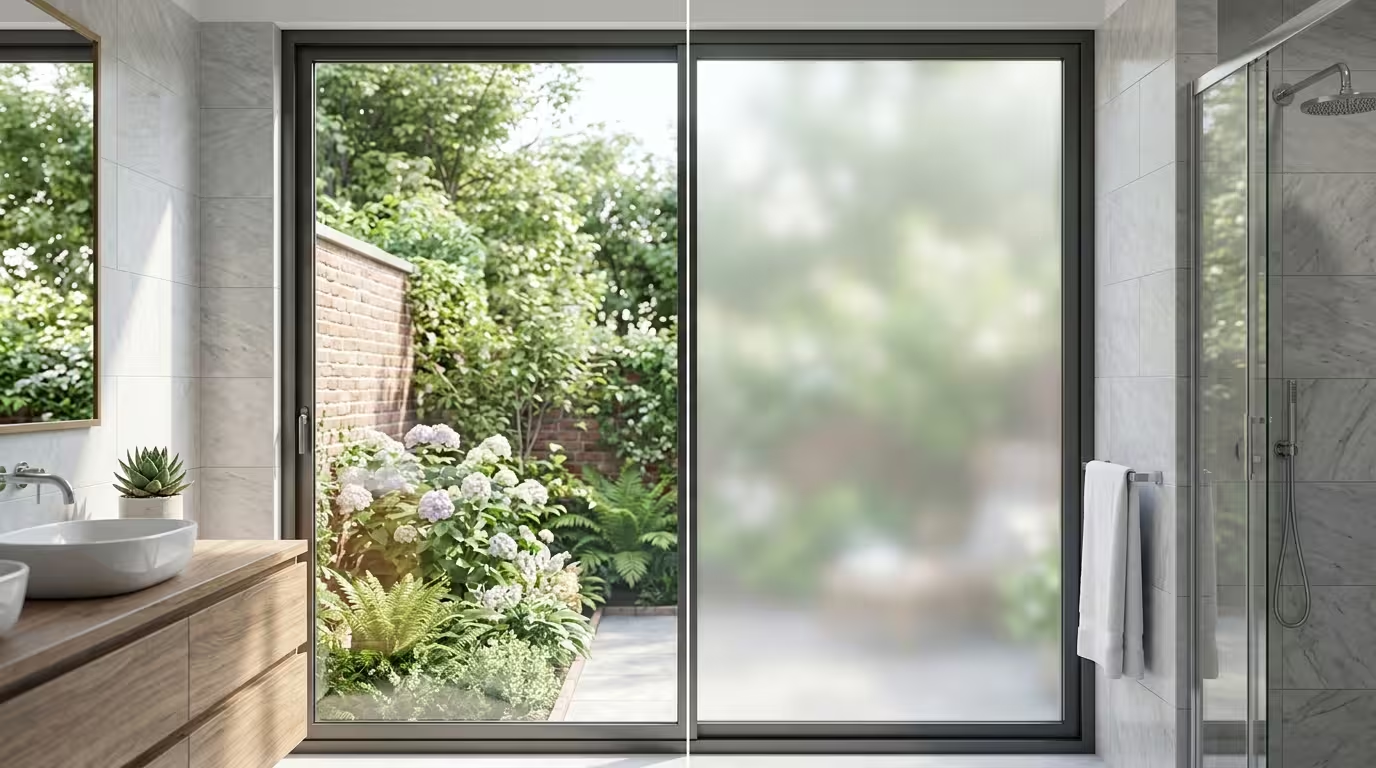
Smart glass works by changing how light passes through the glass. With PDLC privacy glass, tiny liquid crystal particles sit inside the film or laminated glass. When electricity is applied, the particles align and allow light to pass through, making the glass look clear. When electricity is off, the particles scatter light, and the glass looks frosted.
This frosted effect does not make the room dark like a wall. It usually allows daylight to pass through while reducing visibility. That is why smart glass technology privacy at home is often useful in rooms where you want light but not a direct view, such as bathrooms, glass doors, shower enclosures, or home offices.
Main Types of Smart Glass for Home Privacy
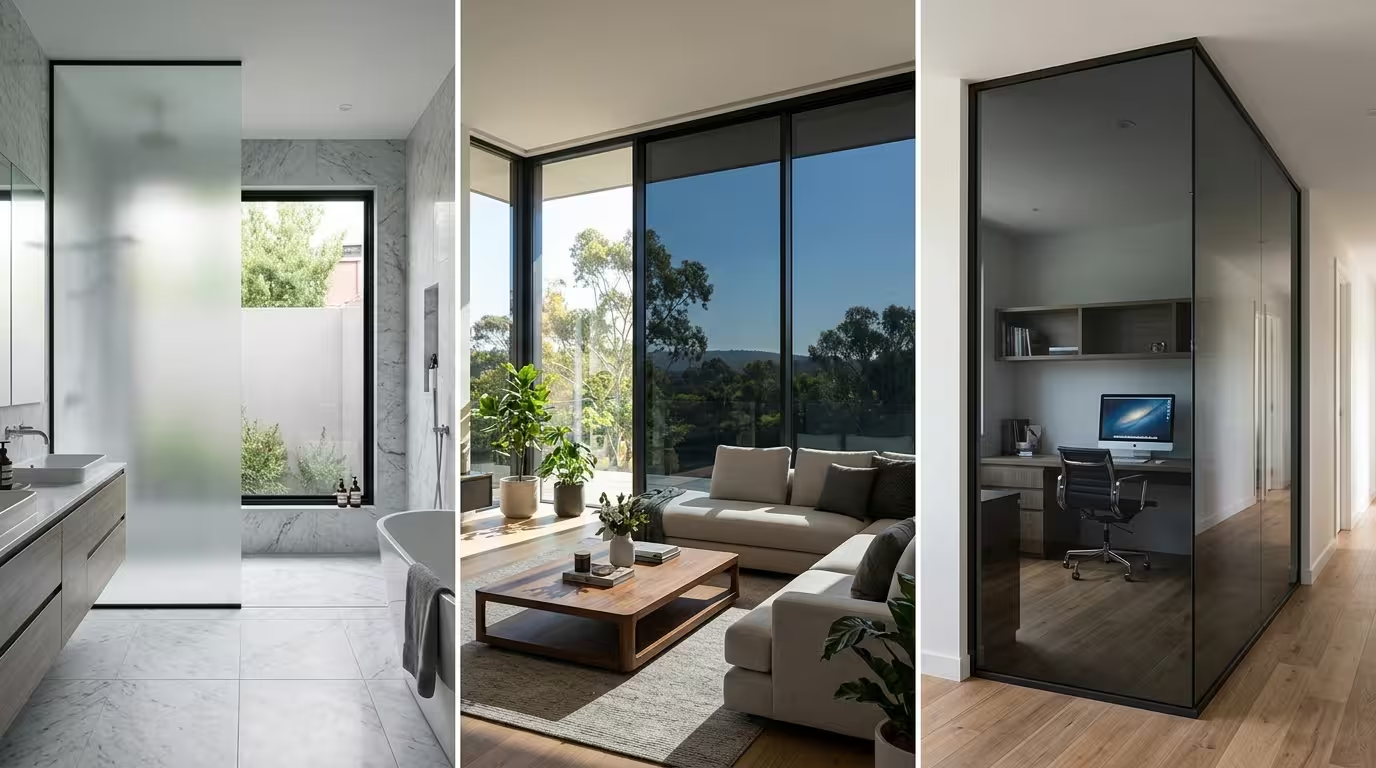
Not every smart glass product works the same way. Before buying, homeowners should understand the difference between privacy glass and tinted glass. This matters because the wrong product may not solve the real privacy problem.
PDLC Smart Glass
PDLC glass is the most common choice for privacy. It changes between clear and frosted. It is often used for bathrooms, bedrooms, glass walls, conference-style home offices, entry sidelights, and interior partitions. It gives quick privacy and keeps a clean, modern look.
For smart glass technology privacy at home, PDLC is often the best fit when your main concern is visibility. It does not usually provide a full blackout. Shapes and movement may still be visible in some lighting conditions, especially if someone stands close to the glass.
Electrochromic Smart Glass
Electrochromic glass changes tint rather than becoming fully frosted. It is more useful when you want to control glare, sunlight, heat, and brightness. It is commonly seen in advanced windows, skylights, and energy-conscious buildings.
For home privacy, electrochromic glass may help reduce outside visibility during bright daylight. However, it may not provide strong privacy at night when indoor lights are on. If your main goal is privacy from neighbors after sunset, PDLC privacy glass or another privacy layer may be better.
SPD Smart Glass
SPD glass, or suspended particle device glass, adjusts light transmission and tint. It is often used where sun control matters, such as large windows, luxury glass areas, and certain automotive or architectural applications. It can reduce brightness quickly, but it is not always the first choice for full privacy.
SPD may suit homes with strong sun exposure, glass extensions, or large window walls. Still, homeowners should ask whether the selected product is designed for privacy, solar control, or both.
Best Places to Use Smart Glass Technology Privacy at Home
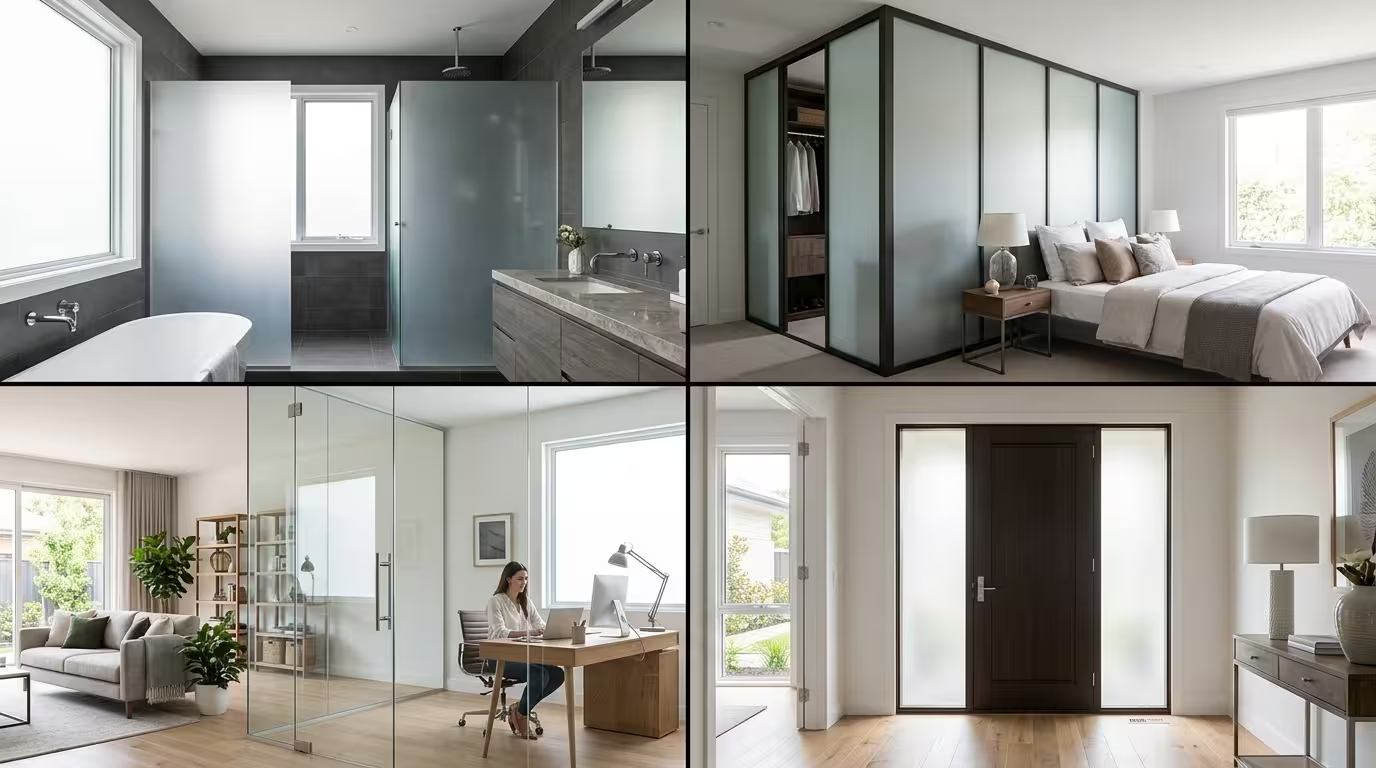
The best use depends on where privacy is needed and how the room is used. A bathroom window has different needs from a front door or home office. Good planning helps avoid wasted money.
Bathrooms and Shower Areas
Bathrooms are one of the most practical places for smart glass technology privacy at home. A clear window can make a bathroom feel open and bright, but privacy is essential. Smart glass allows the window or shower panel to remain clear when desired and frosted when needed.
It can also create a cleaner look than blinds or curtains, especially in wet spaces where fabric can collect moisture. However, product selection matters. Any glass used in wet areas should be suitable for humidity, cleaning, and local safety requirements.
Bedrooms and Dressing Areas
Bedrooms need privacy, but many homeowners still want daylight. Smart glass can be used on interior bedroom partitions, balcony doors, walk-in closet glass, or windows facing nearby homes. It can help a room feel open during the day and more private at night.
For bedrooms, ask how the glass performs after dark. Some products may appear private in daylight but reveal shadows when indoor lights are bright. For better nighttime privacy, smart glass may need to be paired with curtains, shades, or careful lighting placement.
Front Doors and Entry Sidelights
Glass front doors and sidelights look attractive, but they can expose the inside of a home. Smart privacy glass can help solve this problem. A homeowner may keep the glass clear during the day and switch it to private in the evening.
Some newer doors now include built-in smart glass controls, schedules, or app-based settings, showing that this feature is becoming more practical for residential entryways.
Home Offices
Remote work has made home office privacy more important. Glass walls and doors can make a space feel open, but they may also create distractions. Smart glass can turn a home office into a private area during calls, meetings, or focused work.
This is one of the strongest uses of smart glass technology privacy at home because it supports both openness and separation. A glass office can stay connected to the rest of the house when clear, then become private when needed.
Living Rooms and Open-Plan Spaces
In open-plan homes, glass partitions can divide areas without making the house feel smaller. Smart glass can separate a reading area, media room, guest space, or dining area while keeping a modern feel.
This is useful when homeowners want flexible rooms. One space can feel open during family time and private during work, rest, or hosting. Unlike a solid wall, smart glass keeps the design lighter.
Privacy Benefits for Everyday Home Life
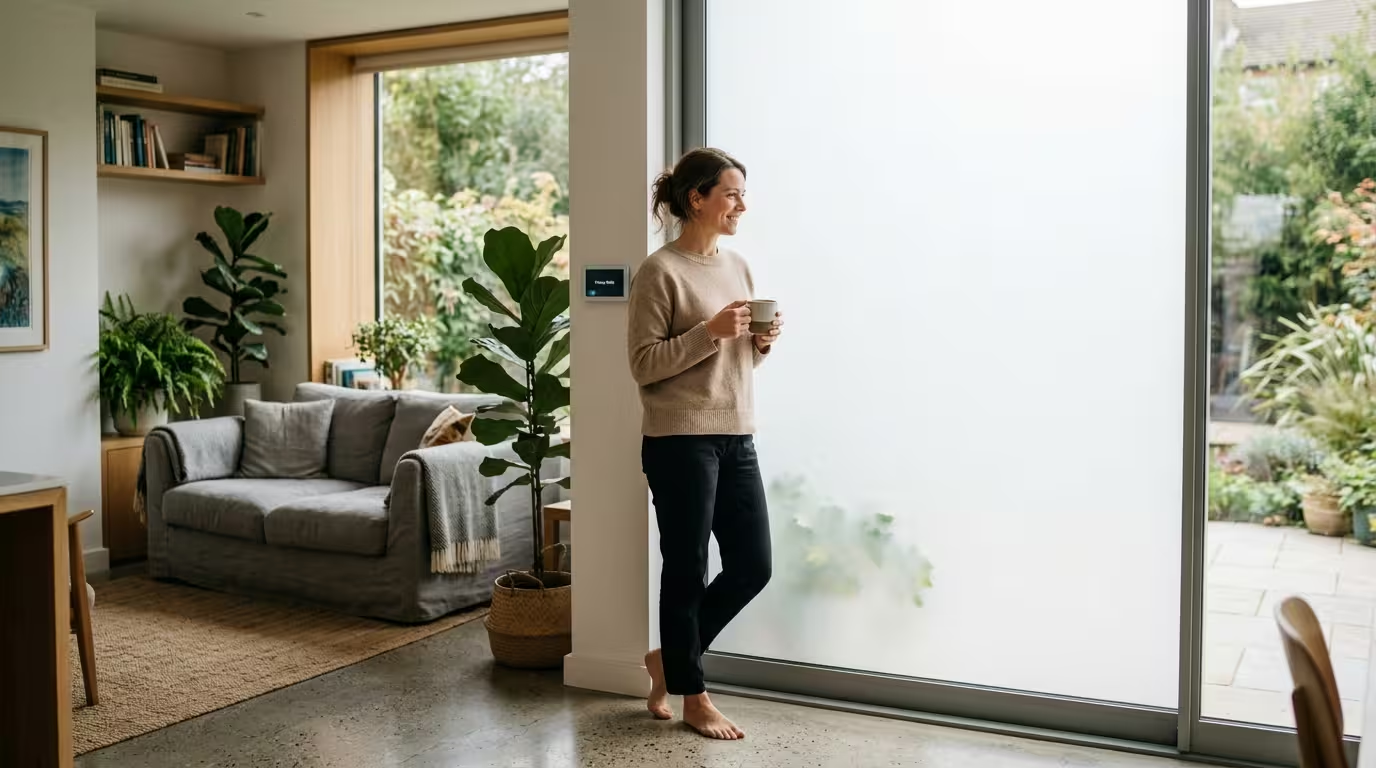
The biggest benefit of smart glass technology privacy at home is control. You decide when the glass is open and when it is private. This can make daily routines easier, especially in homes close to sidewalks, streets, neighboring windows, or shared outdoor spaces.
It also reduces the need to constantly adjust blinds. In a bathroom, you can switch privacy on before using the room. In a home office, you can turn privacy on during a call. At a front door, you can block views at night while still keeping the option for daylight during the day.
Daylight Without the Clutter of Curtains
Many people dislike heavy window coverings because they block light, collect dust, or hide attractive windows. Smart glass offers a cleaner look. It supports modern interiors where glass, light, and open space are part of the design.
This does not mean curtains are useless. In some rooms, curtains still help with softness, blackout, insulation, and style. But for homeowners who prefer minimal design, smart glass technology privacy at home can reduce visual clutter while keeping a room bright and functional.
Energy and Comfort Considerations
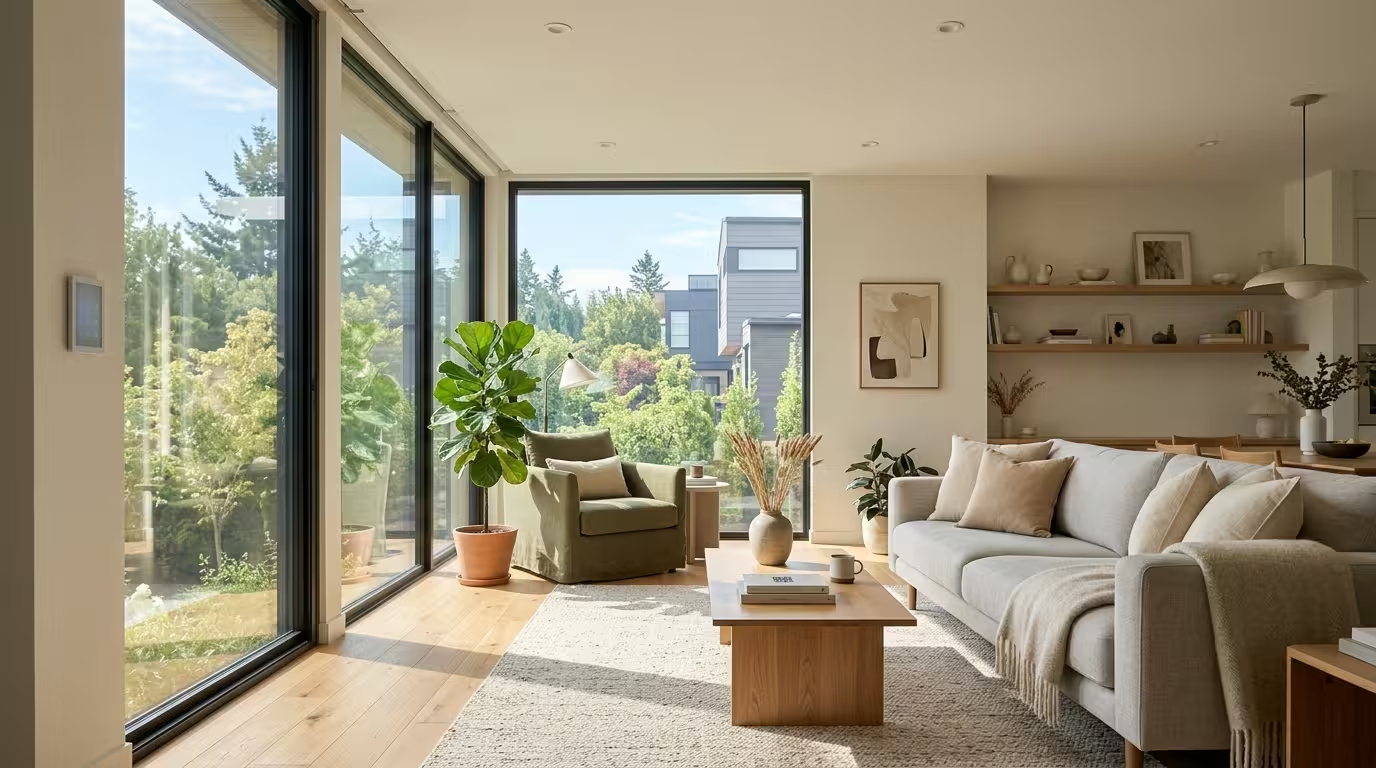
Smart glass is often discussed for privacy, but windows also affect comfort and energy use. The U.S. Department of Energy notes that heat gain and heat loss through windows account for 25%–30% of residential heating and cooling energy use. This is why window selection matters, especially in hot, cold, or sunny climates.
Privacy-focused PDLC glass may help with glare and daylight control, but it is not always the same as high-performance energy glass. Electrochromic and dynamic windows are more often designed for solar and glare control. If energy performance is a major goal, compare U-factor, solar heat gain coefficient, visible light transmission, and climate-zone suitability before buying.
Does Smart Glass Replace Blinds Completely?
Sometimes it can, but not always. Smart glass can replace blinds in areas where the main need is privacy while still allowing daylight. Bathrooms, glass partitions, and office doors are good examples. But it may not fully replace blackout curtains in bedrooms or media rooms.
If you need darkness for sleep, strong insulation, decorative softness, or full nighttime privacy, you may still want another layer. Smart glass technology privacy at home works best when homeowners understand what it can and cannot do. It blocks direct views, but it does not always create total darkness or full visual separation in every lighting condition.
Privacy vs Security: Know the Difference
Privacy and security are not the same. Smart glass can hide views into a room, but it does not automatically make the glass harder to break. If security matters, ask about tempered glass, laminated glass, impact-rated glass, lock quality, frame strength, and local building requirements.
For entry doors, bathrooms, and ground-floor windows, privacy glass should be part of a broader safety plan. The glass may protect your view, but the full opening still needs proper hardware, installation, and code-compliant glazing.
Cost Factors Homeowners Should Understand
The cost of smart glass depends on the type, size, shape, installation method, controls, wiring, and whether the project uses new glass or a film applied to existing glass. Custom sizes, curved panels, exterior windows, doors, and wet-area use can increase the price.
Do not compare smart glass only by square feet. Compare what is included. Ask whether the quote covers glass, film, transformer, wiring, controls, installation, warranty, removal of old glass, permits, and electrical work. For smart glass technology privacy at home, the cheapest option is not always the best if it performs poorly or has limited support.
Smart Film vs Full Smart Glass
Homeowners usually choose between smart film and laminated smart glass. Smart film is applied to existing glass. It may be more affordable and faster to install. It can work well for interior partitions, office doors, and some windows.
Full smart glass has the switchable layer laminated between glass panels. It can look cleaner and may be more durable for long-term use. It is often preferred for new builds, premium renovations, shower glass, doors, or areas where appearance and protection matter more. Ask the installer which option suits your room, moisture level, glass type, and long-term use.
Installation Planning Before You Buy
Smart glass is not only a design product. It may need power, controls, wiring, transformers, and safe installation. Before ordering, plan where the switch or controller will go. Decide whether you want wall controls, remote control, phone control, voice control, or automatic schedules.
For bathrooms and wet zones, electrical safety is especially important. Use qualified professionals and products designed for the environment. If glass replacement is involved, check local building requirements. If exterior windows are involved, ask about insulation, weather sealing, and warranty terms.
Smart Home Controls and Automation
Many homeowners choose smart glass technology privacy at home because it can connect with daily routines. For example, entry glass can turn private at sunset. A home office partition can be switched during work hours. Bathroom privacy can be controlled from a wall switch.
Automation should be convenient, not confusing. Make sure the system still has a simple manual control. Apps and voice commands are helpful, but a wall switch is often the most reliable option for guests, children, and daily use.
What Happens During a Power Outage?
Power behavior depends on the product. Many PDLC privacy systems are designed to be frosted when power is off and clear when power is on. That means they may default to privacy during an outage. This can be helpful for bathrooms, bedrooms, and entryways.
However, not every smart glass system works the same way. Ask the supplier what state the glass returns to when power is lost. Also, ask whether the product consumes power only while clear, while changing states, or during normal operation. This detail matters for comfort, privacy, and energy use.
Nighttime Privacy: A Commonly Missed Detail
Nighttime privacy is one of the most important issues homeowners forget. During the day, outside light may make the glass harder to see through. At night, indoor lighting can make silhouettes, movement, or shapes more visible.
Before installing smart glass, ask for samples or photos in different lighting conditions. Test the glass with lights behind it if possible. For bathrooms and bedrooms, consider layered privacy. Frosted smart glass may be enough for some areas, but curtains, shades, or careful lighting may still be useful in sensitive rooms.
Cleaning and Maintenance
Smart glass should be cleaned with care. Avoid harsh chemicals, abrasive pads, and excessive water near edges, wiring, or film connections. Use the cleaning instructions provided by the manufacturer or installer.
For smart film, edge sealing and careful cleaning are important because damage can affect appearance and performance. For laminated smart glass, the surface may be easier to maintain, but electrical components still need protection. Good installation and gentle maintenance can help the system last longer and look better.
Questions to Ask Before Hiring an Installer
A smart glass project should not be rushed. Ask the installer what type of glass they recommend and why. Ask whether the product is suitable for interior or exterior use, wet rooms, direct sunlight, large panels, and your local climate.
Also ask about warranty length, response time for repairs, electrical requirements, controls, samples, expected privacy level, and what is excluded from the quote. If the project involves broader renovation work, follow basic home improvement safety steps: check licensing where required, verify insurance, get written estimates, and use a clear written contract. The FTC recommends checking licenses and insurance, getting written estimates, and avoiding risky payment methods for home repair work.
Common Mistakes to Avoid
The first mistake is buying a product without defining the privacy problem. A bathroom window, a glass office, and a sunny living room may need different glass types. The second mistake is assuming smart glass gives a total blackout. Most privacy glass still allows light through.
Another mistake is ignoring wiring. If the controller, transformer, or cable path is poorly planned, the finished job may look messy. Homeowners also forget to check nighttime privacy, warranty terms, and whether the product is rated for the intended location. Careful planning makes smart glass technology privacy at home more useful and less frustrating.
Is Smart Glass Worth It for Home Privacy?
Smart glass can be worth it when privacy, daylight, and clean design are all important. It is especially useful in bathrooms, glass offices, front doors, modern bedrooms, and open-plan interiors. It can also improve convenience because privacy can change instantly.
It may not be worth it if a simple curtain, blind, or static frosted film solves the issue at a lower cost. The best choice depends on your budget, room use, design style, and privacy expectations. For many homeowners, smart glass technology privacy at home is most valuable in high-use rooms where regular blinds feel inconvenient or visually heavy.
Final Buying Checklist
Before choosing a product, confirm the glass type, privacy level, power behavior, warranty, control method, installation needs, cleaning rules, and total project cost. Ask to see a sample in clear and private modes. Check the glass in bright light and low light, if possible.
Also, confirm whether you need smart film or full smart glass. For wet rooms, exterior windows, doors, and large custom panels, professional guidance is important. Smart glass technology privacy at home works best when product choice, installation, and room needs all match.
Conclusion
Smart glass technology privacy at home gives homeowners a flexible way to manage visibility without giving up natural light or modern design. It can make bathrooms more private, home offices more focused, entryways more secure from outside views, and open-plan spaces more adaptable.
The key is choosing the right type of glass for the right room. PDLC glass is often best for instant privacy. Electrochromic glass is usually better for tint, glare, and solar control. Smart film may suit existing glass, while laminated smart glass may be better for premium or long-term installations. When planned carefully, this technology can make a home feel brighter, cleaner, and more comfortable.