How to Reduce Carbon Footprint During Renovation: A Practical Homeowner Guide

Renovating a home can feel like a fresh start. You get better rooms, better comfort, and a space that finally fits your life. But behind every wall removed, cabinet replaced, or floor upgraded, there is a hidden environmental cost. Materials must be made, shipped, installed, removed, and sometimes dumped. Energy systems may also keep wasting power long after the project is finished.
That is why many homeowners now want to know how to reduce carbon footprint during renovation without making the project feel complicated. The good news is that lower-carbon renovation is mostly about better choices. Keep what still works. Choose durable materials. Improve energy performance. Plan waste before demolition starts. When these steps work together, your home can become more comfortable, less wasteful, and better prepared for the future.
Why Renovations Have a Carbon Footprint
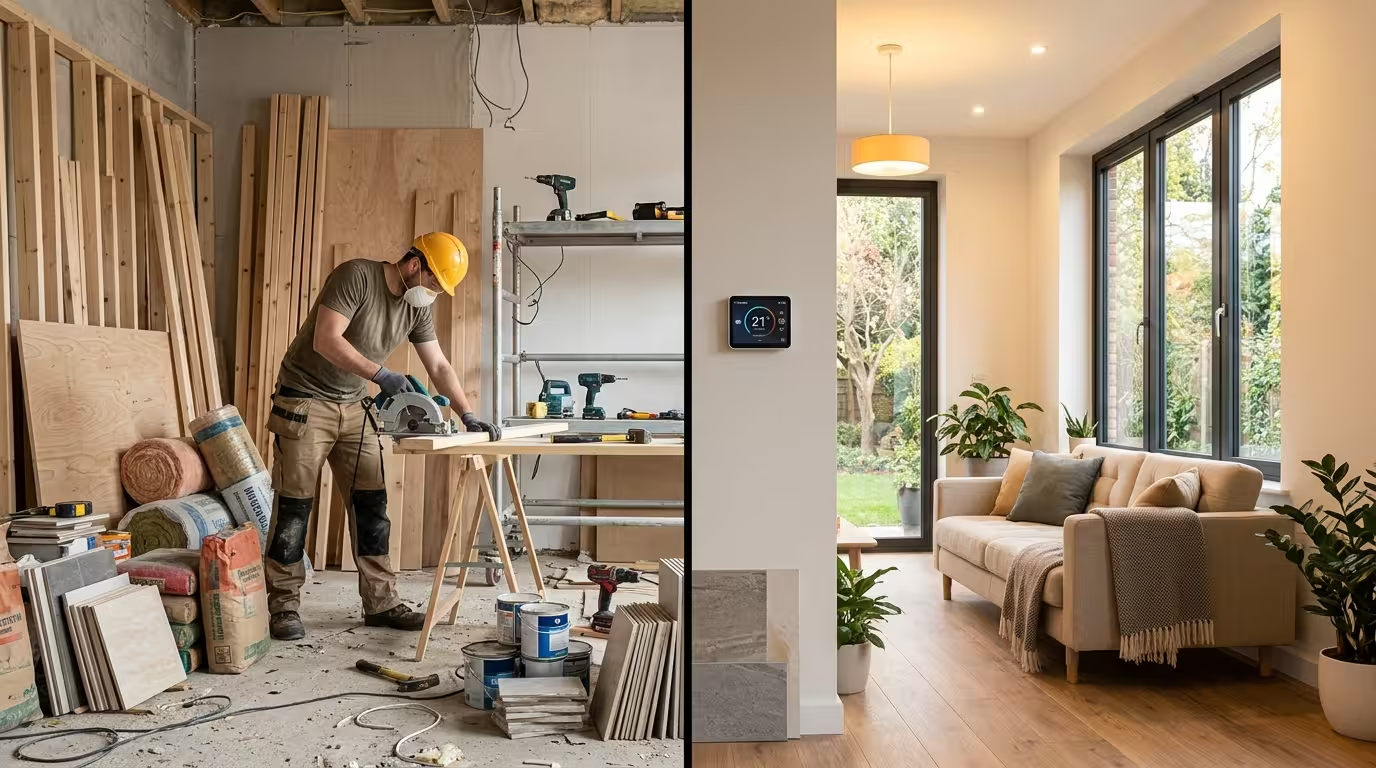
Every renovation has two main kinds of emissions. The first is embodied carbon. This comes from making, transporting, installing, maintaining, and disposing of building materials. Concrete, steel, aluminum, insulation, cabinets, flooring, drywall, and countertops all carry some amount of embodied impact before they ever enter your home.
The second is operational carbon. This comes from the energy used to heat, cool, light, ventilate, and run the home after the work is done. A renovation that looks beautiful but leaves drafty walls, poor insulation, old appliances, and inefficient heating can keep producing unnecessary emissions for years. Learning how to reduce carbon footprint during renovation means looking at both sides: what you build with and how the home performs afterward.
How to Reduce Carbon Footprint During Renovation With a Smarter Plan
The lowest-carbon material is often the one you do not need to buy. Before planning a full tear-out, ask what can be repaired, refinished, reused, or rearranged. Existing hardwood floors may only need sanding. Cabinets may need new doors, hardware, or paint instead of full replacement. A bathroom may need better ventilation, lighting, and fixtures without moving every wall.
This approach does not mean settling for less. It means spending money where it makes the biggest difference. A smaller scope can reduce waste, labor, deliveries, and new material demand. It can also protect the character of older homes. If your goal is how to reduce carbon footprint during renovation, begin by asking, “What can stay?” before asking, “What should be removed?”
Get a Home Energy Assessment Before Major Work
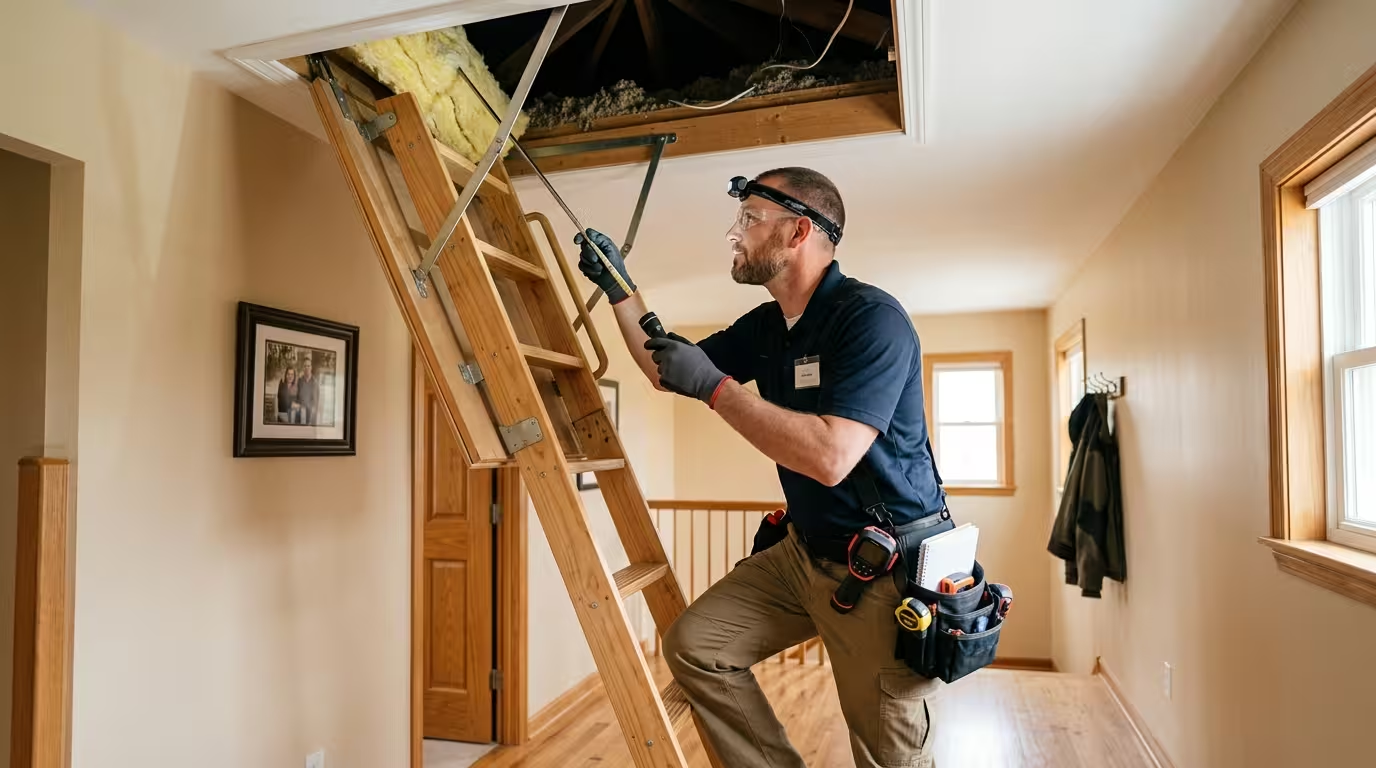
A renovation is the best time to improve home performance because walls, ceilings, floors, and systems may already be open. Before choosing finishes, consider a home energy assessment. An assessor can help identify air leaks, poor insulation, duct issues, old equipment, moisture problems, and inefficient windows.
This step helps you avoid cosmetic upgrades that ignore major energy losses. For example, replacing countertops may improve appearance, but air sealing an attic or insulating walls may reduce heating and cooling demand for decades. The U.S. Department of Energy lists upgrade categories such as insulation, ventilation, heat pumps, heat pump water heaters, and smart energy controls through home energy programs.
Reduce Demolition Waste Through Deconstruction
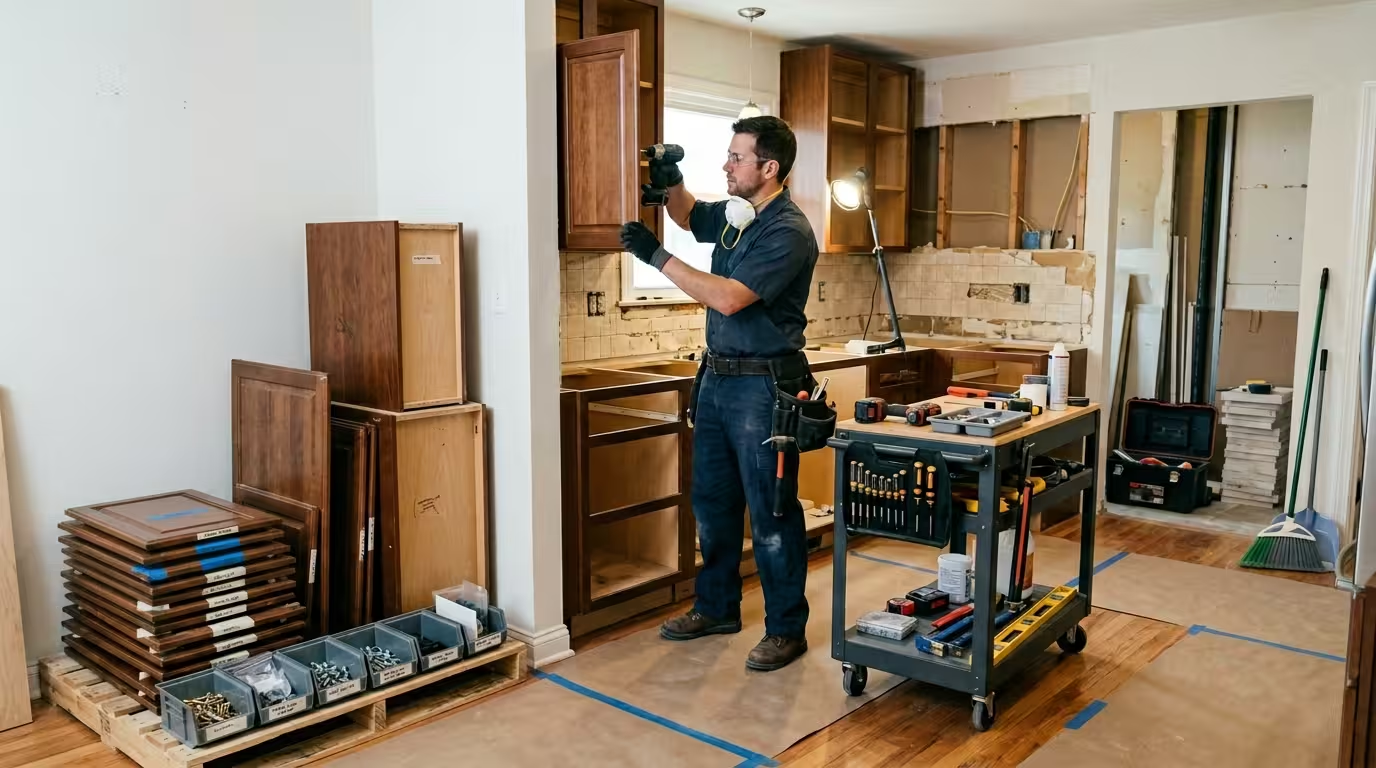
Demolition is fast, but it can be wasteful. Deconstruction is different. It means carefully removing materials so they can be reused, donated, resold, or recycled. Cabinets, doors, hardware, lighting, brick, lumber, flooring, sinks, and appliances may still have value if removed properly.
The scale of the issue is large. The U.S. Environmental Protection Agency estimated that the United States generated 600 million tons of construction and demolition debris in 2018, more than twice the amount of municipal solid waste generated that year. This makes waste planning one of the most important parts of how to reduce carbon footprint during renovation. Ask your contractor whether reusable materials can be separated before the dumpster arrives.
Create a Waste Plan Before the First Dumpster
A waste plan should list what will be reused on-site, donated, recycled, and disposed of safely. It should also identify local donation centers, salvage yards, recycling facilities, and any special handling needs for hazardous materials.
Common recoverable materials include wood, metal, cardboard, clean drywall, concrete, brick, cabinets, doors, fixtures, and some appliances. The EPA notes that sustainable management of construction and demolition materials can lower renovation costs, support local recovery markets, and preserve architectural character when materials are reused. This is practical, not symbolic. Less waste often means fewer hauling costs and better project discipline.
Choose Durable Materials Over Trend-Driven Materials

A short-lived design can create another renovation sooner than needed. That means more materials, more labor, more disposal, and more cost. Durable choices reduce repeat work. Timeless flooring, repairable cabinets, quality hardware, washable paint, solid surfaces, and classic layouts may not feel flashy, but they often last longer.
Think about wear before choosing finishes. A busy kitchen needs surfaces that handle moisture, heat, stains, and daily cleaning. A family entryway needs flooring that can survive shoes, pets, and weather. A low-carbon renovation is not only about recycled content. It is also about longevity. The longer a material performs well, the more value you get from its original impact.
Use Reclaimed, Reused, and Locally Sourced Materials
Reclaimed wood, salvaged brick, reused doors, vintage lighting, and local stone can add character while reducing demand for newly manufactured materials. These choices are especially useful when they replace high-impact new products or avoid long-distance shipping. Local materials can also suit regional climate and design traditions better than imported options.
This does not mean every material must be reclaimed. Mixing new and reused items often works best. You might use reclaimed beams, locally made cabinets, recycled-content countertops, or salvaged hardware while buying new insulation and high-performance windows. For homeowners asking how to reduce carbon footprint during renovation, material reuse is one of the clearest places to start.
Ask for Product Transparency
Not all “green” products are equal. When comparing major materials, ask for documentation. Useful terms include Environmental Product Declaration, recycled content, Forest Stewardship Council certification, low-VOC certification, and manufacturer take-back programs. For wood products, responsible sourcing matters. For concrete, insulation, flooring, and roofing, embodied carbon and durability both matter.
The EPA explains that embodied carbon refers to greenhouse gas emissions linked to upstream stages of a product’s life, including production, extraction, transport, and manufacturing. That definition helps homeowners ask better questions. Instead of asking only, “Is this eco-friendly?” ask, “What is it made from, where does it come from, how long will it last, and what happens to it later?”
Improve Insulation and Air Sealing First
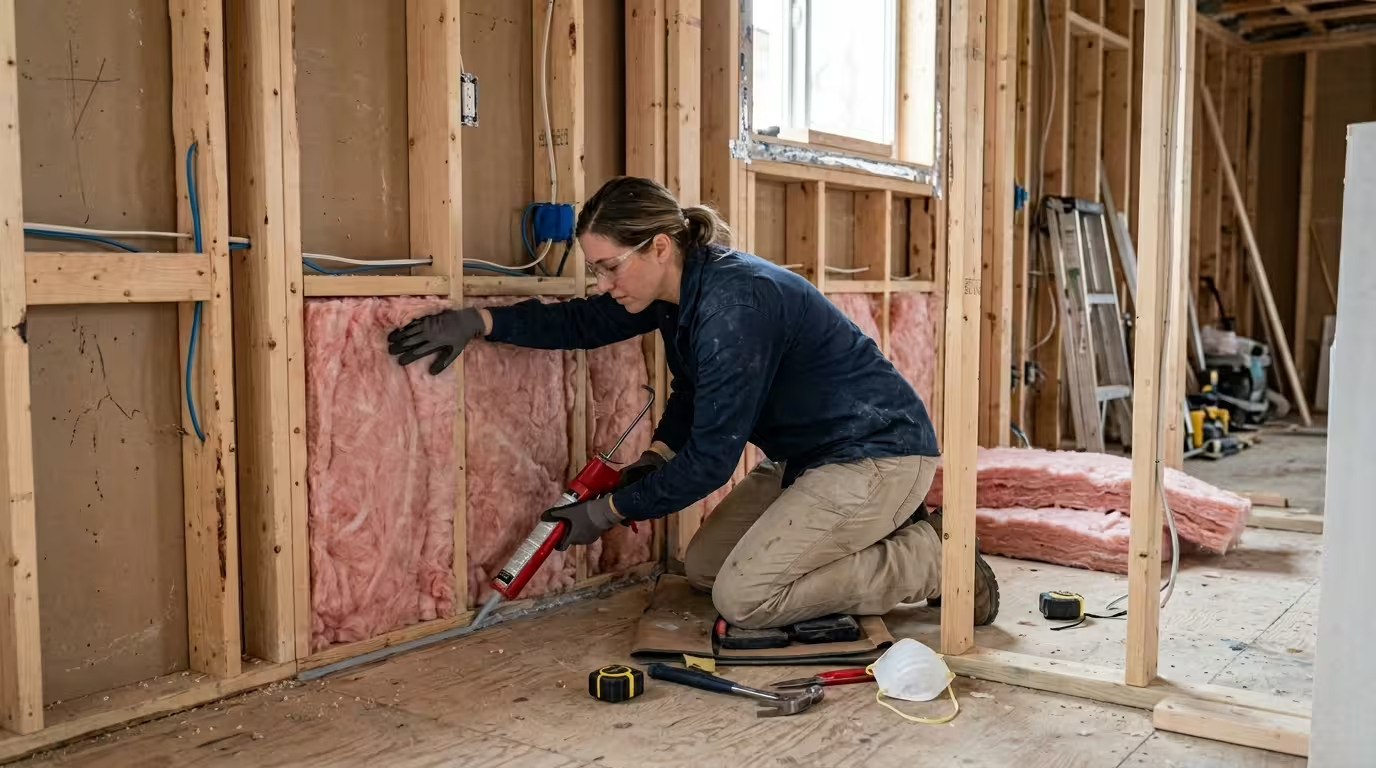
If your home leaks air or lacks insulation, new heating and cooling equipment may need to work harder than necessary. Air sealing and insulation often make a home more comfortable while lowering long-term energy demand. Focus on attics, crawl spaces, rim joists, basements, exterior walls, duct leaks, and gaps around penetrations.
This is especially important before buying a new HVAC system. Once the building envelope improves, the home may need a smaller or different system. Good sequencing avoids overspending and helps equipment run more efficiently. For many homes, the path for how to reduce carbon footprint during renovation starts behind the walls, not with visible finishes.
Upgrade Heating, Cooling, and Water Heating Carefully
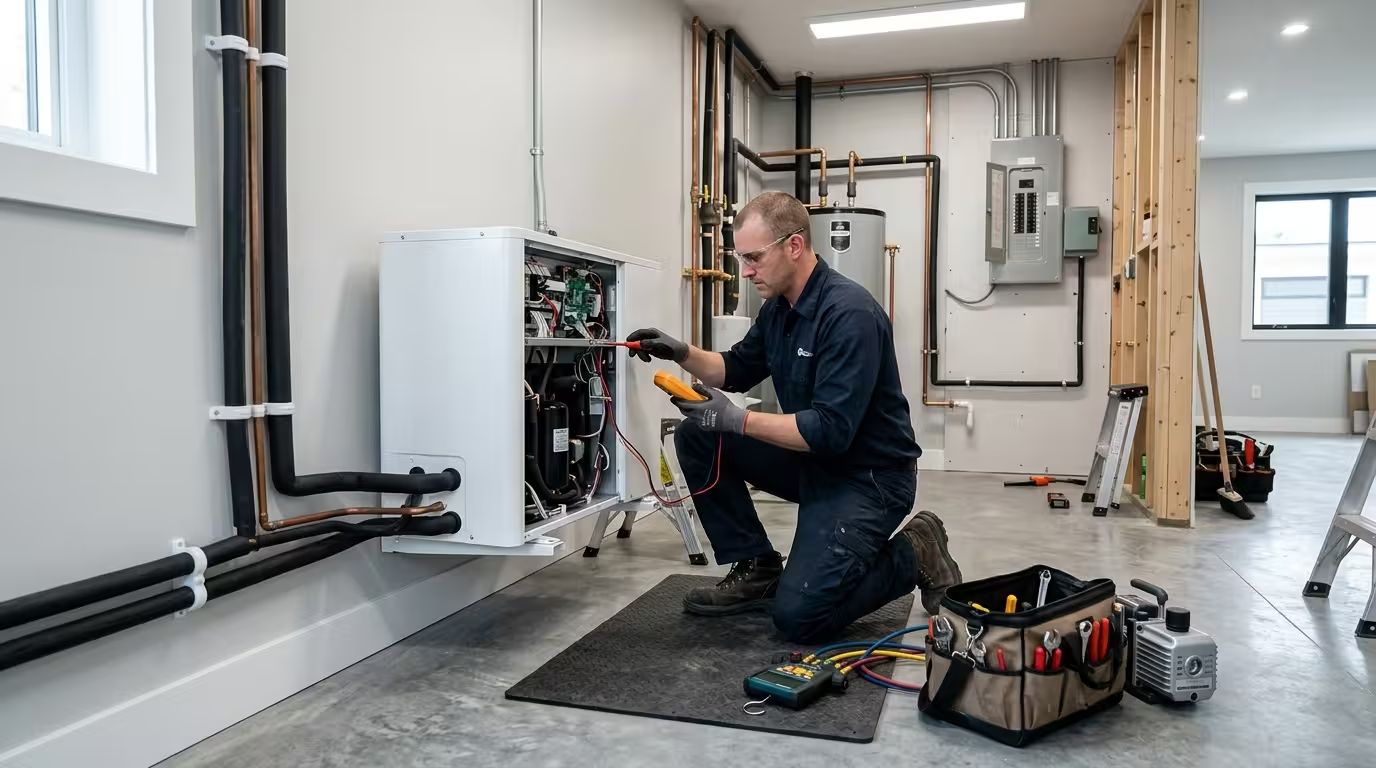
Heating, cooling, and water heating are often major parts of household energy use. During renovation, you may have an opportunity to replace old equipment with more efficient systems, such as heat pumps or heat pump water heaters. These systems can reduce fossil fuel use when paired with cleaner electricity, strong insulation, and proper sizing.
Do not replace equipment blindly. Ask for load calculations, duct inspection, insulation review, and climate-appropriate recommendations. Oversized systems can cycle poorly and reduce comfort. Undersized systems may struggle during extreme weather. The best upgrade is one that fits the home after envelope improvements are complete.
Check Current Rebates and Tax Rules Before Budgeting
Incentives can change. In the United States, federal energy-efficient home improvement credits applied to qualifying property placed in service from January 1, 2023, through December 31, 2025. According to the IRS, the credit is not allowed for qualifying property placed in service after December 31, 2025.
However, state and local home energy rebate programs may still support qualifying efficiency and electrification upgrades in some areas. The Department of Energy lists home efficiency rebates that may provide up to $8,000 for projects that significantly reduce household energy use, depending on program status, location, income rules, and project eligibility. Before finalizing your budget, check your state energy office, utility company, and local programs.
Pick Efficient Windows Only When Replacement Makes Sense
Windows matter, but replacing every window is not always the first or best carbon move. If old windows are repairable, storm windows, weatherstripping, caulking, shades, and air sealing may provide useful improvements with less material impact. In other cases, replacement may make sense because of rot, failed seals, poor comfort, water damage, or major design changes.
If you do replace windows, compare U-factor, solar heat gain coefficient, air leakage, frame type, glazing, warranty, and climate fit. The U.S. Department of Energy states that heat gain and heat loss through windows are responsible for 25%–30% of residential heating and cooling energy use. This makes window decisions important, but they should be made as part of the whole home plan.
Reduce Water Use During the Renovation
Water savings also support a lower-impact home. Low-flow showerheads, efficient faucets, WaterSense-labeled toilets, leak repairs, hot water pipe insulation, and smart irrigation controls can reduce water waste. In kitchens and laundry rooms, efficient appliances can cut both water and energy use.
Water planning is especially useful during bathroom, kitchen, laundry, and landscaping projects. If walls or floors are open, it may be easier to improve plumbing, fix leaks, or shorten hot water runs. Lower water use can also reduce the energy needed to heat water. This is a practical part of how to reduce carbon footprint during renovation that many homeowners overlook.
Choose Low-VOC Paints, Adhesives, and Finishes

A lower-carbon renovation should also support healthy indoor air. Paints, adhesives, flooring, cabinets, sealants, and composite wood products can release chemicals into indoor air. The EPA notes that levels of several organic chemicals average 2 to 5 times higher indoors than outdoors, and certain activities, such as paint stripping, can raise levels much higher for short periods.
Choose low-VOC or no-added-formaldehyde products where practical. Ventilate during and after installation. Follow curing times. Store open containers away from living areas. This does not directly solve every carbon issue, but it improves the quality of the finished home and helps avoid replacing materials because of odor or discomfort.
Work With Contractors Who Understand Sustainable Renovation
A contractor does not need fancy language to support a lower-impact project. They need planning skills, clean work habits, reliable suppliers, and openness to reuse, recycling, efficient systems, and durable materials. Ask direct questions before hiring.
Good questions include: Can you separate salvageable materials? Do you work with local suppliers? Can you protect existing floors, trim, cabinets, or doors? Can you coordinate insulation and HVAC sizing? Have you installed heat pumps or energy-efficient ventilation systems? How do you prevent over-ordering materials? A contractor who answers clearly can make how to reduce carbon footprint during renovation much easier in practice.
Avoid Over-Ordering and Last-Minute Shipping
Rushed choices often create waste. When materials are ordered without final measurements or design decisions, leftovers pile up. When a product is forgotten, it may require expedited shipping. When finishes change late, already-purchased materials may become waste.
Good planning reduces these problems. Confirm measurements, lead times, product availability, return policies, and storage space before ordering. Use a cut list for lumber, tile, countertops, and flooring. Keep extra material only where it helps with future repairs. A little overage is normal, especially for tile and flooring, but careless over-ordering increases both cost and impact.
Keep Appliances and Fixtures Out of Landfills
Old does not always mean useless. Working appliances, cabinets, sinks, lighting, doors, and hardware may be donated, sold, or reused in another part of the home. Even non-working appliances may have recyclable metal components if handled properly.
Call donation centers before demolition begins. Some organizations require items to be removed carefully and may have rules for age, condition, and pickup. If you wait until the last day, usable items may be damaged or thrown away. A thoughtful removal schedule can turn waste into value for another household.
Plan for Solar Readiness and Future Electrification
Not every renovation budget allows solar panels, battery storage, a heat pump, induction cooking, or an electric vehicle charger right away. Still, you can plan for future upgrades. During renovation, ask whether the electrical panel, roof condition, conduit paths, and equipment space can support later changes.
This future-ready planning can reduce the need to reopen walls later. For example, adding conduit during a remodel may be easier than doing it after new drywall and finishes are complete. The same applies to panel capacity, attic access, roof life, and mechanical room layout. Smart preparation supports long-term carbon reduction even if all upgrades do not happen at once.
Protect Existing Trees and Landscaping
Renovation impact is not limited to what happens indoors. Mature trees provide shade, reduce heat around the home, manage stormwater, and support outdoor comfort. Heavy equipment, trenching, soil compaction, and material storage can damage roots and shorten tree life.
Before work starts, identify trees and landscape features worth protecting. Set clear no-storage zones. Keep vehicles away from root areas where possible. Plan drainage carefully. Outdoor shade can reduce cooling demand and make patios, porches, and yards more usable. Protecting what already works is a simple but often missed part of how to reduce carbon footprint during renovation.
Make the Home Easy to Maintain
A renovation that is hard to maintain can fail early. Choose materials and systems you can clean, repair, and service. Make filters easy to reach. Leave access panels where plumbing or mechanical parts need future inspection. Use standard parts where possible. Keep product manuals and warranty details in one folder.
Maintenance supports sustainability because it extends service life. A repairable faucet, refinishable floor, serviceable HVAC system, and accessible plumbing can prevent early replacement. The greenest project is not always the one with the newest products. It is often the one that keeps performing well with simple care.
Build a Room-by-Room Carbon Reduction Checklist
A checklist keeps the project practical. In the kitchen, consider cabinet refacing, efficient appliances, LED lighting, induction-ready wiring, durable counters, and low-VOC finishes. In bathrooms, consider water-saving fixtures, ventilation, reused vanities, efficient hot water, and moisture-resistant materials.
In living areas, consider air sealing, insulation, efficient windows where needed, durable flooring, and smart thermostats. In basements and attics, prioritize moisture control, insulation, and safe ventilation. Outside, consider tree protection, stormwater planning, local materials, and reflective or durable roofing when replacement is already necessary. This room-by-room thinking turns how to reduce carbon footprint during renovation into clear decisions.
Common Mistakes to Avoid
The first mistake is replacing everything just because the room is being renovated. The second is buying materials labeled “green” without checking durability, source, or suitability. The third is focusing only on visible design while ignoring air leaks, insulation, and mechanical systems.
Another mistake is waiting too long to plan waste. Once demolition starts, materials get damaged quickly. Homeowners also forget to check incentive deadlines, local recycling options, and contractor experience. Avoiding these mistakes can save money and lower environmental impact at the same time.
Final Practical Steps Before Work Begins
Before the project starts, write down your carbon reduction priorities. Decide what will be preserved, reused, donated, recycled, upgraded, or avoided. Share this list with your designer, contractor, and suppliers. Make sure sustainability goals appear in the scope of work, not just in conversation.
Ask for material options at different price points. Confirm whether demolition will be selective or a full tear-out. Check local rebate programs before ordering equipment. Schedule donation pickups early. Keep records for products, warranties, and incentives. These simple steps make how to reduce carbon footprint during renovation more achievable for everyday homeowners.
Conclusion
A lower-carbon renovation is not about perfection. It is about making better decisions at each stage of the project. Keep useful materials in place. Deconstruct before demolishing. Choose durable and responsible products. Improve insulation, air sealing, water efficiency, heating, cooling, and ventilation. Protect trees, reduce waste, and plan for future upgrades where possible.
The best results come from balance. A beautiful home can also be efficient, comfortable, healthy, and less wasteful. When you understand how to reduce carbon footprint during renovation, the project becomes more than a visual upgrade. It becomes a smarter investment in the way your home works every day.