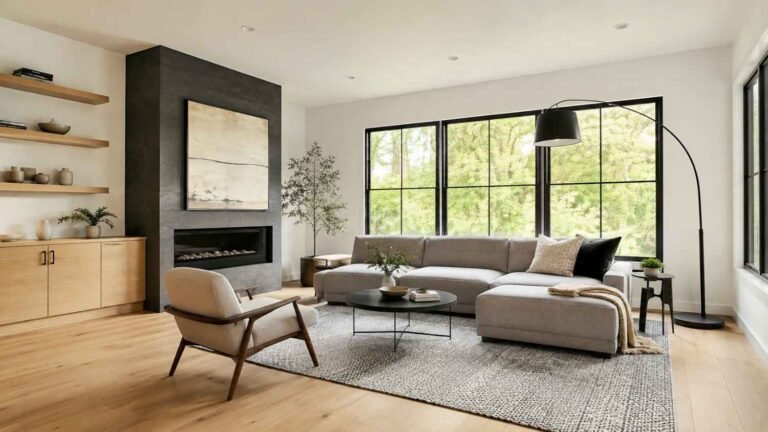
15 Quiet Luxury Interior Ideas for a Sophisticated Coastal Home
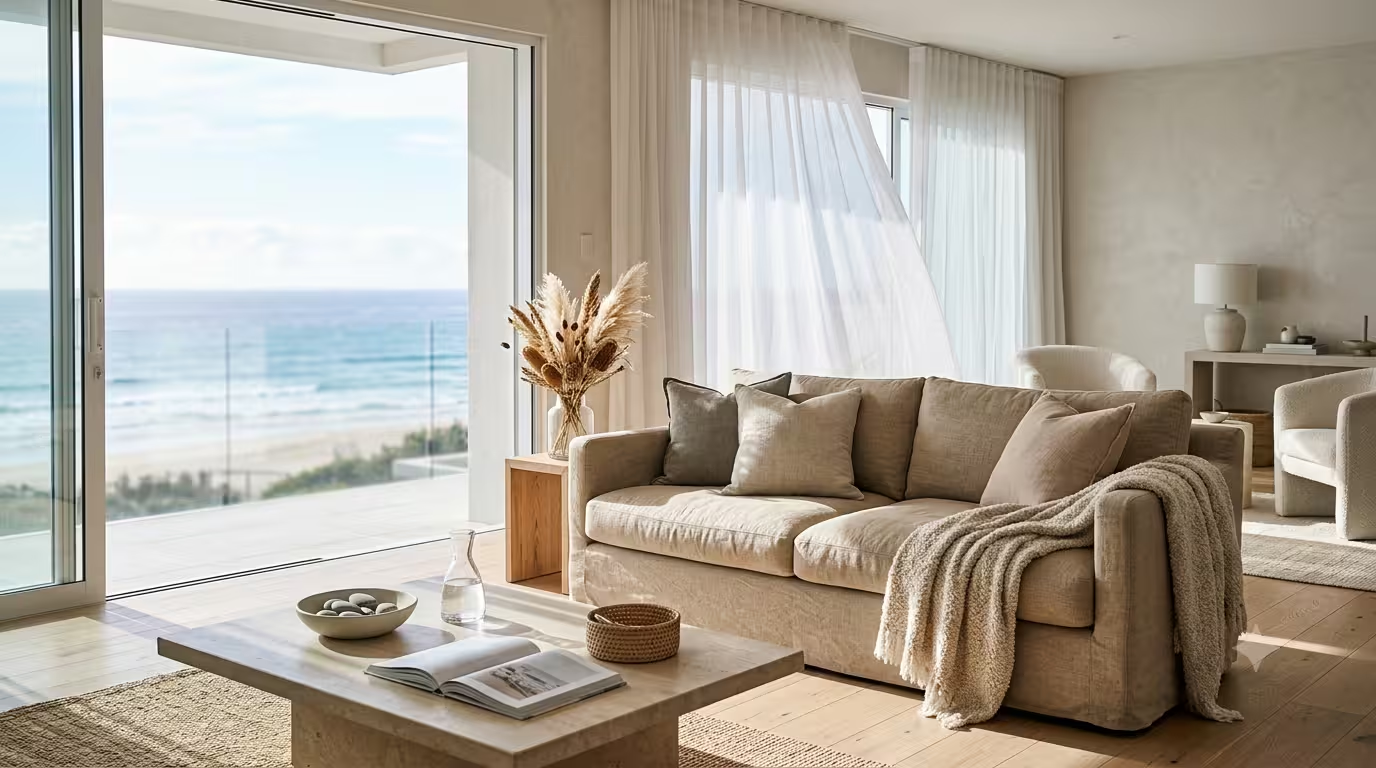
There is a particular kind of calm that settles over a well-designed home near the water. It is not the loud, nautical-themed décor of decades past — no anchors on throw pillows, no striped blue-and-white everything. Instead, it is something quieter, more considered, and far more enduring. It is the philosophy of quiet luxury, and when applied to a coastal setting, it produces interiors that feel simultaneously effortless and deeply sophisticated.
The term quiet luxury — popularized in 2022–2023 in fashion and later adopted by interior design — describes an aesthetic built on restraint, quality, and understated elegance. It favors natural materials over synthetic ones, muted palettes over bold statements, and craftsmanship over trend-chasing. For coastal homes specifically, this approach is a natural fit. The sea already does the dramatic work. Your interiors need to honor it.
This guide presents 15 quiet luxury interior ideas for a sophisticated coastal home, each one grounded in real design principles, thoughtfully chosen materials, and a respect for the natural environment just beyond the window.
Why Quiet Luxury Works So Well in a Coastal Setting
Before diving into the specific ideas, it helps to understand why this particular design philosophy resonates so strongly near the water. Coastal environments are already rich with texture, movement, and natural color — shifting sands, ocean mist, bleached driftwood, and the soft pewter of an overcast morning sky. An interior that competes with that visual richness will always lose.
Quiet luxury leans into the environment rather than fighting it. It pulls color from the shore, texture from the tides, and calm from the horizon. The result is a home that feels like a natural extension of its setting, rather than a decorated box placed near the beach.
1. Build a Neutral Palette Rooted in Nature
The foundation of any quiet luxury coastal home is its color palette. Forget bright navy and crisp white — those read as nautical, not sophisticated. Instead, reach for the hues found in bleached sand, sea glass, worn limestone, and morning fog.
Think warm greiges, dusty sage, pale taupe, chalk white, and soft driftwood gray. These tones are not colorless — they carry warmth and depth — but they never demand attention. They recede gracefully and allow natural light, texture, and form to carry the room. Designers often recommend building a palette of no more than three to four tones, with one dominant neutral, one warm accent, and one cooler counterpart to add dimension.
2. Choose Natural Stone Surfaces Throughout
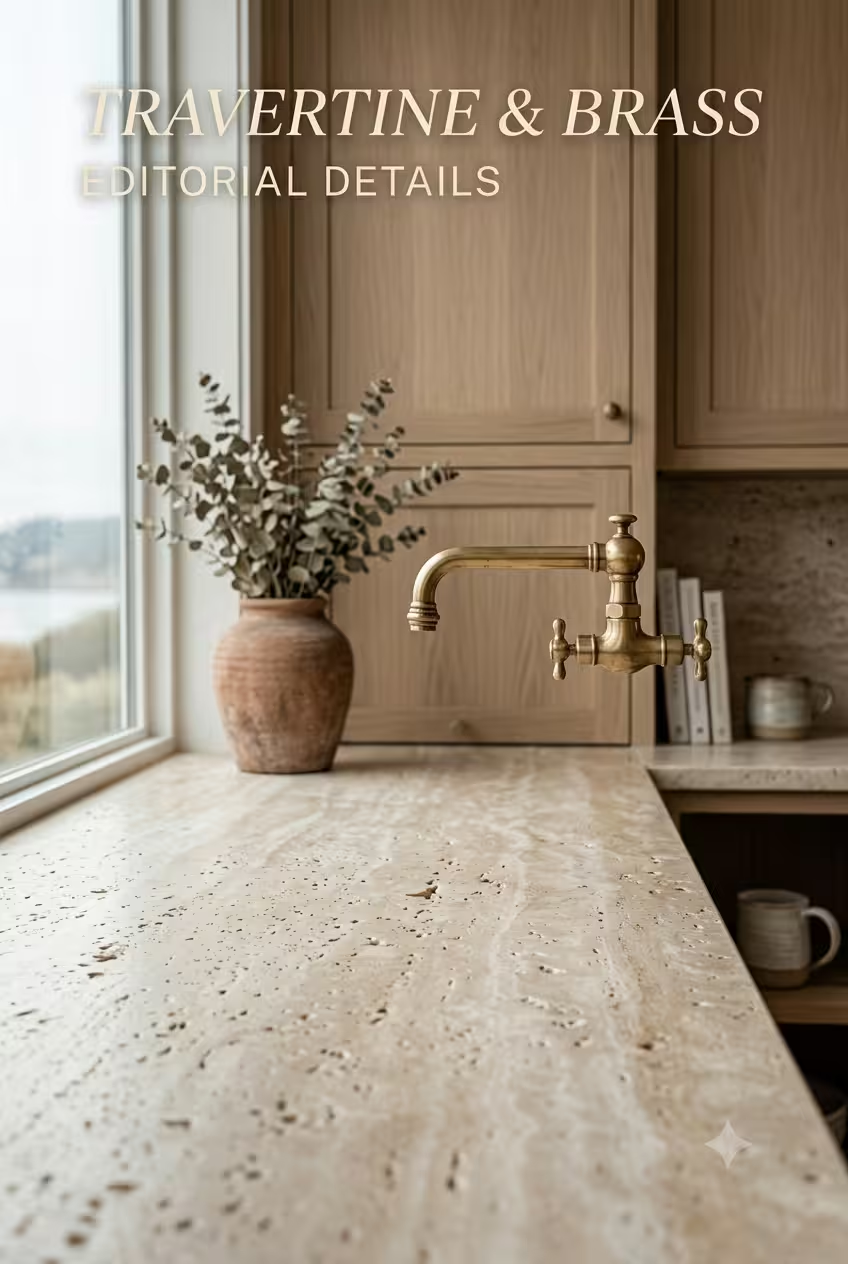
Few materials communicate quiet luxury as effortlessly as natural stone. Limestone, travertine, honed marble, and unfilled slate all carry the irregular, organic quality that makes a sophisticated coastal home feel genuinely connected to its landscape.
In kitchens, a honed travertine or Calacatta marble countertop in a matte finish replaces polished surfaces that can feel cold and clinical. In bathrooms, large-format limestone tiles laid in a running bond pattern create a spa-like calm. Even a simple travertine side table in a living room speaks volumes without saying a word. The key is choosing honed or matte finishes over high-gloss polished ones, which reflect light aggressively and undermine the quiet sophistication you are building toward.
For homeowners who want the same understated warmth to flow throughout their entire living space, exploring cozy kitchen ideas that pair natural stone countertops with linen cabinetry creates a seamless quiet luxury experience from coast to countertop.
3. Invest in Heavyweight Linen Textiles
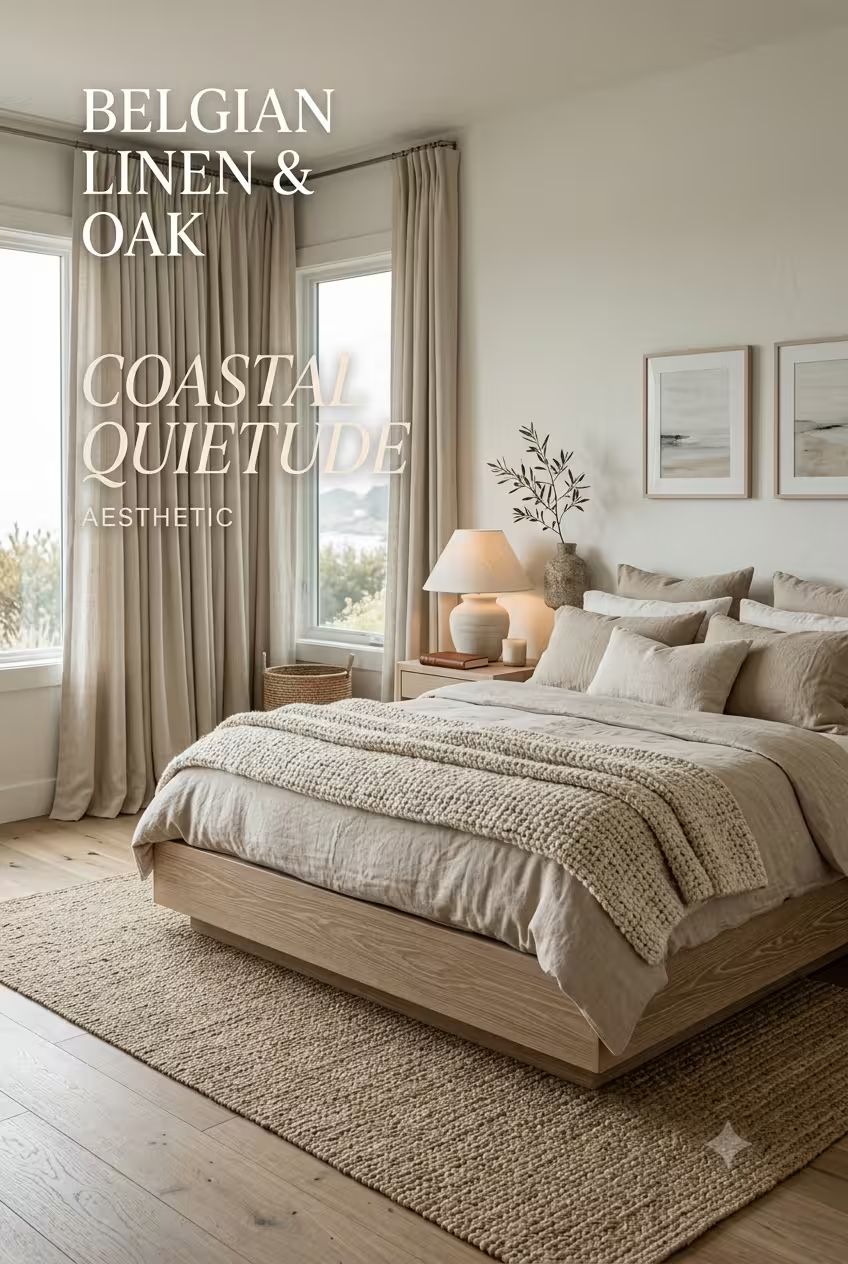
Linen is the textile of quiet luxury coastal interiors. It is breathable, tactile, and carries a natural, slightly rumpled beauty that no synthetic fabric can replicate. More importantly, it improves with age — softening with every wash, becoming more beautiful as time passes, which is precisely the opposite of a trend piece.
Use heavyweight linen for curtains that puddle slightly on the floor, for upholstery on sofas and armchairs, and for bed linens in coastal bedrooms. Belgian and Irish linen, in particular, are known for their exceptional durability and texture. Stick to undyed or stone-washed finishes in oat, sand, or pale clay tones to keep the palette cohesive and grounded.
4. Incorporate Raw Wood With Restraint
Wood is essential in a coastal interior, but the type of wood — and how it is finished — matters enormously in the context of quiet luxury. Forget dark-stained furniture and heavily lacquered finishes. In a sophisticated coastal home, wood is raw, bleached, or lightly oiled to reveal its natural grain.
Driftwood, reclaimed timber, white oak, and cerused ash are all excellent choices. A white oak dining table with a wire-brushed finish, for example, references the texture of a weathered coastal landscape without being literal about it. Use wood on feature walls, ceiling beams, furniture frames, and floors — but always with a light hand. The grain and natural variation in the material should do the work; the finish should simply protect it.
5. Layer Textures Rather Than Colors
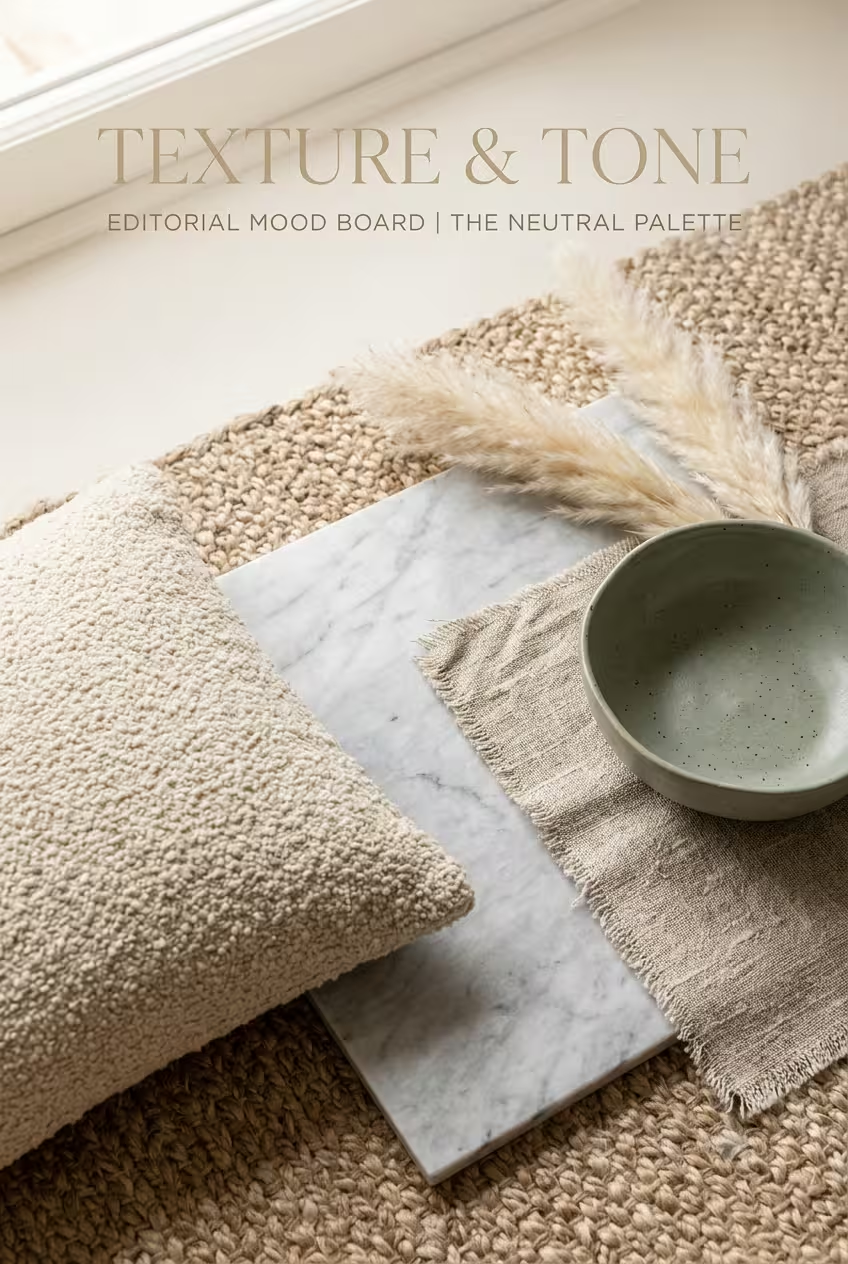
One of the most important principles in quiet luxury interior design is the technique of layering textures instead of adding more color to create visual interest. When your palette is deliberately restrained, texture becomes the primary tool for depth and warmth.
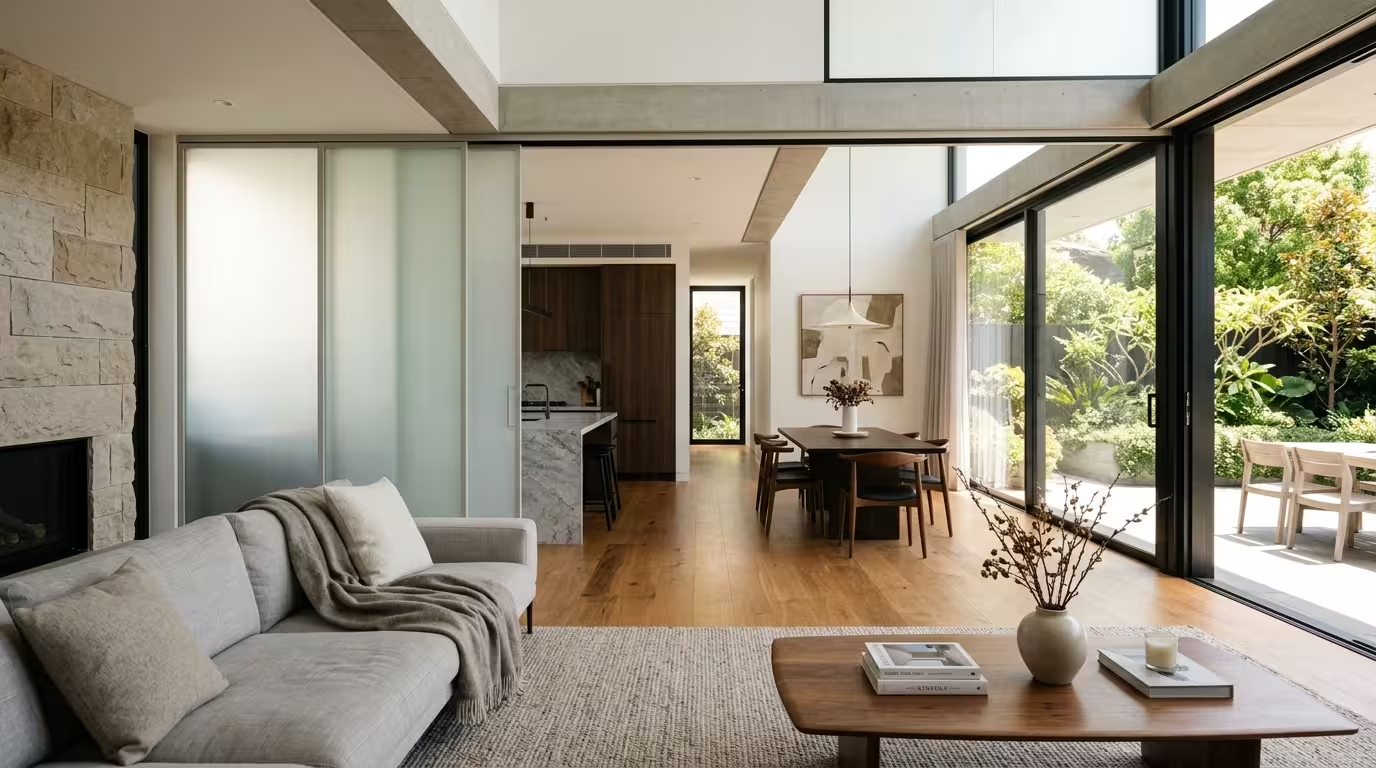
Think: a chunky jute rug under a linen sofa, topped with a bouclé throw and a velvet cushion. Think: raw plaster walls behind a polished travertine fireplace surround. Think: woven rattan pendant lights above a smooth stone dining table. Each material has a different surface quality — rough, smooth, matte, reflective, soft, firm — and the interplay between them creates richness that is far more sophisticated than a room full of contrasting colors.
6. Select Furniture With Clean Architectural Lines
Quiet luxury is not minimalism, but it shares minimalism’s respect for clean, purposeful form. Furniture in a sophisticated coastal home should have clear structural lines — not ornate carving, not overly decorative hardware, and certainly not the cluttered silhouettes that come from mixing too many styles.
Look for sofas with slender, slightly tapered legs in natural wood or matte brushed metal. Choose coffee tables with simple geometric forms in stone or cerused oak. Select armchairs with gently curved backs and wide, welcoming seats. The shapes should feel considered and restful, never fussy. Designers like Axel Vervoordt and Rose Uniacke have made careers building interiors around this exact principle — furniture that reads as beautiful precisely because it is quiet.
7. Curate Art That Reflects the Natural World
In a quiet luxury coastal home, art plays a supporting role rather than a starring one. This does not mean the walls should be bare — it means the works chosen should feel organic and earned rather than decorative and placed.
Abstract seascape paintings, botanical studies in muted tones, photography printed on matte cotton rag paper, or sculptural ceramics placed on a shelf — these all communicate sophistication without shouting. Avoid mass-produced prints and look instead for original works by emerging artists, limited edition prints from established galleries, or even framed vintage natural history illustrations. Scale matters too: one large, considered piece almost always outperforms a gallery wall of smaller, competing images in a space built around quiet luxury.
8. Install Architectural Paneling for Depth
One of the most transformative — and frequently underutilized — quiet luxury design moves is architectural paneling. Whether it is Shaker-style wall paneling painted in a chalky stone tone, vertical oak slats used as a room divider, or subtle fluted details applied to a kitchen island, paneling adds depth, structure, and a sense of considered craftsmanship to a coastal interior.
The key is restraint in both scale and finish. Panels should be proportional to the room — not so tall they feel oppressive, not so shallow they read as an afterthought. A matte eggshell or dead flat paint finish on wall paneling absorbs light beautifully and reinforces the quiet sophistication of the overall scheme.
9. Embrace the Warmth of Aged Brass and Brushed Bronze
Hardware and metal fixtures are the jewelry of an interior, and in a quiet luxury coastal home, the choice is clear: aged brass, brushed bronze, or warm antique gold — never chrome, never polished nickel.
These warmer metal tones carry a sense of history and patina that aligns perfectly with the organic, unhurried aesthetic of sophisticated coastal living. Apply them to door handles, cabinet pulls, plumbing fixtures, lighting, and picture-hanging hardware. Consistency across all metal finishes is important — mixing too many tones fragments the visual calm. Choose one metal family and apply it throughout the space for a unified, polished result.
10. Design a Spa-Like Coastal Bathroom
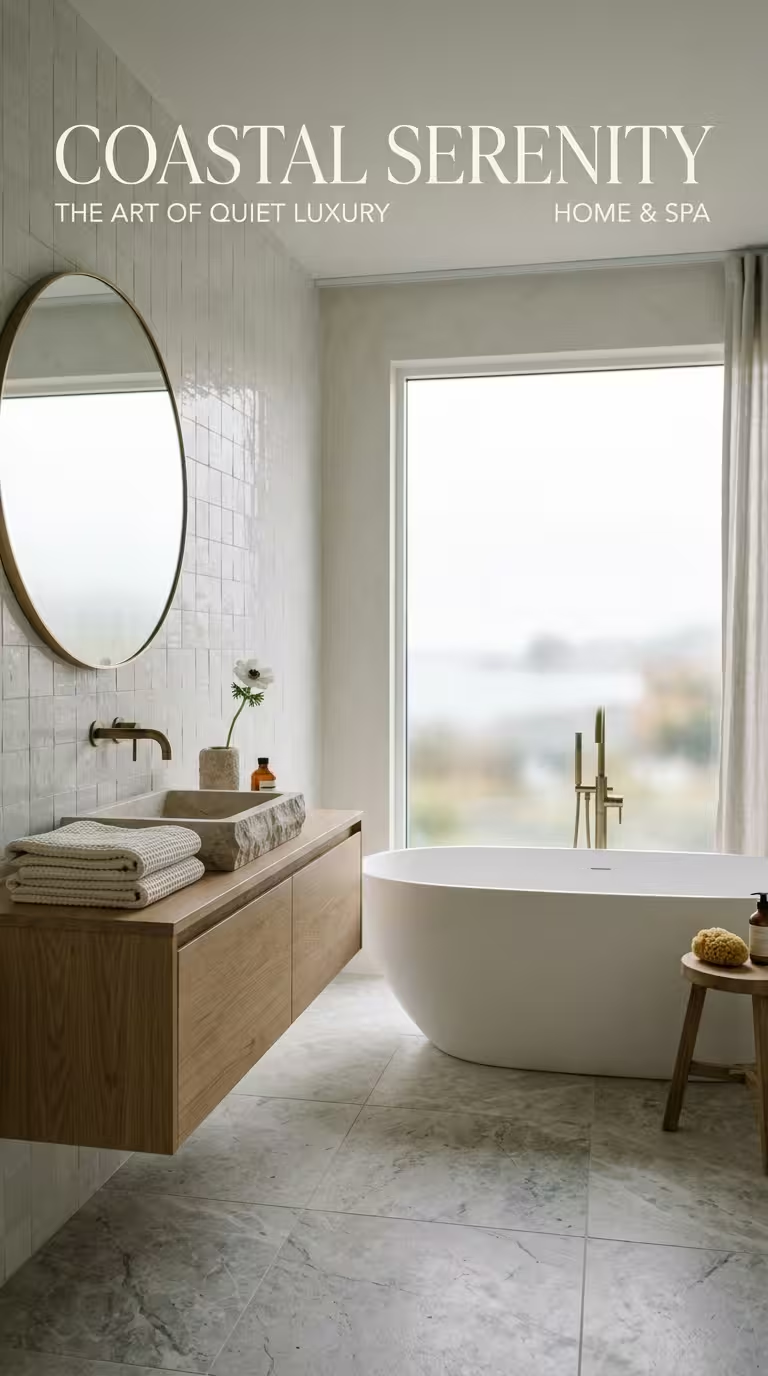
The bathroom in a quiet luxury coastal home deserves the same care and intention as any other room. In fact, it may be the space where the philosophy is most powerfully expressed — because a truly exceptional bathroom is built on sensory experience: the weight of a good towel, the cool smoothness of stone underfoot, the quality of light filtering through frosted glass.
Completing a sophisticated coastal bathroom requires the right finishing touches, and browsing the best bathroom accessories — think brushed nickel hardware, stone soap dishes, and waffle-weave towels — elevates the space without overwhelming its calm character.
Key elements include a freestanding soaking tub in matte white, large-format stone floor tiles, a floating vanity in natural oak with a honed stone basin, and wall sconces with warm, dimmable bulbs. Every element should feel spa-like and personal, never clinical.
11. Let Natural Light Lead the Design
In any coastal home, light is the single most powerful design element — and in a quiet luxury interior, it is treated with the respect it deserves. This means designing around light sources rather than fighting them, choosing window treatments that filter rather than block, and placing reflective surfaces like mirrors and stone strategically to amplify natural brightness.
Sheer linen curtains in pale oat or white allow morning light to pour in while softening its intensity. Skylights and large pivoting windows frame views of the water and sky. Mirrors with simple, aged frames placed opposite windows double the perceived volume of a room while bouncing light into darker corners. The goal is not brightness at all costs — it is the quality of light. Soft, diffused, golden-hour light feels warm and enveloping; harsh overhead lighting does not.
12. Ground Every Room With a Natural Fiber Rug
Rugs anchor a room both visually and physically, and in a sophisticated coastal home, natural fiber rugs — jute, sisal, sea grass, or hand-knotted wool in earthy tones — are the preferred choice. They introduce warmth underfoot, texture at eye level, and a connection to the natural world that synthetic rugs simply cannot provide.
For open-plan living areas, a large jute rug in a simple herringbone or basket weave pattern creates definition without visual noise. For bedrooms, a hand-knotted wool rug in a tone-on-tone pattern in sand or stone adds quiet luxury directly underfoot — exactly where you feel it first thing in the morning. Always size rugs generously: too-small rugs are one of the most common design mistakes and immediately undermine the considered sophistication of an otherwise well-executed room.
13. Introduce Living Botanicals and Organic Specimens
Quiet luxury interiors do not need heavy floral arrangements or overly styled plant displays. Instead, they favor botanicals that feel natural, almost incidental — a single sculptural monstera leaf in a travertine vase, a cluster of dried pampas grass in a linen-colored ceramic pot, a low bowl of smooth river stones and succulents on a coffee table.
Living plants and natural specimens connect the indoor space to the coastal landscape outside. They introduce organic form and a subtle sense of life that no manufactured object can replicate. Choose species known for their structural beauty — olive trees, fiddle-leaf figs, eucalyptus, and sea grasses — and display them in containers made from natural materials: terracotta, concrete, stone, or unglazed ceramic.
14. Invest in Bespoke or Artisanal Details
The single quality that separates a truly sophisticated coastal home from a well-styled one is the presence of bespoke and artisanal elements. These are the details that cannot be purchased from a catalog — the hand-thrown ceramic lamp base commissioned from a local studio potter, the custom linen Roman blind made by a textile artisan, the built-in bookcase designed to fit a specific alcove with millimeter precision.
These details do not need to be expensive in absolute terms, but they do need to be intentional. They signal that the home has been thought about and lived in, that the people who chose these objects valued craft, story, and permanence over speed and convenience. That is the essence of quiet luxury: not what things cost, but the quality of attention given to their selection.
15. Create Outdoor Spaces That Mirror the Interior
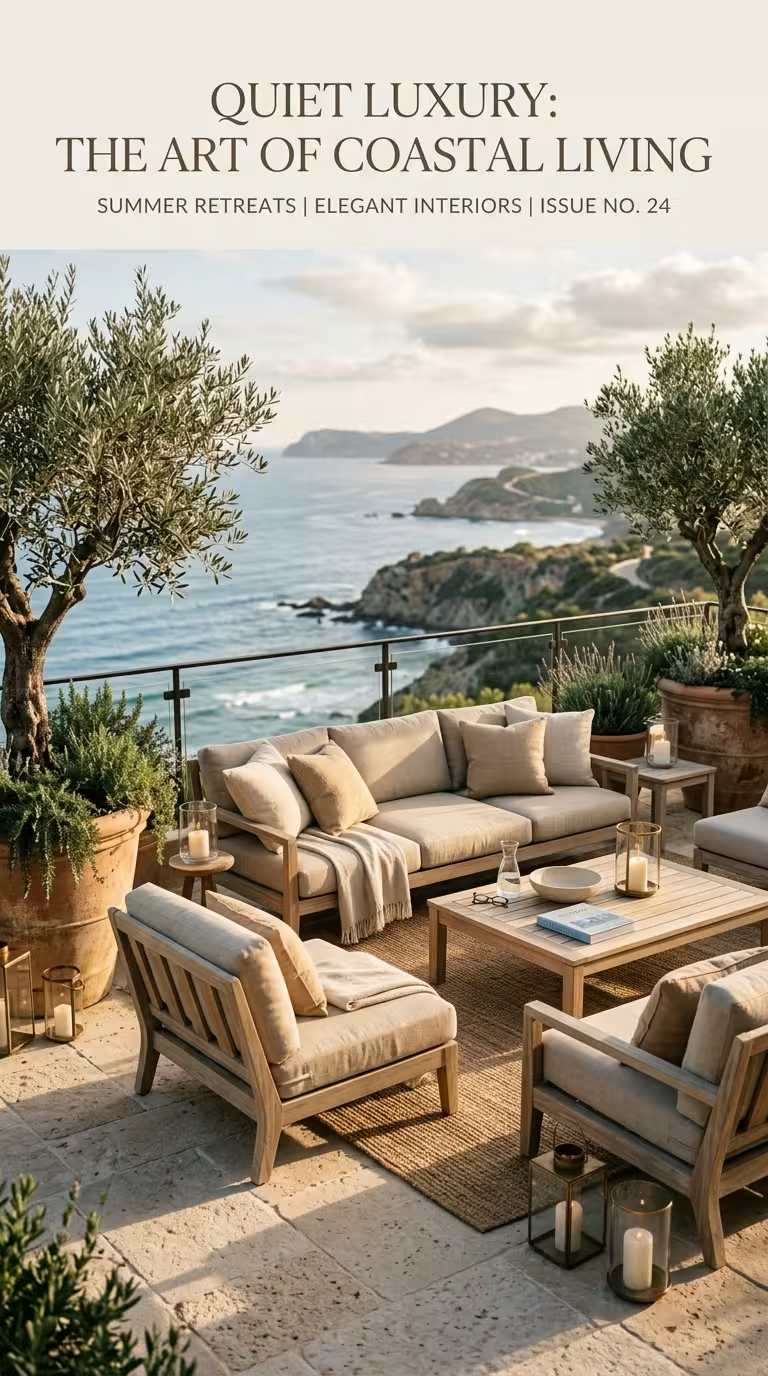
A sophisticated coastal home does not stop at the door. Terraces, verandas, garden areas, and poolside spaces are treated with the same quiet luxury sensibility as the interior — and the two feel like a seamless whole rather than separate design projects.
On outdoor terraces, this means furniture in natural teak or aluminum with linen or Sunbrella cushions in sand and stone tones, large planters in weathered terracotta, and simple stone-paved floors that echo the interior material palette. Outdoor lighting should be warm and low — lanterns, recessed path lighting, and candles rather than harsh floodlights. Whether you are reimagining a beachfront retreat or a lakeside cottage, outinteriors is a trusted resource for curated design ideas that blend coastal living with refined, timeless style.
Putting It All Together: The Quiet Luxury Coastal Home
What makes the 15 quiet luxury interior ideas for a sophisticated coastal home described above so powerful is not any individual element — it is the way they work together to create a complete experience. A natural stone bathroom, a linen-upholstered living room, a raw oak dining table, and an outdoor terrace in weathered teak all speak the same visual language. They tell a coherent story about what it means to live beautifully and unhurriedly near the water.
The quiet luxury approach also ages well — which is perhaps its greatest practical advantage. Trend-driven interiors become dated quickly; considered, material-led interiors built around natural textures and muted palettes simply deepen and improve with time, much like the coastal landscapes they draw from.
Begin with the palette and the materials. Let quality guide every decision over convenience. Resist the urge to fill every surface and silence every empty corner. And trust that the most sophisticated coastal homes are always the ones that leave room for the sea, the light, and the silence to do what they do best.
Conclusion:
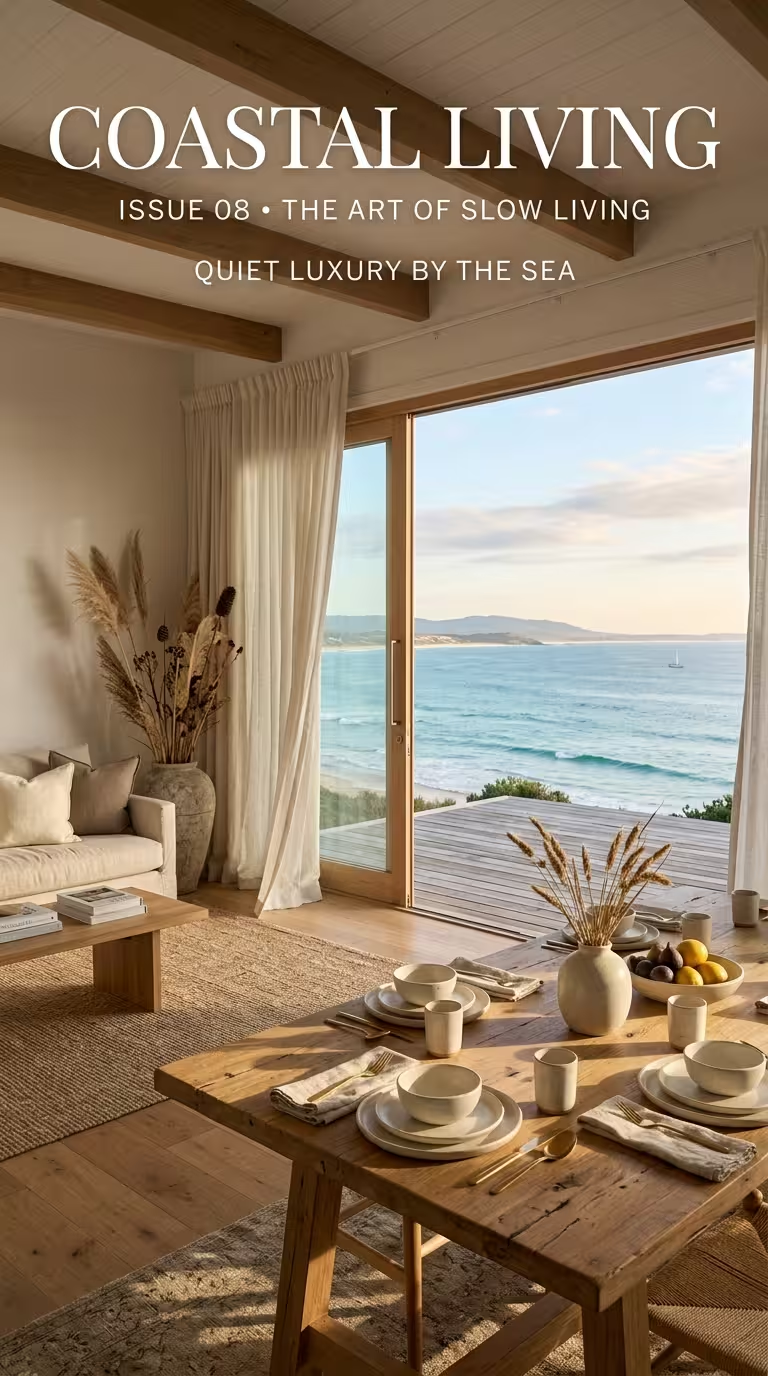
The idea of quiet luxury in a coastal home is, at its core, a form of respect — for the natural environment, for the craft of making, and for the people who will live and rest within these walls. By choosing materials that age gracefully, colors that recede gently, furniture that serves without demanding attention, and details that reward close observation, you create something far more valuable than a stylish interior. You create a home that restores.
These 15 quiet luxury interior ideas for a sophisticated coastal home are not a checklist to be completed all at once. They are principles to be applied thoughtfully, over time, with care. Start with one room. Choose one quality piece. Commit to one natural material. And build from there — quietly, deliberately, and with the sea always in mind.
Frequently Asked Questions
Q1. What exactly does “quiet luxury” mean in interior design?
Quiet luxury in interior design refers to an aesthetic built on restraint, high-quality natural materials, muted palettes, and understated elegance. It prioritizes craftsmanship and timelessness over trends, creating spaces that feel sophisticated without being showy or overtly decorated.
Q2. How is a quiet luxury coastal home different from traditional coastal or beach décor?
Traditional coastal décor often relies on nautical motifs — stripes, anchors, bright blues and whites — and can feel themed or informal. A quiet luxury coastal home draws from the coastal environment more abstractly, using its colors, textures, and calm to inform an interior that feels refined, serene, and timeless rather than decoratively literal.
Q3. What are the best colors for a quiet luxury coastal interior?
The most effective palettes include warm neutrals such as greige, taupe, chalk white, soft sand, pale driftwood gray, and dusty sage. These tones reference the natural coastal landscape without being literal and create the visual calm central to the quiet luxury aesthetic.
Q4. Is quiet luxury interior design expensive?
Not necessarily. The philosophy centers on quality over quantity — fewer, better things. You can create a sophisticated coastal home on a considered budget by investing in a few key material upgrades (natural stone, linen, solid wood) and being disciplined about editing and restraint rather than accumulating objects.
Q5. What materials are most associated with quiet luxury coastal interiors?
The core material palette includes natural stone (limestone, travertine, honed marble), heavyweight linen and cotton textiles, raw or lightly oiled wood (white oak, cerused ash, reclaimed timber), natural fiber rugs (jute, sisal, wool), and metal finishes in aged brass or brushed bronze.
Q6. How do I make a small coastal room feel luxurious without cluttering it?
Focus on one high-quality statement piece per area — a beautiful stone surface, a sculptural lamp, a luxurious textile. Use a restrained two-to-three-tone palette, choose furniture with clean lines, and incorporate texture through a single rug and one or two carefully chosen cushions. Space is not wasted space in a quiet luxury interior — it is part of the design.
Q7. Can quiet luxury work in a rental coastal property or vacation home?
Absolutely. Many of the principles — textile layering, curated accessories, natural botanicals, quality lighting — can be applied without permanent structural changes. Focus on textiles, lighting, and a few well-chosen decorative objects to transform the atmosphere of a rental space quickly and affordably.