Little Cottage: A Complete Guide to Cozy Living, Smart Design and Timeless Charm
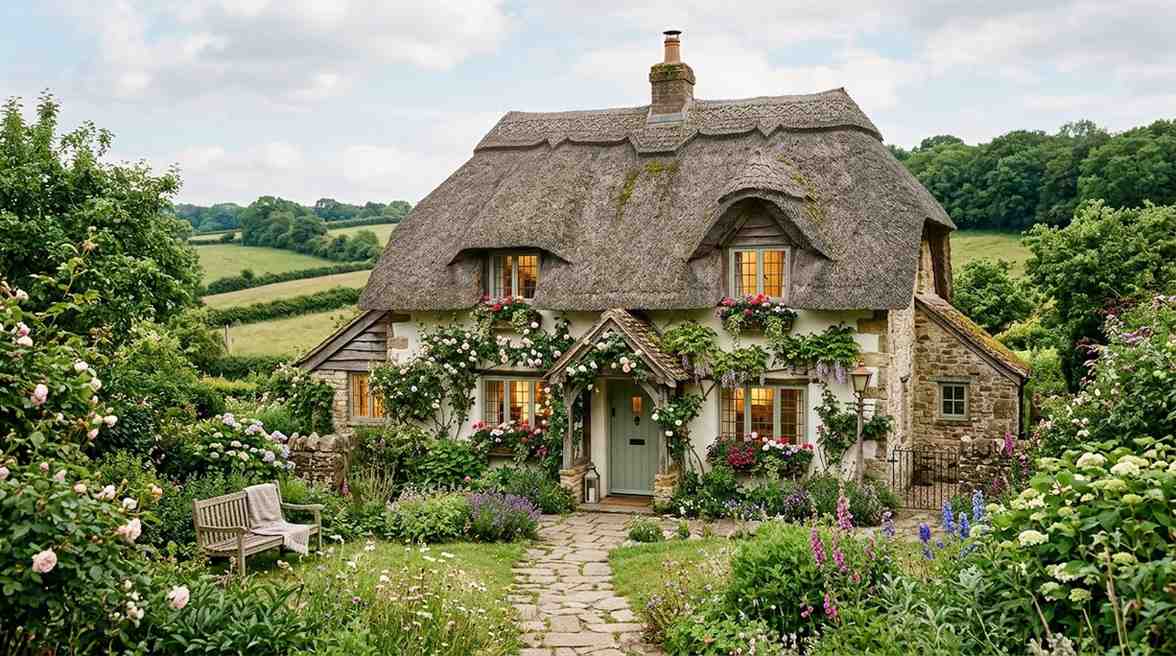
A little cottage has a way of making life feel slower, warmer and more intentional. It is not only a small house. It is a place where every window matters, every corner has a purpose and every detail tells a story. For some people, it means a weekend retreat near trees or water. For others, it means a compact full-time home with simple rooms, a small garden and a peaceful rhythm.
The beauty of a little cottage is that it does not need to be grand to feel complete. Its charm comes from proportion, comfort, natural materials and thoughtful choices. A cozy cottage can be rustic, coastal, farmhouse, English-inspired or modern. What matters most is how well the space supports daily life while still feeling personal, calm and inviting.
What Is a Little Cottage?
A little cottage is usually a small, comfortable dwelling designed with warmth and simplicity in mind. It may sit in the countryside, near a lake, in a garden, behind a main home or even inside a quiet neighborhood. Unlike a large suburban house, a cottage depends on careful planning instead of excess square footage.
The word “cottage” has long been connected with modest homes, rural living and informal comfort. Today, the meaning is broader. A cottage can be a vacation rental, backyard guesthouse, compact starter home, garden studio or downsized retirement space. The style is flexible, but the feeling is usually the same: welcoming, relaxed and human-scaled.
Why Small Cottages Feel So Appealing
A little cottage appeals to people because it feels personal. Large homes can be impressive, but small homes often feel more intimate. You notice the texture of a wooden beam, the curve of a porch railing, the view from a breakfast window and the comfort of a reading chair tucked into a corner.
There is also a practical reason behind the growing interest. Many homeowners want homes that are easier to maintain, heat, cool, decorate and clean. Smaller spaces encourage better choices. You keep what you use, display what you love and avoid filling rooms with things that do not matter.
Little Cottage Living and the Modern Homeowner
A little cottage fits well with the way many people now think about home. Instead of chasing size, they want comfort, function and flexibility. A small cottage can serve as a primary residence, guest space, writing retreat, rental unit, art studio or peaceful weekend escape.
In the United States, many newly built homes are still much larger than classic cottages, but buyers are also paying more attention to efficient layouts and outdoor living. Porches, patios and flexible rooms can make a smaller home feel generous. This is where cottage living shines. It uses space carefully and lets the outdoors become part of the home.
Cottage, Cabin, Tiny House and Small Home: What Is the Difference?
A little cottage is not exactly the same as a tiny house, cabin or general small home. A tiny house often follows very compact rules and may be built on wheels or a foundation. A cabin usually has a stronger connection to woods, mountains or rustic recreation. A small home is a broad term for any house with limited square footage.
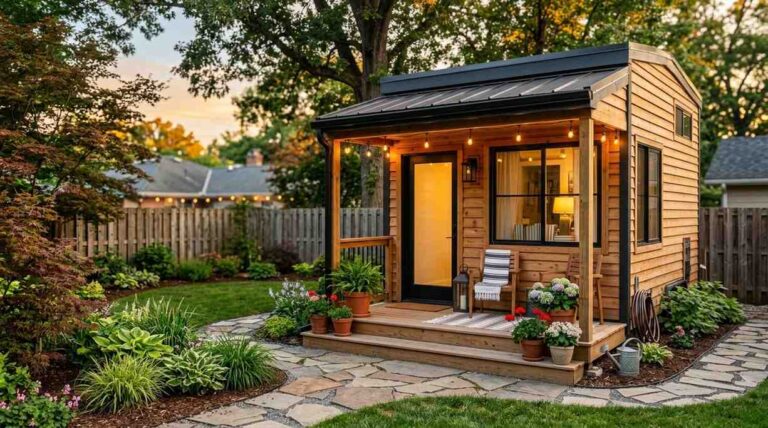
A cottage is more about character. It may have a pitched roof, porch, garden path, soft colors, built-in storage and cozy rooms. It can be modern or old-fashioned, but it usually feels gentle rather than industrial. A cottage invites people to settle in, make tea, open a window and stay a while.
Choosing the Right Location for a Little Cottage
Location shapes the entire experience of a little cottage. A home near the coast may need durable exterior materials, moisture-resistant finishes and easy-care flooring. A cottage in a wooded area may need good drainage, defensible landscaping and careful roof maintenance. A garden cottage behind a main home may need privacy, sound control and smart access.
Before falling in love with a design, study the site. Look at sunlight, wind direction, slope, privacy, parking, utilities and local rules. A charming plan can become frustrating if the cottage faces the wrong direction or lacks storage for real life. Good placement makes a small cottage feel brighter, calmer and more spacious.
Check Local Rules Before You Build
Before building or placing a little cottage, check zoning, permits, setbacks, utility rules and occupancy limits. Regulations can vary widely between cities, counties and neighborhoods. A backyard guest cottage may be allowed in one location but restricted in another. Historic districts, homeowners associations and rural land rules may also affect the design.
This step may not feel exciting, but it protects your investment. Speak with the local building department early. Ask whether the cottage can be used as a full-time dwelling, guest space, rental or accessory unit. Clear answers at the beginning can prevent expensive design changes later.
Smart Layout Ideas for a Little Cottage
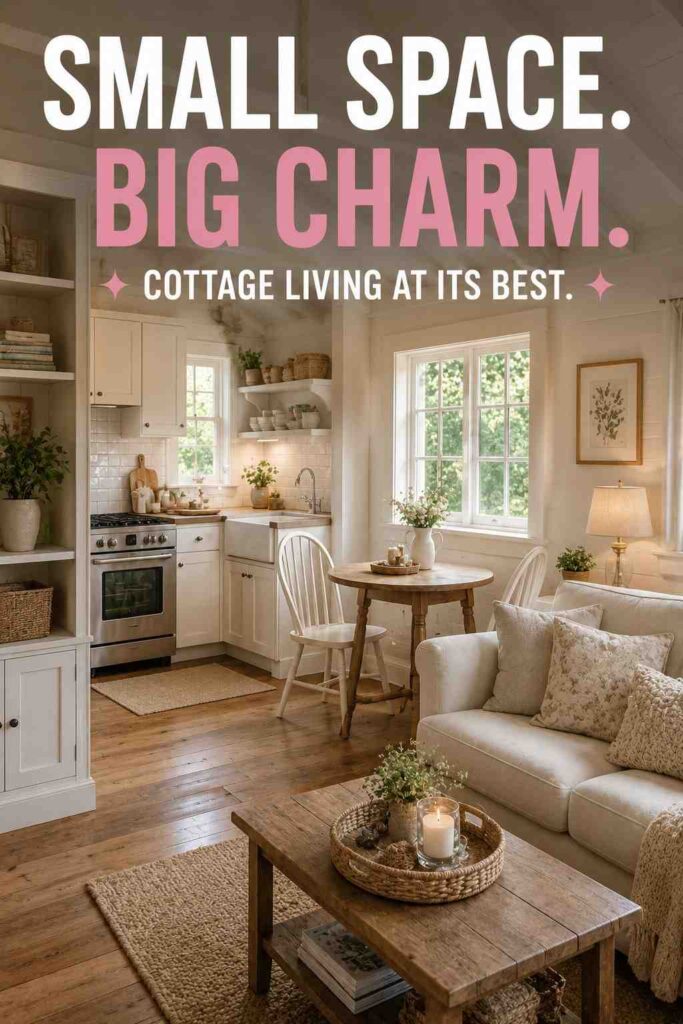
The best little cottage layouts are simple and efficient. Open living areas often work well because they reduce wasted hallway space. A combined kitchen, dining and sitting room can feel larger than three separate small rooms. Bedrooms should be calm and uncluttered, while bathrooms need good ventilation and durable surfaces.
Think in zones instead of just rooms. A dining table can also be a work desk. A window seat can hide storage below. A hallway can include bookshelves or linen cabinets. A sleeping loft may work for some cottages, but it must be safe, comfortable and appropriate for the people using it.
The Entryway Matters More Than You Think
In a little cottage, the entryway does a lot of work. It is the first impression, the weather buffer and the daily drop zone. Even a small entry should have hooks, a bench, shoe storage and a surface for keys or mail. Without this space, clutter quickly spreads into the living area.
A covered porch can make the entry more useful. It gives guests a sheltered place to stand and offers room for plants, lanterns or a small chair. A cottage does not need a large foyer, but it does need a clear transition from outside to inside.
Interior Design That Makes a Small Cottage Feel Larger
A little cottage feels larger when the design is calm, consistent and layered with care. Light wall colors, natural textures and simple window treatments can help rooms feel open. Large mirrors, glass-front cabinets and reflective surfaces can move light through the space without making it feel cold.
Avoid filling every wall. Negative space is important in a small home. Choose fewer pieces with better shape, texture and meaning. A cottage can still feel collected and personal, but it should not feel crowded. The goal is warmth without visual noise.
Color Palettes That Work Beautifully
Soft whites, warm creams, muted greens, dusty blues, clay tones and gentle grays all work well in cottage interiors. These colors reflect natural surroundings and keep rooms peaceful. A darker accent can add depth, especially on doors, built-ins or a fireplace wall.
For a personal craft nook or feminine dressing corner, bedazzle design ideas can help you add sparkle through small accents, framed details or decorative storage without overwhelming the cottage mood.
Little Cottage Kitchen Ideas
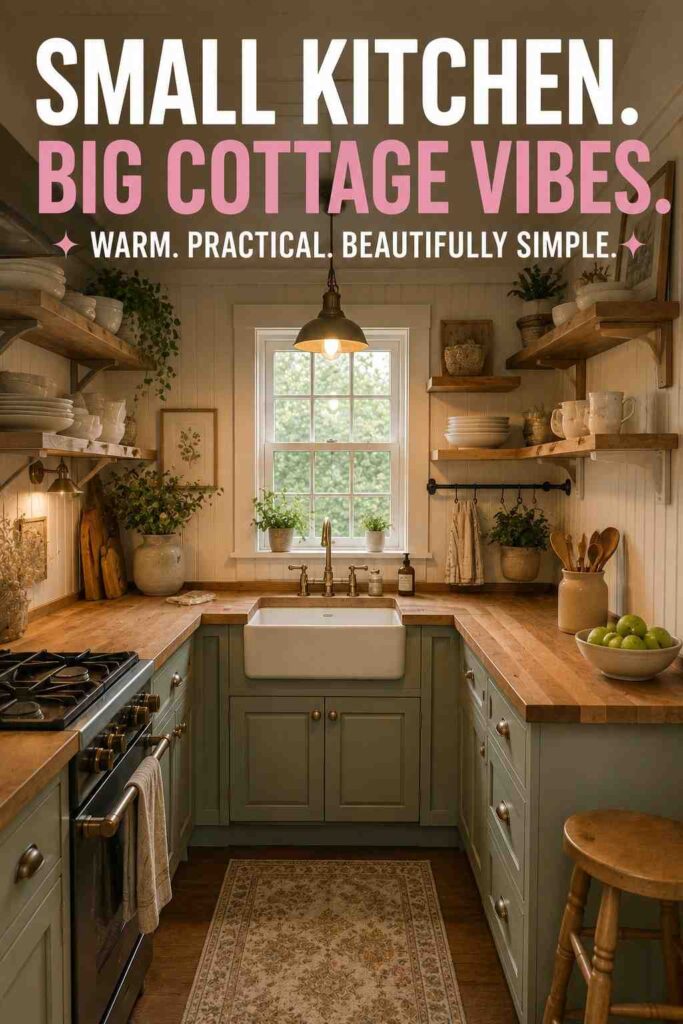
A little cottage kitchen should be compact, durable and pleasant to use. Open shelves can make the room feel airy, but they work best when dishes are edited and organized. Closed cabinets are better for bulk storage, cleaning supplies and items that are not attractive enough to display.
Small kitchens benefit from full-height storage, slim appliances, deep drawers and good lighting. Butcher-block counters, painted cabinets, beadboard, simple tile and brass or black hardware can all bring cottage character. A small kitchen does not need many finishes. It needs harmony, good workflow and easy cleaning.
Breakfast Nooks and Small Dining Areas
A dining nook can become the heart of a cottage. Built-in benches save space and create storage below the seat. A round table can improve movement in tight corners. Cushions, washable fabrics and a pendant light can make the area feel finished without taking much room.
If the cottage has a beautiful view, place the dining area near a window. Morning light makes a small dining space feel special. Even a simple cup of coffee can feel memorable when the setting is thoughtful.
Cozy Living Room Ideas for a Little Cottage
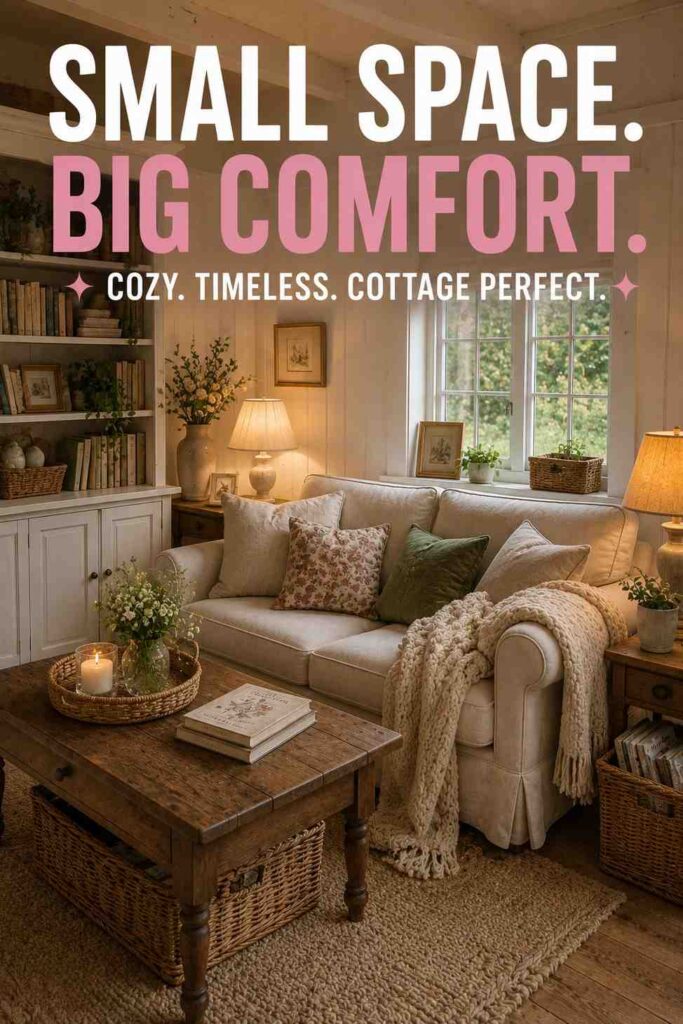
The living room in a little cottage should invite rest. Choose furniture that fits the scale of the room. Oversized sofas can block movement, while tiny furniture can feel uncomfortable. The best choice is usually a compact sofa, one or two chairs and a small table that can move easily.
Layer comfort through texture. Use linen, cotton, wool, woven baskets, soft rugs and wood tones. Keep entertainment equipment simple and avoid making the television the only focus. A fireplace, bookcase, window view or artwork can give the room more personality and balance.
Built-Ins Make a Big Difference
Built-ins are one of the smartest additions to a little cottage. They use awkward corners, frame windows, create storage and make rooms feel custom. A built-in bench can hold blankets. A bookcase can surround a doorway. A wall of shallow cabinets can store games, dishes or office supplies.
The key is restraint. Built-ins should support the room, not make it feel heavy. Use lighter paint colors, simple hardware and clean lines. When designed well, they make a cottage feel organized and thoughtfully made.
Bedroom Ideas for Comfort and Calm
A cottage bedroom should feel restful, not crowded. Start with the bed placement. If possible, leave space on both sides, even if the walkway is narrow. Choose nightstands that match the room’s scale. Wall-mounted lamps can free up surface space and make the room easier to use.
Storage beds, under-bed drawers and tall wardrobes can help when closets are small. Soft bedding, layered curtains and a simple rug can make the room feel complete. Avoid too many decorative pillows or furniture pieces. A small bedroom feels best when it has breathing room.
Guest Sleeping Spaces
A little cottage may need to host guests without having a full guest room. A daybed, sleeper sofa, Murphy bed or built-in bunk can help. The best option depends on how often guests stay and how the room is used the rest of the time.
Privacy matters. Even a curtain, folding screen or sliding panel can make guests feel more comfortable. Add a small reading light, a place for a phone and a few hooks for clothing. These simple details make a compact sleeping space feel cared for.
Bathroom Planning for Small Cottages
A cottage bathroom should be easy to clean, well ventilated and comfortable. Walk-in showers often save space compared with tubs. A wall-mounted sink can make a tiny bathroom feel open, while a vanity provides better storage. Choose based on daily needs, not just appearance.
Use moisture-resistant materials and practical lighting. A medicine cabinet with a mirror can provide hidden storage. Hooks often work better than towel bars in tight bathrooms. If the cottage will be used by older adults or guests, consider grab-bar blocking, non-slip flooring and a shower entry that is easy to step into.
Storage Ideas That Keep a Cottage Beautiful
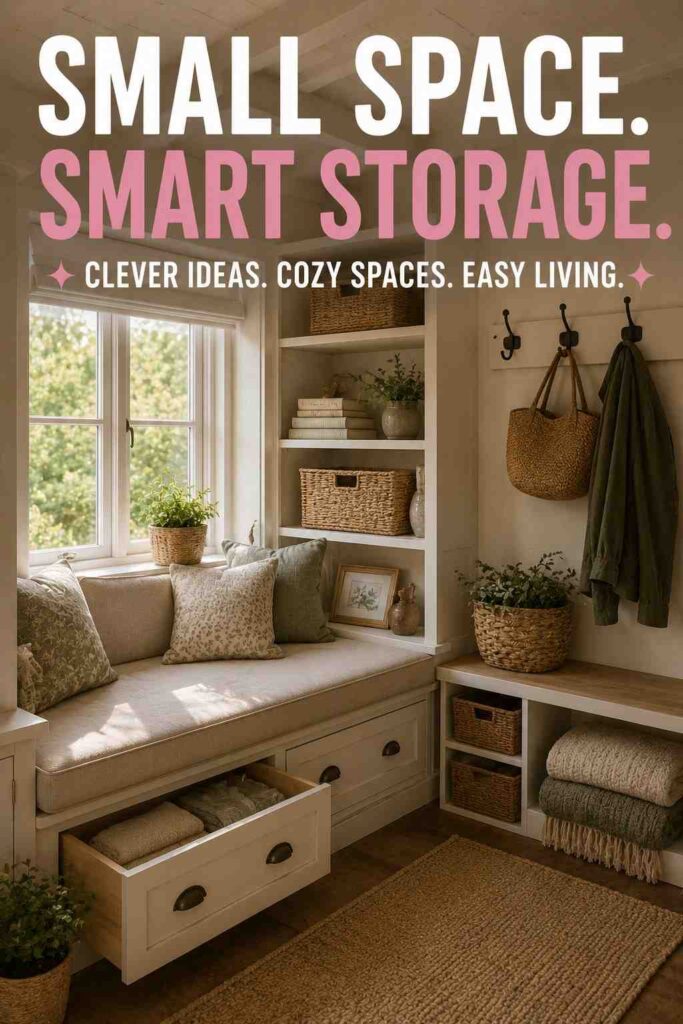
Storage is one of the most important parts of cottage design. In a little cottage, clutter appears quickly because every surface is visible. The solution is not more bins. It is better planning. Give every daily item a home before choosing decorative pieces.
Use vertical space, under-stair storage, built-in benches, wall hooks, peg rails, tall cabinets and hidden drawers. Keep seasonal items in labeled boxes. Store outdoor gear near the entry. A cottage should feel relaxed, but relaxation is easier when the home works smoothly.
Edit Before You Decorate
Before decorating, remove items that do not serve the space. A cottage looks charming when it feels collected, not crowded. Keep useful objects, meaningful pieces and items with texture or history. Donate or store things that make daily living harder.
This approach also helps you spend less. You may discover that an old chair, vintage mirror or simple wooden shelf already gives the room the character you wanted. Cottage style rewards patience and careful editing.
Outdoor Spaces That Expand Cottage Living
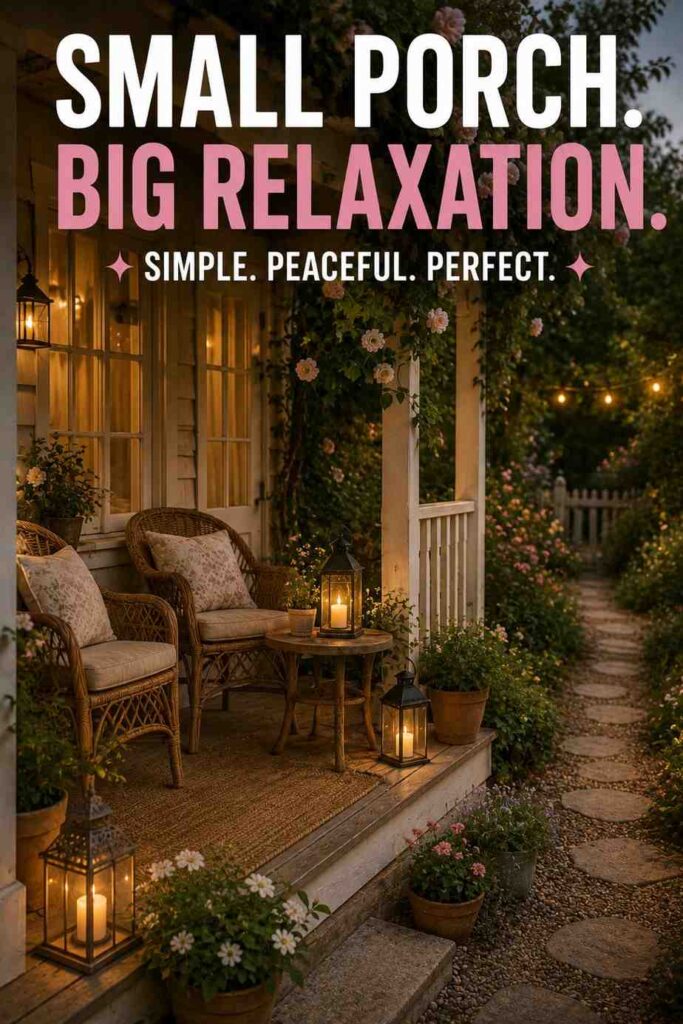
A porch, patio or garden can make a little cottage feel much larger. Outdoor space becomes a second living room in mild weather. A small table, two chairs, planters and warm lighting can turn even a tiny patio into a favorite place.
Cottage gardens do not need to be formal. Curved paths, herbs, climbing plants, native flowers and simple fencing all work beautifully. Choose plants suited to your climate and maintenance level. A garden should support the cottage, not become a burden.
Seasonal Planning for Cottage Life
Seasonal planning keeps a cottage comfortable year-round. In summer, shade, screens and airflow matter. In winter, insulation, rugs, curtains and heating efficiency become more important. Spring and fall are ideal times for cleaning, planting and exterior touch-ups.
If you enjoy planning home updates by month, june calendar ideas can help you organize garden tasks, porch refreshes and summer cottage projects in a simple seasonal schedule.
Materials That Suit Cottage Character
Natural materials give a cottage its soul. Wood floors, stone paths, linen curtains, ceramic tile, woven baskets and metal hardware age gracefully. These materials bring texture without needing too much decoration. They also help the home feel connected to its surroundings.
Durability matters as much as beauty. Choose finishes that can handle real life. Mud, pets, guests, cooking and changing weather all affect a small home. Washable paint, sturdy flooring and easy-care fabrics are wise choices. A cottage should look better with use, not become fragile.
Little Cottage Exterior Ideas
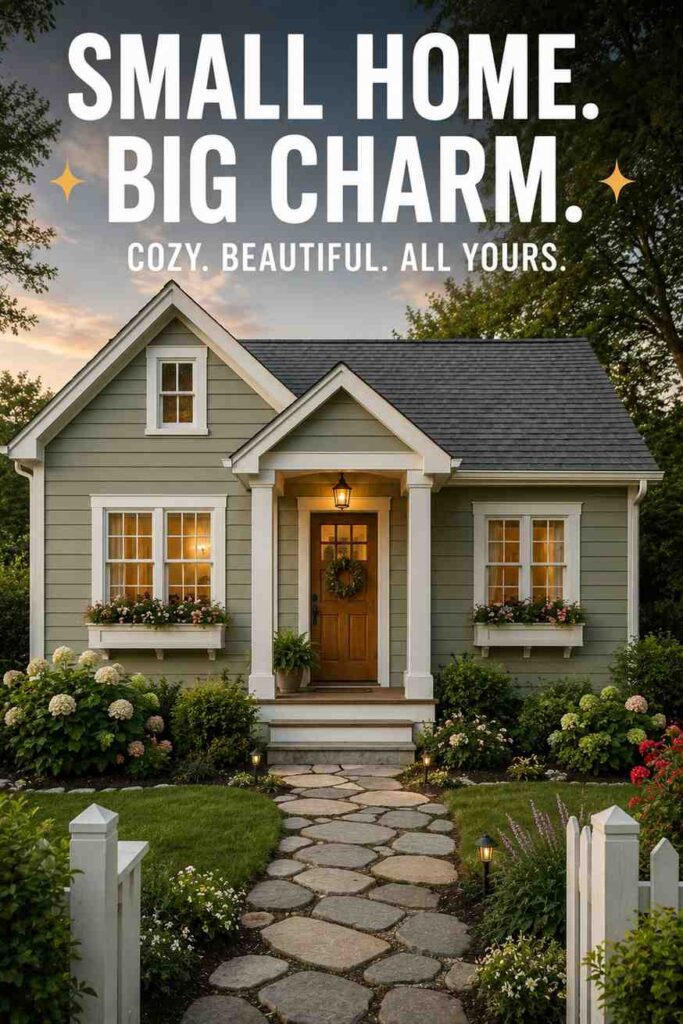
The exterior of a little cottage creates the first emotional connection. A pitched roof, inviting door, window boxes, shutters, porch lights and a simple path can make the home feel welcoming before anyone steps inside. Even small changes can improve curb appeal.
Paint color is especially powerful. Soft white, sage green, warm gray, blue, cream and deep charcoal can all work depending on the setting. Trim should highlight the cottage’s best features. A colorful door can add personality without overwhelming the design.
Rooflines, Windows and Proportion
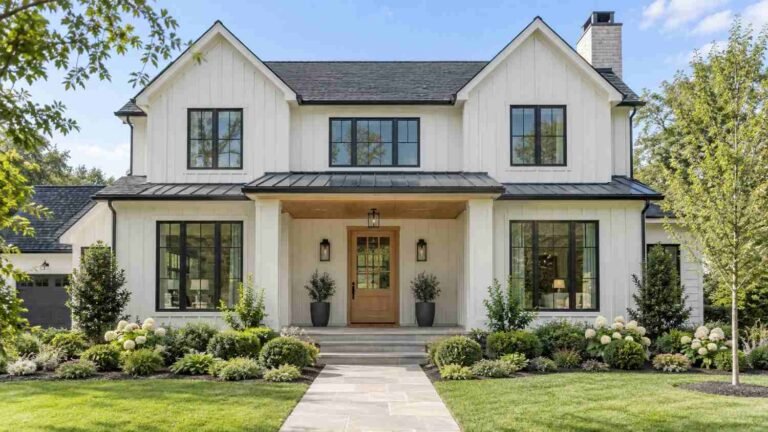
Good proportion is essential. A small cottage can look awkward if the windows are too large, the roof is too flat or the porch feels pasted on. The best exteriors have balance. Windows line up naturally. The roof feels protective. The entrance is clear and inviting.
When reviewing plans, study the front elevation carefully. Imagine the house from the driveway, garden path and street. A beautiful floor plan still needs an exterior that feels charming from everyday viewpoints.
Budgeting for a Little Cottage
Budgeting for a little cottage depends on purpose, location, materials, labor and site conditions. A backyard studio has a different cost structure than a full-time residence with plumbing, foundation, utility connections and permits. Land preparation can also affect the total budget.
Plan for more than visible finishes. Site work, drainage, utility connections, insulation, windows, heating, cooling and code compliance all matter. Spend on the bones first. A cottage with good structure, light and comfort can always be decorated over time. A poorly planned cottage is harder to fix later.
Where to Save and Where to Spend
Save on decorative items, simple shelving, vintage furniture and easy cosmetic finishes. Spend on windows, roofing, insulation, electrical work, plumbing, moisture control and comfortable heating and cooling. These choices affect daily life and long-term maintenance.
A small home makes quality more visible. Because there are fewer rooms, one well-made table or beautiful light fixture can have a strong impact. Choose carefully instead of buying too much. The goal is a home that feels considered, not expensive for the sake of it.
Mistakes to Avoid When Planning a Little Cottage
One common mistake is designing for photos instead of real life. A little cottage may look beautiful online, but it still needs trash storage, laundry solutions, pantry space, cleaning supplies, electrical outlets and comfortable seating. If these details are ignored, the charm fades quickly.
Another mistake is making every surface decorative. Cottage style works best when useful items also look good. A peg rail can hold coats. A basket can store blankets. A bench can hide shoes. Beauty and function should support each other.
Do Not Forget Privacy and Sound
Small homes need privacy planning. Bedrooms, bathrooms and work areas should feel separate enough for comfort. Sound travels easily in compact spaces, especially with open layouts. Rugs, curtains, upholstered furniture and solid doors can help soften noise.
Window placement also matters. A cottage with many windows may feel bright but exposed. Use landscaping, curtains, shutters or fencing to create privacy without blocking natural light. Comfort comes from both openness and shelter.
Little Cottage Decorating Style Ideas
A little cottage can take many design directions. English cottage style often includes floral fabrics, antiques, books and soft colors. Coastal cottage style uses light tones, natural fibers and relaxed textures. Farmhouse cottage style leans into wood, simple lines and practical charm.
Modern cottage style is cleaner but still warm. It may use neutral walls, black accents, pale wood and simple furniture. The best style is not copied from one source. It grows from the location, the owner’s needs and the story the home wants to tell.
For broader room inspiration and home styling references, outinteriors can be used as a helpful resource when planning colors, furniture placement and cozy finishing touches.
Is a Little Cottage Right for You?
A little cottage is right for someone who values comfort, simplicity and thoughtful design over extra space. It can be ideal for singles, couples, retirees, remote workers, guests or people who want a quiet retreat. It can also work for small families if the layout is carefully planned.
However, cottage living requires honesty. You need to know how much storage you require, how often you host guests and whether you can live with fewer rooms. A small home is not automatically easier. It becomes easier when it is designed around real habits.
Conclusion:
A little cottage proves that a home does not need to be large to feel rich in comfort, beauty and purpose. Its strength comes from thoughtful planning, natural materials, smart storage, warm light and a close connection to the outdoors. Every detail matters because every detail is seen and used.
Whether you dream of a garden guesthouse, a weekend hideaway or a full-time cottage home, start with the way you want to live. Choose a layout that supports your routines. Respect local rules. Invest in comfort and durability. Then add the personal touches that make the cottage feel truly yours.
Frequently asked questions:
What makes a little cottage different from a small house?
A little cottage is usually defined by charm, comfort and character, while a small house is defined mostly by size. A cottage often includes cozy rooms, natural materials, a welcoming entrance and a strong connection to outdoor space. It may be rustic, modern, coastal or traditional, but it usually feels warm and personal.
Can a little cottage be used as a full-time home?
Yes, a little cottage can be used as a full-time home if it meets local building, zoning and utility requirements. The layout must support daily needs such as cooking, bathing, sleeping, storage and laundry. Before planning full-time use, confirm rules with the local building department and design the space for comfort in every season.
What is the best layout for a small cottage?
The best layout usually has an open living area, compact kitchen, efficient bathroom, comfortable sleeping space and built-in storage. Wasted hallway space should be minimized. Flexible furniture helps a lot. A dining table can double as a desk, and a window seat can provide both seating and hidden storage.
How do you make a cottage feel bigger?
Use light colors, good natural light, mirrors, simple window treatments and furniture that fits the scale of the room. Keep flooring consistent where possible and avoid too many competing patterns. Built-ins, vertical storage and uncluttered surfaces can make the home feel more open without removing its cozy personality.
What colors work best for cottage interiors?
Warm whites, creams, muted greens, soft blues, gentle grays and natural wood tones work beautifully. These colors create a calm background and pair well with vintage furniture, woven textures and floral or striped fabrics. Darker accents can be used on doors, cabinets or hardware for depth and contrast.
Is cottage style expensive to create?
Cottage style does not have to be expensive. Many of its best features come from simple materials, vintage finds, painted furniture, natural fabrics and personal details. Spend more on structure, lighting, windows and durable finishes. Save on decorative accessories by choosing meaningful pieces slowly over time.
What should I consider before building a little cottage?
Start with purpose, location, budget and local rules. Decide whether the cottage will be a guest space, rental, studio, vacation retreat or full-time home. Then plan utilities, access, parking, privacy, storage and maintenance. A beautiful cottage works best when practical needs are solved before decorating begins.