Why Vinyl Siding Is a Smart Renovation Investment in 2026
The real estate market of 2026 has fundamentally shifted, with buyers placing a premium on homes that offer both aesthetic appeal and operational efficiency. As homeowners look for ways to protect their equity while minimizing long-term costs, the exterior of the home has become the primary focus of modern remodeling. Among the various cladding options available today, industry experts and real estate professionals consistently point to one choice as the gold standard for value-driven upgrades. Understanding why vinyl siding is a smart renovation investment requires looking past the surface level and examining the intersection of durability, financial return, and thermal performance.
For many years, siding was viewed merely as a cosmetic layer. However, in today’s economy, the exterior envelope of a house is its first line of defense against fluctuating energy costs and increasingly volatile weather patterns. Whether you are preparing to list your property or planning to stay for decades, the transition to high-quality vinyl represents a strategic move. This article will explore the data-backed reasons why vinyl siding is a smart renovation investment, providing a comprehensive roadmap for homeowners who want to maximize their property’s potential without overextending their budget.
The Financial Blueprint: Resale Value and ROI
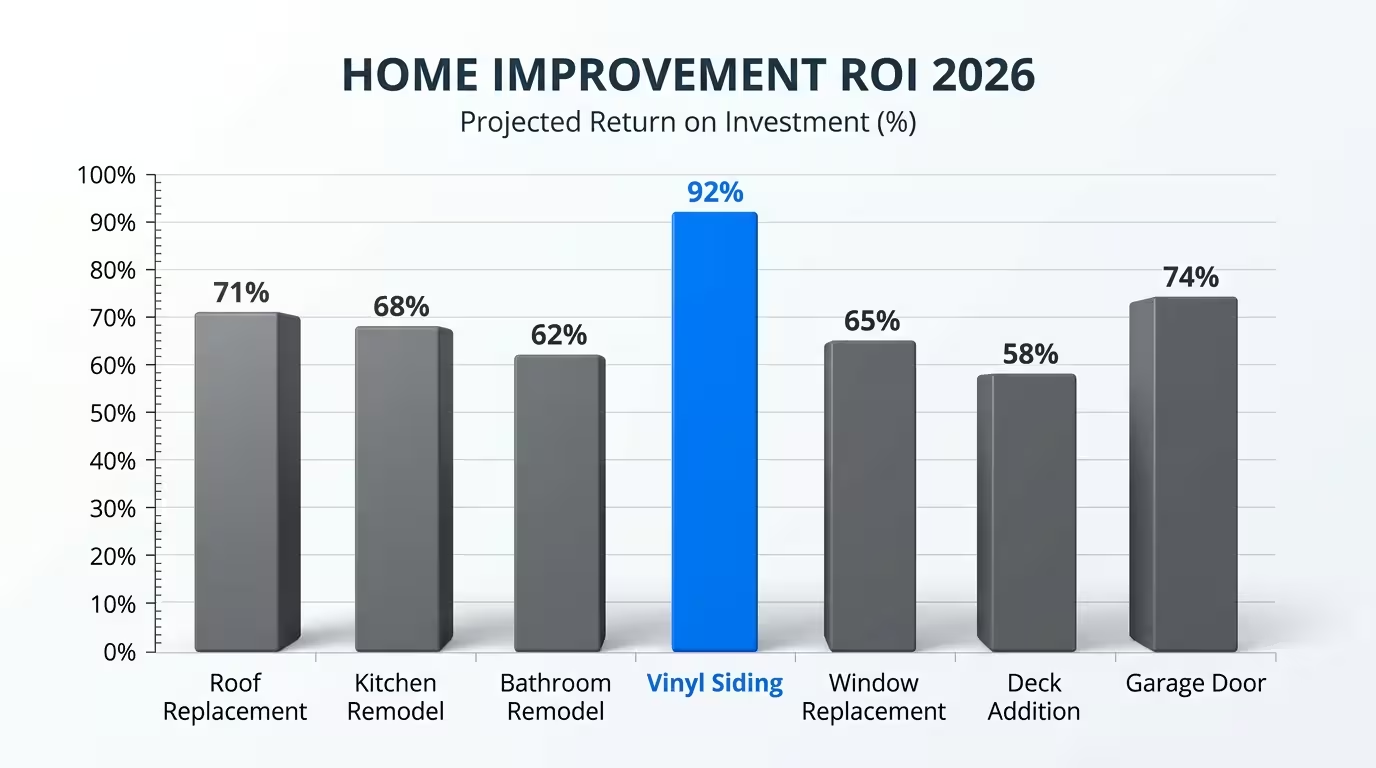
When evaluating any home improvement project, the first question usually concerns the bottom line. According to the 2026 Remodeling Impact Report, exterior replacements remain some of the highest-yielding investments a homeowner can make. Specifically, data indicates that homes with updated siding can see a price increase of approximately 7%, which translates to nearly $30,000 in additional value for a home priced at $450,000. This immediate boost in marketability is a primary reason why vinyl siding is a smart renovation investment for those looking to sell in a competitive market.
Beyond the raw sale price, the cost-to-value ratio for vinyl is particularly impressive. While premium materials like fiber cement offer high returns, vinyl remains the “best-value” champion because of its lower upfront installation cost. In many regions of the USA, homeowners can recoup between 71% and 85% of their investment immediately upon sale. Because vinyl is lighter and faster to install than stone or cement, labor costs are significantly reduced, allowing the project to pay for itself through a combination of increased equity and years of avoided maintenance expenses.
Beyond the Surface: Why Vinyl Siding Is a Smart Renovation Investment for Home Efficiency
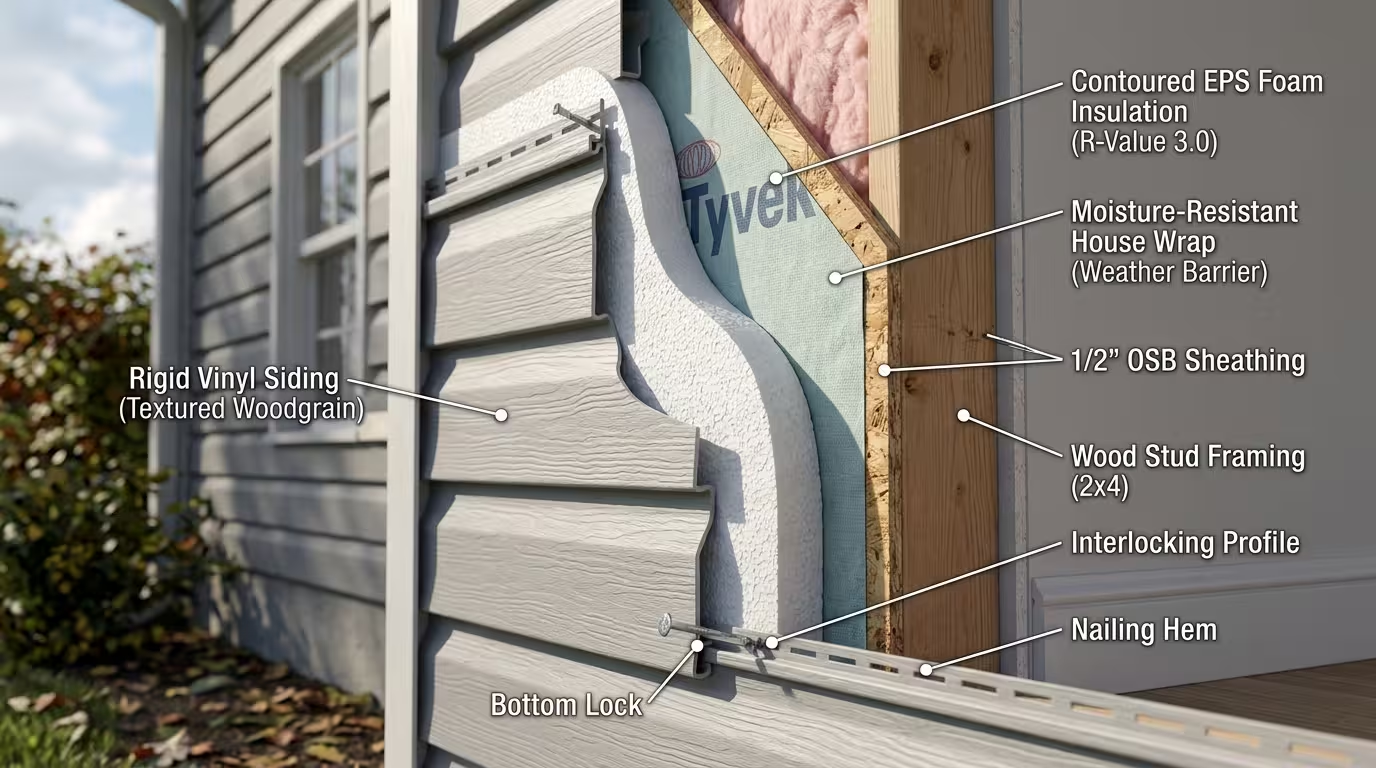
In 2026, “intelligence” in home design isn’t just about gadgets; it is about the building’s thermal envelope. Standard vinyl siding provides a decent layer of protection, but the rise of insulated vinyl siding has changed the conversation entirely. By bonding a contoured layer of rigid foam insulation—typically expanded polystyrene (EPS)—to the back of the vinyl panel, manufacturers have created a product that acts as a thermal blanket for the home. This shift toward high-performance materials is another reason why vinyl siding is a smart renovation investment for the modern era.
Traditional wall systems often suffer from “thermal bridging,” where heat escapes through the wooden studs of the house. Insulated vinyl breaks this cycle by providing a continuous layer of insulation over the entire exterior. This can raise the R-value of your walls from a modest 0.6 to as high as 5.0. For the homeowner, this means the HVAC system doesn’t have to work as hard to maintain a consistent temperature, leading to lower utility bills and a more comfortable living environment year-round. When you consider the cumulative energy savings over 20 years, it becomes clear why vinyl siding is a smart renovation investment for long-term residency.
The Low-Maintenance Advantage: Saving Time and Money
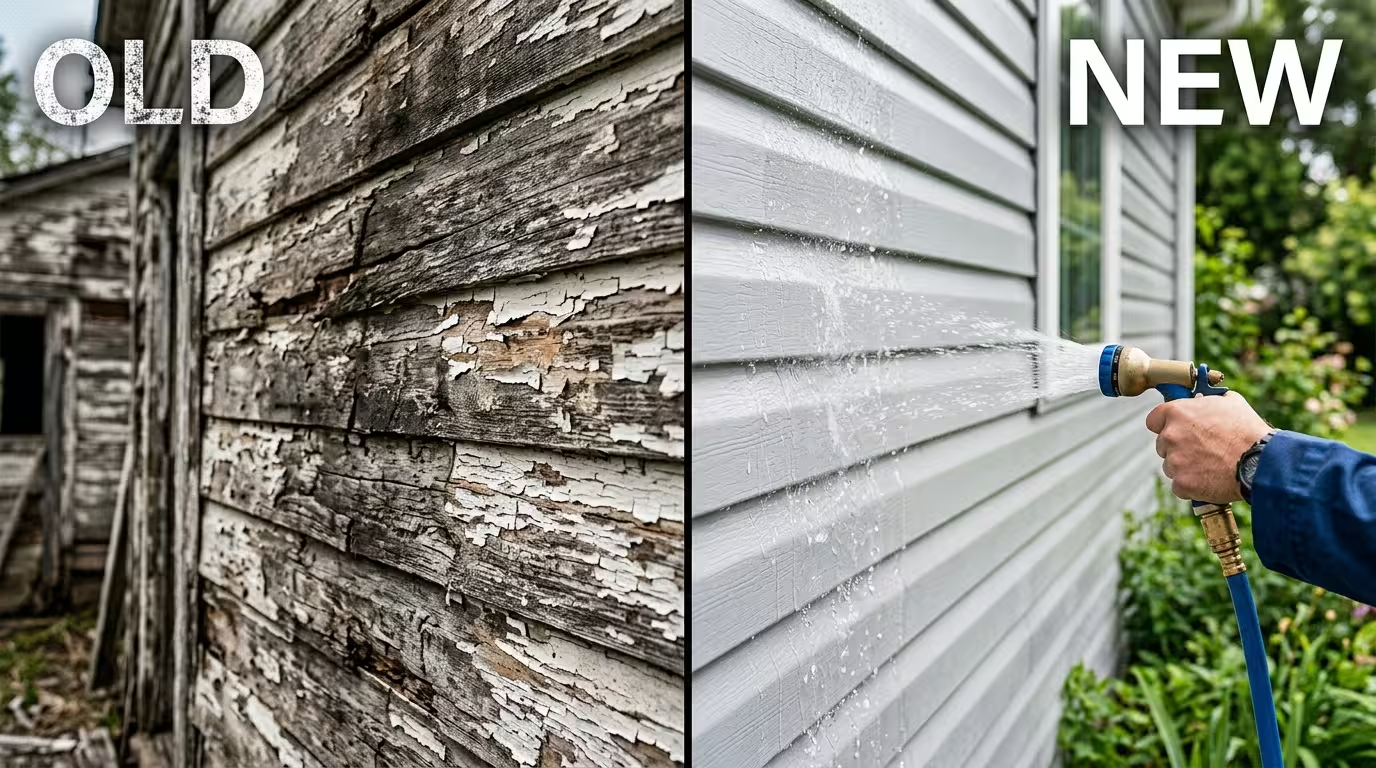
One of the most overlooked factors in home ownership is the “cost of time.” Materials like wood require frequent staining, sealing, and painting to prevent rot and insect damage. Even fiber cement, while durable, typically requires a new coat of paint every 10 to 15 years. This ongoing financial and labor commitment is a major deterrent for modern buyers. This is precisely why vinyl siding is a smart renovation investment—it is essentially a “set it and forget it” solution.
The color in modern vinyl is infused throughout the material rather than being applied to the surface. This means it won’t chip, peel, or flake, even under intense UV exposure. Maintenance is generally limited to an occasional wash with a garden hose and mild soap. Furthermore, vinyl is impervious to wood-boring insects like termites and carpenter ants, which can save a homeowner thousands in pest control and structural repairs over the lifespan of the siding. By eliminating the need for professional painting and repairs, the “hidden” savings reinforce why vinyl siding is a smart renovation investment for any budget-conscious family.
Modern Aesthetics: 2026 Trends in Vinyl Siding
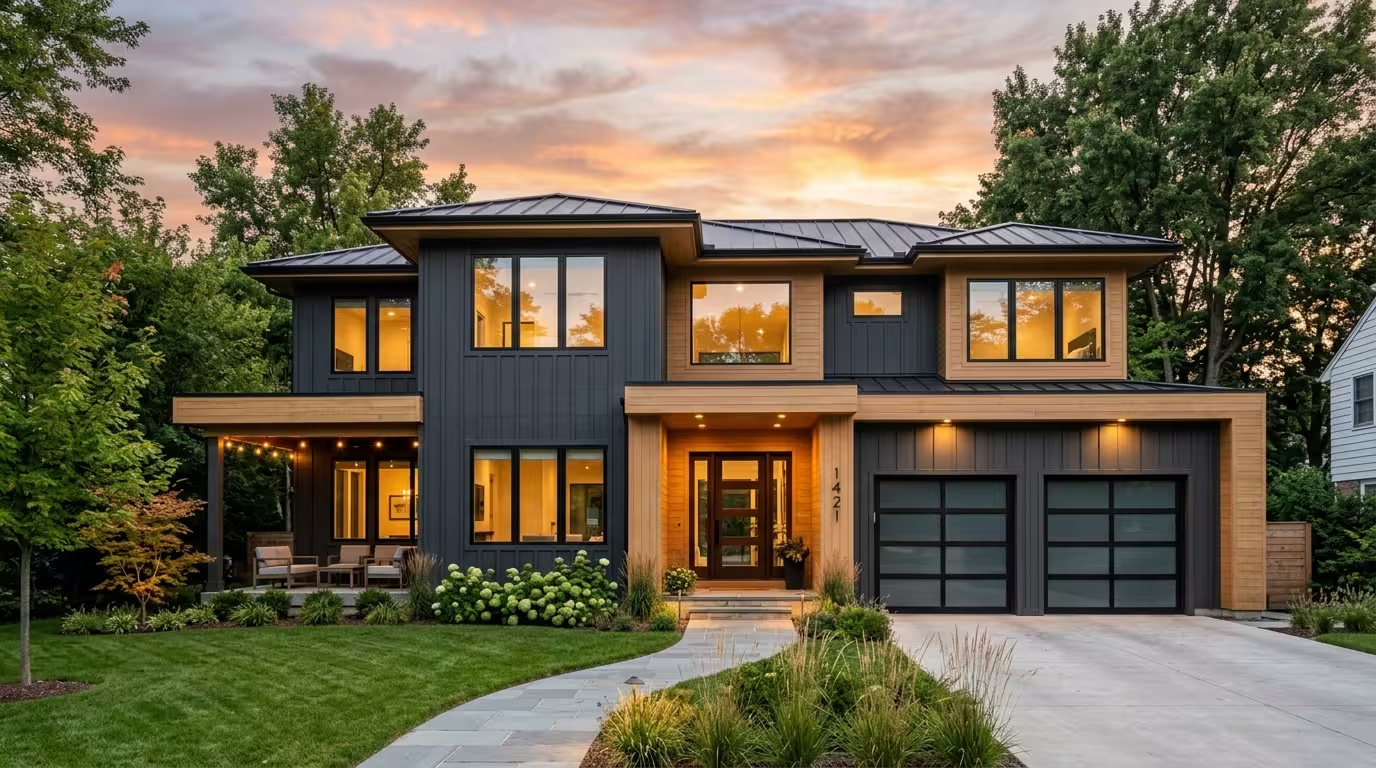
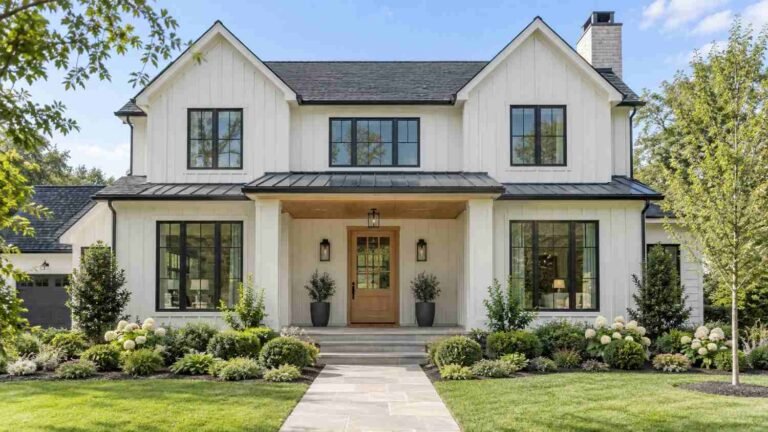
The “plastic” look of the past has been replaced by sophisticated textures and profiles that mimic natural materials with stunning accuracy. In 2026, we are seeing a shift toward earthy, grounded tones that create a sense of permanence and quality. Popular colors such as Deep Green, Charcoal Gray, and Warm Taupe are dominating new installations across the USA. This aesthetic evolution is a key reason why vinyl siding is a smart renovation investment, as it allows homeowners to achieve a high-end “designer” look without the high-end price tag.
Beyond color, the variety of profiles available today—including board and batten, shingle, and traditional clapboard—allows for incredible architectural flexibility. Designers are increasingly using mixed-material facades, combining vinyl with stone or brick accents to create visual interest. Because modern vinyl panels are more rigid and feature improved locking mechanisms, they stay straighter and flatter on the wall, providing the crisp shadow lines that were once only possible with expensive wood planks. This ability to instantly modernize an older home’s appearance is why many real estate agents highlight why vinyl siding is a smart renovation investment for improving curb appeal.
Environmental Impact and Long-Term Durability
As sustainability becomes a core pillar of the construction industry, the manufacturing process for vinyl has become significantly cleaner. Many of today’s leading products incorporate up to 35% recycled content, and because the material is so lightweight, its transportation-related carbon footprint is lower than that of heavier alternatives. The longevity of the product also contributes to its green credentials; a well-installed vinyl system can last between 20 and 40 years, reducing the frequency of material replacement and landfill waste.
Durability is particularly important in regions prone to extreme weather. Modern vinyl is engineered to withstand winds of over 110 mph and is treated with stabilizers that prevent it from becoming brittle in freezing temperatures. This resilience against the elements ensures that your investment remains protected regardless of the climate. When you evaluate the total lifecycle cost—including initial price, maintenance, energy savings, and longevity—it is easy to see why vinyl siding is a smart renovation investment that aligns with both financial and environmental goals.
Implementation: Why Professional Installation Matters
While the material itself is robust, the ultimate success of the project depends heavily on the quality of the installation. Vinyl siding is designed to “float” on the wall to allow for natural expansion and contraction during temperature changes. If nailed too tightly, the panels can buckle or warp; if too loose, they may rattle in the wind. This is why most expert guides on why vinyl siding is a smart renovation investment emphasize hiring a certified professional.
A professional installer will also ensure that the underlying water-resistive barrier (WRB) and flashing are correctly placed. This prevents moisture from being trapped behind the panels, which is the leading cause of mold and rot in older homes. In 2026, many contractors are also integrating smart home sensors behind the siding to monitor for moisture levels or temperature fluctuations, adding another layer of “intelligence” to the renovation. Ensuring the job is done right the first time is the final step in confirming why vinyl siding is a smart renovation investment for your home’s structural integrity.
Conclusion
The decision to renovate your home’s exterior is a significant milestone that requires a balance of aesthetic desire and financial pragmatism. As we have explored, the reasons why vinyl siding is a smart renovation investment are multifaceted. From the immediate 71-85% ROI and the substantial boost in resale value to the long-term energy savings provided by insulated options, vinyl offers a level of versatility that is hard to match. By choosing a material that is low-maintenance, durable, and environmentally conscious, you are making a choice that serves your lifestyle today while protecting your equity for the future.
Ultimately, a home is more than just an asset; it is a sanctuary. Upgrading to modern vinyl allows you to enjoy a beautiful, refreshed exterior without the burden of constant upkeep. As the real estate trends of 2026 continue to favor efficiency and durability, the vinyl case only grows stronger. We hope this exploration of why vinyl siding is a smart renovation investment has provided you with the clarity needed to move forward with your next home improvement project with confidence.