Kitchen Cabinet Color Ideas for 2026: Trending Shades to Transform Your Kitchen
Choosing a new cabinet shade can feel like standing in front of a hundred paint chips, all whispering that they’re “the one.” A kitchen remodel is a big investment, and the color you pick will set the tone for every meal, gathering, and morning coffee that happens in that room for years to come. That’s exactly why this guide exists.
Below, you’ll find 25 kitchen cabinet color ideas pulled from real 2026 design trends, along with the practical decision-making steps most articles skip entirely, such as how lighting, undertones, and resale value should shape your final choice. Whether you’re after a warm neutral or a daring jewel tone, there’s a shade here for your style.
Why Kitchen Cabinet Color Matters More Than You Think
Cabinets typically cover more visible surface area than any other element in a kitchen, including walls or flooring. That means your kitchen color choice does more heavy lifting than most homeowners realize when it comes to mood, perceived space, and even how clean a room feels day to day.
A well-chosen color can make a small galley kitchen feel airy or turn a large open-plan kitchen into a cozy, anchored space. It also affects resale conversations down the line, since buyers often react to cabinet color before they notice layout or appliances. Getting this decision right early saves both money and regret later.
How to Choose the Right Kitchen Cabinet Color for Your Space
Most guides jump straight into a list of pretty colors without explaining how to actually pick one that works in your kitchen. Here’s the framework designers actually use.
Consider Your Kitchen’s Natural Light
North-facing kitchens receive cooler, bluer light, which can make gray or blue cabinet colors feel flat or cold. South-facing rooms get warmer light that flatters earthy tones like olive, terracotta, and warm taupe. If your kitchen has limited windows, lean toward lighter, warmer neutrals to avoid a cave-like feel, and always test a sample swatch at different times of day before committing.
Match Undertones to Countertops and Flooring
A kitchen cabinet color should never be chosen in isolation. Cool-toned quartz with gray veining pairs awkwardly with warm khaki cabinets, while warm wood flooring often clashes with icy blue-gray finishes. Bring a countertop sample and a flooring swatch with you when testing paint colors, since undertones only reveal themselves side by side, not in isolation under store lighting.
Think About Resale Value
Bold cabinet colors can date a kitchen faster than neutrals, but going too safe risks a forgettable space. A practical middle ground many designers now recommend is pairing a neutral perimeter with one bold accent area, such as an island, so the kitchen feels current without needing a full repaint every time trends shift.
25 Kitchen Cabinet Color Ideas to Inspire Your Next Remodel
Here are 25 standout kitchen cabinet color ideas, grouped by palette so you can quickly find the mood that fits your home.
Timeless Neutral Cabinet Shades
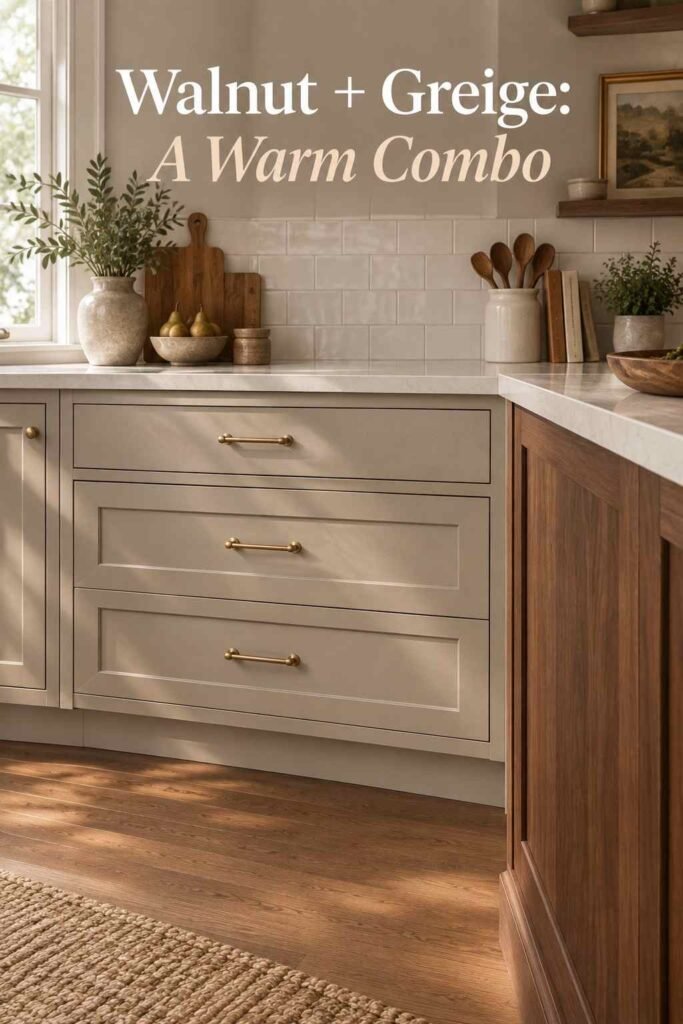
1. Warm White – Softer and creamier than stark white, this shade avoids the sterile look while still brightening the room.
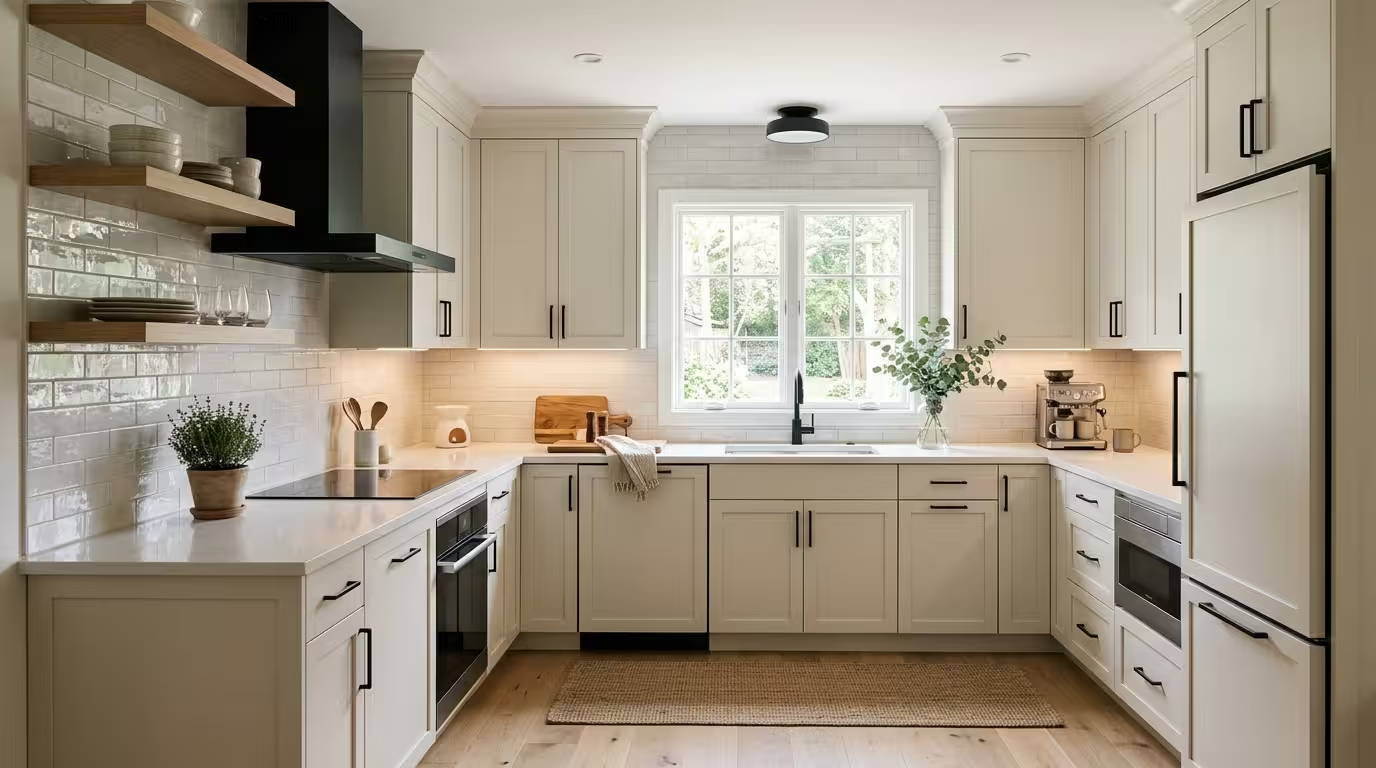
2. Soft Greige – A grey-beige blend that reads as neutral in nearly any lighting condition, making it one of the safest cabinet shades for resale.
3. Mushroom – A quiet, dusty neutral with a hint of warmth that has become one of the standout replacements for plain white in 2026 kitchens.
4. Warm Taupe – Deeper than greige but still neutral, taupe pairs beautifully with brass hardware and butcher block counters.
5. Soft Sand – A muted, sun-washed neutral that works especially well in kitchens with limited natural light.
Warm and Earthy Cabinet Shades
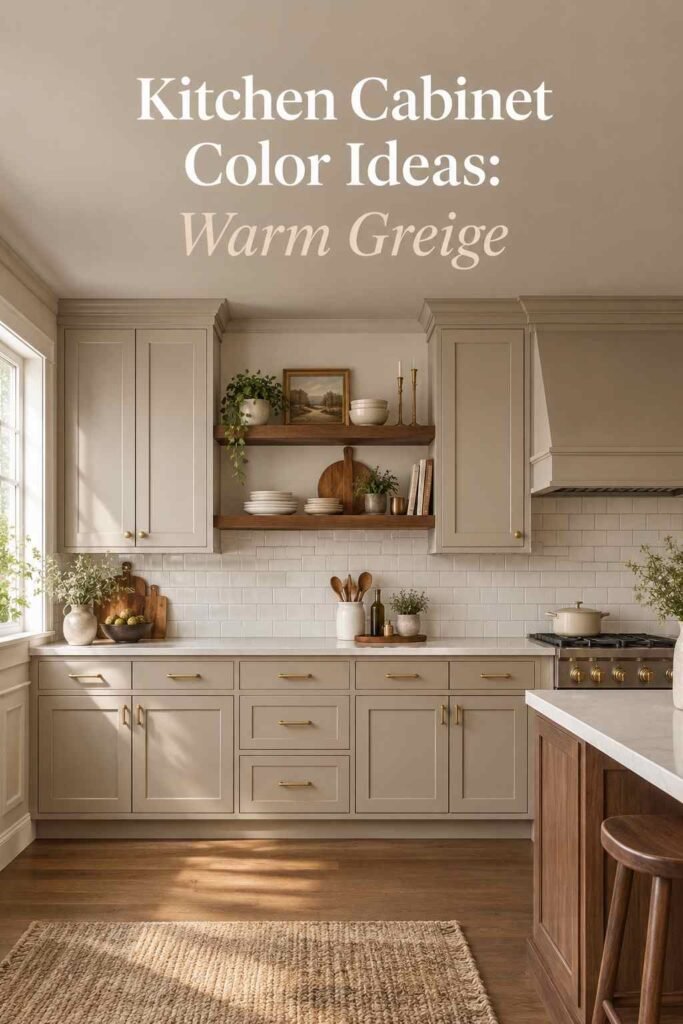
6. Espresso Brown – A rich, near-black brown that feels luxurious without the starkness of true black cabinetry.
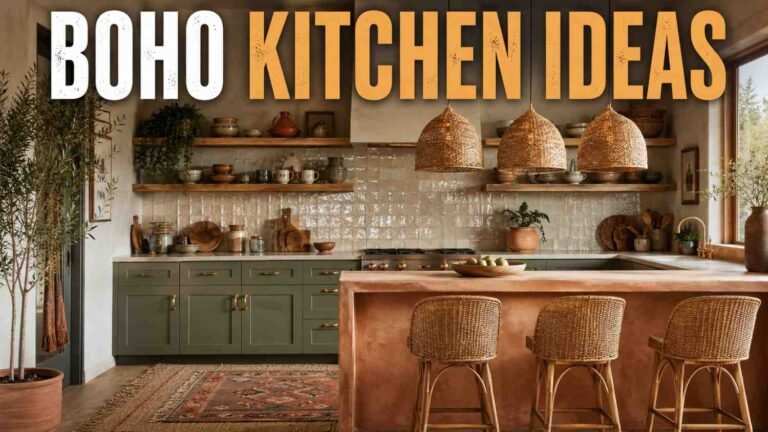
7. Terracotta Clay – Inspired by kiln-fired pottery, this reddish-brown tone adds unexpected warmth to modern farmhouse kitchens.
8. Warm Camel – A honeyed tan that bridges the gap between wood tones and painted finishes.
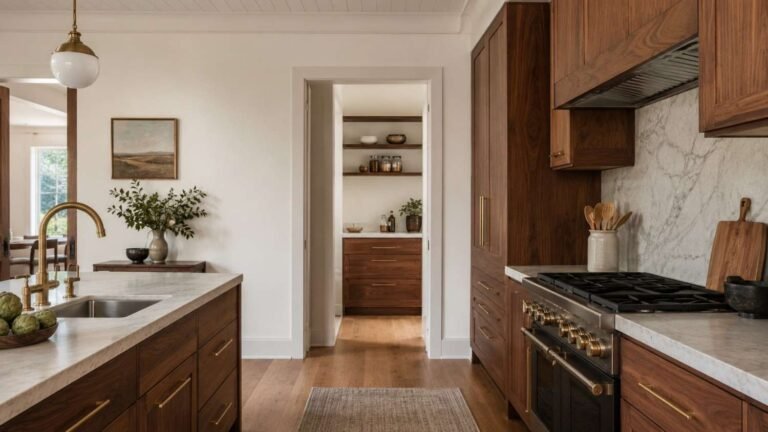
9. Rich Walnut Wood-Look – For homeowners who love the grain of real wood but want the durability of a painted or laminate finish.
10. Golden Khaki – A balanced, sunlit neutral that photographs beautifully and works well with brushed gold fixtures.
Bold and Moody Cabinet Shades
11. Soft Black – A slightly softened black, more charcoal than jet, that avoids feeling harsh in smaller kitchens.
12. Charcoal Gray – A dependable dark neutral that pairs well with almost any countertop material.
13. Deep Plum – An unexpected jewel tone that adds sophistication without overwhelming a room when used on a single wall of cabinetry.
14. Oxblood Burgundy – One of the more surprising cabinet color trends of the year, this deep red-brown feels rich under warm lighting.
15. Aubergine – A near-black purple that reads as neutral from a distance but reveals depth up close.
Blue Cabinet Color Ideas
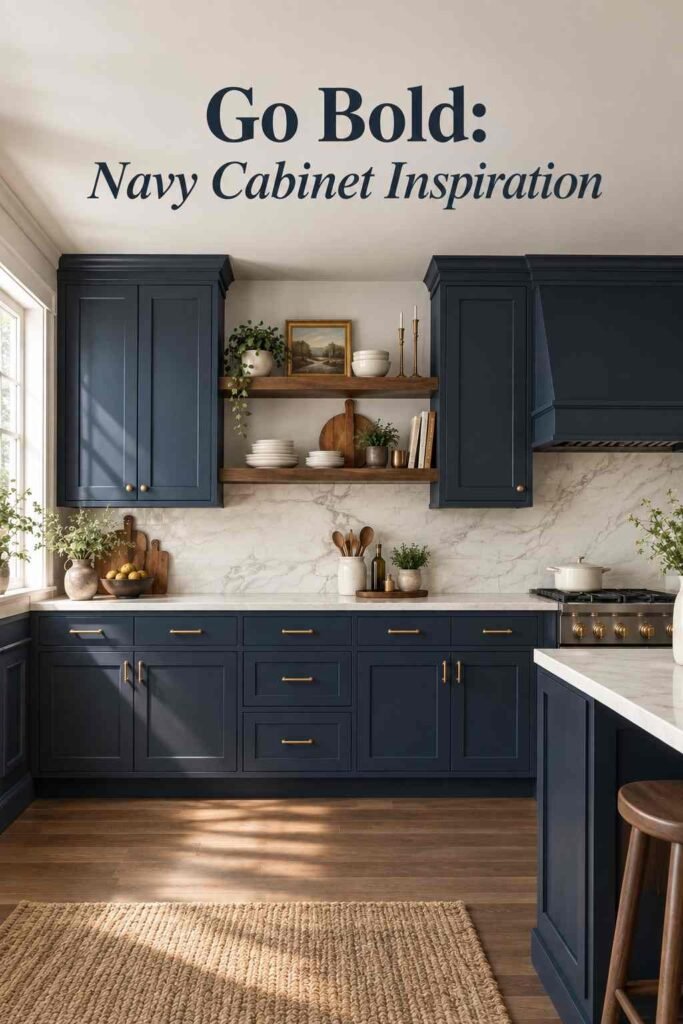
16. Dusty Blue – A muted, grayed-out blue that feels calm rather than cold, ideal for kitchens that double as gathering spaces.
17. Smoky Indigo – A blackened blue with real depth, often used on islands for a dramatic focal point.
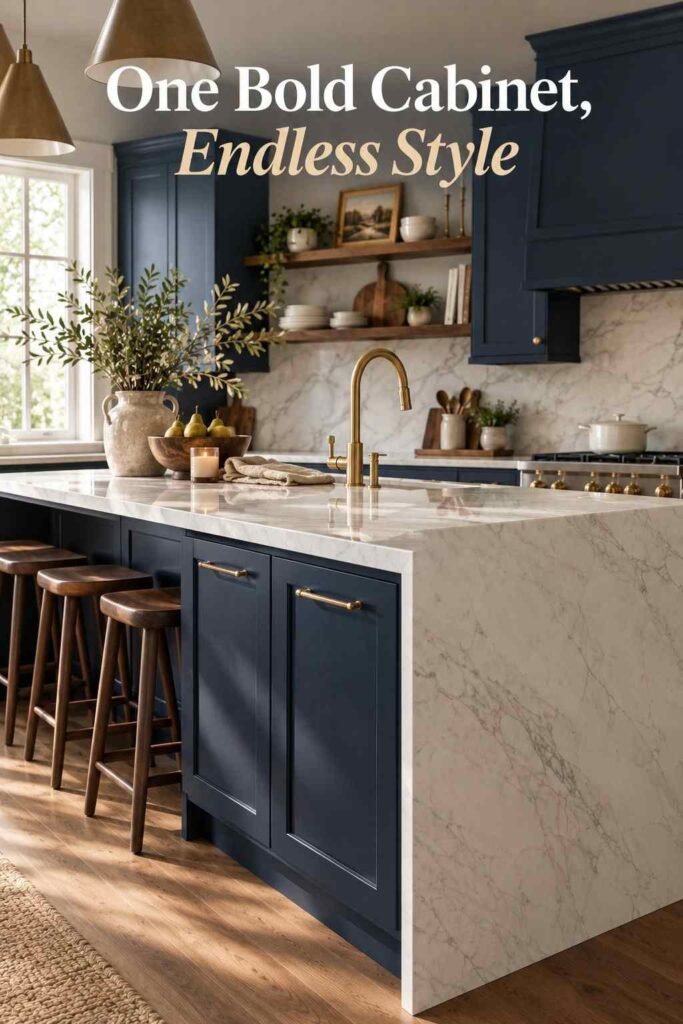
18. Muted Navy – Softer than traditional navy, this shade works well against warm wood floors and brass pulls.
19. Denim Blue – A casual, slightly faded blue that suits farmhouse and coastal-style kitchens. If you love this direction, our full Blue Kitchen Ideas guide breaks down pairings, lighting tips, and real remodel photos in more depth.
Green Cabinet Shades
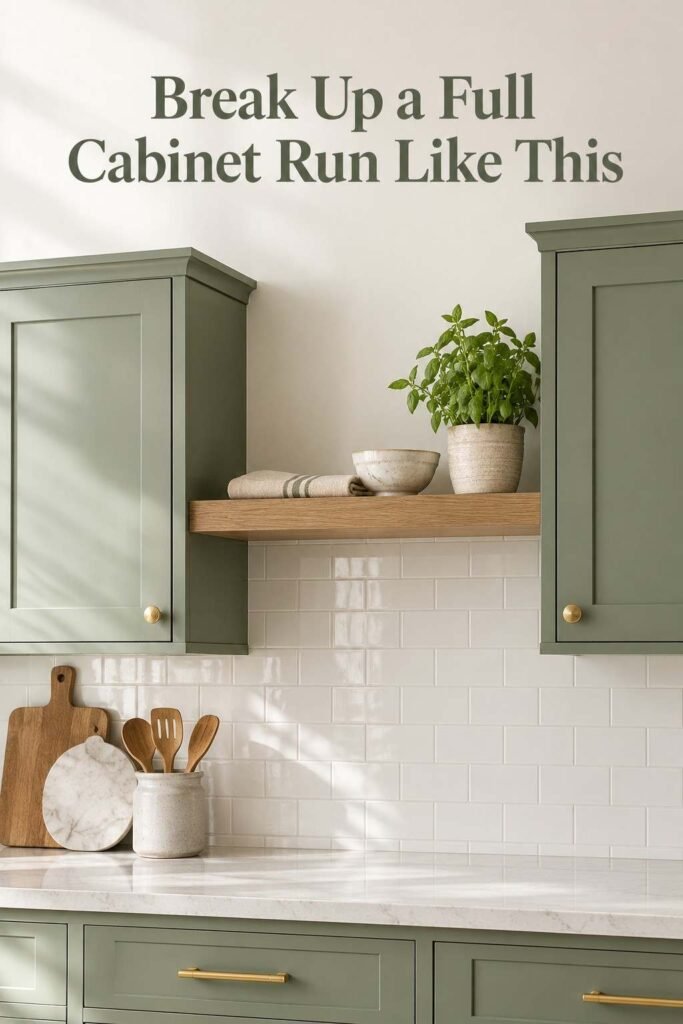
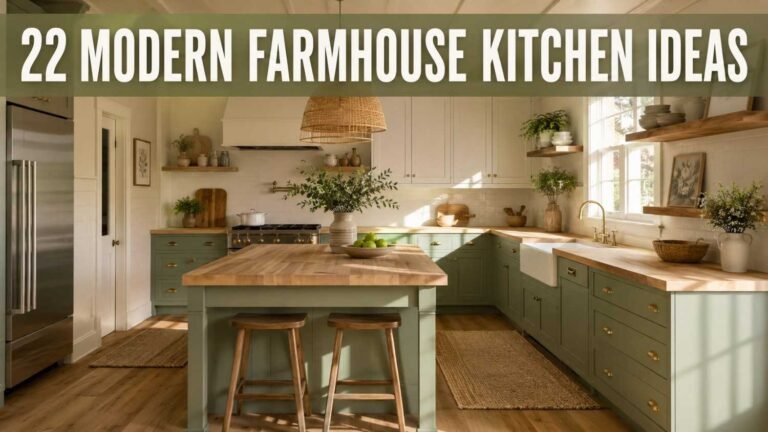
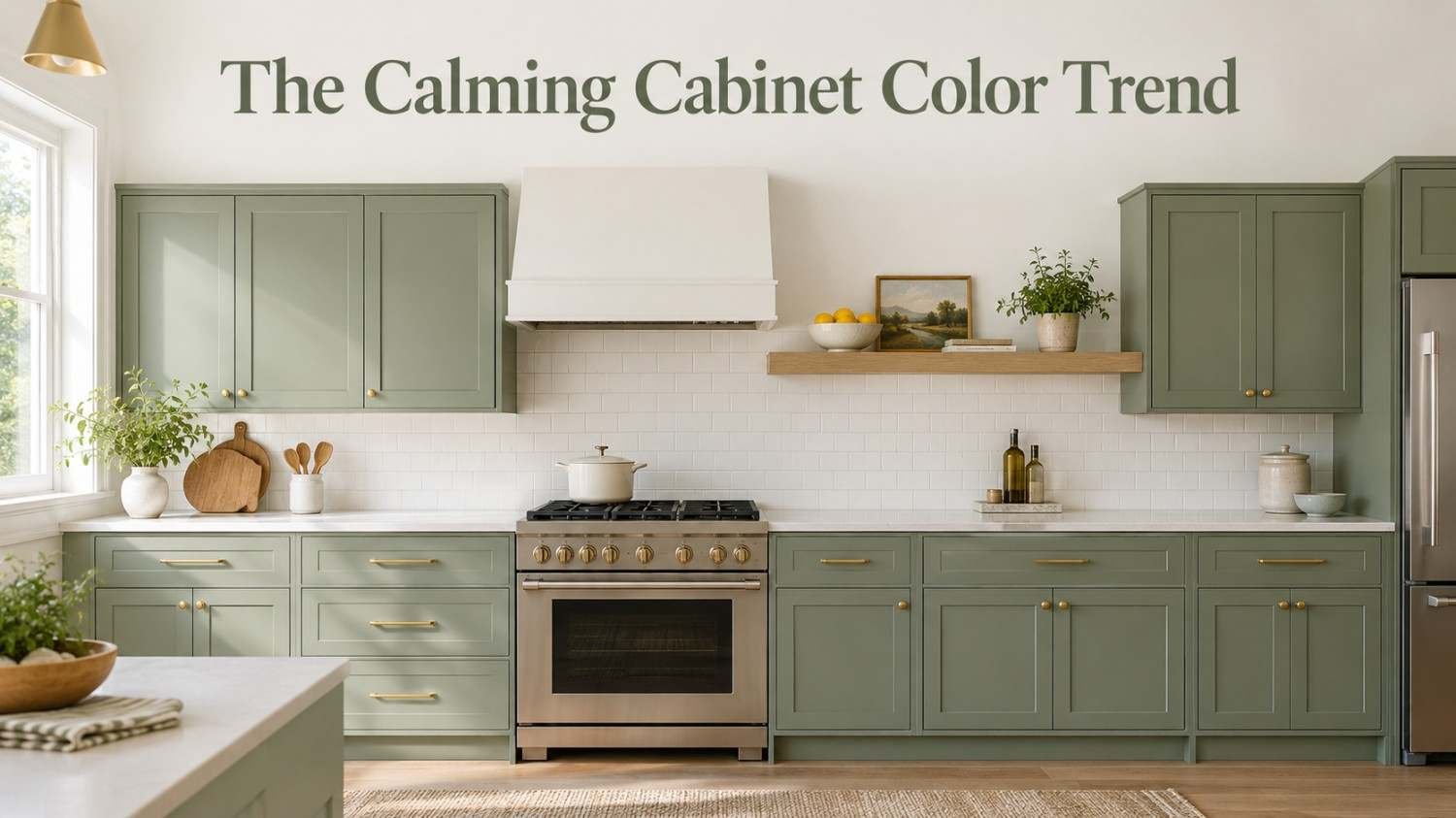
20. Olive Green – An earthy, grounded green that pairs beautifully with brass hardware and warm wood accents.
21. Smoky Jade – A gray-cast green that many paint brands now treat as a new neutral rather than a bold statement color.
22. Forest Green – A deep, saturated green that adds drama on a full cabinet run or a single kitchen island.
Two-Tone and Statement Combinations
23. Two-Tone Island Contrast – Pair a neutral perimeter with a bold island color like navy or forest green for impact without commitment.
24. Upper-Lower Split – Lighter cabinets on top, deeper tones on the bottom; a layout trick that keeps a kitchen feeling grounded but bright.
25. Open Shelving Color Pop – Paint the back of open shelving in a bold accent shade while keeping the surrounding cabinet palette neutral, giving you personality without repainting the whole kitchen.
Kitchen Cabinet Color Pairing Tips
Once you’ve narrowed down a shortlist, pairing matters as much as the shade itself. Warm cabinet colors like terracotta or camel look best with brushed brass or matte gold hardware, while cooler tones such as navy or charcoal tend to suit brushed nickel or matte black pulls. Countertops with subtle veining help soften bold cabinet colors, while solid-color counters let a neutral cabinet palette stand out. Backsplash tile is another opportunity to either echo the cabinet color for a seamless look or introduce contrast for visual interest.
Lighting temperature also changes how a color reads day to day. Warm-toned bulbs (around 2700K) intensify the coziness of earthy and warm neutral cabinets, while cooler bulbs (3500K and up) can make blues and grays feel crisper. Testing your shortlisted cabinet color under your kitchen’s actual bulbs, not showroom lighting, prevents costly surprises after installation.
Common Kitchen Cabinet Color Mistakes to Avoid
One frequent misstep is choosing a color from a tiny paint chip rather than a large sample board, since undertones shift dramatically at scale. Another is applying a bold shade to every surface at once; most designers now recommend choosing a single “hero” area, such as an island, and keeping the rest of the kitchen calmer.
Ignoring existing fixed finishes is another common error. If your home already has warm oak flooring, a cool blue-gray kitchen cabinet color can clash rather than complement. Finally, many homeowners skip testing paint samples in both morning and evening light, only to discover the color looks completely different once installation is finished.
Choosing Cabinet Colors by Kitchen Style
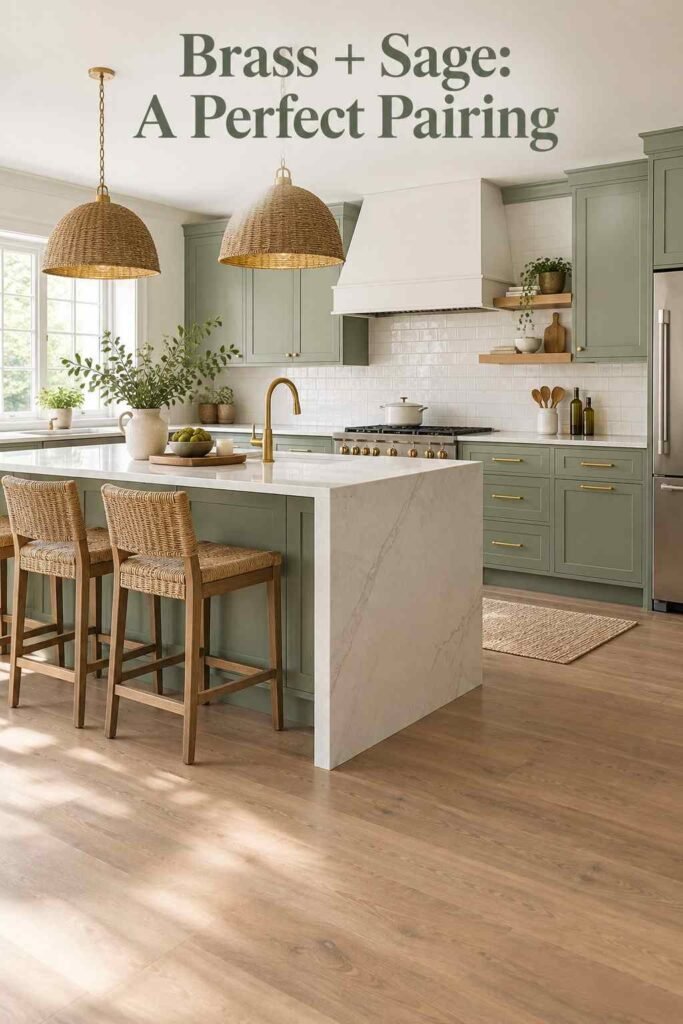
Different design styles tend to favor different palettes, and matching your cabinet color to your home’s architecture keeps the finished look cohesive.
Farmhouse kitchens lean toward warm whites, sage or olive green, and soft black, often paired with open shelving and butcher block counters. Modern kitchens favor high-contrast combinations like charcoal or soft black paired with warm wood accents. Transitional kitchens work well with greige, taupe, or muted navy, since these tones bridge traditional and contemporary elements. Coastal-style kitchens often use dusty blue, soft sand, or warm white to echo a relaxed, sunlit feel.
What Changing Your Cabinet Color Actually Costs
Most competing guides skip budgeting entirely, so here’s a realistic picture. Repainting existing cabinets with a professional-grade finish typically costs less than replacing cabinet boxes and doors outright, since labor and prep work make up most of the expense rather than paint itself. A full kitchen cabinet color change through professional refinishing generally runs into the low thousands for an average kitchen, while a full cabinet replacement costs significantly more.
Maintenance also varies by finish. Matte and soft-touch paints hide fingerprints well but can show scuffs near handles, while satin or semi-gloss finishes wipe clean more easily and hold up better in high-traffic kitchens. Darker colors tend to show dust and water spots faster than mid-tone neutrals, so factor daily upkeep into your decision, not just the initial look.
Extending Your Color Palette Beyond the Kitchen
A cohesive home doesn’t stop at the kitchen door. Many homeowners now extend their chosen cabinet palette outdoors as well; if you’re planning a Covered Outdoor Kitchen, repeating a muted version of your indoor cabinet color on outdoor cabinetry or a grill island creates visual continuity between indoor and outdoor living spaces. For more room-by-room color inspiration and remodel planning guides, the design library at OutInteriors is a helpful next stop before you pick up a paintbrush.
Conclusion
Picking from 25 kitchen cabinet color ideas doesn’t have to be overwhelming once you understand how light, undertones, and your home’s existing finishes work together. Whether you gravitate toward a warm neutral that will age gracefully or a bold jewel tone that makes a statement, the right choice comes down to testing samples in your actual space, not just falling in love with a photo online. Take your time, sample generously, and choose a shade that reflects how you actually want your kitchen to feel every single day.
Frequently Asked Questions
1. What is the most popular kitchen cabinet color right now?
Warm neutrals like mushroom, greige, and warm white remain the most requested cabinet shades, though deep green and muted navy are gaining significant ground in 2026 kitchens.
2. Are white kitchen cabinets still in style?
Yes, but the trend has shifted toward warmer, creamier whites rather than stark, cool-toned white, which can feel clinical in certain lighting.
3. What cabinet color makes a small kitchen look bigger?
Light, warm neutrals such as soft sand or warm white tend to make small kitchens feel more open, especially when paired with light countertops and adequate lighting.
4. Should upper and lower cabinets be different colors?
It’s optional but increasingly popular. A lighter upper cabinet paired with a deeper lower cabinet color adds visual interest while keeping the room from feeling too dark overall.
5. What color cabinets never go out of style?
Soft neutrals like greige, warm white, and taupe are considered the most timeless cabinet color choices because they adapt easily to changing hardware and decor trends.
6. Do dark cabinets make a kitchen feel smaller?
Not necessarily. Dark cabinets paired with ample lighting, lighter countertops, and reflective hardware can feel cozy and intentional rather than cramped.
7. How do I know which cabinet color will suit my kitchen’s lighting?
Test large paint samples directly on your cabinets or nearby walls, and observe them in both natural daylight and your kitchen’s evening lighting before making a final decision.