Small Kitchens: Smart Design Ideas That Make Every Inch Work
A compact kitchen can test your patience in small ways. The fridge door blocks the walkway. The toaster steals prep space. One extra pan on the counter makes the whole room feel crowded. Yet that same room can become one of the most satisfying spaces in a home when it is planned well.
That is why small kitchens deserve more than pretty photos and generic advice. They need smart choices that make daily routines easier. When every shelf, cabinet, and appliance earns its place, a modest kitchen can feel calm, efficient, and even generous. The goal is not to fake square footage. It is to make the room work so well that you stop thinking about what it lacks and start enjoying how it lives.
Why Small Kitchens Often Work Better Than Bigger Ones
The best kitchens are not always the largest. They are the ones that support movement, prep, cooking, cleanup, and storage without forcing you to take extra steps. NKBA planning guidance emphasizes keeping traffic out of the main work zone, while Better Homes & Gardens also points to efficient layout and strong storage as the backbone of a successful compact kitchen. In practical terms, that means a tighter room can sometimes perform better because your sink, cooktop, and refrigerator are closer together and easier to use in sequence.
That function-first approach also matches current U.S. remodeling trends. The 2026 U.S. Houzz Kitchen Trends Study and National Association of Realtors coverage both show homeowners putting more emphasis on built-in storage, practical upgrades, and layouts that support everyday living. In other words, people are not only chasing appearance. They want kitchens that handle real life better, especially when the footprint is limited.
The Best Layouts for Small Kitchens
In small kitchens, layout matters more than décor. Before choosing paint, tile, or hardware, decide how the room should look. A cramped kitchen usually feels worse because the path is wrong, not because the finishes are wrong. That is why measurements come first. NKBA recommends a work aisle of at least 42 inches for one cook and 48 inches for multiple cooks, plus a walkway of at least 36 inches. Those numbers matter because they protect comfort, appliance clearance, and safe movement.
One-wall kitchens
A one-wall layout works well when the kitchen shares space with a living or dining area. Everything runs along a single line, so it is naturally compact and visually clean. The weakness is limited landing space, so the fix is not more decoration. It is better sequencing. Keep the sink, prep area, and cooktop in a logical order, and use upper storage only for items you reach often. This kind of arrangement benefits from calm finishes and uninterrupted surfaces, as visual breaks feel larger in a narrow footprint.
Galley kitchens
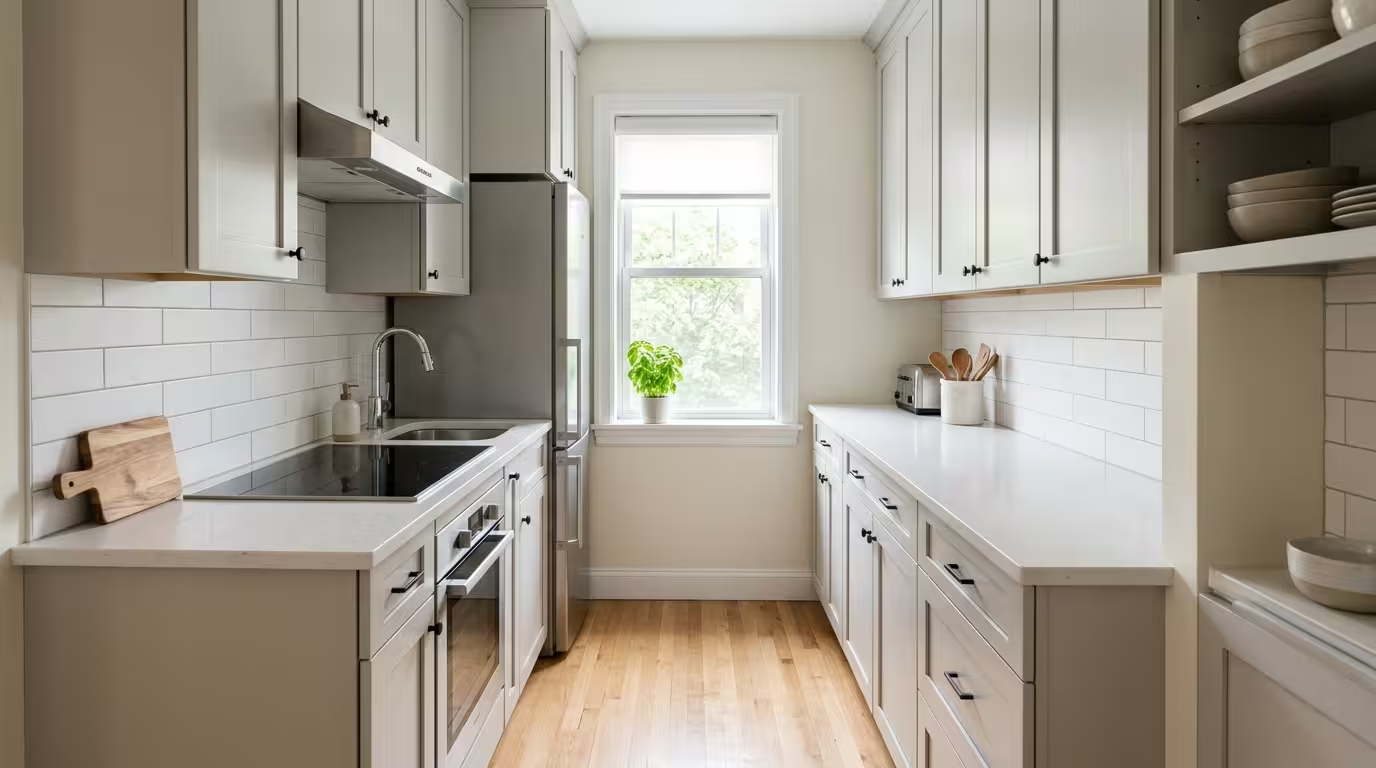
A galley is often the strongest performer for busy cooks because it creates two facing runs with short, efficient movement between them. But a galley only feels good when the aisle width is handled correctly. Too narrow, and doors and bodies collide. Too wide, and the kitchen loses efficiency. The best galley kitchens also avoid turning the center path into a household shortcut, which is consistent with NKBA guidance against traffic cutting through the main work triangle.
L-shaped and U-shaped layouts
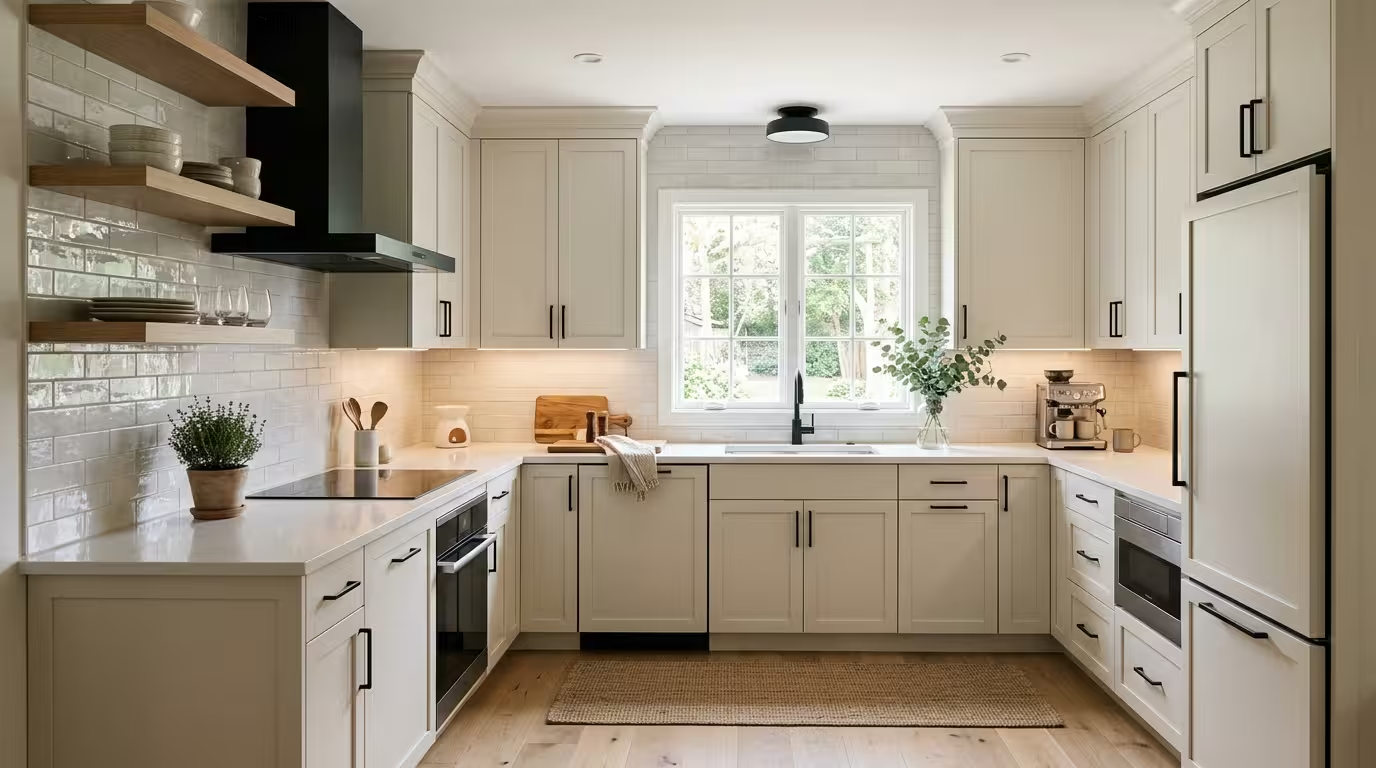
An L-shaped kitchen is a smart choice when you need the room to open toward another living area. It creates corner storage opportunities and can make a compact room feel less boxed in. A U-shaped kitchen offers more continuous counter and cabinet frontage, but it requires disciplined planning to avoid feeling tight. If you add seating, NKBA also recommends clearances for diners and traffic, including 32 inches where no traffic passes behind a seated person and more room where circulation continues behind seating.
Storage Rules That Help Small Kitchens Stay Calm
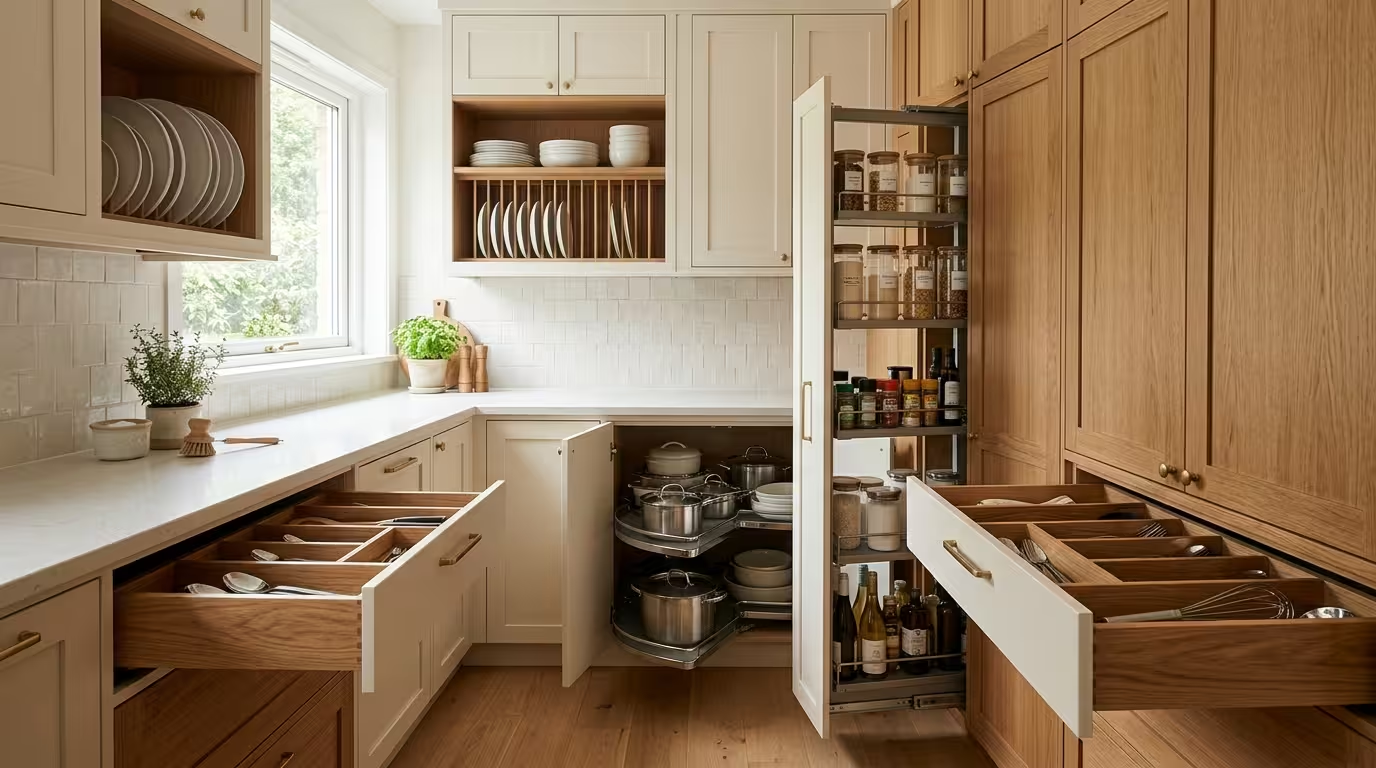
In small kitchens, storage has to do two jobs at once. It must hold more, and it must reduce visual noise. That is why tall cabinetry keeps showing up in current design advice. The Spruce and Real Simple both highlight ceiling-height cabinets and vertical storage as ways to make a room feel larger while hiding clutter, and NAR reports that built-in pantry features remain a major priority in kitchen updates. When your eye reads one continuous wall of storage, the room feels taller, cleaner, and more intentional.
There is also a practical reason to think vertically. NKBA recommends planning frequently used storage between 15 and 48 inches above the floor, and for a small kitchen, it recommends placing at least 400 inches of wall, base, drawer, and pantry frontage within 72 inches of the main cleanup or prep sink. That sounds technical, but the lesson is simple: put everyday items where your hands already go. Plates near the dishwasher. Knives near prep space. Trash near the sink but outside the main collision zone. Oil, salt, and pans near the cooktop.
Corner cabinets deserve special attention, too. Dead corners make compact rooms feel meaner than they are. NKBA specifically recommends that at least one corner cabinet include a functional storage device. A lazy Susan, pullout corner system, or blind-corner organizer can turn wasted volume into useful storage for pots, mixing bowls, or small appliances that do not need to live on the counter every day.
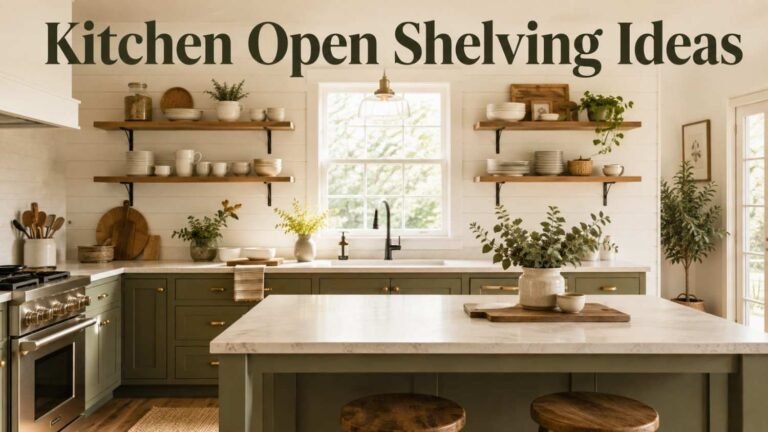
Open shelving can still work, but only in moderation. House Beautiful shows how plate shelves, rails, and pot racks can keep daily items off the counter, and The Spruce notes that organization in compact kitchens depends on controlling clutter across cabinets, counters, and drawers. A good rule is to keep open storage for attractive, frequently used pieces and hide the rest. Too much open display makes a tight kitchen feel busy fast.
Color and Light Choices for Small Kitchens
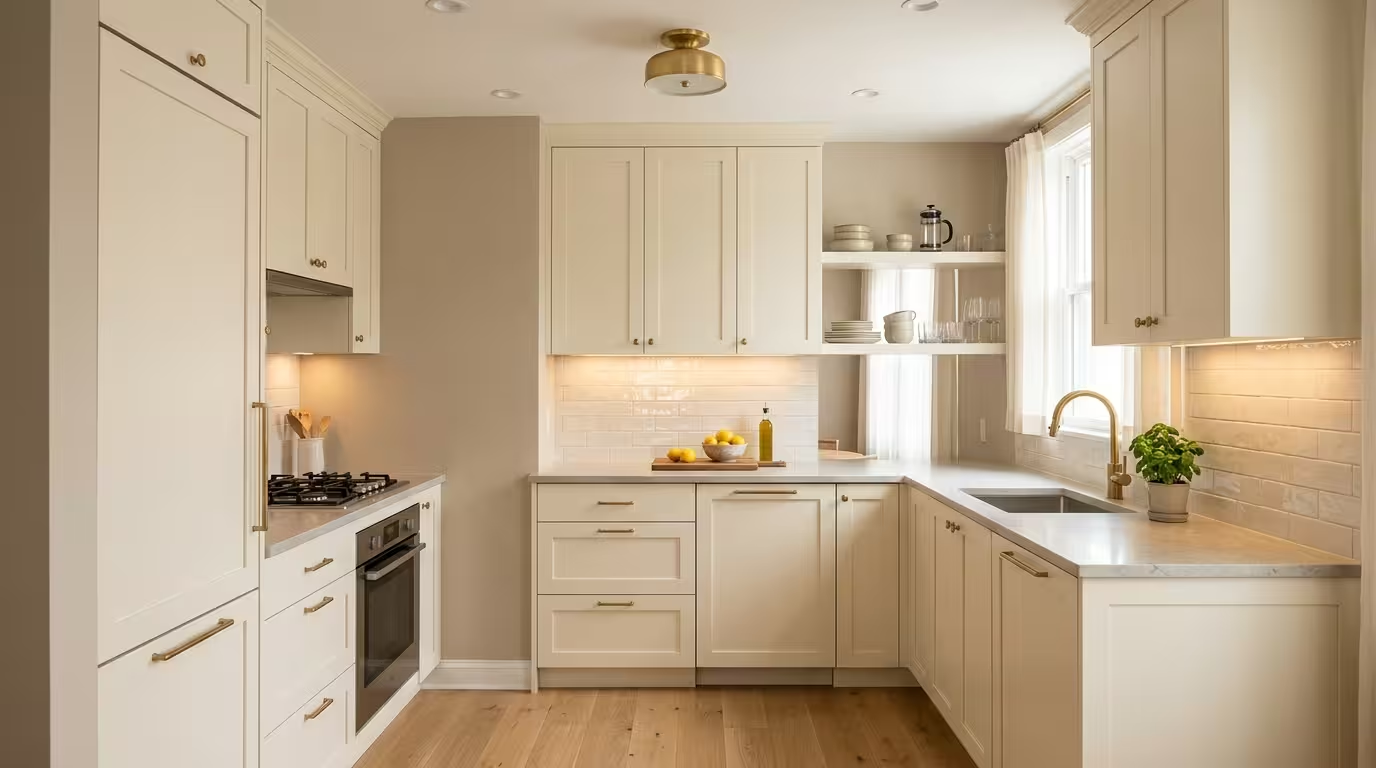
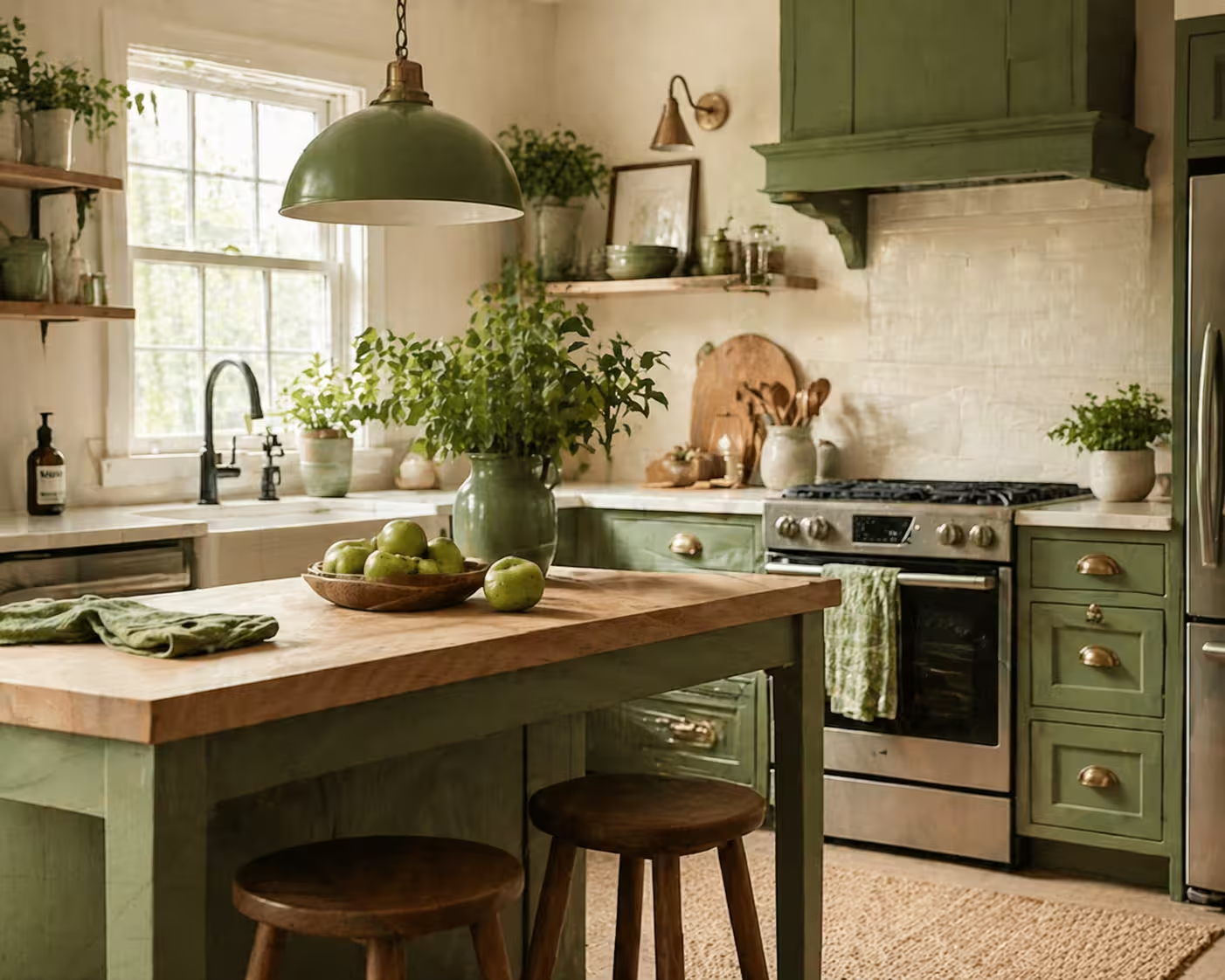
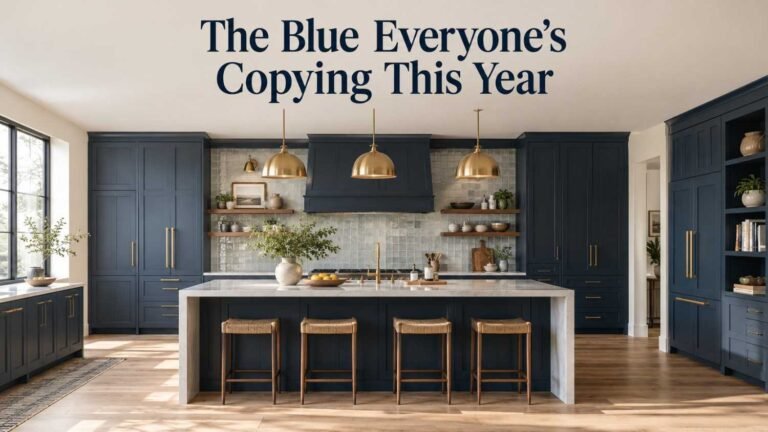
Color in small kitchens should do one thing first: create flow. Designers quoted by The Spruce recommend warm off-whites, muted greens, pale blues, mushroom tones, and putty shades because they lower visual noise and help surfaces recede instead of shouting for attention. That advice matters because high contrast can make a compact room feel chopped into pieces, while low-contrast layers let the eye move more easily.
Light matters just as much as color. House Beautiful recommends reflective backsplashes and simple layered lighting, while The Spruce points to under-cabinet lighting and ceiling-height cabinetry as high-impact ways to brighten a compact room. Good lighting in a small kitchen should be layered, not theatrical: ambient light for the whole room, task light for work surfaces, and a few focused accents if the space opens to dining or living areas. When every light source is doing a job, the room feels bigger and calmer.
Material continuity is another overlooked trick. The Spruce notes that running the same stone from the countertop into the backsplash reduces visual breaks and helps the wall read as one surface. That idea pairs well with the restrained palette trend highlighted by Real Simple, where fewer finishes and slimmer hardware make a small room feel more expansive. If you only remember one design principle, remember this: continuity almost always beats contrast in a tight kitchen.
Appliances That Fit Small Kitchens Without Sacrificing Function
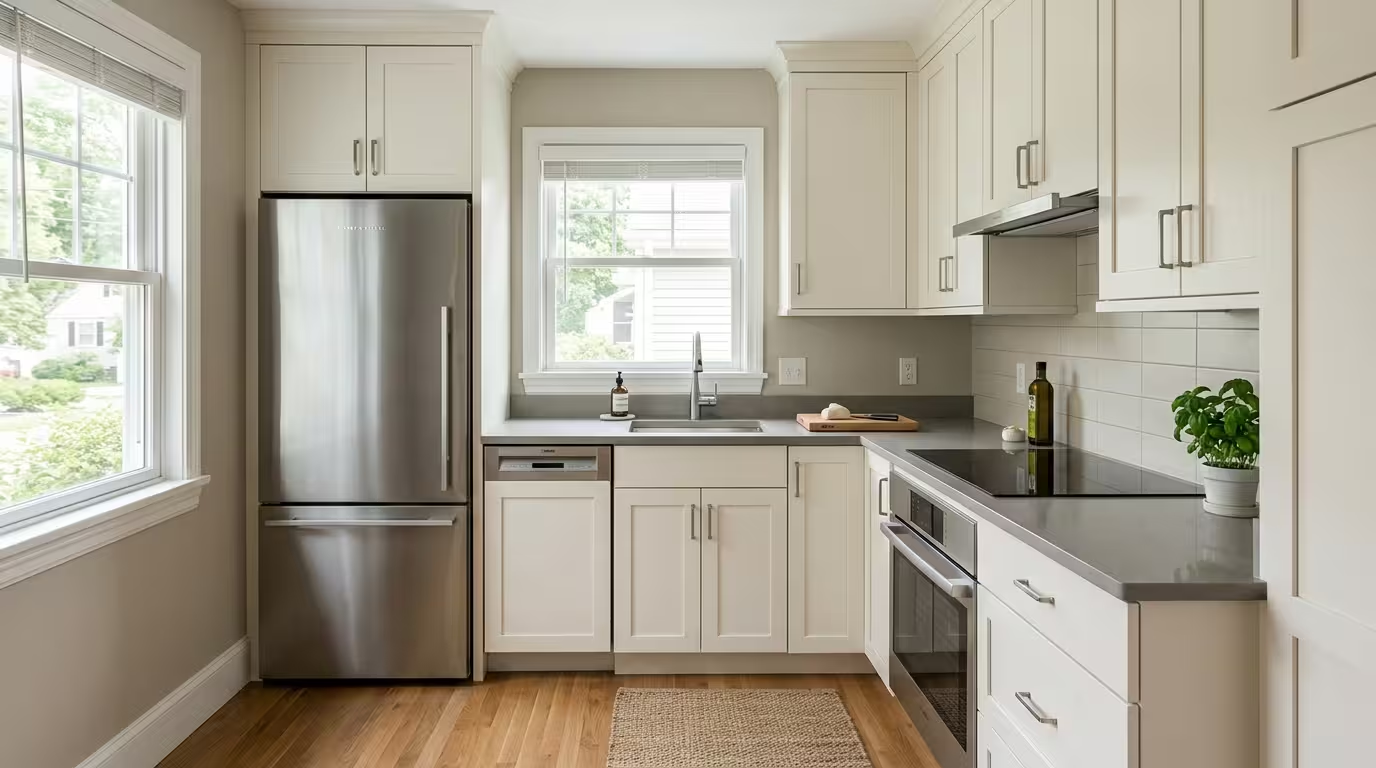
A compact room does not need oversized appliances pretending to be practical. The smartest small kitchens use appliances sized to the space, not to showroom habits. That often means choosing slimmer built-ins, counter-depth units, or panel-ready fronts that visually disappear. Real Simple highlights panel-ready appliances as a major compact-kitchen move because they reduce visual clutter and create a seamless envelope.
Dishwashers are a good example. Bosch notes that its compact built-in dishwashers are 18 inches wide, a format aimed specifically at tighter kitchens. That narrower footprint can free up valuable base-cabinet width for drawers or pullouts while still giving many households the convenience of a full built-in cleanup zone. For smaller homes, condos, and apartments, that trade can make daily life much easier than trying to wash everything by hand over a tiny sink.
Cooktops can also shrink without becoming frustrating. Bosch offers 24-inch cooktops in gas, electric, and induction formats and positions them as solutions for smaller kitchen footprints. A 24-inch cooking surface often gives enough capacity for daily meals while preserving more counter or landing space nearby, which is usually more valuable in a compact kitchen than having a larger appliance you rarely use to its full potential.
Refrigerators need even more discipline because they dominate both floor area and sightlines. Whirlpool says standard counter-depth refrigerators generally run about 24 to 30 inches deep without handles, compared with 30 to 36 inches for standard-depth models, while Bosch emphasizes that 24-inch counter-depth refrigerators help preserve counter space and create a more flush look. In a narrow room, that reduced projection can make the difference between a kitchen that flows and one that feels blocked.
Budget Moves That Improve Small Kitchens Fast
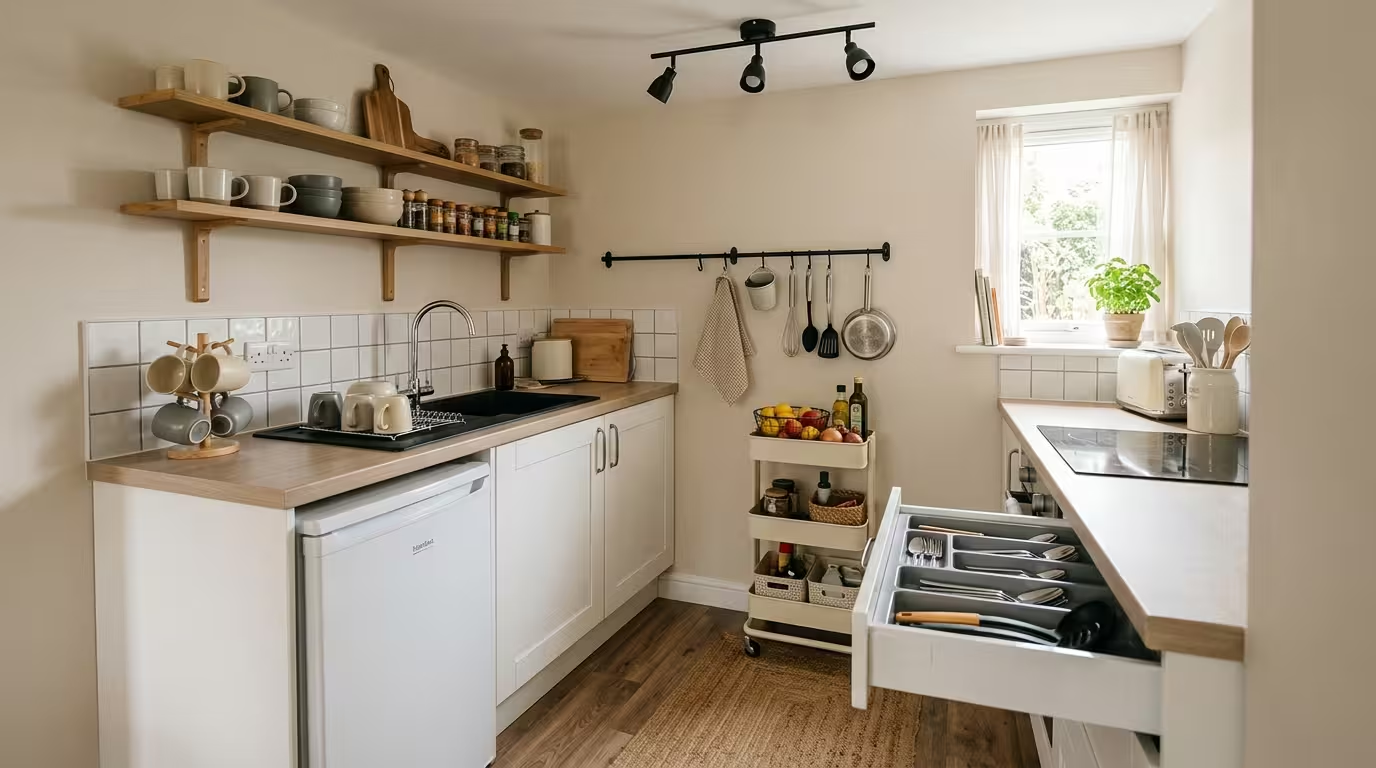
Not every improvement has to begin with demolition. Some of the most effective upgrades for small kitchens are inexpensive, reversible, and focused on daily use. IKEA explicitly frames mini-kitchens and low-cost compact solutions as practical options when both space and budget are tight, and Homes & Gardens highlights portable work tables as useful no-renovation additions for small rooms. That is encouraging because many homes need better function first, not a full remodel.
Start with the surfaces you use every day. Add under-cabinet lighting if prep areas feel dim. Replace bulky countertop organizers with drawer inserts or pullouts. Hang a rail, magnetic strip, or slim pot rack if utensils and pans are eating up your workspace. House Beautiful shows how a simple pot rack can clear counters, and The Spruce repeatedly returns to organization as the key to keeping compact kitchens functional and visually light.
Portable furniture is another smart move. A narrow work table on casters can act as prep space, landing zone, baking station, or even a tiny serving cart. Homes & Gardens notes that portable work tables add both surface space and flexibility because they can be moved aside when floor space matters more. That flexibility is often more valuable than forcing in a fixed island that looks impressive but makes the room harder to use.
Renters can still do a lot. Closed baskets above cabinets, better drawer organization, peel-and-stick lighting, and a strict counter-edit can change the feel of a kitchen fast. Real Simple points to hidden or vertical storage as a powerful tool in compact spaces, while IKEA shows that modular and movable solutions can be especially useful when permanence is not possible. The best renter upgrades are the ones that improve routine without asking permission from the walls.
Common Mistakes That Make Small Kitchens Feel Smaller
The first mistake is forcing the room into an island that it does not want. House Beautiful directly advises downsizing the island or leaving it out when the space cannot support it. This is one of the hardest truths for homeowners because islands have become a symbol of a dream kitchen. But in a tight plan, an island that interrupts movement is not a luxury. It is an obstacle. A freestanding table, wall-mounted drop leaf, or portable cart often works better.
The second mistake is too many finishes. Real Simple highlights tight color palettes and slim hardware because compact rooms magnify visual noise. The Spruce makes a similar point with soft cabinet colors, calm stone movement, and uninterrupted surface treatments. If every material is trying to be a feature, the room feels smaller. A modest kitchen usually improves when you choose one hero moment and let the rest of the surfaces support it quietly.
The third mistake is ignoring the top of the room. When cabinets stop well below the ceiling, the gap often turns into a dust shelf or a place for random baskets and objects. The Spruce specifically warns that leaving this area open can make the kitchen feel more crowded. Either take cabinets to the ceiling or finish the gap cleanly. Half-decisions are what usually make compact rooms look accidental.
The last mistake is treating storage as decoration instead of infrastructure. Display is fine, but a small room should not be performing open-shelf theater all day. NAR and Houzz both show the same direction in current kitchen thinking: more built-ins, more purposeful storage, and fewer visible distractions. The kitchens that age best are the ones that stay easy to reset after breakfast, dinner, guests, and busy weekdays.
Conclusion:
The most successful small kitchens are not defined by what they lack. They are defined by what they do well. They move smoothly. They store intelligently. They keep daily tools close and visual clutter low. They choose continuity over noise, function over excess, and the right-sized appliance over the oversized one that steals the room.
If you approach the space in that order, layout first, storage second, light third, and style last, a compact kitchen stops feeling like a compromise. It starts feeling tailored. And that is why the best small kitchens often leave a stronger impression than larger ones. They work hard, waste little, and make every inch count.