Dining Nook Ideas to Turn Any Corner Into Your Favorite Spot in the House
There’s a reason the dining nook has become one of the most requested features in home renovations. It’s small, it’s flexible, and it turns an awkward corner into the place where everyone actually wants to sit. Whether you have a sprawling kitchen or a 90-square-foot apartment, a well-planned nook can replace a full dining room without sacrificing comfort. Below are 25 dining nook ideas covering every style, budget, and floor plan, along with the sizing, cost, and building details most guides skip entirely.
Most lists of dining nook ideas stop at photos and paint colors. This one goes further, breaking down exactly how much floor space a nook needs, what it realistically costs to build one, the measurements that make a bench comfortable rather than cramped, and the mistakes that turn a promising layout into wasted square footage. By the end, you’ll have enough dining nook ideas to plan a corner that fits your home, your budget, and how your household actually eats.
What Makes a Dining Nook Work?
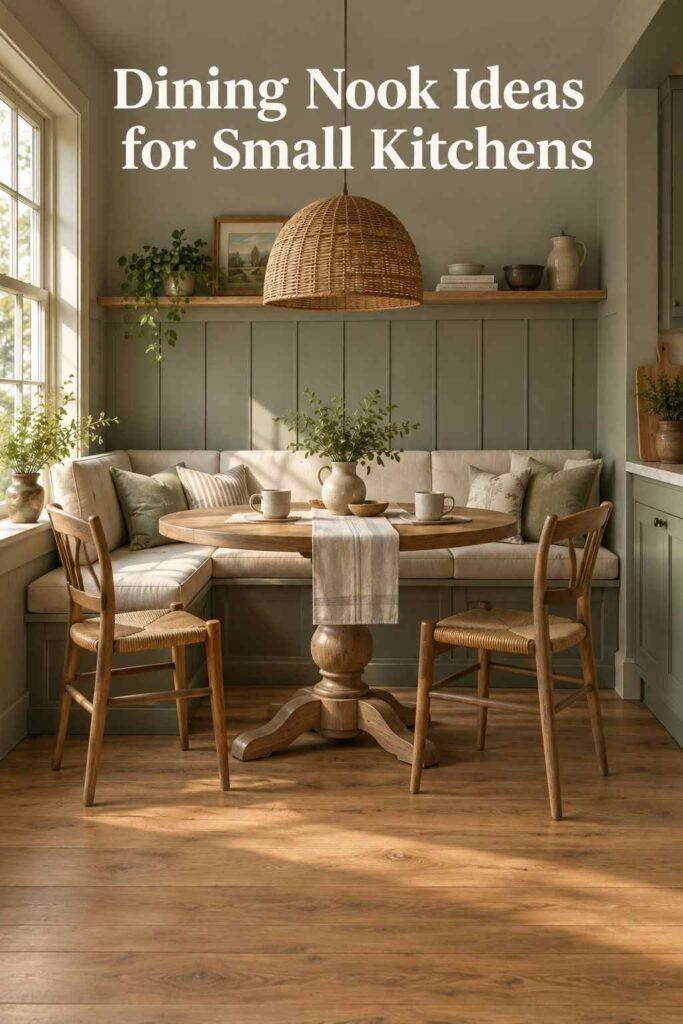
Before picking a style, it helps to know the numbers. A comfortable dining nook generally needs at least 6 feet by 6 feet of floor space for a table that seats four, though a corner banquette can work in as little as 5 feet by 4 feet if you use a bench instead of chairs on two sides. Leave 24 to 30 inches of clearance behind each seat so people can get up without bumping the wall. Natural light matters too — nooks placed near a window or glass door consistently photograph and function better than interior corners, because they double as a bright reading spot outside mealtimes.
How Much Does It Cost to Build a Dining Nook?
Budget is the one detail most articles about dining nook ideas leave out. A simple bench built from stock lumber with a store-bought table can cost as little as $300 to $600. A custom, upholstered banquette with built-in storage typically runs $1,500 to $4,000, depending on cushion fabric and whether you hire a carpenter. If you’re renting or want a no-commitment option, a bench-and-table set from a furniture retailer can furnish an entire nook for under $800. Knowing this range upfront helps you match your dining nook ideas to what you’re actually willing to spend.
25 Dining Nook Ideas for Every Style and Space
Cozy and Classic Dining Nook Ideas
1. Corner Banquette with Storage
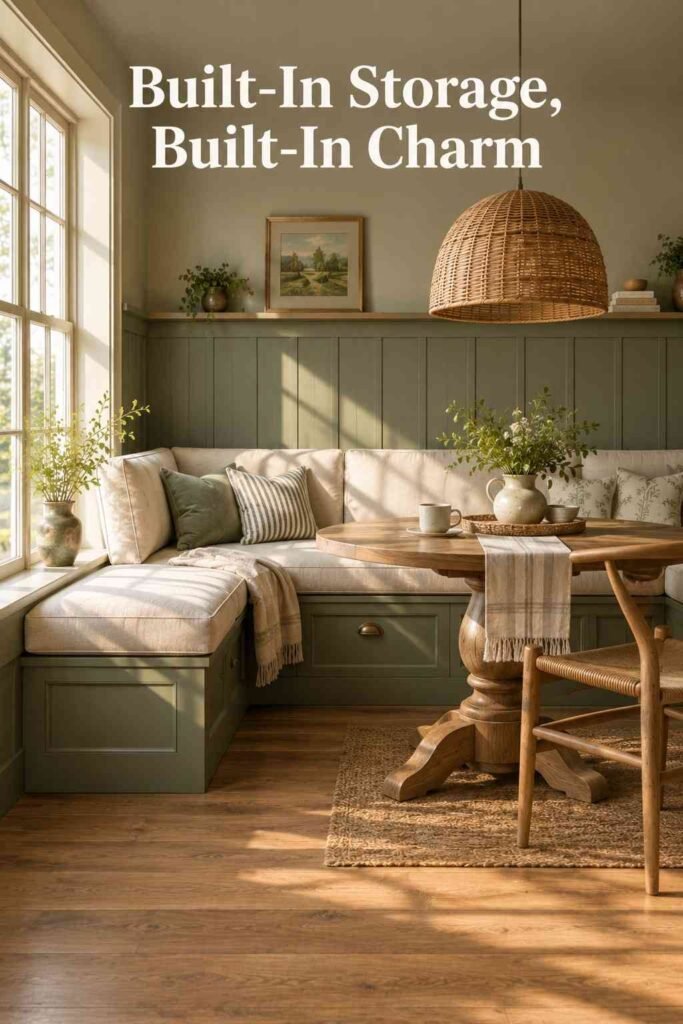
Built-in benches that wrap two walls seat more people per square foot than chairs and often hide drawers or lift-top storage underneath.
2. Bay Window Nook — A round table tucked into a bay window uses the curve of the glass to create natural seating on three sides without extra furniture.
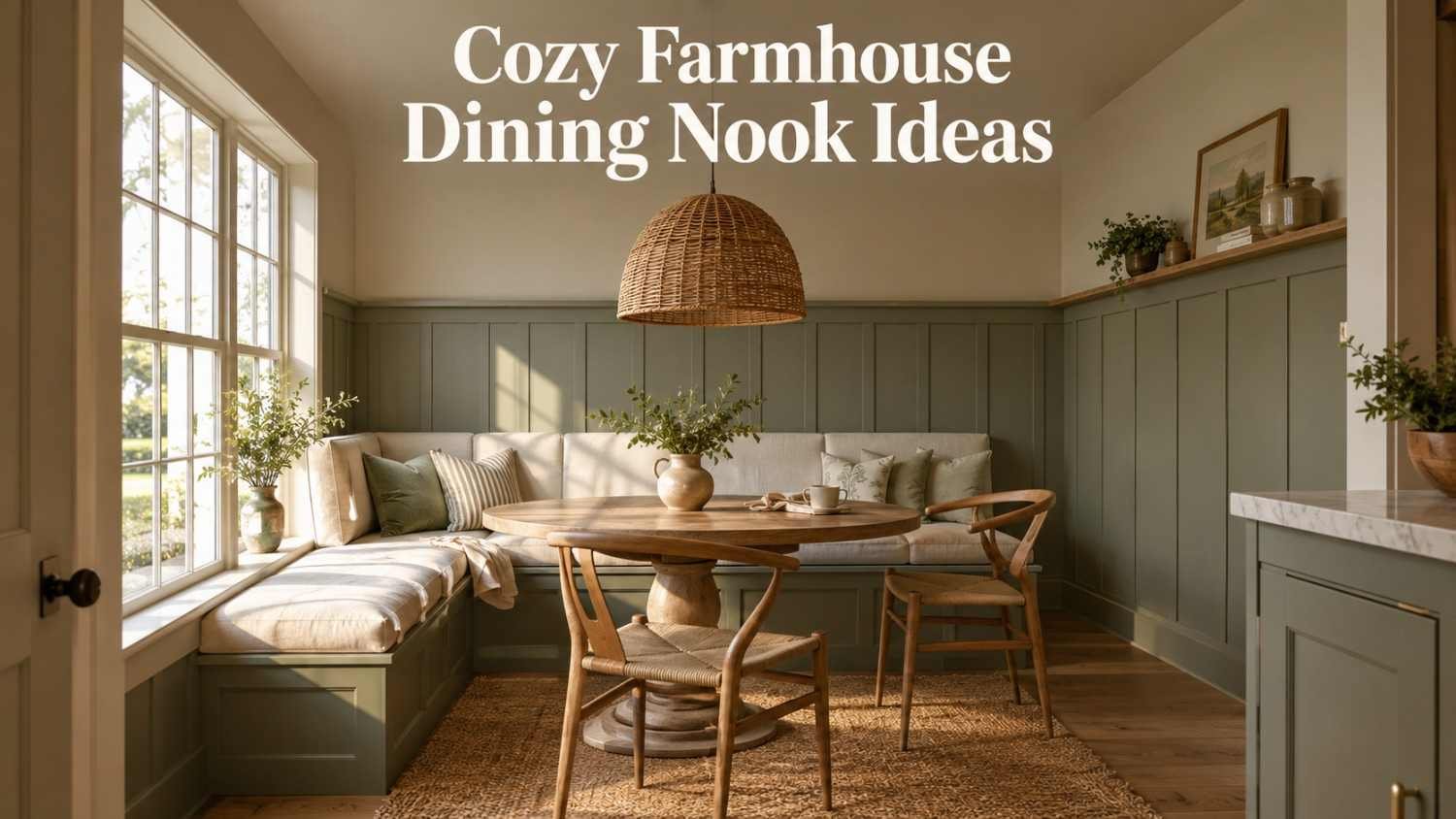
3. Farmhouse Dining Nook — A trestle table, ladder-back chairs, and a woven pendant light bring warmth to a kitchen corner without feeling dated.
4. Vintage-Inspired Nook
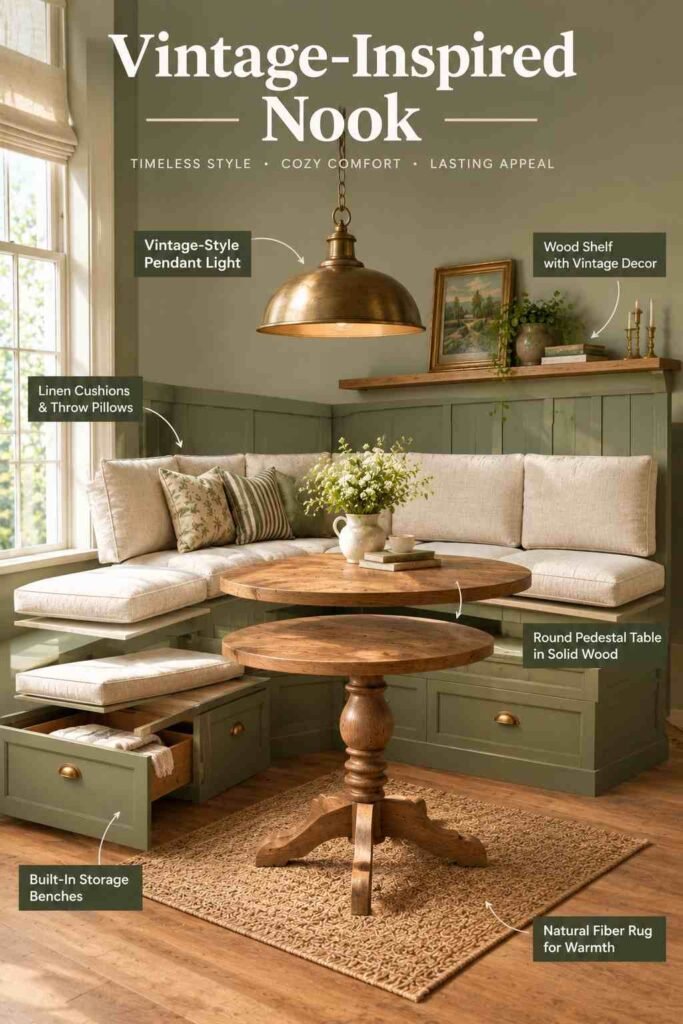
Turned-leg furniture, floral cushions, and brass hardware borrow the same layered charm found in a classic Victorian living room, scaled down for daily meals.
5. Window Seat Dining Bench — Extending an existing window seat by a few inches turns it into functional dining seating, especially in older homes with deep sills.
6. Wainscoted Nook — Adding beadboard or shaker-style paneling behind the bench gives a builder-grade corner instant architectural character.
7. Café-Style Nook — A small bistro table with two chairs recreates a coffee-shop feel, ideal for empty-nesters or anyone who eats most meals solo.
Modern and Minimal Dining Nook Ideas
8. Scandinavian Nook — Pale wood, a neutral palette, and a single statement pendant keep the space calm and uncluttered.
9. Japandi Dining Nook
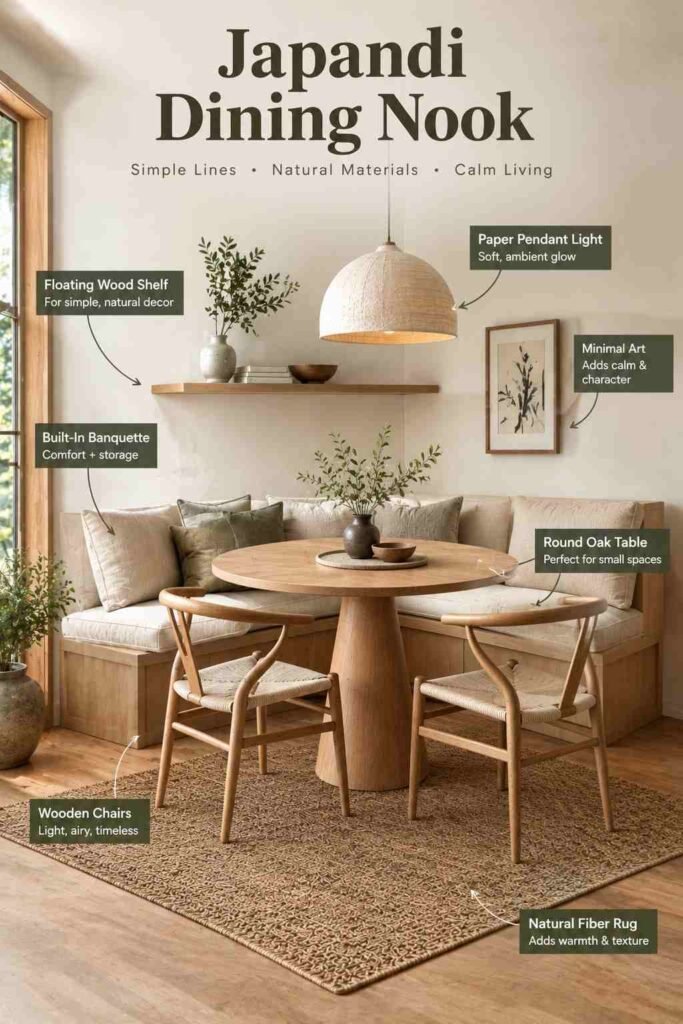
Combining Japanese joinery with Scandinavian simplicity, this look favors low-profile benches and natural linen cushions.
10. Floating Bench Nook — A wall-mounted bench with hidden brackets makes the floor easier to clean and gives small kitchens a lighter visual footprint.
11. Two-Tone Nook — Pairing a dark bench with a light table (or vice versa) adds contrast without needing patterned textiles.
12. Glass Table Nook
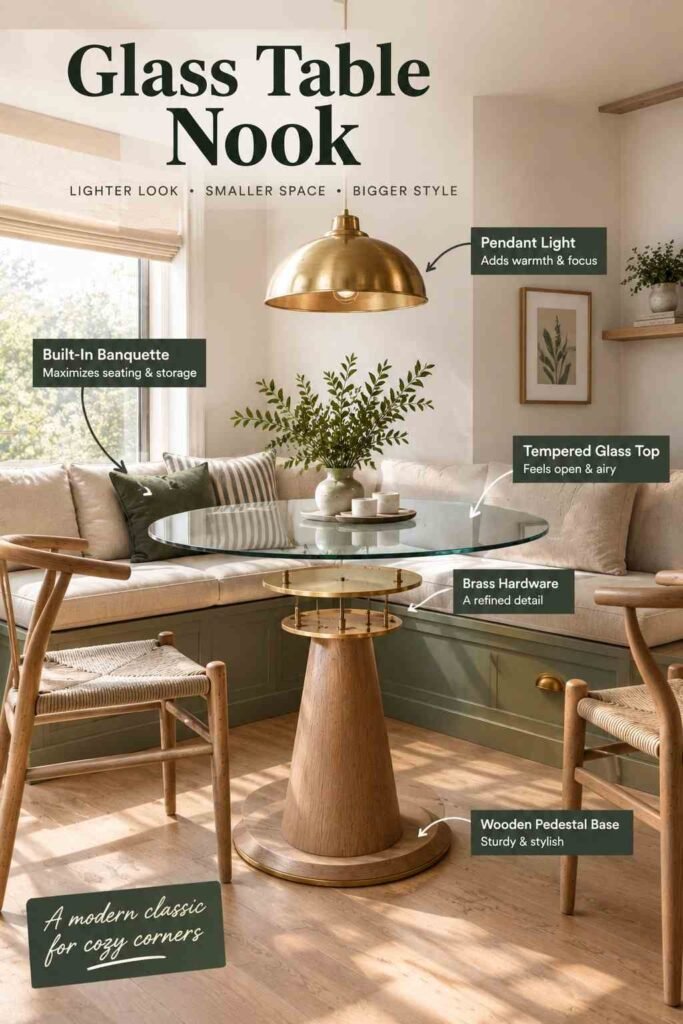
A glass-top table keeps a tight corner from feeling boxed in, since light passes through instead of stopping at a solid surface.
13. Monochrome Nook — Sticking to one color family, including the walls, makes a small dining room corner feel intentional rather than cramped.
14. Industrial Nook — Black metal chair frames, a reclaimed wood table, and exposed Edison bulbs suit lofts and converted warehouse spaces.
Bold and Playful Dining Nook Ideas
15. Whimsical Dining Nook — Curved bench backs, scalloped trim, and a mix of unexpected colors give a nook the same playful energy you’ll find in a whimsical home, where no two rooms match on purpose.
16. Wallpapered Accent Nook — A bold print on just the nook wall creates a focal point without overwhelming the rest of the kitchen.
17. Gallery Wall Nook– Layering framed art above the bench turns mealtime into a rotating display, and it’s inexpensive to refresh seasonally.
18. Boho Dining Nook — Rattan chairs, a jute rug, and layered textiles create a relaxed, collected-over-time feel.
19. Coastal Nook — Blue-and-white stripes, woven pendant shades, and a driftwood-finish table suit homes near water or anyone chasing a beach-house mood.
20. Mediterranean Nook — Terracotta tones, arched mirror accents, and wrought-iron chairs bring warmth reminiscent of a courtyard café.
Small-Space and Family-Friendly Dining Nook Ideas
21. Under-the-Stairs Nook
An overlooked triangle of space under a staircase can fit a two-seat table once you add a custom bench along the slanted wall.
22. Studio Apartment Nook — A drop-leaf table against a wall folds away when not in use, freeing the floor for other activities.
23. Sunroom Dining Nook — Placing the table in an attached sunroom or three-season porch extends the dining season into spring and fall.
24. Kid-Friendly Nook — Washable bench cushions, a durable laminate table, and a low shelf for crayons and placemats make cleanup faster for busy households.
25. L-Shaped Banquette — Fitting a bench into an L-shaped corner maximizes seating in narrow kitchens where a full rectangular table wouldn’t fit.
Practical Tips for Building Your Own Dining Nook
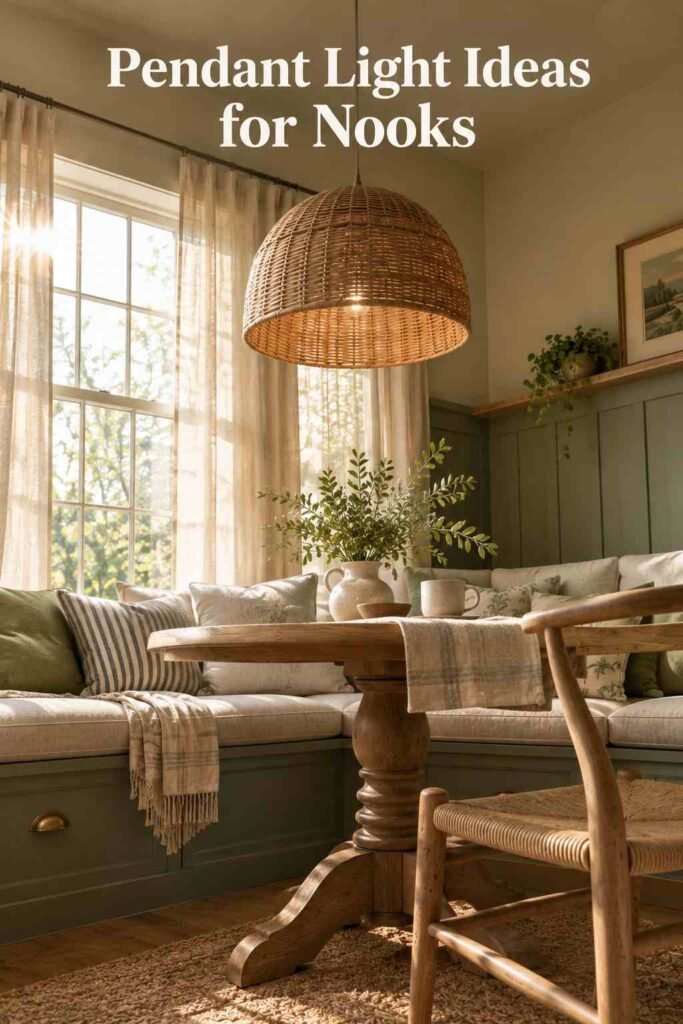
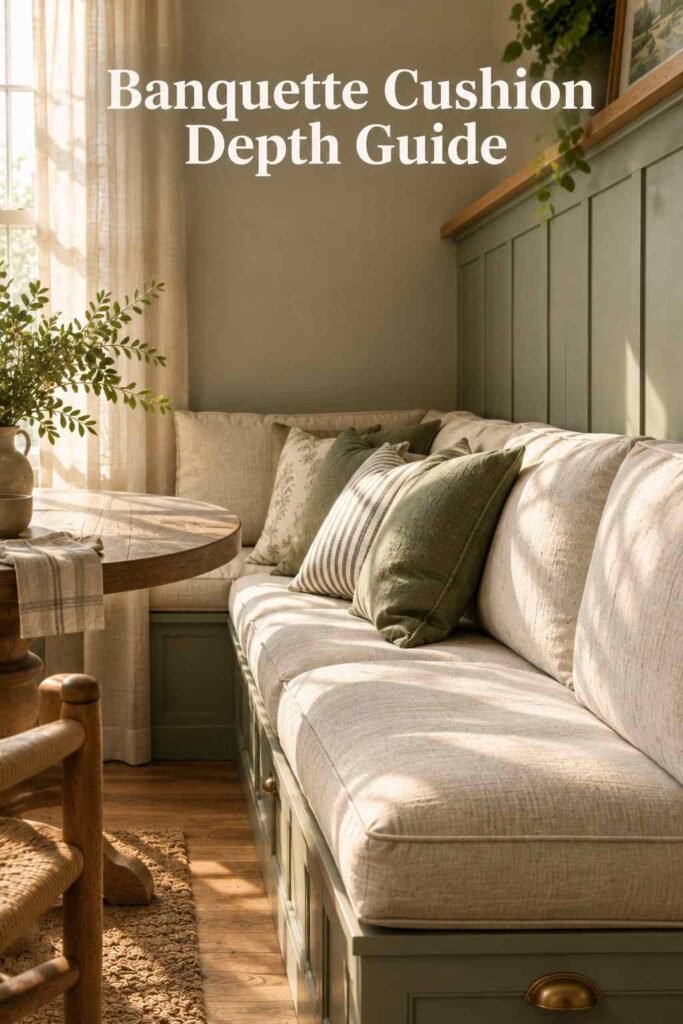
Getting the proportions right matters more than the style you pick. A bench seat height of 17 to 18 inches pairs comfortably with a table around 29 to 30 inches tall. Bench depth should be at least 15 to 16 inches so adults can sit without their legs hanging off the edge, and cushions should be at least 2 inches thick for all-day comfort. If you’re building storage into the bench, hinge the seat rather than the front panel — it’s easier to access and keeps the outside face clean. For lighting, hang a pendant so its bottom edge sits 28 to 32 inches above the tabletop, which lights the food without blocking sightlines across the table. These details separate dining nook ideas that look good in photos from ones that hold up to daily use.
Choosing Materials That Hold Up to Daily Use
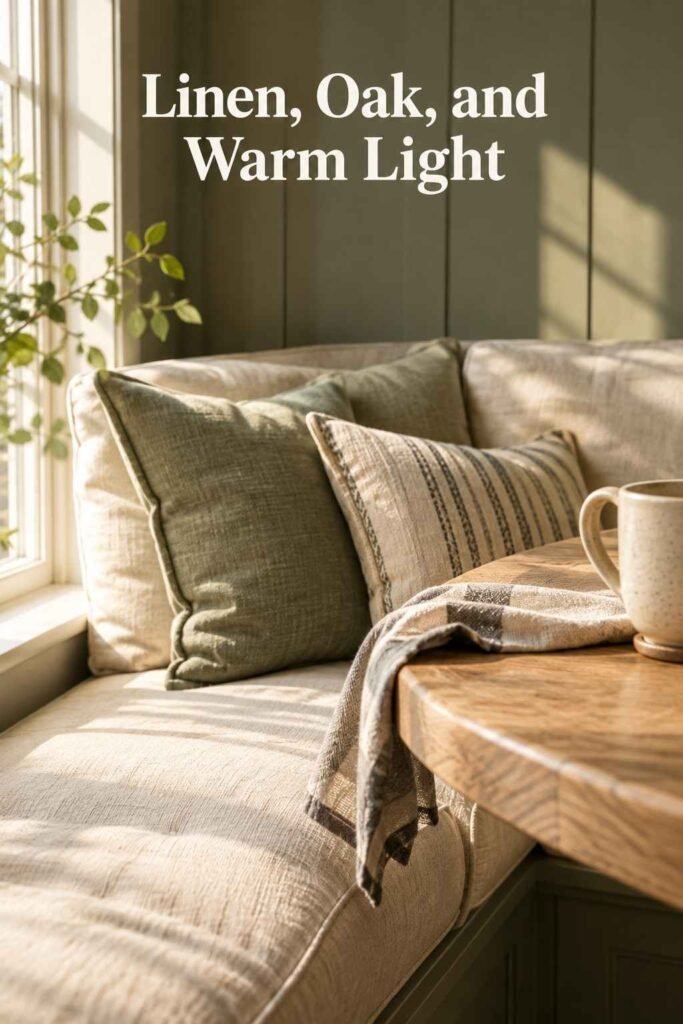
A dining nook gets more daily wear than a formal dining room, so material choice matters as much as color scheme. Performance fabrics, like woven polyester or treated cotton blends, resist spills far better than standard upholstery and are worth the modest price difference on a bench that will see breakfast, homework, and dinner every day. For tabletops, quartz composite and sealed butcher block both shrug off water rings, while unsealed wood needs a coaster habit to avoid staining. If pets or young kids are part of the household, a low-pile indoor rug under the table — rather than a shag or high-loop weave — makes crumb cleanup faster and keeps chair legs from catching. None of this changes the visual style of the space, but it determines whether the nook still looks good a year in.
Styling Your Dining Nook to Match the Rest of Your Home
A nook shouldn’t feel disconnected from the rooms around it. If your living space leans traditional, echo those details — trim work, warm wood tones, brass fixtures — in the nook rather than starting from scratch. For sourcing furniture that fits a smaller footprint without looking like an afterthought, Outinteriors carries benches and compact tables sized specifically for corners and alcoves. Matching your dining nook ideas to your home’s existing palette, rather than treating the space as an isolated project, is what makes the final result feel like it belongs there.
Common Mistakes to Avoid When Planning a Dining Nook
Even good dining nook ideas can fall flat if the layout ignores how people actually move through a kitchen. One common mistake is placing the table too close to a walkway, forcing anyone getting up mid-meal to squeeze past traffic heading to the sink or stove. Another is choosing a table that’s too large for the bench, leaving one side crowded while the other has extra room no one uses. Skipping cushioning is a third misstep — a hard wooden bench looks clean in photos but discourages the long, lingering meals a nook is supposed to invite. Finally, undersized lighting is easy to overlook; a single small fixture rarely covers an entire banquette, leaving one end of the table dim.
Final Thoughts
A dining nook earns its keep in a way few other design features do. It’s where morning coffee happens, where kids finish homework, and where quick dinners turn into long conversations. The 25 dining nook ideas above cover enough ground — classic, modern, playful, and space-saving — that almost any corner can become one. Start with the numbers: how much space you have, what you’re willing to spend, and how the nook should feel next to the rest of your home. The style choice becomes easy once those three things are settled.
Frequently Asked Questions
1. How much space do I need for a dining nook?
A comfortable four-person nook needs roughly 6 feet by 6 feet, though a corner banquette can fit into spaces as small as 5 feet by 4 feet.
2. What’s the difference between a breakfast nook and a dining nook?
The terms are largely interchangeable, though “breakfast nook” traditionally implies a spot for casual morning meals, while a dining nook is often built to handle full dinners too.
3. Is a banquette cheaper than a table-and-chairs setup?
Not always upfront, but a built-in banquette usually seats more people per square foot and can include hidden storage, which adds long-term value.
4. What table shape works best in a small nook?
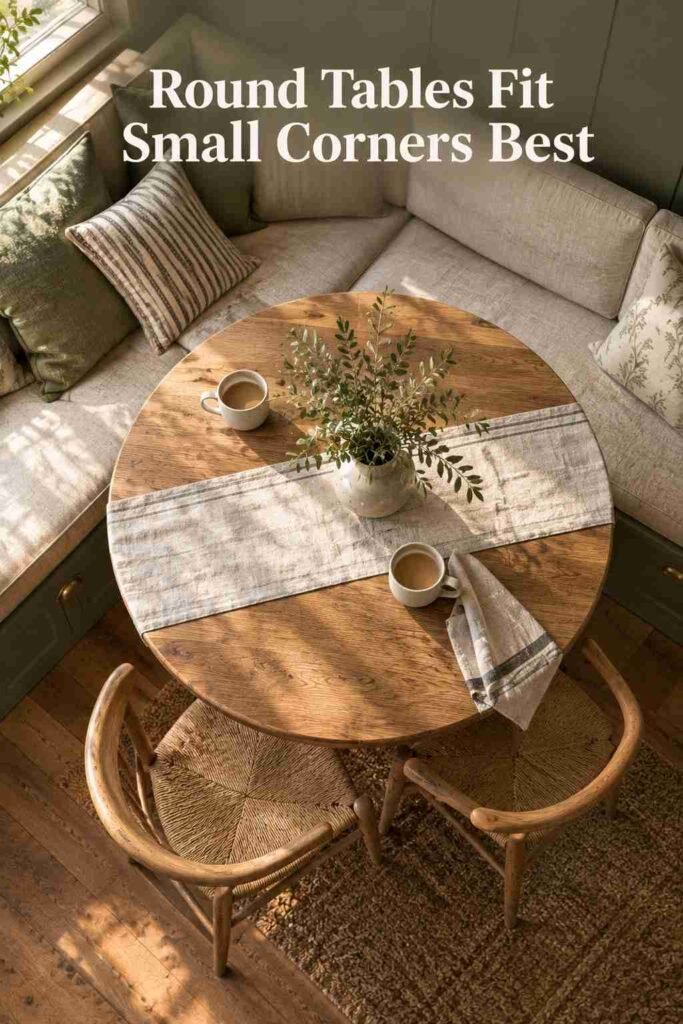
Round and oval tables generally work better in tight corners because they eliminate sharp edges that make a space feel cramped.
5. Can I add a dining nook to a small apartment?
Yes — drop-leaf tables, wall-mounted benches, and under-window seating all work well in studio and one-bedroom layouts.
6. How do I light a dining nook properly?
Hang a pendant light with its bottom edge 28 to 32 inches above the tabletop so it illuminates the food without obstructing views across the table.
7. Do dining nooks add value to a home?
Real estate listings increasingly highlight eat-in kitchen features, and a well-built nook can make a kitchen feel larger and more functional to potential buyers.