30 Cabinet and Countertop Ideas for Home Remodeling (Styles, Materials, and Smart Pairings)
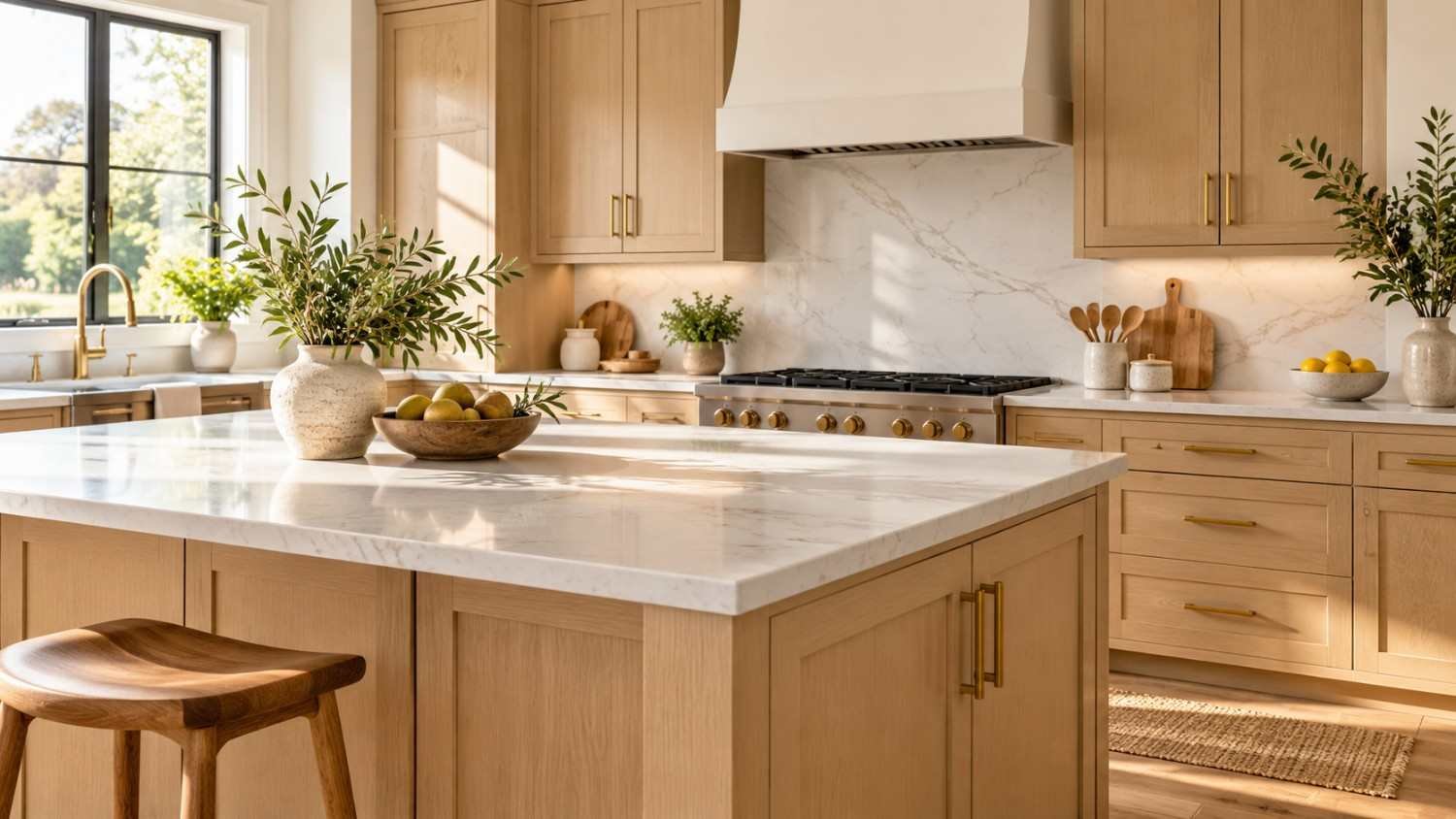
Every remodel has a turning point. The cabinet doors sag, the laminate carries a scorch mark from a forgotten pan, and the layout fights you at dinnertime. That is the moment to explore 30 cabinet and countertop ideas for home remodeling and choose a direction with confidence. Cabinets and counters shape how a room looks, how it works, and how it ages. This guide covers tested styles, honest pros and cons, and pairings that succeed in real homes, so your finished space feels right on day one and still feels right years later.
Plan First: Cabinet and Countertop Ideas for Home Remodeling Start With Your Habits
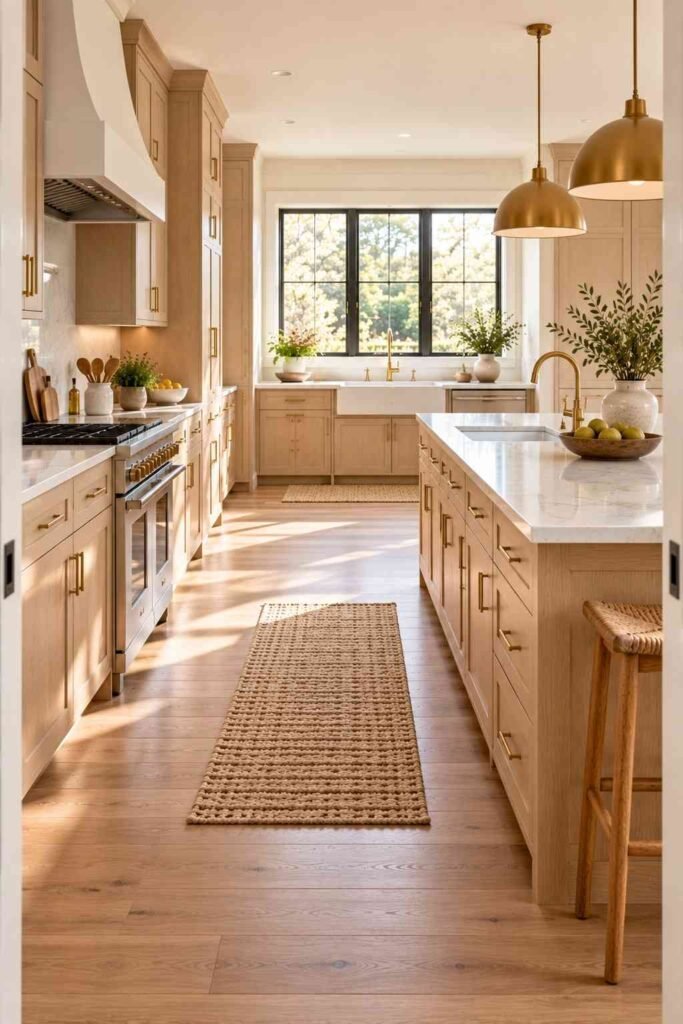
Begin with how you live, not with a showroom photo. Cabinetry is often the largest single expense in a kitchen update, and countertops usually rank second, so these two choices set the tone for your whole budget. Measure the room, note your daily routines, and decide whether you will replace, reface, or repaint. Refacing keeps the existing boxes and swaps doors and drawer fronts, which can lower cost and waste. The National Kitchen & Bath Association (NKBA) publishes layout guidelines, including a 42-inch work aisle for one cook and 48 inches for two. Check them before you order anything.
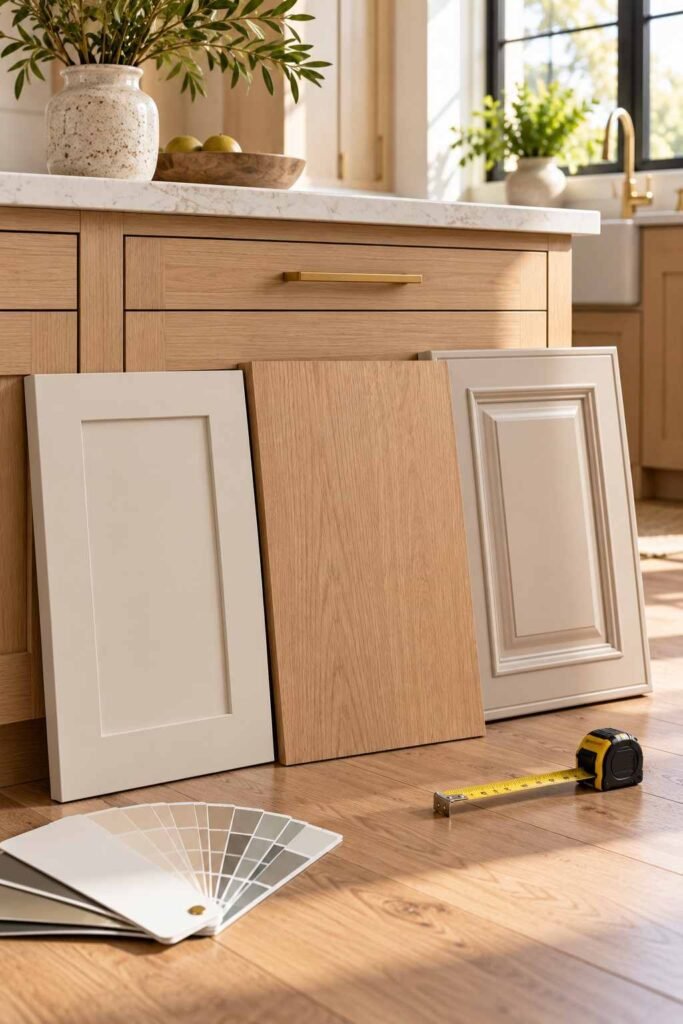
Then ask three simple questions. Who cooks most often? How hard is the daily wear? How long will you stay in the house? A busy family with young children needs forgiving surfaces. A frequent entertainer may want a showpiece island. A seller planning to move soon should lean toward neutral, broadly appealing finishes. Also remember the order of work: installers set cabinets first, then templates are made for the counters. Lead times for custom cabinets and stone slabs can stretch for weeks, so order early and confirm dates in writing.
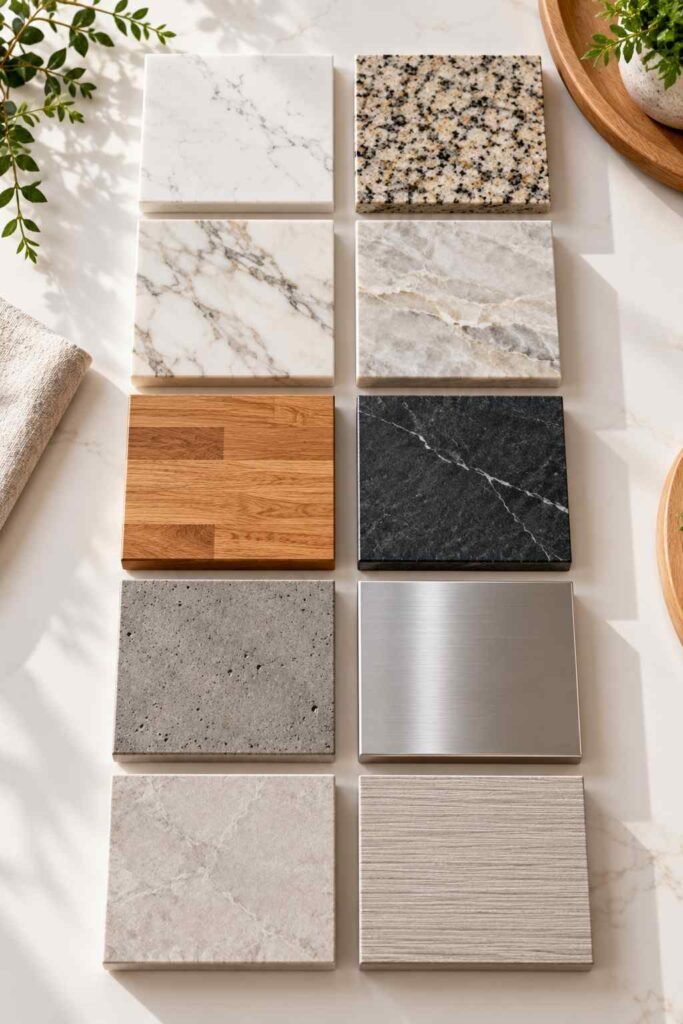
The quick guide below compares the most common countertop materials covered later.
|
Material |
Durability |
Upkeep |
Budget Level |
|
Quartz |
Very high |
Low |
Mid to high |
|
Granite |
Very high |
Periodic sealing |
Mid to high |
|
Marble |
Moderate |
High |
High |
|
Quartzite |
Very high |
Periodic sealing |
High |
|
Butcher block |
Moderate |
Regular oiling |
Low to mid |
|
Soapstone |
High |
Occasional oiling |
Mid to high |
|
Concrete |
High |
Sealing required |
Mid to high |
|
Stainless steel |
High |
Low, shows scratches |
High |
|
Porcelain slab |
Very high |
Low |
Mid to high |
|
Modern laminate |
Moderate |
Low |
Low |
Cabinet and Countertop Ideas for Home Remodeling: 15 Cabinet Styles to Consider
Cabinet choices fall into a few clear families: door style, color, material, and storage design. Mix them with care. A calm door profile lets bold color or grain do the talking, while a busy profile often looks best in a quiet finish. These cabinet and countertop ideas for home remodeling begin with the doors, because they cover the most visual area in the room. For a bold yet calming color choice, explore these blue kitchen cabinets in shades from soft sky to deep navy.
Classic and Modern Door Styles
- Shaker cabinets. A flat center panel inside a simple frame. This style suits nearly every home, from farmhouse to contemporary, and it holds its value well.
- Inset cabinets
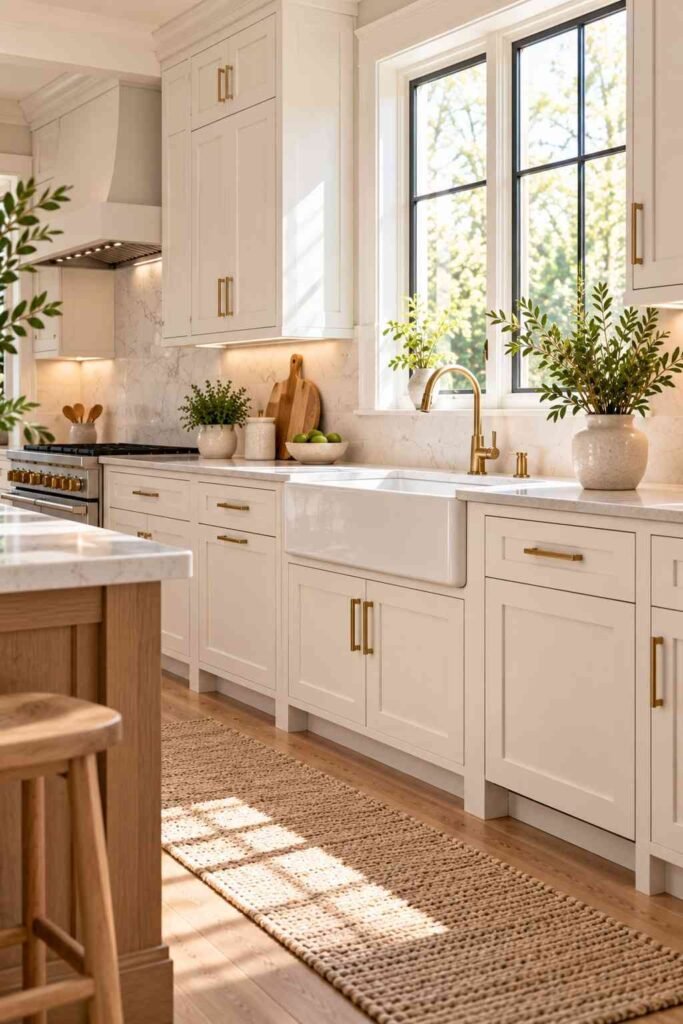
Doors sit flush inside the frame. The look is crisp and furniture-like, though it needs precise craftsmanship and often costs more.
- Flat-panel slab doors. Clean, smooth fronts with no profile. They wipe down easily and give a sleek, modern feel.
- Handleless cabinets
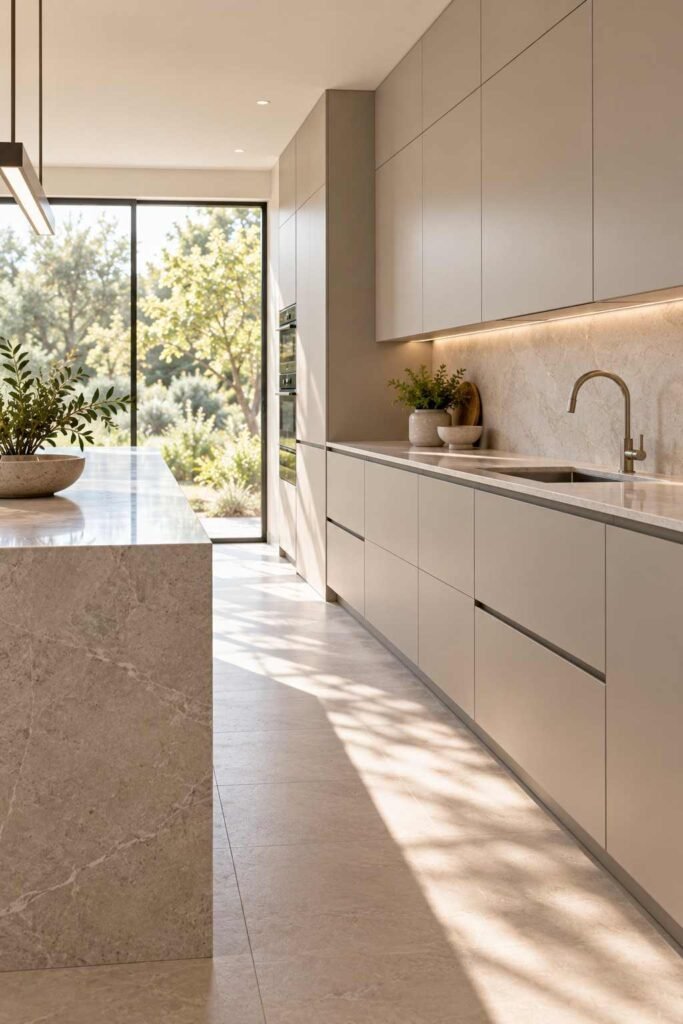
Push-to-open hardware or finger channels remove pulls entirely. Lines stay uninterrupted, which helps small rooms feel larger.
- Two-tone cabinets
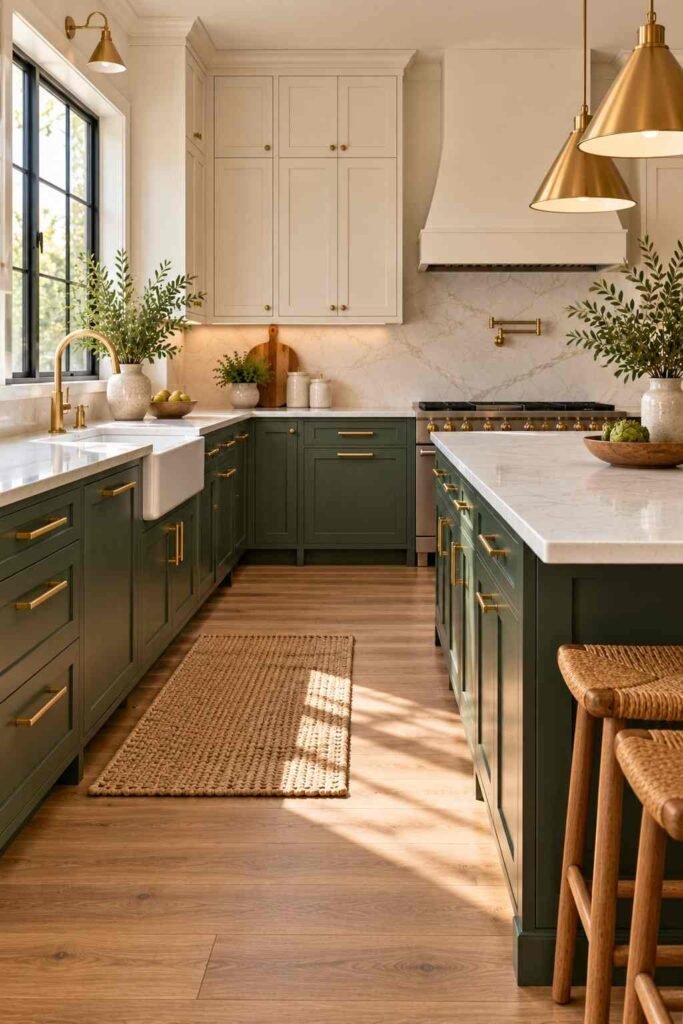
Dark lowers with light uppers, or a contrasting island, add depth without overwhelming the room. Keep to two colors for a calm result.
Color and Material Statements
- Navy cabinets
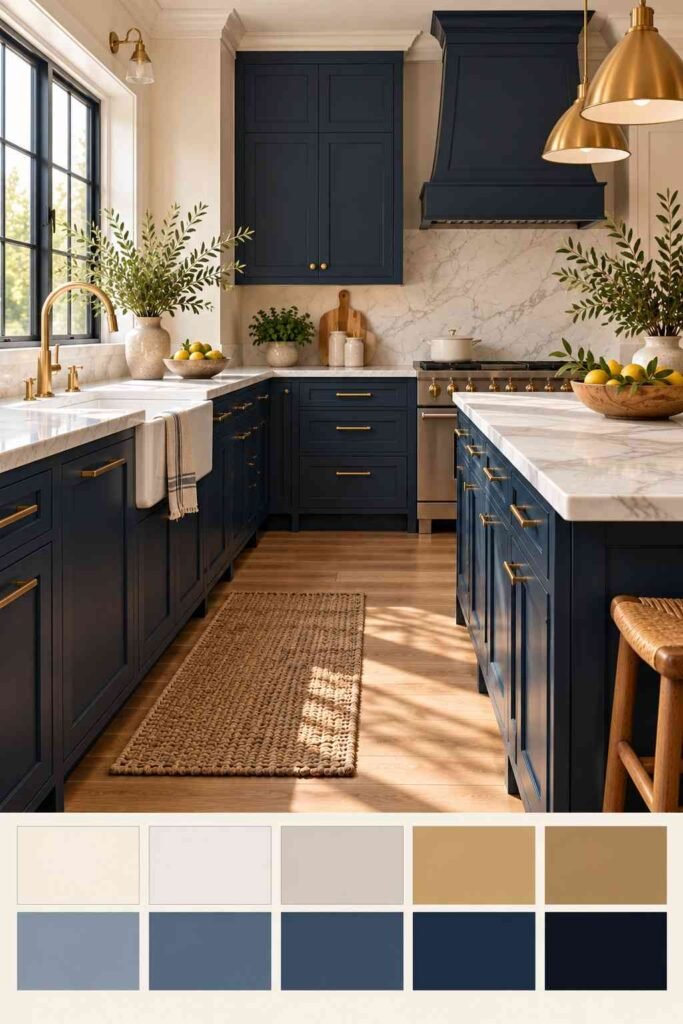
Deep blue reads as a rich neutral. Pair it with brass or warm wood to avoid a cold look.
- Sage green cabinets. A soft, earthy green that connects the kitchen to the garden. It works especially well with natural light.
- White oak cabinets
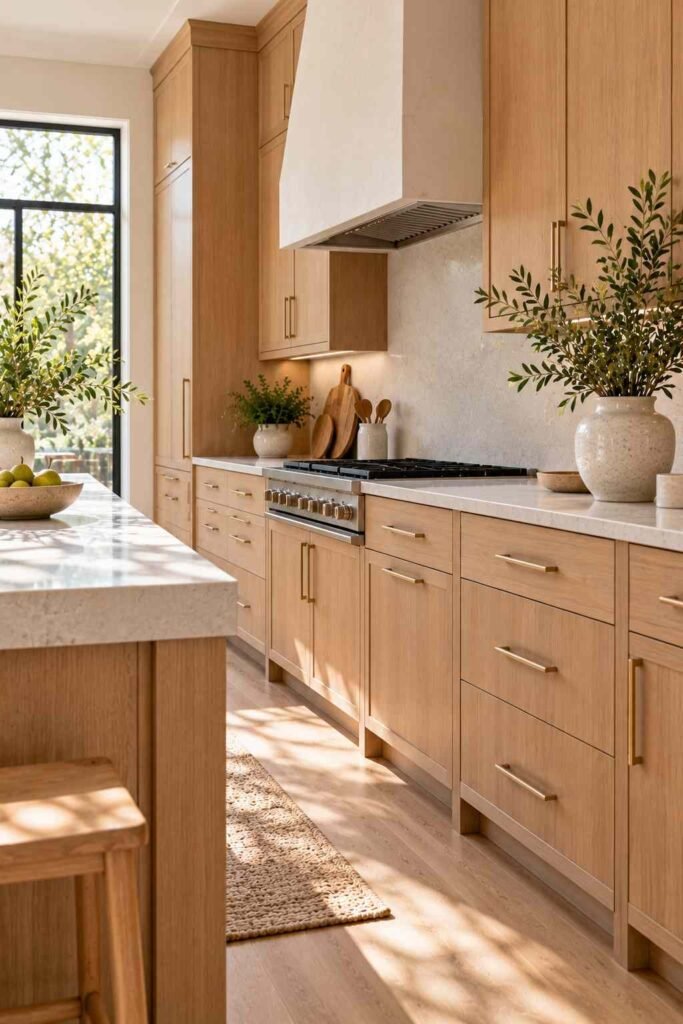
Straight grain and a light, warm tone bring texture. A matte clear finish keeps the wood looking natural.
- Charcoal or black cabinets
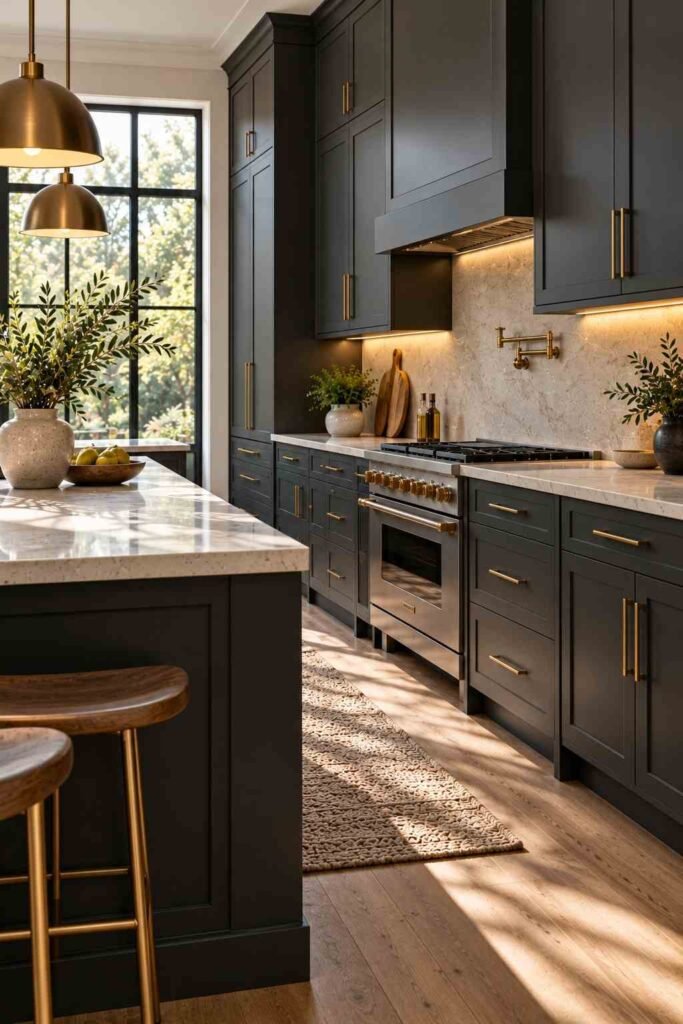
Matte dark finishes feel dramatic and hide fingerprints better than glossy ones. Add good lighting so the room never feels heavy.
- Glass-front uppers. A few glass doors break up a wall of cabinetry and show off dishes. Use them on one section only to limit visual clutter.
Storage-Smart Layouts
- Open shelving mix
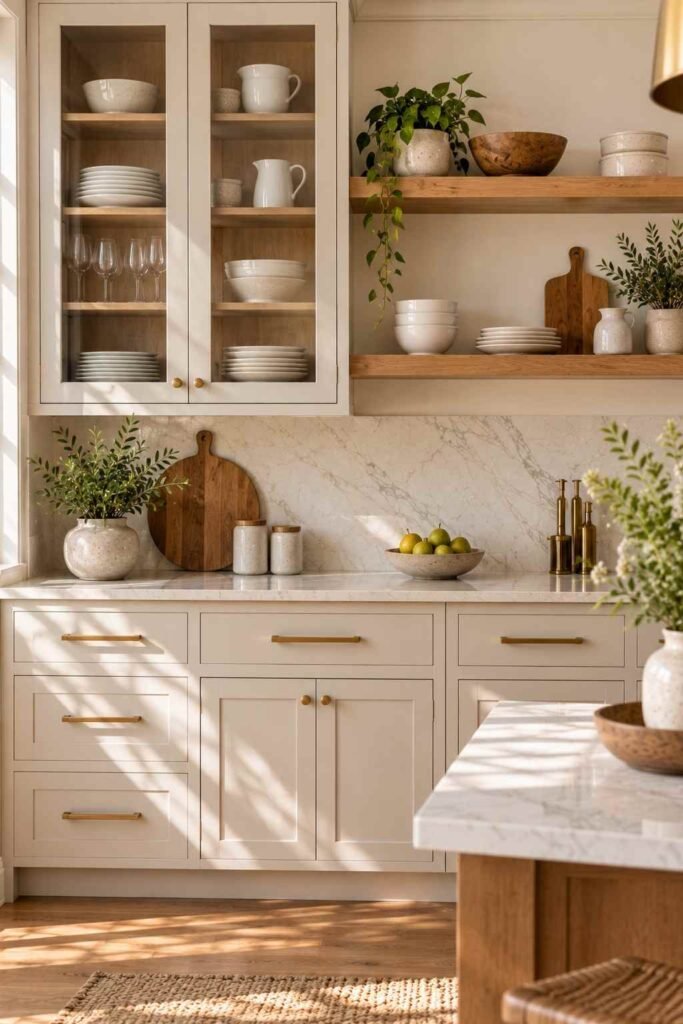
Replace one or two upper cabinets with wood shelves. You gain breathing room, but you must keep the display tidy.
- Deep drawer bases
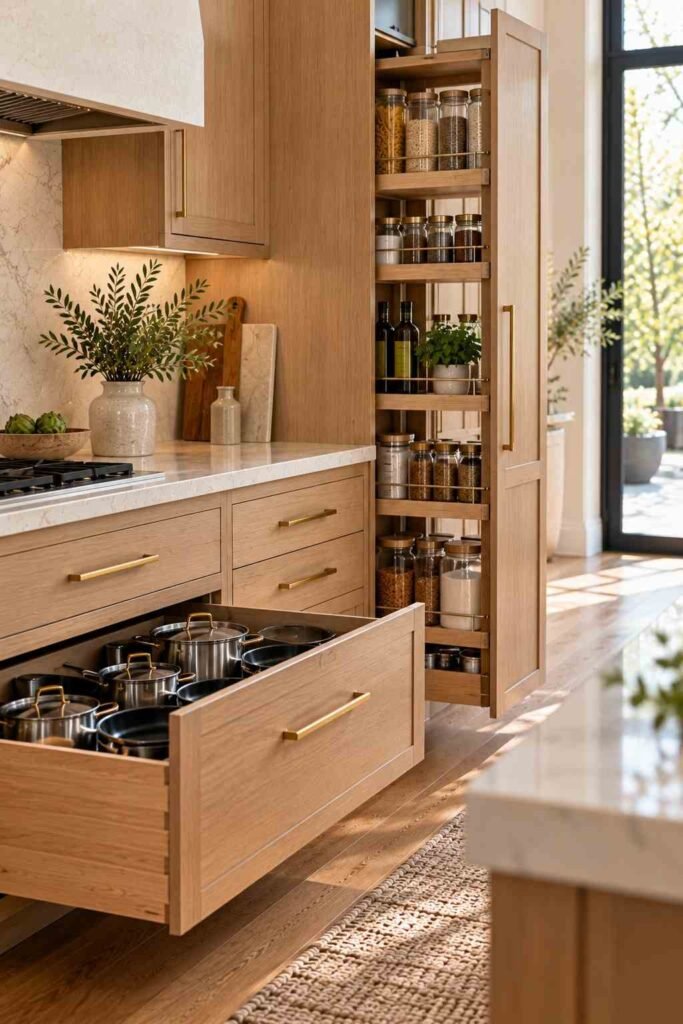
Wide, deep drawers beat lower doors for pots and pans. You see everything at once and avoid kneeling to dig.
- Pull-out pantry cabinets. Narrow, full-height units slide out and use awkward gaps efficiently. They suit small kitchens especially well.
- Corner solutions. Swing-out trays or blind-corner pull-outs rescue the dead space that lazy Susans only partly solve.
- Floor-to-ceiling cabinets
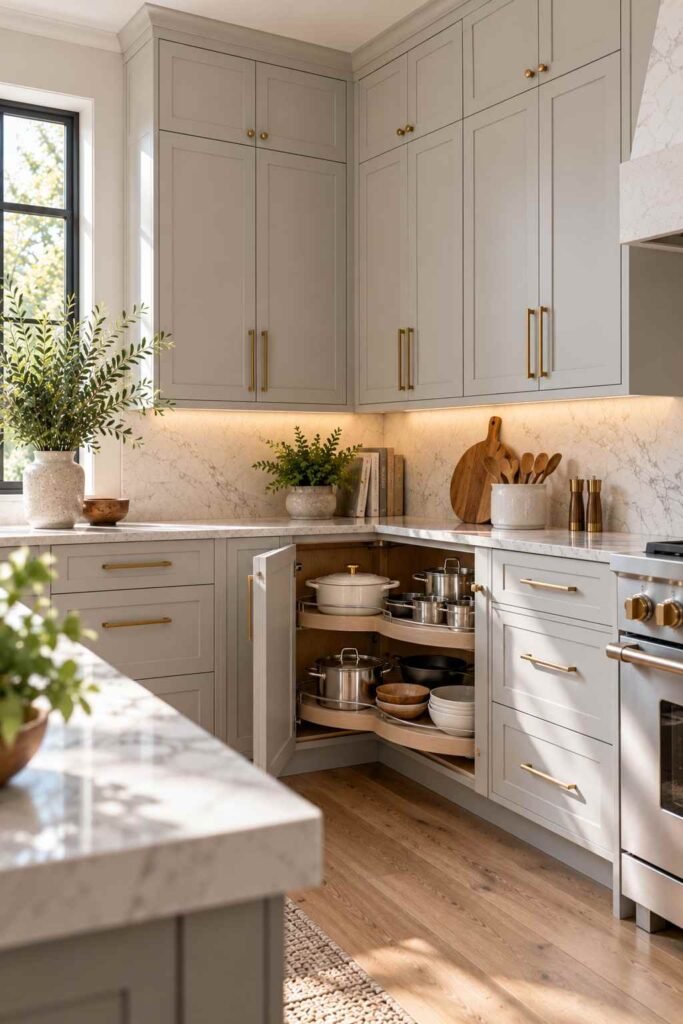
Running doors to the ceiling add storage and remove the dust-collecting gap above standard uppers.
Cabinet and Countertop Ideas for Home Remodeling: 10 Countertop Materials Compared
Countertops take daily abuse from heat, knives, spills, and heavy bags of groceries. Because of that, performance matters as much as looks. Each material below carries trade-offs, and the best choice depends on your cooking style and your patience for upkeep. Always view a full slab or a large sample in your own lighting, since small swatches can mislead. Planning to cook outdoors too? Take a look at these Outdoor Kitchen Stone Design Ideas for durable, weather-ready surfaces.
Engineered and Natural Stone
- Quartz. An engineered blend of ground quartz and resin, commonly around 90 percent stone by weight. It resists stains and never needs sealing. Avoid placing very hot pans directly on it, because resin can scorch.
- Granite
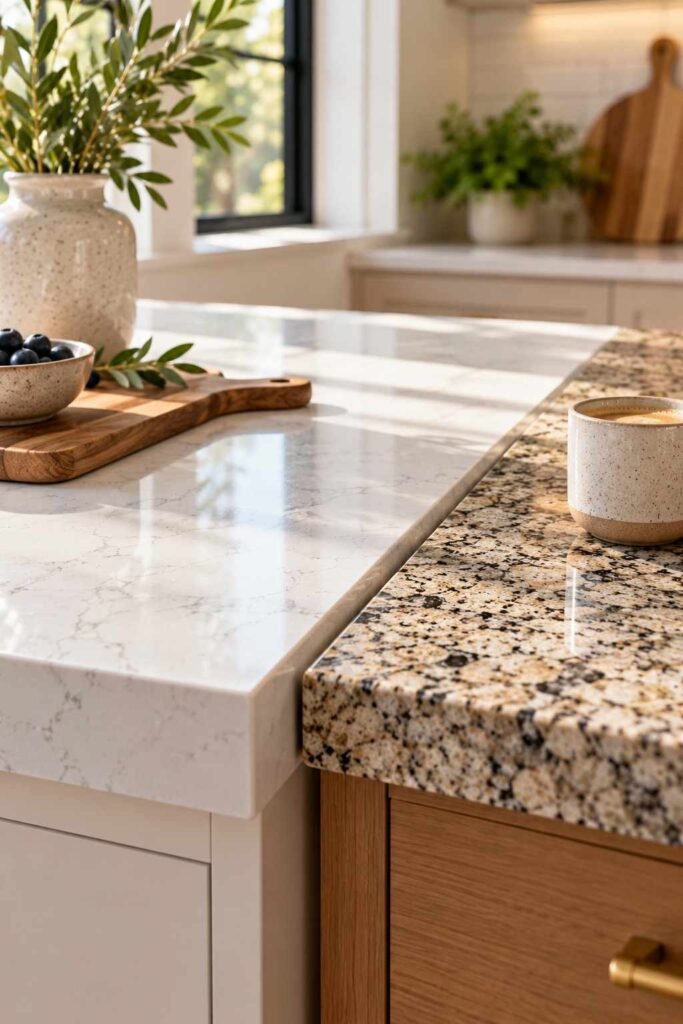
A natural stone with strong heat tolerance and unique patterns. Sealing once a year or so helps protect it from stains.
- Marble. Beloved for its soft veining, but acidic foods like lemon juice and wine can etch the surface. Choose it if you accept a lived-in patina.
- Quartzite
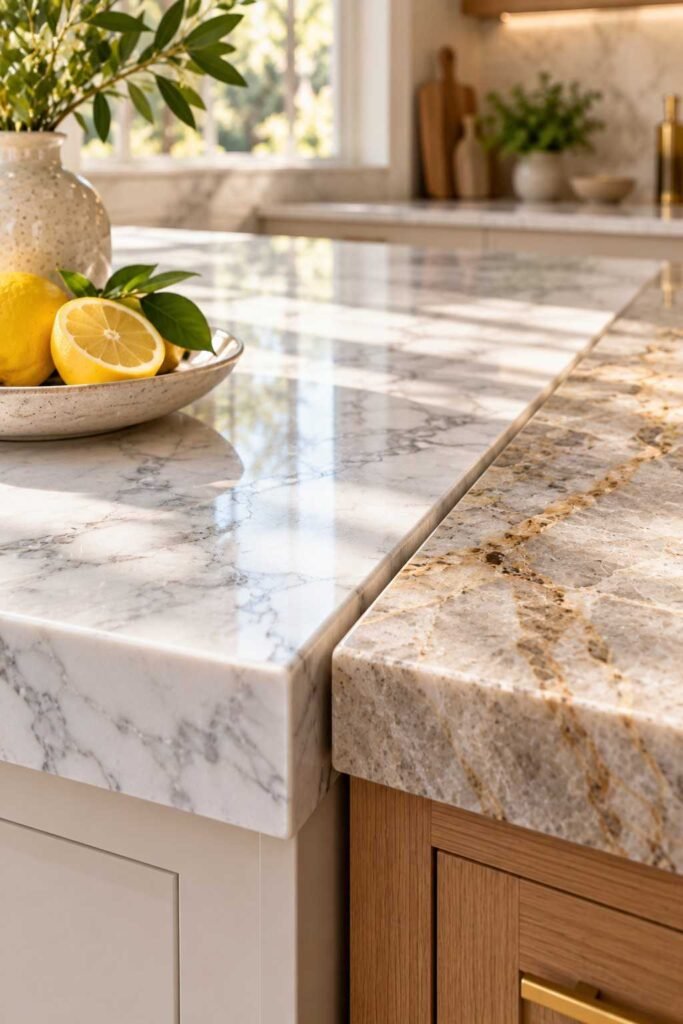
Not the same as quartz. It is a natural stone, dense and hard, with a marble-like look and better resistance to etching.
- Soapstone
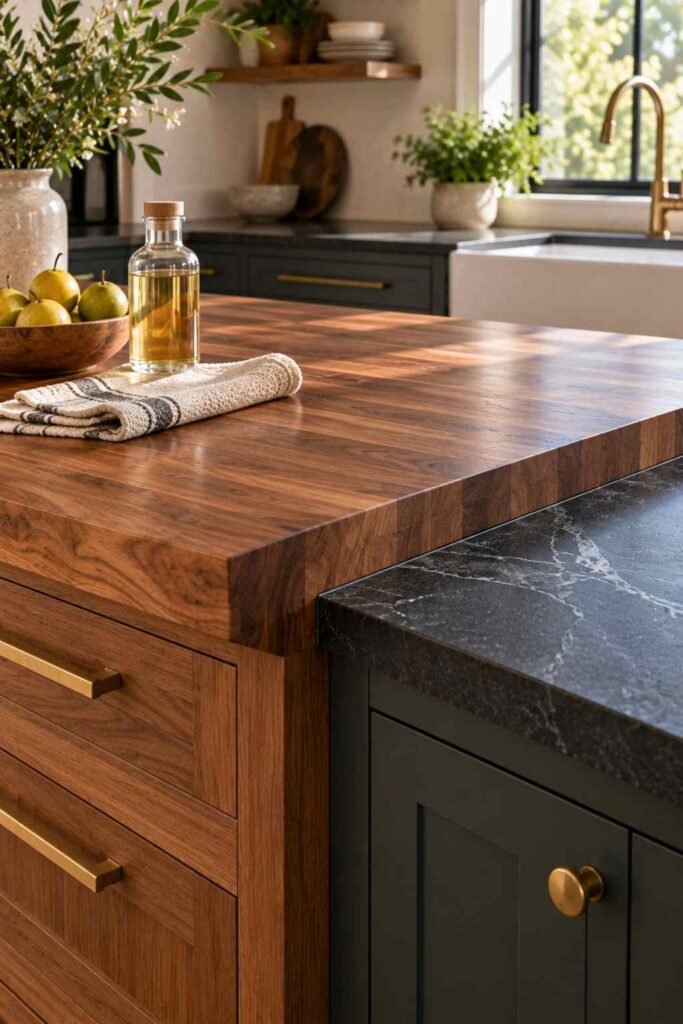
A dense, non-porous stone that darkens over time. Mineral oil evens the color, and minor scratches can be sanded out.
Warm, Industrial, and Budget-Friendly Surfaces
- Butcher block. Real wood warms up a kitchen and softens the sound of dishes. Oil it regularly and wipe spills promptly to prevent water marks. Warm grain can anchor a whole room, so see our kitchen cabinet wood ideas for finishes from honey oak to walnut.
- Concrete
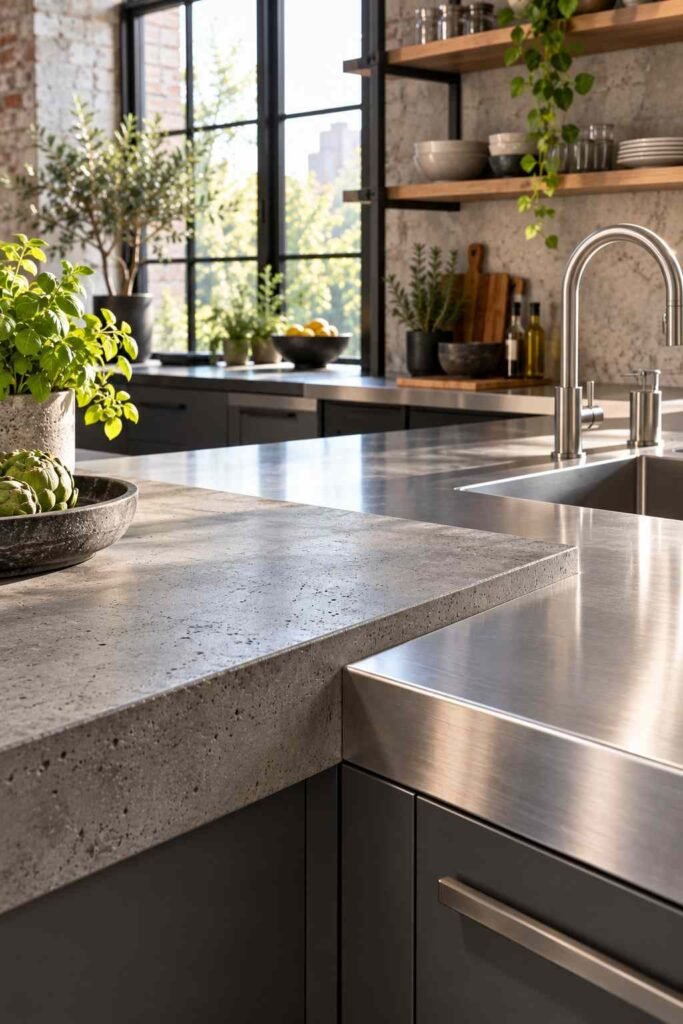
Poured or precast, it can be tinted and shaped. Sealing is essential, and hairline cracks may appear, which many owners accept as character.
- Stainless steel. A professional-kitchen favorite. It handles heat, is hygienic, and suits modern designs, but it shows scratches and fingerprints.
- Porcelain slabs
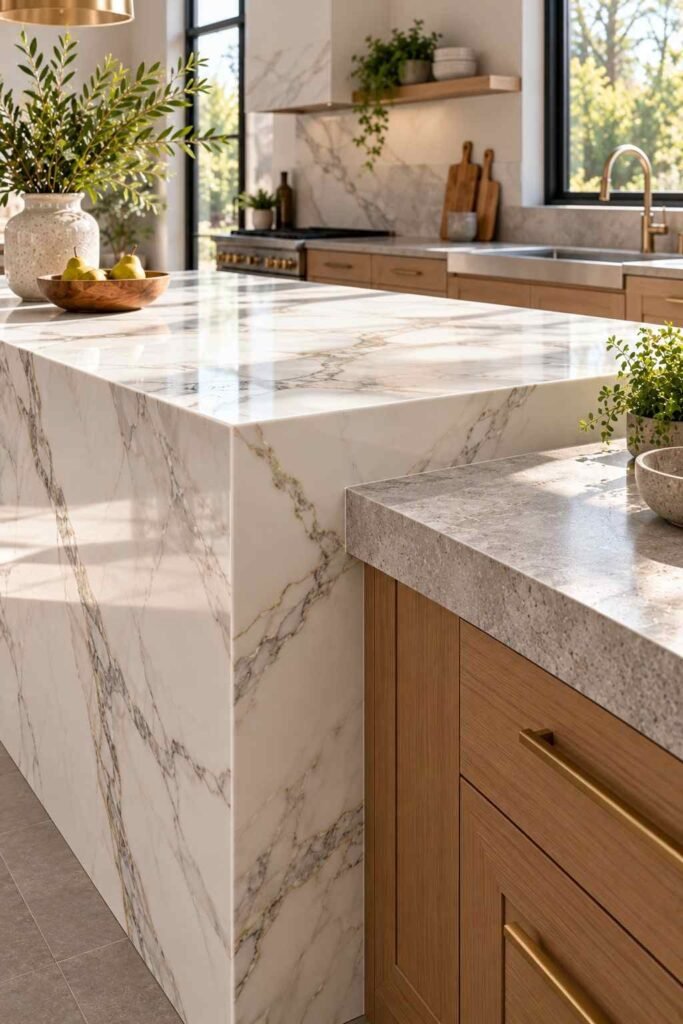
Large, thin panels that resist heat, stains, and UV light. Skilled fabricators are important because edges and seams need careful handling.
- Modern laminate. Today’s printed laminates imitate stone and wood convincingly at a low price. Protect the seams from standing water.
Five Pairings That Bring Cabinet and Countertop Ideas for Home Remodeling Together
Individual materials matter, but the combination makes the room. These five pairings balance color, texture, and function. Use them as starting points, then adjust to your light, flooring, and appliances.
- Navy cabinets with white quartz. Crisp contrast, easy cleaning, and a timeless look. Brass pulls add warmth.
- White oak cabinets with soapstone. Natural grain meets a deep, matte counter. The result feels calm and grounded.
- Sage green cabinets with butcher block
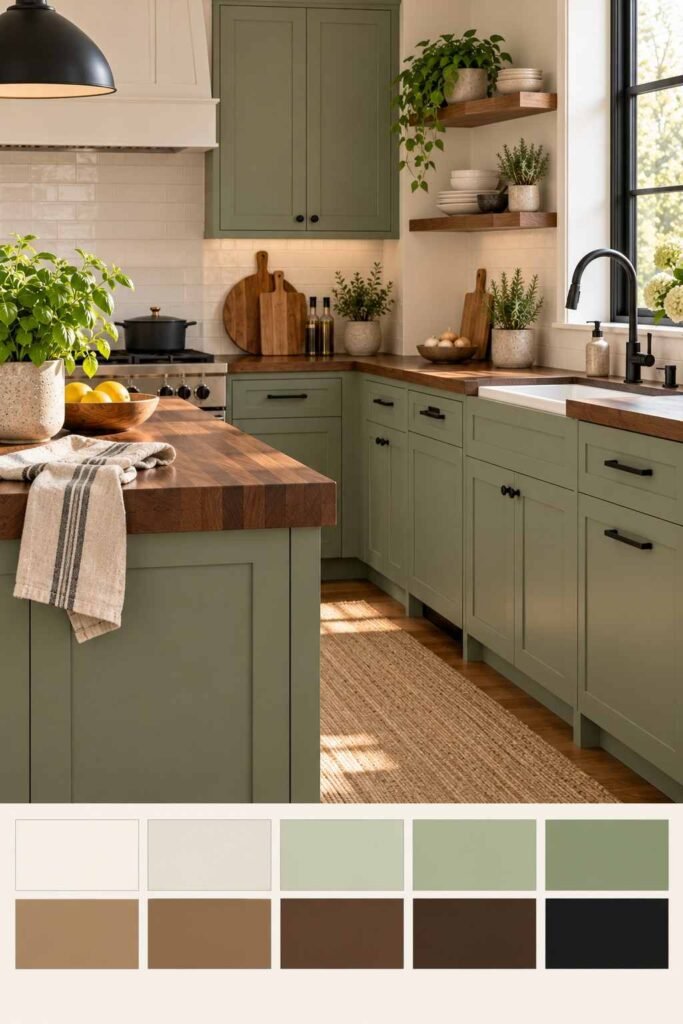
A soft, organic duo that suits cottages and cozy family homes.
- Matte black cabinets with light porcelain. A marble-look porcelain top brightens the dark base without the upkeep of real marble.
- White shaker cabinets with warm granite. A flexible, resale-friendly choice. Warm veining keeps the white from feeling sterile.
Finishing Touches That Complete the Remodel
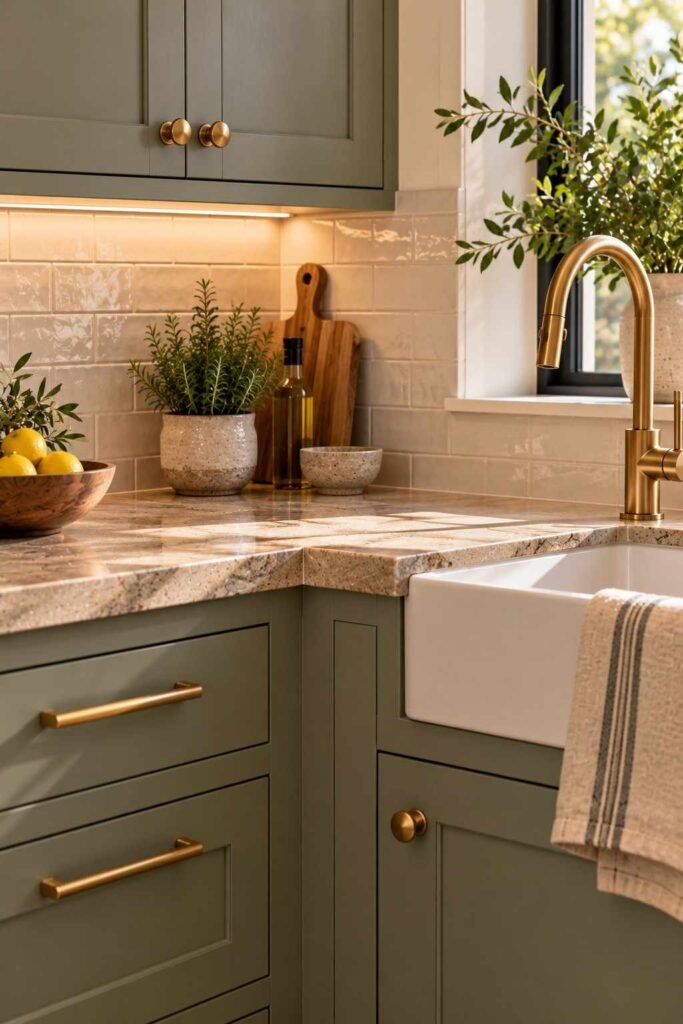
Small details lift good cabinets and counters into great ones. Hardware is the jewelry of the kitchen, so choose pulls that feel comfortable in the hand and match your faucet finish or deliberately contrast with it. Under-cabinet lighting improves safety and shows off the counter surface. Edge profiles matter too: a simple eased edge looks modern and is easier to clean, while an ornate edge gathers crumbs. Finally, choose a backsplash that supports the counter rather than competing with it. If the stone is busy, keep the tile plain. If the counter is plain, let the tile add pattern. If you want more storage without bulky doors, browse these open shelving pantry kitchen ideas for practical, good-looking layouts.
Maintenance deserves honest planning as well. Wipe stone with a mild pH-neutral cleaner, and avoid harsh abrasives on any sealed surface. Use trivets under hot cookware, even on heat-resistant materials, and cutting boards to protect knives and surfaces. Soft-close hinges extend door life, and checking the finish on cabinet edges every season helps you catch moisture damage early. These habits cost almost nothing and can add years to your investment.
Conclusion
A remodel succeeds when beauty and daily use agree. Start with your routines, set a realistic budget, and choose cabinet and countertop ideas for home remodeling that fit your habits instead of chasing trends. Test large samples at home, confirm lead times, and respect each material’s care needs. Whether you pick sage doors with butcher block or navy with quartz, the right pairing will make the room feel calm, practical, and yours. Keep this list close, and revisit it as quotes and samples arrive. For more home design inspiration and remodeling guides, visit outinteriors.