
25 Home Remodeling Ideas Outside to Boost Curb Appeal Stunning, Lasting Exterior
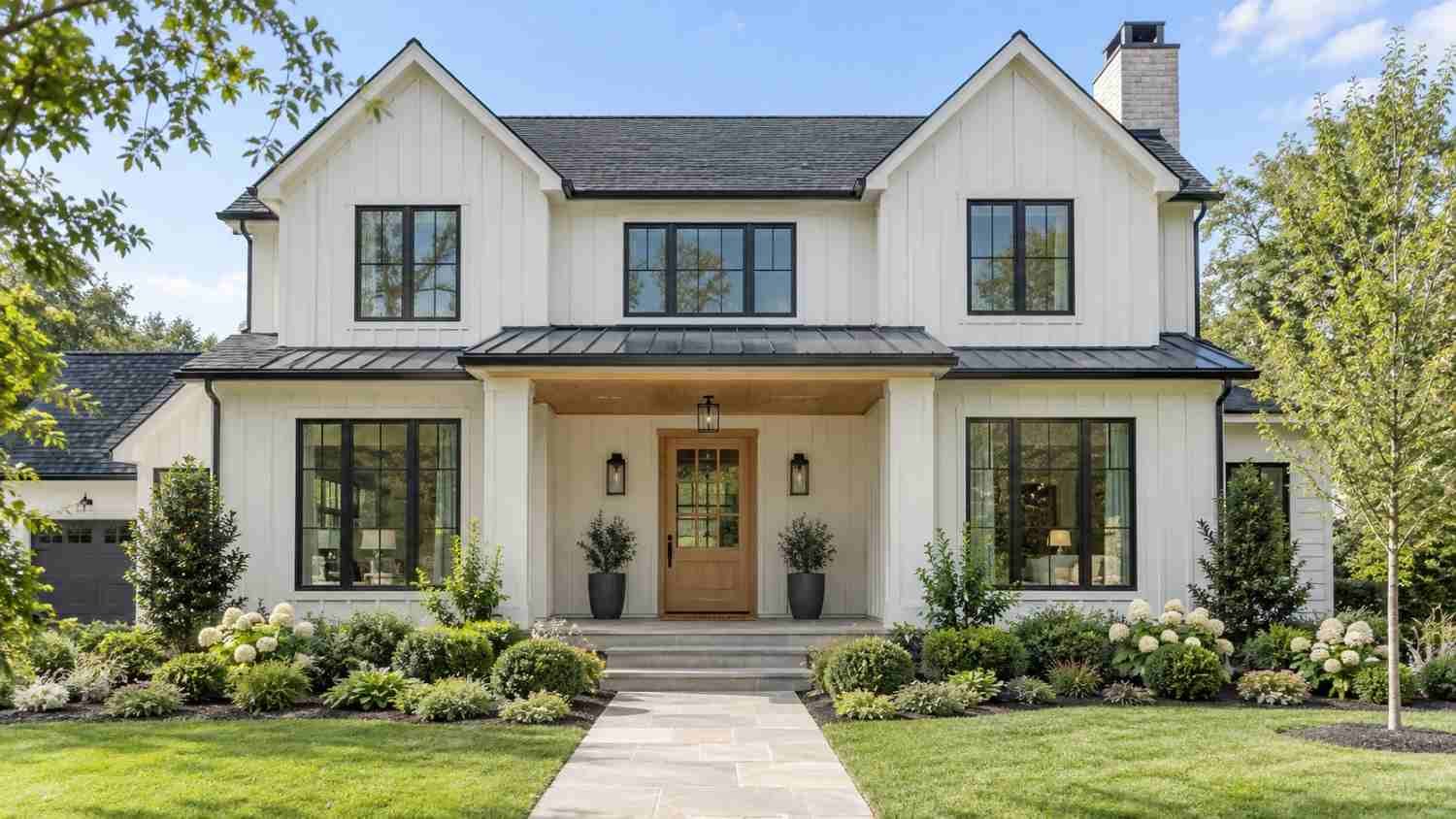
Your home’s exterior makes the first impression and sets the mood for every day you spend there. A tired facade or an unused yard can quietly drain your enjoyment of the place. The right upgrades change that fast. This guide shares 25 home remodeling ideas outside your walls, from small weekend refreshes to larger projects. Each idea focuses on comfort, durability, and style, so you can choose what fits your budget and climate.
Front Exterior Upgrades: Home Remodeling Ideas Outside That Boost Curb Appeal
Start at the street. Visitors, neighbors, and future buyers all see the front of your home first, so these changes carry the most visual weight.
1. Repaint or Replace the Front Door
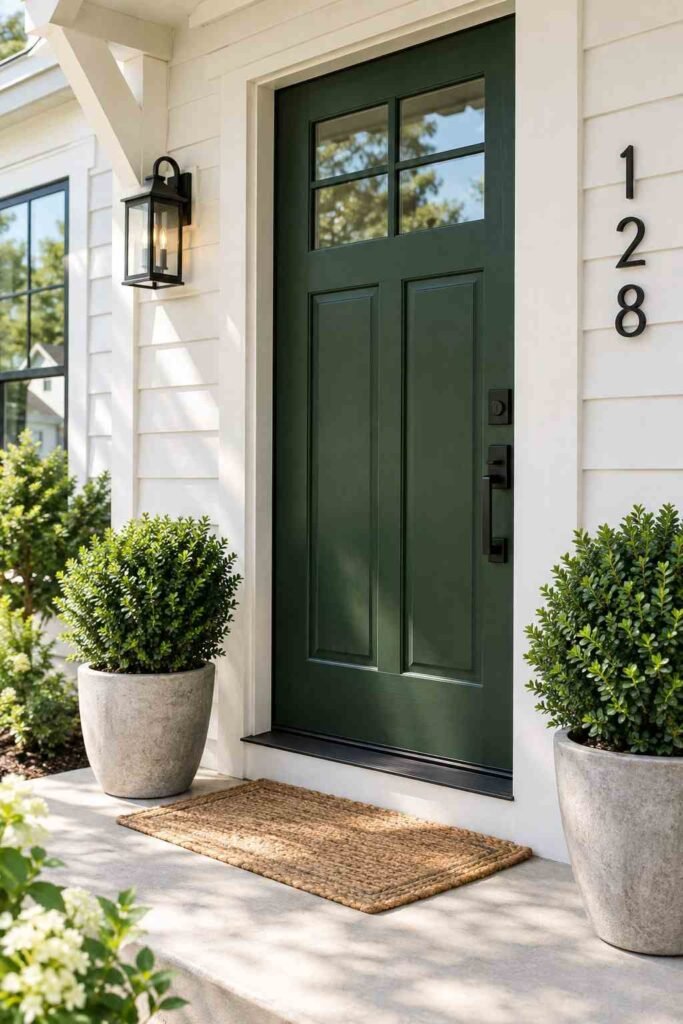
A front door sets the tone for the whole facade. A fresh coat of deep green, navy, or warm terracotta adds personality without a major budget. If the door is warped or drafty, consider a fiberglass or insulated steel replacement. Both resist weather better than untreated wood. Add new hardware in matte black or brushed brass to finish the look.
2. Refresh the Siding
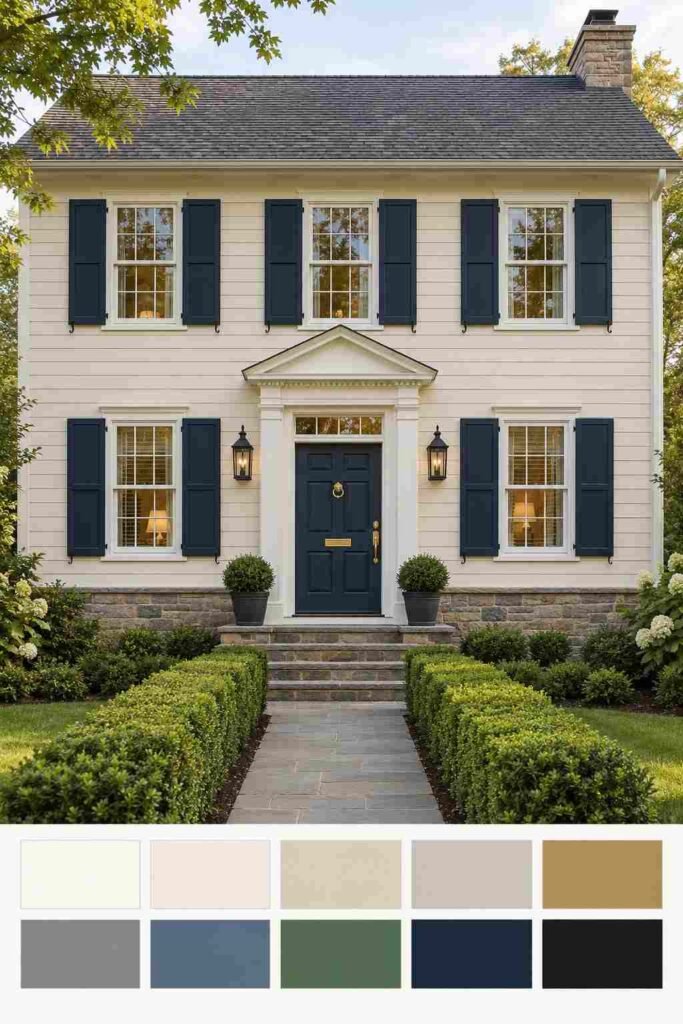
Siding protects your home and defines its character. Fiber cement, vinyl, engineered wood, and board-and-batten each offer different looks and maintenance needs. Fiber cement handles moisture and pests well, while vinyl costs less and needs little upkeep. A new color can modernize an older home instantly. Always test sample swatches outdoors, because sunlight changes how a shade appears.
3. Upgrade the Garage Door
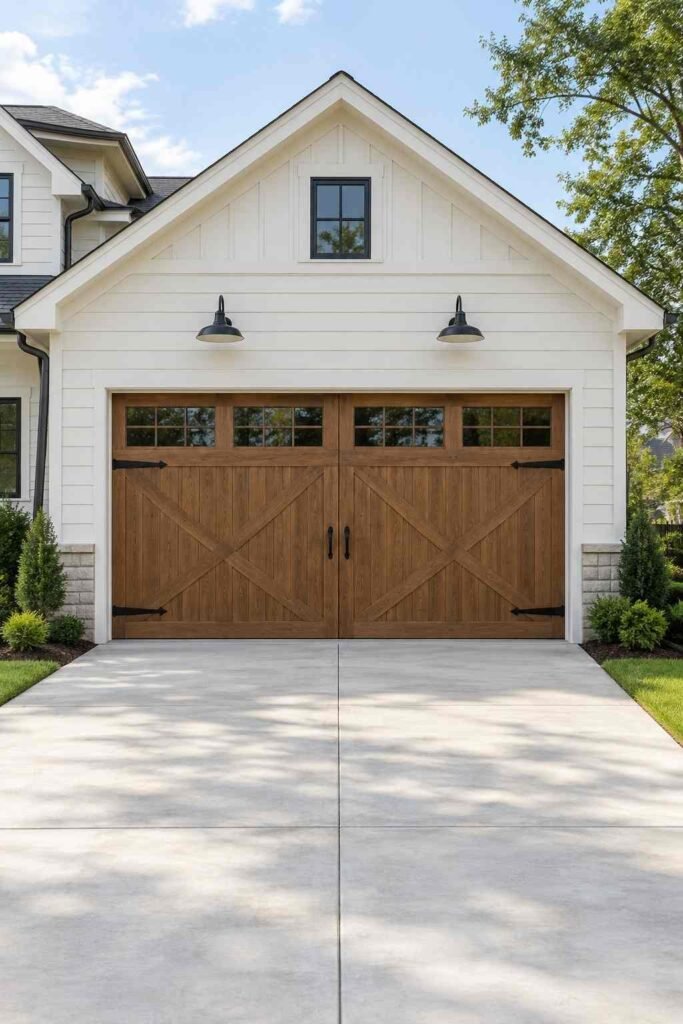
Many homes have a garage door that takes up a third of the facade. Swapping a dated panel door for a carriage-style or flush modern design changes the entire front view. Insulated models also help keep a garage warmer in winter and cooler in summer. Among the home remodeling ideas outside that deliver quick visual payoff, this one often ranks near the top.
4. Install Layered Exterior Lighting
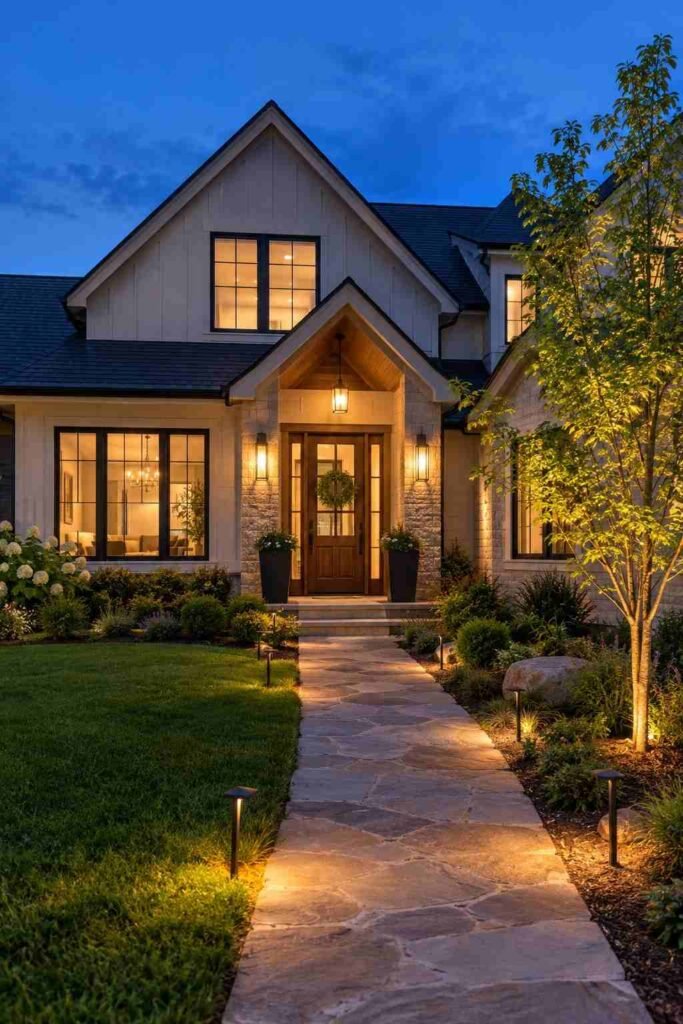
Good lighting makes a home safer and more welcoming after dark. Combine wall sconces, path lights, and soft uplights on trees or architectural details. Choose warm white bulbs, usually around 2700K, to avoid a harsh glare. Motion-sensor fixtures near side gates and garages add security without leaving bright lights on all night.
5. Add or Extend a Front Porch
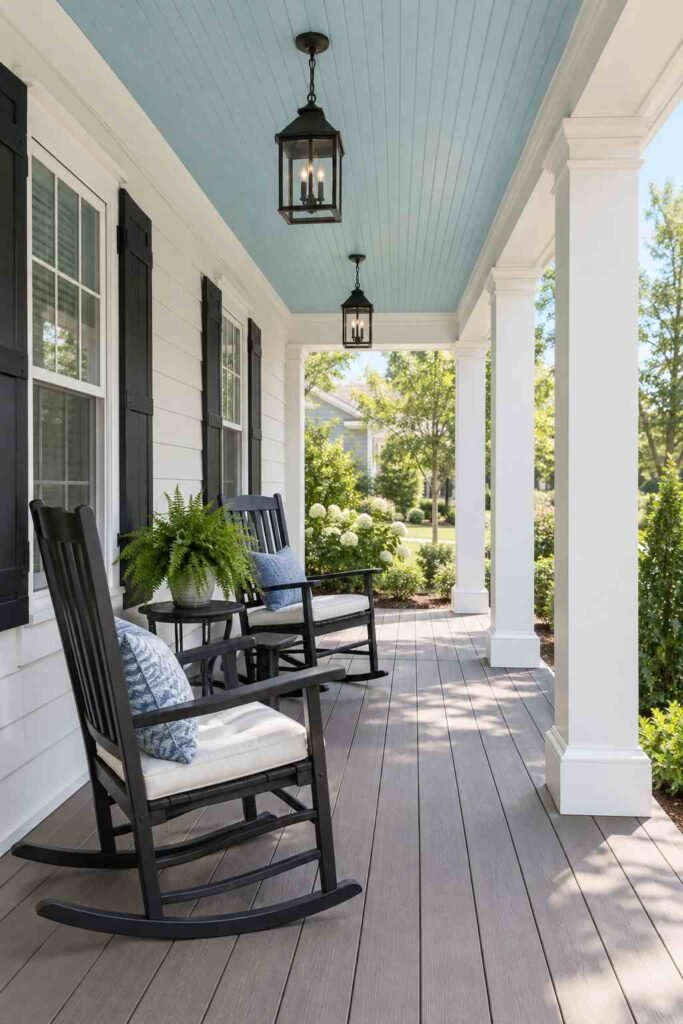
A porch invites you to slow down. Even a modest six-foot-deep porch fits two chairs and a small table. Use rot-resistant decking and sturdy columns that match your home’s style. A beadboard ceiling, often painted a soft blue, adds charm and a nod to Southern tradition. A covered entry also shields visitors from rain.
6. Build a Welcoming Walkway
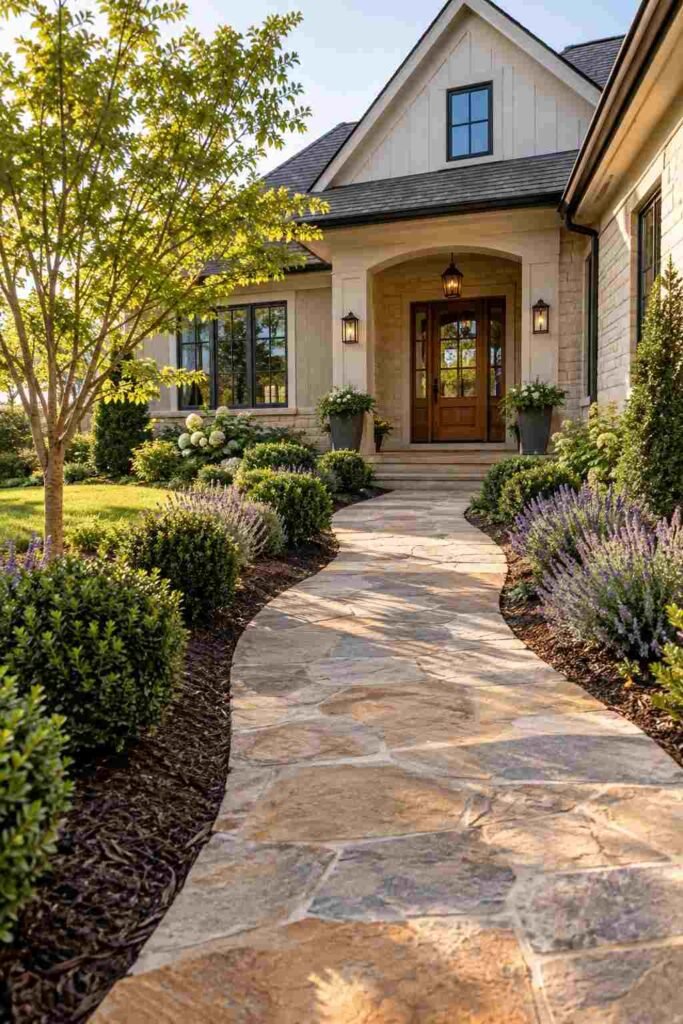
A clear, attractive path guides guests to your door. Natural stone, pavers, or stamped concrete all work well. Curved walkways feel relaxed, while straight ones suit formal homes. Edge the path with low plants such as lavender or boxwood. Make sure the surface is slip-resistant and wide enough for two people to walk side by side.
Backyard Living: Outdoor Remodeling Ideas for Relaxing and Entertaining
Once the front is handled, turn to the space behind the house. Backyards now work as extra rooms, and these projects make them useful in every season.
7. Build a Composite Deck
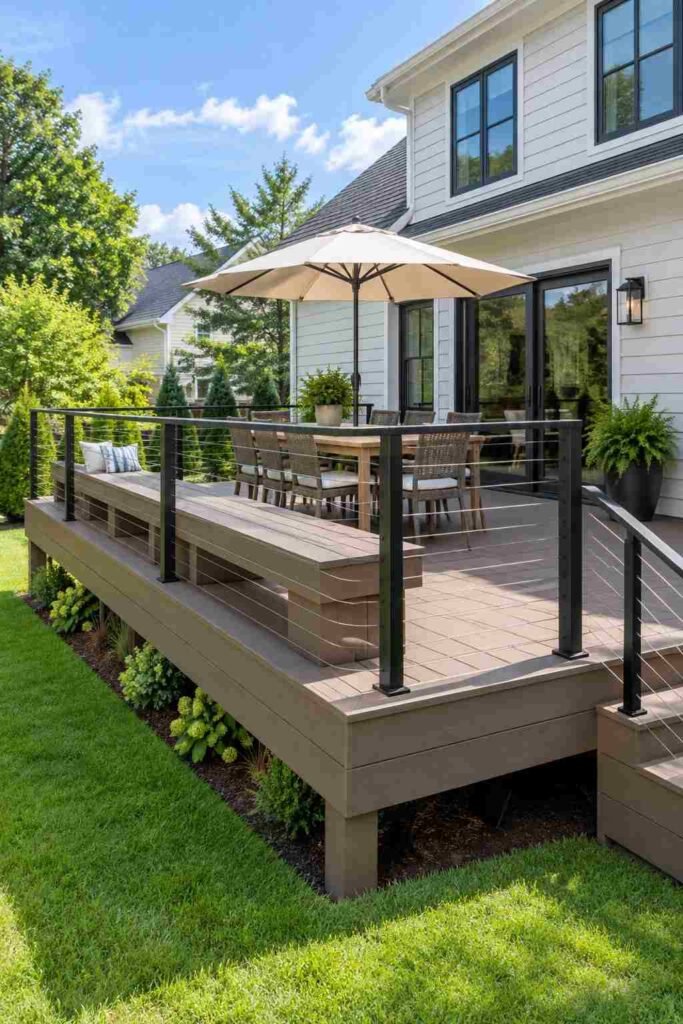
Decks extend your living area and raise the usefulness of a sloped yard. Composite boards resist rot, splinters, and fading better than many natural woods, and they rarely need staining. Add built-in benches to save space and reduce furniture clutter. Plan the railing height and stair placement early, because local codes often set strict rules. If you are updating the inside too, our home remodeling living room guide offers a helpful next step.
8. Lay a Stone or Paver Patio
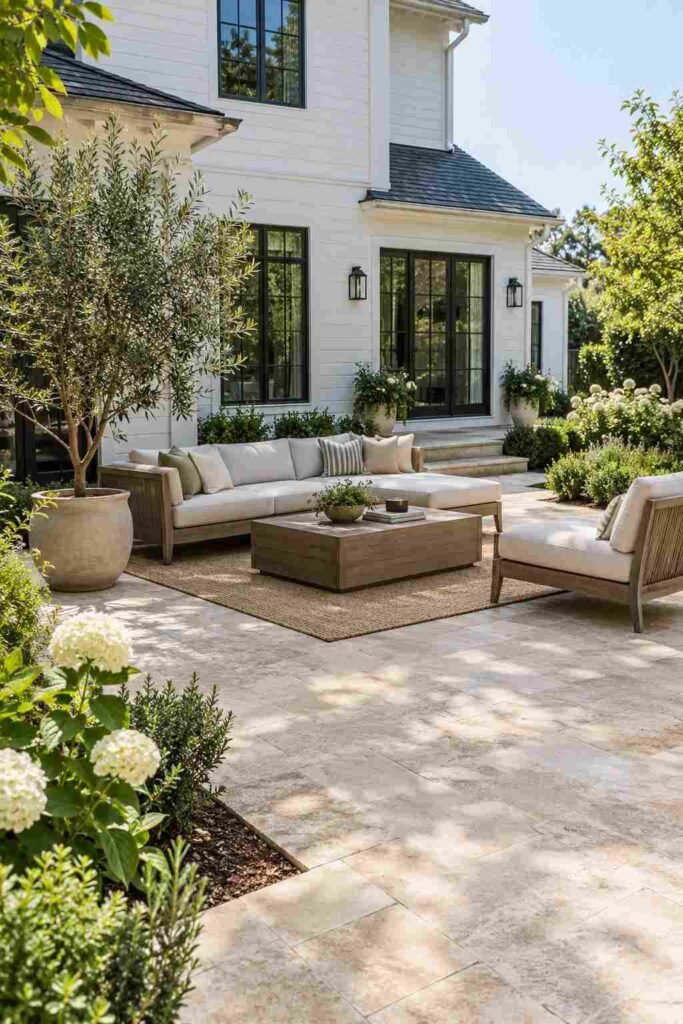
A patio gives you a level, low-maintenance surface for dining and conversation. Travertine, bluestone, and concrete pavers are popular choices with different price points. Pavers can be lifted and reset if the ground shifts, which makes repairs simple. Use a compacted gravel base, since poor preparation causes most patio problems later. For a finishing touch on your patio table or entry console, try a Chic Mirror Table Decor with Fresh Flowers arrangement.
9. Add a Pergola for Shade
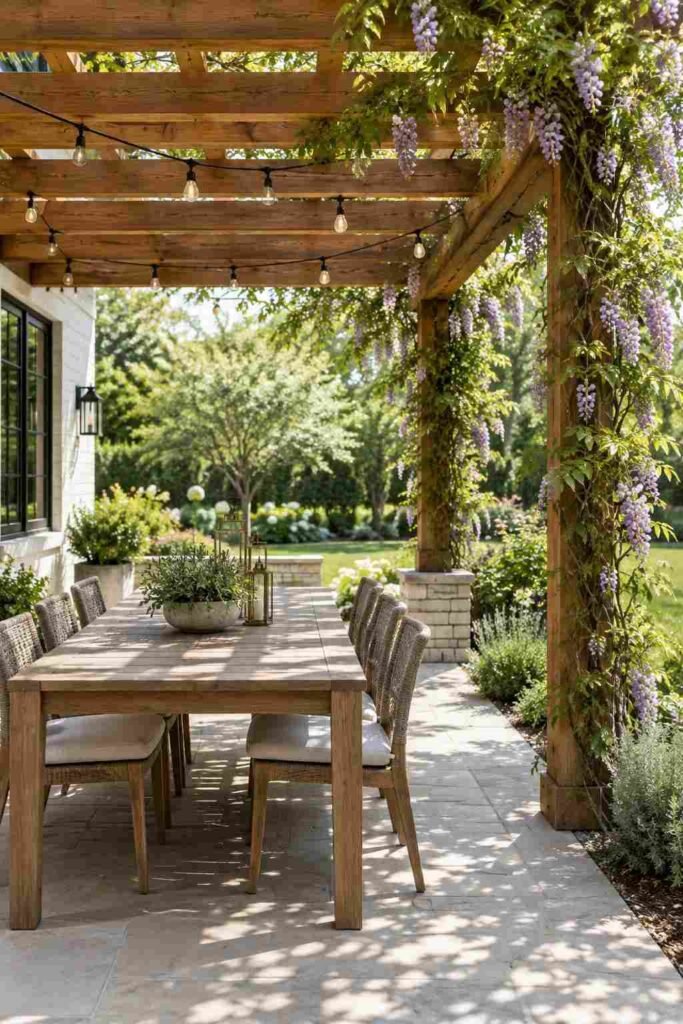
A pergola frames a seating area and filters harsh sun. Cedar, aluminum, and vinyl are common materials. Adding a retractable canopy or climbing vines such as wisteria increases shade as the seasons change. Many homeowners find that this is one of the most flexible home remodeling ideas outside, because it suits both small patios and large lawns.
10. Create an Outdoor Kitchen
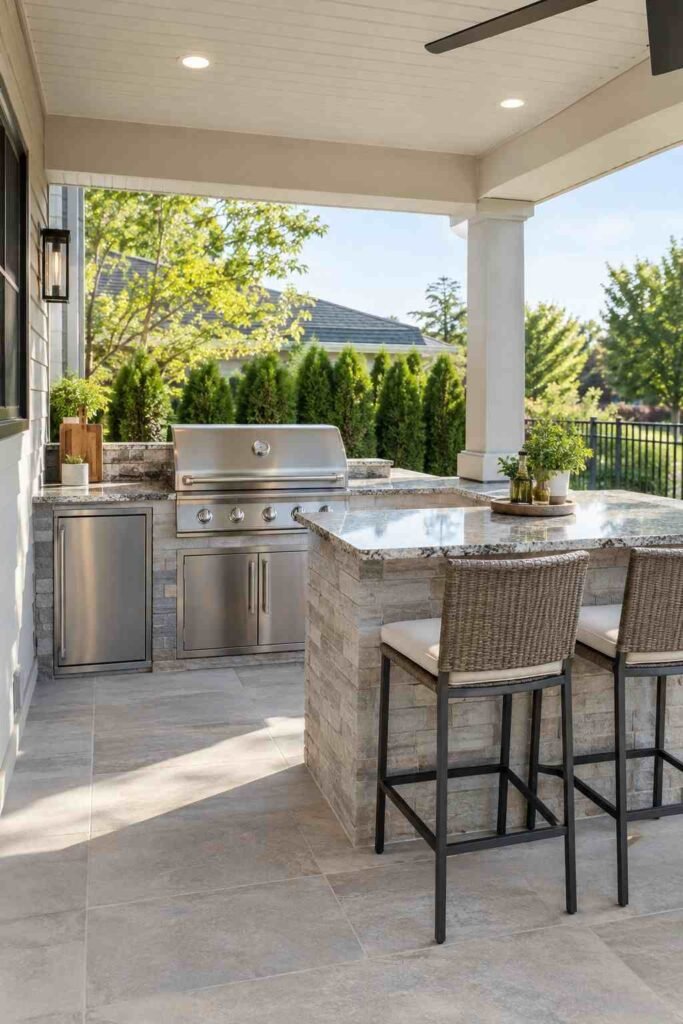
An outdoor kitchen keeps heat and smoke away from your indoor space. Even a simple grill island with a prep counter transforms summer cooking. Choose stainless steel or marine-grade cabinets that tolerate rain. Granite and concrete counters stand up to sun better than tile with delicate grout. Plan gas, water, and electrical lines before construction begins.
11. Install a Fire Pit or Fireplace
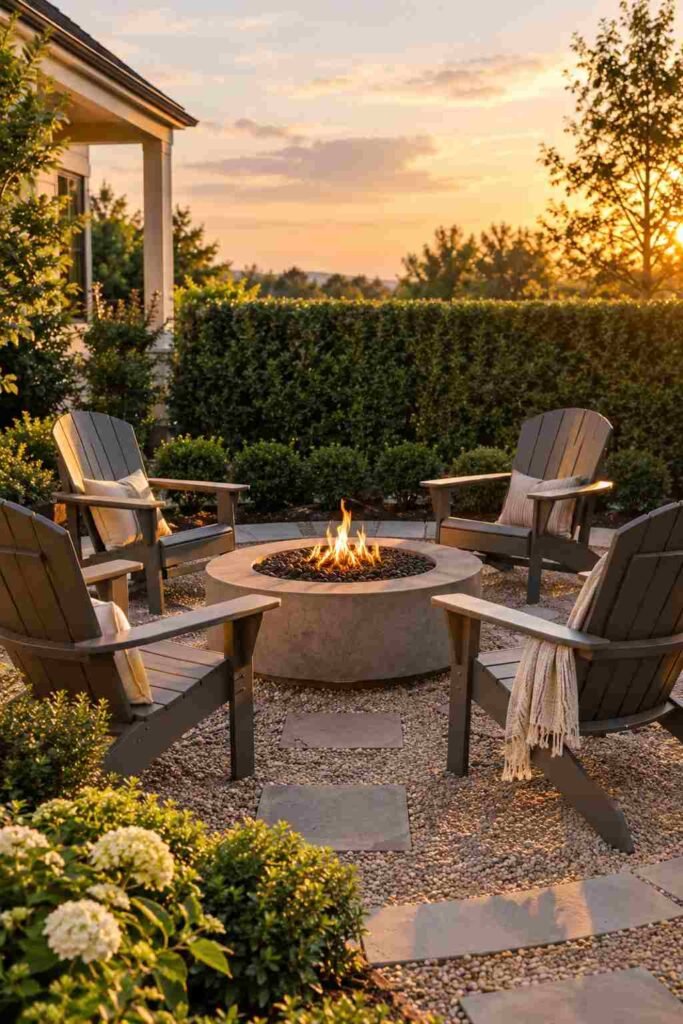
Fire draws people together and extends the outdoor season. A gas fire pit is easy to start and clean, while a wood-burning pit offers classic crackle and scent. Keep seating about three to four feet from the flames. Check local rules on open burning, as some areas restrict wood fires during dry weather.
12. Enclose a Screened Porch
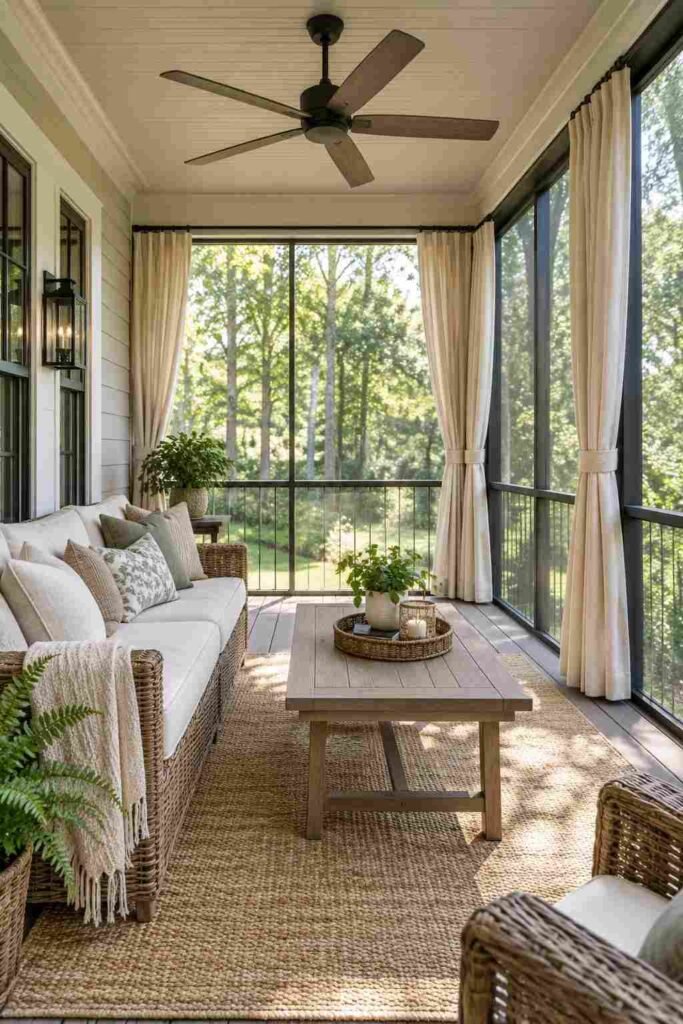
A screened porch lets you enjoy fresh air without insects. Use durable, fine mesh and a ceiling fan to keep air moving. Add weather-resistant curtains or roll-down shades for privacy and rain protection. This space often becomes the most used room in the home from spring through fall, especially in regions with heavy mosquito seasons.
13. Add a Pool or Water Feature
Not every yard has room for a pool, and that is fine. A plunge pool, small pond, or wall fountain offers cooling sound and visual calm. Pools require fencing, safety covers, and ongoing maintenance, so weigh the costs honestly. A compact fountain can deliver the soothing effect for far less money and effort.
Structure and Efficiency: Smart Exterior Upgrades That Protect Your Home
Some of the best exterior changes work quietly. They lower energy use, prevent water damage, and keep your home sound for decades.
14. Replace Old Windows
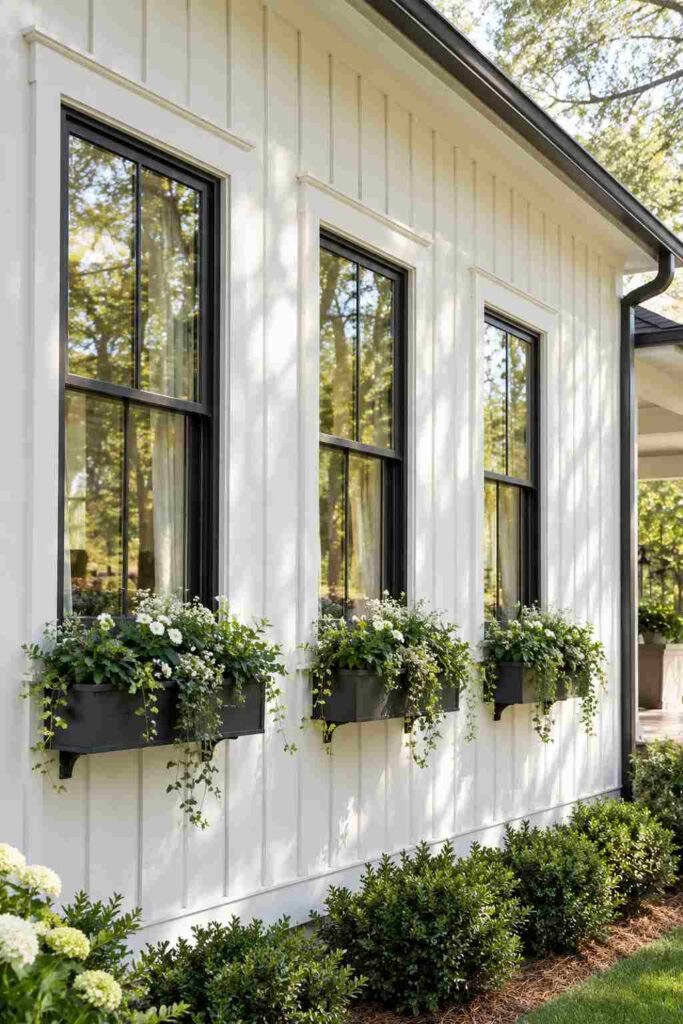
Aging windows leak air and let in noise. Double-pane, low-emissivity (low-E) glass reflects heat and improves comfort. Frames in fiberglass or vinyl resist warping. Black or bronze frames give a crisp, modern look, while white suits traditional homes. Proper installation matters as much as the product, so hire an experienced crew.
15. Install a New Roof
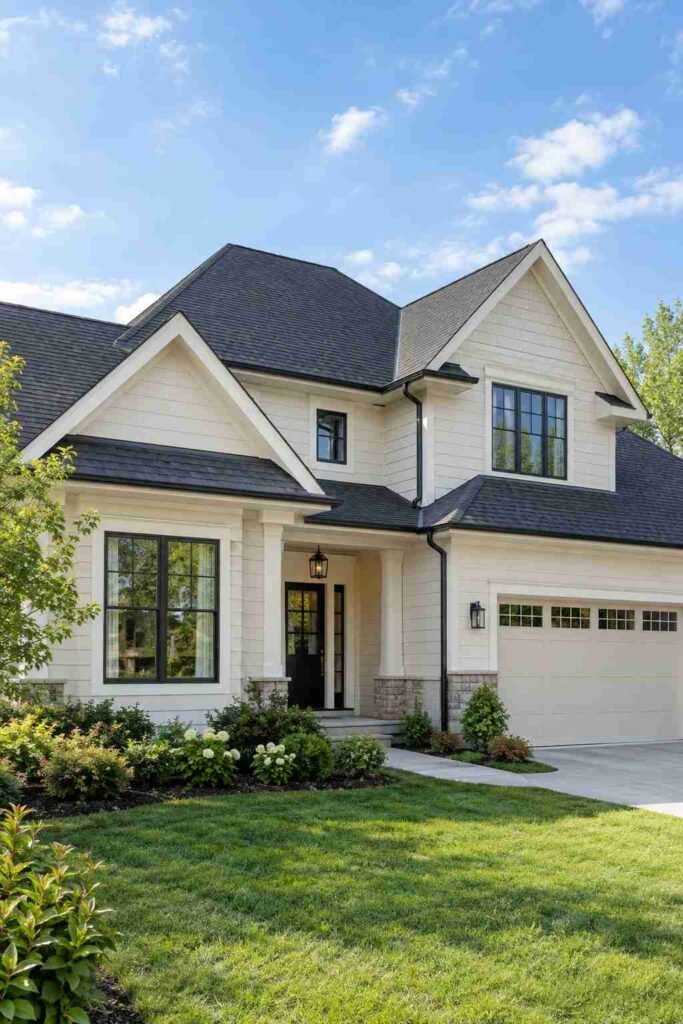
A roof is your first defense against weather. Architectural asphalt shingles are the most common choice in the United States, while metal roofing lasts longer and sheds snow well. Choose a color that complements your siding and trim. A roof replacement is also a good time to inspect the decking and add proper ventilation to the attic.
16. Upgrade the Gutters and Downspouts
Gutters guide water away from the foundation, where it can cause cracks and mold. Seamless aluminum gutters reduce leak points, and gutter guards limit clogging from leaves. Extend downspouts several feet from the house or connect them to a drainage line. Wide, well-sloped gutters handle heavy storms better than narrow ones.
17. Add Exterior Insulation
Exterior rigid foam insulation, installed beneath new siding, creates a continuous thermal layer. It reduces heat loss through wall studs, a common weak spot in older homes. Pair it with air sealing around windows and doors for the best results. This step costs more upfront but can improve year-round comfort noticeably.
18. Add Shutters and Trim Details
Shutters and trim give a home depth. Board-and-batten shutters suit farmhouses, while louvered styles fit colonial designs. Make sure each shutter matches the window’s width so it looks functional. Wide, painted trim around windows and corners adds a crisp outline. These are among the more affordable home remodeling ideas outside, and they work well alongside a new paint color.
19. Build a Privacy Fence
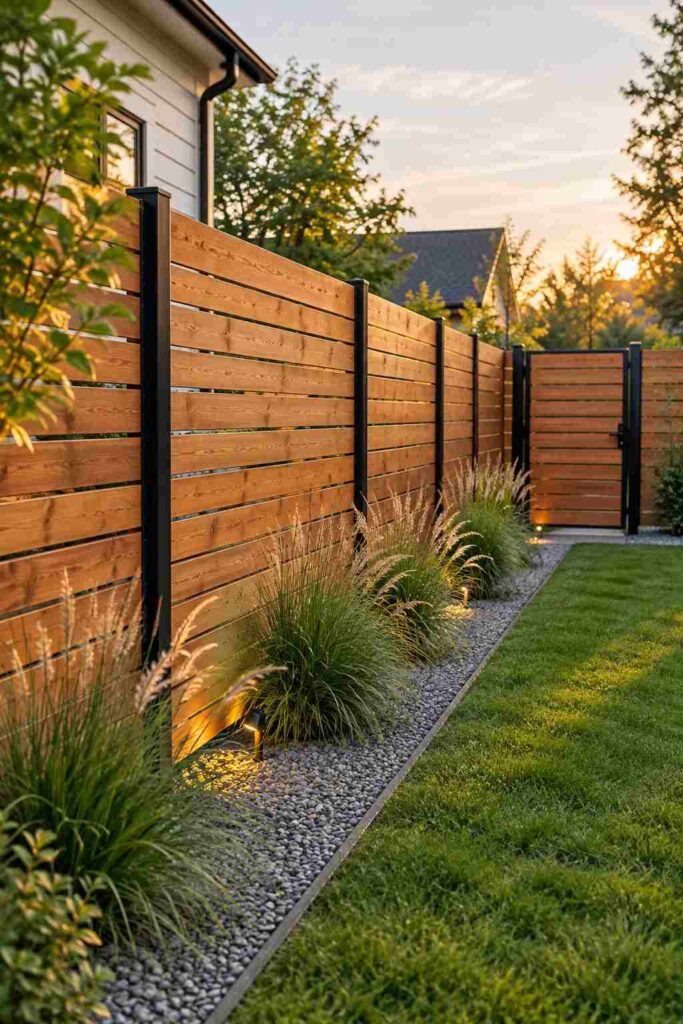
A fence defines boundaries and creates a private retreat. Cedar, vinyl, and aluminum are popular options. Horizontal slat designs feel modern, while picket fences add warmth. Check property lines and any homeowners’ association rules before you build. Leave a small gap at the bottom of wood panels so air can circulate and prevent moisture buildup.
Landscaping and Hardscape: Finishing Touches That Complete the Look
Greenery and stonework tie everything together. These projects soften hard edges and make the property feel intentional.
20. Build Retaining Walls
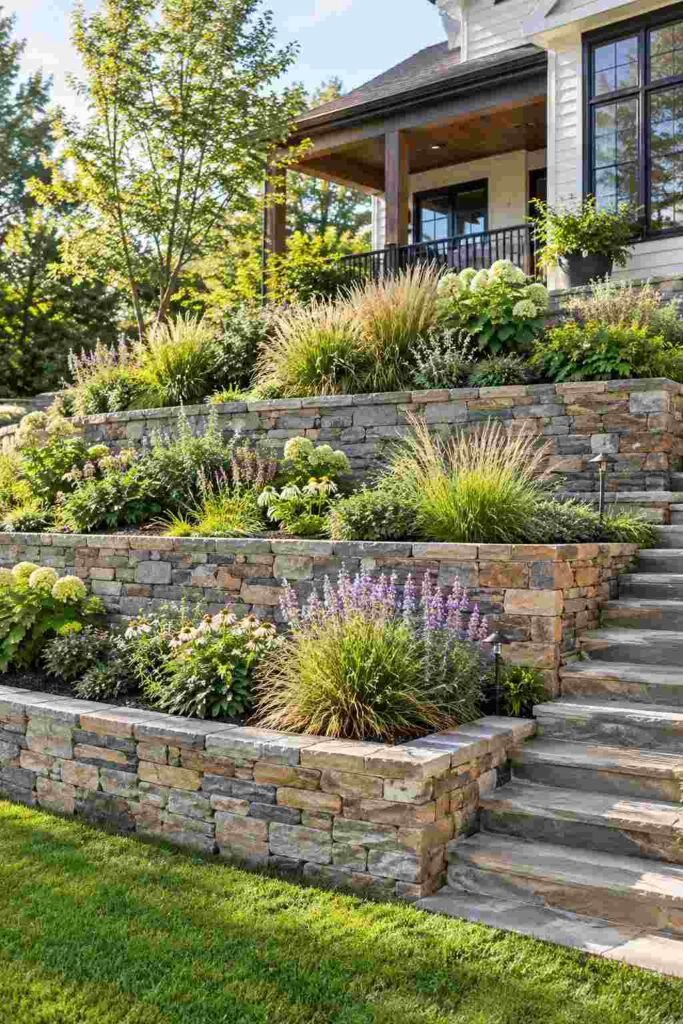
Retaining walls tame slopes and create usable terraces. Natural stone, concrete block, and timber are the usual materials. Walls taller than about four feet typically need engineering and permits. Proper drainage behind the wall is essential, since trapped water is the top cause of failure. Planting along the top softens the structure.
21. Plant Raised Garden Beds
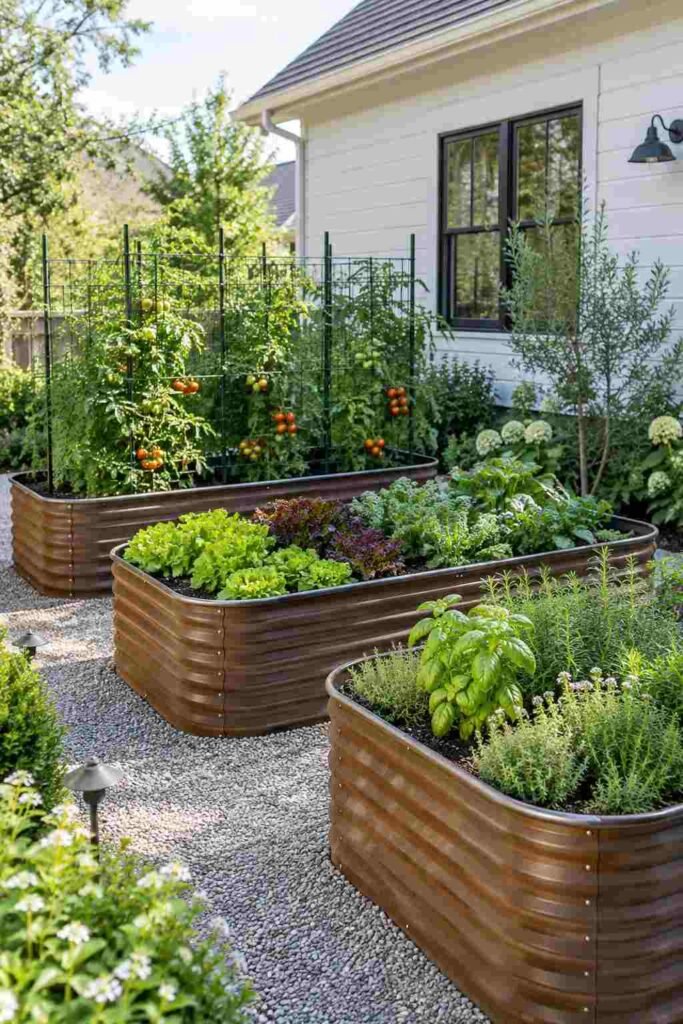
Raised beds make growing vegetables and herbs easier on your back and your soil. Use cedar or corrugated steel for long-lasting frames. Fill them with quality garden soil and compost for strong yields. In many home remodeling ideas outside the house, a small edible garden adds beauty and tangible reward at the same time. Once your exterior plans are set, explore color ideas for bedroom wall designs to carry that fresh energy indoors.
22. Replace the Driveway
A cracked driveway drags down the entire facade. Concrete, asphalt, and permeable pavers all offer different strengths. Permeable pavers allow rainwater to soak through, which helps in areas with runoff rules. Add a decorative border in brick or stone to define the edges. Proper base preparation will determine how long the surface lasts.
23. Add Native Landscaping
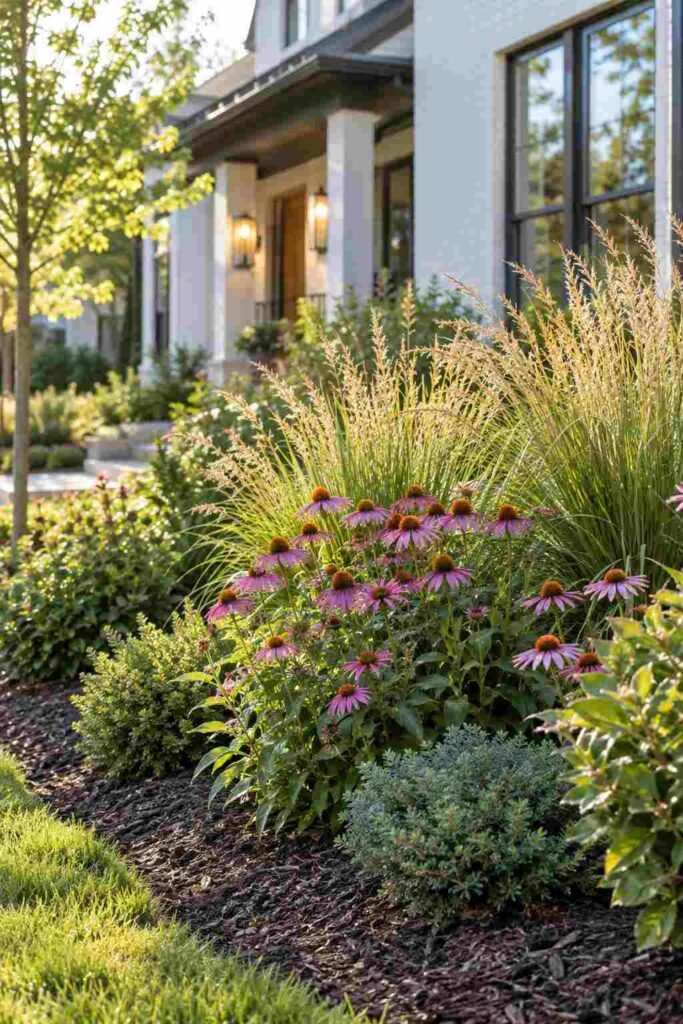
Plants adapted to your region need less water and fewer chemicals. Choose a mix of native grasses, shrubs, and perennials that bloom in different seasons. Group plants by water needs to simplify care. Mulch beds with two to three inches of bark to hold moisture and suppress weeds. Local nurseries can recommend species suited to your soil.
24. Install a Rain Garden or Drainage Swale
If water pools in your yard, a rain garden turns the problem into a feature. A shallow, planted basin absorbs runoff and filters it naturally. Use deep-rooted native plants such as switchgrass or black-eyed Susans. Position it at least ten feet from the foundation. Good drainage protects your home and supports local wildlife.
25. Add a Backyard Studio or Shed
A well-built outbuilding handles storage, hobbies, or a home office. Prefab studios and custom sheds both work, depending on your budget. Match the siding and roof color to your main house for a cohesive look. Check zoning rules, setbacks, and permit needs first. Insulation and electrical service turn a basic shed into a year-round workspace.
Final Thoughts on Home Remodeling Ideas Outside
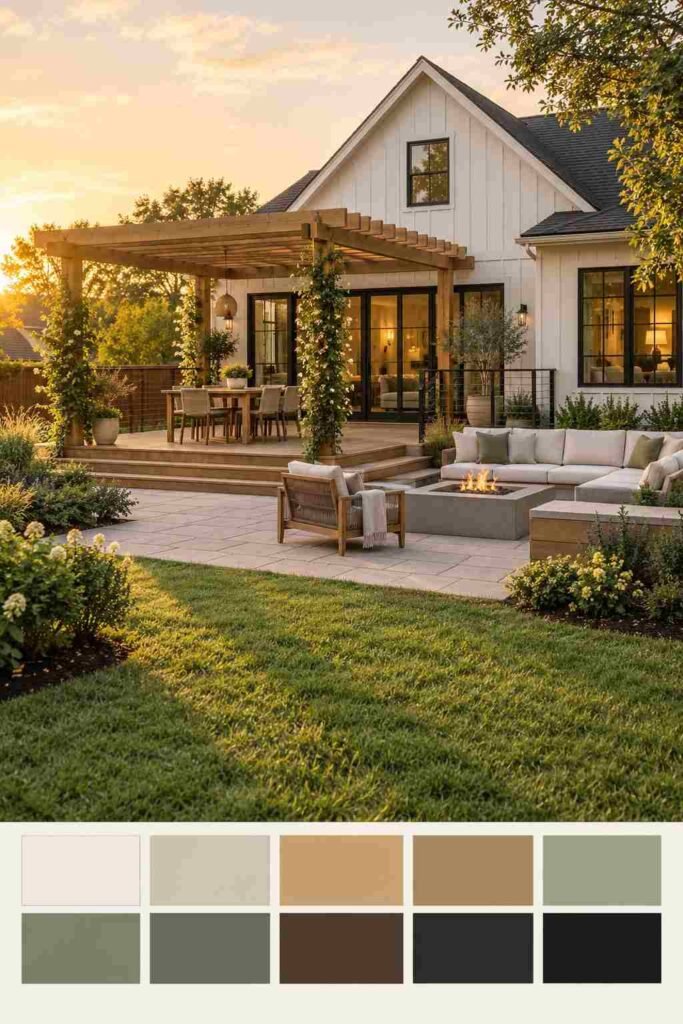
A great exterior does not require doing everything at once. Start with the issues that protect your home, such as the roof, gutters, and drainage. Then add comfort and style through lighting, a patio, or fresh landscaping. These home remodeling ideas outside let you build in stages, so each project fits your budget and schedule. Pick two or three that match how you live, and your property will feel more welcoming for years to come. Browse more design inspiration and room-by-room guides at outinteriors.


One Comment