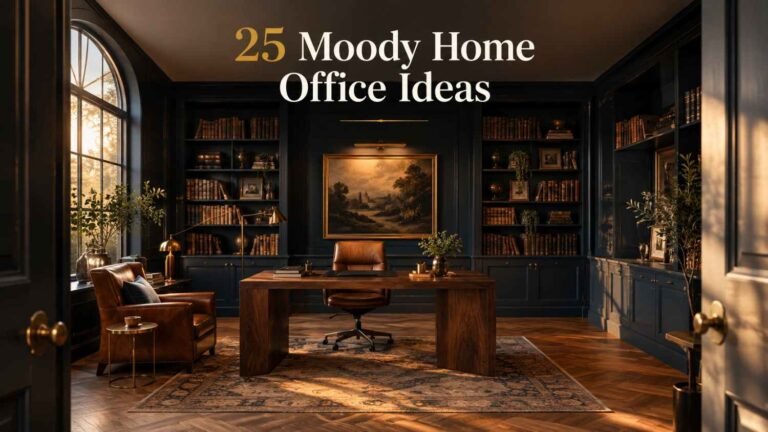
Office Room Decor: A Complete Guide to a Stylish, Comfortable Workspace
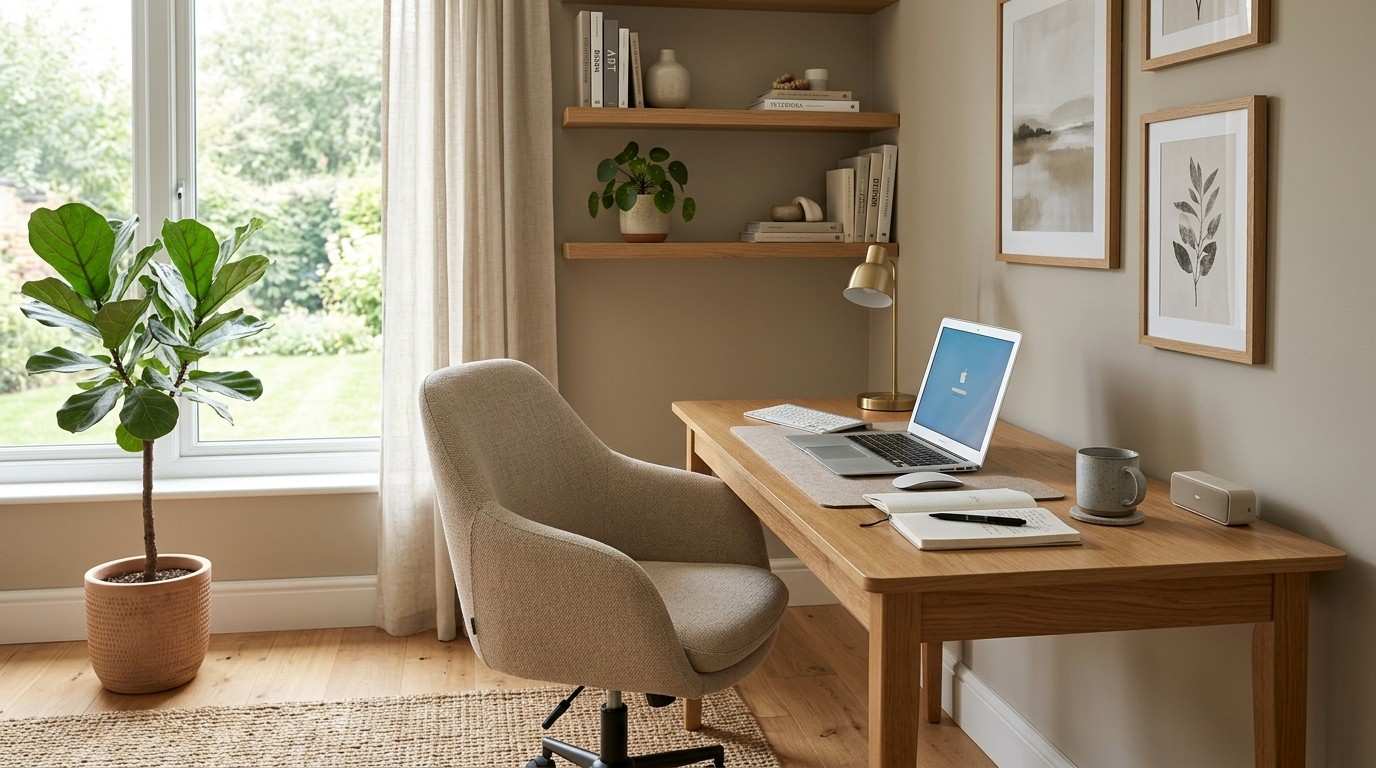
A good work area does more than hold a desk and chair. It shapes how you start the morning, how well you focus, and how easily you switch off at the end of the day. The best office room decor feels calm, personal, and practical at the same time. It gives every item a reason to be there, from the lamp beside your screen to the art you see during a difficult task. Whether you have a full room, a small apartment corner, or a shared family workspace, the goal is simple: create a room that supports real work and still feels like home.
Why Office Room Decor Matters More Than It Seems
Thoughtful office room decor can make a plain room feel steady, organized, and easier to use. A cluttered desk often creates visual noise before the workday even begins. A poorly placed monitor can lead to neck strain. A harsh overhead light can make the room feel cold and tiring. Small design choices add up quickly, especially when you spend many hours in the same place. A well-planned office should help you find supplies fast, sit comfortably, manage cables, and enjoy the space enough to return to it without feeling drained.
Start With the Room’s Purpose
Before buying anything, decide what the room must do every week. A writer may need a quiet desk, a large monitor, and books within reach. A designer may need open wall space, samples, a tablet station, and flexible lighting. A remote worker may need a clean video-call background, strong task lighting, and hidden storage for paperwork. A student may need a pinboard, drawer organizers, and a comfortable reading chair. Good office room decor begins with these habits, not with a shopping list.
Write down your three most common activities in the room. Then give each activity a zone, even if the room is small. One zone can be the main desk. Another can be a storage wall. A third can be a reading or planning corner. To compare palettes, layouts, and furniture styles across the whole home, explore outinteriors before choosing the final pieces. This step keeps the room connected to the rest of your space instead of making it feel like a separate add-on.
Define Your Work Style
Your work style should guide the mood of the room. If you handle detail-heavy tasks, choose a calmer setup with fewer open shelves and softer contrast. If you do creative work, leave room for visual prompts, movable boards, and color. If you meet clients at home, choose furniture that looks professional from the doorway, not only from behind the desk. A desk facing the entrance often feels more intentional, while a desk facing a window can feel lighter and more relaxed.
Plan the Best Office Room Decor Layout
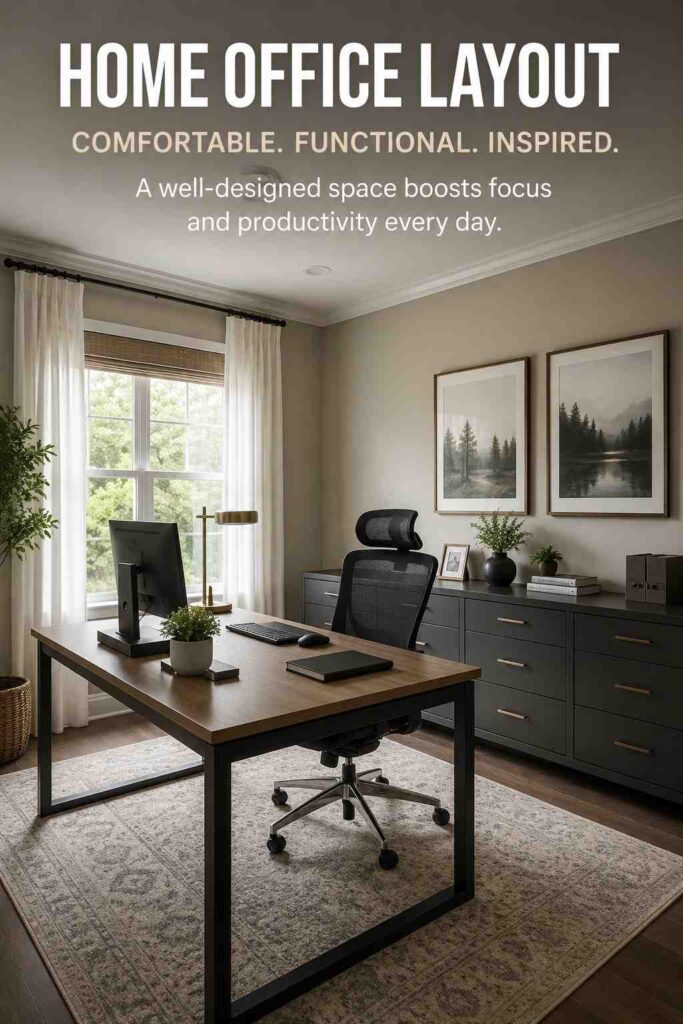
A strong layout makes office room decor feel natural instead of forced. Start with the desk because it controls most of the room’s functions. If possible, place it where natural light reaches the surface without shining directly into the screen. A desk set perpendicular to a window often gives the best balance. You get daylight without constant glare. If your only option is facing a window, add adjustable shades or sheer curtains so the light changes with the day.
Leave enough room behind the chair so you can slide in and out without hitting a wall or cabinet. Keep the most used items within easy reach, such as your notebook, charger, pens, and headset. Less-used supplies can go in drawers, bins, or a closed cabinet. The layout should feel easy on a busy Monday morning, not just tidy after a weekend reset.
Use Ergonomics as Part of the Design
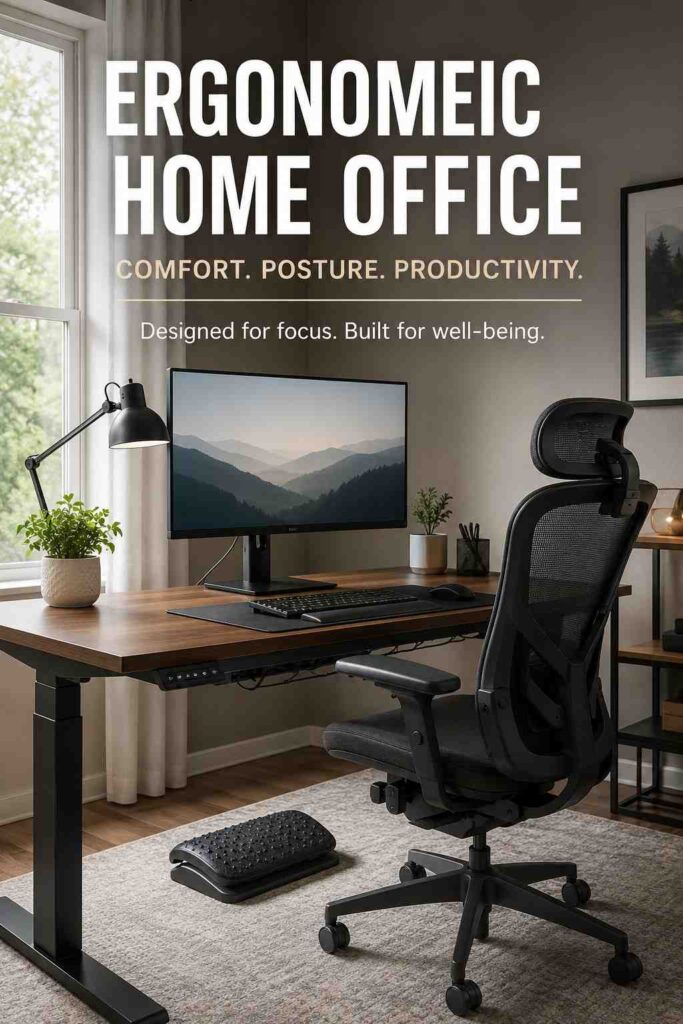
Comfort is part of design, not a separate technical issue. OSHA and the Mayo Clinic both point to basic workstation principles that are easy to apply at home. Keep your monitor directly in front of you, with the top of the screen at or slightly below eye level. A common viewing range is 20 to 40 inches from your face, depending on screen size and text visibility. Your feet should rest flat on the floor or on a footrest, and your shoulders should stay relaxed.
This does not mean your room needs to look corporate. A supportive chair can still have a soft fabric, curved shape, or color that matches the room. A monitor riser can be wood, metal, or a stack of attractive books. A keyboard tray can hide under the desk. Ergonomic choices become part of the room when you select materials that match the style. Comfort should not ruin the look; it should quietly improve it.
Choose Furniture That Looks Good and Works Hard
Furniture sets the tone for the whole room. For office room decor, the best desk is the one that fits your work, your body, and your floor plan. A writing desk suits a laptop and a notebook. An L-shaped desk works well for people who switch between screens, papers, and devices. A wall-mounted desk can save space in an apartment. A built-in desk can make a room feel custom, especially when paired with shelving or closed cabinets.
Your chair deserves just as much care as the desk. Choose one with adjustable height, good back support, and enough seat depth to sit without pressure behind the knees. If the room is visible from a hallway or living space, choose upholstery that complements nearby furniture. Add a small lumbar pillow if needed, but avoid overloading the chair with decorative cushions that affect posture. The right chair should invite you to sit, work, and leave without feeling sore.
Office Room Decor Color Ideas That Feel Calm and Fresh
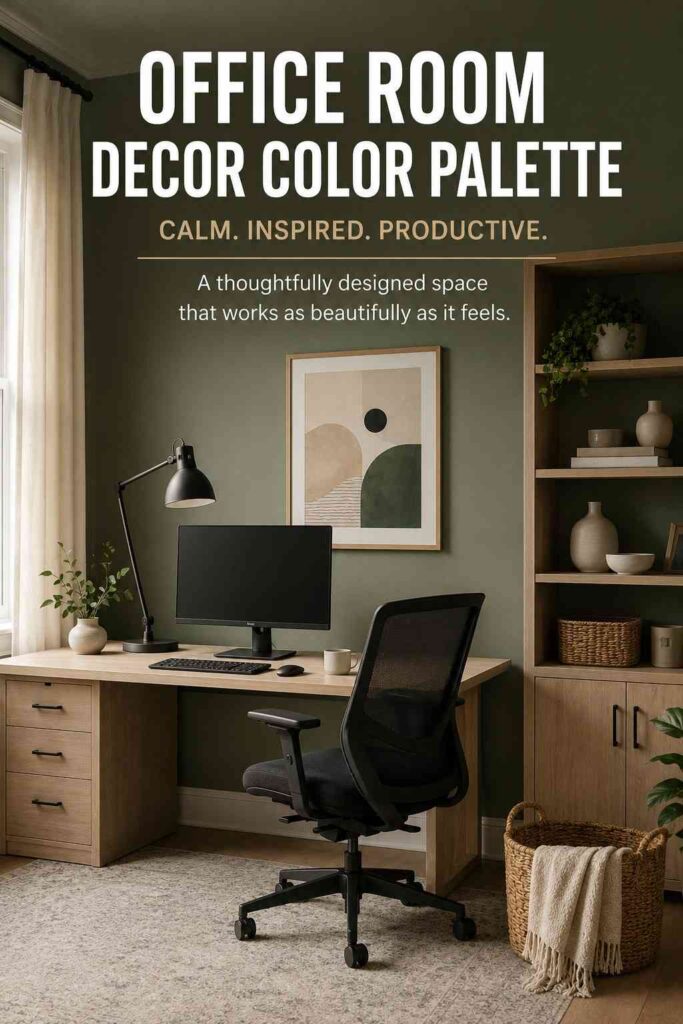
Color directly affects the mood of the room. Soft whites, warm grays, muted greens, dusty blues, and natural beige tones are popular because they help a workspace feel settled. Dark colors can also work well, especially in a den, library, or room with good lighting. Deep navy, charcoal, olive, and brown can create a serious, cozy mood. The key is to balance darker walls with lighter surfaces, warm lamps, and enough contrast around the desk.
For a more energetic room, use color in controlled places. Paint the inside of a bookcase, add a patterned rug, choose a colored desk chair, or frame bold artwork above the desk. This gives the room life without making it distracting. If your workspace opens into a dining area, keep finishes connected with your kitchen decor ideas so both zones feel planned rather than mismatched. A home feels more polished when nearby rooms share at least one color, wood tone, or metal finish.
Build a Palette Before You Shop
A simple palette prevents impulse purchases. Choose one main color, one neutral, one wood tone, and one metal finish. For example, you might pair warm white walls with walnut furniture, black metal accents, and muted green textiles. Another option is light oak, cream, soft blue, and brushed brass. Once the palette is set, every purchase becomes easier. If an item does not fit the plan, it probably belongs in another room.
Texture is just as important as color. A room with only smooth surfaces can feel flat. Add woven baskets, linen curtains, a wool-style rug, a wood frame, ceramic accessories, or a leather desk mat. These elements make office room decor feel more collected and less like a showroom. They also age better than trend-heavy pieces because natural textures can work with many different styles over time.
Lighting Makes or Breaks the Room
Good lighting should come from more than one source. A single ceiling light often creates shadows, glare, or a flat mood. A better setup includes ambient light for the whole room, task light for focused work, and accent light for warmth. A desk lamp with an adjustable arm is useful for reading and writing. A floor lamp can soften a corner. Wall sconces can free up desk space and make the room feel more finished.
Natural light is valuable, but it needs control. Direct sun on a screen can cause glare, while a bright window behind a monitor can make your eyes work harder. Use blinds, shades, or curtains to adjust daylight during the day. For evening work, choose bulbs that feel clear but not harsh. Many people prefer a warm white light for comfort, while cooler light may feel better for detailed tasks. The best choice is the one that keeps your eyes comfortable and the room pleasant.
Add Storage That Doubles as Style
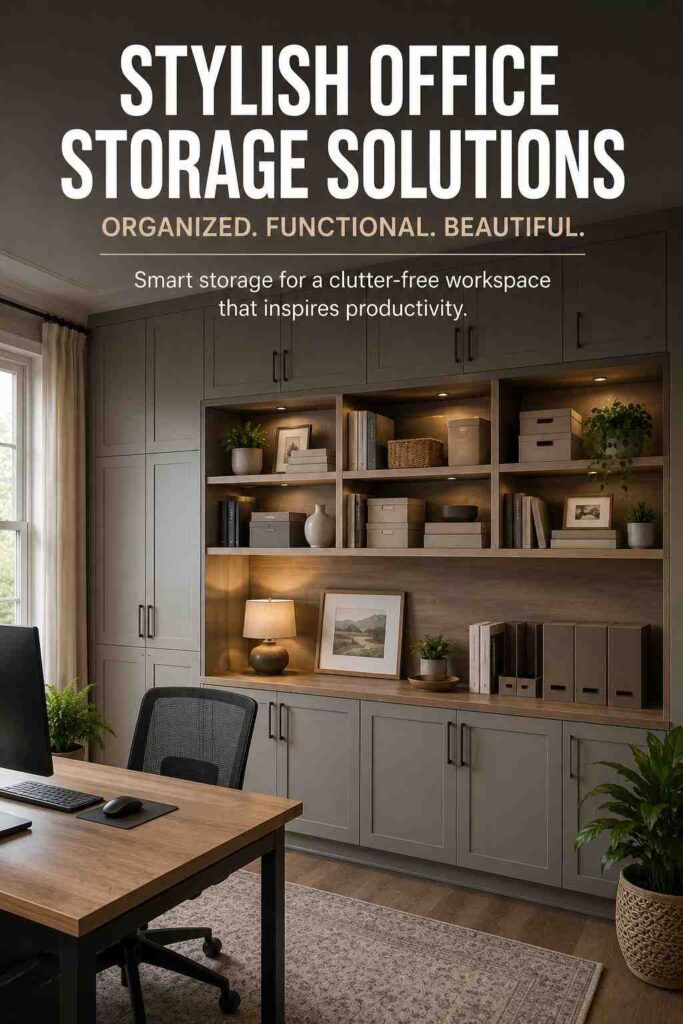
Storage is where many home workspaces fail. Open shelves look beautiful in photos, but they can become messy if every supply stays visible. The most useful office room decor uses a mix of hidden and open storage. Closed cabinets can hold paperwork, cords, printer supplies, and extra notebooks. Open shelves can display books, framed art, plants, and a few attractive boxes. This balance keeps the room functional without turning it into a stockroom.
Wall Decor, Shelving, and Personality
Walls should support the room’s purpose. A blank wall can feel peaceful, but too many blank surfaces can make the office feel unfinished. Choose wall decor that gives you something pleasant to look at during breaks. This may be a large framed print, a gallery wall, a corkboard, a whiteboard, a fabric pinboard, or floating shelves with meaningful objects. Avoid filling every inch. Negative space helps the eye rest.
Personal pieces matter because they make the room yours. Frame a favorite photo, display a travel object, add a handmade bowl for paper clips, or keep a small stack of books that relate to your work. The best office room decor tells a quiet story about the person using the room. It should not feel random. Repeat materials, colors, or shapes so the decor feels connected. For example, black frames, a black lamp, and a black chair base can make different items look intentional.
Small Office Ideas for Apartments and Tight Corners
Small spaces need discipline, but they can still look beautiful. Start with furniture that matches the scale of the area. A slim desk, wall-mounted shelf, or secretary desk can create a proper work zone without overwhelming the room. A clear chair or open-leg desk can make the floor look less crowded. Use one strong vertical feature, such as a tall bookcase or wall shelf, to draw the eye upward and save floor space.
In an apartment, choose flexible pieces. A desk can double as a console table. A storage ottoman can hold files. A folding screen can hide the workspace after hours. If the desk sits in a bedroom or guest room, choose finishes that feel calm after work is done. For a corner setup inside a guest room, use bedroom inspiration to choose bedding, curtains, and desk finishes that feel restful after work. Small-room success depends on making the office blend in when it is not in use.
Budget-Friendly Upgrades That Still Look Finished
You do not need a full renovation to improve office room decor. Start with the changes that affect daily comfort. Raise the monitor, improve the chair, add a better desk lamp, hide cables, and clear the desktop. These upgrades may not be dramatic, but they improve the way the room feels every day. Then move to visual changes, such as paint, curtains, a rug, art, and storage baskets.
A Simple Budget Plan
For a small budget, spend first on lighting, cable control, and desktop organization. For a mid-range budget, add a supportive chair, rug, curtains, and better shelving. For a larger budget, consider built-ins, custom cabinetry, or a desk that fits the wall perfectly. This order helps you avoid spending too much on decorative extras while ignoring the parts that affect comfort. A beautiful office that is uncomfortable will not serve you well.
Before buying decor, remove what does not belong. Old mail, broken pens, unused cords, empty boxes, and outdated paperwork can make the room feel smaller. Once the room is edited, you may need fewer products than expected. The cleanest workspace often comes from subtraction first and shopping second. A room with breathing space feels more expensive, even when the budget is modest.
Shared and Multipurpose Office Spaces
A shared office needs clear rules. Give each person a drawer, shelf, or cabinet. If two people work at the same time, place desks so screens do not distract each other. Side-by-side desks work well for narrow rooms. Back-to-back desks can make a larger room feel like a studio. If one person needs quiet calls, add a soft rug, curtains, and a door sweep to reduce noise. Even small acoustic changes can make the room feel calmer.
Multipurpose rooms need visual boundaries. A rug can define the office zone in a living room. A bookcase can separate work from relaxation. A sleeper sofa can turn an office into a guest room without losing the main function. Keep work items hidden when the room changes use. This is especially important in homes where the office is also a den, craft room, or homework space. Good boundaries protect both work time and rest time.
Make It Look Polished on Video Calls
Video calls have changed how people think about the home office. The wall behind your chair now matters almost as much as the desk. A good background should be tidy, balanced, and not too distracting. Place a few shelves, framed prints, or a cabinet behind you. Avoid piles of paperwork, open closets, or bright windows directly behind your head. A lamp placed to the side can add warmth and shape to the face.
Keep the background honest but edited. A plant, a row of books, and one piece of art often look better than a crowded gallery. Check the view from your camera before finalizing the layout. Sometimes moving a chair a few inches or lowering a frame makes a big difference. The goal is not to impress others. It is to create a clean, calm setting that helps you feel prepared.
Common Office Room Decor Mistakes to Avoid
The first mistake is choosing looks before comfort. A pretty chair that hurts your back will become a problem quickly. The second mistake is using only open storage. Too many visible supplies make the room feel busy. The third mistake is ignoring scale. A large executive desk can overpower a small room, while a tiny desk can make daily work frustrating. Measure the room before buying, and leave space for movement.
Another mistake is using decor that has no connection to the rest of the home. The office can have its own mood, but it should still share a color, material, or style with nearby rooms. Avoid placing the desk where glare, noise, or household traffic will interrupt you all day. Let the room grow over time, because collected spaces usually feel warmer.
A Simple Shopping Checklist
Use this checklist to plan purchases in a sensible order. Start with a desk that fits your tasks and room size. Add a chair with real support. Choose a desk lamp, then add general room lighting if needed. Pick one closed storage piece for clutter and one open display area for personality. Add cable clips, a power strip, and a tray for daily tools. Finish with art, curtains, a rug, and one or two plants.
Conclusion: Build a Room That Supports Real Work
Great office room decor is not about copying a perfect photo. It is about understanding how you work, what your body needs, and what kind of setting helps you feel steady. Start with the layout, then improve comfort, storage, lighting, color, and personal details. A good office should look finished, but it should also make everyday tasks easier. When the room supports your habits, the decor feels natural.
The best spaces usually happen in layers. You may begin with a better chair and lamp, then add paint, shelving, curtains, and art over time. Keep what helps you focus. Remove what adds clutter. Choose pieces that belong to your home, not just to a trend. With patience and clear choices, any room or corner can become a workspace that feels useful, warm, and fully yours.
Frequently asked questions:
What is the best way to start decorating an office room?
Start with the layout, not the accessories. Place the desk where light, privacy, and movement feel comfortable. Then choose a supportive chair, useful lighting, and storage that fits your daily routine. Decor should come after the room works well.
What colors are best for a home office?
Soft neutrals, warm whites, muted greens, dusty blues, and natural wood tones are safe choices for many workspaces. Dark colors can also look beautiful when the room has enough lighting. Choose colors that help you focus without making the space feel dull.
How can I make a small office look bigger?
Use slim furniture, vertical shelves, light window treatments, and fewer visible supplies. Keep the floor as open as possible. A mirror, clear chair, or wall-mounted desk can also help a small room feel lighter and more open.
How do I decorate an office without making it cluttered?
Choose fewer pieces with more meaning. Use closed storage for supplies and open shelves for books, art, and a few personal objects. Repeat colors or materials so the room feels connected instead of crowded.
What should every office room include?
Every office should include a comfortable desk, a supportive chair, good task lighting, easy-to-reach storage, cable control, and a few personal details. These basics make the room useful before decorative layers are added.
How can I make my office feel cozy but still professional?
Use warm lighting, curtains, a rug, natural textures, and framed art. Keep the desk clear and choose storage that hides clutter. Cozy does not have to mean casual; it means the room feels comfortable, calm, and cared for.