Bedroom Makeover: Practical Ideas to Create a Calm, Beautiful Room
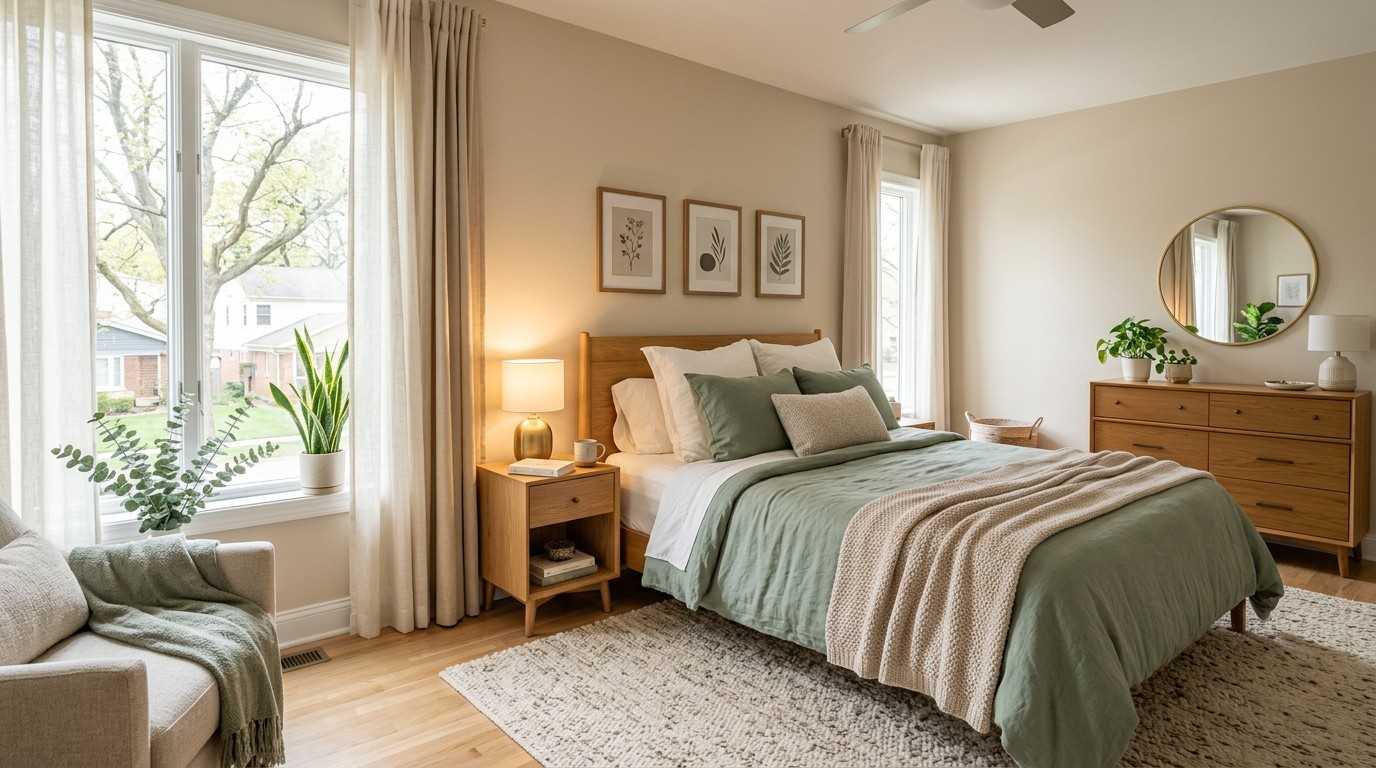
A bedroom should feel like the one place where your mind can slow down. Yet many rooms slowly become a mix of old furniture, extra laundry, mismatched bedding, and lighting that feels too harsh at night. A good room refresh does not require a full remodel. It starts with clear choices that make the room easier to use and nicer to wake up in.
Think of the room as a small story. The bed sets the mood, the walls shape the light, storage keeps life under control, and texture adds comfort. When these parts work together, even a plain room can feel warm, restful, and personal.
Start Your Bedroom Makeover With a Real Plan

Before buying anything, stand in the doorway and look at the room as a guest would see it. Notice what feels crowded, cold, unfinished, or hard to use. The best bedroom makeover begins with honest observation, not a shopping cart. Write down three things you want to fix first, such as poor lighting, weak storage, or a bed that looks flat. Measure the bed, each wall, and the walking space around furniture. Save images you love, but focus on the feeling behind them. Maybe you want a quiet hotel look, cozy cottage feel, or clean modern style.
Choose a Budget That Matches the Room

A bedroom makeover can be done in layers. A small refresh may include new bedding, lamps, curtains, and wall art. A mid-range update may add paint, a rug, nightstands, better storage, and a new headboard. A larger project may include flooring, built-ins, custom closets, or new furniture pieces.
Spend more on items you touch every day. A supportive mattress, quality sheets, good lighting, and functional storage matter more than trendy accessories. Set aside money for paint supplies, curtain rods, hardware, delivery fees, or wall anchors. This prevents half-finished corners.
Fix the Layout Before You Decorate
A strong layout makes every design choice easier. In most bedrooms, the bed should be the main visual anchor. Place it on the longest clear wall when possible. Try to leave walking space on both sides, especially in a shared room. If the room is narrow, a wall-mounted shelf can replace one nightstand without making the space feel empty.
Do not force too much furniture into the room. A dresser, chair, bench, vanity, and desk may sound useful, but too many pieces can weaken the whole design. If your bedroom also needs to support work or study, borrow small-space thinking from office room decor and choose pieces that serve more than one purpose.
Pick a Color Palette That Feels Restful

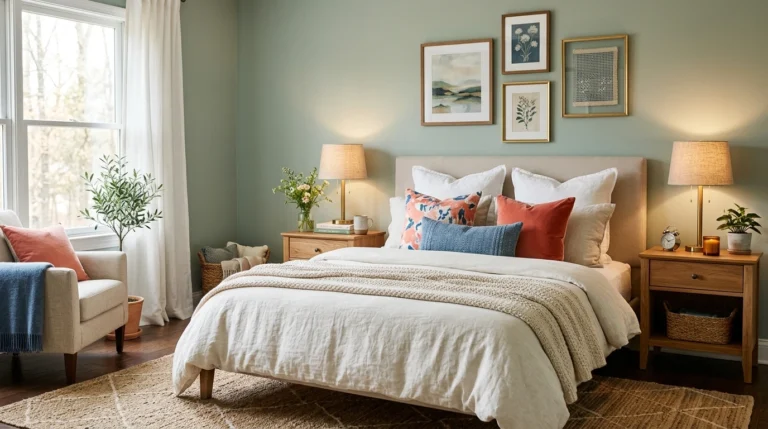
Color changes the mood faster than almost anything else. Warm white, soft beige, clay, sage, dusty blue, mushroom, and muted green are safe choices for a restful bedroom makeover. Darker shades can also work well, especially in rooms used mainly at night. Charcoal, deep olive, navy, and warm brown can make a small room feel cozy rather than cramped.
Always test paint samples on more than one wall. Morning light, afternoon sun, and lamplight can change the same color. If you rent, use color through bedding, curtains, art, lampshades, or a rug. Keep the main palette to three or four tones, then add small accents.
Make the Bed Look Finished

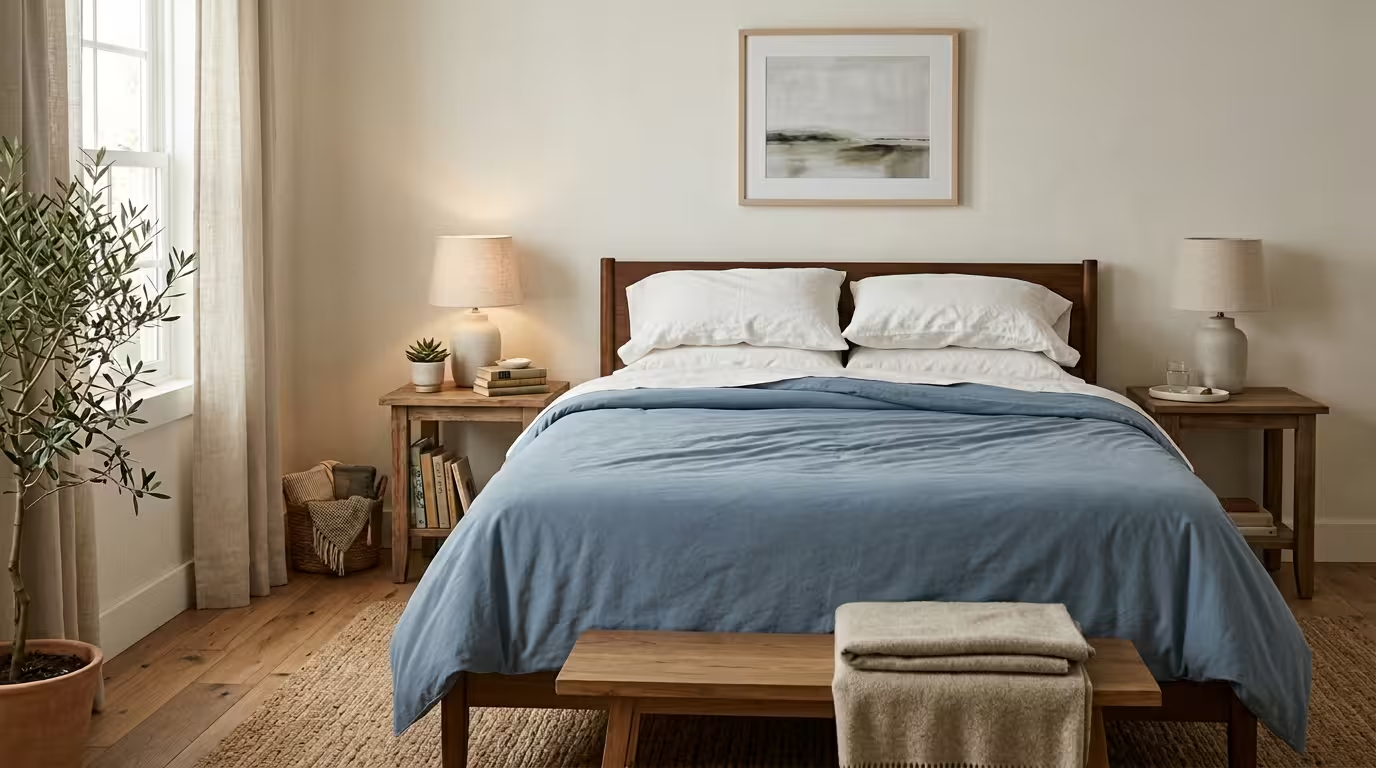
The bed is usually the largest surface in the room, so it deserves attention. The room often feels complete once the bed looks layered and intentional. Start with sheets that feel good against the skin. Add a duvet, quilt, or coverlet based on the season. Fold a throw at the foot of the bed for texture, not just decoration.
Pillows should support sleep first and style second. Two sleeping pillows and two larger back pillows work well for many queen beds. Add one smaller accent pillow if the room needs a pattern. Avoid covering the bed with too many cushions. A restful room should be easy to maintain, not a display that takes time to rebuild every morning.
Use Lighting in Layers

One ceiling light is rarely enough. A thoughtful room plan uses at least three kinds of lighting. Ambient lighting brightens the whole room. Task lighting helps with reading or dressing. Accent lighting adds softness through lamps, sconces, picture lights, or a careful LED strip.
Choose warm bulbs for a calmer feel. Bright, cool light can make a room feel like a store or office. Place switches where they are easy to reach from the bed and doorway. If wiring is not an option, plug-in wall sconces are useful and renter-friendly. Lamps with fabric shades also soften shadows and help the room feel relaxed at night.
Add Storage That Looks Calm
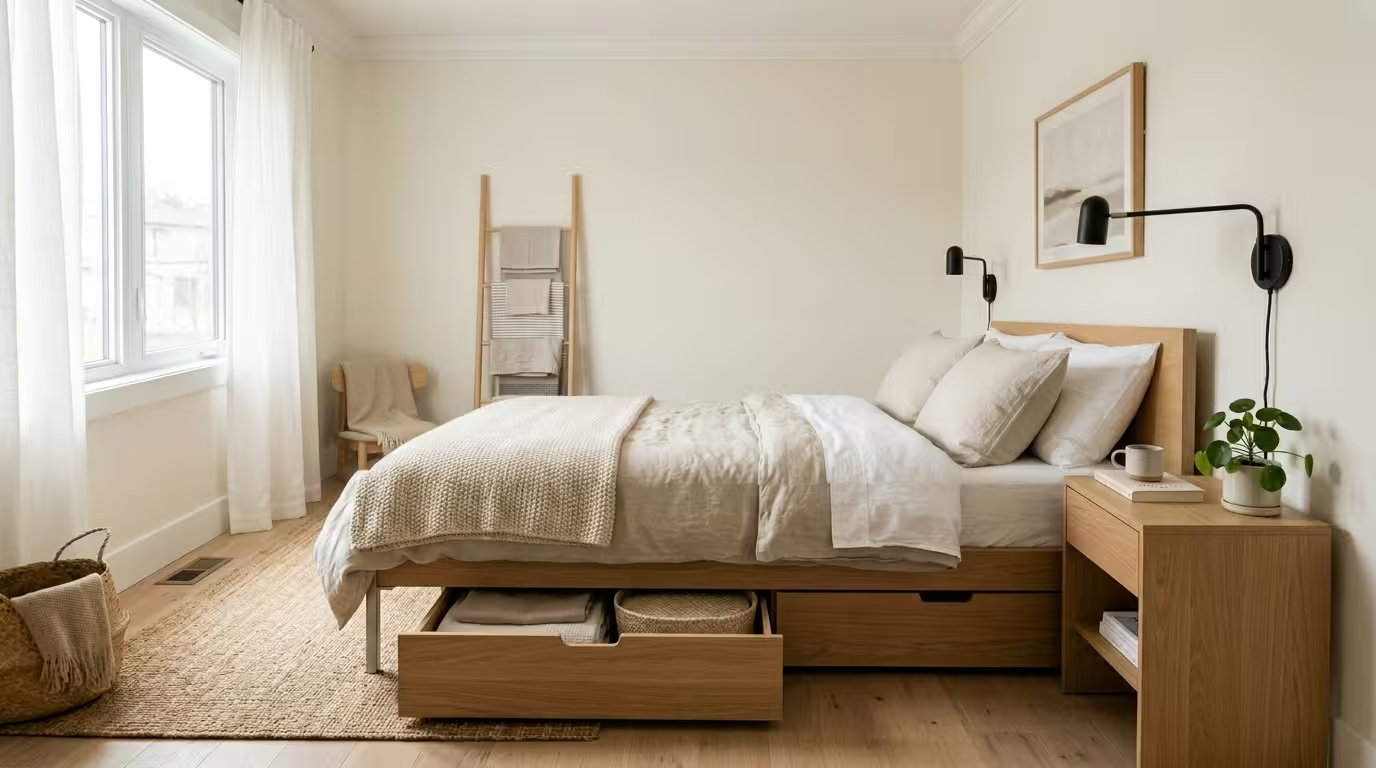
Clutter can ruin the feeling of a beautiful room. The goal is not to hide everything, but to give every daily item a clear home. Use under-bed bins for seasonal clothes, extra bedding, or shoes. Add drawer dividers for socks and accessories. Use baskets for blankets, but avoid turning baskets into clutter zones.
Tall storage can help small rooms because it uses wall height instead of floor space. Floating shelves, wall hooks, and narrow dressers are useful when space is tight. Anchor tall dressers, wardrobes, and bookcases securely, especially in homes with children. A safe update should also protect the people who use the room every day.
Choose a Rug and Curtains With the Right Scale
A rug can make the room feel warmer, quieter, and more connected. A common mistake is choosing one that is too small. For a queen bed, a rug should usually extend beyond the sides and foot of the bed so your feet land on softness in the morning. If a large rug is not possible, use runners on both sides.
Window treatments affect privacy, light, color, and sleep. Hang rods higher than the window frame when possible, and let fabric reach the floor for a longer, softer look. A woven shade can filter daylight, while blackout curtains help at night. These details make the bedroom makeover feel finished without adding clutter.
Bring in Personal Details Without Clutter
A room feels flat when everything looks newly bought from the same place. Mix old and new pieces for a natural story. A vintage mirror, family photo, handmade quilt, framed postcard, or ceramic lamp can make the room feel personal. The key is editing. Choose a few meaningful items and give them room to breathe.
For collecting dream home ideas, the bedroom is a smart place to start because small changes can shift daily comfort. Keep bedside surfaces simple with a lamp, book, small tray, and perhaps one plant or vase. Too many small items create visual noise. A calm room needs open space as much as decoration.
Think About Air, Sleep, and Comfort
Paint, furniture, bedding, and cleaning products can affect how the room feels. When painting, choose low-odor products when possible, ventilate the room well, and follow label directions. Let new furniture, rugs, or mattresses air out before loading the room with bedding and decor.
A comfortable sleep space is usually cool, dark, quiet, and supportive. Use blackout curtains, soft lighting, breathable bedding, and noise control if needed. Keep screens and paperwork away from the bed when possible. For more calm-home inspiration and room styling guides, outinteriors can fit naturally into your reading list.
Bedroom Makeover Ideas for Small Rooms and Renters
Small bedrooms need clear priorities. Use fewer pieces and make each one count. A storage bed can replace bulky bins. Wall sconces can free up nightstand space. A low headboard can sit under a window without blocking light. A mirror can bounce light, but place it where it reflects something calm.
Renters can make great changes without permanent work. Peel-and-stick wallpaper, removable hooks, washable rugs, plug-in sconces, and tension rods can change the room without damage. A renter-friendly update should feel personal while respecting the lease. It should also be easy to pack, repair, and reuse.
Mistakes That Make a Bedroom Look Unfinished
The first mistake is buying decor before fixing the layout. The second is using only one light source. The third is choosing a rug that floats alone under the bed without reaching the sides. The fourth is hanging curtains too short or too close to the window frame. These small choices can make even good furniture look awkward.
Another common mistake is matching every piece too closely. A full furniture set can feel stiff without contrast in texture, color, or age. Add balance with a different lamp finish, woven basket, painted nightstand, or soft upholstered headboard. A thoughtful room feels collected, not copied.
Conclusion:
A bedroom makeover is not about chasing every trend. It is about making the room support your daily life. Start with the layout, then build comfort through color, lighting, bedding, storage, rugs, and personal details. Each choice should make the room easier to use and better to rest in.
The best results often come from small, steady changes. Paint one wall. Fix the lighting. Clear the nightstand. Add curtains that fit. Choose bedding that feels good. When the room begins to feel calm, personal, and practical, the makeover has done its job.
Frequently asked questions:
1. What is the first step in a bedroom makeover?
Study the room before buying anything. Measure the space, note what feels wrong, and decide which problems matter most. Layout, lighting, storage, and bedding usually have the biggest impact.
2. How can I update my bedroom on a small budget?
Start with fresh bedding, better lamps, curtains, rearranged furniture, and decluttering. Paint also helps if your budget allows it.
3. What colors are best for a relaxing bedroom?
Soft neutrals, warm whites, muted blues, sage green, clay, mushroom, and gentle earth tones work well. Dark colors can also feel restful with soft lighting.
4. How do I make a small bedroom look bigger?
Use fewer furniture pieces, wall-mounted lighting, visible floor space, high curtains, and vertical storage. Comfort and movement should come before extra furniture.
5. Is a bedroom makeover possible without painting?
Yes. You can change the room with bedding, curtains, rugs, art, lamps, mirrors, and removable wallpaper. These updates are useful for renters.
6. How do I make my bedroom feel more expensive?
Focus on scale and finish. Use the right rug size, full curtains, layered lighting, simple bedding, and fewer decorative items.
7. How long does a simple bedroom makeover take?
A light refresh can take one weekend if you plan. Painting, custom storage, furniture delivery, or flooring can take longer.