How to Organize Kid Closet: A Practical System That Actually Lasts
On a rushed weekday morning, a child’s closet can feel less like storage and more like a daily obstacle course. Tiny socks disappear. Shirts slide off hangers. Shoes gather in the wrong corner. Then, before you know it, the entire space looks full even when half the clothing no longer fits. If you have been searching for how to organize kid closet, the real solution is not to make it look perfect for one afternoon. It is to build a simple system that your child can actually use every day.
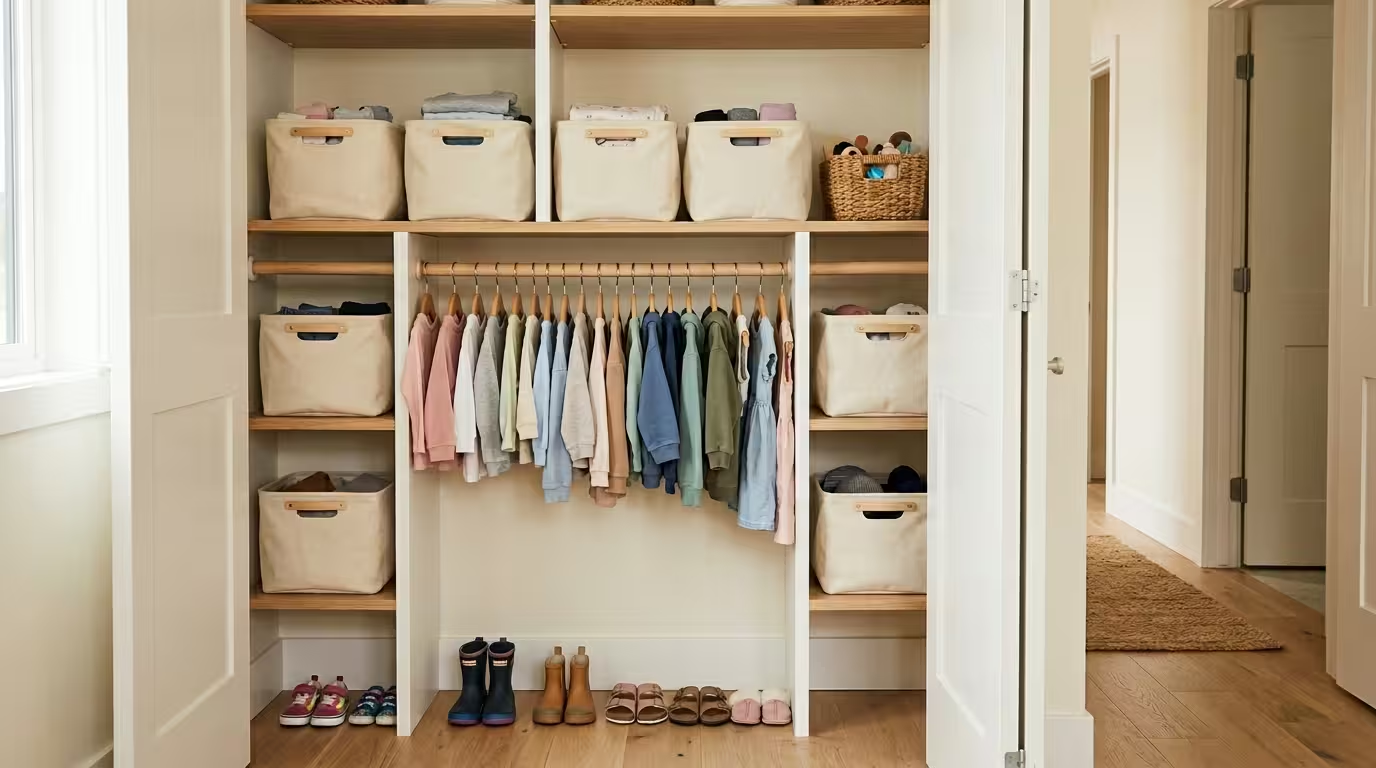
A well-planned children’s closet should do three things at once: help adults find what they need fast, make everyday items easy for children to reach, and leave room for growth. The most useful ideas in the current home-organization guidance all point in the same direction: use the lower half for daily clothing, use the upper half for parent-managed storage, and treat the closet as a set of clearly defined zones instead of one crowded box.
The mistake many families make is organizing by appearance alone. Matching bins and slim hangers can help, but they do not solve the real problem if the layout ignores how children dress, how quickly they grow, and how often laundry cycles through the room. A closet works best when the structure matches real life: frequent access, low backups, fewer categories, and a reset routine that takes minutes rather than an entire weekend.
Why kid closets get messy so fast
Children’s closets have a built-in challenge: the inventory changes constantly. Sizes change, seasons change, school needs change, and favorite outfits change. That is why several leading closet guides begin with inventory and editing, not containers. They recommend sorting what is used now, what can be stored for later, and what should leave the room altogether. Without that step, even a beautifully designed closet stays crowded.
There is also an access problem. Many standard closets are designed for adults, which means the most useful rod, shelf, and drawer positions are too high for small children. Better Homes & Gardens specifically recommends a lower rod for everyday clothes and a high shelf for out-of-season or parent-only items, while shared-closet examples show that even a simple stool or clearly assigned lower storage can make the space far easier to use.
How to organize kid closet step by step
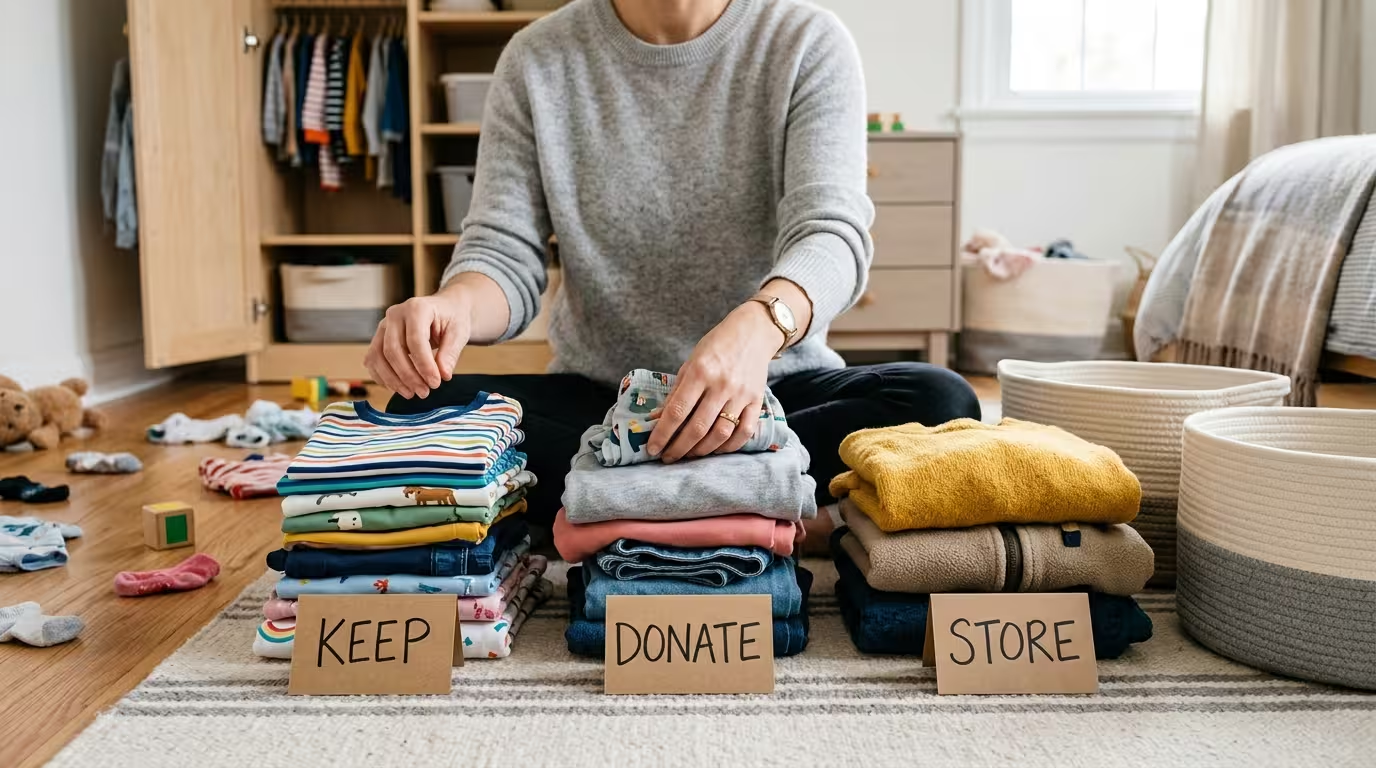
The clearest answer to how to organize kid closet starts with a full reset. Pull everything out. That includes clothes, shoes, accessories, sportswear, bags, dress-up items, extra bedding, and anything that quietly migrated into the closet over time. Once the closet is empty, sort every item into five piles: keep now, store for later, donate, pass down, and trash or recycle. If an item does not fit, is damaged, or has not been used in a long time, it should not return to the prime section of the closet.
Next, measure the actual space before you buy anything. Leading organization guides repeatedly stress using every inch of height, wall space, door space, and shelf depth. Measure the rod width, the shelf depth, the floor space, and the inside of the door. Then decide what deserves hanging space and what should be folded. In many children’s closets, drawers, shelves, and baskets outperform extra hanging space because small clothing can be folded compactly and retrieved more easily.
Then assign zones by frequency of use, not just clothing type. The top pages often group by category, but the better organizing move is to combine categories with access. Every day, school clothes, socks, underwear, and pajamas should be in the easiest spots. Special-occasion outfits, hand-me-downs, extra diapers, spare bedding, and seasonal coats should move higher. This single shift reduces daily friction more than almost any organizer you can buy.
How to organize kid closet by zones
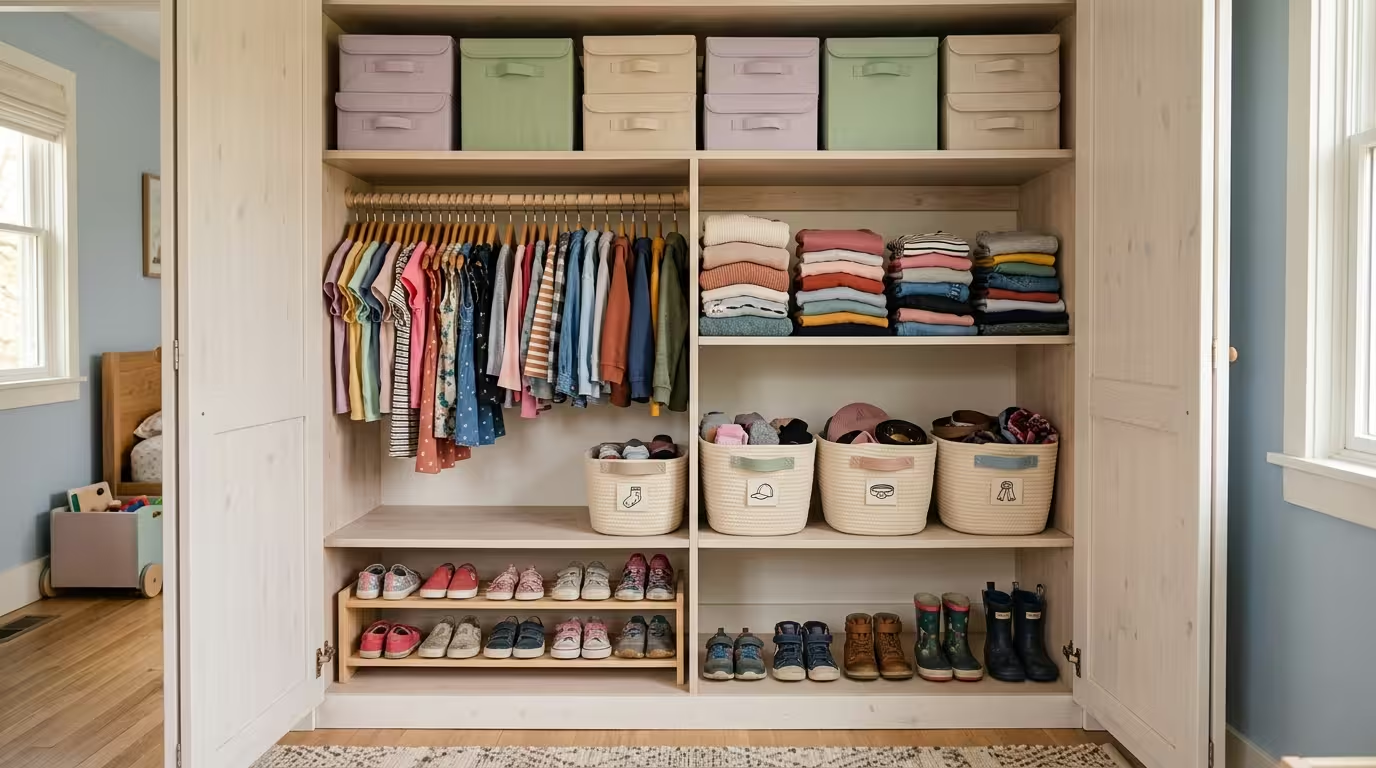
A strong closet system usually needs five zones. The first is the daily wear zone for school outfits, pajamas, underwear, socks, and the shoes used most often. This should sit in the lowest and easiest-to-reach area. The second is the folded clothing zone for items like knitwear, play clothes, or seasonal tops. The third is the accessories zone for hats, hair items, belts, swim gear, or dancewear. The fourth is the shoe zone. The fifth is the upper storage zone for things children do not need daily.
When you build these zones, keep the visual language simple. Use one bin for socks, one for underwear, one for pajamas, and one for accessories rather than splitting everything into too many tiny categories. House Beautiful notes that color grouping can make the closet look calmer, and The Spruce emphasizes bins, wall hooks, and drawer dividers for loose items. In practice, the best result comes from combining both ideas: broad zones first, then light visual cues inside each zone.
For hanging space, keep it selective. Not everything needs a hanger. Dresses, uniforms, button-down shirts, jackets, or wrinkle-prone pieces deserve rod space. T-shirts, leggings, shorts, and many play clothes are often easier to fold into drawers or baskets. This matters because overloading a rod makes the closet harder to scan. A child should be able to see choices quickly, not wrestle a crowded rail each morning.
How to organize kid closet in a small room
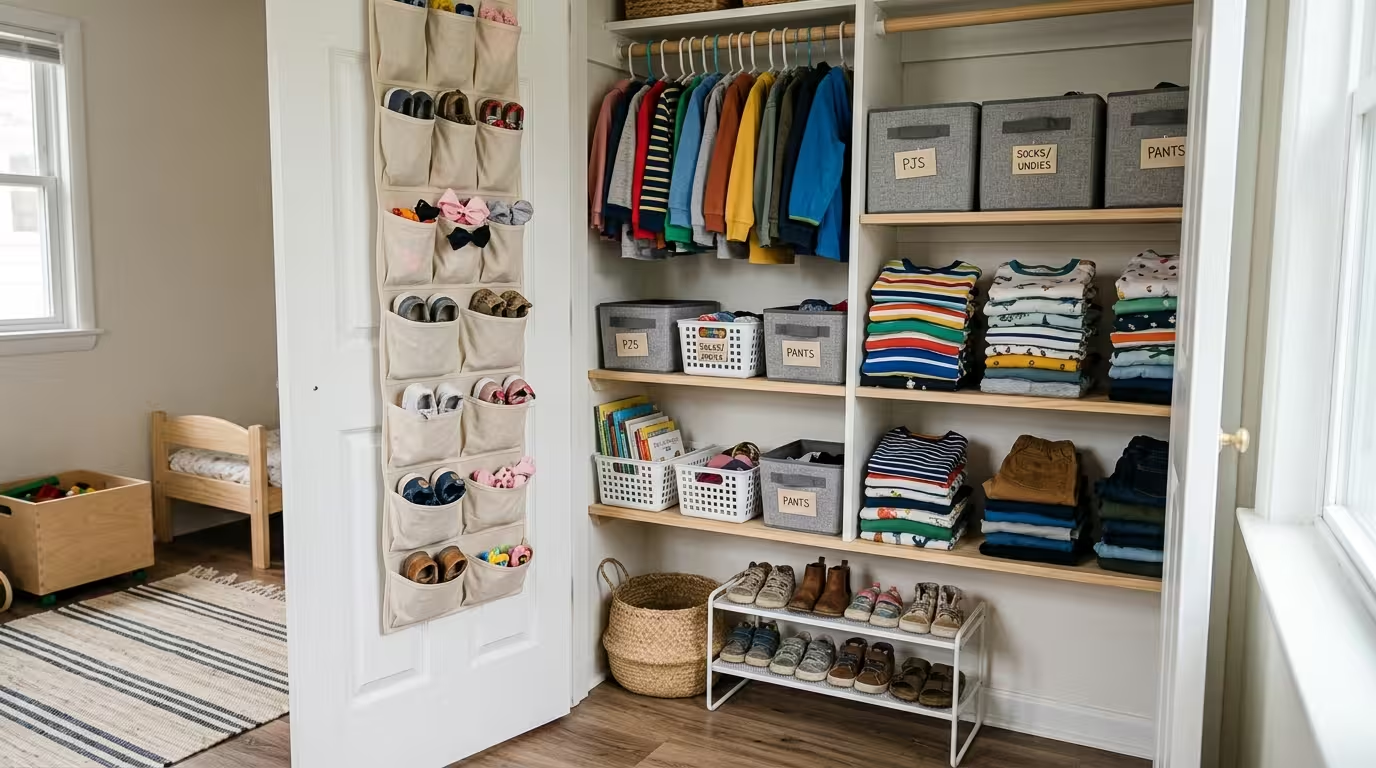
Small closets reward vertical thinking. Current leading pages repeatedly recommend using the full height of the closet, adding extra shelving where possible, and not wasting the door or side walls. Even one added shelf near the top can free the floor for shoe bins or a hamper. Hooks on the wall or inside the door can hold bags, hats, scarves, or tomorrow’s outfit without stealing shelf space.
Fold strategically in tight spaces. The Spruce highlights vertical folding because it lets you see more clothing at once and saves space in drawers. For children’s closets, that method works especially well for pajamas, play shirts, leggings, and shorts. When each item stands upright instead of being stacked flat, your child can spot what they need without pulling apart the whole drawer. Less digging means less mess.
Do not ignore the door. Over-the-door storage and slim pocket organizers are useful for small accessories, rolled socks, soft toys, hair supplies, or even lightweight shoes. Just keep the contents appropriate to the child’s age and reach. When floor space is limited, the door often becomes the easiest extra surface in the entire closet.
How to organize kid closet for toddlers and young kids
If your child is little, the main goal is not a designer look. It is independent with guardrails. CDC guidance for 4-year-olds includes putting on some clothes independently, and the American Academy of Pediatrics notes that learning to dress can help build independence and confidence. That means the closet should support simple choices, not overwhelm them. Low rods, easy-open bins, open shelves, and picture or word labels work far better than deep baskets full of mixed items.
For this age group, keep only a limited number of current outfits in the active zone. Too many choices create hesitation and clutter. A few tops, a few bottoms, pajamas, socks, underwear, and one outerwear section are usually enough. Shoes should be visible and easy to grab. Anything sentimental, formal, or out of season should move out of the child’s main reach. This makes clean-up easier because every item has an obvious home.
A simple “tomorrow” spot can be surprisingly useful here. It might be one hook, one hanger, or one shelf for the next day’s outfit. This prevents last-minute digging and helps children build dressing habits. When the closet layout matches the rhythm of the day, the whole room feels calmer.
How to organize kid closet for school-age kids and tweens
Older children need a more flexible system because their wardrobe often expands to include uniforms, sports gear, backpacks, dress clothes, favorite hoodies, and hobby-related items. Inspired Closets specifically points out that older kids often need both front-and-center access for everyday clothing and room for occasional items like overnight bags or dress shoes. That is why school-age storage should include both fast-access space and a clear secondary zone.
At this stage, labels can shift from pictures to words, and categories can become slightly more specific. Tops, bottoms, uniforms, sportswear, sleepwear, and accessories are usually enough. You can also give your child a small degree of ownership, such as choosing the basket color, deciding the order of shelves, or keeping a personal shelf for treasures. That sense of ownership matters because children are more likely to maintain systems they helped shape.
How to organize kid closet when siblings share one space
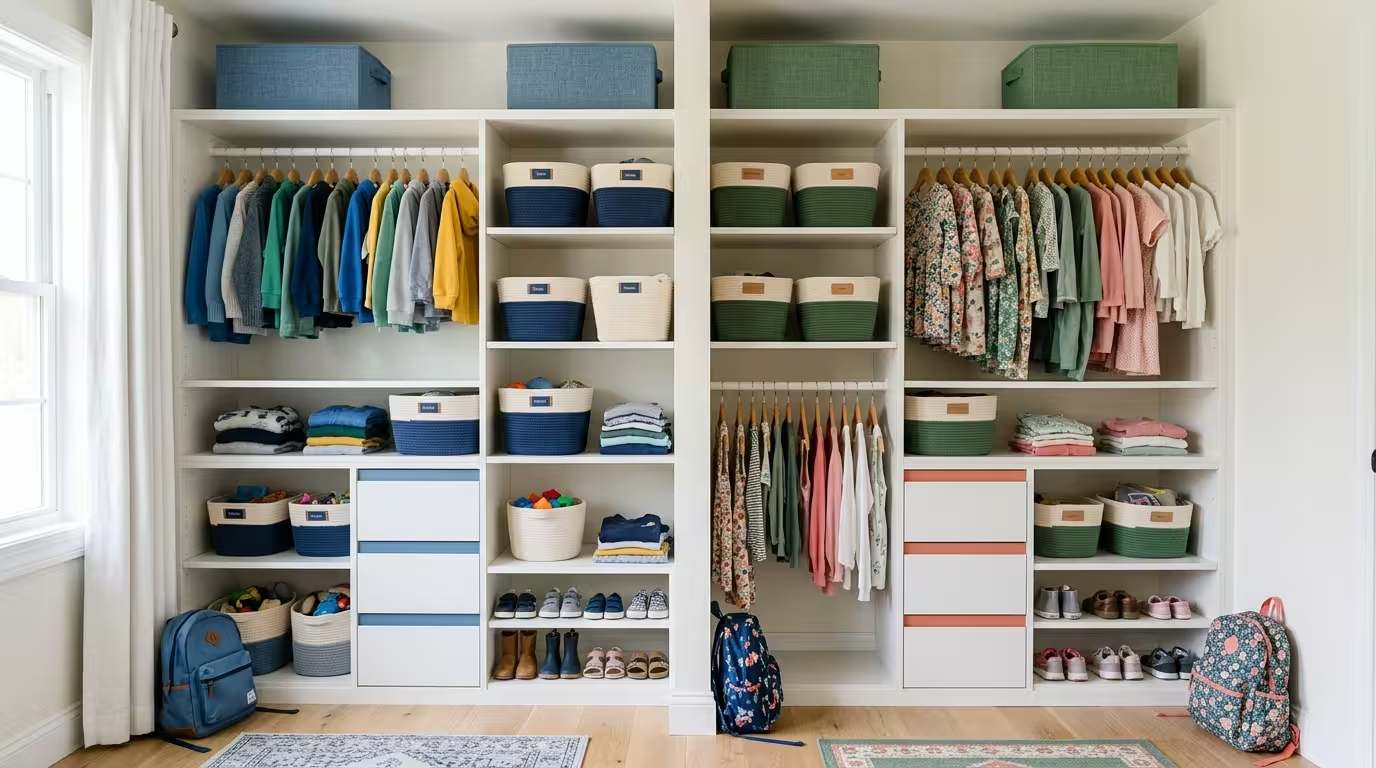
Shared closets fall apart when children share shelves but not responsibility. The strongest shared-closet example I reviewed gave each child a defined shelf, drawer, and basket area, with the lowest storage assigned by age and reach. That model works because it removes the daily question of what belongs to whom. In a shared setup, the best system is usually symmetrical: one child, one lane.
If siblings share a closet, divide by person first and by category second. Each child should have their own clothing zone, sock zone, sleepwear zone, and shoe space. The top half can stay adult-managed for bulk items, extra bedding, hand-me-downs, or supplies. A small stool may help older preschoolers and early elementary kids reach higher drawers safely, but the most-used pieces should still stay low whenever possible.
This is also the moment to be realistic about where certain items belong. One of the smarter shared-closet ideas from the current results is moving some things completely out of the bedroom if they do not need to live there every day. Backpacks may work better at the entry. Heavy winter gear can move to storage off-season. The closet should hold what supports the current season and routine, not every item your child owns all year.
How to organize kid closet on a budget
You do not need a custom build to create order. Some of the strongest mainstream advice is surprisingly simple: use the existing rod, add a lower rod if possible, place baskets on the top shelf, use the floor for a hamper and shoes, and add hooks or door storage for smaller items. Even a standard closet can become far more functional with just a few low-cost changes.
Start with the cheapest wins first: remove what no longer belongs, reduce duplicate containers, add labels, and group items by zone. Then consider a few affordable upgrades such as shelf dividers, soft bins, matching hangers, or a tension rod for special clothing. Budget organization works best when you buy organizers only after the categories are clear. Otherwise, containers simply preserve clutter in a neater shape.
One quiet budget mistake is buying bins that do not fit the shelf depth. The shared-closet example from Lemon Thistle makes a useful point here: measure before you shop. A perfectly sized basket holds more, wastes less room, and is easier for a child to pull out and return. Cheap organizers become expensive when they have to be replaced because the sizing was wrong.
How to organize kid closet so it stays clean
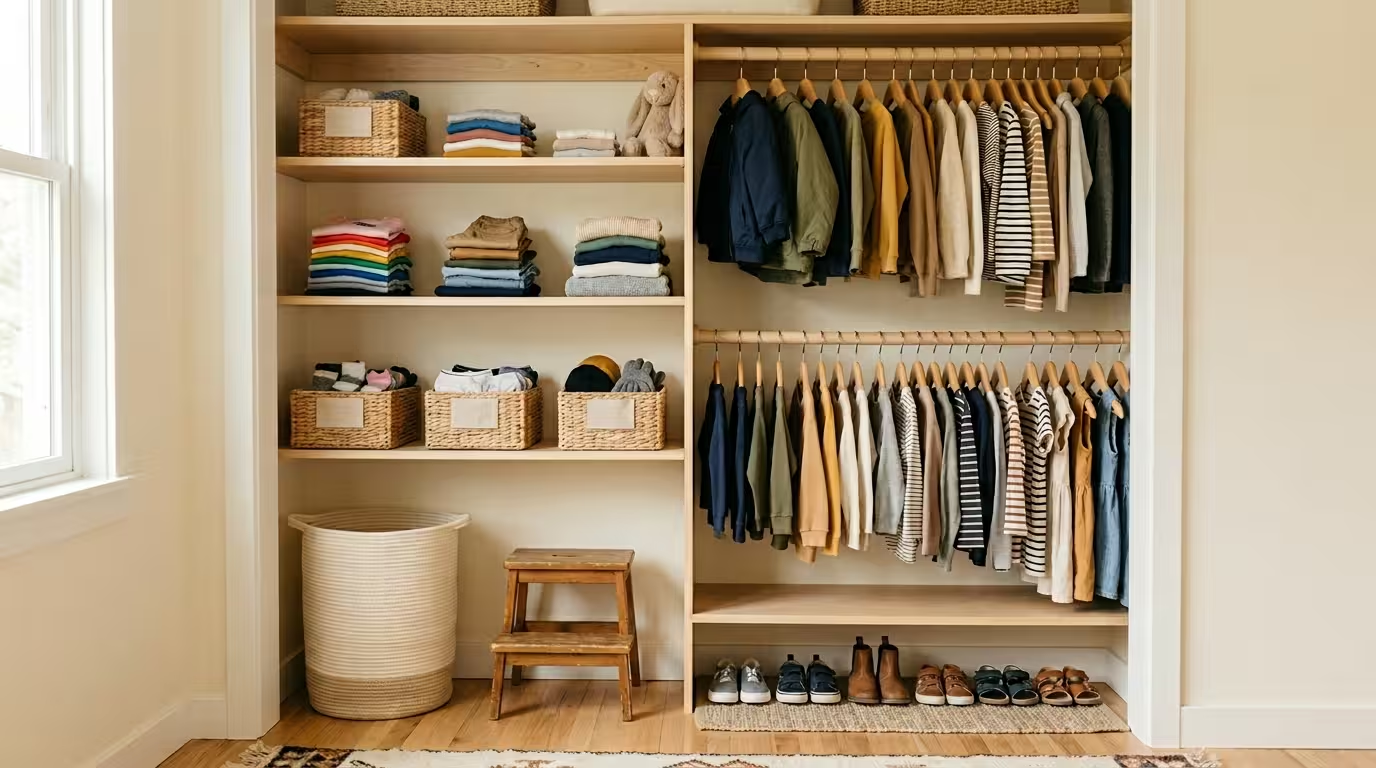
A tidy closet is rarely the result of one big overhaul. It usually comes from one weekly reset and one seasonal refresh. Inspired Closets explicitly recommends a quick weekly clean-up and a seasonal pass to remove what no longer fits or gets used. That rhythm is far more sustainable than waiting until the closet becomes overwhelming.
The weekly reset can be very short. Rehang what belongs on rods. Return shoes to the shoe zone. Refill sock and underwear bins after laundry. Move stray items out. Put one outfit together for the next day. Done consistently, this stops minor disorder from becoming a full closet collapse. If your child is old enough, make this part of a regular weekend routine rather than an occasional punishment.
The seasonal refresh is where real progress happens. Pull out what no longer fits, what was never worn, and what your child has clearly outgrown in interest or size. Store sentimental pieces separately from active clothing so the everyday closet does not carry emotional clutter. The goal is not to keep less for the sake of it. The goal is to keep the active space useful.
Safety details many families miss
A child’s closet should be efficient, but it should also be safe. The U.S. Consumer Product Safety Commission says its Anchor It! campaign exists to prevent furniture and TV tip-overs from killing and seriously injuring children. If your closet setup includes a dresser, freestanding organizer, or shelving unit, anchor it properly according to the product instructions. This matters even more in children’s rooms, where climbing is common.
Keep heavy items high only if they are secure and not likely to fall when pulled. Avoid placing climbing temptations near unstable furniture. If you use a stool, choose one with a stable base and use it only where the surrounding storage is secure. In short, a closet should be easy to use, but never so accessible that it becomes a hazard.
Conclusion:
Once you learn how to organize kid closet, the goal is not perfection. It is repeatability. A closet that stays manageable usually has the same core traits: fewer items in active rotation, clear zones, low-access daily essentials, high-access parent storage, and a quick reset built into family life. If you design the space around how your child actually dresses, changes clothes, and puts things away, the closet stops being a daily cleanup project and starts working for you.