Best Small Bathroom Ideas to Maximize Space, Style, and Function
A small bathroom can feel like a design challenge — but it doesn’t have to stay that way. Across the United States, millions of homes have bathrooms under 50 square feet, yet some of the most stunning, functional, and inviting spaces fall into that category. The secret? Smart design choices that work with the space rather than against it.
Whether you are working with a 5×8-foot layout or something even more compact, the best small bathroom ideas are not about shrinking your ambitions — they are about sharpening your approach. From light and color strategy to fixture placement and storage, every decision counts. This guide pulls together tried-and-tested techniques used by professional designers, real homeowners, and renovation experts to help you create a bathroom that feels far larger than its footprint.
1. Start With the Right Color Palette
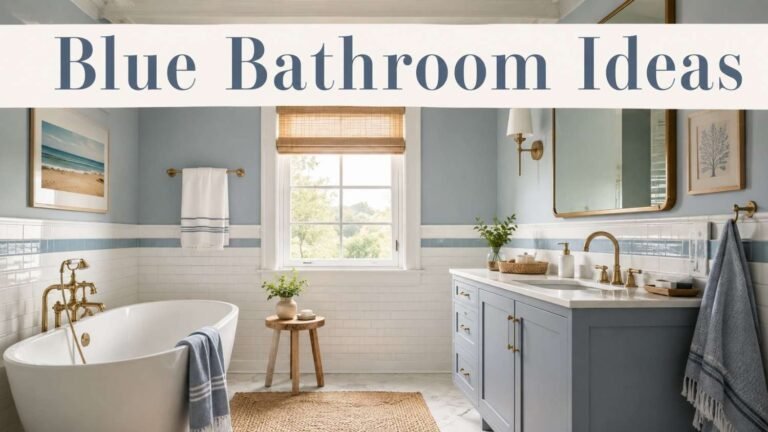
Color is one of the most powerful tools in any small space. Light, neutral tones — think soft whites, warm creams, pale grays, and muted blues — reflect natural and artificial light, which visually opens up a room. Benjamin Moore’s Chantilly Lace and Sherwin-Williams’ Alabaster are among the most recommended shades for compact bathrooms in the United States.
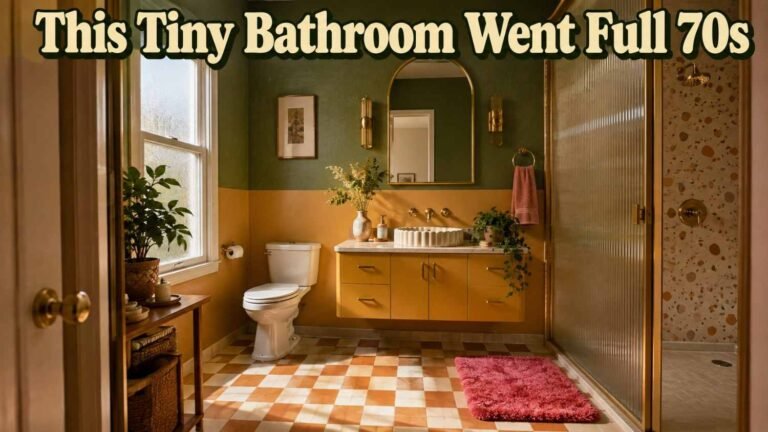
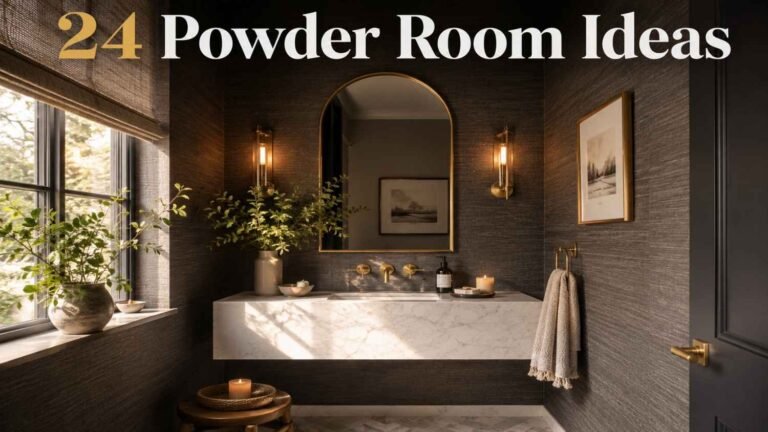
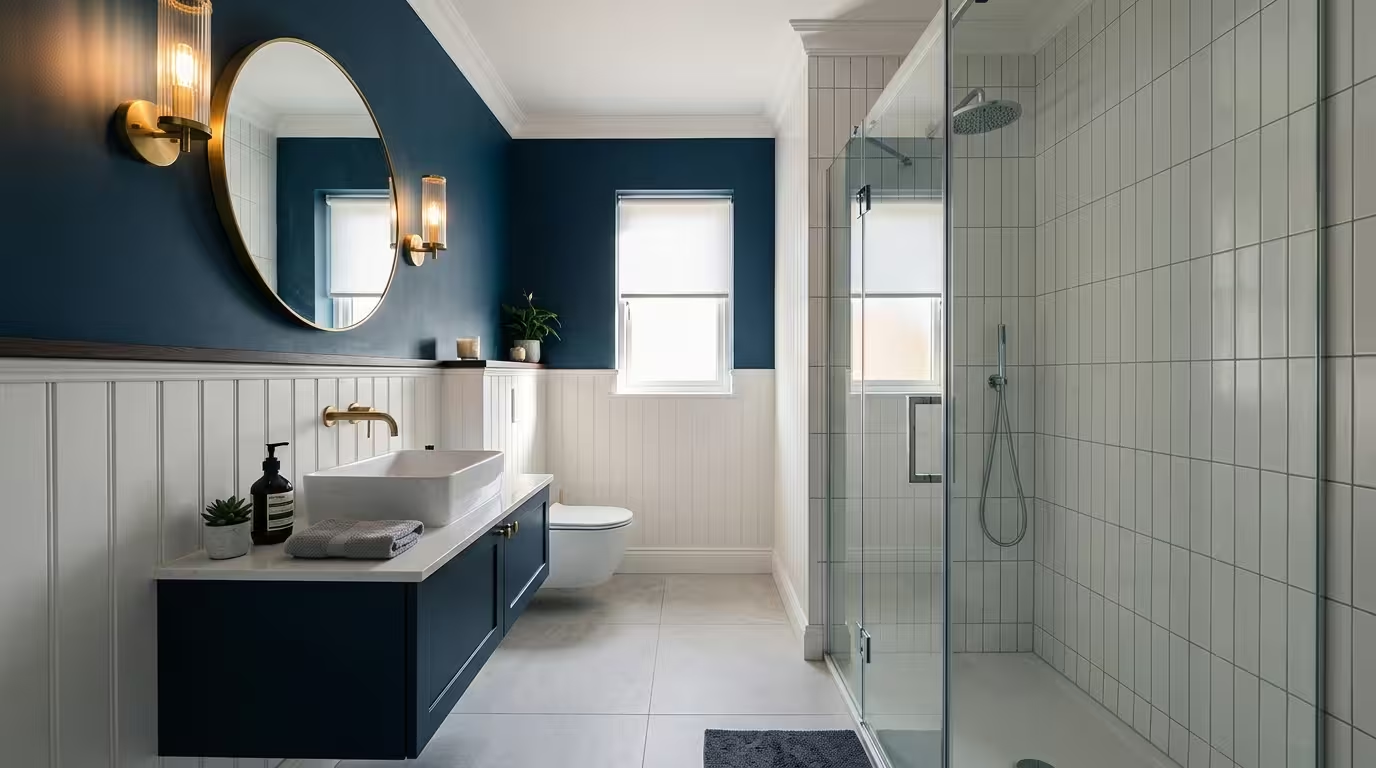
That said, going bold is not off-limits. A deep navy, forest green, or even charcoal applied to a single accent wall — particularly behind the vanity — can create depth without making the space feel cramped. The key is contrast and intention. Pair a dark accent with bright white fixtures and light flooring to keep the visual balance in check.
Monochromatic color schemes are particularly effective. When walls, trim, tiles, and even cabinetry share a similar tone family, the eye does not register where one surface ends and another begins. This seamless flow makes the bathroom appear significantly more spacious.
2. Use Large-Format Tiles Strategically
It might seem counterintuitive, but larger tiles often work better in small bathrooms than small mosaic tiles. Small tiles create more grout lines, which chop up the visual field and make the floor look busy. A large-format tile — such as a 24×24-inch or 12×24-inch slab — produces fewer seams and a cleaner, more expansive look.
Extending the same tile from the floor up the walls (also called a continuous or “wet room” approach) is one of the best small bathroom ideas currently trending in American home design. It eliminates the visual break between surfaces, lending the room an uninterrupted, cohesive look that reads as larger.
For shower enclosures specifically, large-format marble-look porcelain tiles are both practical and luxurious. They are water-resistant, easy to clean, and mimic the look of high-end natural stone without the price tag or maintenance demands.
3. Choose the Right Vanity for a Compact Bathroom
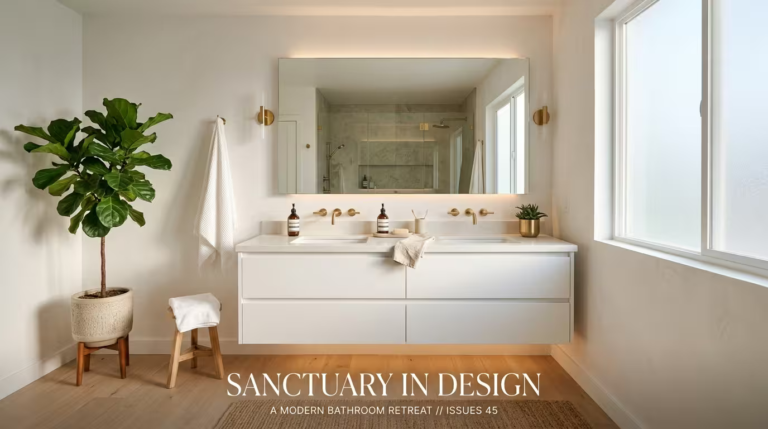
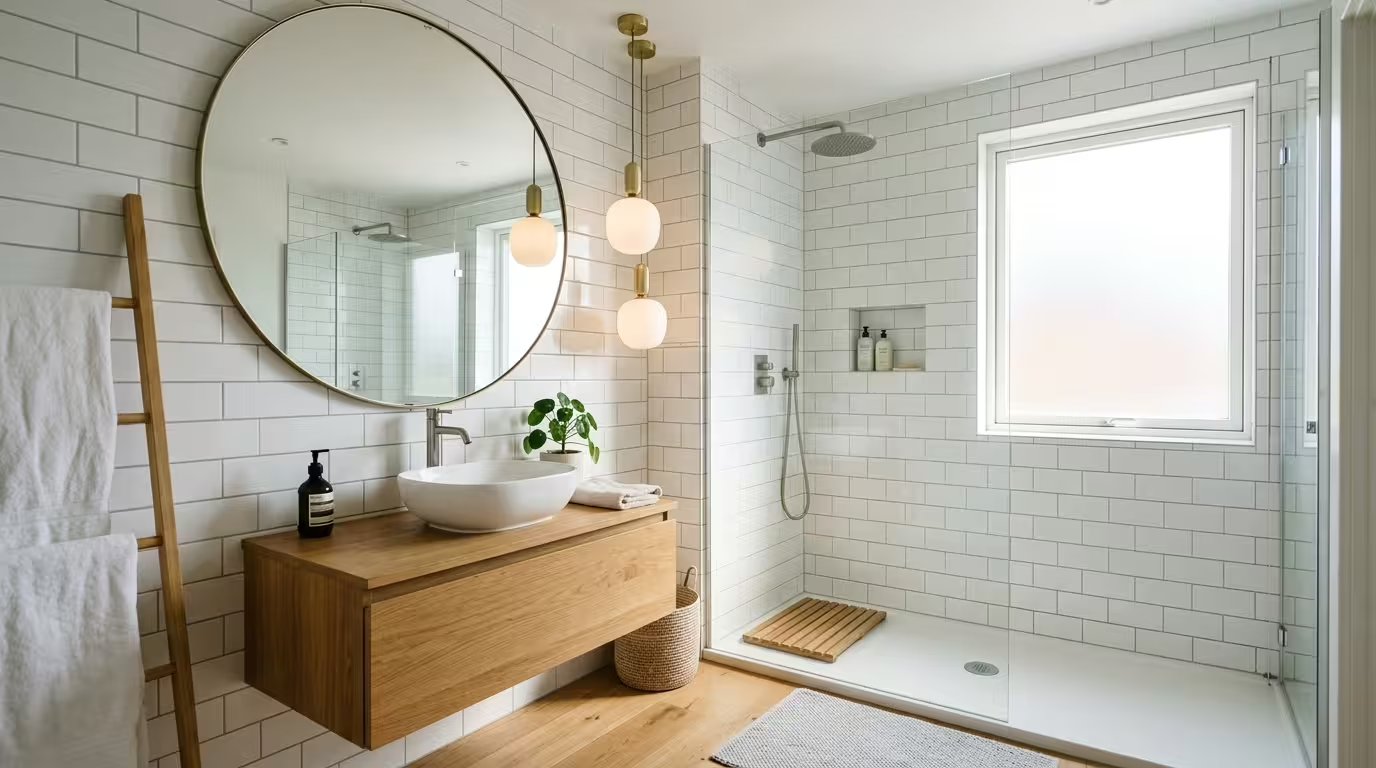
The vanity is often the largest piece of furniture in a small bathroom, which means it can either help or hinder your layout. Floating vanities — those mounted to the wall with open space beneath — are one of the smartest choices you can make. Exposing the floor beneath creates a visual lift, making the room feel taller and less congested.
Pedestal sinks remain a classic for tight spaces. They eliminate bulky cabinet bases, giving the eye open floor space on all sides. However, they sacrifice storage, so they work best when paired with another storage solution, such as a recessed medicine cabinet or a slim shelving unit.
For those who need drawer storage, a narrow vanity between 18 and 24 inches deep is the sweet spot. Brands like IKEA (GODMORGON series), Kohler, and American Standard offer well-reviewed compact vanity options that balance storage with a smaller footprint.
4. Install a Walk-In or Frameless Glass Shower
Swapping a tub-shower combo for a dedicated walk-in shower is one of the most transformative of all the best small bathroom ideas — especially for bathrooms used primarily by adults. Removing the tub eliminates the bulky surround and heavy shower curtain, replacing them with an open, airy enclosure.
Frameless glass shower doors are particularly effective. Unlike framed enclosures, frameless panels eliminate the thick metal border that interrupts the sightline. The result is a shower that visually blends into the rest of the room rather than dominating it.
Curbless or zero-threshold showers take this concept one step further. By eliminating the step-up curb, the floor plane continues uninterrupted into the shower, making the entire room feel like one cohesive space. This is also a highly practical upgrade for aging-in-place design — a consideration that more than 75% of Americans over 45 say they factor into home renovation decisions, according to AARP housing research.
5. Maximize Vertical Space With Smart Storage
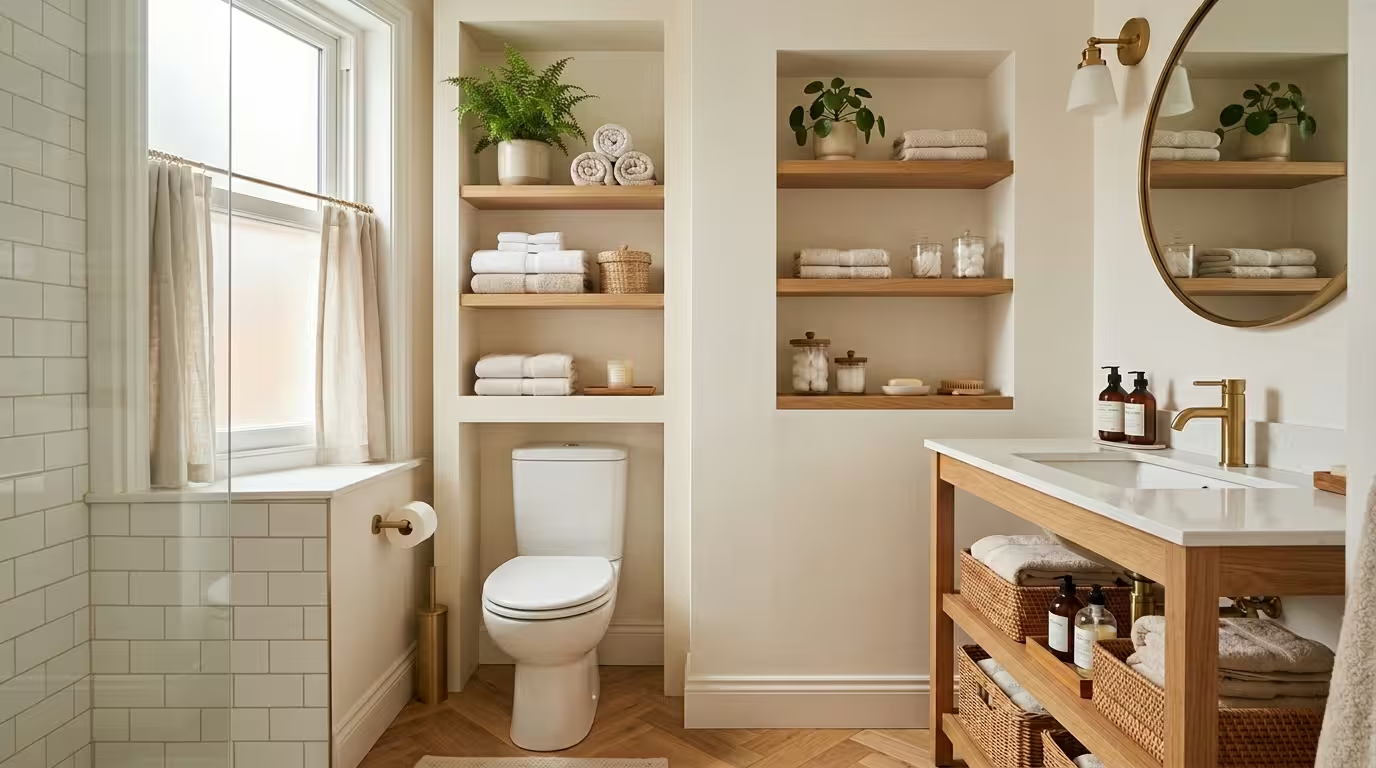
When floor space is limited, the walls become your best ally. Going vertical is one of the most underutilized strategies in compact bathroom design. Open shelving installed above the toilet, recessed niches built into shower walls, and tall linen cabinets that reach toward the ceiling all put otherwise wasted vertical space to work.
Recessed medicine cabinets deserve special mention here. Mounted flush with the wall, they provide significant storage for toiletries and medications without protruding into the room. Modern versions come with built-in lighting, outlet strips, and mirrored faces that serve double duty as a bathroom mirror.
Over-the-toilet shelving units — sometimes called “etageres” — are a renter-friendly, no-drill option for adding vertical storage. Look for slim-profile versions in matte black, brass, or brushed nickel to keep the aesthetic consistent with your fixtures. Keeping toiletries organized and off countertops is one of the simplest ways to make a small bathroom’s layout look polished and intentional.
6. Upgrade Your Lighting for a Spacious Feel
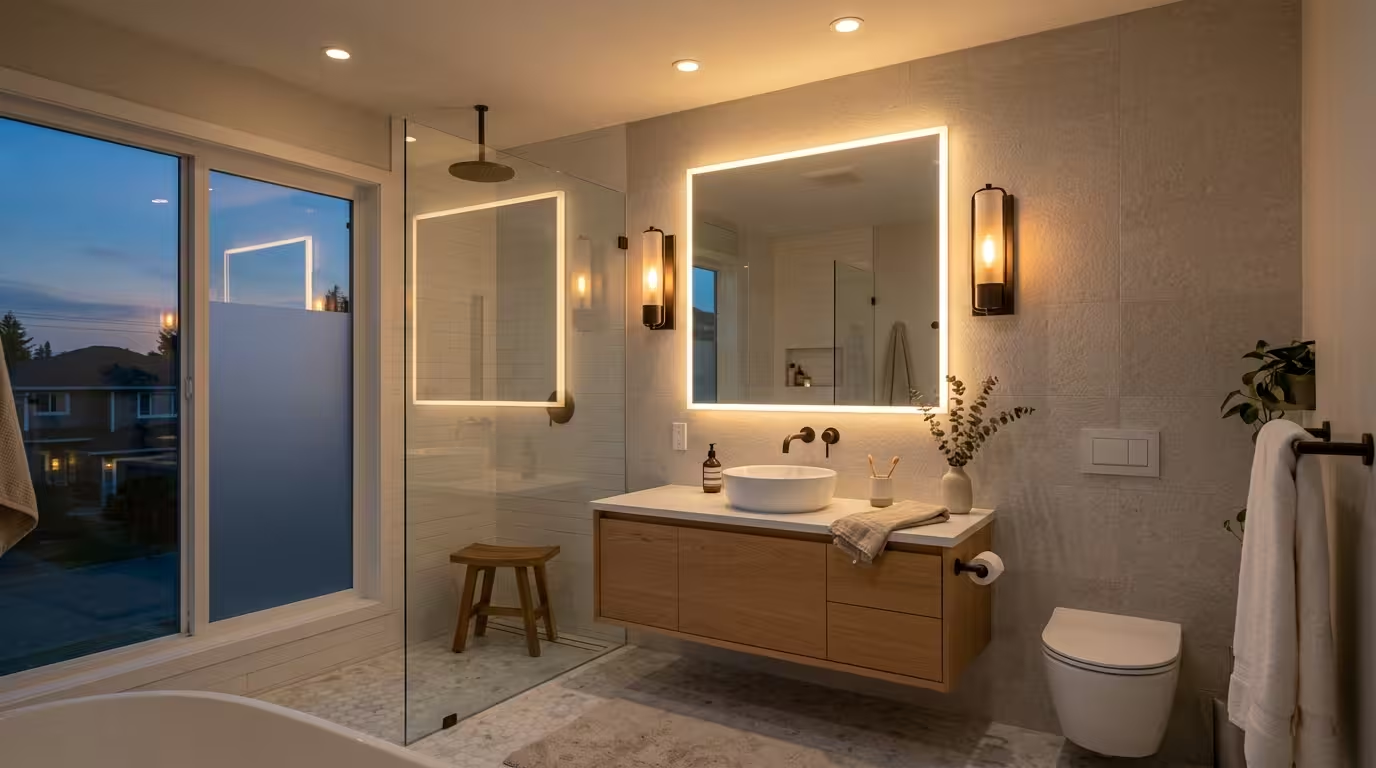
Poor lighting makes every room feel smaller, and bathrooms are no exception. A single overhead light fixture — particularly a recessed or flush-mount ceiling light — casts flat, unflattering shadows that compress the room. Layered lighting, on the other hand, creates dimension and depth.
The most effective lighting setup for a compact bathroom includes:
- Ambient lighting from a ceiling fixture for overall illumination
- Task lighting on either side of the mirror (not above it) to eliminate facial shadows
- Accent lighting, such as LED strip lights under the vanity or inside open shelving for depth
Sconce lighting flanking the mirror is a technique borrowed directly from hotel and spa design. It produces even, flattering light and naturally draws the eye upward, which heightens the perceived ceiling height. Warm-white LEDs in the 2700K–3000K range are widely recommended by interior designers for bathrooms because they render colors accurately without the harsh blue cast of cooler bulbs.
7. Use Mirrors Strategically to Double the Space
No single element does more for a small bathroom than a well-placed mirror. Mirrors reflect light and create the illusion of depth — effectively doubling the visual size of the space they face. This is why the best small bathroom ideas almost always include an oversized mirror as a central design feature.
Rather than choosing a mirror that matches the width of your vanity, consider going wider — extending it almost to the full width of the wall. Alternatively, a floor-to-ceiling mirror panel on a narrow wall can be genuinely dramatic, making the room feel twice as deep.
Backlit mirrors (also called LED mirrors) are a two-in-one solution that combines the spatial illusion of a large mirror with built-in task lighting. They have become one of the most popular bathroom upgrades in the United States since 2020, with search interest and retail sales growing consistently year over year.
Avoid frames that are too thick or ornate — a frameless or thin-framed mirror keeps the look clean and lets the reflection do the work.
8. Rethink Your Door to Gain Square Footage
Standard hinged doors require a swing clearance of approximately 12 to 14 square feet of floor space — a significant sacrifice in a small bathroom. Switching to a sliding barn door, pocket door, or even a pivot door can reclaim that space entirely.
Pocket doors are the gold standard for compact bathrooms. They slide completely into the wall cavity, leaving the full floor plan open and unobstructed. They do require a framing modification during installation, which makes them best suited for renovation projects rather than simple cosmetic updates.
Barn doors are a more accessible alternative. While they slide along the outside of the wall rather than inside it, they eliminate the inward swing that eats into bathroom floor space. A frosted glass barn door also allows light to pass through while maintaining privacy — a thoughtful detail that further brightens a compact bathroom.
9. Add Texture to Create Visual Interest
In a small bathroom, the design has to work harder in less space. Texture is one of the most effective tools for doing so. Rather than relying on multiple colors or patterns, layering different textures keeps the space visually engaging without making it feel cluttered.
Consider combining matte wall tiles with a glossy accent strip, a natural wood vanity face with polished chrome fixtures, or a woven basket with ceramic accessories. This interplay of matte and shine, rough and smooth, natural and refined, gives the eye something interesting to travel across — and that sense of intentional detail is what separates a good small bathroom design from a truly great one.
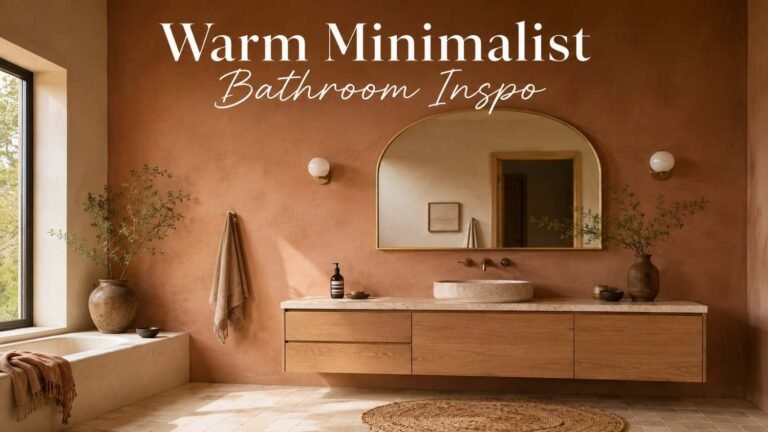
Limewash paint, plaster-effect wall treatments, and fluted tile panels are all among the best small bathroom ideas gaining popularity in 2025, particularly in the coastal and farmhouse-adjacent aesthetics popular across the American South and Pacific Northwest.
10. Plan Your Layout Around the Plumbing
No matter how inspired your design vision is, the plumbing layout sets the practical foundation of any small bathroom renovation. Moving drain and supply lines is possible, but it significantly increases project cost — often by $500 to $2,000 or more, depending on your region and the complexity of the move.
Working with the existing plumbing footprint while optimizing fixture placement is almost always the smarter choice for small bathroom updates on a budget. In a standard 5×8-foot bathroom, the toilet is typically best positioned along the far wall opposite the door, the vanity along the side wall, and the shower or tub along the remaining wall. This triangle layout keeps traffic flow intuitive and prevents the room from feeling back-to-front.
If a layout change is unavoidable, a licensed plumber should assess the subfloor access and drain slope requirements before any demo begins. Planning this early prevents costly surprises mid-project.
11. Incorporate Natural Elements for a Spa-Like Feel
One of the most requested outcomes in a small bathroom renovation is a spa-like atmosphere. The good news is that achieving it does not require a large footprint — it requires the right materials and sensory details.
Teak or bamboo accessories (such as bath mats, shelving, and stool seats) bring warmth and a connection to nature that instantly elevates the feel of a compact space. Plants — particularly moisture-tolerant varieties like pothos, ferns, and snake plants — add life and a calming organic quality. A small potted plant on the back of the toilet tank or a hanging planter near the window costs very little but contributes significantly to ambiance.
Natural stone soap dishes, linen hand towels in neutral tones, and unscented beeswax candles round out the sensory experience. These additions align with the biophilic design philosophy — the growing movement that integrates natural elements into interior spaces to promote well-being — which has been consistently cited in residential design research as improving user satisfaction in small spaces.
12. Invest in Quality Over Quantity
One of the most common mistakes in small bathroom makeovers is over-filling the space in an attempt to solve every problem at once. A compact bathroom with five average fixtures and accessories will always feel more crowded than the same bathroom with two or three well-chosen, high-quality pieces.
The best small bathroom ideas share a common philosophy: edit ruthlessly. Choose a statement mirror over a cluttered gallery wall. Choose one beautiful hardware finish and repeat it throughout. Choose storage that hides clutter rather than storage that adds to it.
This principle of intentional restraint is what professional designers refer to as “negative space” — the deliberate use of empty visual areas to let key design elements breathe. In a compact bathroom, negative space is not wasted space. It is the difference between a room that feels tight and one that feels curated.
Conclusion: Small Spaces, Thoughtful Choices
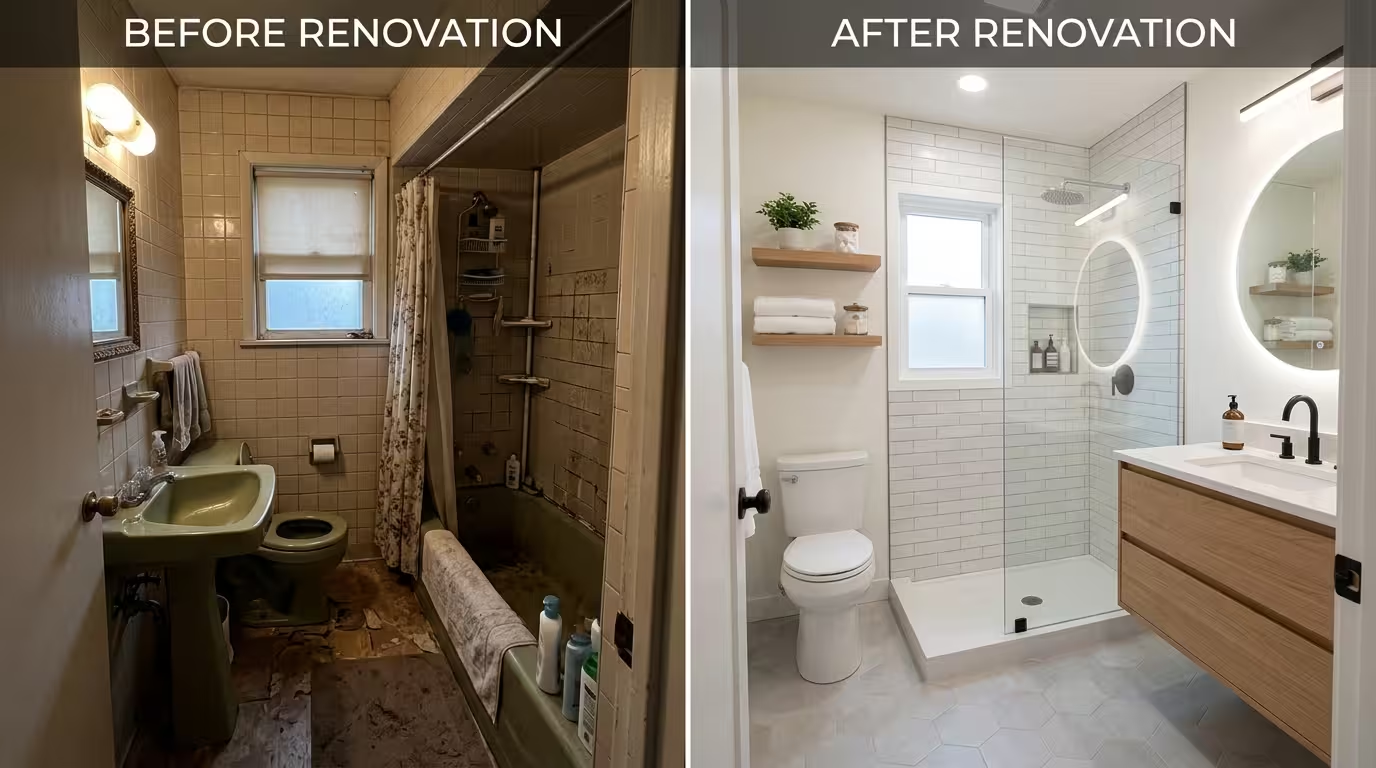
The best small bathroom ideas are not magic tricks — they are a collection of smart, evidence-backed design decisions that respect the constraints of the space while refusing to be limited by them. From choosing large-format tiles and floating vanities to layering light and eliminating door swing, every choice compounds on the last to create a room that looks, feels, and functions beautifully.
Whether you are planning a full renovation or simply refreshing the details, the principles in this guide apply at every budget level. Start with the changes that offer the most visual impact for the least investment — paint, mirrors, and lighting — and build from there. With the right approach, even the most modest bathroom can become one of the most impressive rooms in your home.