Best Small Patio Design Ideas to Maximize Every Inch
A small patio can feel like a design problem at first. There is not much room for oversized seating, deep planters, a large dining table, or every outdoor feature you see in spacious backyards. But limited square footage can also be an advantage. It forces every piece to earn its place. A compact patio can become a quiet coffee corner, a two-person dining spot, a container garden, a reading nook, or a small outdoor living room with the right plan.
The best small patio design ideas are not about filling the area with trendy pieces. They are about creating comfort, movement, shade, privacy, and personality without clutter. Whether your patio is attached to a townhouse, apartment, condo, small backyard, or side yard, the same rule applies: start with the way you want to use the space, then choose furniture, plants, lighting, and finishes around that purpose.
Start With a Clear Patio Purpose
Before buying furniture or planters, decide what your patio needs to do most often. A small patio cannot perform well if it tries to be a full dining room, lounge, garden, kitchen, and entertainment space at the same time. Choose one primary function and one secondary function. This keeps the layout practical instead of crowded.
For example, a patio used for morning coffee only needs two comfortable chairs, a small table, shade, and a few plants. A dining-focused patio needs a compact table, flexible seating, lighting, and a clear path from the kitchen. A plant-lover’s patio may need vertical shelves, containers with drainage, a watering routine, and durable flooring that handles soil and moisture.
The best small patio design ideas begin with honest limits. Measure the area, mark door swings, note sun exposure, and check where water drains after rain. These details matter more than style at the beginning. A beautiful patio that blocks a door, overheats in July, or traps water near the house will become annoying fast.
Measure First, Then Choose the Layout
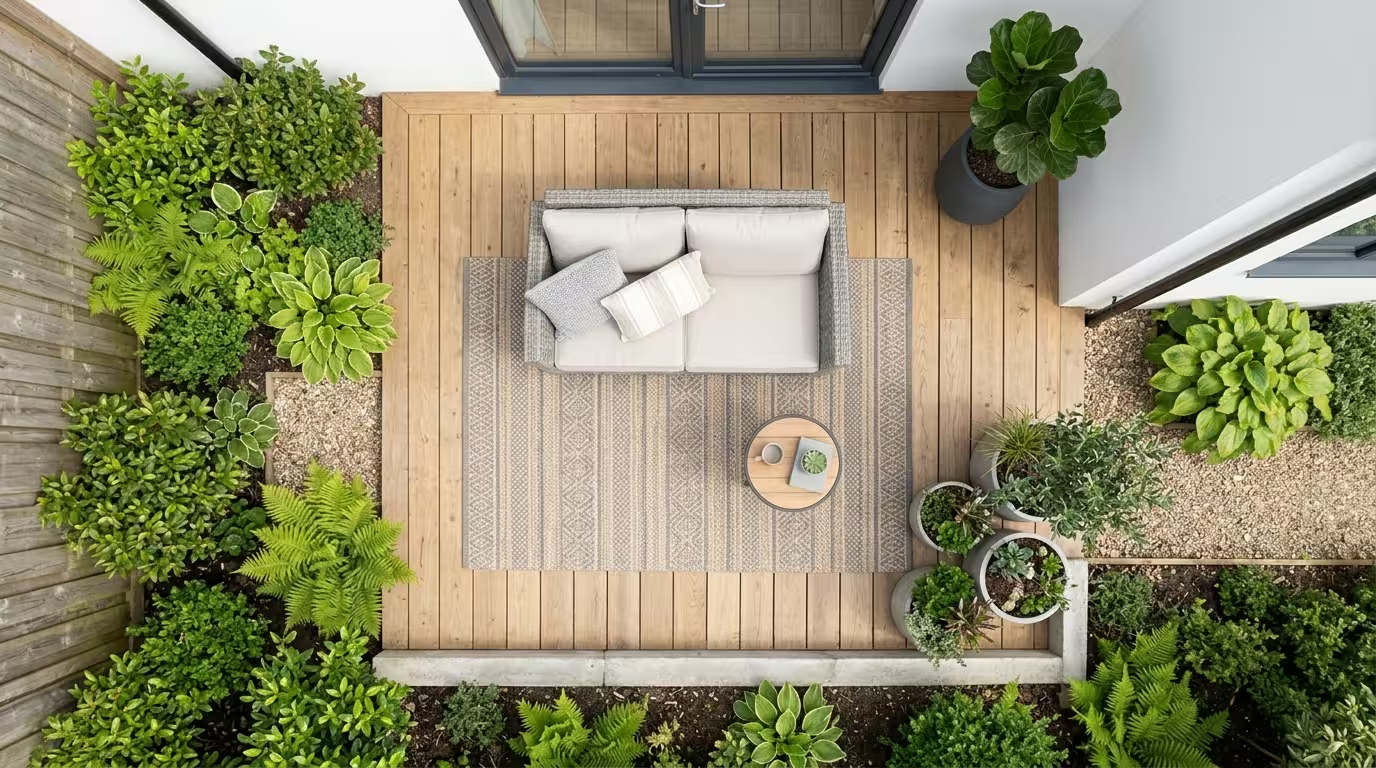
Small patios punish guesswork. Measure the total width and depth, then sketch a simple layout before ordering anything. Leave enough walking space around furniture so the patio does not feel like an obstacle course. Even a narrow clearance can make the difference between a patio that feels intentional and one that feels jammed.
A useful layout rule is to keep the heaviest furniture against the wall, fence, railing, or longest edge. This opens the center and makes the patio feel larger. If the patio is square, use a round bistro table or a compact sectional tucked into one corner. If it is long and narrow, place a bench along one side and use small movable tables instead of a bulky coffee table.
Among the best small patio design ideas, this one is the least glamorous but the most important: scale wins. Choose fewer pieces with better proportions. Slim legs, open-frame chairs, armless seating, folding furniture, and nesting tables help keep sightlines clear.
Use Small-Scale Furniture That Still Feels Comfortable
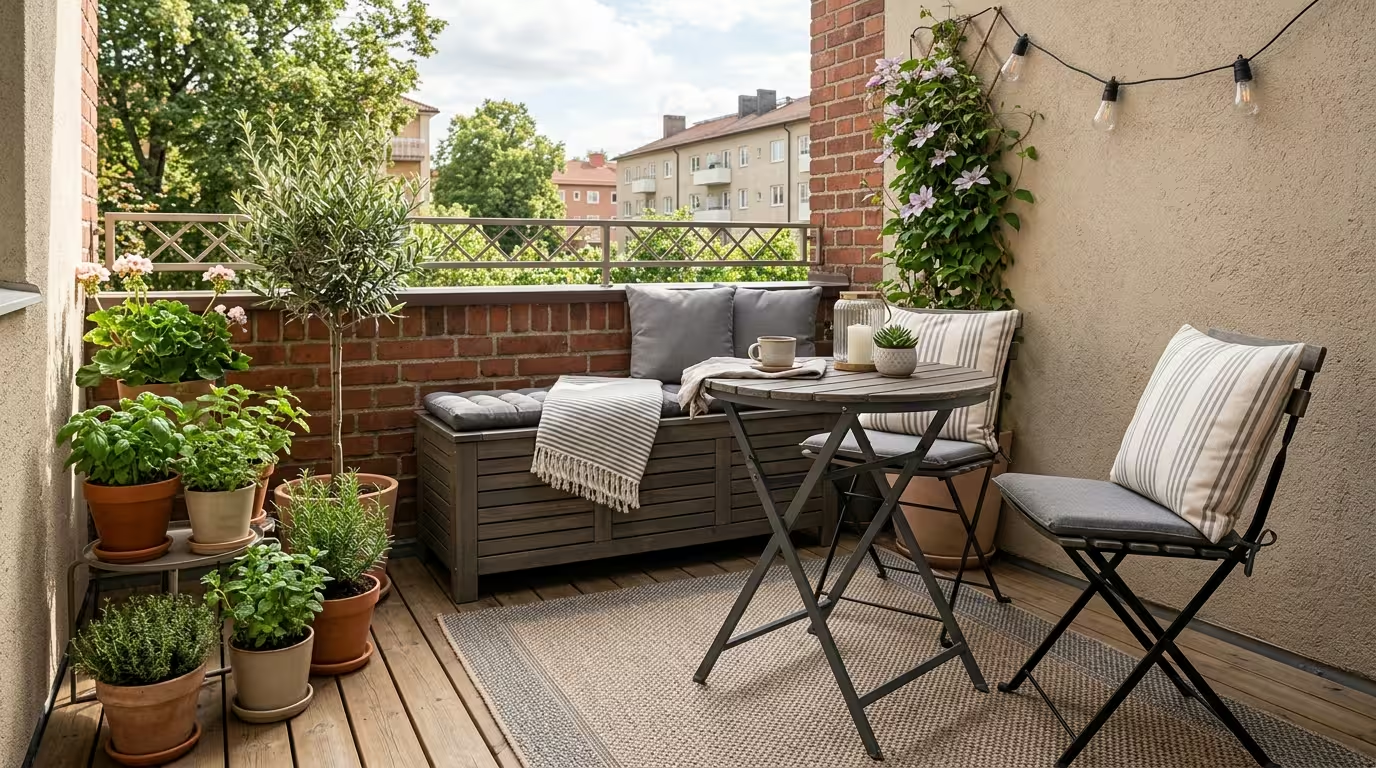
Tiny furniture is not always the answer. A patio filled with undersized, uncomfortable pieces can look cheap and feel awkward. The better approach is small-scale furniture with real comfort. Look for chairs with supportive backs, weather-resistant cushions, and frames that do not overpower the floor area.
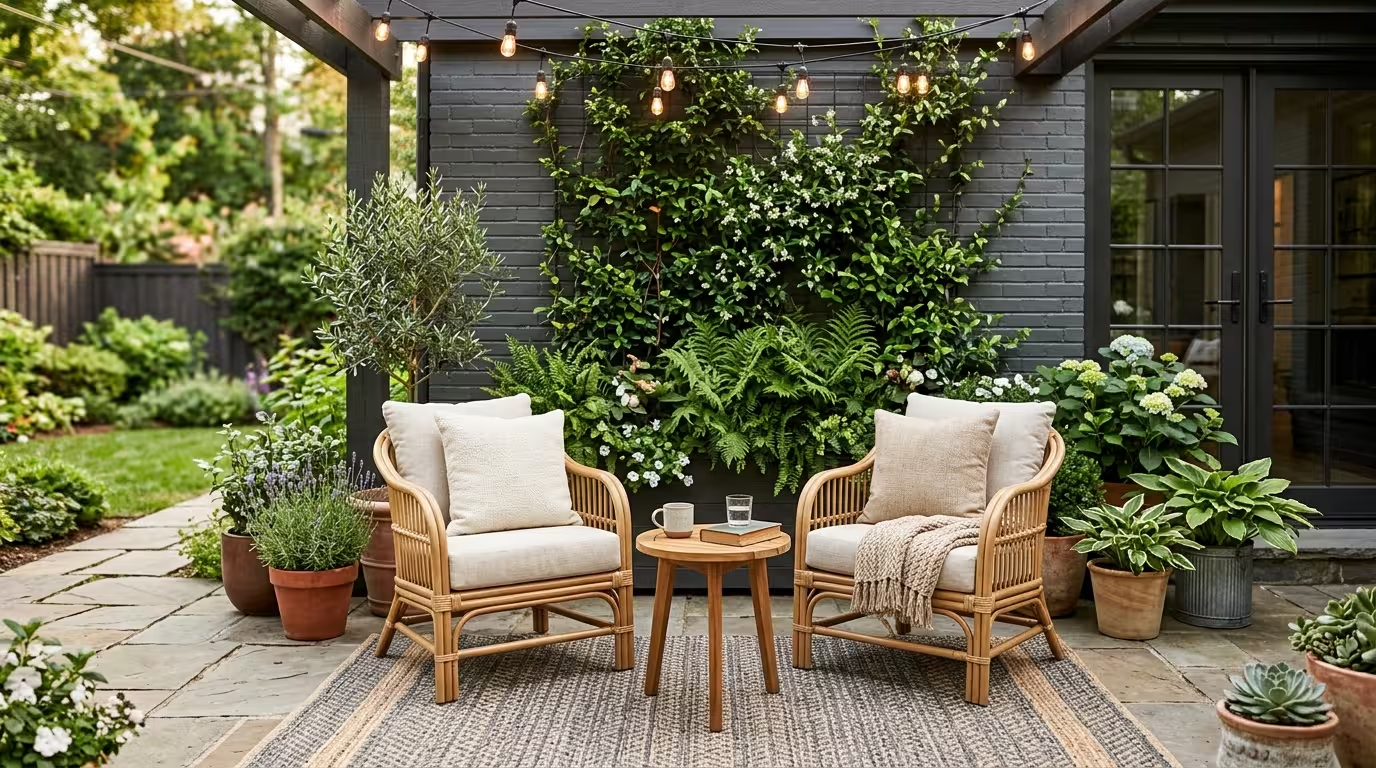
A two-chair conversation set works well for patios under heavy space pressure. A loveseat can be better than two separate armchairs if it saves floor area and creates a cleaner line. For dining, round tables are easier to move around than square tables in tight corners. Drop-leaf, folding, and wall-mounted tables are strong options for renters and apartment patios.
The best small patio design ideas often use furniture that can change roles. A storage bench can hold cushions and serve as seating. A garden stool can be a side table, plant stand, or extra seat. A nesting table can expand when guests arrive and tuck away when the patio is quiet.
Create Zones Without Building Walls
Even a small patio can have zones if you define them lightly. You do not need physical walls or large dividers. A rug can mark the seating area. A row of planters can soften the edge. A bench can separate a dining corner from a container garden. Lighting can make one side feel like a lounge and the other like a path.
Zoning works especially well in rectangular patios. Place seating at one end, plants along the long side, and a small serving surface near the door. This creates movement and makes the patio feel more layered. If the patio is very small, use visual zoning only: one rug, one color palette, one vertical plant display, and one clear focal point.
The best small patio design ideas make the space feel planned without making it feel divided. Avoid too many competing zones. A tiny patio with a dining area, fire pit, plant area, and storage area can feel busy. Two clear zones are usually enough.
Go Vertical With Plants and Storage
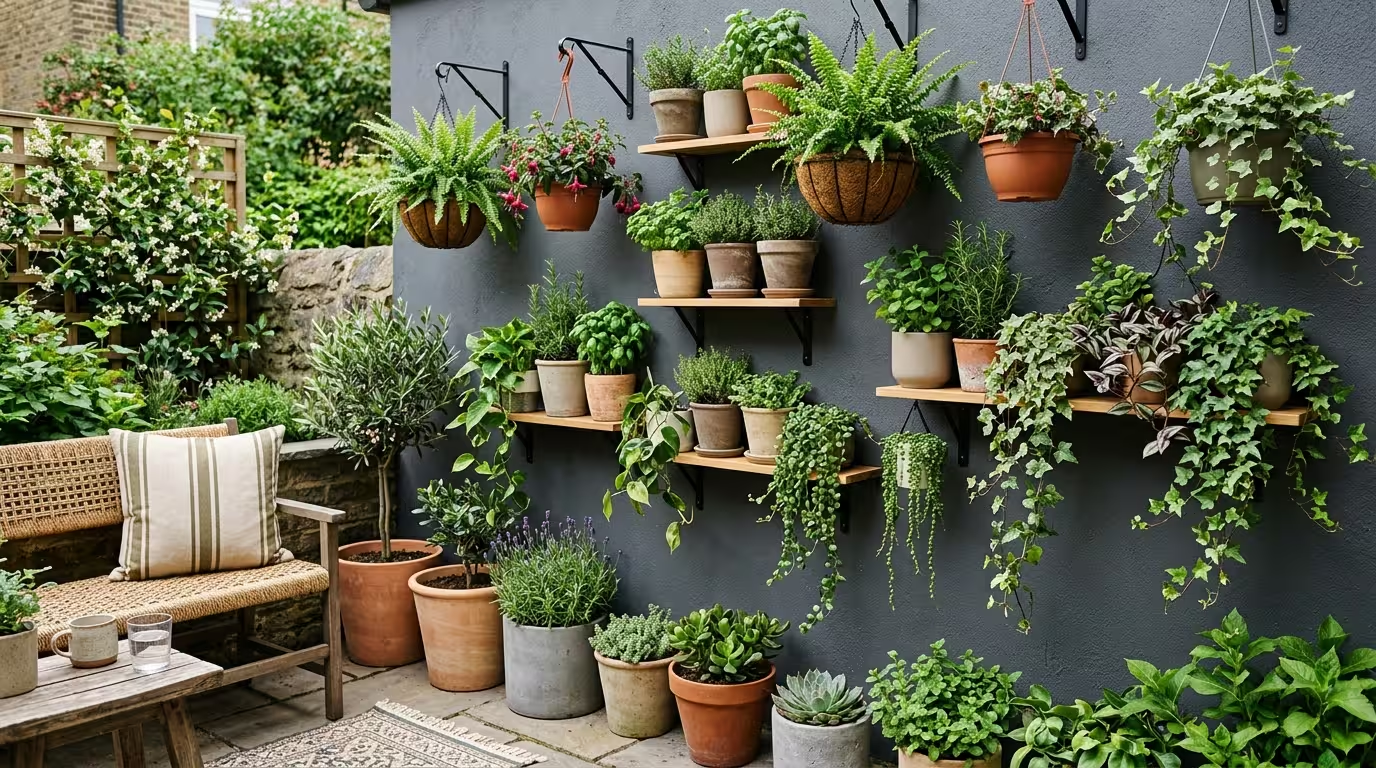
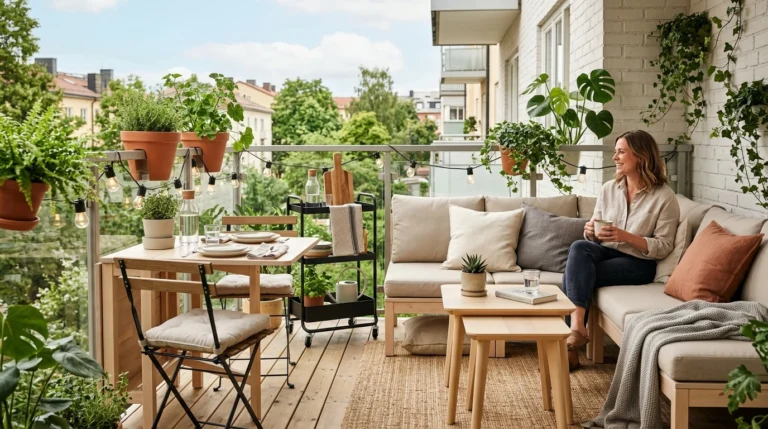
When floor space is limited, walls and railings become valuable. Vertical planters, wall-mounted shelves, trellises, hanging baskets, and slim plant stands add life without stealing walking room. This is especially useful for apartment patios and narrow side patios where every inch of floor matters.
For plant health, containers need proper drainage. NC State Extension notes that drainage holes are necessary because roots can rot when they sit in water. For paved patios, side drainage holes placed slightly above the bottom can help prevent water from pooling directly under the pot.
The best small patio design ideas use vertical space for both beauty and function. A trellis can support jasmine, clematis, or climbing roses. A wall shelf can hold herbs near the kitchen door. A narrow storage cabinet can hide gardening gloves, lanterns, citronella candles, and small tools.
Choose Plants for Your Climate, Not Just the Photo
A plant that looks perfect in an inspirational photo may fail in your climate. The USDA Plant Hardiness Zone Map, updated in 2023, helps gardeners choose perennial plants based on average annual extreme minimum winter temperatures. It uses 10-degree Fahrenheit zones and 5-degree half zones.
For sunny patios, consider lavender, rosemary, ornamental grasses, sedum, and dwarf citrus in warm zones, or heat-tolerant annuals. For shaded patios, ferns, hostas, caladiums, begonias, and impatiens may work better. For windy balconies, choose heavier pots and compact plants that do not snap easily. In dry regions, drought-tolerant plants reduce stress and maintenance.
Container plants also dry out faster than plants in the ground. Illinois Extension advises watering containers thoroughly enough that water reaches the bottom, then allowing excess water to drain out. This keeps roots healthier and reduces disease problems from wet foliage.
Use Greenery to Make the Patio Feel Deeper
Greenery is one of the simplest ways to make a small patio feel more generous. Place taller plants at the back or edges, medium plants near seating, and small pots on tables or shelves. This creates depth and draws the eye outward instead of stopping at a blank wall or fence.
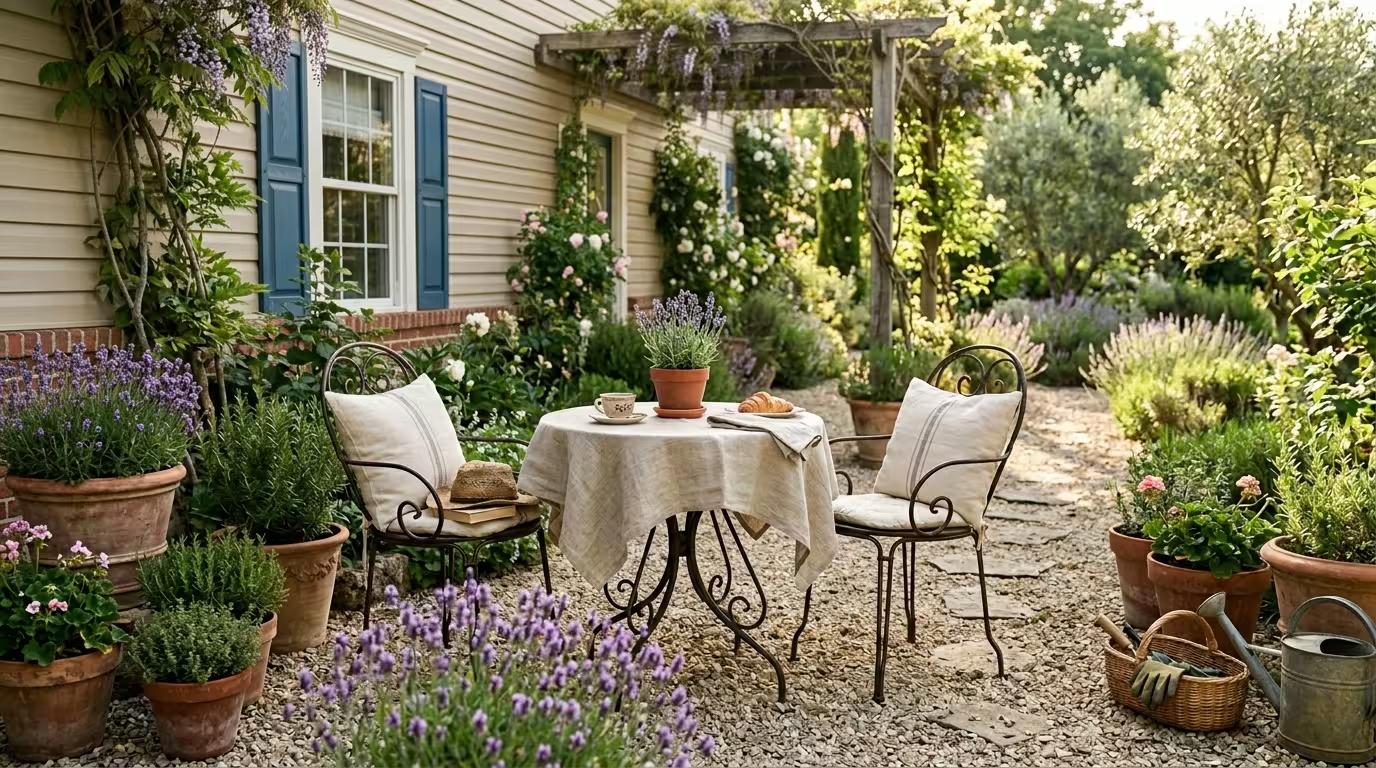
Layering matters. A single row of identical pots can look stiff. Mix upright plants, trailing plants, flowering plants, and textured foliage. Use a limited pot palette so the design does not become chaotic. Terracotta, black, concrete, or warm neutral planters are easy to repeat across a compact patio.
The best small patio design ideas borrow from garden design rather than only furniture styling. Plants soften hard paving, add movement, improve privacy, and make the patio feel less boxed in. In urban areas, trees, vegetation, and water features can also help cool outdoor spaces through shade and evapotranspiration, while hard surfaces tend to hold and re-emit heat.
For a warmer European-style outdoor look, see our guide to the Provencal Garden Furniture Trend-2026.
Add Shade Without Overcrowding the Space
Shade is not optional in many parts of the United States. A patio that looks beautiful but becomes unusable in summer is not well designed. The challenge is adding shade without making a small area feel heavy.
A half umbrella, wall-mounted umbrella, retractable awning, shade sail, pergola panel, or outdoor curtain can work depending on the patio structure. If you rent, use freestanding solutions that do not require drilling. If your patio receives harsh afternoon sun, choose light-colored fabric because it reflects more light and feels visually softer.
The best small patio design ideas also use natural shade when possible. A small ornamental tree in a large planter can cool a seating corner. Tall grasses or trellised vines can filter the sun without creating a solid wall. Just make sure plants do not block doors, vents, hose access, or drainage paths.
Pair these patio layouts with 7 new Ikea essentials for a multi use outdoor setup to make a compact space more flexible.
Build Privacy With Soft Barriers
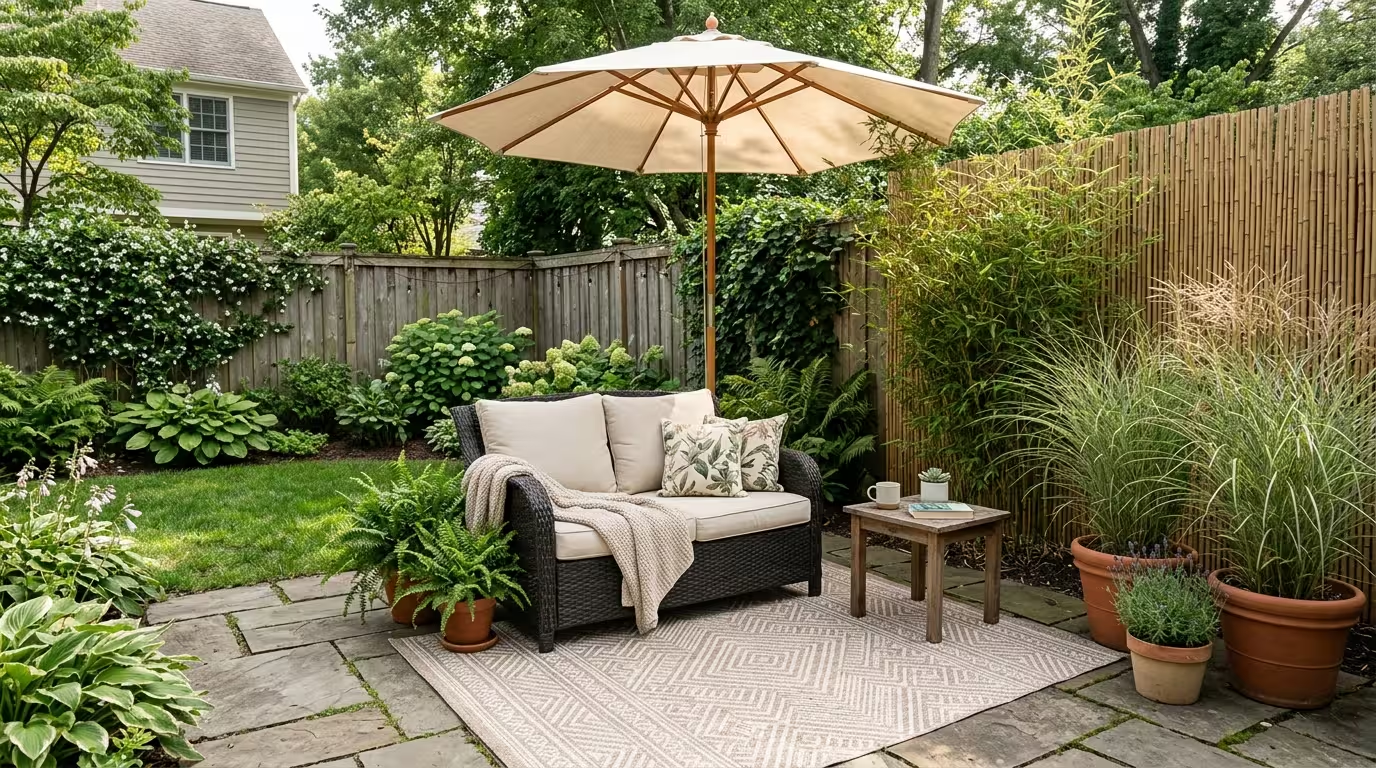
Privacy is often the missing piece in small patios. You may have a neighbor’s window nearby, a shared fence, an exposed apartment railing, or a walkway close to your seating. The solution should feel comfortable, not defensive.
Outdoor curtains are a good choice for covered patios. Bamboo screens, reed fencing, trellises, planter boxes with tall grasses, and narrow hedges can also work. For a more polished look, use repeating vertical elements instead of mismatched screens. A trellis with climbing greenery feels softer than a plain privacy panel.
The best small patio design ideas create privacy while keeping air movement. Avoid sealing the patio completely unless the space is very windy. Too much enclosure can trap heat, block light, and make the area feel smaller. Aim for filtered privacy rather than full isolation.
Choose Flooring That Makes the Patio Feel Finished
Flooring changes the entire mood of a patio. Even if you cannot replace the surface, you can improve it. Outdoor rugs, interlocking deck tiles, painted concrete, pea gravel, porcelain pavers, or stone-look concrete slabs can define the space and hide a tired surface.
For renters, outdoor rugs and click-together tiles are the safest starting points. For homeowners, consider long-term maintenance before choosing materials. Concrete is durable and simple. Pavers are attractive and repairable. Gravel is affordable but can shift under chairs. Natural stone looks beautiful but may need sealing depending on the material and climate.
The best small patio design ideas use flooring to create continuity. A single surface makes the patio feel larger than a patchwork of materials. If you use a rug, choose one large enough for at least the front legs of the main seating to sit on it. A tiny rug floating in the middle can make the patio look smaller.
Make Lighting Layered, Not Harsh
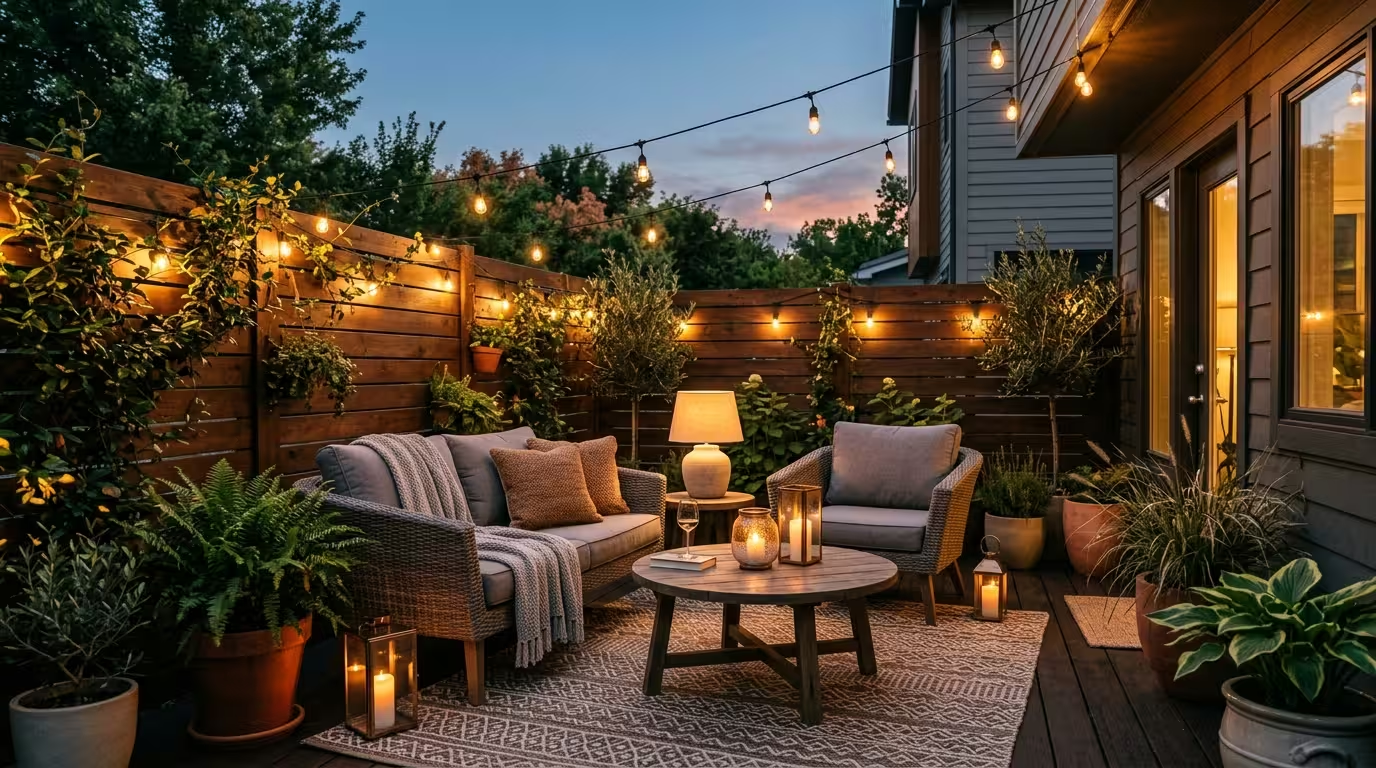
Good lighting makes a compact patio usable after sunset. One bright overhead light is rarely enough and often feels unpleasant. Layered lighting creates a warmer mood and improves function.
Start with ambient lighting such as string lights, solar lanterns, or wall sconces. Add task lighting near a dining table or grill area. Finish with accent lighting around plants, steps, or a focal wall. Battery-powered lamps are useful for renters and patios without outlets. Solar lights are convenient, but they need enough sun exposure during the day to perform well at night.
The best small patio design ideas use lighting to guide the eye upward and outward. Hang lights along a fence line, under a pergola, or above a seating corner. Keep cords safe, use outdoor-rated products, and avoid placing lights where guests can trip.
Pick a Focal Point to Avoid Visual Clutter
A small patio needs one clear focal point. Without it, the eye jumps between chairs, pots, rugs, lights, pillows, and accessories. A focal point gives the design structure.
The focal point could be a tiled wall, a potted tree, a small water feature, a sculptural planter, a fire bowl, a bistro table, or a colorful outdoor rug. Choose one main feature and let the rest of the patio support it. If the focal point is bold, keep the furniture simple. If the furniture is the statement, keep plants and accessories calmer.
The best small patio design ideas feel edited. That does not mean plain. It means every item has a reason to be there. A compact patio can handle color, pattern, and texture, but not unlimited visual noise.
Use Color Carefully in a Compact Area
Light neutrals can make a small patio feel open, but all-neutral spaces can feel flat. The strongest approach is a simple base with controlled accents. Use one main neutral, one secondary natural tone, and one accent color.
For example, a patio with warm beige cushions, black metal frames, terracotta pots, and olive-green pillows will feel collected. A coastal patio might use white, sand, pale blue, and weathered wood. A modern patio might use charcoal, stone, cream, and deep green plants.
The best small patio design ideas avoid random colors. If you add red pillows, repeat red in flowers or a small planter. If you choose blue cushions, echo blue in a ceramic pot or tabletop accessory. Repetition makes the space feel intentional.
Add Multi-Use Pieces for Daily Flexibility
Small patios work best when furniture can move, fold, stack, or store something. A fixed layout may look good in photos, but daily life needs flexibility. You may need room for watering plants, drying outdoor cushions, walking a dog through the patio, or hosting two extra guests.
Choose pieces with more than one job. A bench with hidden storage can hold throws and garden tools. A folding table can become a work surface for potting herbs. Stackable stools can act as side tables during the week and seating during gatherings. A rolling cart can serve as a bar, plant station, or grilling supply rack.
The best small patio design ideas treat flexibility as part of the design, not an afterthought. The patio should reset easily. If it takes too much effort to use, you will stop using it.
Design mistakes are not limited to outdoor areas; ” This Feature Cheapens the Look of Your Bedroom shows how one wrong detail can affect the whole room.
Design for Food, Drinks, and Real Use
A patio should not only look good. It should support ordinary habits. Where will you set a coffee cup? Where will guests place plates? Is there a surface near the grill? Can you open the door while carrying food? These small details determine whether the space feels useful.
For dining, a round pedestal table saves knee space. For lounging, choose side tables that are stable enough for glasses. For grilling, leave safe clearance and keep traffic away from the hot zone. If you use a portable bar cart, choose one with locking wheels and weather-resistant materials.
The best small patio design ideas think through the boring parts. Storage, surfaces, shade, and clear paths matter as much as pretty cushions. A patio that works smoothly will feel better every day.
Be Careful With Fire Features
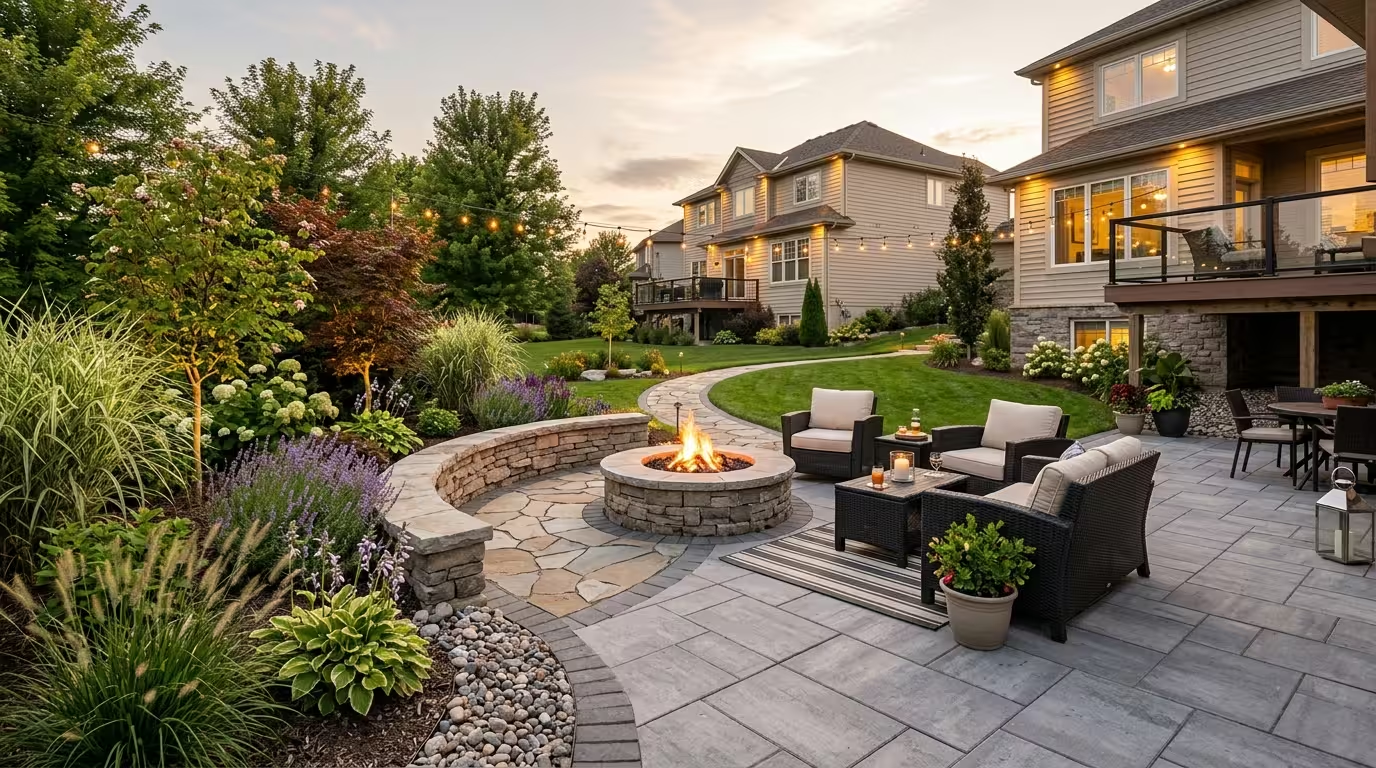
Fire pits, tabletop fire bowls, and patio heaters can make a small patio feel cozy, but they require caution. Always follow the manufacturer’s instructions and local rules. Some apartments, condos, HOAs, and municipalities restrict open flames, propane heaters, wood-burning fire pits, or balcony grills.
The NFPA provides fire safety resources for outdoor cooking and home fire prevention, and local fire departments often publish rules for grills and fire features. Clearance, surface type, wind conditions, overhead structures, and fuel storage all matter.
The best small patio design ideas never trade safety for atmosphere. If the patio is too tight for a fire pit, use lanterns, LED candles, warm string lights, or a small electric heater rated for outdoor use. You can still create warmth without creating risk.
Make a Narrow Patio Feel Wider
Narrow patios are common in townhomes, apartments, and side yards. The mistake is placing furniture across the width and blocking movement. Instead, run the design lengthwise.
Use a slim bench along one wall, narrow planters along the opposite side, and a small round or oval table that does not interrupt the path. Choose furniture with open bases so the floor remains visible. A long outdoor rug can emphasize length, while repeated planters can create rhythm.
The best small patio design ideas for narrow layouts avoid bulky centerpieces. Keep the middle open. Put tall plants and lighting at the far end to pull the eye forward. A mirror can help in some covered areas, but avoid placing mirrors where they reflect harsh sunlight or create glare.
Make a Square Patio Feel Balanced
A square patio can feel boxy if everything is pushed to the edges. Use diagonal placement or a corner anchor to create movement. A small sectional in one corner with a round coffee table can work well. Two chairs angled toward a central table also create a friendly conversation layout.
If the square patio is extremely small, choose one strong feature. A bistro set under string lights, a loveseat with a narrow table, or a built-in bench with planters can all work. Keep the corners useful but not crowded.
The best small patio design ideas for square spaces rely on proportion. A large square rug may define the patio nicely, but the furniture should not fill every edge. Leave at least one side visually open so the space can breathe.
Try Built-In Seating When Space Is Tight
Built-in seating can save space because it removes the need for chair clearance on every side. A simple bench along a wall or fence creates more seating than separate chairs in the same footprint. Add outdoor cushions and pillows for comfort.
For homeowners, a masonry, wood, or composite built-in bench can become a long-term feature. For renters, use a freestanding bench that looks built-in when placed against the wall. Add storage baskets below if the bench is open underneath.
The best small patio design ideas use built-ins to reduce clutter. A bench can frame the patio, create storage, and serve as a plant display area. Just avoid making the seating too deep if the patio is narrow. Comfort matters, but oversized depth wastes room.
Add a Small Water Feature for Sound
A water feature can make a compact patio feel calmer, especially in urban settings with traffic or neighbor noise. It does not need to be large. A tabletop fountain, wall fountain, ceramic basin, or small recirculating feature can add movement and sound.
Choose a water feature that fits your maintenance tolerance. It will need cleaning, refilling, and a safe electrical setup if powered. In mosquito-prone areas, moving water is better than standing water, and regular maintenance is essential.
The best small patio design ideas use sound as part of comfort. Soft water, rustling grasses, wind chimes used sparingly, and quiet lighting can make a patio feel like a retreat even when it is only a few steps from the house.
Keep Decor Edited and Weather-Ready
Outdoor decor should survive real conditions. Sun, rain, wind, pollen, dust, humidity, and freezing temperatures can ruin the wrong materials. Choose outdoor-rated rugs, cushions, lighting, and fabrics. Store delicate items when not in use.
Do not overload the patio with accessories. A few pillows, one rug, a lantern, and grouped planters may be enough. Too many small objects create clutter and become a cleaning problem. Larger, fewer accessories often look better in compact areas.
The best small patio design ideas are easy to maintain. If every item needs to be carried inside before the rain, the space will become crowded. Choose practical beauty: washable cushion covers, fade-resistant fabrics, sturdy planters, and storage that protects seasonal items.
Plan for Budget Upgrades in the Right Order
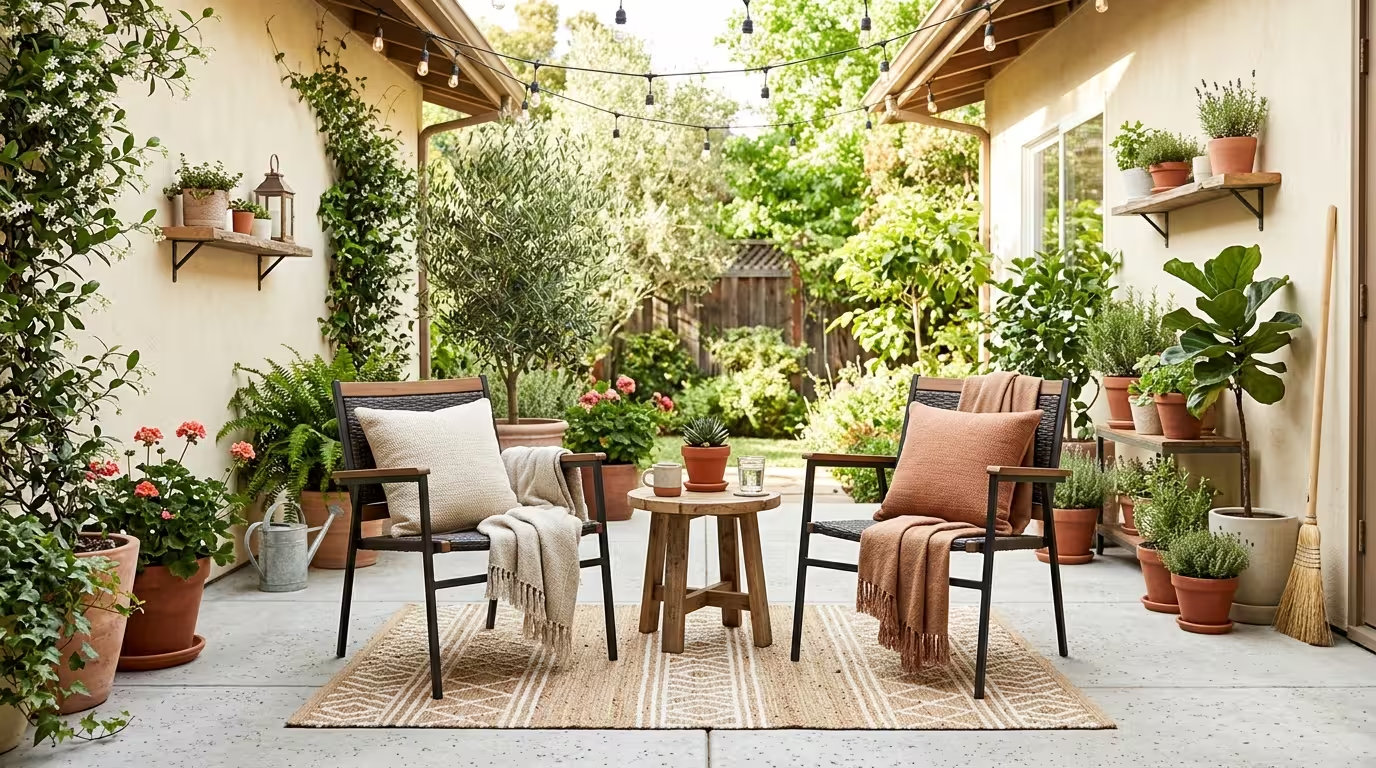
You do not need to finish a small patio in one weekend. Spend money in the order that improves daily use first. Start with cleaning, measuring, and layout. Then add seating. Next, add shade or privacy if needed. After that, bring in plants, lighting, rugs, and decor.
A practical budget order looks like this:
|
Priority |
Upgrade |
Why It Matters |
|
1 |
Seating |
Makes the patio usable |
|
2 |
Table surface |
Supports food, drinks, and books |
|
3 |
Shade/privacy |
Improves comfort |
|
4 |
Plants |
Adds depth and softness |
|
5 |
Lighting |
Extends use into the evening |
|
6 |
Rug/decor |
Makes the space feel finished |
The best small patio design ideas are not always expensive. A clean floor, two well-scaled chairs, three healthy plants, and warm lighting can outperform a crowded patio full of random purchases.
Small Patio Mistakes to Avoid
The most common mistake is buying furniture before measuring. The second is using too many small accessories instead of fewer useful pieces. The third is ignoring the sun, wind, rain, and drainage.
Avoid bulky furniture that blocks movement. Do not choose plants only because they look good online. Avoid dark, heat-absorbing surfaces in very hot areas unless there is strong shade. Do not place rugs where they stay wet for days. Avoid mixing too many materials, colors, and patterns in one compact area.
The best small patio design ideas avoid visual and physical clutter. A small patio should feel easy to enter, easy to sit in, and easy to maintain. If you have to move three things before sitting down, the layout is wrong.
Seasonal Small Patio Refresh Ideas
A compact patio is easy to refresh with the seasons. In spring, clean the surface, replace tired soil, prune plants, and add fresh cushions. In summer, improve shade, add lightweight throws for the evening, and check watering needs. In fall, bring in lanterns, warm-toned pillows, ornamental grasses, and mums. In winter, store cushions, protect pots from freeze damage, and keep pathways clear.
Small seasonal changes prevent the patio from feeling stale. You do not need a full redesign. Change pillow covers, rotate plants, add a new rug, or repaint a side table. Focus on one or two updates at a time.
The best small patio design ideas are built for change. Outdoor spaces shift with weather, light, plant growth, and daily routines. A patio that can adapt will stay useful longer.
Conclusion:
A small patio does not need more stuff. It needs better decisions. Start with purpose, measure carefully, choose furniture that fits, use vertical space, add climate-appropriate plants, and create comfort with shade, privacy, lighting, and texture. The goal is not to copy a large backyard on a smaller scale. The goal is to create an outdoor space that fits your real life.
The best small patio design ideas combine beauty with function. A compact patio can become a breakfast corner, a quiet reading spot, a container garden, or a cozy place to talk at night. When every piece has a job, and the layout respects the limits of the space, even the smallest patio can feel finished, personal, and genuinely inviting.