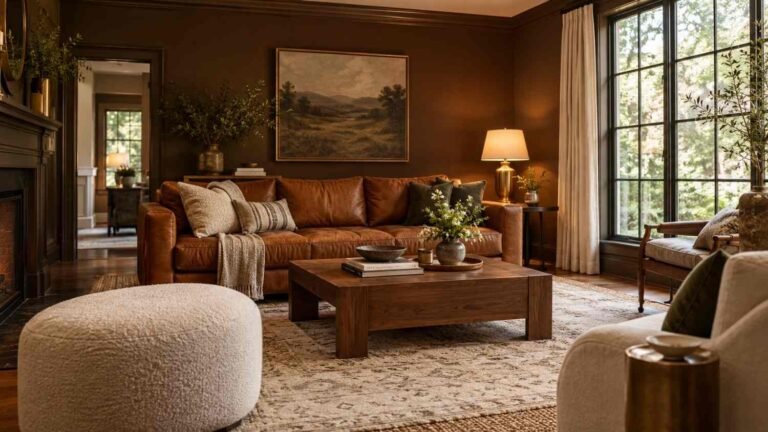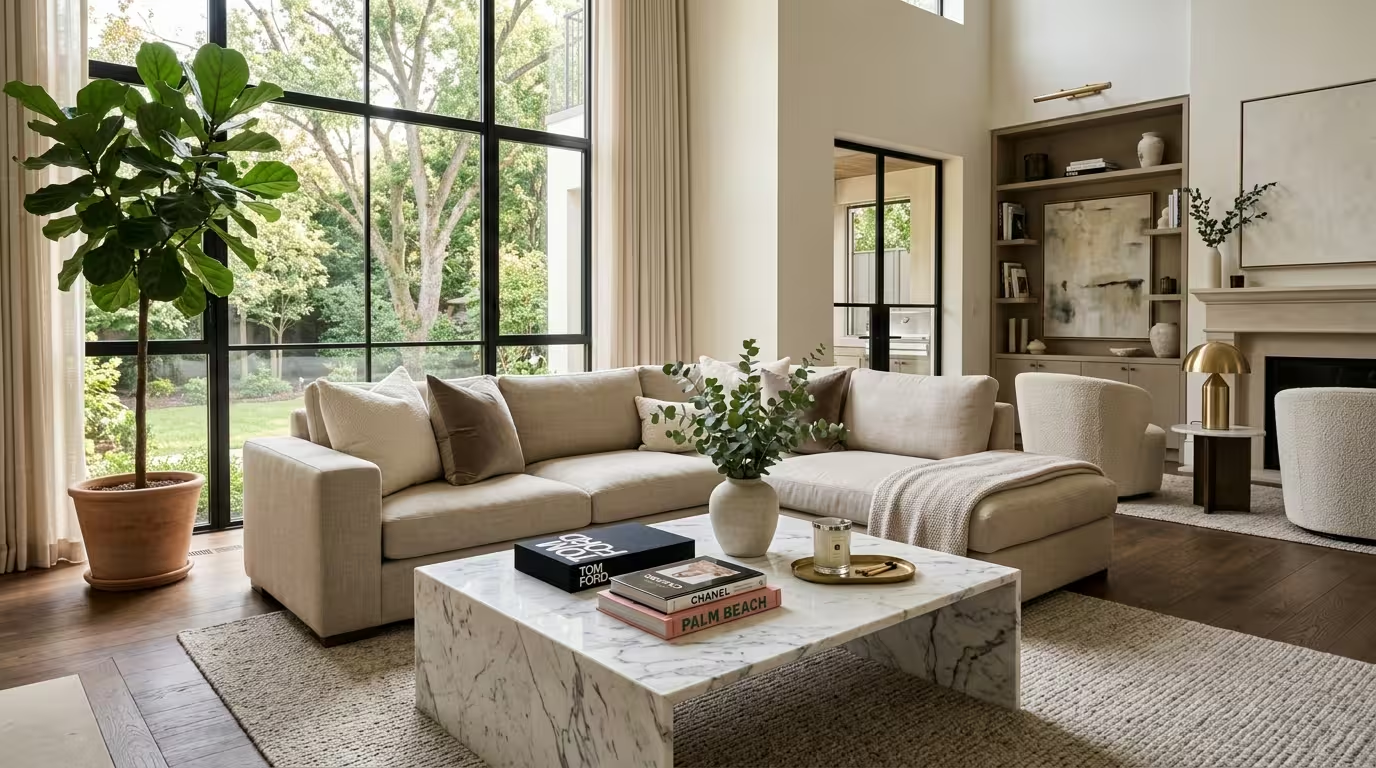
Details Make Living Room Look Timeless: 15 Classic Choices for a Space That Ages Beautifully
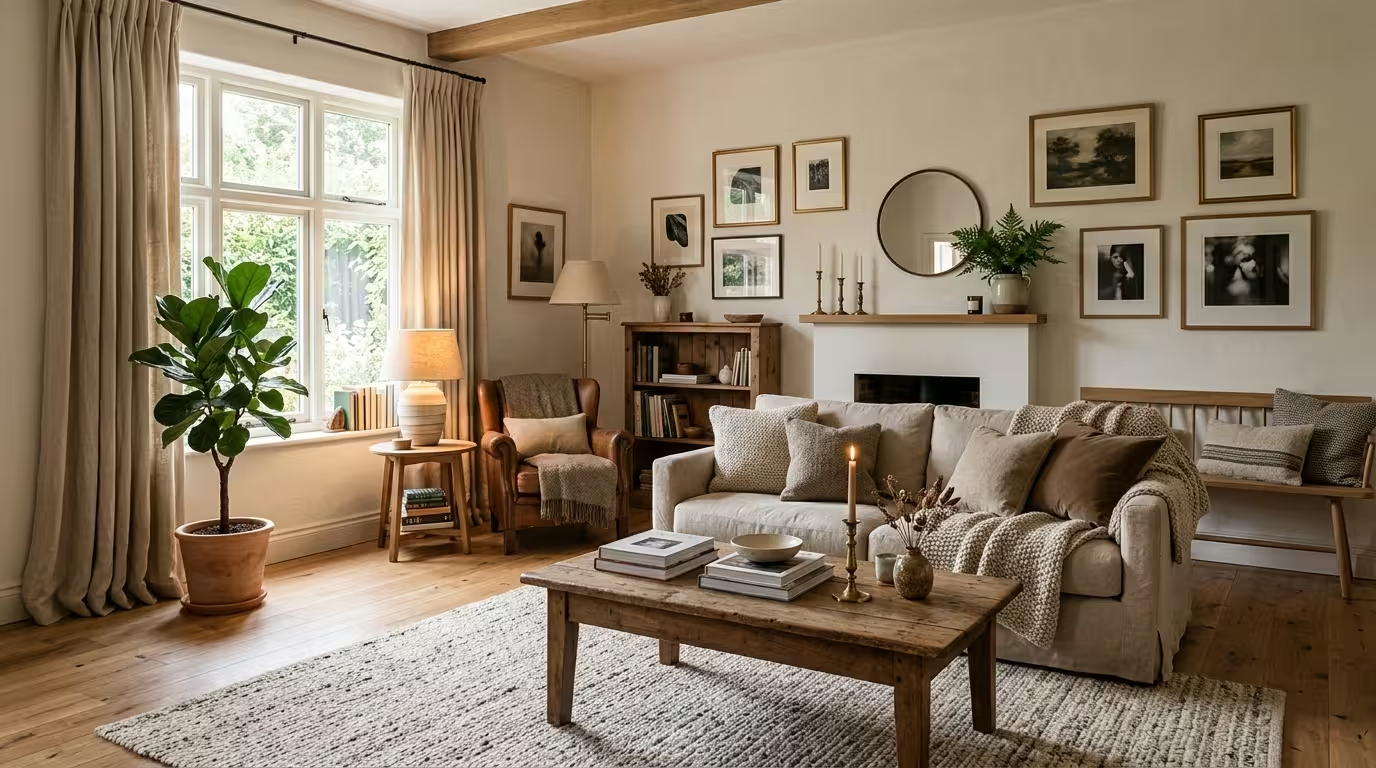
A living room is where a home reveals its personality. Guests notice it first, families use it daily, and quiet evenings often happen there. That is why the small choices matter. A sofa may set the tone, but the rug size, curtain length, lighting warmth, table finish, and art placement decide whether the room feels finished or temporary. The best details make living room look timeless because they support comfort, proportion, and character instead of chasing short-lived style.
Timeless design does not mean a plain room with beige walls and expensive furniture. It means the space can grow with you. You can change pillows, flowers, books, and seasonal accents without replacing the foundation every few years. A timeless living room feels balanced: polished but not stiff, personal but not cluttered, elegant but still easy to use.
Natural materials, layered lighting, meaningful art, and thoughtful storage help a space feel settled. The goal is a room that still feels right after trends move on.
Why Details Make a Living Room Look Timeless
Large furniture pieces shape the room, but details decide whether everything works together. A beautiful sofa can still look weak if the rug is too small, the lighting is harsh, or the walls feel bare. Timeless rooms succeed because the eye can rest. There is order, warmth, and a clear reason for each layer.
The most reliable details make living room look timeless by solving three things at once: appearance, comfort, and longevity. A wool rug adds texture, handles daily use, and anchors the seating area. Full-length curtains add height while softening the light. A wood table brings warmth and becomes more attractive with age. These are not random extras. They quietly improve how the room looks and how it works.
Before adding anything, ask whether it supports the room’s function, architecture, or story.
Start With Proportion Before Decoration
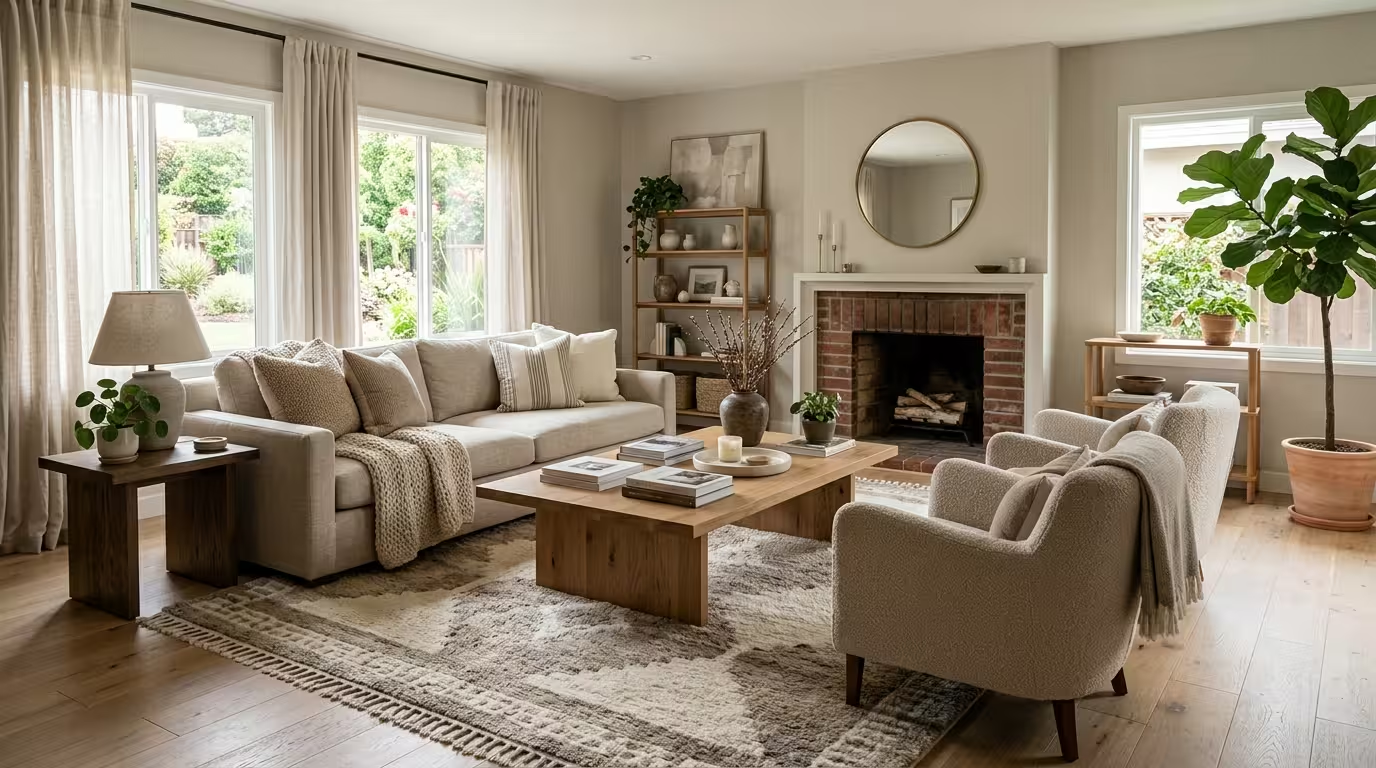
Proportion is one of the first details make living room look timeless because it creates visual calm. A small sofa under a huge blank wall can feel lost. An oversized sectional in a narrow room can make the space feel crowded. A coffee table placed too far from the seats looks disconnected and becomes awkward to use.
Begin with the room’s bones. Notice window height, ceiling height, fireplace placement, doorways, and walking paths. Then choose furniture that respects those lines. In many homes, the largest seating piece should feel grounded without blocking movement. Chairs should invite conversation rather than sit flat against the wall like waiting-room furniture.
Proportion applies to decor, too. One large piece of art usually looks more refined than several tiny frames scattered without structure. A tall lamp can balance high ceilings. A low, wide coffee table can calm a long sofa. When the scale is right, even simple pieces look intentional.
Choose a Flexible, Grown-Up Color Palette
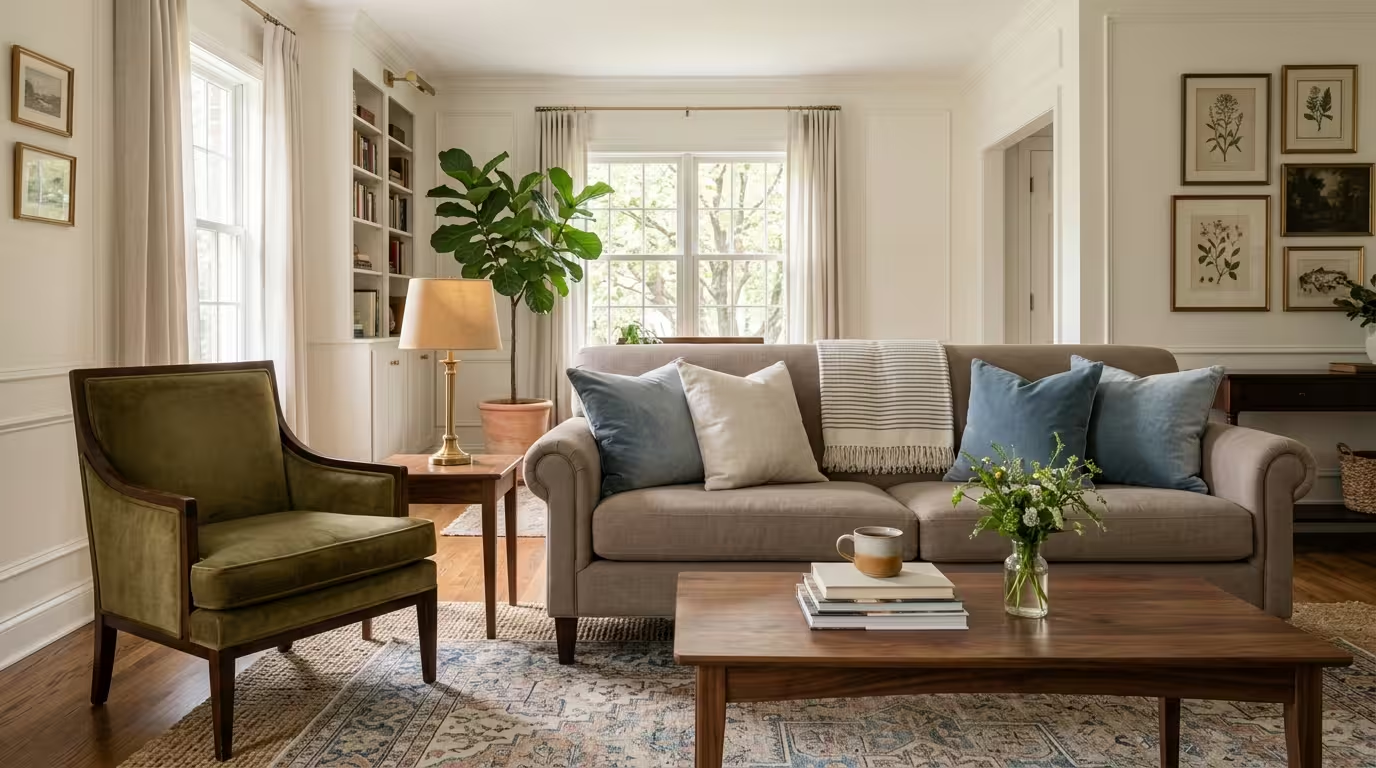
Color can date a living room quickly, but that does not mean you need to avoid it. The main palette should be flexible enough to work with different fabrics, art, and accessories over time. Warm white, cream, taupe, mushroom, stone gray, camel, olive, navy, charcoal, and deep brown often feel steady because they pair naturally with wood, metal, stone, and woven textures.
Color works best when it appears in layers instead of one loud statement. A neutral wall with a deep green chair, a patterned rug, and aged brass lighting can feel rich without feeling trendy. A blue-and-white room can look classic when the tones are softened and repeated through pillows, ceramics, and artwork.
Avoid making every major piece the same shade. A cream linen sofa, oatmeal wool rug, warm white walls, and walnut table create depth while keeping the room calm.
Use Natural Materials That Improve With Age
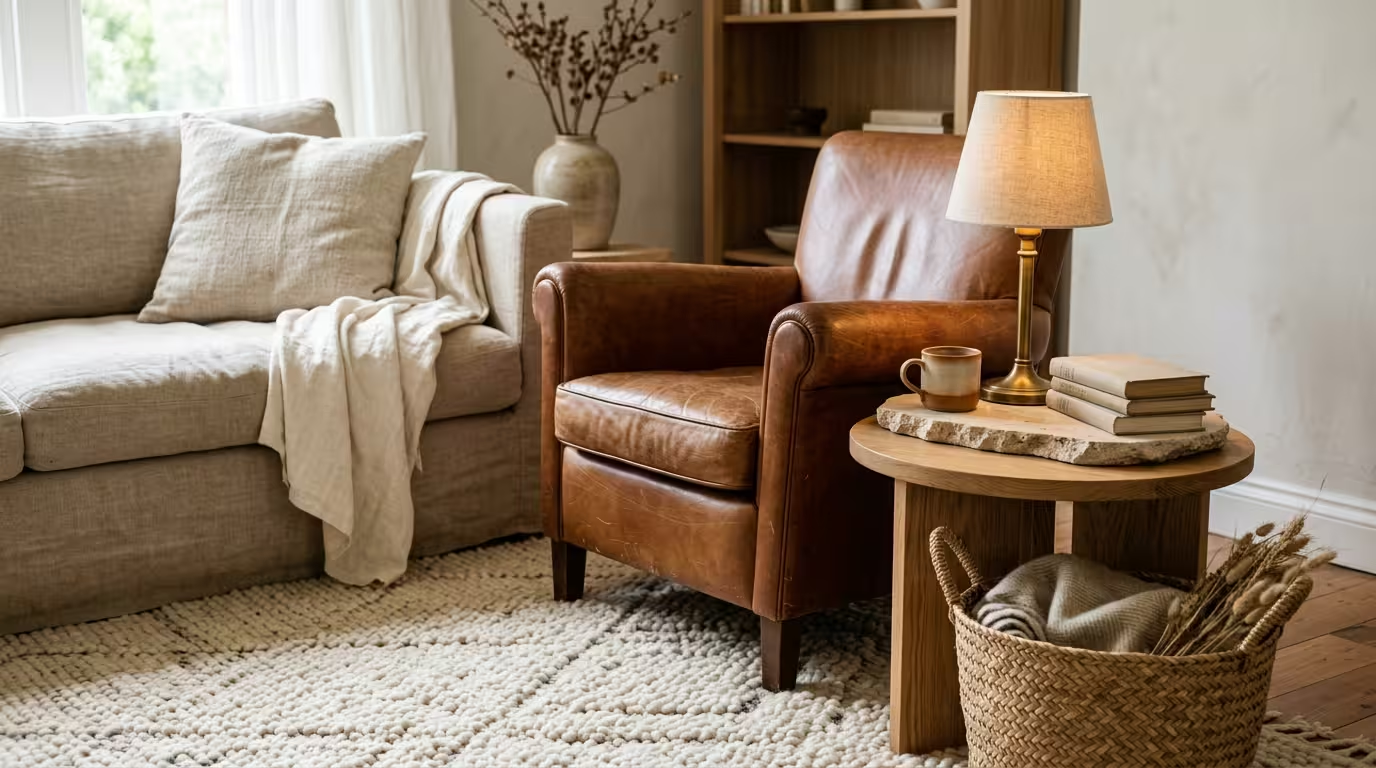
Natural materials are a major reason details make living room look timeless. Wood, wool, linen, cotton, leather, stone, marble, rattan, and unlacquered brass have textures that synthetic, glossy finishes often lack. They do not need to look perfect to look beautiful. Many gain character through use.
A solid wood coffee table with a few marks feels more graceful than a thin table that chips after one season. Linen curtains soften over time. Leather develops a natural patina. Wool rugs can handle everyday traffic while keeping a comfortable texture. Stone and marble bring quiet weight, especially in fireplace surrounds, side tables, and trays.
You do not need to buy everything new or costly. One quality natural piece can lift the whole room. A wood side table, woven basket, linen pillow cover, vintage brass lamp, or stone tray can add the depth that makes a room feel collected.
If your living area connects to a bright enclosed space, these sunroom ideas can help you keep both rooms cohesive.
How Lighting Details Make Living Room Look Timeless
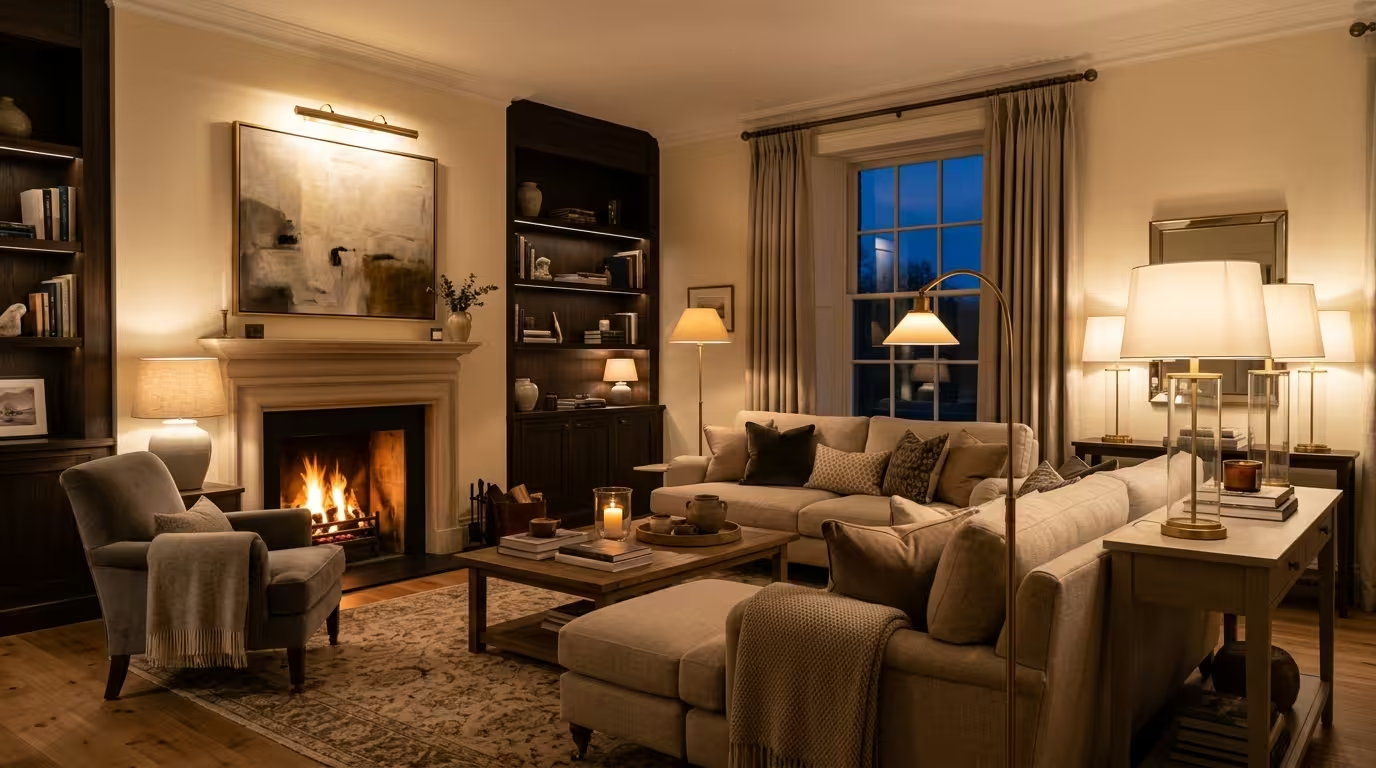
Overhead lighting alone can make even a beautiful living room feel flat. Layered lighting changes the mood from day to night and keeps the room from feeling flat. A room needs general light for brightness, task light for reading, and accent light for art, shelves, or architectural features.
Use a ceiling fixture if the room calls for it, but do not stop there. Add table lamps near seating, a floor lamp beside a reading chair, sconces around built-ins, or a picture light above meaningful art. Warm bulbs and dimmers are especially useful because they make the room feel softer in the evening.
Lighting should be balanced across the room. If one corner is bright and another is dark, the space feels unfinished. When light is layered, fabrics, wall colors, wood tones, and art all look richer.
Let the Architecture Guide the Room
A timeless living room feels as if it belongs to the house. Architectural choices work best when they respect the home’s age, style, and proportions. Crown molding, ceiling beams, wall paneling, built-ins, arched openings, fireplace mantels, and trim can add structure that furniture alone cannot provide.
The key is restraint. A simple cottage may not need heavy formal molding. A traditional home may look unfinished with thin, builder-basic trim. A modern home may benefit from clean built-ins, a plaster fireplace, or slab-front storage instead of ornate detailing. The architectural layer should feel like it could have always been there.
If permanent updates are not possible, use softer cues. Hang curtains closer to the ceiling. Add a large framed mirror over a console. Use bookcases to create vertical rhythm. Even renter-friendly changes can give the room a stronger sense of place.
Rug Details Make Living Room Look Timeless
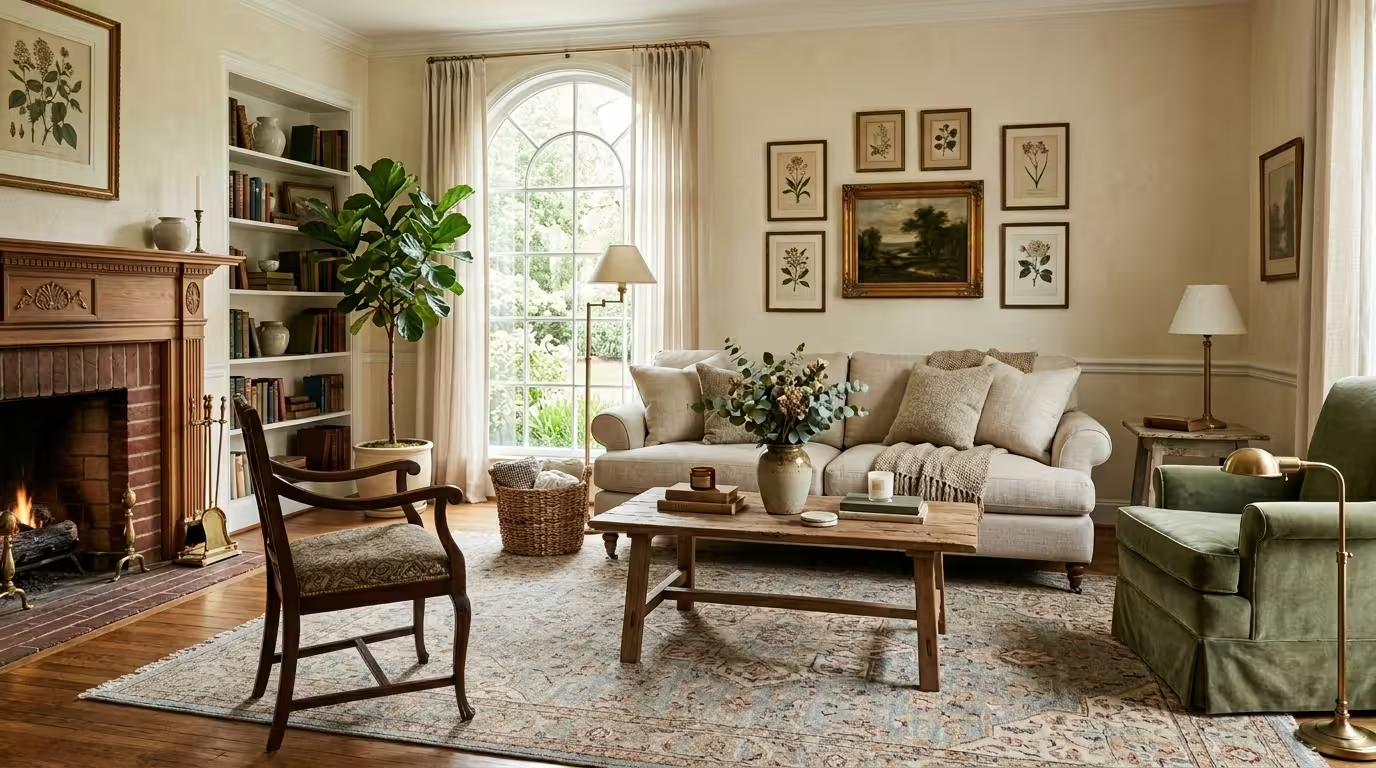
A rug defines the seating zone, connects colors, reduces echo, and gives the room a finished base. A too-small rug is one of the fastest ways to make a living room feel temporary. Ideally, at least the front legs of the sofa and chairs should sit on the rug so the furniture feels connected.
The best rugs feel lasting because of the material, scale, and pattern. Wool is a strong choice because it is durable, comfortable, and naturally textured. Vintage-style patterns, subtle stripes, muted florals, small geometrics, and handwoven looks often age better than overly bold trend prints.
Choose a rug that suits real life. A very pale rug may look elegant in photos, but it can become stressful in a family room. Mid-tone patterns are often more forgiving. They hide daily wear while still looking refined and warm.
For more layout inspiration, explore our guide to designer family rooms with practical seating and decor ideas.
Mix Old and New Pieces
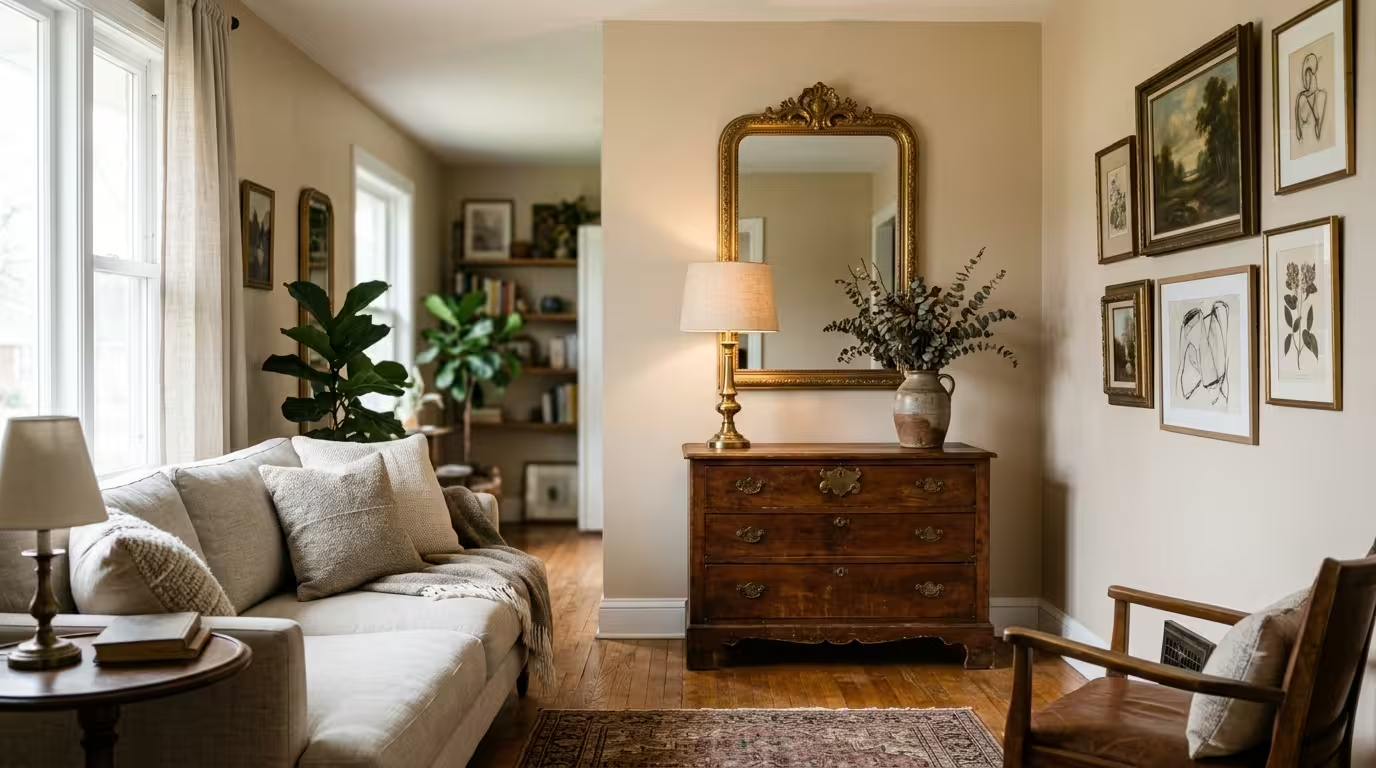
Rooms that look too new can feel showroom-like. Entirely vintage rooms can feel heavy. A balance of old and new gives the space memory and freshness at the same time.
You do not need rare antiques. A vintage mirror, secondhand wood chest, old ceramic bowl, framed textile, inherited chair, or antique-style lamp can bring warmth. These pieces break up the sameness of mass-produced furniture and make the room feel more personal. Even a one-storied object can shift the mood.
Pair older pieces with clean upholstery, simple curtains, and modern lighting so the room does not feel stuck in the past. A timeless living room often feels as though it has been built slowly, with each piece chosen because it belongs.
Avoid Matching Furniture Sets
Matching furniture sets may feel safe, but they can make a living room look dated. A sofa, loveseat, chair, coffee table, and end tables from the same collection often remove personality from the space. Timeless design needs connection, not sameness.
A better approach is to make pieces relate through scale, tone, or material rather than matching exactly. A linen sofa can pair with leather chairs. A dark wood coffee table can work with painted side tables. A classic roll-arm chair can sit beside a cleaner-lined sofa if the fabrics and proportions are balanced.
Repeat a few elements to keep the room calm: perhaps warm wood, aged brass, blue accents, or rounded shapes. Then allow variety in furniture silhouettes and finishes. The room will feel collected instead of purchased in one afternoon.
Create Conversational Seating
A living room should support real interaction. If every seat faces only the television, the space may work for movie nights, but feel less graceful for guests. Conversational seating matters because it reflects how people actually gather.
Arrange chairs close enough for people to speak comfortably. Pull at least some furniture away from the walls if the room allows it. Use a coffee table or ottoman within easy reach. If the room is large, create more than one zone: a main seating group, a reading chair, or a small game table near a window.
The television can still be part of the room. The trick is to avoid making it the only visual purpose. Balance it with art, books, a fireplace, or a well-styled console so the space feels layered when the screen is off.
Window Details Make Living Room Look Timeless
Curtains, shades, and blinds can change the whole room. Short curtains, weak rods, or shiny synthetic fabric can make a space feel unfinished. Well-chosen window treatments add softness, height, privacy, and polish.
Full-length curtains are usually the safest choice for a classic look. Hang rods higher and wider than the window frame when possible. This makes windows feel larger and lets in more daylight when the curtains are open. Linen, cotton, wool blends, and simple woven shades often age well because they have a natural texture.
Avoid overly dramatic swags unless they truly suit the home. A subtle trim, tailored pleat, or relaxed linen panel can add enough detail without overwhelming the room.
Art Details Make Living Room Look Timeless
Art is where a living room can carry the homeowner’s story. It does not have to be expensive, but it should feel considered. Personal art is harder to date than generic prints bought only to match a color scheme.
Look for pieces that connect to your life: local artwork, family photography, vintage landscapes, botanical studies, textile art, framed sketches, or meaningful travel finds. Scale matters. A tiny print over a large sofa often feels accidental. A large artwork, gallery pair, or carefully arranged wall can make the room feel anchored.
A picture light, nearby lamp, or soft wall light can make even a simple piece feel special. Personal art also keeps the room from looking copied from a catalog.
Storage Details Make Living Room Look Timeless
Clutter is one of the fastest ways to weaken a living room. Storage does not need to be hidden completely, but it should be planned. Thoughtful storage protects the room’s calm while allowing real life to happen.
Built-ins are ideal when they suit the architecture. They can hold books, baskets, media equipment, board games, and display objects on one organized wall. If built-ins are not possible, use closed cabinets, skirted tables, storage ottomans, sideboards, and woven baskets. Everyday items should have a clear place to go.
Open shelves should breathe. Mix books, framed art, ceramics, small boxes, and negative space. Avoid filling every inch. A timeless shelf looks curated but not stiff. It should show personality while staying easy to maintain.
Use Pattern With Restraint
Patterns keep a living room from feeling bland, but too many loud patterns can age quickly. The most successful patterns are often rooted in classic forms: stripes, checks, plaids, small florals, subtle geometrics, block prints, and traditional rug motifs.
Use pattern in layers. A striped pillow, patterned rug, textured throw, and small-scale chair fabric can work together if the colors are related. Mixing scale helps. A larger rug pattern can pair with a smaller pillow print and a simple curtain fabric. This keeps the room lively without chaos.
If you love bold patterns, place them where it is easy to change. Pillows, lampshades, stools, and art are safer than an expensive sofa in a trend-driven print. The foundation should last, while accents can evolve.
Edited Details Make Living Room Look Timeless
A timeless living room is not empty, but it is edited. Every table does not need a stack of objects. Every wall does not need art. Every shelf does not need to be full. Edited decor lets the best pieces stand out.
Start with the function. A coffee table may need a tray, a book, a candle, and a small bowl. A side table may need only a lamp and a coaster. A mantel may look strongest with one mirror, two simple objects, and greenery. Leave space around items so the room can breathe.
Meaning matters. Display objects that have texture, use, memory, or craftsmanship. Avoid buying decor only because it fills a gap. When fewer pieces are chosen well, the room feels more confident and easier to live with.
Details Make Living Room Look Timeless in Small Spaces Too
Small living rooms need discipline. In compact spaces, the right details make living room look timeless by reducing clutter and improving proportion. Choose fewer pieces, but make each one count. A sofa with raised legs can create visual space. A round coffee table can improve flow. Wall-mounted lighting can free up side tables.
Use mirrors carefully to reflect light, not mess. Choose storage that looks like furniture rather than plastic bins. Keep the palette connected, but add depth with texture. A small room can still handle pattern, art, and color if the scale is controlled.
Avoid filling every wall with shelving or every corner with furniture. Negative space is not wasted space. It helps the room feel calm, polished, and larger than it is.
Avoid these tacky small living room decor mistakes designer advice can help you fix them before buying anything new.
Common Choices That Make a Living Room Look Dated
Some choices age faster than others. Overly matched furniture, tiny rugs, harsh overhead lighting, cluttered shelves, shiny fake finishes, low-hung curtains, and trend-heavy color schemes can make a room feel older than it is. These are often easy to fix without replacing everything.
Keep the foundation classic and let smaller accents carry seasonal style. If a trend appears in a pillow, vase, or print, it can be changed later. If it appears in a large sectional or expensive built-in, you may tire of it quickly.
Be careful with too many focal points. Choose the lead feature, then let the other elements support it.
Conclusion:
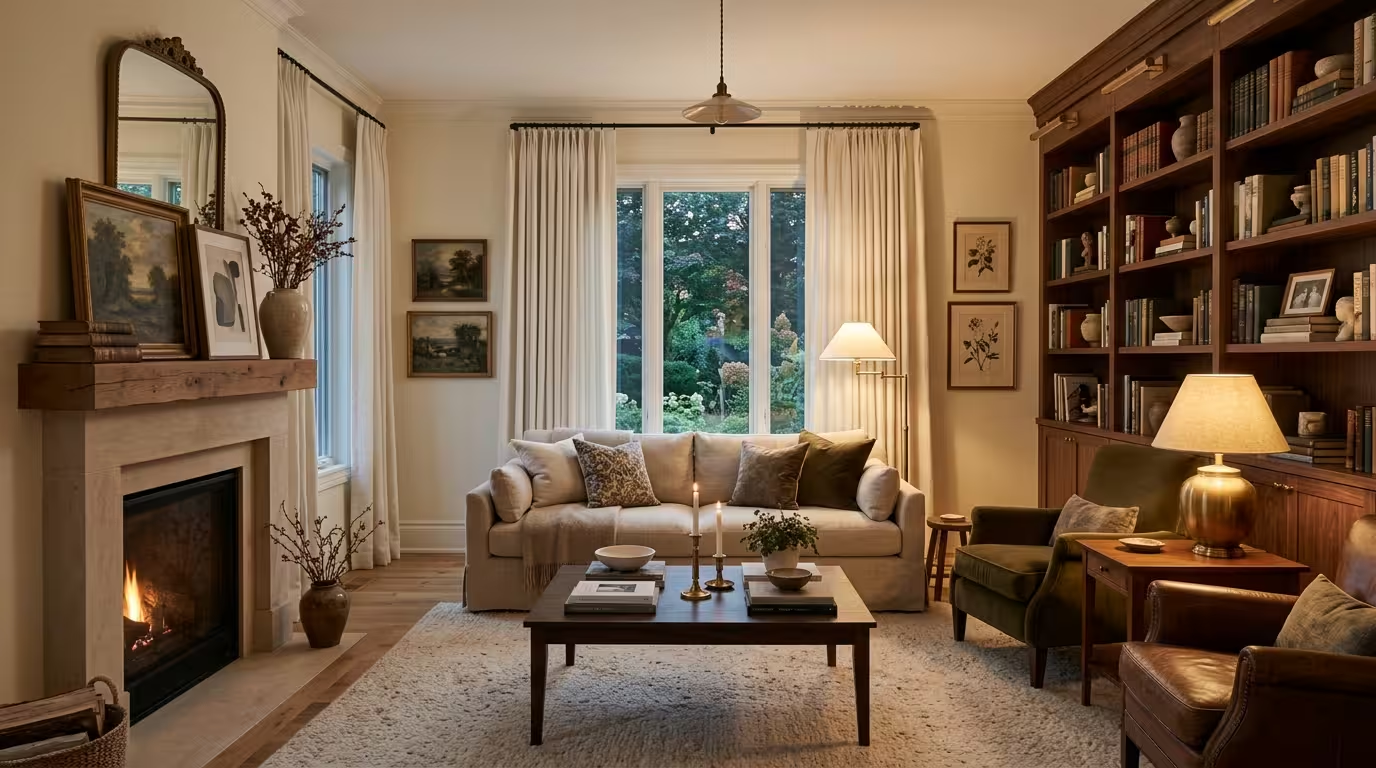
The details make living room look timeless when they do more than decorate. They improve comfort, bring order, show personality, and respect the home’s architecture. Natural materials, layered lighting, balanced seating, quality rugs, meaningful art, edited decor, and thoughtful storage all work together to create a room that does not feel trapped in one moment.
You do not need a complete renovation to create this effect. Start with what feels off. Maybe the rug is too small, the lighting is too harsh, or the furniture is pressed against every wall. Fix one layer at a time. The best living rooms are not perfect. They are personal, practical, and quietly beautiful for years.
Frequently Asked Questions:
What details make living room look timeless the fastest?
The fastest upgrades are a larger rug, better lighting, full-length curtains, edited decor, and natural textures. A warm table lamp, linen curtains, and one meaningful piece of art can quickly make the space feel more finished.
What colors are best for a timeless living room?
Warm neutrals, soft whites, taupe, stone, camel, navy, olive, charcoal, and deep brown are reliable choices. Use varied textures and related tones so the room feels layered instead of plain.
Do timeless living rooms have to be neutral?
No. Color can be timeless when it is used with balance. Deep blue, forest green, burgundy, muted terracotta, and soft gold can all feel classic. The safest approach is to use flexible colors on major surfaces and stronger colors in art, pillows, rugs, and accent chairs.
What furniture should I avoid if I want a timeless look?
Avoid full matching sets, pieces with weak construction, overly trendy shapes, and furniture that does not fit the room’s scale. A timeless living room usually looks collected. Pieces can be different, but they should relate through proportion, material, color, or mood.
How can I make a modern living room feel timeless?
Use clean lines, natural materials, warm lighting, and personal art. Add texture through rugs, curtains, wood, stone, linen, and ceramics. Keep the layout comfortable and avoid making the room feel too empty. Modern rooms become timeless when they feel warm, useful, and connected to real life.
Are built-ins necessary for a timeless living room?
Built-ins are helpful, but they are not required. A freestanding bookcase, cabinet, sideboard, or storage ottoman can also create order. What matters is that storage looks intentional and supports how the room is used. Clutter control is a major part of a lasting design.
How do I decorate a timeless living room on a budget?
Focus on high-impact details first. Reposition furniture, remove clutter, upgrade lampshades, add secondhand wood pieces, use thrifted art, hang curtains higher, and replace small rugs with correctly sized ones when possible. Budget-friendly changes can still create a room that feels thoughtful and lasting.