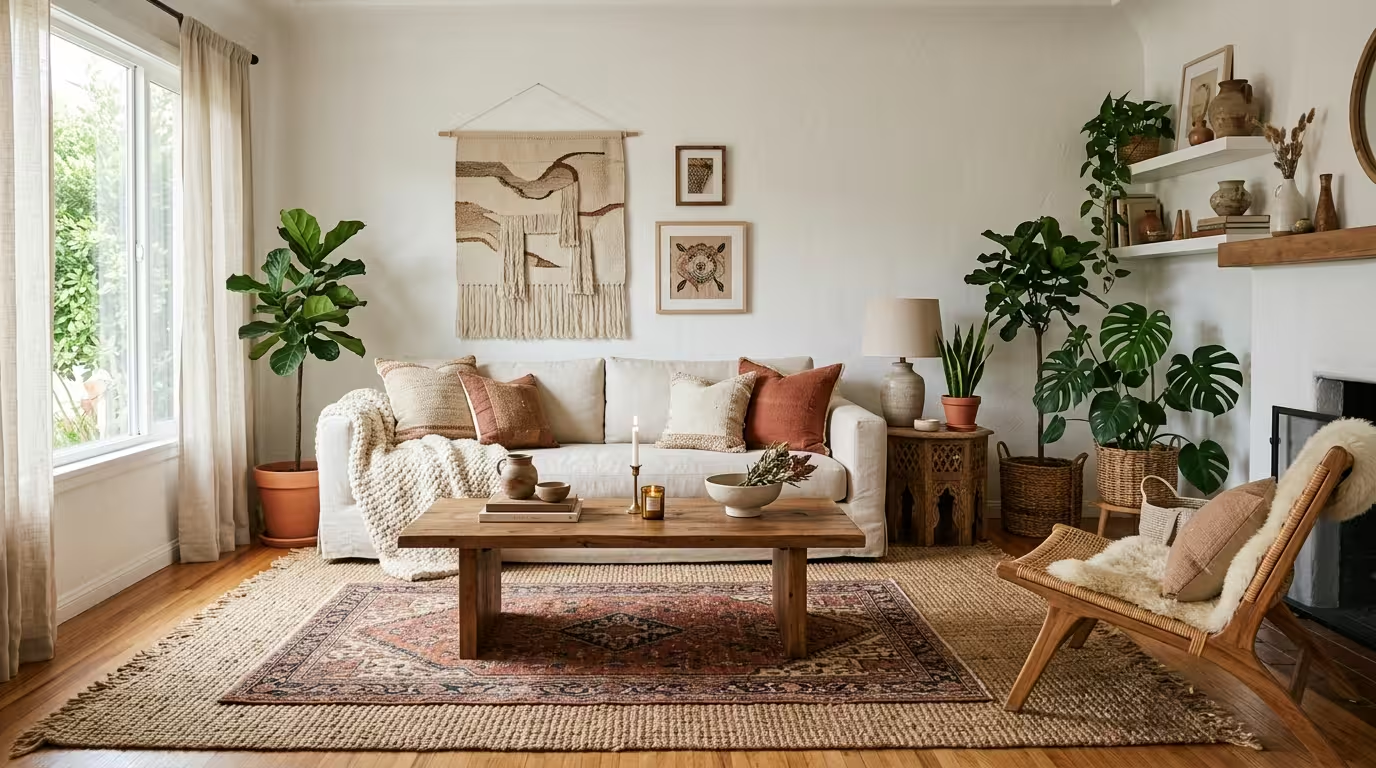
Designer Family Rooms: How to Create a Beautiful, Comfortable Space That Works for Real Life
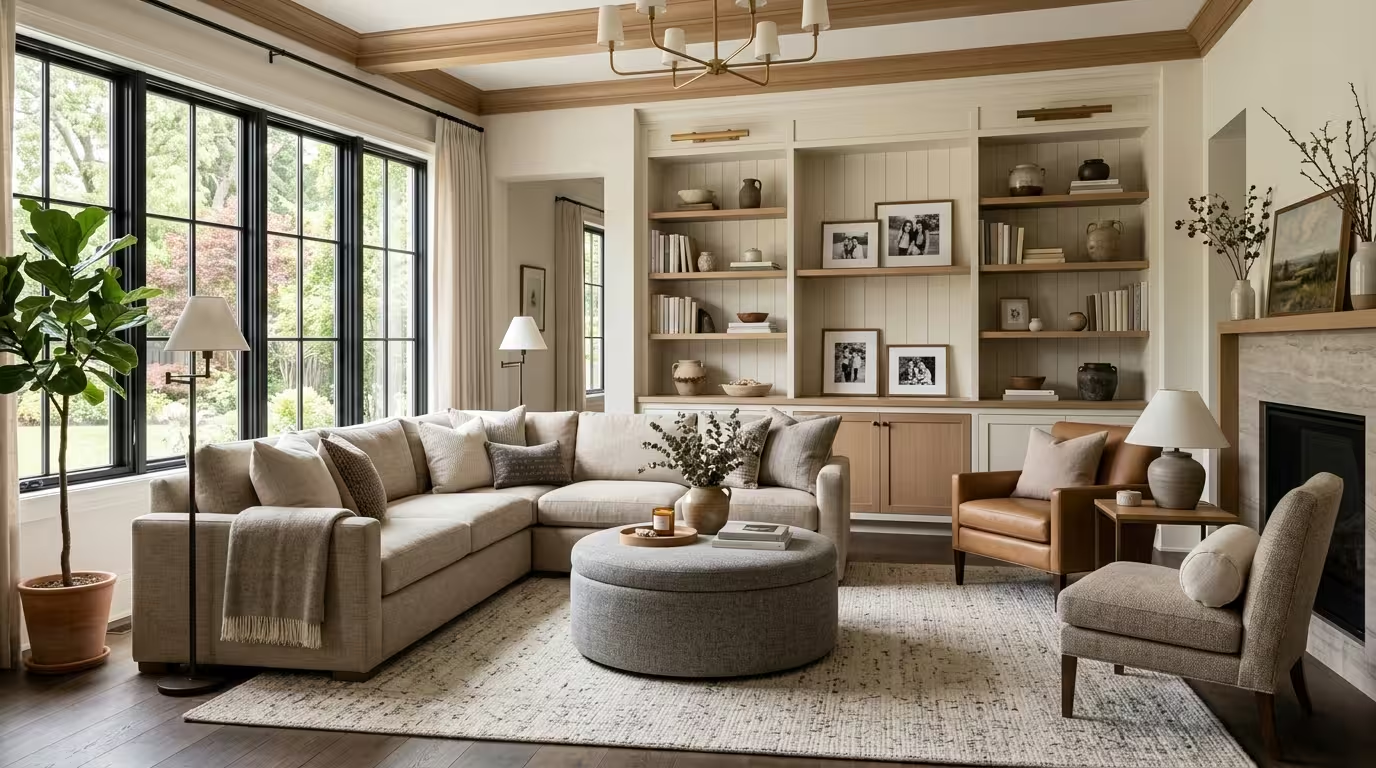
A family room has a different job from a formal sitting room. It must welcome movie nights, weekend lounging, board games, homework, pets, guests, snacks, and quiet moments after a long day. That is why designer family rooms are not only about stylish sofas or attractive wall colors. They are about building a room that looks composed, feels comfortable, and supports the way a household actually lives.
The best spaces feel easy from the moment you enter them. Seating invites conversation. Lighting shifts from bright activity to relaxed evenings. Storage hides visual noise without making the room feel sterile. In 2026, the strongest family spaces are warm, layered, personal, and practical. They mix comfort with intention, so every chair, textile, finish, and corner earns its place.
What Makes Designer Family Rooms Different?
A well-designed family room begins with purpose. Before choosing a sofa, paint color, or rug, define what the room needs to do every week. Some families use this space mainly for streaming and relaxing. Others need a flexible room for entertaining, reading, gaming, children’s play, and casual meals. Designer family rooms work because the plan comes before the shopping list.
The difference is not always expensive furniture. It is a better proportion, smarter flow, and stronger decision-making. A designer-style space considers traffic paths, sightlines, durability, lighting, acoustics, storage, and comfort at the same time. A room can be elegant and still handle fingerprints, spills, toys, backpacks, and daily use. That balance is what makes it feel polished instead of staged.
Family Room vs. Living Room
A living room often carries a more formal role. It may be placed near the entry, styled for guests, or arranged around conversation. A family room is usually more relaxed and used more often. It is where people stretch out, gather casually, watch TV, play games, and spend unplanned time together.
In many American homes, the two rooms now overlap. Open-concept layouts, smaller homes, and changing lifestyles have made one space serve many purposes. That is why designer family rooms often borrow the elegance of a living room while keeping the comfort of a den. The goal is not to make the room precious. The goal is to make it useful without sacrificing beauty.
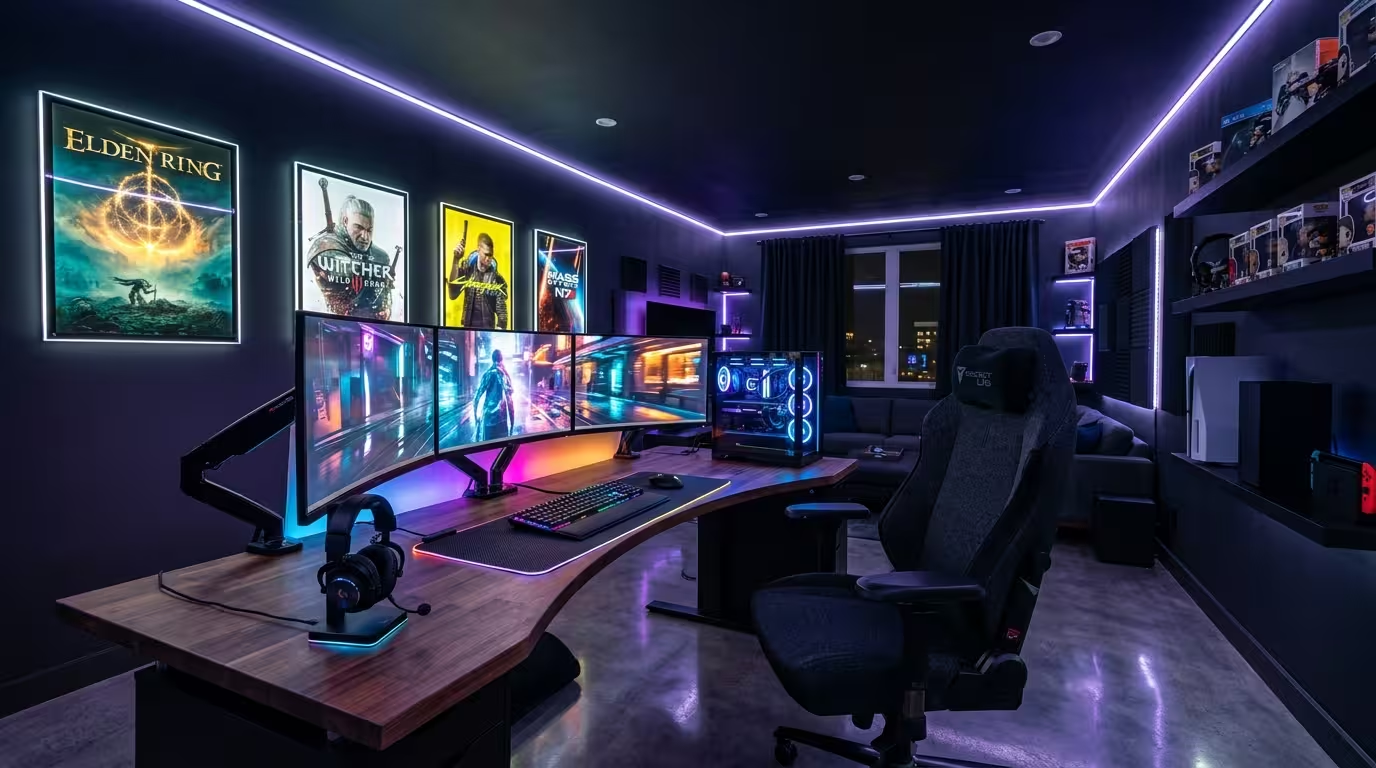
For a playful corner that still feels polished, explore our guide to the best game room ideas before adding a table, stools, or built-in storage.
Planning Designer Family Rooms Around Daily Life
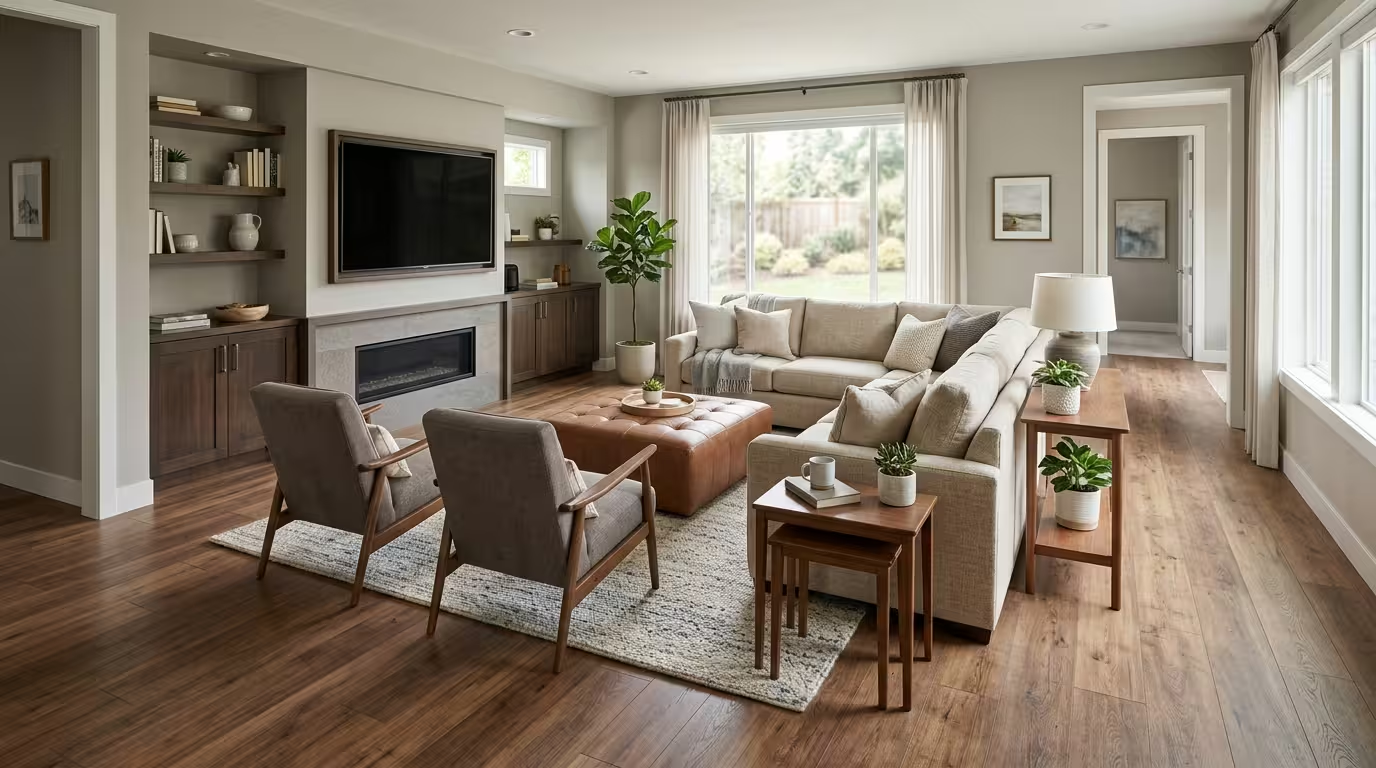
Start with a simple household audit. Ask how many people use the room at once, what they do there, and what currently feels frustrating. Maybe the TV is too high. Maybe the coffee table blocks movement. Maybe toys have no place to land. Maybe the room looks nice in photos, but it feels uncomfortable after 20 minutes.
Good planning turns those problems into design decisions. If the room is used every night, invest in deep seating and durable upholstery. If relatives visit often, add movable chairs or ottomans. If children use the space, choose rounded edges, washable textiles, and closed storage. A room designed around honest routines will always feel better than one copied from a picture.
Map the Room Before Buying Anything
Measure the length and width of the room, then mark doors, windows, fireplaces, built-ins, outlets, vents, and walkways. Keep main paths clear so people can move through the space without stepping around furniture. In most family rooms, circulation matters as much as the sofa style because tight walkways make daily use feel awkward.
Next, decide the focal point. It may be a fireplace, TV, large window, art wall, or conversation area. If there are two focal points, such as a fireplace and television, arrange the room so they work together instead of competing. A swivel chair, low media unit, or balanced built-in wall can solve that problem without making the space feel forced.
Furniture Foundations for Comfortable Family Living
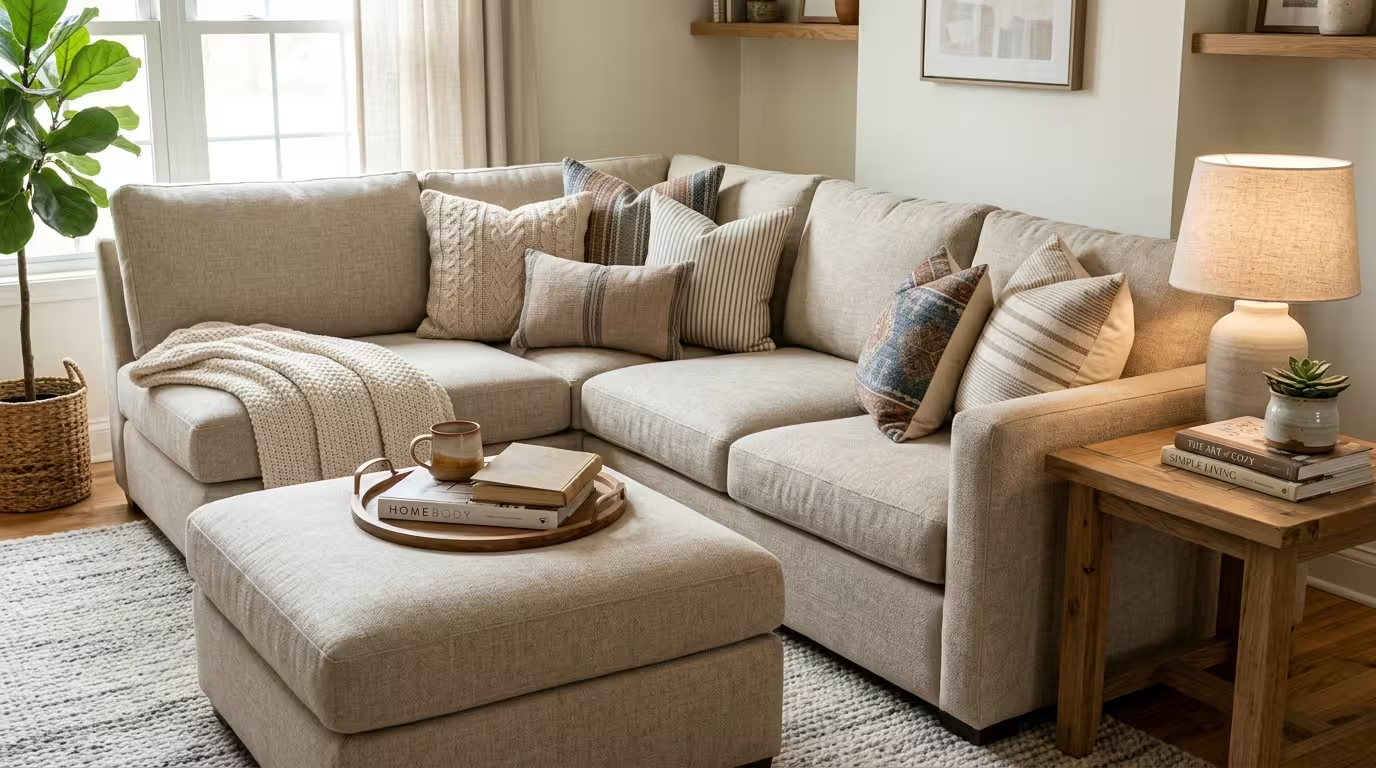
Furniture should support the room’s most common activities. A sectional works well for movie nights and large households, but it can dominate a narrow room. A sofa with two lounge chairs may be better for conversation. In a square room, four chairs around a central ottoman can create a relaxed lounge feeling. In a long room, divide the space into zones.
The key is proportion. A small sofa in a large room looks unfinished. An oversized sectional in a compact room limits movement. Designer family rooms need seating that fits the room, not just the number of people in the home. Always check seat depth, arm height, cushion firmness, and fabric before buying. Comfort is not a detail; it is the foundation.
Choose Sofas and Chairs That Can Handle Use
For busy households, performance fabrics are a smart choice. Look for upholstery that resists stains, cleans easily, and feels pleasant against the skin. Textured weaves, leather, slipcovered cotton blends, and indoor-outdoor fabrics can all work depending on the style of the room. Avoid extremely delicate fabrics in the main seating area unless the room is rarely used.
A family room sofa should invite people to sit, lean, and stay. Deep seats suit lounging, while shallower seats help guests sit upright and talk comfortably. If your household includes older adults, very low seating may be difficult to use. If pets share the sofa, consider medium-toned fabrics, removable covers, or materials that do not show every hair.
If you prefer a more formal gathering space, our designer living rooms guide can help you choose refined furniture, art, and lighting.
Use an Ottoman With Purpose
An ottoman often works better than a sharp-edged coffee table in a family room. It can serve as a footrest, extra seat, play surface, or soft landing zone for children. Add a tray when you need a stable place for drinks, books, or remotes. Storage ottomans are especially useful in compact spaces because they hide blankets, toys, and gaming accessories.
That does not mean coffee tables are wrong. A round table can soften a room full of straight lines. A nesting table can adapt to guests. A lift-top table can help with casual work or snacks. The right choice depends on how the family uses the room every day.
Color and Texture Ideas for a Family Room
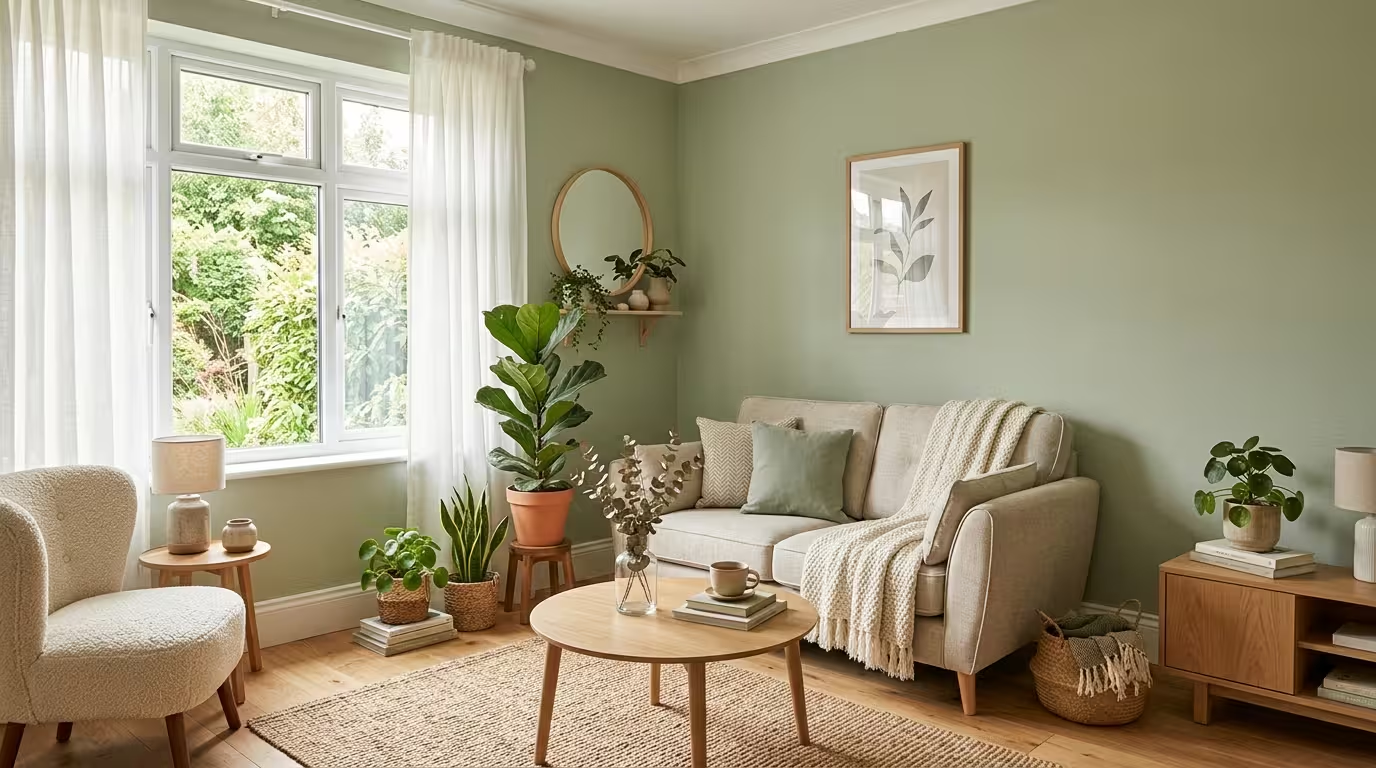
Color sets the mood before anyone notices the furniture. Warm neutrals, clay tones, soft greens, deep blues, creamy whites, mushroom taupe, and muted terracotta can all make a family room feel grounded. The strongest designer family rooms rarely rely on one flat color. They build depth with layered tones, natural textures, and contrast.
Texture matters because family rooms are touched constantly. A boucle chair, woven shade, wool rug, linen curtain, leather ottoman, plaster-style wall, or wood coffee table can make the space feel warm without adding clutter. Texture also helps neutral rooms avoid looking plain. If the palette is calm, let the materials do more work.
Build a Palette That Ages Well
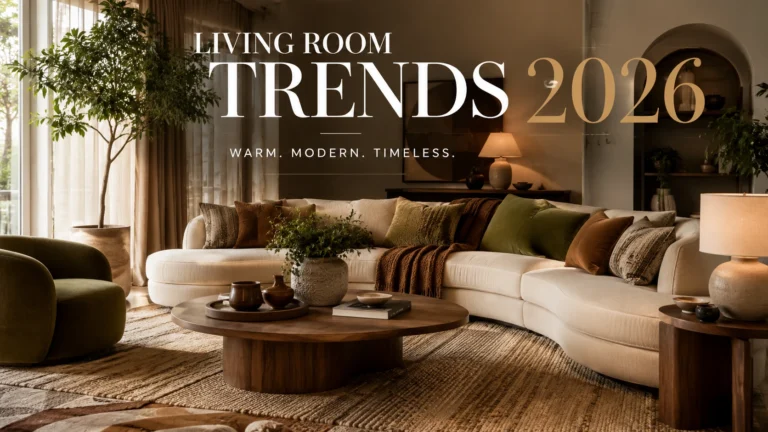
Choose one main color, one supporting neutral, and one accent tone. For example, a warm white wall can pair with walnut wood, olive pillows, and a patterned rug. A charcoal media wall can pair with camel leather, cream upholstery, and brass lamps. A blue-gray sectional can work with oak tables, ivory curtains, and rust accents.
Avoid designing the entire room around one trendy color. Instead, use trend-driven shades on items that are easier to change, such as pillows, throws, art, and decorative objects. Larger investments, including sofas, built-ins, and rugs, should feel good for years. Timeless does not mean boring. It means the room can evolve without needing a full redesign.
Lighting the Family Room for Every Mood
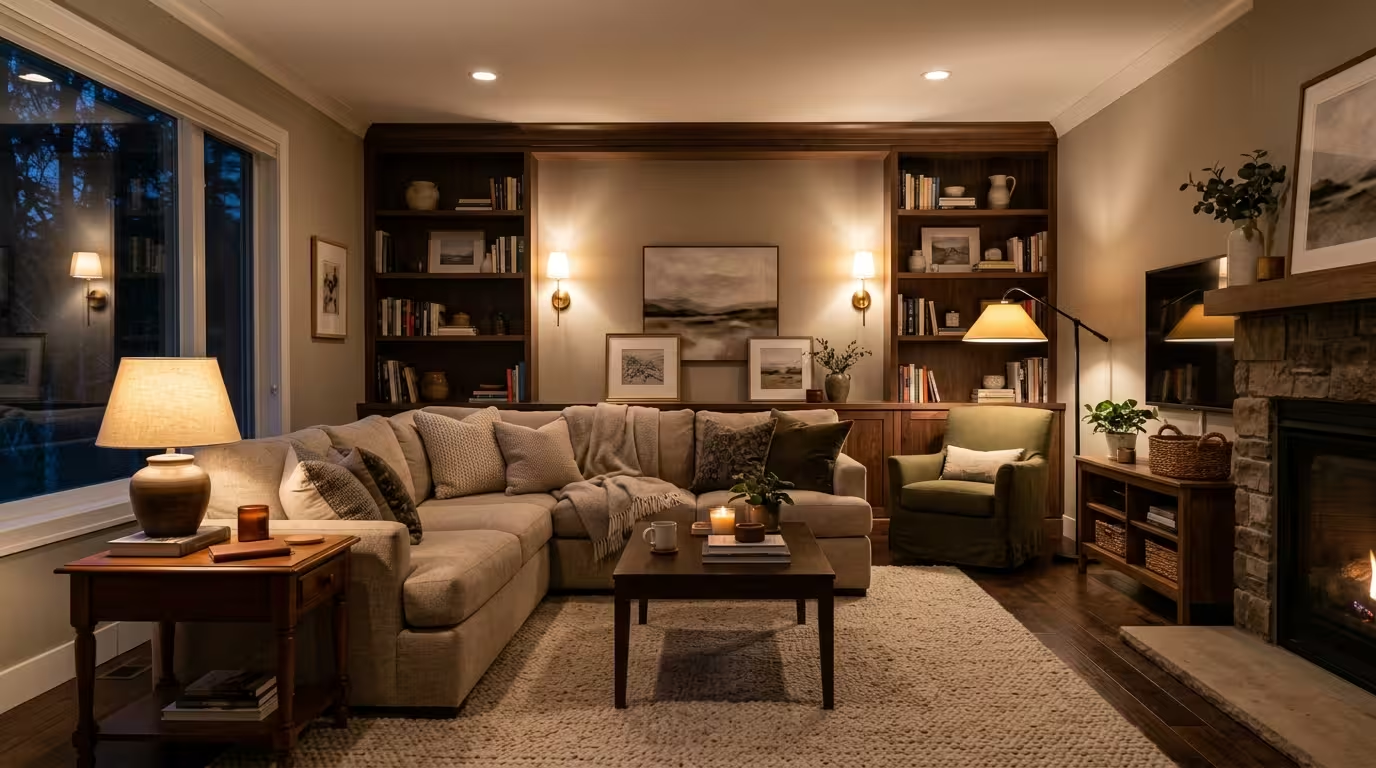
Lighting can make or break a family room. One ceiling fixture is rarely enough. A layered lighting plan includes ambient lighting for general brightness, task lighting for reading or games, and accent lighting for art, shelves, or architectural details. Designer family rooms often feel expensive because the lighting is soft, balanced, and adjustable.
Use floor lamps near reading chairs, table lamps on side tables, sconces beside built-ins, and dimmers whenever possible. Warm bulbs create a relaxed evening mood, while brighter light helps with cleaning, homework, and daytime activities. If the room has a TV, avoid placing lamps where they reflect directly on the screen. Comfort includes how the eyes feel at night.
Storage Ideas That Keep Designer Family Rooms Calm
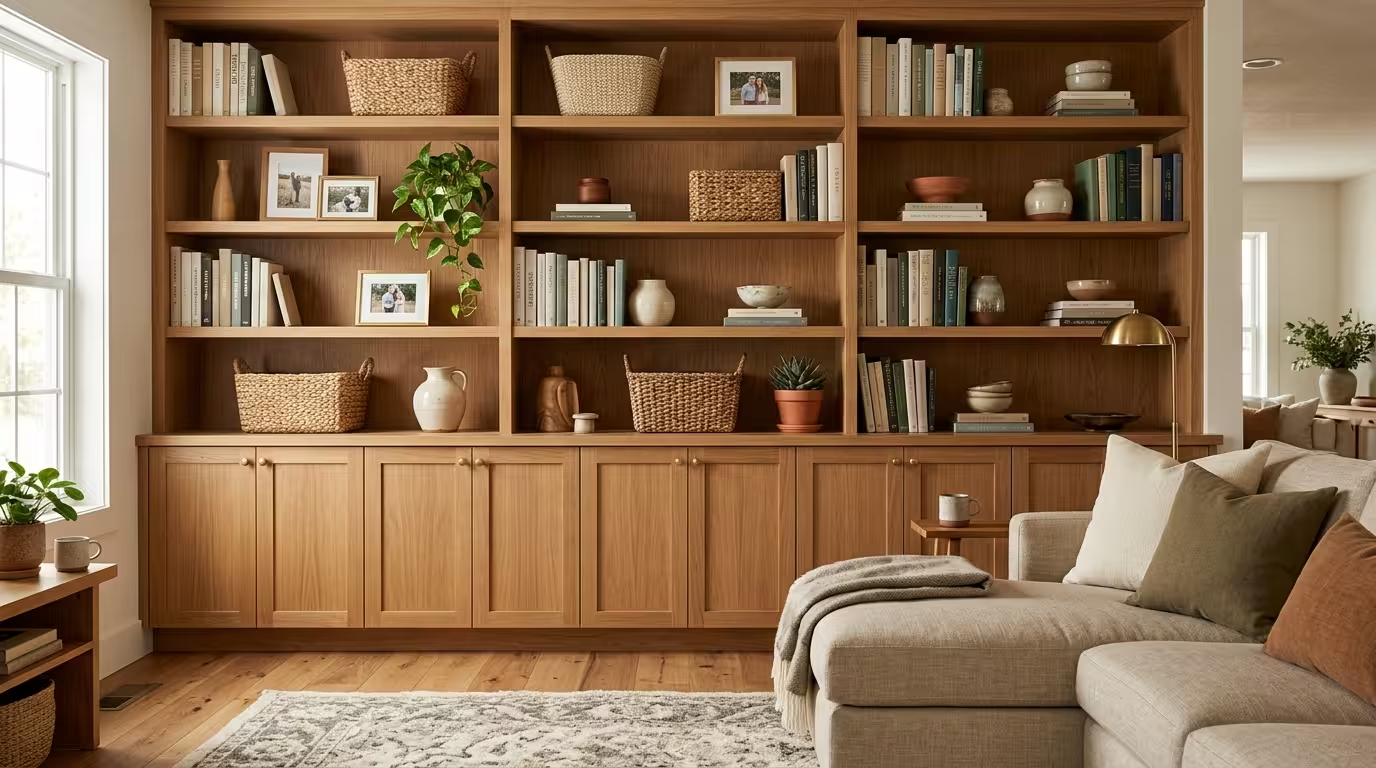
Storage is one of the biggest gaps in many beautiful rooms. A family room may look complete on day one, then slowly collect toys, chargers, blankets, books, remotes, mail, shoes, and pet supplies. Designer family rooms need storage that is planned from the beginning, not added after clutter becomes a problem.
Built-ins are the most seamless option when budget and layout allow. Mix closed cabinets with open shelves so everyday items can be hidden while meaningful pieces remain visible. Media cabinets, storage benches, lidded baskets, sideboards, and ottomans can also work well. The goal is not to hide every sign of life. It is to give daily items a home.
- For compact homes, these small living room decorating ideas can help you create more comfort without crowding the room.
Style Shelves Without Making Them Useless
Open shelves should look intentional, but they should not become untouchable displays. Use a mix of books, framed photos, ceramics, small plants, baskets, and personal objects. Leave some breathing room so the shelves do not feel packed. Group items in different heights and shapes, then repeat a few materials or colors for cohesion.
For families, the lower shelves can hold baskets for toys, games, or blankets, while the upper shelves can display art and decorative pieces. This keeps the room functional without lowering the overall look. A practical shelf can still feel beautiful when the containers, colors, and spacing are chosen carefully.
Layouts for Small, Large, and Open-Concept Rooms
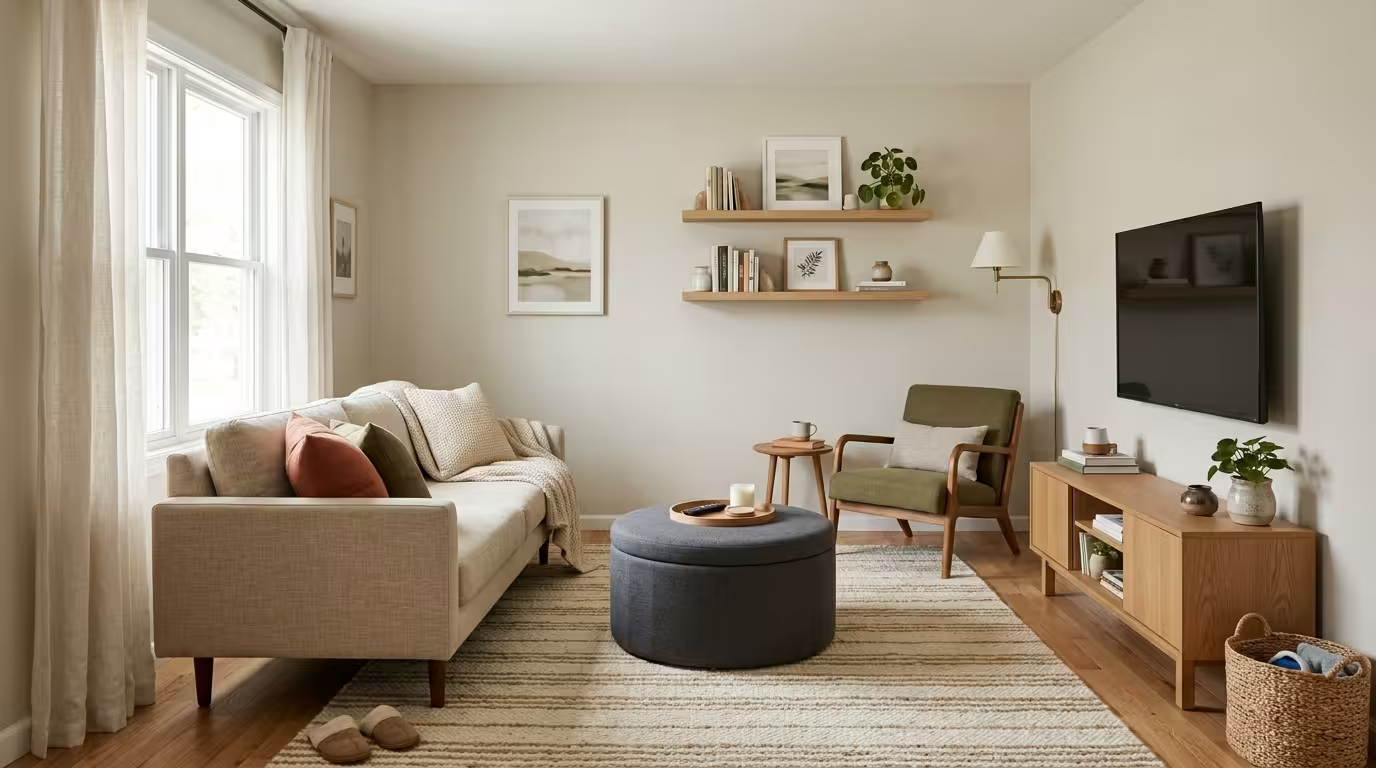
Every room size has a different challenge. Small family rooms need flexibility and visual breathing room. Large family rooms need intimacy and clear zones. Open-concept rooms need cohesion with nearby spaces. The best plan starts with the room’s natural shape rather than forcing a layout from a picture.
For small designer family rooms, choose furniture with exposed legs, rounded edges, and hidden storage. Mount the TV if it improves flow, but keep the viewing height comfortable. Use a large rug instead of several small ones to make the room feel more unified. Choose fewer, better pieces rather than filling every wall.
Large Family Rooms Need Zones
A large family room can feel cold if all the furniture sits against the walls. Pull seating inward to create a conversation area. Then add a second zone, such as a reading chair near a window, a game table behind the sofa, a homework nook, or a small bar cabinet for entertaining. Rugs, lighting, and furniture placement should make each zone feel connected.
Do not rely on matching sets to fill the room. Mix upholstery shapes, wood tones, and textures. A sectional, two swivel chairs, a bench, and a pair of ottomans can create more movement than a full matching suite. The room should feel collected, not purchased in one afternoon.
Open-Concept Rooms Need Visual Discipline
In open layouts, the family room often shares space with the kitchen and dining area. Repeating a few materials helps everything feel connected. For example, black metal lighting in the kitchen can relate to black picture frames in the family room. A walnut island can connect to a walnut coffee table. A soft green accent can appear in art, pillows, and dining chairs.
Use the back of a sofa, a console table, or a rug to define the family room without building walls. Keep the TV wall clean and intentional because it is often visible from several angles. Open rooms need warmth, but they also need restraint so the whole space does not feel visually busy.
How to Style the Room With Personality
A beautiful room should tell the truth about the people who live there. Family photos, travel finds, inherited pieces, children’s art, handmade ceramics, vintage books, and meaningful objects can make a space feel personal. The trick is editing. Display fewer pieces with more care, then rotate items over time.
Designer family rooms do not have to look perfect. In fact, a slightly layered room often feels more welcoming than a room where every object looks new. Mix old and new, smooth and rough, soft and structured. A polished lamp beside a rustic table can be more interesting than a set of perfectly matched items.
Add Art That Fits the Room’s Energy
Art gives a family room identity. Large-scale art can calm a busy room, while a gallery wall can add story and movement. Choose pieces based on mood, color, and meaning rather than only matching the sofa. Family rooms can handle playful art, landscapes, abstracts, photography, or framed textiles.
Hang art at a comfortable viewing height and consider the furniture below it. A small frame above a large sofa often looks lost. A grid of frames, one oversized piece, or a pair of vertical works may feel more balanced. Art does not need to be expensive, but it should feel intentional.
Kid-Friendly and Pet-Friendly Choices That Still Look Elevated
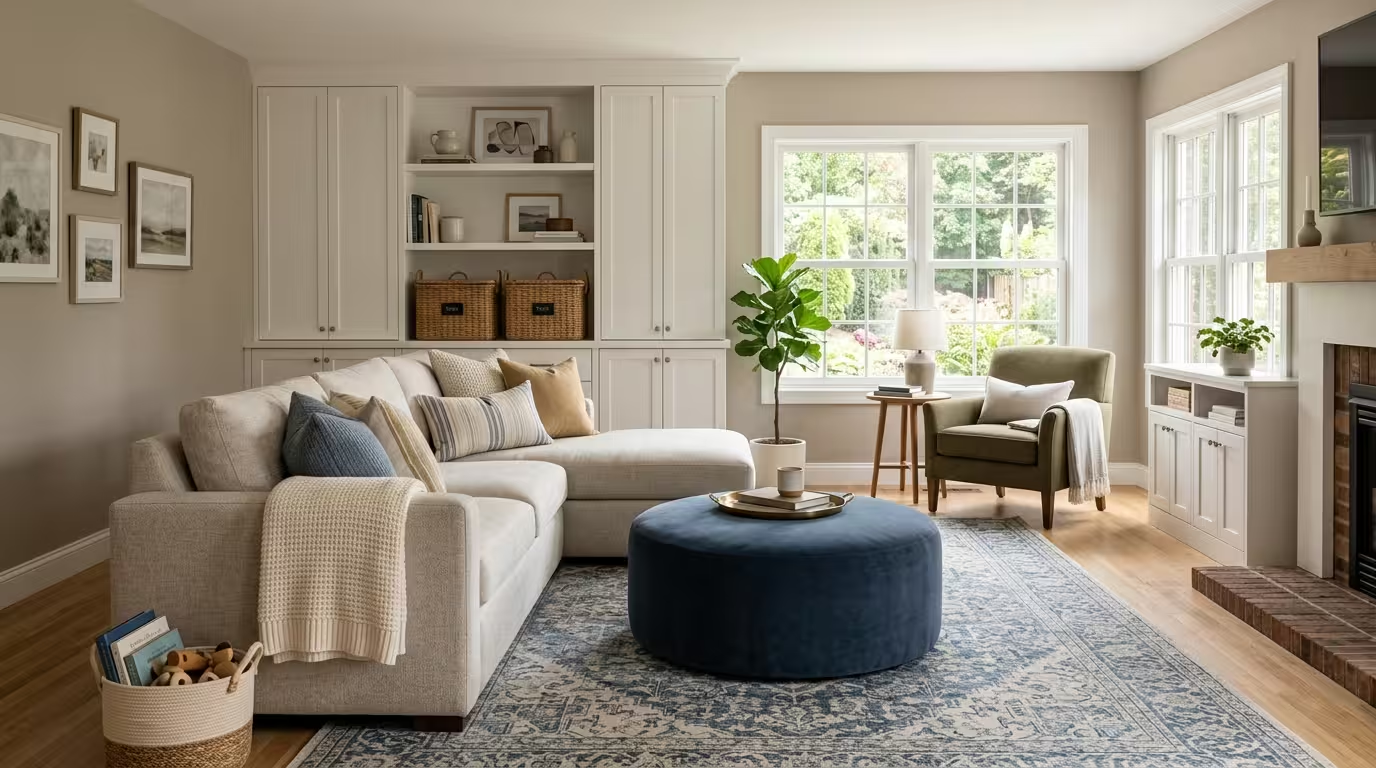
A family room should not make people nervous. If children or pets use the room, choose materials that reduce stress. Washable throws, stain-resistant rugs, rounded furniture, durable finishes, and baskets at child height can make the space easier to maintain. A stylish room that cannot be touched is not truly successful.
For rugs, consider wool, performance blends, or washable options, depending on the household. For tables, avoid finishes that show every mark. For walls, choose paint sheens that can be cleaned more easily in high-contact areas. Designer family rooms feel calm because they expect real life instead of fighting it.
Create a Place for Play
Children’s items do not need to take over the room. A low cabinet, woven basket, storage bench, or small play table can keep things contained. Choose containers that match the room’s palette so they blend in. If the family room doubles as a play area, leave enough floor space for movement.
As children grow, the same zone can become a reading corner, craft area, music space, or game table. Flexible design saves money because the room can change without starting over. Think in stages, not just today’s needs.
Mistakes to Avoid When Designing the Room
The first mistake is buying furniture before measuring. The second is pushing everything against the walls. The third is choosing beauty over comfort. A room can photograph well and still fail if people avoid sitting in it. Comfort should be tested, not assumed.
Another common mistake is ignoring lighting. Even expensive furniture can look flat under harsh ceiling light. Poor rug sizing is also common. A rug should usually connect the main seating pieces, not float like a small island in the middle of the room. The final mistake is copying a style without considering the home’s architecture. Designer family rooms look best when they feel connected to the house around them.
Avoid Too Many Small Accessories
Small accessories can create visual clutter quickly. Instead of many tiny objects, choose fewer pieces with stronger shape, texture, or meaning. A large bowl, sculptural lamp, oversized branch arrangement, or stack of art books can have more impact than a crowded tray of small decor.
This is especially important in homes with children, pets, or frequent guests. Clear surfaces are easier to clean and easier to live with. Leave space for a drink, a book, or a board game. A family room should be styled, but it should never feel like a showroom where no one knows where to sit.
Conclusion:
Designer family rooms are not about creating a flawless room that no one touches. They are about shaping a space where comfort, beauty, storage, lighting, and daily routines work together. A successful family room welcomes real life while still feeling thoughtful and refined.
Start with how your household lives, then build the room around those needs. Choose furniture that fits, fabrics that last, lighting that adapts, and storage that keeps the room calm. Add personal pieces so the space feels like home, not a catalog. When every decision supports both function and feeling, the family room becomes the easiest place in the house to love.
FAQs About Family Room Design
What is the best layout for a family room?
The best layout depends on the room size, focal point, and daily use. Most family rooms work well with seating arranged around conversation first, then adjusted for TV viewing. Keep walkways clear, choose a properly sized rug, and avoid placing every piece of furniture against the walls.
How can I make a family room look expensive on a budget?
Focus on scale, lighting, and editing. Use a larger rug, hang curtains higher, add warm lamps, reduce small clutter, and choose fewer accessories with better texture. Paint, updated hardware, framed art, and well-styled shelves can also make the room feel more refined without a full renovation.
What colors work best for family rooms?
Warm neutrals, soft greens, muted blues, taupe, cream, clay, charcoal, and deep earthy tones all work well. The best color depends on natural light, flooring, and nearby rooms. For a lasting look, use calmer colors on large surfaces and bring stronger accents through pillows, art, and decor.
Are sectionals good for family rooms?
Sectionals are excellent when the room supports their size and shape. They work especially well for movie nights, large families, and open layouts. In smaller or narrow rooms, a sofa with chairs may create better flow. Always measure carefully before choosing a sectional.
How do I make a family room kid-friendly without losing style?
Choose washable textiles, rounded furniture, closed storage, durable rugs, and baskets that match the room’s palette. Keep toys in easy-access zones and use attractive containers. This allows the room to stay practical while still feeling polished and adult-friendly.
What is the biggest design mistake in a family room?
The biggest mistake is designing for appearance only. A family room must be comfortable, durable, and easy to use. If the sofa is uncomfortable, storage is missing, lighting is harsh, or the layout blocks movement, the room will not work no matter how stylish it looks.