Chrome Side Table Ideas to Elevate Every Room in Your Home
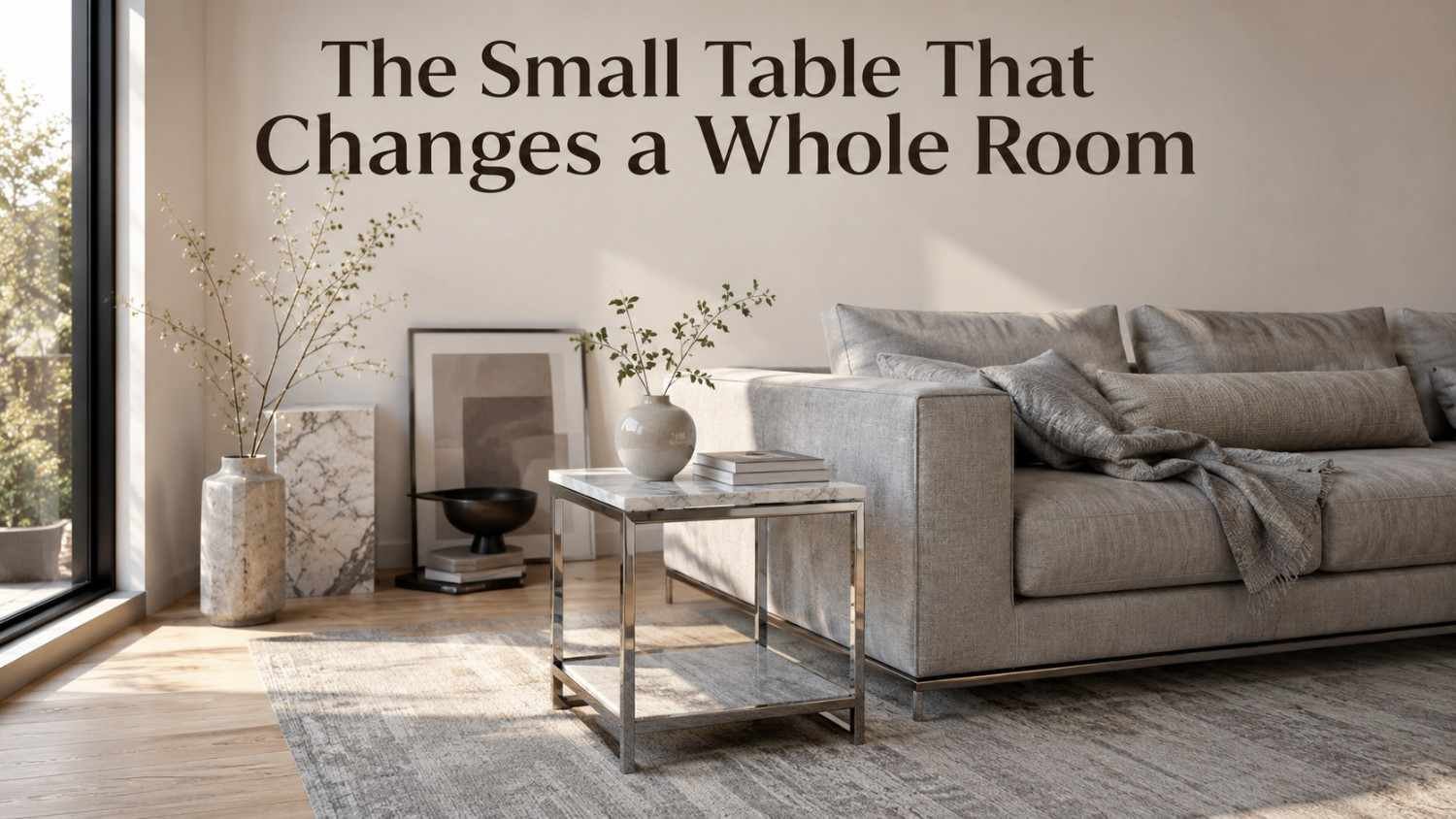
Walk into any well-designed living room, bedroom, or reading nook, and you’ll often notice one small detail doing a lot of visual work: a chrome side table catching the light. It’s not the biggest piece of furniture in the space, but it’s frequently the one that makes the room feel finished. Chrome has a way of adding polish without adding bulk, and that’s exactly why designers keep reaching for it decade after decade.
If you’re weighing whether a chrome side table fits your space, or you already own one and aren’t sure how to style it, this guide walks through everything from choosing the right size to specific placement ideas for nearly every room in your house.
What Is a Chrome Side Table?
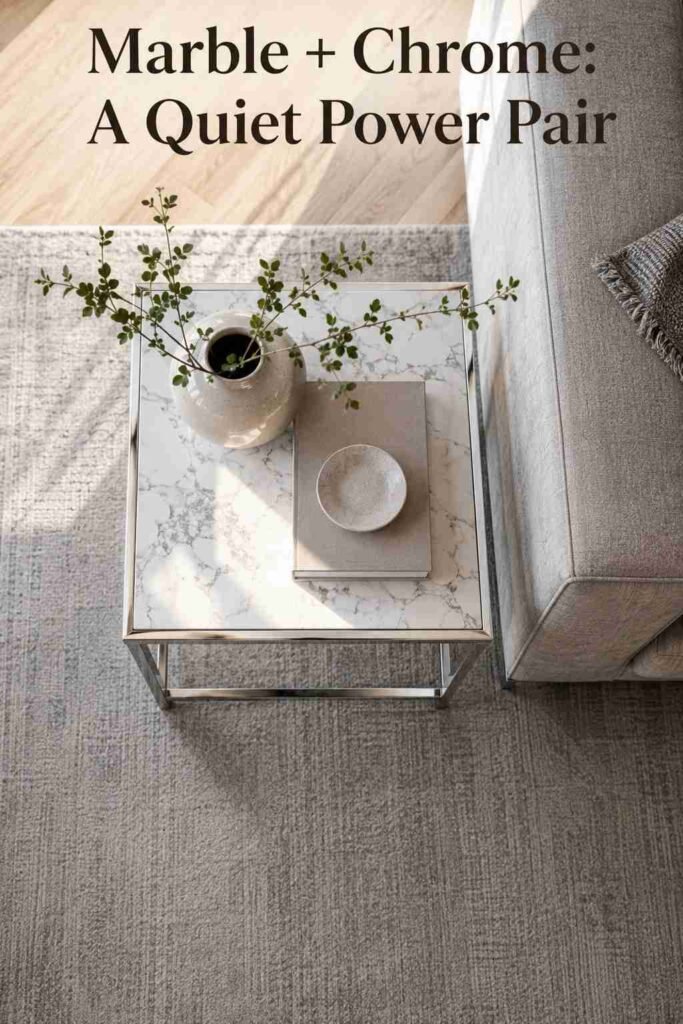
A chrome side table is a small accent table with a metal frame or full body finished in polished, brushed, or satin chrome. The finish is created by electroplating a base metal, usually steel, with a thin layer of chromium, which gives the surface its signature reflective shine and resistance to rust. Tabletops vary widely: glass, marble, wood, and even stone are common pairings with a chrome base.
Unlike solid wood or upholstered furniture, chrome pieces read as light and open. That makes them a practical choice in smaller rooms where a bulkier table would feel heavy, while still holding up structurally next to a sofa, bed, or armchair.
Why Choose a Chrome Side Table for Your Home
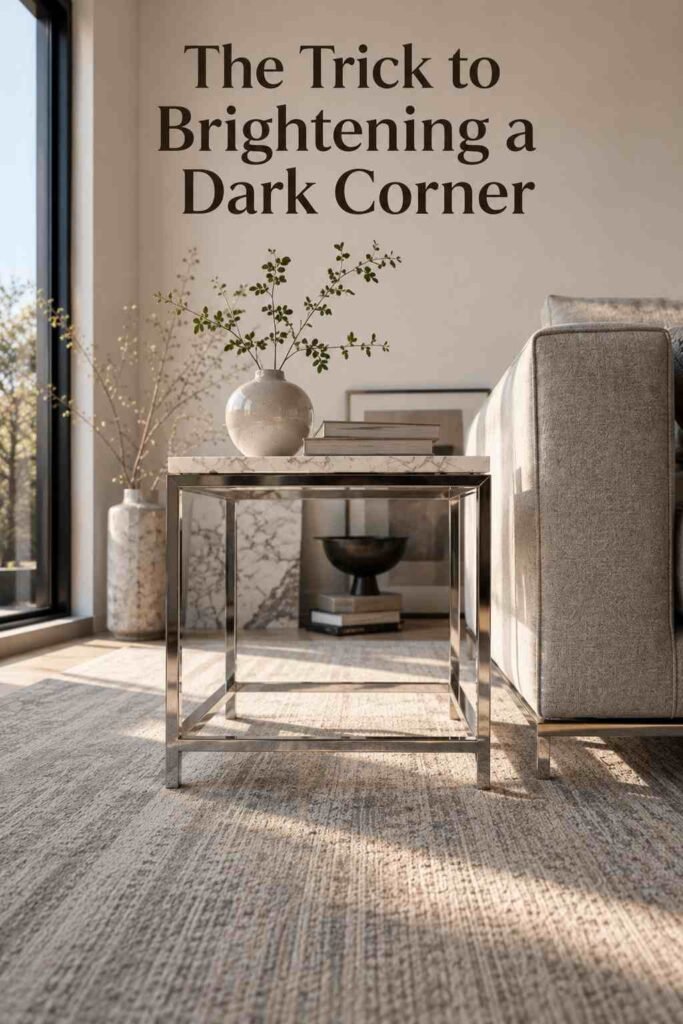
Chrome isn’t just a passing trend. It has been a fixture in interior design since the mid-20th century, when designers like Milo Baughman popularized chrome-framed furniture as part of the modernist movement. A few practical reasons it has stayed popular:
It reflects and expands light. In rooms with limited natural light, a chrome surface bounces available light around instead of absorbing it, which can make a space feel larger.
It’s low maintenance. A quality chrome finish resists tarnishing and corrosion far better than untreated metal, so it holds its shine with minimal upkeep.
It pairs with almost anything. Because chrome is a neutral, cool-toned metal, it sits comfortably next to wood, leather, fabric, and other metal finishes without clashing.
If you’re building out a broader design plan, this kind of accent piece is a great place to start when exploring Chrome home decor options that carry the same finish across lighting, hardware, and furniture for a cohesive look.
How to Choose the Right Chrome Side Table

Before picking a style, it helps to nail down the practical details. A table that looks great in a photo can still feel wrong in your actual room if the proportions are off.
Size and Height
The general rule for a living room side table is that its height should sit at or slightly below the arm of your sofa or chair, so you can reach items without straining. Most sofa-side tables fall between 22 and 28 inches tall, while nightstands typically run 24 to 28 inches. If the table is going in a hallway or corner rather than beside seating, you have more flexibility, but proportion to nearby furniture still matters.
Shape
Round tables soften a room full of straight-edged furniture and are safer around high-traffic walkways. Square and rectangular tables offer more surface area and tend to suit symmetrical, structured layouts. C-shaped and cantilevered chrome tables, which slide partially under a sofa arm, work well when floor space is tight.
Tabletop Material
- Glass keeps the piece visually light and works well in small or minimalist rooms.
- Marble or stone adds weight and warmth, balancing out chrome’s cooler tone.
- Wood softens the industrial edge of chrome and suits transitional or Scandinavian interiors.
12 Chrome Side Table Ideas for Every Room
Once you’ve settled on size and shape, here’s where a chrome side table can actually go to work in your home.
1. Classic Sofa-Side Accent
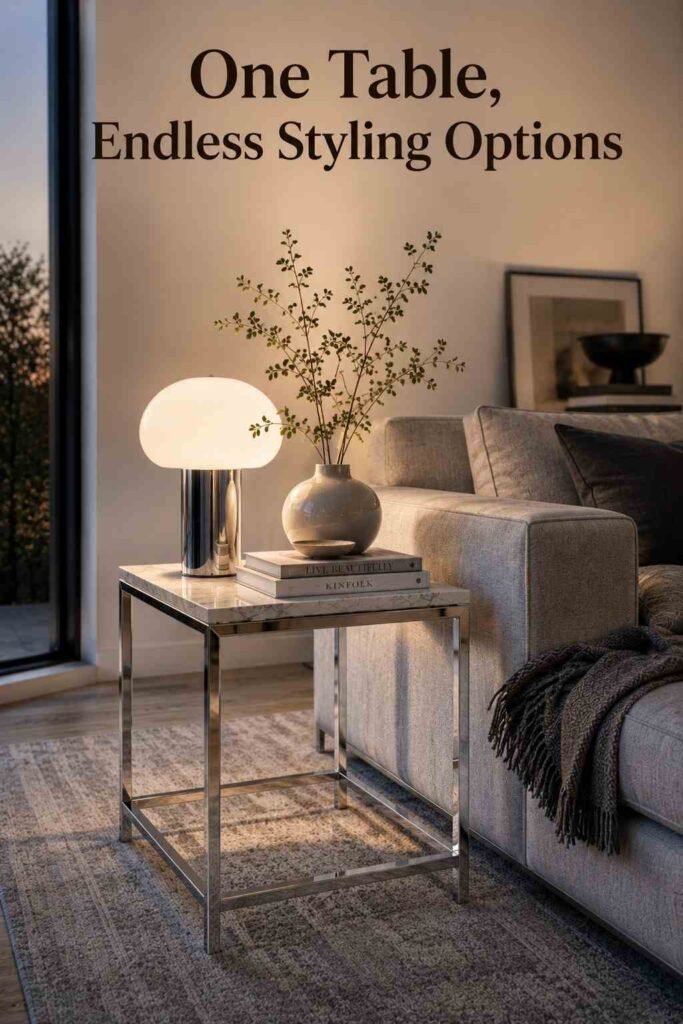
The most straightforward placement is beside a sofa or lounge chair, holding a lamp, coaster, or a small stack of books. A round chrome and glass table here keeps the seating area open and easy to move around.
2. Chrome Nightstand Pairing
Swapping traditional wood nightstands for a pair of chrome side tables instantly modernizes a bedroom. Two matching tables flanking the bed create symmetry and reflect ambient light from bedside lamps, which is especially effective in rooms with darker walls or limited windows. This is one of the simplest bedroom decor ideas worth trying if you want a quick refresh without replacing the whole room.
3. Entryway Statement Pair
Placed on either side of a console or mirror, two chrome tables in an entryway create an intentional, gallery-like first impression. Top them with a small tray for keys and mail to keep the surface functional rather than purely decorative.
4. Plant Stand in a Reading Nook
A single chrome cylinder table works beautifully as a plant stand next to a reading chair. The metal base contrasts nicely against greenery, and the compact footprint doesn’t compete with your chair or floor lamp.
5. Home Office Accent Table
Next to a desk chair or in a corner of a home office, a small chrome side table adds a spot for a coffee mug, notebook, or desk lamp without adding to desk clutter. Choose a version with a lower shelf if you need extra storage for files or supplies.
6. Bathroom Display Table
A compact chrome table beside a freestanding tub or in a corner of a primary bathroom can hold towels, candles, or a small plant. Because chrome resists moisture-related tarnishing better than many other finishes, it’s a practical choice for humid spaces.
7. Outdoor-Adjacent Patio Accent
Weather-rated chrome and metal tables can extend the same aesthetic to a covered patio or sunroom, bridging your indoor and outdoor spaces visually. For layout inspiration on blending indoor design language with outdoor seating areas, resources like outinteriors offer useful ideas for cohesive patio styling.
8. Mixed-Metal Statement
Pairing a chrome side table with brass lighting or black iron shelving creates a deliberate mixed-metal look that’s become a defining trait of contemporary interiors. The key is to keep one metal dominant and use the second as an accent, rather than splitting the room evenly.
9. Retro Cylinder Table
Vintage-inspired chrome cylinder tables, similar to pieces reissued from 1970s catalog designs, bring a mid-century edge to a room without committing to a full retro theme. A single cylinder table next to a mid-century sofa is often enough to set the tone.
10. Minimalist Scandinavian Pairing
Paired with light wood furniture, white walls, and simple textiles, a slim chrome table adds just enough shine to a Scandinavian-style room without disrupting its calm, uncluttered feel.
11. Small-Space Glass and Chrome Combo
In studio apartments or compact living rooms, a glass-top chrome table takes up minimal visual weight. Because you can see through the top, it doesn’t break up sightlines the way a solid wood table would.
12. DIY Chrome Refresh
If you already own an older metal or laminate side table, chrome spray finishes and adhesive chrome vinyl are popular ways to update the piece without buying new furniture. It’s a budget-friendly way to test the look before committing to a full purchase.
How to Care for a Chrome Side Table
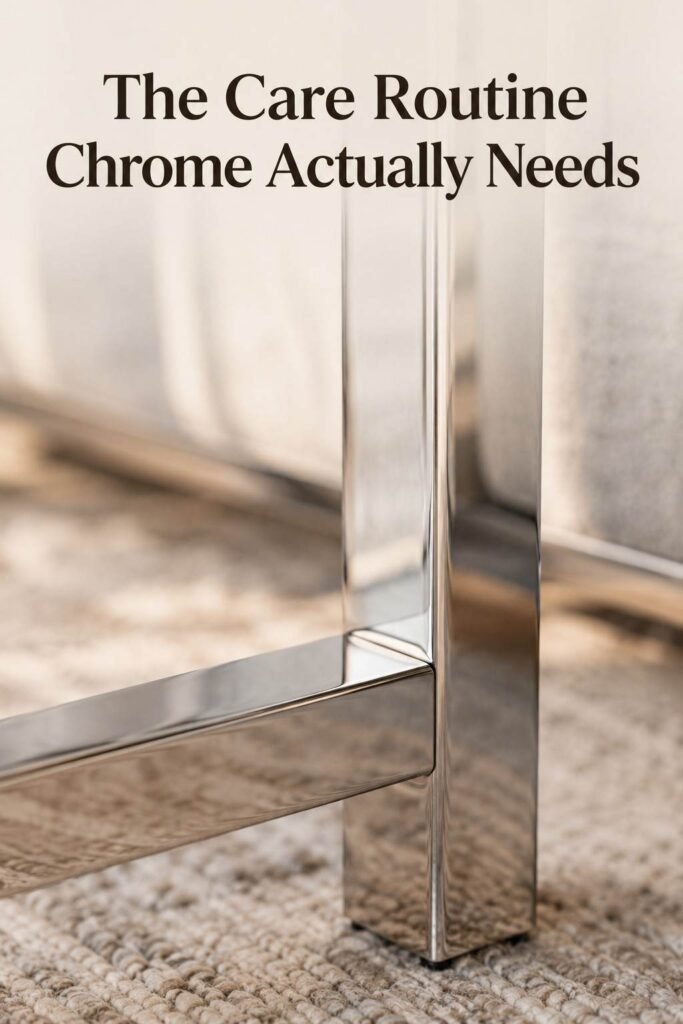
Chrome is durable, but it still benefits from routine care. Wipe the surface with a soft microfiber cloth and a mild soap-and-water solution to remove dust and fingerprints, which show up more visibly on reflective finishes. Avoid abrasive scrubbers, as they can create fine scratches that dull the shine over time. For water spots or light tarnish, a small amount of white vinegar on a soft cloth usually restores the shine without damaging the plating. Dry the surface fully after cleaning, since standing moisture is the most common cause of long-term corrosion on lower-quality chrome finishes.
Chrome Side Table vs. Other Finishes
It’s worth comparing chrome against the other finishes you’ll typically see in the same category before deciding.
Chrome vs. Brass: Chrome reads cooler and more modern, while brass leans warm and traditional. Chrome also tends to show fingerprints more readily, while brass finishes can hide them better.
Chrome vs. Black Metal: Black metal tables create more visual contrast and tend to disappear into darker rooms, while chrome stands out and adds brightness.
Chrome vs. Wood: Wood brings warmth and texture but doesn’t reflect light the way chrome does, making chrome the better choice for brightening a dim corner.
Where to Buy a Quality Chrome Side Table
Chrome side tables are widely available across furniture retailers, home goods stores, and marketplaces, with prices ranging from under $50 for basic mass-produced versions to several hundred dollars for designer or vintage pieces. When comparing options, check the base material under the chrome plating; solid steel frames tend to hold their finish longer than lighter, hollow metal frames. Reading recent customer reviews for comments about tarnishing, wobbling, or coating durability is one of the most reliable ways to gauge long-term quality before you buy.
Conclusion
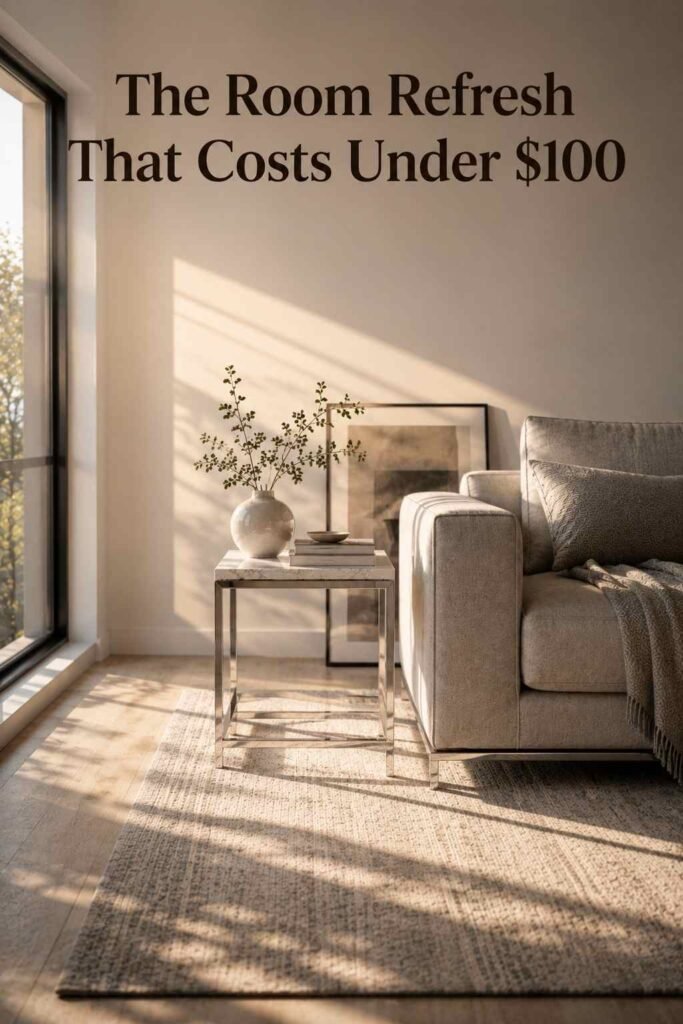
A chrome side table is a small investment that can noticeably change how a room feels, from adding light in a dim corner to tying together a mixed-metal design scheme. Whether you’re pairing two as nightstands, using one as a plant stand, or refreshing an old table with a chrome finish yourself, the versatility of this material makes it one of the easier upgrades to get right. Start with the size and shape that fits your space, then build the styling around it.
Frequently Asked Questions
Does chrome furniture go out of style?
Chrome has remained a consistent presence in interior design since the mid-20th century and continues to appear in both vintage and contemporary collections, which suggests it’s more of a lasting staple than a short-term trend.
Is a chrome side table hard to keep clean?
No. Regular dusting with a soft cloth and occasional cleaning with mild soap and water is usually enough. Fingerprints show up more visibly on chrome than on matte finishes, so it may need slightly more frequent wiping.
Can I mix chrome with gold or brass furniture in the same room?
Yes, mixed-metal rooms are common in current interior design. The general guideline is to let one metal dominate and use the second sparingly as an accent.
What’s the difference between chrome and stainless steel side tables?
Chrome is a plated finish applied over a base metal, giving it a brighter, more reflective look. Stainless steel is a solid alloy with a slightly duller, more matte appearance and is generally more resistant to scratching.
What height should a chrome side table be next to my sofa?
Aim for a table that sits level with or just below your sofa’s armrest, typically between 22 and 28 inches, so items on top are easy to reach.
Are chrome side tables good for small apartments?
Yes. Because chrome and glass combinations are visually light, they tend to work especially well in compact spaces where a bulkier wood table might feel crowded.
Can I DIY a chrome finish on an existing table?
Yes, chrome spray paint and adhesive chrome vinyl wraps are both available for updating an existing metal or laminate table, though results vary based on the base material and surface preparation.