Dream Home Ideas: 27 Beautiful, Practical Ways to Design a Home You’ll Love
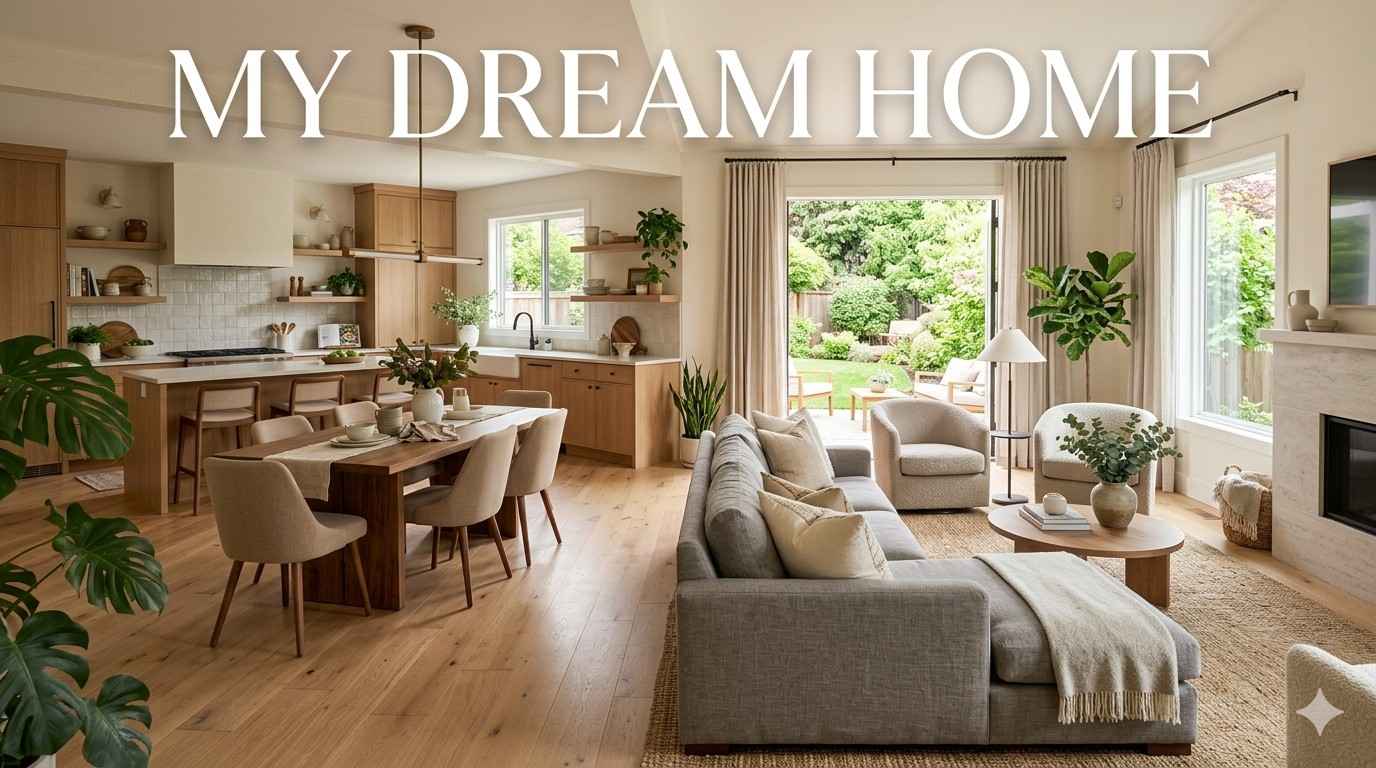
A dream home is not only a large house with expensive finishes. It is a place that supports real life, from slow mornings in the kitchen to quiet evenings in the living room. The best dream home ideas combine beauty, comfort, storage, light, privacy, and long-term function. They also leave space for personality, because a home should feel collected over time, not copied from a showroom. Whether you are building, renovating, or refreshing one room at a time, the right ideas can help you create a home that feels calm, useful, and deeply personal.
Start With a Home Vision You Can Actually Live With
Before choosing tile, paint, furniture, or fixtures, define how you want your home to feel on an ordinary day. Ask simple questions. Where do you drop your keys? Where do guests gather? Do you cook often? Do you need a quiet place to work, read, pray, stretch, or create? Strong dream home ideas begin with habits, not trends. When you plan around daily routines, every design choice becomes easier and more practical.
A helpful approach is to create three lists: must-have features, nice-to-have features, and future upgrades. Must-haves may include a functional kitchen, a peaceful bedroom, a mudroom, better storage, or a safer entry. Nice-to-haves might include a reading nook, coffee bar, home gym, or soaking tub. Future upgrades can be outdoor kitchens, built-ins, or smart systems. This method keeps the project focused and prevents costly impulse decisions.
Dream Home Ideas for a Smarter Floor Plan
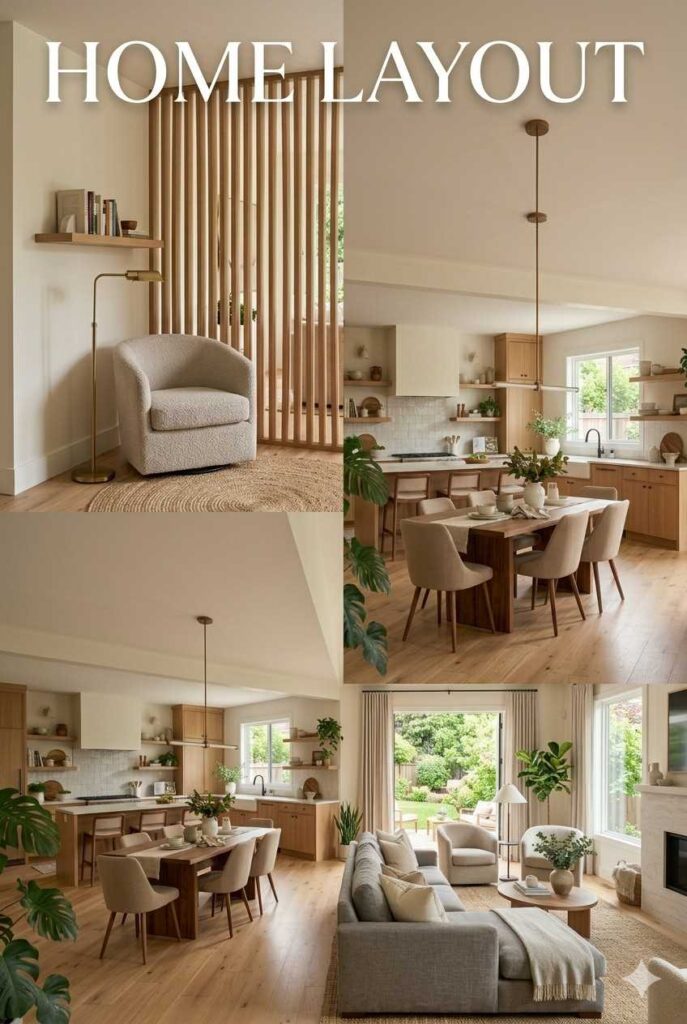
A beautiful home can still feel frustrating if the layout does not flow. Good planning makes rooms feel connected without removing privacy. In modern homes, people often want open gathering spaces, but they also need quiet corners and separation from noise. That balance is one of the most important dream home ideas for families, remote workers, and anyone who values comfort.
Create Open Spaces With Clear Zones
Open layouts are popular because they make the kitchen, dining area, and living room feel social. The challenge is avoiding one large room that feels noisy or unfinished. Use furniture placement, ceiling beams, rugs, lighting, and partial walls to define zones. A sofa can divide the living area from the dining space. Pendant lights can mark the kitchen island. A console table behind seating can create a soft boundary without blocking light.
Broken-plan living is another smart option. It keeps the airy feel of an open floor plan while using pocket doors, glass partitions, half walls, or built-in shelving for separation. This works especially well for homes where people need different activities at the same time, such as cooking, homework, work calls, and relaxing. The result feels flexible instead of chaotic.
Design a Kitchen That Works Like a Daily Hub
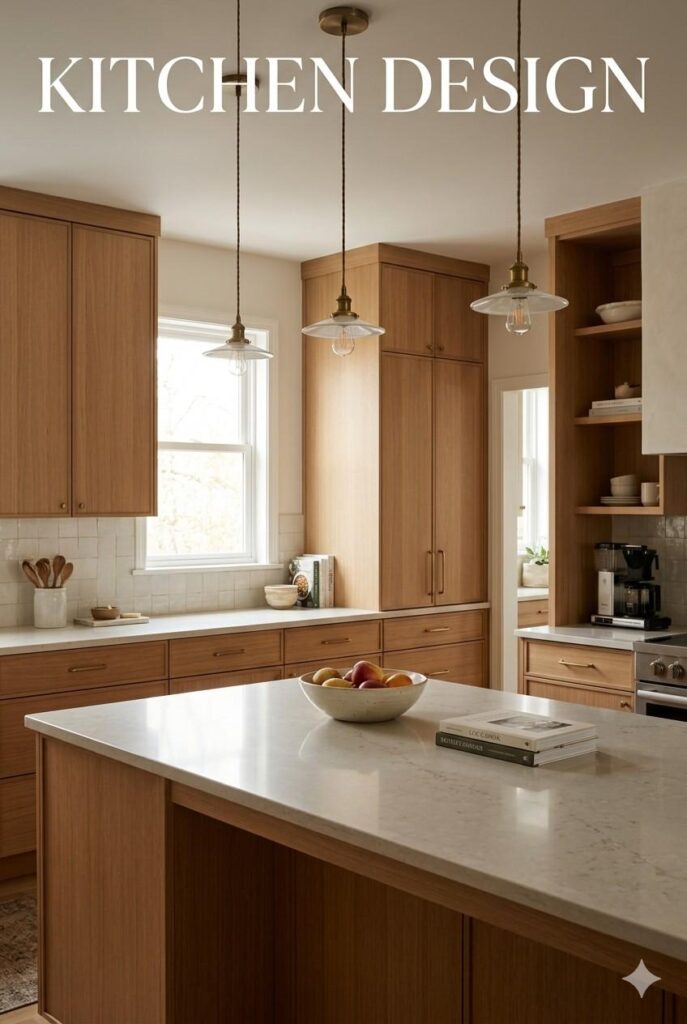
The kitchen is often the heart of the home, so it should be designed for movement, storage, and conversation. Start with clear zones for prep, cooking, cleaning, and serving. Deep drawers, pull-out pantry shelves, appliance garages, and hidden charging stations help keep counters clean. A large island can be useful, but only if there is enough walking space around it.
One of the best dream home ideas for kitchens is a secondary support zone. This may be a walk-in pantry, scullery, beverage station, or small breakfast cabinet. It keeps clutter away from the main kitchen and makes hosting easier. If your space is smaller, try a tall pantry cabinet, wall-mounted shelves, or a rolling cart with storage. Function matters more than size.
Add Quiet Corners for Real Rest
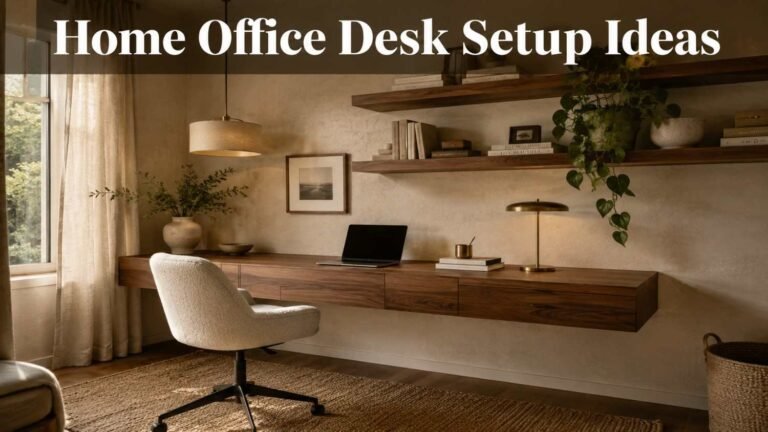
Every home benefits from at least one quiet corner. It can be a window seat, library wall, meditation space, prayer corner, music nook, or comfortable chair beside a lamp. This kind of space does not need to be large. It simply needs softer lighting, comfortable seating, and a little distance from high-traffic areas. These small retreats make a home feel thoughtful.
A quiet corner can also help underused areas feel meaningful. An empty landing can become a reading space. A wide hallway can hold bookshelves. A bedroom corner can become a journaling spot. If you love music, a small listening area with rugs, curtains, and warm lighting can feel special without needing a full dedicated room.
Room-by-Room Planning Ideas
The strongest homes are planned room by room, with each space serving a clear purpose. Instead of decorating everything at once, focus on the rooms that affect daily life the most. A better entry can reduce mess. A better bedroom can improve rest. A better bathroom can make mornings easier. Practical dream home ideas should improve how the home works before they improve how it photographs.
Living Room: Comfort First, Style Second
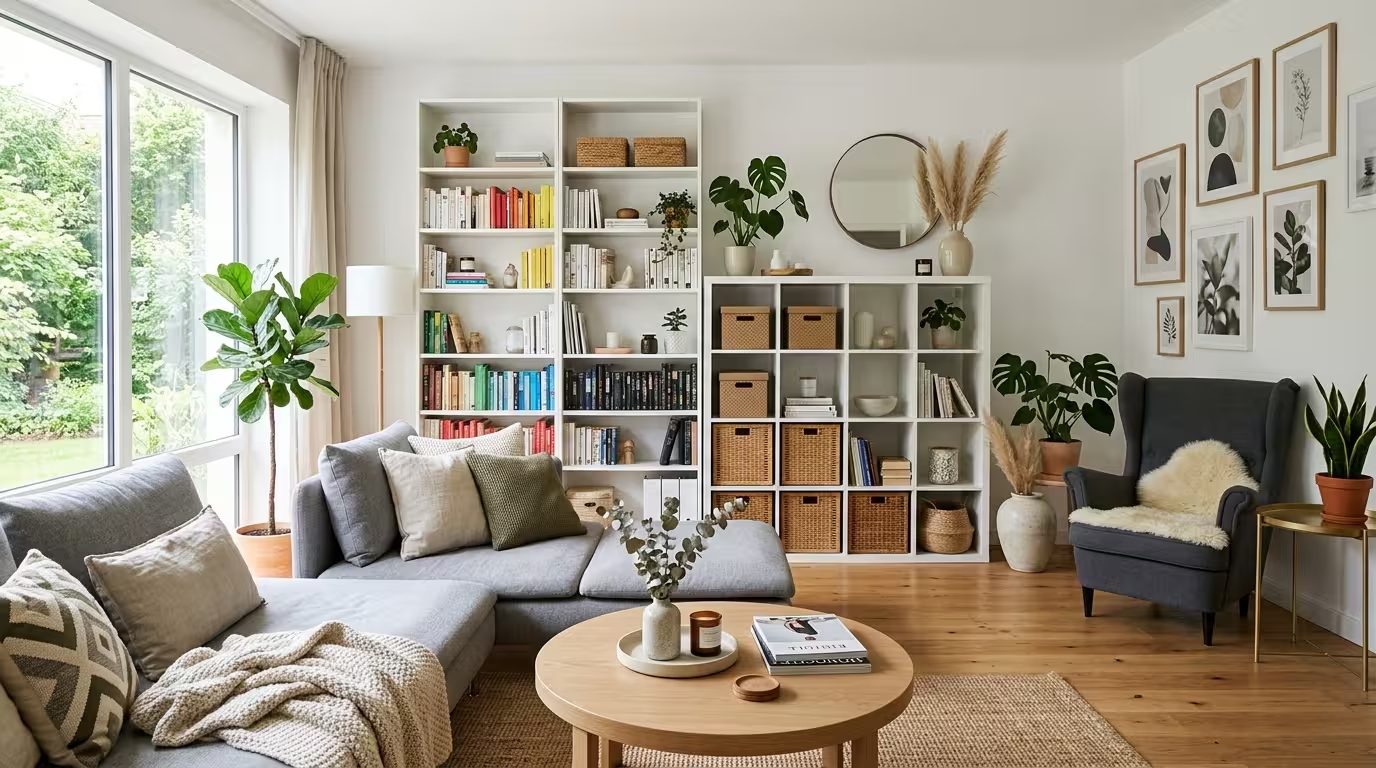
A living room should invite people to sit, talk, and relax. Start with seating that fits the way you use the room. A sectional works for movie nights and families, while two sofas facing each other feel better for conversation. Add side tables within reach, layered lighting, and a rug large enough to connect the furniture. Small details make the space feel intentional.
For style, mix textures instead of relying on one color. Try linen, wool, leather, wood, stone, ceramic, or woven baskets. This gives the room depth while keeping it calm. If your walls feel empty, use art, shelving, mirrors, or a gallery wall with personal photos. A dream living room should look polished, but it should never feel too precious to use.
Bedroom: Build a Restful Private Retreat
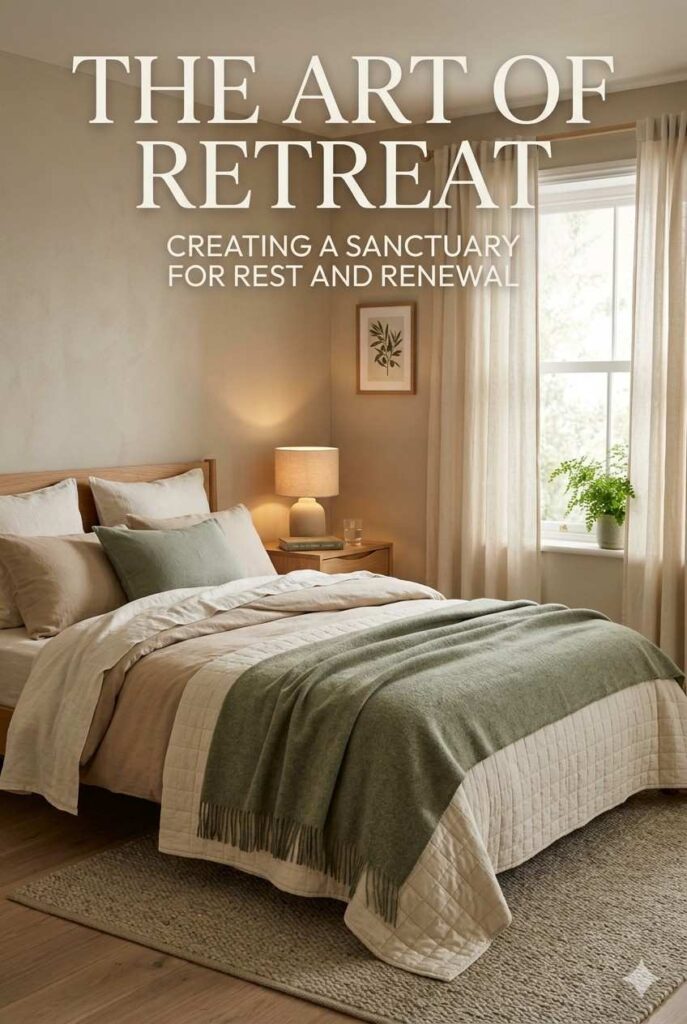
A bedroom should feel like a pause from the rest of the house. Choose a comfortable bed, soft bedding, blackout window treatments, and warm bedside lighting. Keep work items, laundry piles, and visual clutter away from the sleeping area when possible. A calm bedroom does not need to be plain. It needs to support rest.
Storage is part of the design. Use nightstands with drawers, under-bed storage, closet systems, and hooks behind doors. If the room is small, choose wall-mounted lights to free up table space. If it is large, add a bench, reading chair, or low dresser to create balance. Among all dream home ideas, a restful bedroom is one of the most valuable because it affects every morning.
Bathroom: Make Daily Routines Feel Easier
A great bathroom is clean, durable, and easy to use. Focus on good ventilation, practical lighting, storage near the sink, and surfaces that can handle moisture. A walk-in shower with a handheld fixture is useful for many ages and life stages. A niche keeps bottles organized. A floating vanity can make a small bathroom feel more open.
For a spa-like feel, use warm neutrals, stone-look tile, wood accents, and soft towels. Add dimmable lights or a backlit mirror for a gentler mood at night. If you have the budget, radiant floor heating, a soaking tub, or a curbless shower can make the room feel more luxurious. Even without major renovation, better lighting and storage can transform the space.
Style Ideas That Feel Fresh Without Feeling Temporary
Trends can be useful, but the best rooms feel layered and personal. Current design is moving toward warmth, character, natural materials, and softer shapes. That does not mean every room should be bold. It means your home can feel more human with texture, color, handmade details, and meaningful objects. These dream home ideas work because they can be adapted to many budgets and house sizes.
Warm Minimalism
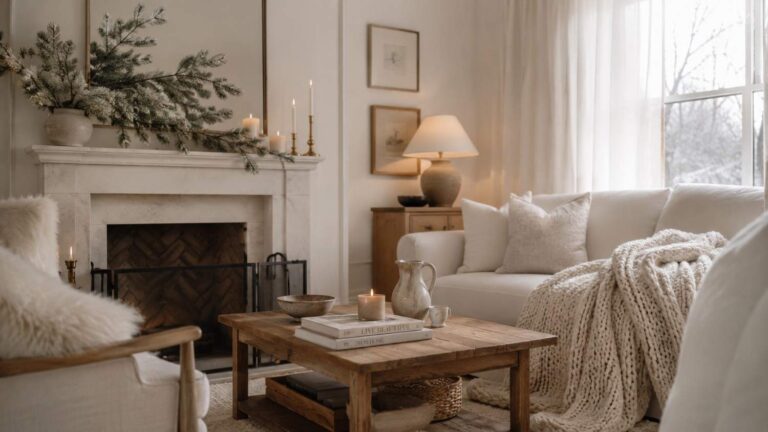
Warm minimalism keeps the clean lines of modern design but removes the cold feeling. Instead of stark white rooms, use cream, oatmeal, taupe, warm gray, soft brown, and muted clay. Add wood, linen, boucle, wool, or stone for texture. Keep fewer items on display, but choose pieces with shape and quality.
This style works well for people who like calm spaces but do not want the home to feel empty. Use simple furniture, concealed storage, and one or two sculptural accents in each room. A curved chair, fluted cabinet, handmade vase, or textured lamp can give the room personality without creating clutter.
Organic Materials and Soft Natural Colors
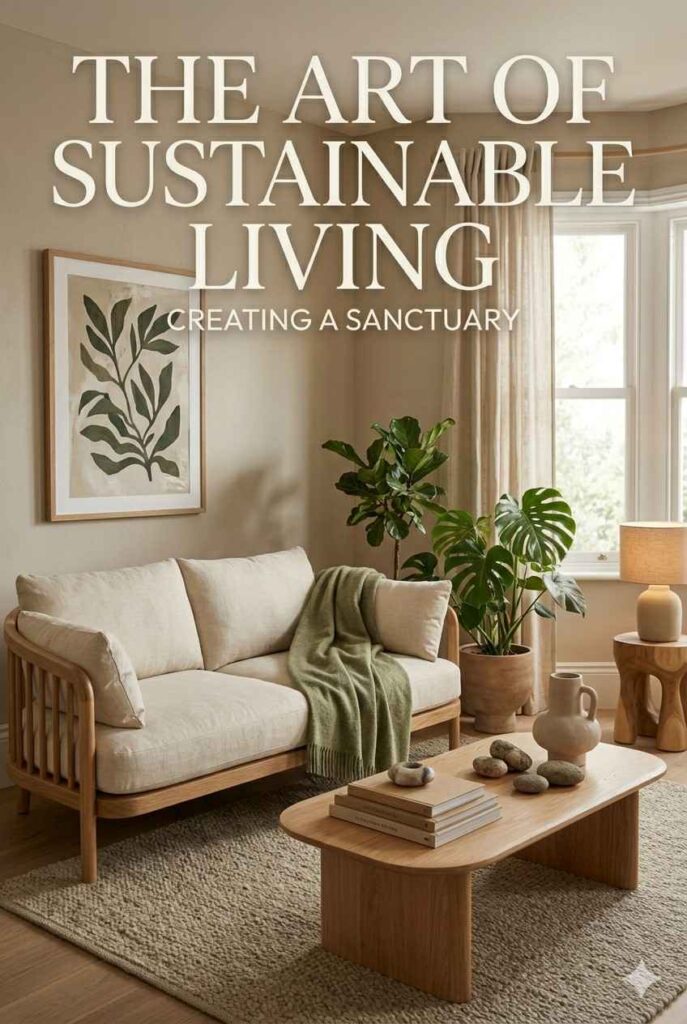
Natural materials bring comfort and visual warmth. Wood beams, rattan chairs, jute rugs, stone counters, clay tile, limewash walls, and linen curtains can make a home feel grounded. The idea is not to make everything rustic. It is to add materials that age well and feel pleasant to touch. For a calmer palette, explore soft organic home ideas before choosing paint, furniture, and textiles for your main rooms.
A soft organic home often uses curved lines, matte finishes, natural light, and earthy colors. Sage, sand, ivory, olive, mushroom, terracotta, and warm brown all work beautifully. You can also add contrast with black metal, aged brass, or deep green. Keep the balance simple: natural foundation, comfortable furniture, and a few expressive details.
Wallpaper, Pattern, and Personality
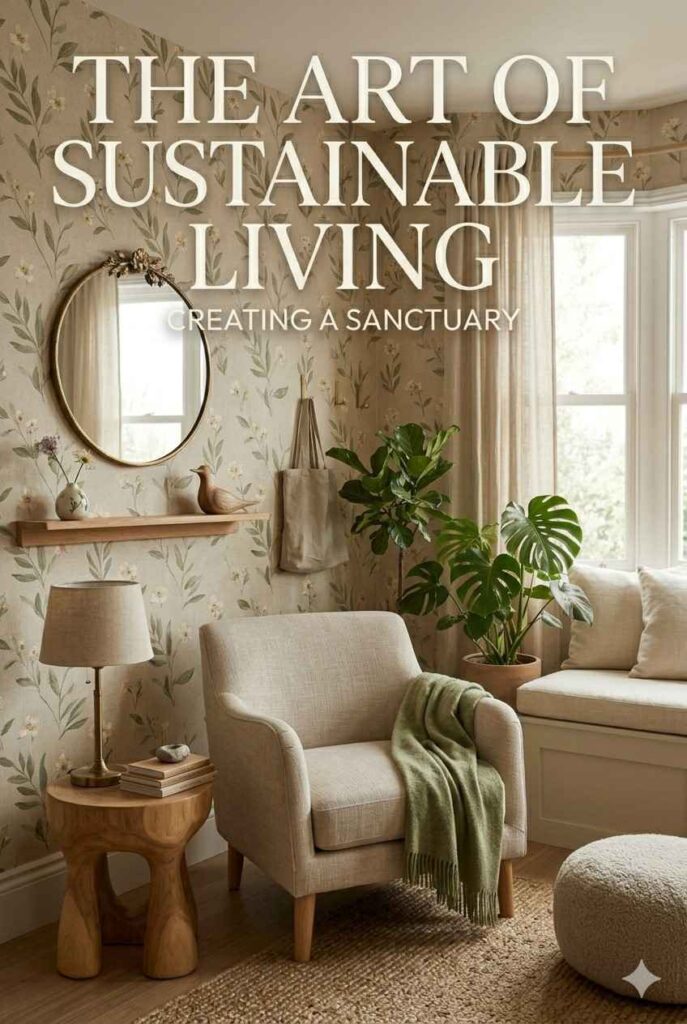
Wallpaper is one of the easiest ways to make a room memorable. Powder rooms, nurseries, reading nooks, laundry rooms, and dining rooms are perfect places to try pattern. If you are nervous, begin with a small wall or removable wallpaper. Florals, stripes, botanicals, checks, murals, and textured grasscloth can all work depending on the mood you want.
For playful rooms, save cute wallpaper ideas that match your color palette, then use one pattern as the starting point for pillows, art, and accessories. This keeps the space coordinated without looking overly matched. Pattern feels most elegant when it has room to breathe, so pair busy wallpaper with simple furniture and clean trim.
Storage That Looks Beautiful
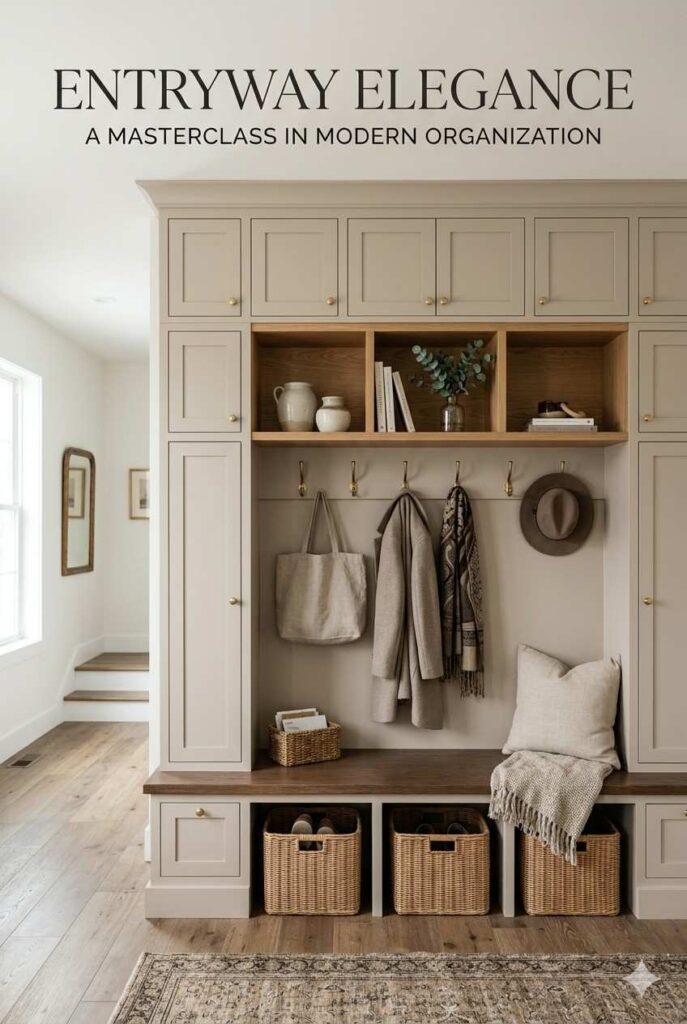
Storage is one of the most underrated dream home ideas because it affects how peaceful the home feels. A room with enough storage is easier to clean and easier to enjoy. Built-ins, pantry walls, mudroom lockers, closet systems, and under-stair drawers can turn wasted space into useful space. Even small homes can feel generous when every item has a place.
The key is to design storage around real behavior. If shoes pile up near the door, add a bench and a closed shoe cabinet. If mail collects on the counter, create a small command center. If toys spread through the living room, use low cabinets or baskets that children can reach. For a refined look, choose storage that matches the architecture, such as paneled doors or painted cabinetry that blends with the wall.
Lighting Ideas That Change the Mood
Lighting can make an average room feel expensive and comfortable. Use three layers: ambient lighting for general brightness, task lighting for specific activities, and accent lighting for mood. Ceiling lights alone often feel flat. Add lamps, sconces, under-cabinet lighting, picture lights, and dimmers to create warmth.
In a kitchen, combine recessed lights with pendants and under-cabinet strips. In a bedroom, use bedside lamps or wall sconces with easy switches. In a bathroom, place lights near the mirror instead of only overhead. In a living room, use lamps at different heights. One of the most practical dream home ideas is to plan outlets and switches before decorating, because the best lamp is useless if the cord crosses the room.
Outdoor Spaces That Feel Like Extra Rooms
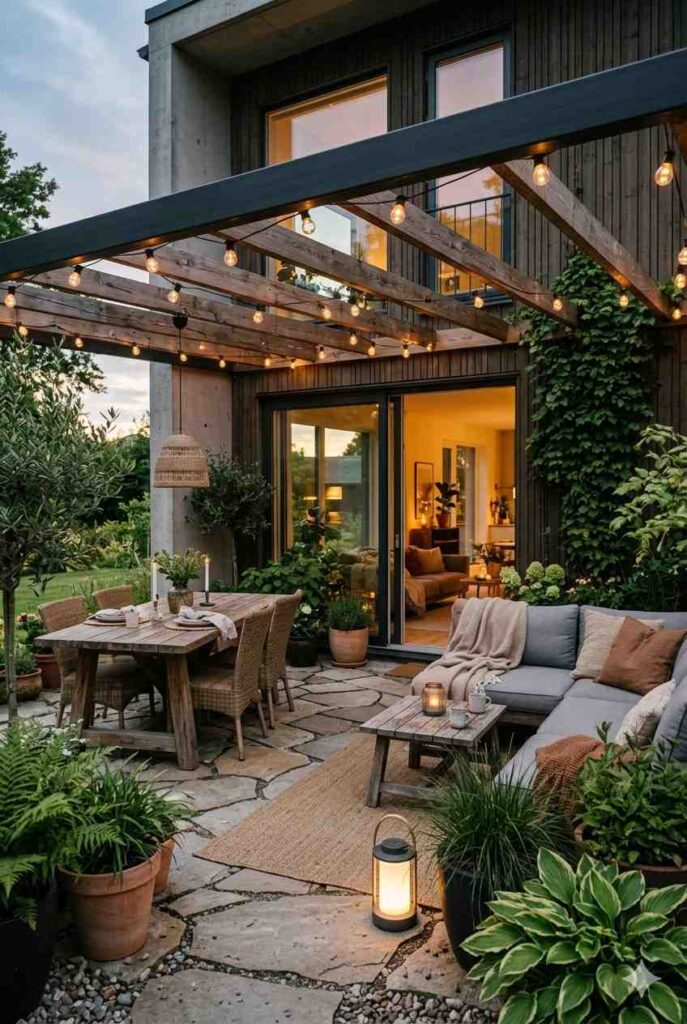
Outdoor living has become a major part of how people use their homes. A patio, porch, balcony, deck, or small garden can become a second living room with the right planning. Think in zones: cooking, dining, lounging, gardening, and quiet retreat. Even a small balcony can hold a bistro table, outdoor rug, plants, and soft lighting.
For larger yards, consider a covered patio, fire pit, outdoor kitchen, pergola, plunge pool, or dining area. Choose durable materials that suit your climate. Native plants, gravel paths, shade trees, and weather-resistant furniture can reduce maintenance while making the space feel natural. The best outdoor dream home ideas make daily life better, not just weekend entertaining.
Comfort, Air Quality, and Energy-Smart Choices
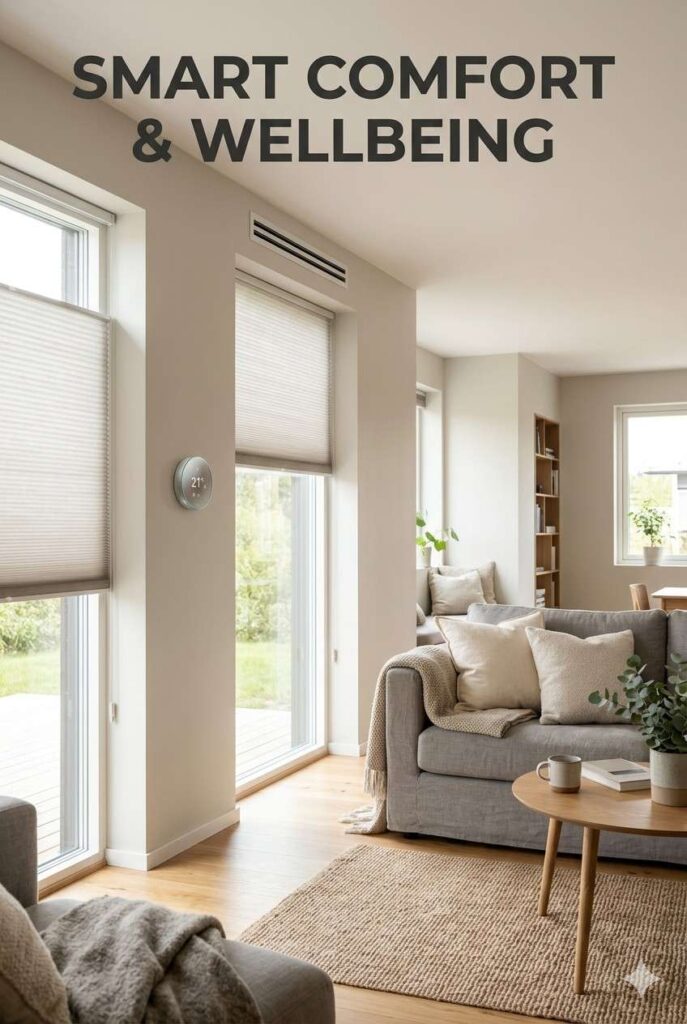
A dream home should feel good in every season. That means paying attention to insulation, air sealing, ventilation, shade, and heating and cooling systems. According to ENERGY STAR, certified smart thermostats can help many households reduce heating and cooling costs. The U.S. Department of Energy also emphasizes air sealing as a practical way to improve comfort and reduce unwanted drafts.
Indoor air quality deserves the same attention as paint colors and furniture. The EPA highlights source control, ventilation, and filtration as important ways to reduce indoor pollutants. Choose low-VOC paints, use proper kitchen and bathroom exhaust fans, maintain HVAC filters, and avoid blocking air returns. These choices are not always visible, but they help make the home healthier and more comfortable.
Smart Home Features That Feel Seamless
Smart home technology works best when it quietly improves daily life. Think beyond gadgets. A smart lock can make entry easier. Motion lights can help at night. Leak sensors can protect bathrooms, laundry rooms, and kitchens. Smart shades can manage sunlight. Video doorbells, security cameras, and smart smoke detectors can improve peace of mind.
The most useful systems are simple and reliable. Choose features that solve a real problem instead of adding complexity. If you often forget lights, use timers or motion sensors. If your home gets hot in the afternoon, try automated shades. If you travel often, remote locks and cameras may be worth it. Practical dream home ideas should save time, improve safety, or increase comfort.
Personal Details That Make the Home Yours
A dream home should tell your story. Family photos, travel pieces, handmade ceramics, heirloom furniture, favorite books, and collected art can make a polished room feel alive. Do not rush to fill every surface. Let the home develop slowly. A collected room often feels more elegant than one bought all at once.
Display personal items with intention. Group small pieces on a tray. Frame children’s art. Mix old and new furniture. Use bookshelves for books, baskets, art, and meaningful objects. If you enjoy design inspiration, browse outinteriors for room styling references, then adapt the ideas to your own layout, budget, and lifestyle. The goal is not perfection. It belongs.
Budget-Friendly Dream Home Ideas With Big Impact
You do not need a full remodel to create a better home. Paint is one of the most powerful upgrades, especially when used on trim, doors, ceilings, or cabinetry. New hardware can refresh a kitchen or bathroom. Better curtains can make windows feel larger. A large rug can define a seating area. Matching lamps can make a bedroom feel finished.
Focus first on changes you touch every day. Replace harsh bulbs with warm ones. Add storage where clutter gathers. Upgrade bedding. Paint a tired room. Install hooks where bags and coats land. Add plants near windows. Rearrange furniture for better flow. These simple ideas can change how the house feels without requiring a major budget.
Mistakes to Avoid When Planning Your Dream Home
The biggest mistake is designing for a fantasy version of your life. A white sofa may look beautiful, but it may not be right for pets, children, or frequent guests. Open shelves may look airy, but they require regular styling. A huge island may not work if it blocks movement. Choose what supports your real habits.
Another mistake is ignoring storage, lighting, and maintenance. Trendy finishes can become frustrating if they stain easily or need constant care. Always ask how a material wears over time, how it cleans, and whether it suits your climate. The best choices should make life easier, not add daily stress.
Conclusion:
The best dream home ideas are not about copying a perfect image. They are about creating a place that supports your routines, reflects your personality, and feels comfortable in every season. A dream home may include a beautiful kitchen, peaceful bedroom, organized storage, layered lighting, a welcoming outdoor space, and smart comfort systems. But more than anything, it should feel like it belongs to you.
Start with the way you live, then choose design details that make daily life easier and more enjoyable. Build slowly, invest where function matters, and let your home collect meaning over time. When beauty and practicality work together, even a simple house can feel like the home you always imagined.
Frequently Asked Questions About Creating a Dream Home
What are the most important features to start with?
Start with layout, storage, lighting, comfort, and the rooms you use every day. A beautiful home will not feel enjoyable if it lacks practical flow. Focus on the kitchen, bedroom, living room, bathroom, and entry first. Once those spaces work well, add decorative layers such as paint, art, rugs, wallpaper, and accessories.
How can I make my home feel luxurious on a budget?
Use paint, lighting, curtains, rugs, and hardware to create a more finished look. Hang curtains higher, choose warm bulbs, use matching lamps, and reduce visible clutter. Add texture through pillows, throws, baskets, and wood accents. A clean, well-lit, organized room often feels more expensive than a room filled with costly furniture.
What features should a modern dream home include?
A modern dream home should include flexible living spaces, good storage, energy-smart systems, comfortable bedrooms, a functional kitchen, reliable ventilation, and outdoor living if space allows. Smart locks, leak sensors, dimmable lighting, and smart thermostats can also be useful when they solve real daily problems.
Are open floor plans still a good idea?
Open floor plans can work well, especially for entertaining and family connection. However, many homeowners now prefer open spaces with defined zones. Rugs, furniture placement, lighting, partial walls, and sliding doors can create separation without making the home feel closed off. This gives you flexibility and privacy.
How can I make a small home feel like a dream home?
Use smart storage, light colors, mirrors, multi-purpose furniture, and clear walking paths. Choose fewer, better pieces instead of overcrowding rooms. Built-ins, wall shelves, under-bed storage, and hidden cabinets can make a small home feel organized and comfortable. Good lighting and outdoor access also help small spaces feel larger.